
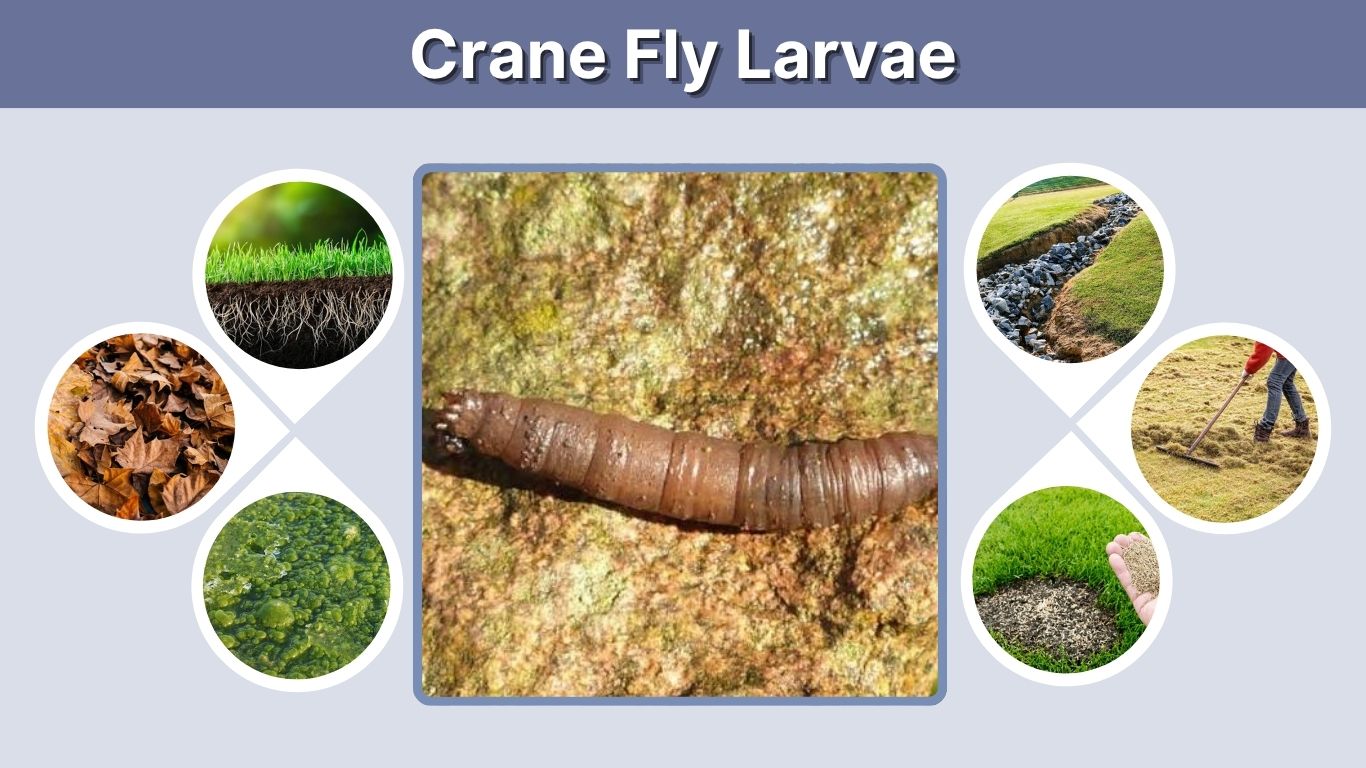
Crane Fly Larvae: Identification, Damage, Life Cycle and Control
Crane fly larvae are the immature stage of crane flies, the long-legged insects often called “daddy longlegs,” “mosquito hawks,” or “mosquito eaters.” The larvae are … Read More
Crane fly larvae are the immature stage of crane flies, the long-legged insects often called “daddy longlegs,” “mosquito hawks,” or “mosquito eaters.” The larvae are … Read More
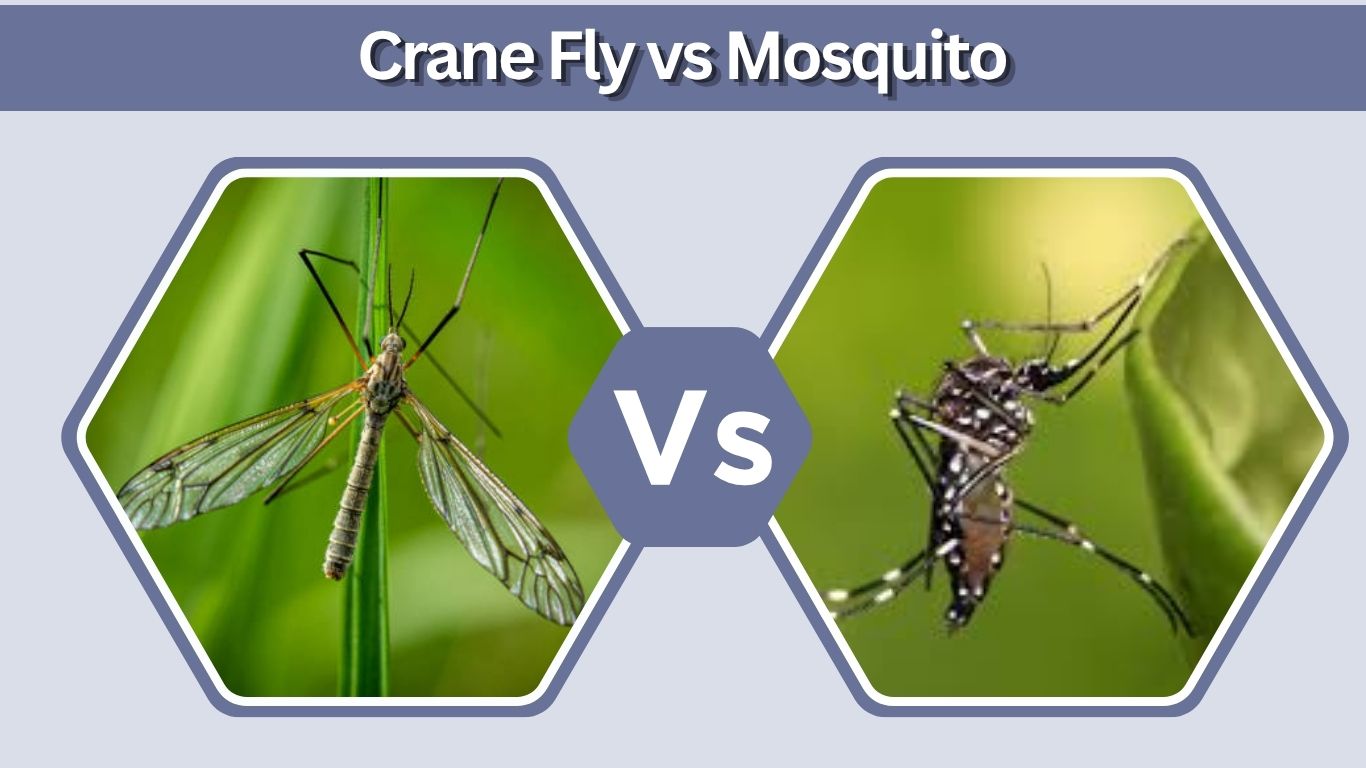
Crane flies and mosquitoes are often confused because both have long legs, narrow bodies, and delicate wings. Many people call crane flies “mosquito hawks,” “mosquito … Read More
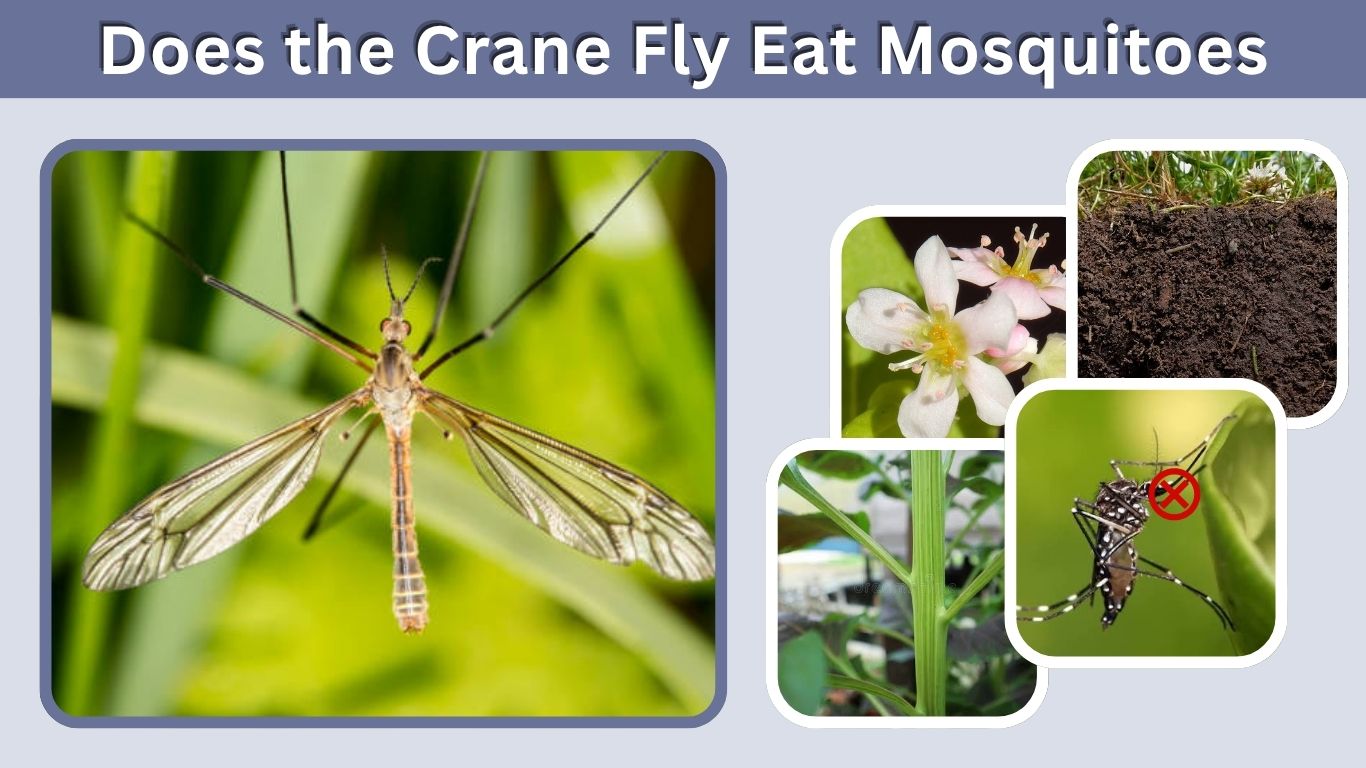
Many people believe crane flies eat mosquitoes because they are often called “mosquito hawks” or “mosquito eaters.” This common name makes crane flies sound like … Read More
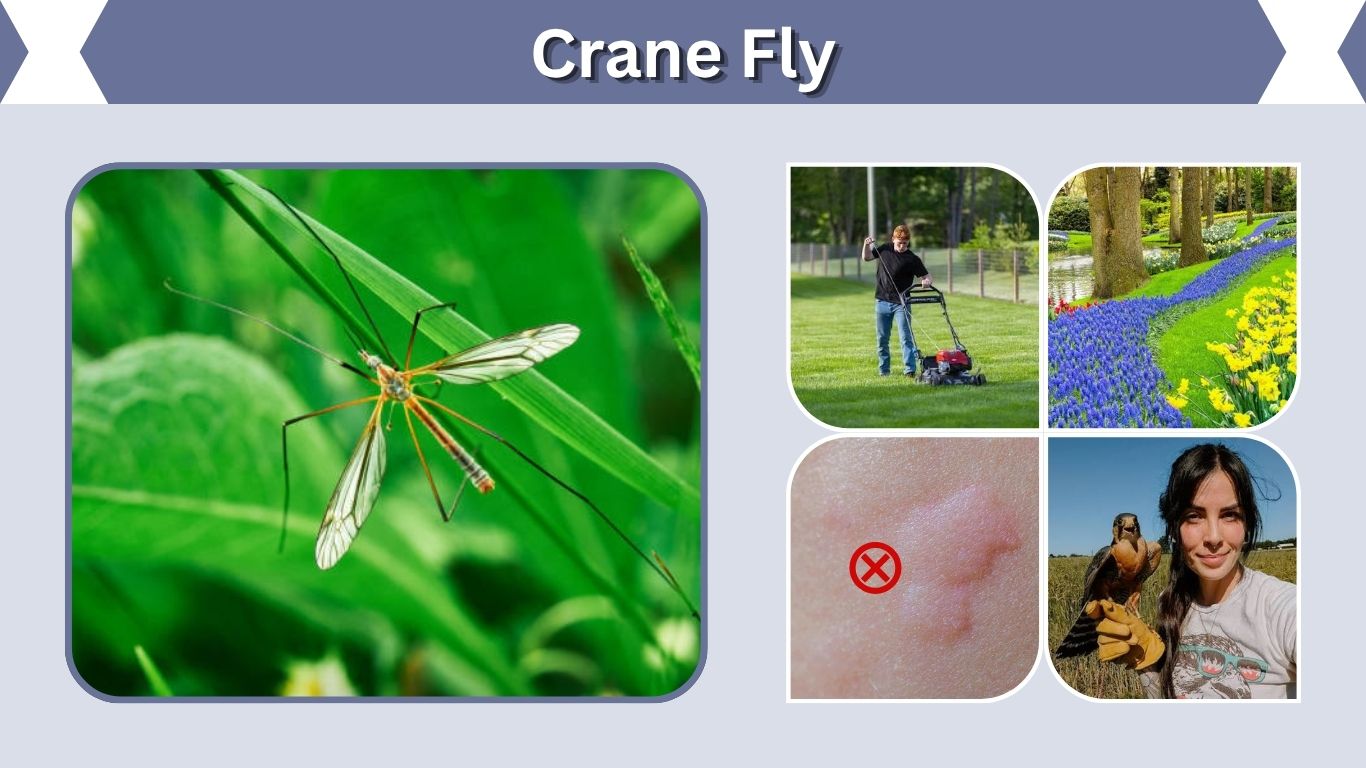
A crane fly is a long-legged flying insect that many people mistake for a giant mosquito. It has a thin body, delicate wings, and very … Read More
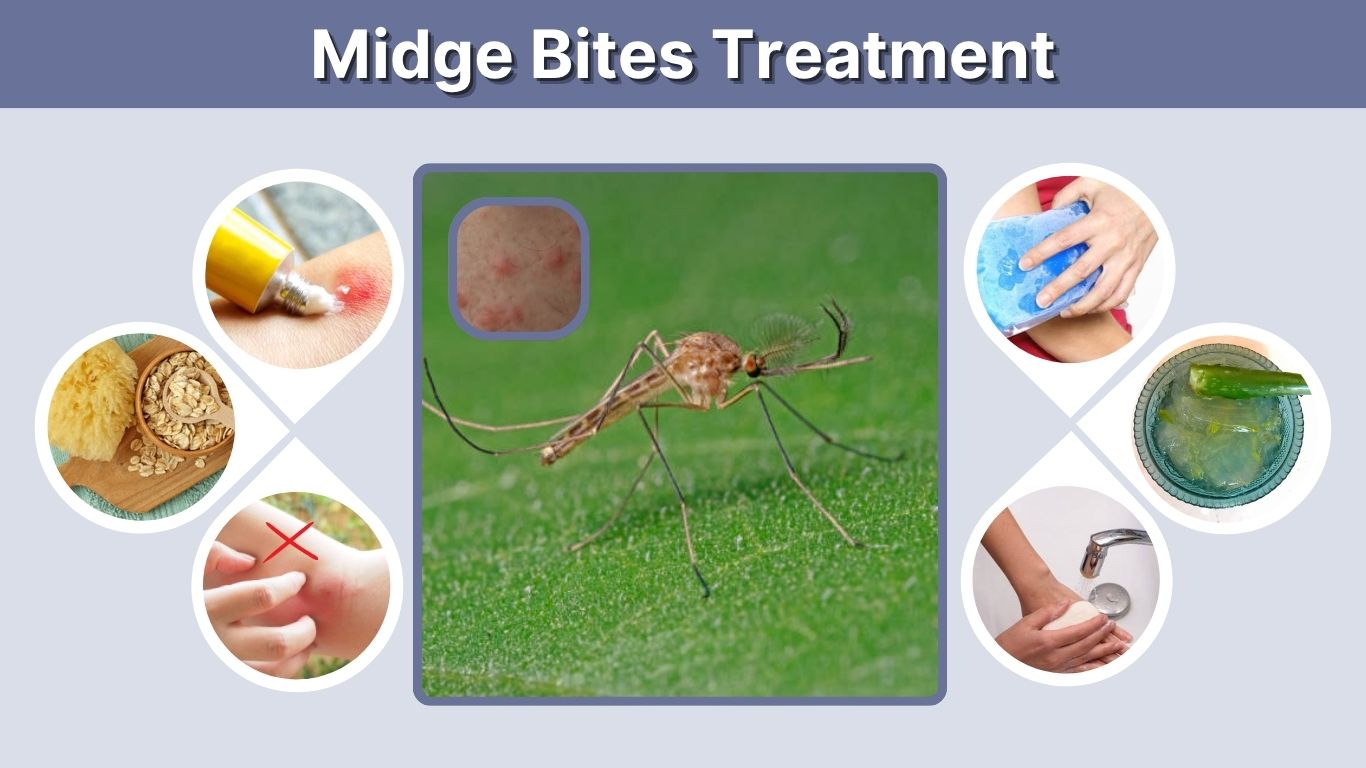
Midge bites treatment usually focuses on reducing itching, swelling, redness, and skin irritation. Biting midges are tiny flies that can leave clusters of itchy bumps … Read More

Midge bites on humans can look small at first, but they often become very itchy, red, swollen, and uncomfortable. Biting midges, also called no-see-ums in … Read More
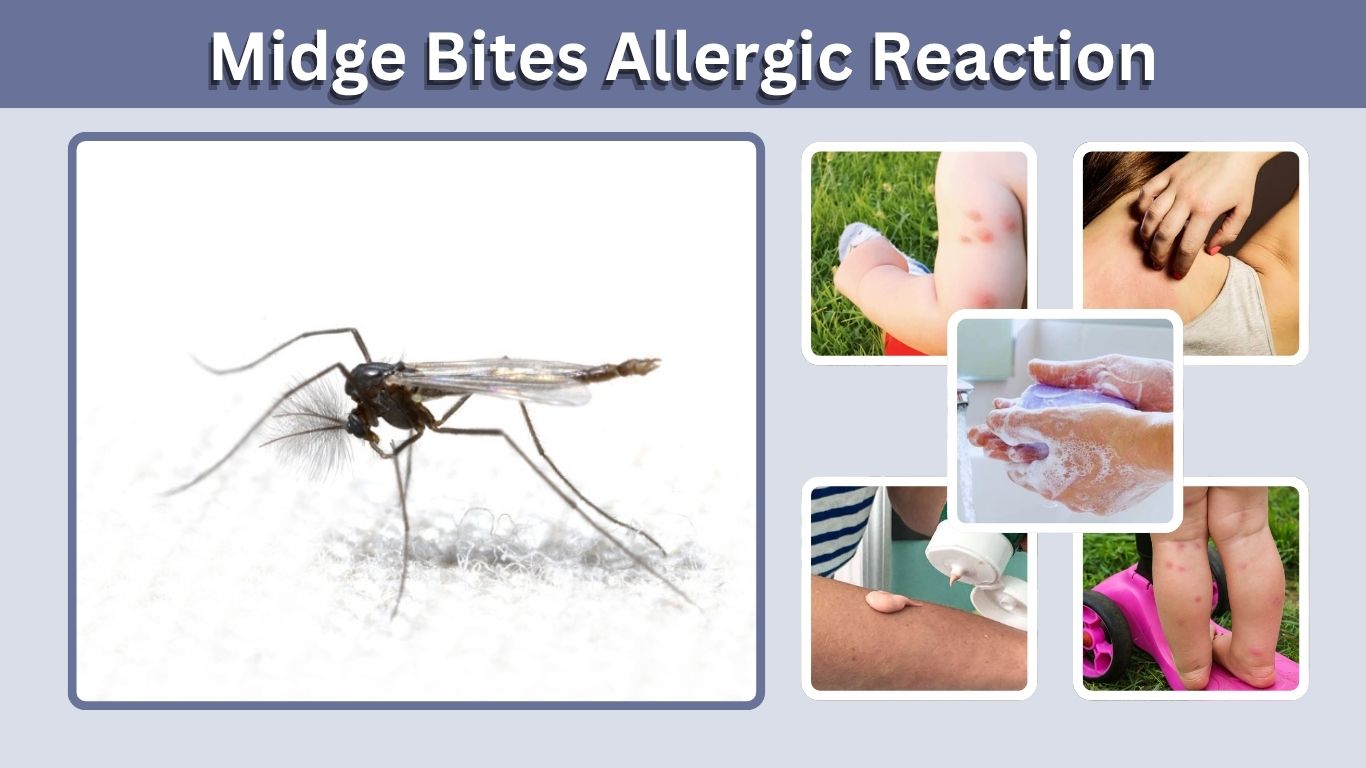
Midge bites are usually small, itchy, and irritating, but some people can develop a stronger allergic reaction. The skin may become swollen, red, warm, painful, … Read More
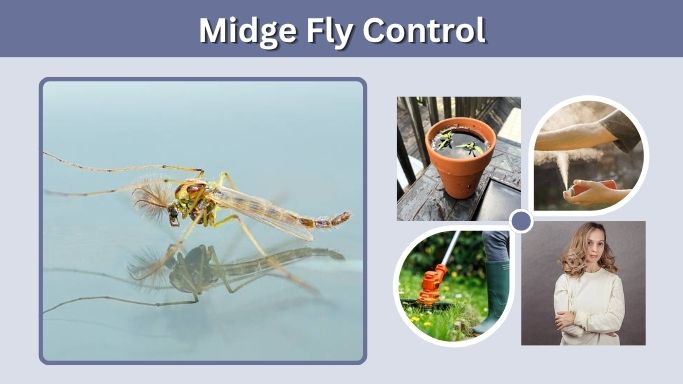
Midge flies can become a serious nuisance around homes, gardens, lakes, pools, and outdoor lights. Some midges bite, while others simply gather in huge numbers … Read More
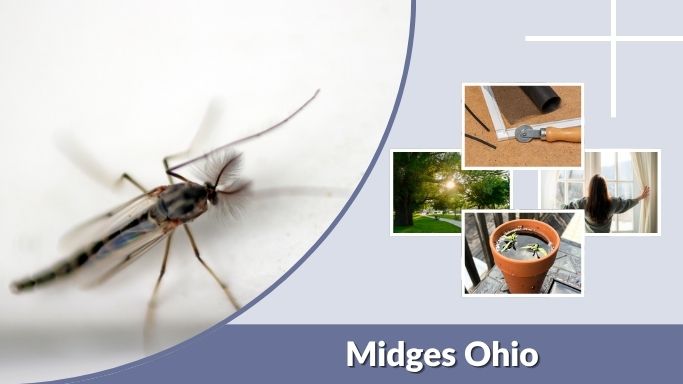
Midges in Ohio are tiny fly-like insects that become highly noticeable in spring, summer, and sometimes fall. They are especially common around Lake Erie, Cleveland, … Read More
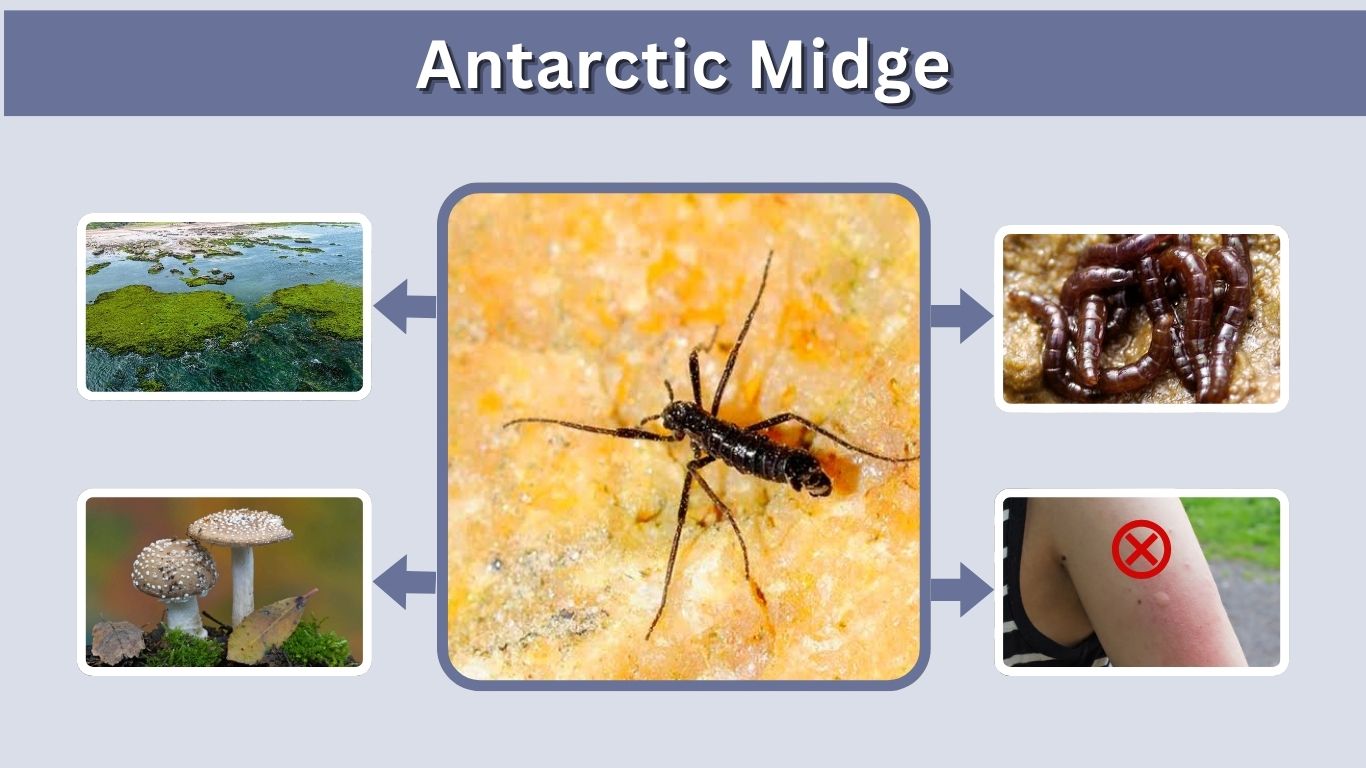
The Antarctic midge is one of the most unusual insects on Earth. Known scientifically as Belgica antarctica, this tiny, wingless fly survives in a place … Read More