
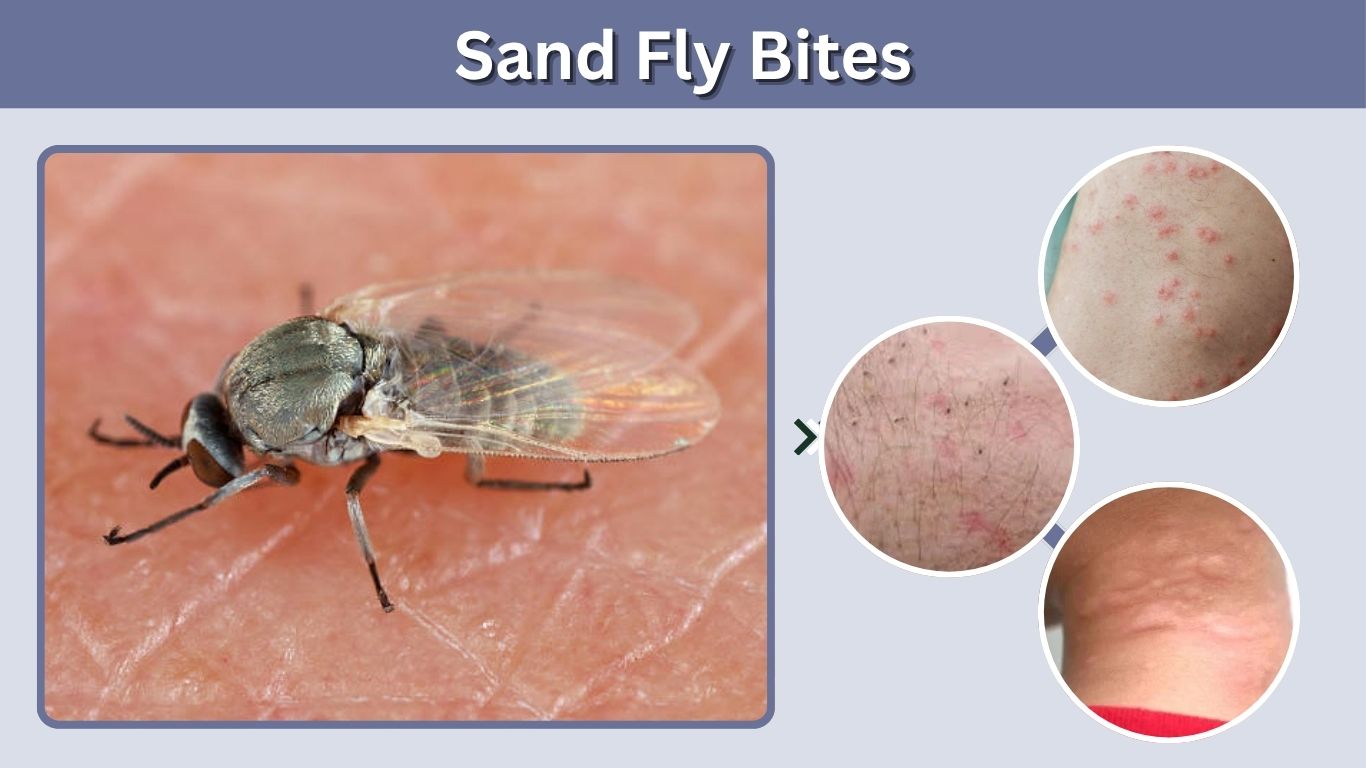
Sand Fly Bites: Symptoms, Treatment and Itch Relief
Sand fly bites usually cause small, red, intensely itchy bumps on exposed skin. Some people notice the bites immediately, while others develop redness or swelling … Read More
Sand fly bites usually cause small, red, intensely itchy bumps on exposed skin. Some people notice the bites immediately, while others develop redness or swelling … Read More
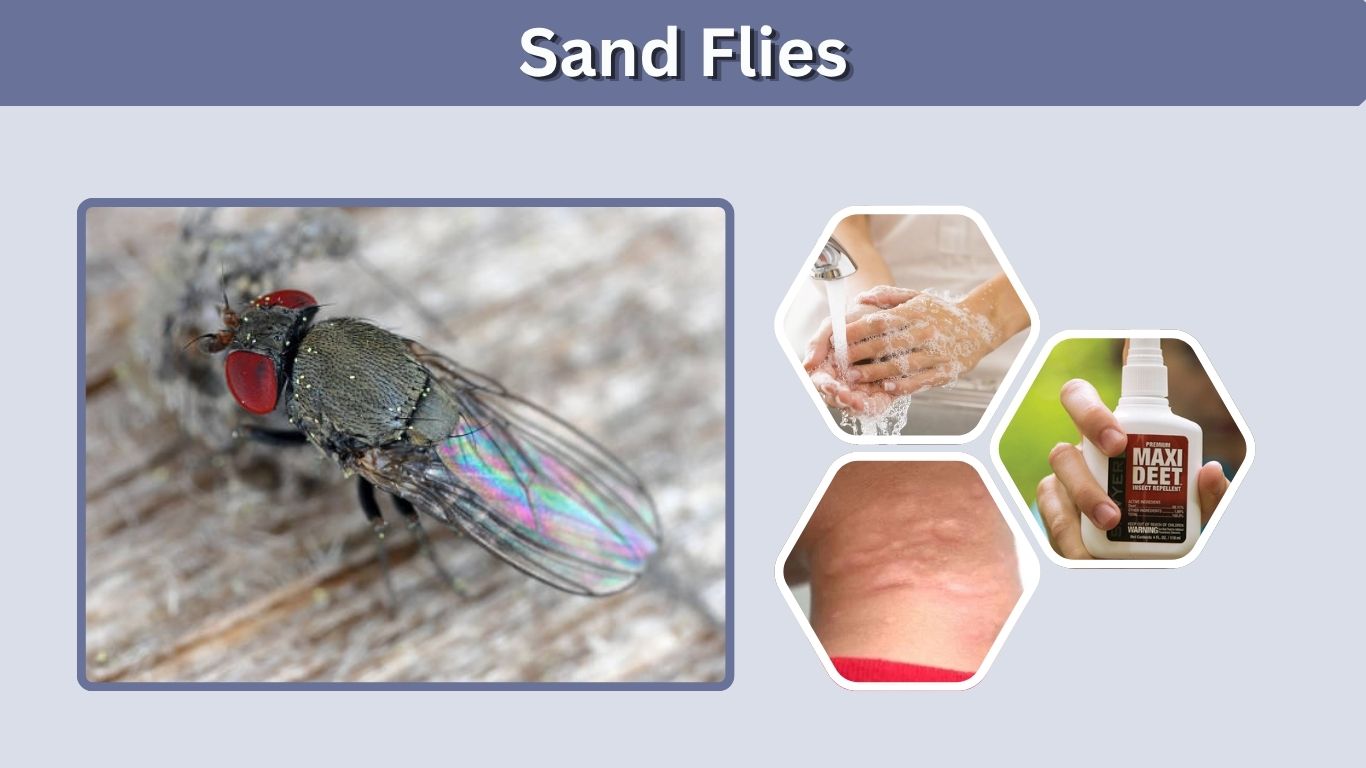
Sand flies are tiny biting insects found in warm, humid, wooded, coastal, and sandy environments. Their bites commonly produce small, intensely itchy bumps. However, “sand … Read More
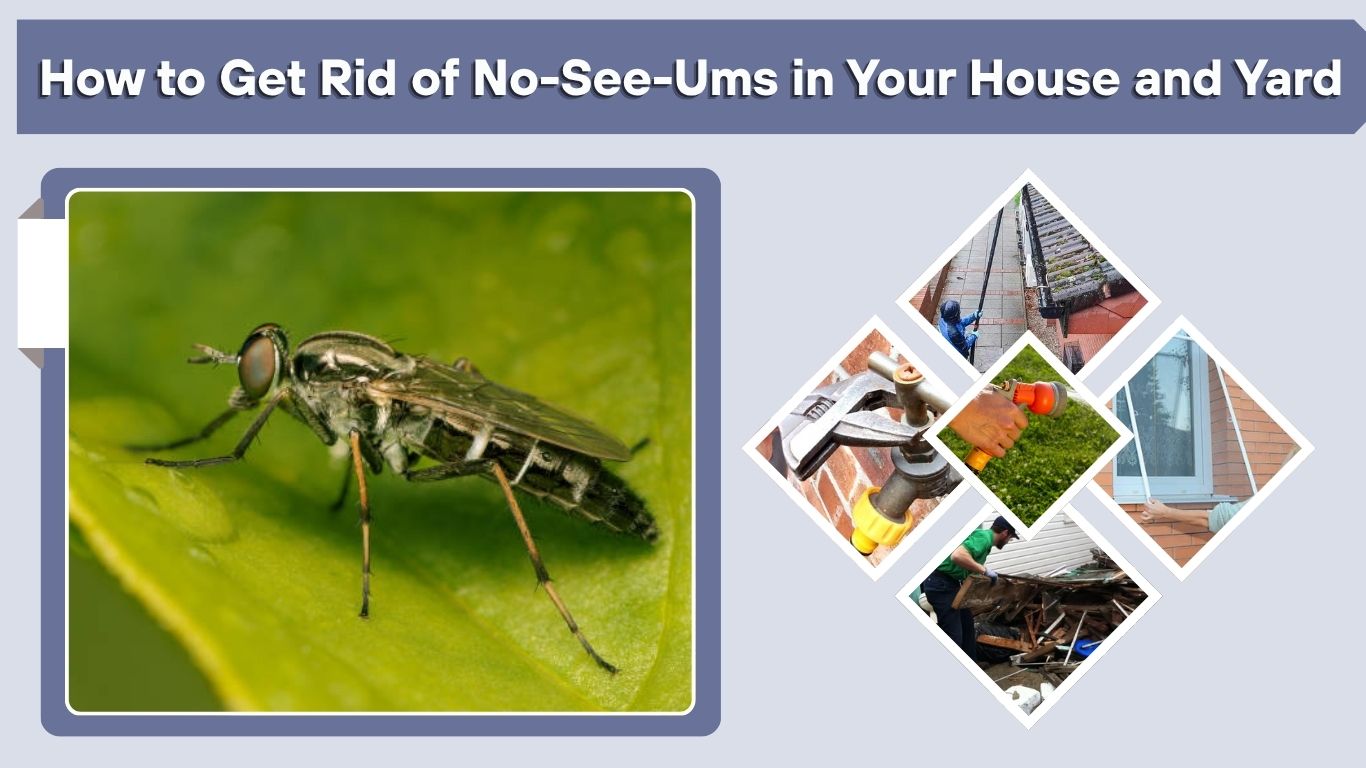
No-see-ums are tiny biting midges that can make patios, gardens, beaches, and even indoor rooms uncomfortable. Their extremely small bodies allow them to pass through … Read More
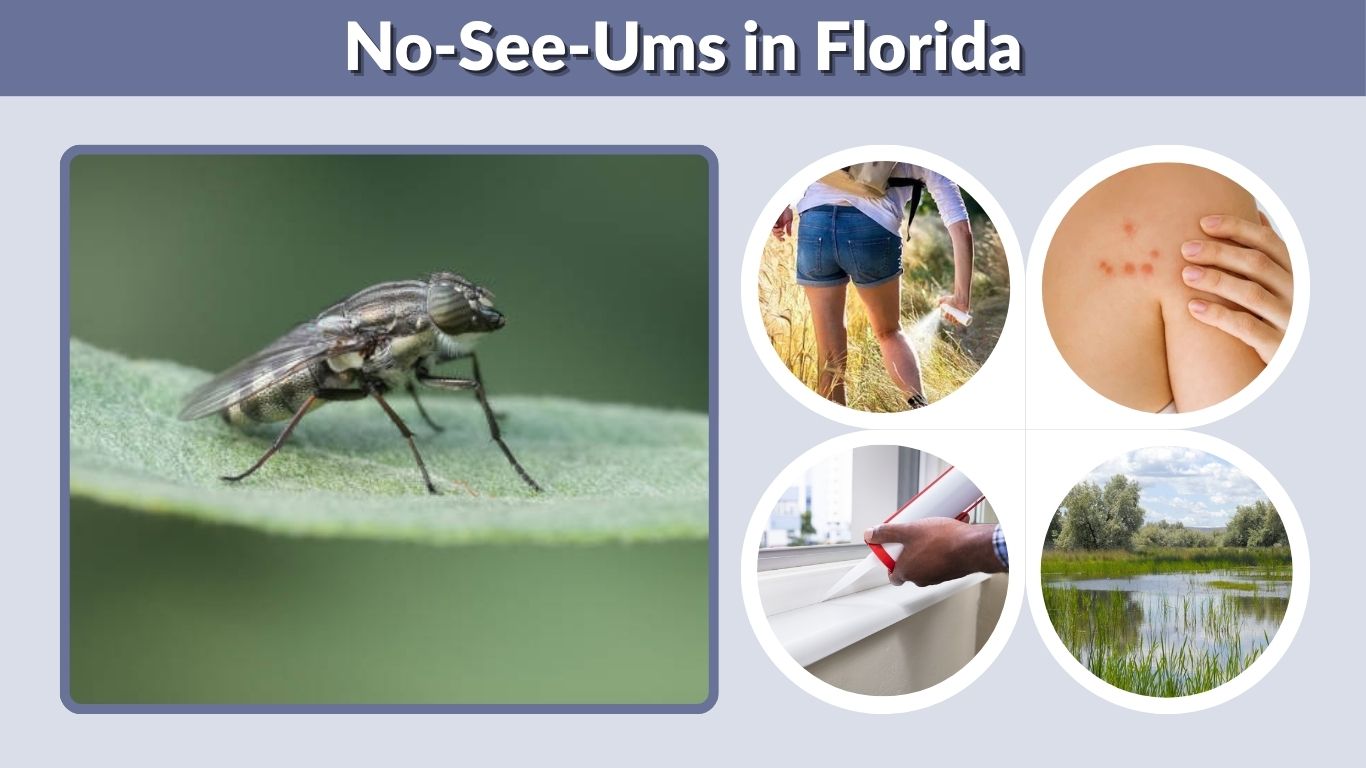
No-see-ums in Florida are tiny blood-feeding flies commonly found near beaches, mangroves, marshes, wetlands, canals, and other humid environments. Also called biting midges, sand gnats, … Read More
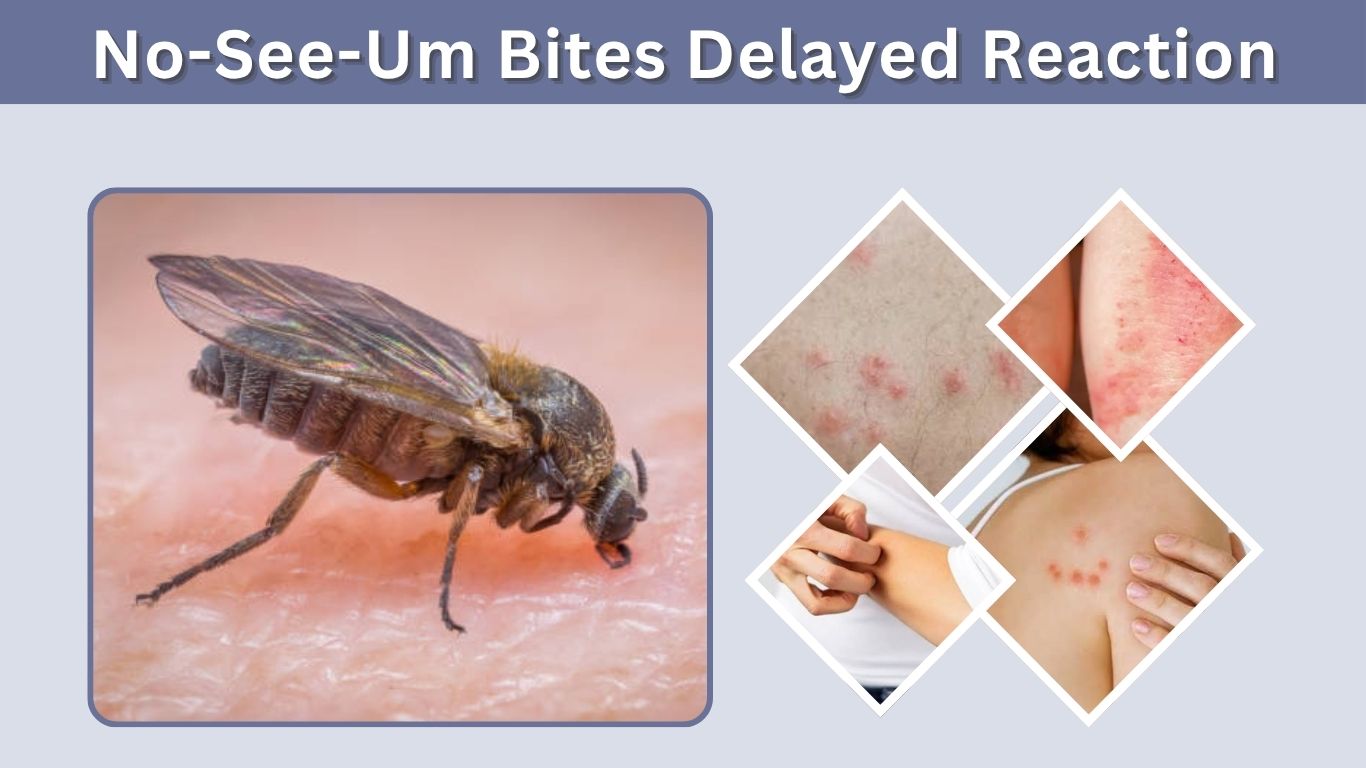
A delayed reaction to no-see-um bites may develop several hours after exposure, sometimes becoming most noticeable the following day. The affected skin can develop intensely … Read More
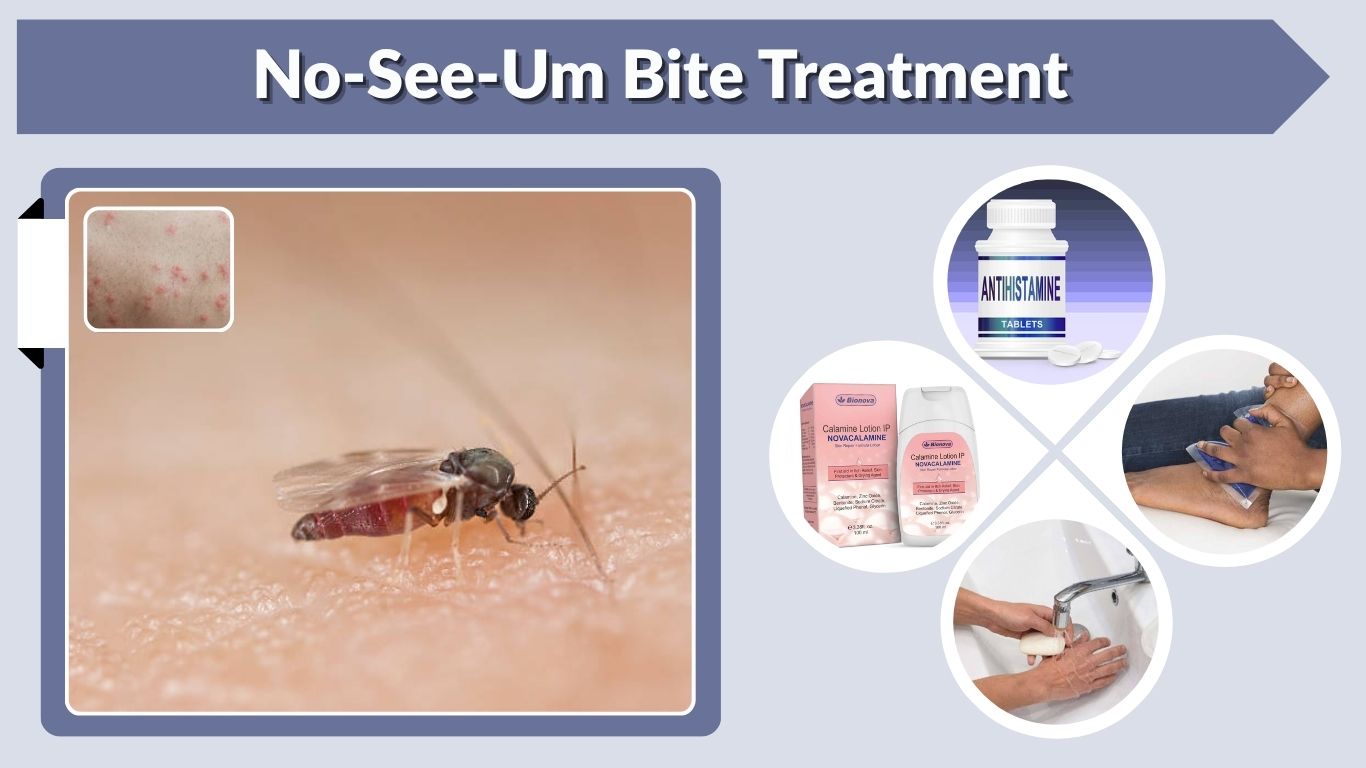
No-see-um bites can cause intense itching, burning, redness, and swelling despite coming from extremely small insects. Also called biting midges, no-see-ums may leave individual bumps … Read More
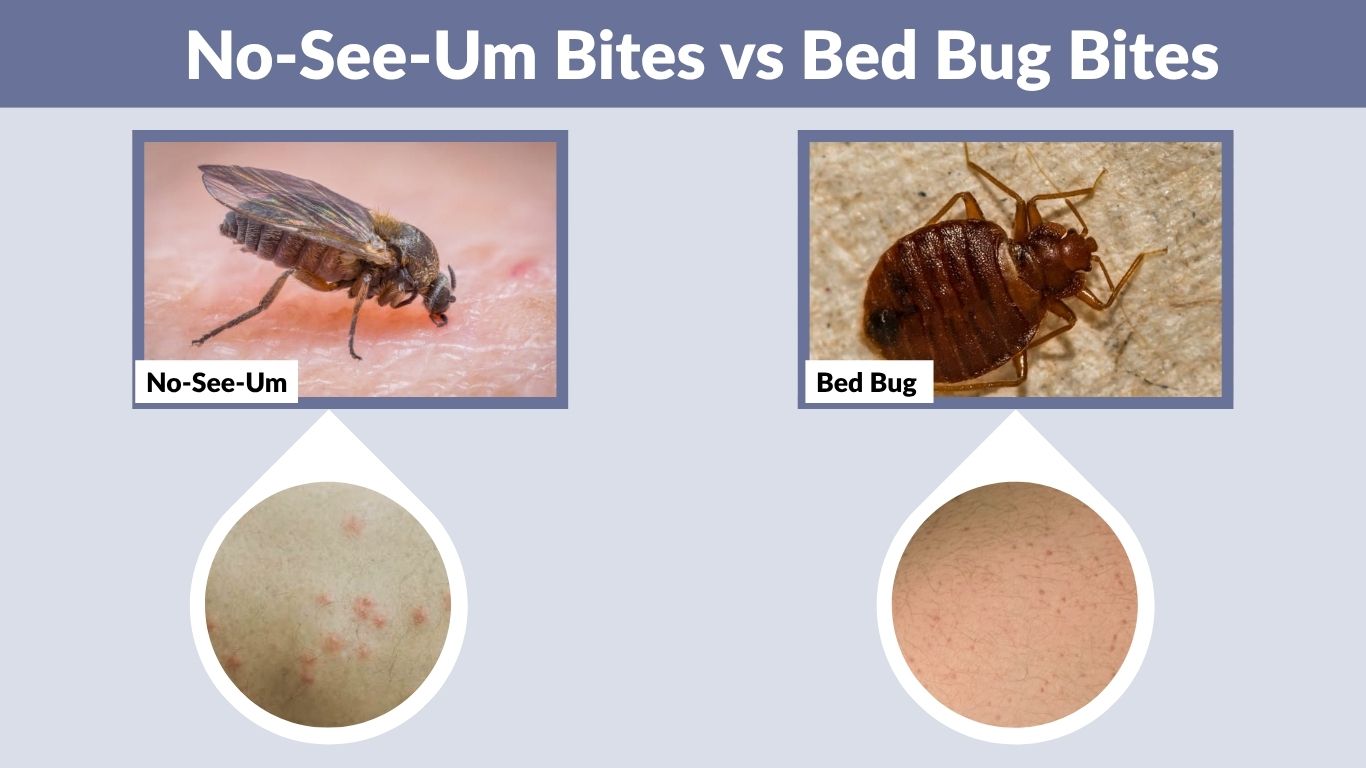
No-see-um and bed bug bites can both produce small, red, intensely itchy bumps, making them difficult to identify from skin marks alone. The most useful … Read More
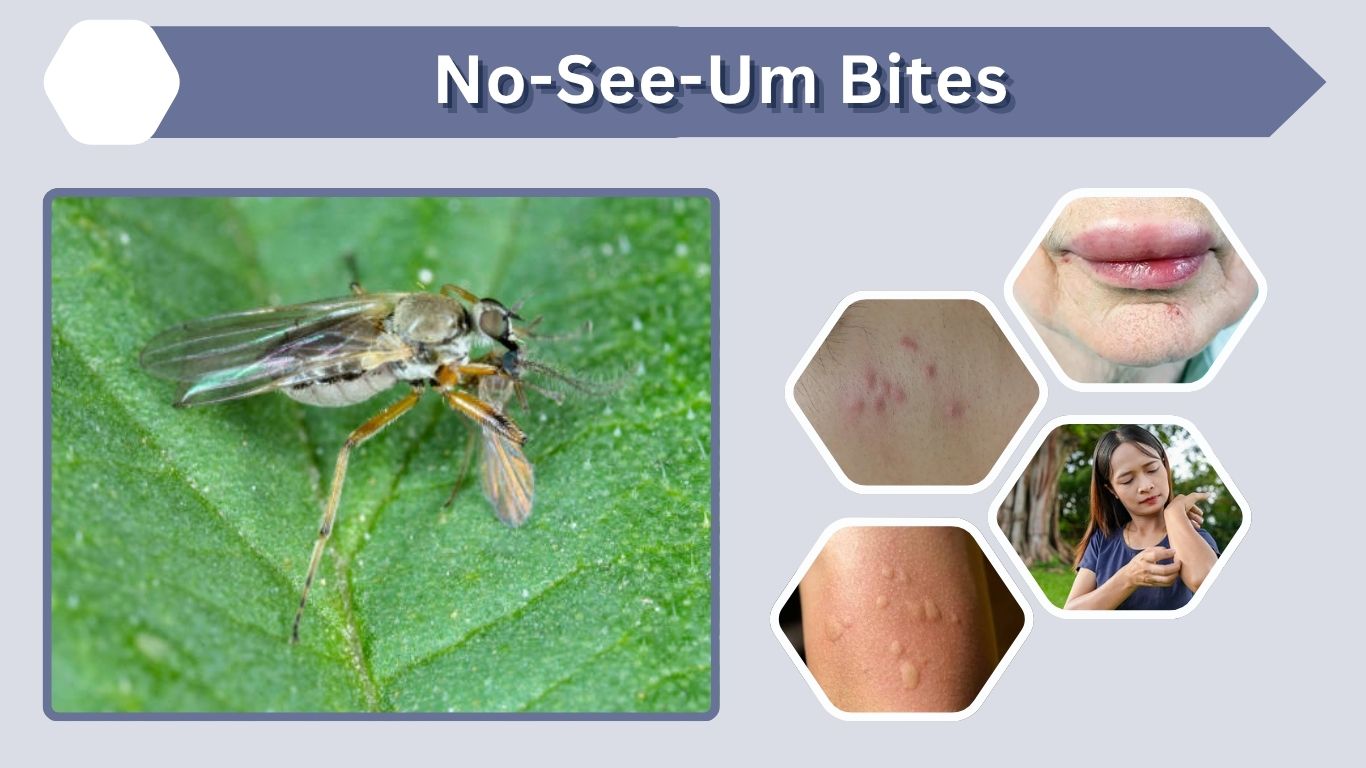
No-see-um bites can produce surprisingly intense itching for such a tiny insect. These bites often appear as small red bumps or welts after time spent … Read More
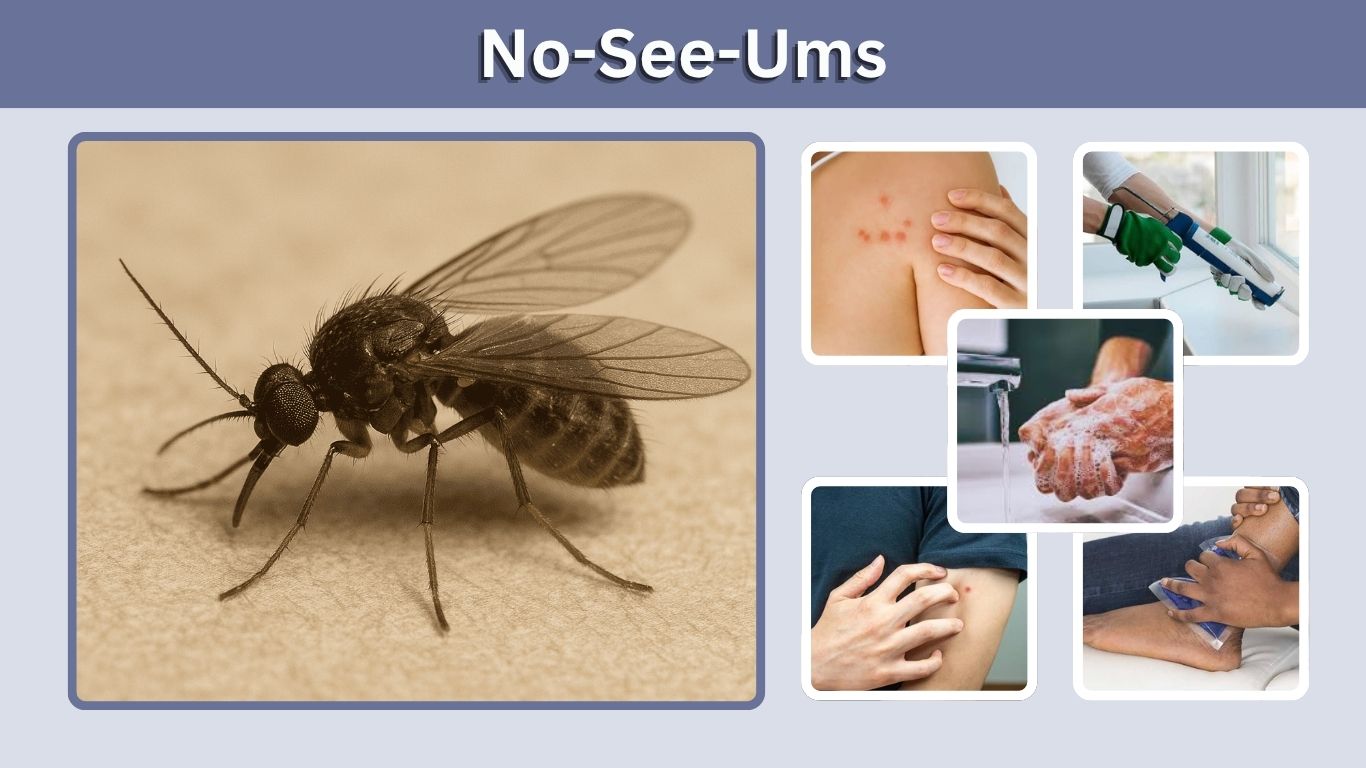
No-see-ums are tiny biting flies that can leave surprisingly painful, itchy welts. They are especially troublesome around marshes, beaches, mangroves, wet grasslands, ponds, and other … Read More
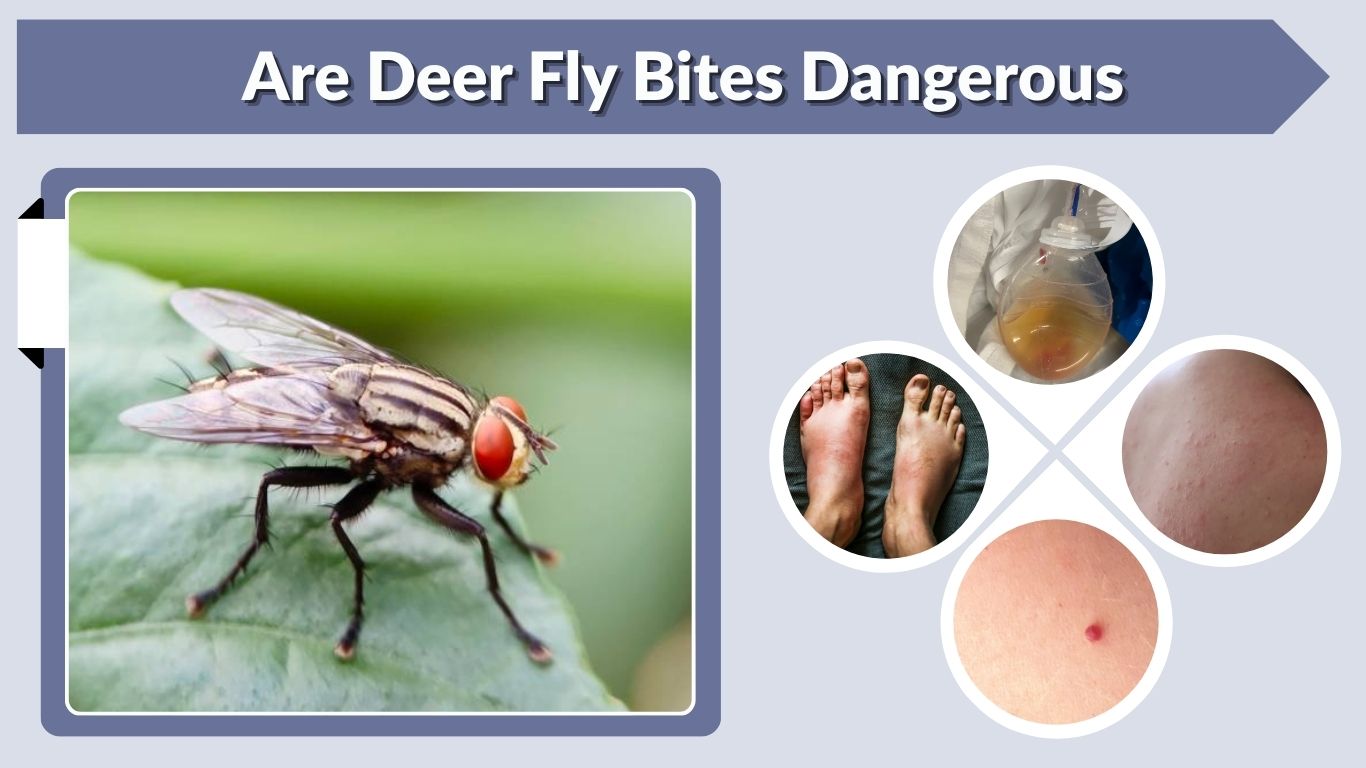
Deer fly bites are painful, but most are not dangerous to healthy people. They typically cause a small bleeding wound followed by redness, itching, tenderness, … Read More