
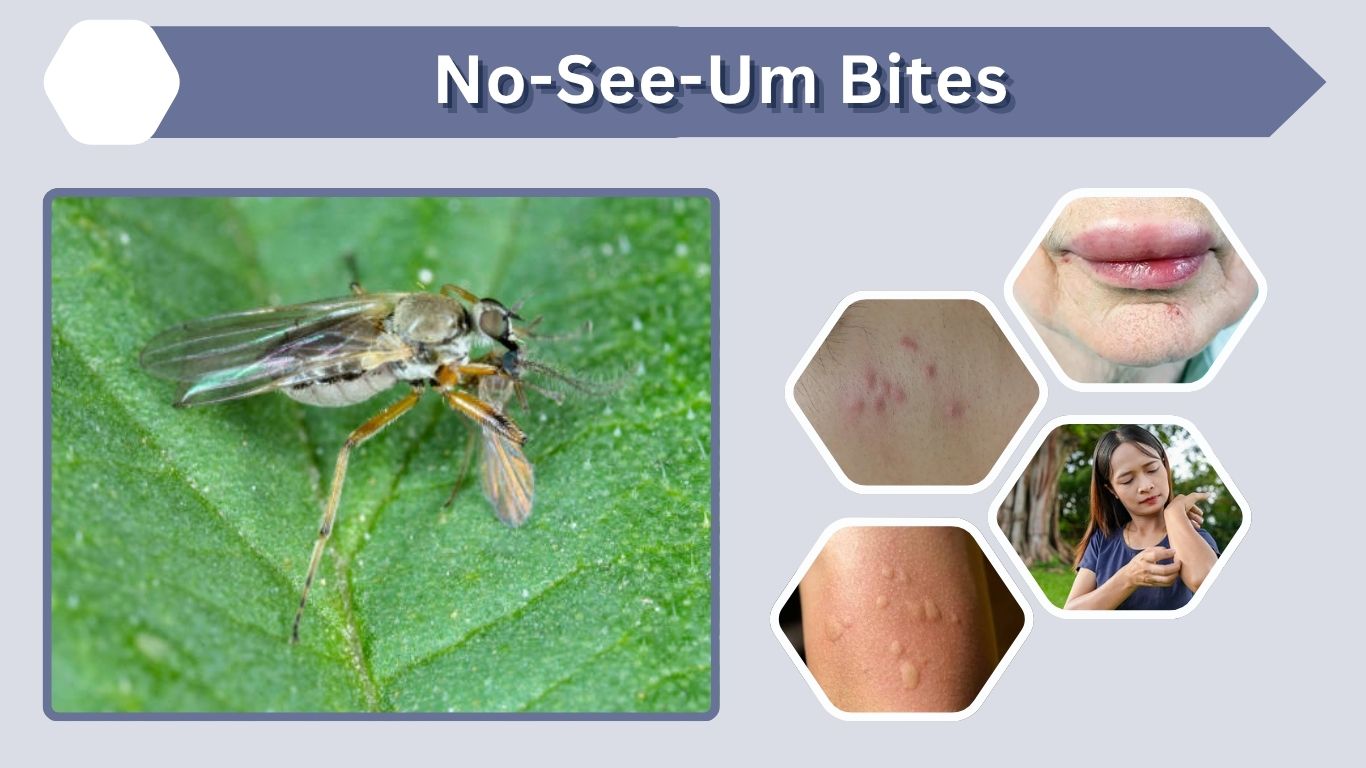
No-see-um bites can produce surprisingly intense itching for such a tiny insect. These bites often appear as small red bumps or welts after time spent near beaches, wetlands, marshes, gardens, or other damp environments. Some people notice an immediate burning sensation, while others develop symptoms several hours later. Most bites improve with simple home care, including washing the skin, applying a cold compress, and using an appropriate anti-itch treatment. However, spreading redness, breathing difficulty, facial swelling, or other severe symptoms require medical attention.
What Are No-See-Ums?
No-see-ums are tiny biting flies belonging to the family Ceratopogonidae. They are also called biting midges, sand gnats, or punkies. Adults are commonly only about 1–2 millimeters long, allowing them to pass through ordinary window screens and remain difficult to see while biting.
Only female biting midges take blood meals, which provide nutrients needed for egg production. Males mainly feed on plant nectar and are not equipped to pierce human skin. Many species are most active around dusk, nighttime, and early morning, although activity differs by species and weather conditions.
What Do No-See-Um Bites Look Like?
No-see-um bites commonly appear as small, raised, itchy bumps surrounded by redness or skin discoloration. They may occur individually, in scattered groups, or in dense clusters when several insects attack exposed skin.
Common signs include:
- Small red or darker-colored bumps
- An itchy or burning sensation
- Mild to moderate swelling
- A tiny central puncture point
- Groups of bites on the legs, arms, neck, or face
- Occasional blisters in sensitive individuals
Redness may be less visible on brown or black skin, so swelling, warmth, tenderness, and changes in skin texture may be easier to notice.
The appearance alone cannot confirm that no-see-ums caused the reaction. Mosquitoes, fleas, bed bugs, mites, and other insects can leave similar marks.
Can No-See-Um Bites Have a Delayed Reaction?
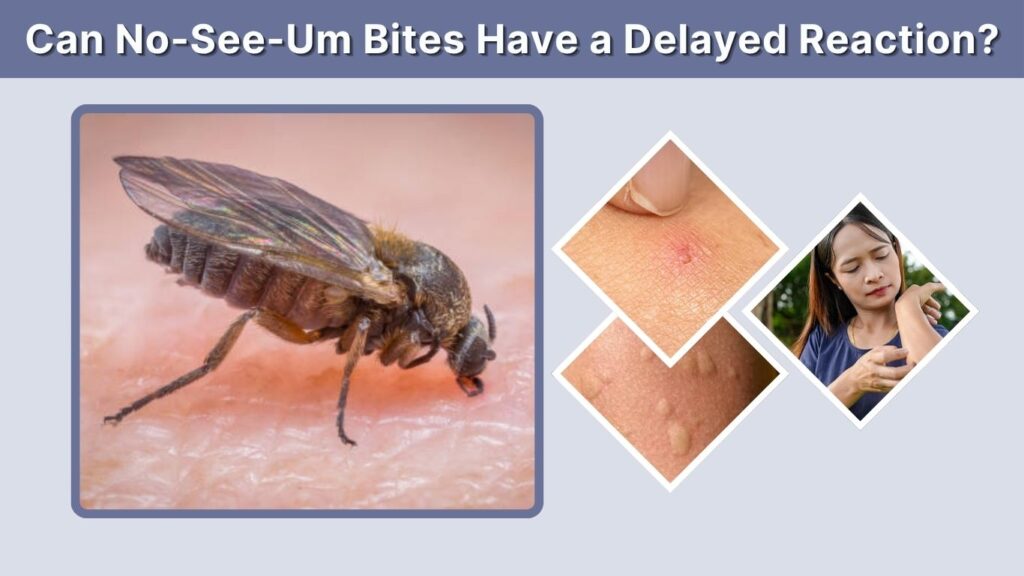
Yes. A person may feel a sharp sting immediately, but visible swelling and itching can develop several hours later. Some insect-bite reactions form as solid, itchy bumps up to 24 hours after exposure.
Delayed reactions can make it seem as though the bites are spreading overnight. Usually, the original bites are becoming visible at different times rather than moving from one area to another.
A strong local reaction may include:
- Increasing swelling around each bite
- Intense itching
- A larger red or discolored patch
- Warmth and tenderness
- Small blisters or bruised-looking marks
These symptoms can reflect sensitivity to substances in the insect’s saliva. Scratching can make the reaction appear worse and increase the risk of infection.
What Is the Fastest Way to Heal No-See-Um Bites?
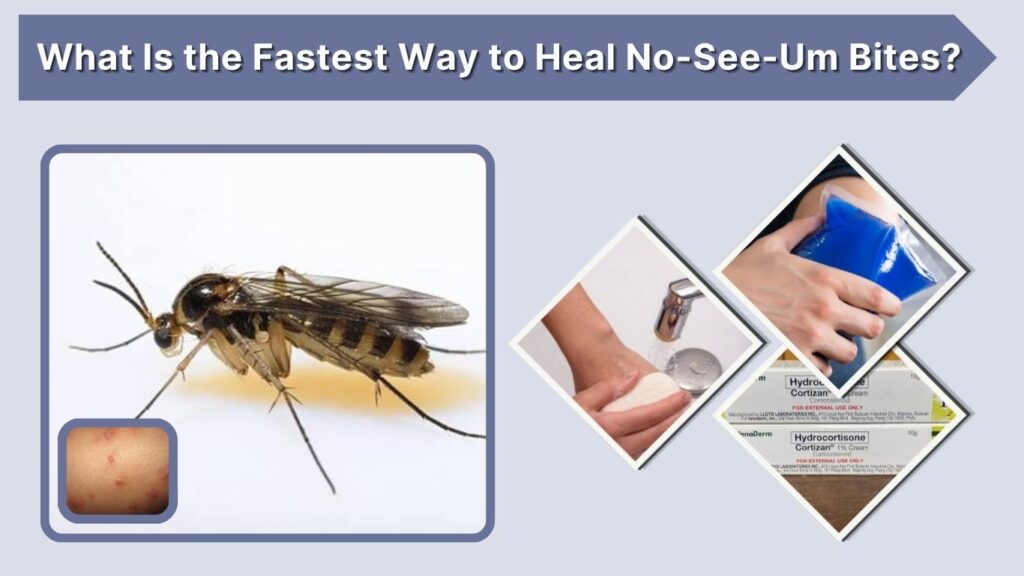
There is no instant cure, but prompt skin care can reduce itching, swelling, and further irritation. The most effective approach is to clean, cool, protect, and avoid scratching the affected skin.
Wash the Area
Gently wash the bites with soap and water. This removes dirt and lowers the chance of bacteria entering broken skin. Do not scrub aggressively, as friction may worsen irritation.
Apply a Cold Compress
Place an ice pack wrapped in a clean cloth over the bites for approximately 10–20 minutes. Cold temperatures can temporarily reduce itching and swelling. Never place ice directly against the skin.
Use an Anti-Itch Treatment
A pharmacist or healthcare professional may recommend calamine lotion, hydrocortisone cream, or an oral antihistamine, depending on the person’s age, medical history, and symptoms. Calamine or hydrocortisone may help relieve itching, while antihistamines can reduce an allergic-type reaction. Follow the label and seek professional advice before treating young children, pregnancy, or sensitive skin.
Avoid Scratching
Scratching damages the skin and can introduce bacteria. Keep fingernails short and consider covering heavily scratched areas with a clean, breathable dressing.
How Long Do No-See-Um Bites Last?
Most uncomplicated insect bites begin improving within several days. University of Florida guidance notes that discomfort from biting midges may last from minutes to hours, while people who are especially sensitive may itch for two or three days. More pronounced reactions can sometimes remain visible longer.
Healing may take longer when:
- The person received many bites
- The skin was repeatedly scratched
- A large local allergic reaction developed
- The bites became infected
- The person is highly sensitive to insect saliva
Seek medical advice when the reaction continues worsening, does not begin improving, or repeatedly returns without additional outdoor exposure.
No-See-Um Bites vs. Mosquito and Bed Bug Bites
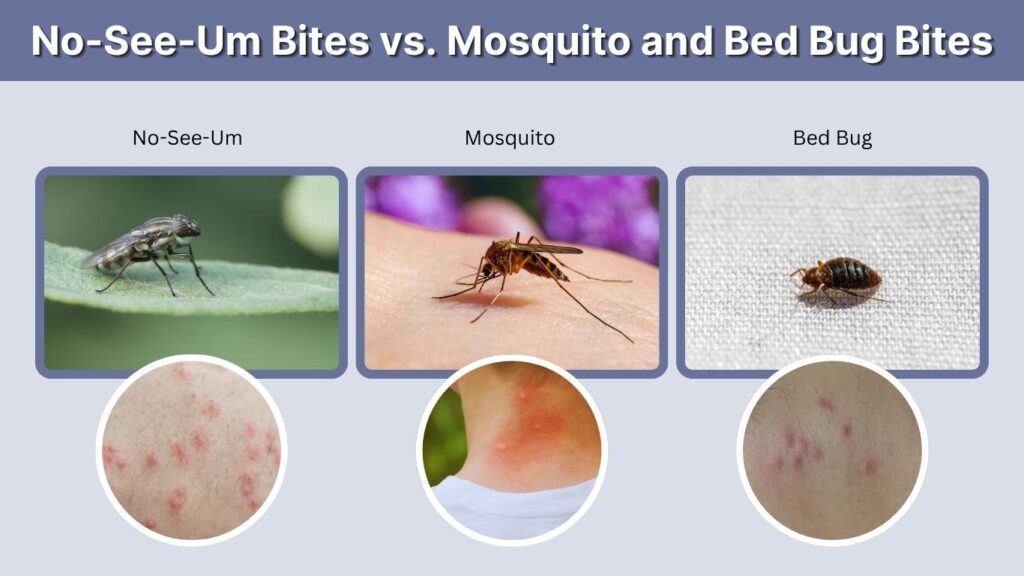
Bite marks are often difficult to identify without considering where and when the exposure happened.
| Feature | No-see-um bites | Mosquito bites | Bed bug bites |
| Typical exposure | Beaches, marshes and damp outdoor areas | Almost any outdoor environment | Beds, furniture and indoor resting areas |
| Appearance | Tiny bumps, often numerous | Puffy, itchy bumps | Itchy bumps in clusters or irregular lines |
| Timing | Immediate burning or delayed itching | Minutes to about a day | Often noticed after sleeping |
| Common locations | Exposed legs, arms, face and neck | Any exposed skin | Skin exposed while resting |
| Other evidence | Tiny flying insects nearby | Mosquito activity | Bugs, eggs, dark spots or stains around beds |
Mosquito bites often form puffy bumps shortly after exposure or harder itchy bumps about a day later. Bed bug bites cannot reliably confirm an infestation; checking mattresses and furniture for live insects, shed skins, eggs, dark waste spots, and reddish stains is more accurate.
Do No-See-Um Bites Spread?
The skin reaction itself does not normally spread from person to person. New-looking marks may result from delayed reactions, unnoticed bites, continued exposure, or scratching.
Increasing redness that expands outward, however, may indicate infection rather than additional bites. Warning signs include:
- Skin that becomes increasingly hot or painful
- Rapidly expanding redness or discoloration
- Pus or yellow-green fluid
- A red streak extending from a bite
- Fever, swollen glands, or feeling unwell
These symptoms should be assessed promptly by a healthcare professional.
Severe or Allergic Reactions
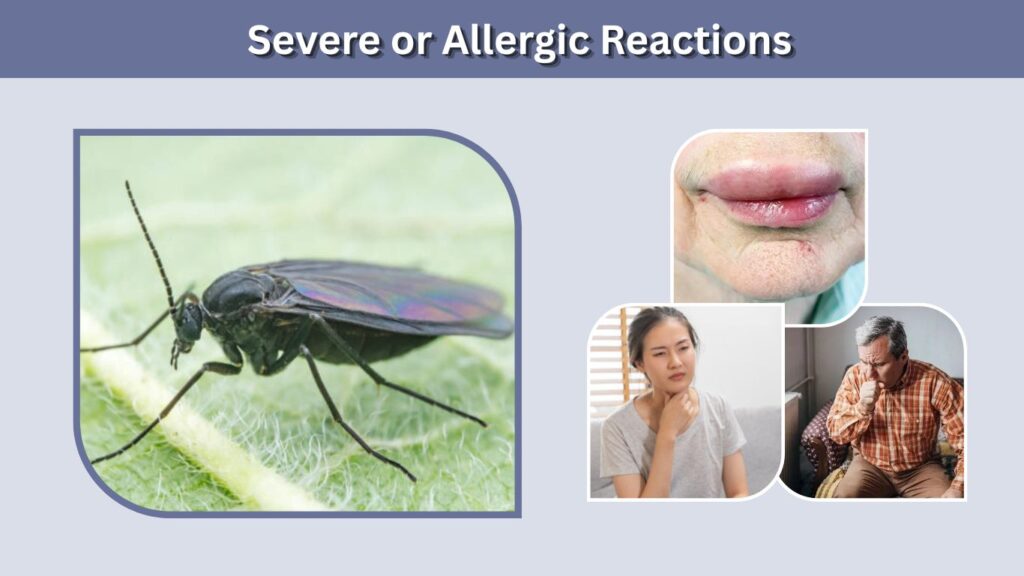
Most no-see-um bites cause only localized irritation. Some people develop considerable swelling, hives, blistering, or a more intense allergic response.
Emergency care is needed for:
- Swelling of the lips, tongue, mouth, or throat
- Difficulty breathing or swallowing
- Wheezing or throat tightness
- Severe dizziness, confusion, or fainting
- Widespread hives accompanied by other symptoms
These can be signs of a serious allergic reaction. Contact the appropriate local emergency service immediately.
No-see-ums are mainly nuisance pests in many places. However, infected biting midges can transmit Oropouche virus in parts of South America, Central America, and the Caribbean. Fever, headache, muscle aches, joint pain, nausea, or light sensitivity after recent travel to an affected area should be discussed with a healthcare provider.
How to Prevent No-See-Um Bites
Preventing exposure is easier than treating dozens of itchy bites afterward.
Use Insect Repellent
Apply an EPA-registered repellent suitable for biting insects, following every label direction. DEET interferes with a biting insect’s ability to locate people and is considered safe when used according to the approved instructions. Do not apply repellent over cuts, wounds, or irritated skin.
Cover Exposed Skin
Wear long sleeves, long pants, socks, and closed shoes in heavily infested areas. Tightly woven fabrics provide better protection than loose or open-weave clothing. Midges may reach the skin through gaps around cuffs, collars, and waistbands.
Avoid Peak Activity
Reduce outdoor activity near damp habitats at dusk, overnight, and around sunrise when many species are most active. Coastal marshes, mangroves, wet soil, pond edges, and water-filled tree holes can support developing midges.
Protect the House
Standard window mesh may not block these extremely small insects. Fine “no-see-um” screening is more effective. Closing windows, using air conditioning, and running fans can also reduce indoor exposure and make it harder for weak-flying midges to land.
FAQs
Do no-see-ums bite people?
Yes. Female no-see-ums bite people and animals because they need blood-derived nutrients to produce eggs. Males do not have mouthparts adapted for piercing skin and generally feed on nectar.
Can no-see-ums bite through clothes?
They are more likely to reach skin through loose fabric, open weaves, cuffs, collars, and other gaps than to penetrate tightly woven clothing. Long, closely woven clothing provides better protection.
Does calamine lotion help no-see-um bites?
Calamine lotion may soothe itching and irritation for some people. Hydrocortisone cream or an oral antihistamine may also be appropriate, but medicine selection should follow label instructions and professional advice.
Are no-see-um bites dangerous?
Most bites are uncomfortable but not dangerous. The main risks are allergic reactions, skin infection from scratching, and—in limited geographic regions—illness transmitted by infected biting midges.
When should I see a doctor?
Seek medical advice for worsening swelling, spreading redness, pus, fever, persistent symptoms, or bites near the eyes or mouth. Breathing difficulty, throat swelling, fainting, or facial swelling requires immediate emergency care.