
Mosquito bites are one of the most common insect bites people experience, especially during warm weather and outdoor activities. These bites usually appear as small itchy bumps on exposed skin, but reactions can vary depending on skin sensitivity and the type of mosquito involved. Some bites remain tiny and mild, while others become swollen, red, or irritated for several days. Because mosquito bites sometimes resemble flea bites, bed bug bites, or allergic skin reactions, proper identification can help people better understand symptoms and treatment options.
Mosquitoes bite humans to feed on blood, and their saliva triggers immune reactions that cause itching and swelling. Learning how mosquito bites look during different stages can help people recognize normal reactions and identify signs that may require medical attention.
What Do Mosquito Bites Look Like?
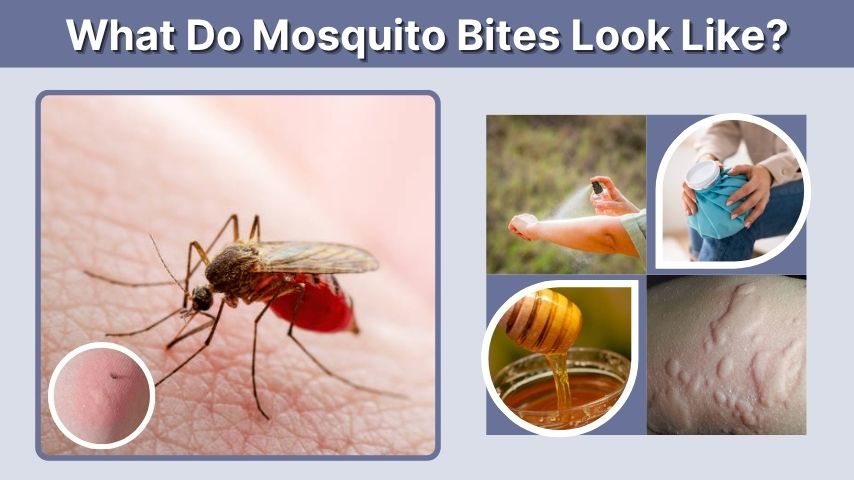
Mosquito bites usually appear as small raised bumps with redness and mild swelling around the affected area. Most bites develop quickly after the mosquito feeds and may become itchy within minutes. The appearance can vary depending on the person’s immune response and the number of bites received.
Common Appearance of Mosquito Bites
- Small round raised bumps
- Red or pink skin discoloration
- Puffy or swollen appearance
- Itchy irritated skin
- Soft bumps on exposed areas
Why Mosquito Bites Become Raised
Mosquito bites become raised because the insect injects saliva into the skin while feeding. The body reacts to proteins in the saliva by releasing histamines and triggering inflammation around the bite area.
Where Mosquitoes Usually Bite
Mosquitoes commonly bite exposed skin such as the arms, legs, ankles, neck, and face. Thin clothing may not fully protect against bites because some mosquito species can bite through lightweight fabric.
Mosquito Bite Symptoms
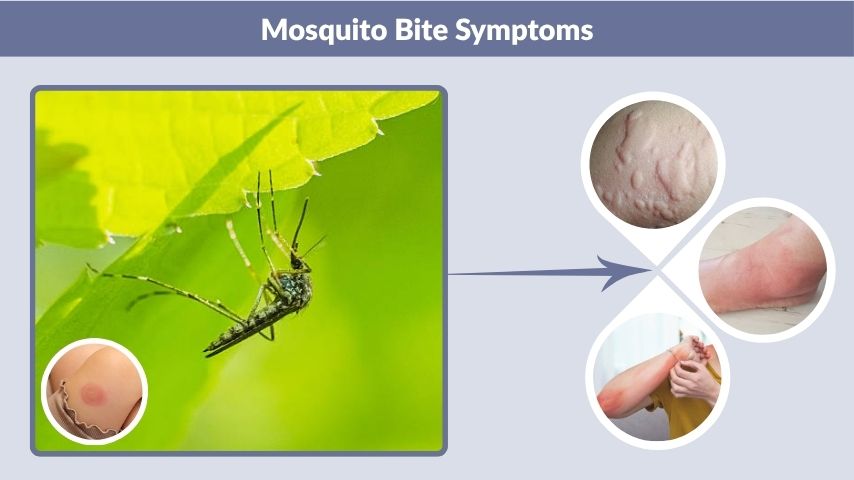
Mosquito bite symptoms range from mild itching to larger swollen welts depending on individual sensitivity. Most bites are harmless and improve within a few days, although scratching can make irritation worse and increase infection risk.
Mild Symptoms
- Small itchy bumps
- Mild redness
- Slight swelling
- Warm skin around bites
- Temporary irritation
Moderate Reactions
Some people develop larger itchy welts or clusters of swollen bites. Reactions may become more noticeable after repeated mosquito exposure or in individuals with sensitive skin and stronger immune responses.
Severe Allergic Reactions
Although rare, severe mosquito bite reactions can include large swelling, blistering, fever, or breathing problems. Medical attention may be necessary if symptoms become serious or spread beyond the bite area.
Stages of a Mosquito Bite
Mosquito bites change appearance over time as the body reacts and heals. Understanding these stages can help people recognize whether a bite is improving normally or becoming infected or unusually irritated.
Immediate Bite Appearance
- Tiny puncture mark
- Mild redness
- Early itching sensation
- Small raised bump
- Slight skin irritation
Mosquito Bite After Several Hours
Within several hours, bites often become puffier and itchier as inflammation increases. Scratching may worsen redness and swelling, especially in people with sensitive skin or allergic reactions to mosquito saliva.
Healing and Recovery Stage
Most mosquito bites gradually fade after a few days. Redness and swelling decrease while the skin heals naturally. Some bites may leave temporary marks or darker spots, especially if heavily scratched.
Mosquito Bites vs Other Insect Bites
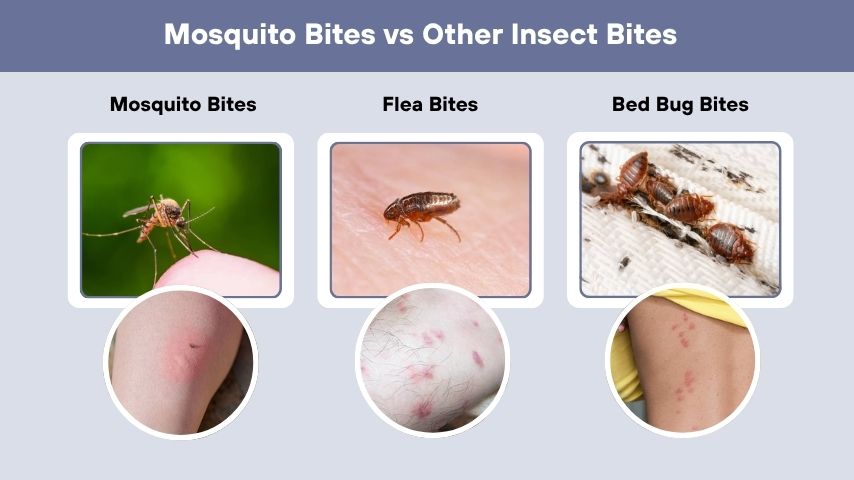
Mosquito bites are often confused with bites from fleas, bed bugs, spiders, and other insects. Comparing bite patterns, swelling, and itching can help identify the most likely cause of skin irritation.
Mosquito Bites vs Flea Bites
- Mosquito bites are usually larger
- Flea bites often appear in clusters
- Flea bites commonly affect ankles
- Mosquito bites may occur anywhere exposed
- Flea bites often contain tiny red dots
Mosquito Bites vs Bed Bug Bites
Bed bug bites often appear in straight lines or grouped clusters, while mosquito bites are usually scattered individually. Mosquito bites also tend to appear shortly after outdoor exposure rather than after sleeping indoors.
Mosquito Bites vs Spider Bites
Spider bites are often more painful and less itchy than mosquito bites. Many spider bites appear as single isolated wounds, while mosquito bites are commonly multiple itchy bumps spread across exposed skin.
Why Mosquito Bites Itch
Mosquito bites itch because the body reacts to proteins found in mosquito saliva. During feeding, mosquitoes inject saliva that helps prevent blood clotting. The immune system responds to these foreign proteins by releasing histamines, which cause redness, swelling, and itching around the bite area.
Mosquito Saliva and Immune Response
- Anti-clotting saliva proteins
- Histamine release in the skin
- Local inflammation
- Swelling around the bite
- Irritated nerve endings
Why Some People Itch More
Some individuals react more strongly to mosquito saliva because of allergies, sensitive skin, or repeated mosquito exposure. Children and people with stronger immune responses may develop larger itchy welts than others.
Can Scratching Make Bites Worse?
Scratching mosquito bites may damage the skin and increase irritation. Broken skin can also allow bacteria to enter, raising the risk of infection and slowing the healing process.
What Increases Mosquito Bite Reactions?
Mosquito bite severity can vary widely from person to person. Factors such as allergies, age, skin sensitivity, and the number of bites received may affect how swollen or itchy the bites become.
Allergic Sensitivity
- Strong histamine reactions
- Large swollen welts
- Increased itching
- Redness spreading farther
- Longer healing times
Age and Skin Sensitivity
Children often develop more noticeable mosquito bite reactions because their immune systems may respond more strongly. Sensitive skin types can also experience larger swelling and irritation after mosquito bites.
Multiple Mosquito Bites
Receiving many mosquito bites in a short period can increase overall irritation and discomfort. Clusters of bites may remain itchy for longer and appear more swollen than isolated bites.
Mosquito Bite Treatment
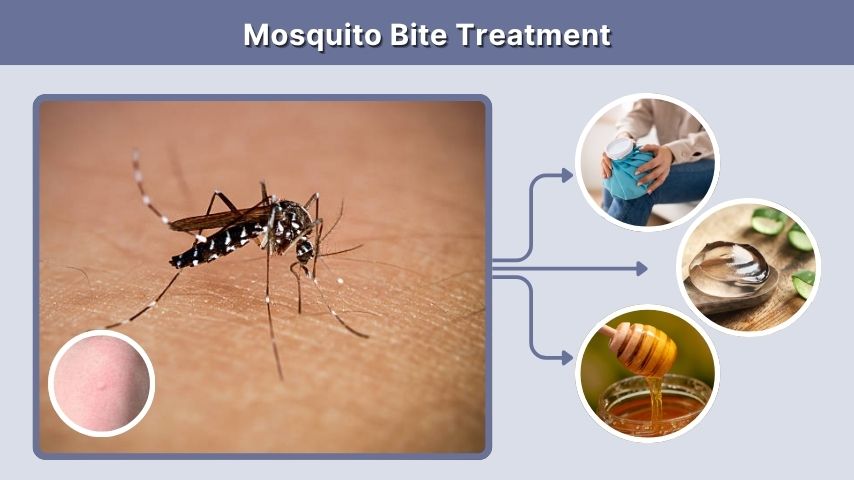
Most mosquito bites can be treated at home using simple remedies that reduce itching and swelling. Avoiding excessive scratching is important because damaged skin may become infected or take longer to heal properly.
Home Remedies for Mosquito Bites
- Cold compresses
- Aloe vera gel
- Baking soda paste
- Oatmeal treatments
- Honey for soothing irritation
Over-the-Counter Treatments
Anti-itch creams, antihistamines, and hydrocortisone creams may help reduce swelling and itching. These treatments are commonly used for moderate mosquito bite reactions that cause discomfort or persistent irritation.
When to See a Doctor
Medical attention may be needed if mosquito bites cause severe swelling, fever, breathing difficulty, or signs of infection such as pus, warmth, and increasing redness around the bite area.
How to Prevent Mosquito Bites
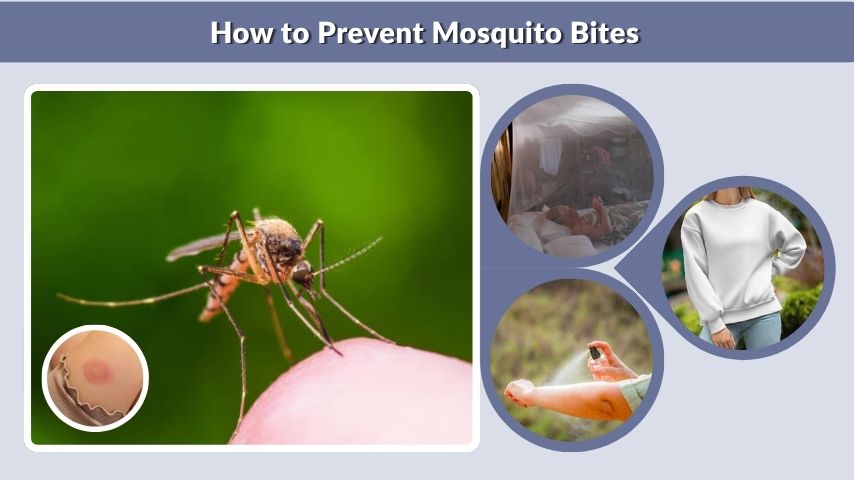
Preventing mosquito bites helps reduce discomfort and lowers the risk of mosquito-borne diseases. Personal protection and reducing mosquito breeding areas are some of the most effective prevention strategies.
Personal Protection Methods
- Use insect repellent
- Wear long sleeves and pants
- Sleep under mosquito nets
- Avoid outdoor exposure at dusk
- Use fans outdoors when possible
Reducing Mosquito Breeding Areas
Mosquitoes lay eggs in standing water, so removing water sources can greatly reduce mosquito populations. Containers, gutters, birdbaths, and buckets should be emptied regularly to prevent breeding.
Preventing Mosquitoes Indoors
Window screens, sealed doors, and indoor fans help prevent mosquitoes from entering homes. Keeping indoor spaces dry and reducing standing water nearby also lowers mosquito activity indoors.
Common Myths About Mosquito Bites
Many myths about mosquito bites create confusion about symptoms, prevention, and healing. Understanding the facts can help people respond more effectively to mosquito bites and avoid unnecessary concerns.
Myth: All Mosquito Bites Look the Same
Mosquito bite reactions vary between individuals. Some people develop tiny bumps, while others experience large swollen welts or stronger allergic reactions depending on skin sensitivity and immune response.
Myth: Mosquitoes Only Bite at Night
Although many mosquitoes are more active during evening hours, some species bite during the daytime as well. Environmental conditions and mosquito species influence when biting activity occurs.
Myth: Scratching Helps Mosquito Bites Heal
Scratching usually worsens mosquito bites by increasing inflammation and damaging the skin. Excessive scratching may also lead to infections and longer healing times.
FAQs
What do mosquito bites usually look like?
Mosquito bites usually appear as small raised red or pink bumps on the skin. They are often itchy and slightly swollen, especially shortly after the bite occurs. Some people may develop larger welts depending on their skin sensitivity and immune response.
Why do mosquito bites itch so much?
Mosquitoes itch because the mosquito injects saliva into the skin while feeding. The body reacts to proteins in the saliva by releasing histamines, which cause itching, swelling, redness, and mild skin inflammation around the bite area.
How long do mosquito bites last?
Most mosquito bites improve within a few days and disappear completely within one to two weeks. Larger reactions or bites that are scratched heavily may take longer to heal and could leave temporary dark marks on the skin.
What is the difference between mosquito bites and bed bug bites?
Mosquito bites are usually scattered individual bumps that appear after outdoor exposure, while bed bug bites often appear in clusters or straight lines after sleeping. Bed bug bites also commonly occur on areas exposed during sleep.
When should you worry about a mosquito bite?
Medical attention may be needed if a mosquito bite causes severe swelling, fever, breathing difficulty, blistering, or signs of infection such as pus and spreading redness. Unusual symptoms may also indicate mosquito-borne illness in some regions.