
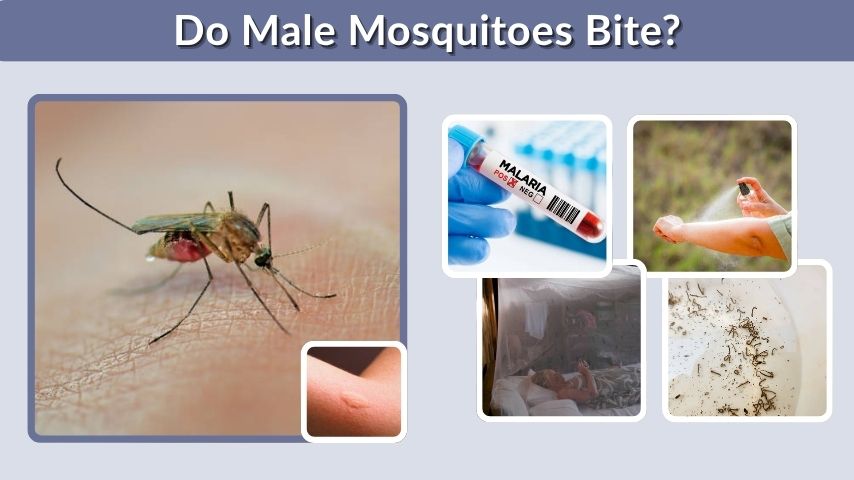
Many people wonder whether male mosquitoes bite humans because mosquitoes are widely known for their itchy bites and ability to spread diseases. However, not all mosquitoes feed on blood. Male and female mosquitoes have very different feeding habits and biological roles. Female mosquitoes are responsible for biting humans and animals, while males survive on plant-based food sources. Understanding these differences helps explain why mosquito bites happen and why only certain mosquitoes seek blood meals from humans and animals.
Mosquito behavior is closely connected to reproduction and survival. While female mosquitoes need nutrients from blood for egg production, male mosquitoes mainly feed on nectar and sugary plant fluids. Learning how mosquitoes feed can also help people better understand mosquito control and bite prevention.
Do Male Mosquitoes Bite?
Male mosquitoes do not normally bite humans or animals. Unlike females, male mosquitoes lack the mouthparts needed to pierce skin and draw blood. Their feeding behavior focuses on sugary food sources rather than blood meals.
Do Male Mosquitoes Bite Humans?
Male mosquitoes rarely interact with humans because they do not need blood to survive. Their mouthparts are adapted for drinking nectar and plant juices instead of piercing skin. As a result, mosquito bites almost always come from females.
Which Mosquitoes Bite, Male or Female?
- Female mosquitoes bite humans
- Male mosquitoes feed on nectar
- Females need blood for egg production
- Males survive on plant sugars
- Female mosquitoes spread diseases
Do Both Male and Female Mosquitoes Bite?
Only female mosquitoes bite humans and animals. Males and females may both fly around people, but females are the ones searching for blood meals. Males are generally focused on feeding from flowers and finding mates instead.
Why Do Female Mosquitoes Bite?
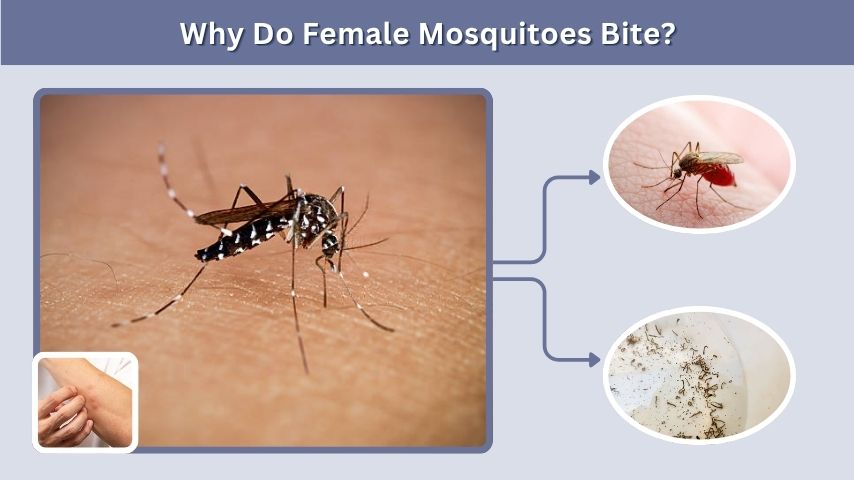
Female mosquitoes bite because they need proteins and nutrients from blood to produce eggs successfully. Blood feeding provides important resources that help support reproduction and increase the survival chances of developing offspring.
Blood Feeding and Egg Production
After mating, female mosquitoes search for blood meals to obtain nutrients required for egg development. Without blood, many mosquito species cannot produce healthy eggs or complete their reproductive cycle properly.
Why Females Target Humans and Animals
Female mosquitoes locate hosts by detecting body heat, carbon dioxide, sweat chemicals, and skin odors. Humans and animals release signals that help mosquitoes identify potential blood sources from surprisingly long distances.
Do Female Mosquitoes Bite More Than Males?
- Females are the only blood feeders
- Males do not pierce human skin
- Females may bite multiple times
- Blood feeding depends on reproduction
- Different species show different behaviors
Why Don’t Male Mosquitoes Bite?
Male mosquitoes do not bite because their bodies are built differently from females. Their feeding structures are specialized for consuming liquid sugars from flowers and plants rather than blood from animals.
Male Mosquito Mouthparts
Male mosquitoes possess weaker mouthparts that cannot effectively pierce skin. Female mosquitoes have specialized needle-like structures designed for penetrating skin and drawing blood from hosts.
What Do Male Mosquitoes Eat?
Male mosquitoes feed mainly on flower nectar, fruit juices, and plant sugars. These sugary foods provide enough energy for flying, mating, and surviving throughout their relatively short lifespans.
How Male Mosquitoes Survive Without Blood
Male mosquitoes obtain energy entirely from sugary liquids found in nature. Nectar-rich flowers and plant fluids provide carbohydrates that fuel their daily activities and support reproduction.
Male vs Female Mosquitoes
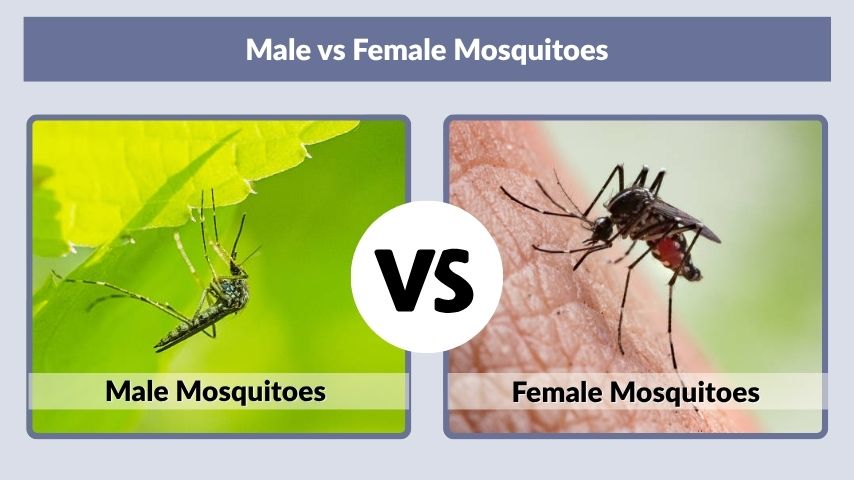
Male and female mosquitoes differ in appearance, feeding behavior, and biological roles. These differences help scientists identify mosquito sexes and better understand mosquito populations in the environment.
Physical Differences
- Males often have bushier antennae
- Females usually have sharper mouthparts
- Males are sometimes smaller
- Females are specialized for blood feeding
- Antenna shape helps identify sexes
Behavioral Differences
Female mosquitoes actively search for hosts to obtain blood meals, while males spend most of their time feeding on nectar and locating mates. Females are also more likely to enter homes and gather near humans.
Which Mosquitoes Buzz Around People?
The mosquitoes buzzing around people are often females searching for blood. Male mosquitoes may also gather nearby in mating swarms, but they are not interested in biting humans or animals.
Do Any Male Mosquitoes Bite?
Scientists generally agree that male mosquitoes do not bite humans or animals. Their mouthparts are not designed for piercing skin or drawing blood. Most reports of biting male mosquitoes are usually caused by misidentification or confusion with female mosquitoes and other insects.
Rare Exceptions and Myths
- No common male mosquitoes feed on blood
- Misidentification causes confusion
- Female mosquitoes are responsible for bites
- Large insects are often mistaken for mosquitoes
- Scientific studies support female-only biting
Do Male Anopheles Mosquitoes Bite?
Male Anopheles mosquitoes do not bite humans. Only female Anopheles mosquitoes take blood meals and can spread diseases such as malaria. Male mosquitoes remain harmless nectar feeders throughout their lives.
Why People Think Male Mosquitoes Bite
People sometimes mistake large crane flies or other harmless insects for biting male mosquitoes. Mixed groups of male and female mosquitoes flying together may also create confusion about which mosquitoes are actually responsible for bites.
What Happens When Female Mosquitoes Bite?
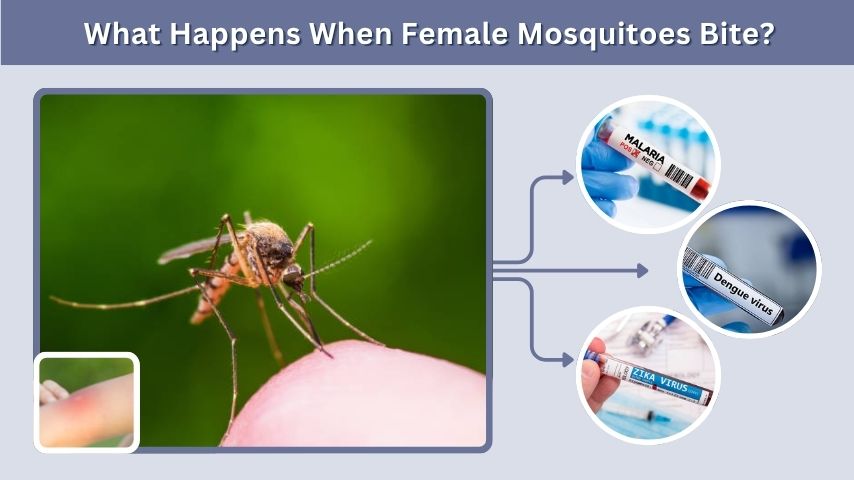
When a female mosquito bites, she inserts specialized mouthparts into the skin and draws blood from small blood vessels. During feeding, saliva enters the skin and often triggers itching and irritation afterward.
Why Mosquito Bites Itch
Mosquito saliva contains proteins that prevent blood clotting while the mosquito feeds. The human immune system reacts to these proteins, causing redness, swelling, and itchy bumps around the bite area.
Diseases Spread by Female Mosquitoes
- Malaria
- Dengue fever
- West Nile virus
- Zika virus
- Yellow fever
How Mosquitoes Find Humans
Female mosquitoes use body heat, carbon dioxide, sweat chemicals, and skin odors to locate humans and animals. Some mosquito species can detect hosts from several meters away using these sensory abilities.
Do Mosquitoes Prefer Certain People?
Many people feel mosquitoes bite them more often than others. Research suggests mosquitoes may be attracted differently to individuals depending on body chemistry, temperature, clothing, and other environmental factors.
Do Mosquitoes Bite Females More Than Males?
Some studies suggest mosquitoes may show slight preferences based on body heat, hormones, or skin odors, but both males and females can be bitten frequently. Activity levels and environmental conditions often play larger roles than gender alone.
Blood Type and Mosquito Attraction
Researchers have studied whether certain blood types attract mosquitoes more strongly. Sweat chemicals, body odor, and skin bacteria may also influence how attractive someone appears to biting mosquitoes.
Other Factors That Attract Mosquitoes
- Dark-colored clothing
- Warm body temperature
- Heavy sweating
- Carbon dioxide from breathing
- Outdoor evening activity
How to Prevent Mosquito Bites
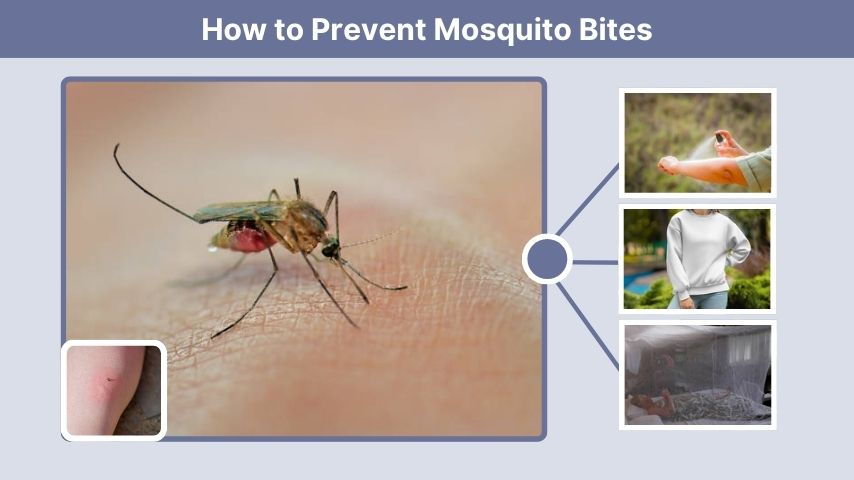
Preventing mosquito bites is important for reducing discomfort and lowering the risk of mosquito-borne diseases. Simple protective measures can greatly reduce mosquito activity around homes and outdoor areas.
Personal Protection Methods
- Use insect repellent
- Wear long sleeves and pants
- Sleep under mosquito nets
- Avoid outdoor exposure at dusk
- Use fans outdoors when possible
Reducing Mosquito Breeding Areas
Mosquitoes lay eggs in standing water, so removing water sources can reduce mosquito populations. Buckets, clogged gutters, birdbaths, and containers should be emptied regularly to prevent breeding.
Preventing Mosquitoes Indoors
Window screens, sealed doors, and indoor fans can help keep mosquitoes out of homes. Reducing indoor moisture and eliminating standing water near buildings also helps lower mosquito activity indoors.
Common Myths About Male Mosquitoes
Many myths about mosquitoes spread because people do not realize males and females behave differently. Understanding mosquito biology helps separate scientific facts from common misunderstandings.
Myth: Male Mosquitoes Bite Humans
Male mosquitoes do not normally bite humans because they lack the specialized mouthparts required for blood feeding. Their diet depends mainly on nectar and sugary plant liquids.
Myth: Bigger Mosquitoes Are Males That Bite
Large crane flies are often mistaken for giant male mosquitoes, but crane flies are harmless insects that do not bite humans. Size alone does not determine whether an insect bites.
Myth: Male Mosquitoes Die After Biting
Male mosquitoes do not bite or feed on blood, so they do not die after biting humans. Female mosquitoes may continue feeding and laying eggs multiple times during their lifespan.
FAQs
Do male mosquitoes bite humans?
No, male mosquitoes do not normally bite humans or animals. Their mouthparts are designed for feeding on nectar and plant sugars rather than piercing skin. Female mosquitoes are responsible for the bites people commonly experience.
Why do female mosquitoes bite?
Female mosquitoes bite because they need nutrients and proteins from blood to develop eggs. Blood meals help support reproduction and increase the survival chances of mosquito offspring during the breeding cycle.
What do male mosquitoes eat?
Male mosquitoes mainly feed on flower nectar, fruit juices, and sugary plant fluids. These foods provide energy for flying, mating, and surviving throughout their relatively short adult lifespan without needing blood meals.
Can male mosquitoes spread diseases?
Male mosquitoes are not known for spreading mosquito-borne diseases because they do not feed on blood. Diseases such as malaria, dengue, Zika, and West Nile virus are spread by infected female mosquitoes during biting.
How can you tell male and female mosquitoes apart?
Male mosquitoes usually have bushier antennae and weaker mouthparts adapted for nectar feeding. Female mosquitoes have sharper piercing mouthparts used for blood feeding and often appear more aggressive around humans and animals.