
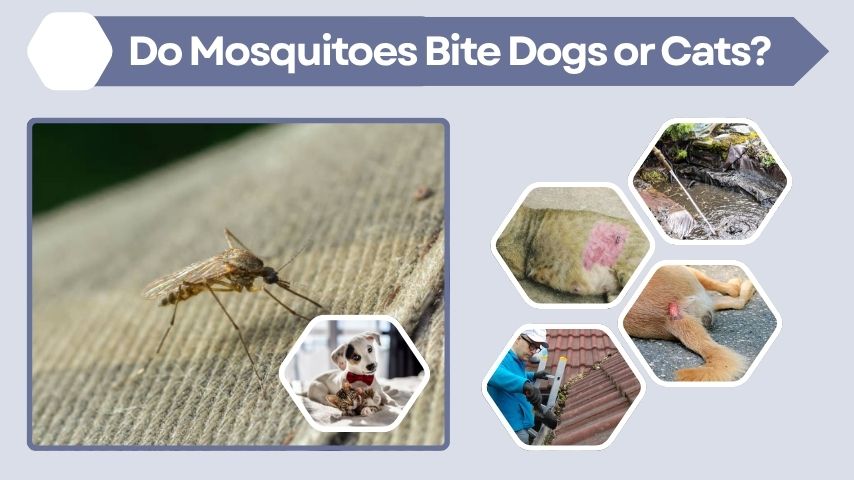
Mosquitoes are well known for biting humans, but many pet owners also wonder whether mosquitoes bite dogs or cats. The answer is yes. Mosquitoes can bite both dogs and cats, especially pets that spend time outdoors during warm weather. These bites may cause itching, irritation, and in some cases serious health problems.
Mosquito bites on pets are more than just annoying because mosquitoes can spread dangerous diseases such as heartworm disease. Dogs are especially vulnerable, although cats can also suffer health complications from mosquito exposure. Understanding mosquito risks and prevention methods can help keep pets safer and healthier.
Do Mosquitoes Bite Dogs and Cats?
Mosquitoes feed on the blood of mammals, birds, and other animals. Female mosquitoes require blood meals to produce eggs, and household pets are common targets when mosquitoes are active. Dogs and cats may both experience mosquito bites, particularly during evenings and humid weather.
Why Mosquitoes Bite Animals
Mosquitoes are attracted to body heat, carbon dioxide, and natural skin odors. Pets produce warmth and scent that make them easy targets for hungry mosquitoes searching for blood meals.
Are Dogs Common Targets?
- Outdoor dogs are bitten more often
- Thin-fur areas attract mosquitoes
- Dogs active at dusk face higher exposure
- Warm body temperature attracts mosquitoes
- Larger animals are easier for mosquitoes to locate
Are Cats Bitten by Mosquitoes?
Cats can also be bitten by mosquitoes, although indoor cats usually face lower exposure. Outdoor cats are more likely to receive bites around the ears, nose, and areas with less fur coverage.
Where Do Mosquitoes Bite Pets?
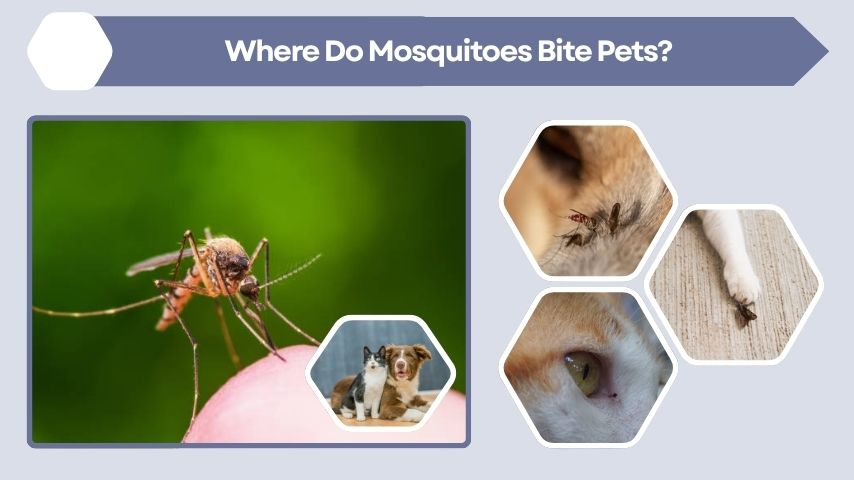
Mosquitoes usually target body areas with thinner skin and less fur. These locations make it easier for mosquitoes to access blood vessels while feeding. Bite locations may vary depending on the pet’s fur thickness and outdoor exposure.
Common Bite Areas on Dogs
- Nose and muzzle
- Belly and inner legs
- Around the eyes
- Ear flaps
- Thin-fur skin areas
Common Bite Areas on Cats
Cats are often bitten around the ears, nose, eyelids, and other exposed areas. Because cats groom frequently, owners may not always notice mosquito bites immediately.
Why Mosquitoes Prefer Certain Areas
Mosquitoes prefer areas with thinner skin and limited fur because blood vessels are easier to reach. Warm exposed skin also helps mosquitoes feed more efficiently.
Symptoms of Mosquito Bites on Dogs and Cats
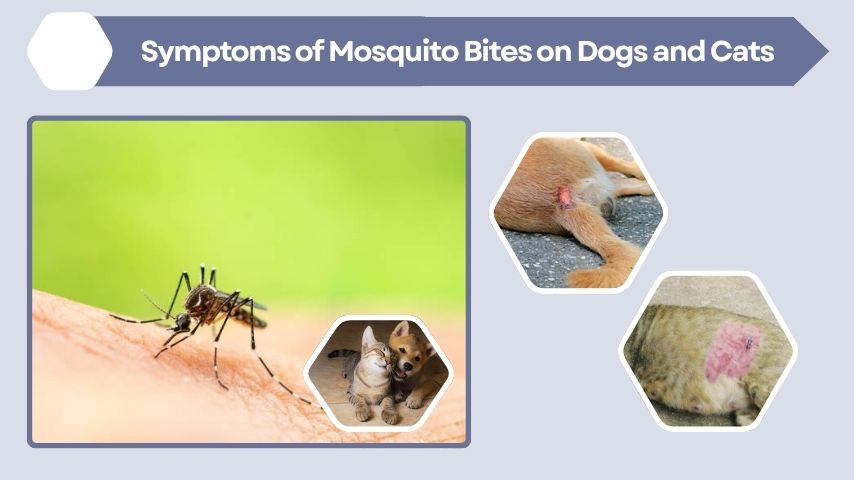
Most mosquito bites cause mild irritation, but some pets experience stronger reactions depending on sensitivity and overall health. Monitoring bite symptoms can help owners recognize when veterinary care may be needed.
Mild Symptoms
Common symptoms include small raised bumps, itching, redness, and temporary skin irritation. Many pets scratch or lick the affected area after being bitten.
Allergic Reactions
- Swelling around bites
- Excessive scratching
- Hair loss from irritation
- Red inflamed skin
- Secondary skin infections
Dangerous Symptoms
Severe mosquito bite reactions may include breathing difficulty, large swelling, fever, or unusual tiredness. Pets showing these symptoms should receive veterinary attention quickly.
Diseases Mosquitoes Can Spread to Pets
Mosquitoes can transmit dangerous parasites and diseases to both dogs and cats. Disease risk is often more serious than the bite itself, especially in regions with large mosquito populations.
Heartworm Disease in Dogs
Heartworm disease is one of the most serious mosquito-related illnesses affecting dogs. Infected mosquitoes spread heartworm larvae during bites, and these parasites eventually grow inside the heart and lungs. Severe infections can cause coughing, breathing difficulty, fatigue, and heart damage.
Heartworm Disease in Cats
Cats can also develop heartworm disease, although infections are less common than in dogs. Even a small number of heartworms may create serious breathing problems and sudden health complications in cats.
Other Mosquito-Related Health Risks
- Skin infections from scratching
- Allergic skin reactions
- Irritation and stress
- Rare viral infections
- Increased discomfort during warm seasons
Are Mosquito Bites Dangerous for Dogs or Cats?
Most mosquito bites on pets are mild and heal without serious problems. However, repeated bites, allergic reactions, or mosquito-borne diseases can become dangerous in some situations. Puppies, kittens, elderly pets, and animals with health problems are often more vulnerable to complications.
When Bites Are Usually Harmless
Minor mosquito bites typically cause only temporary itching and small bumps. Most healthy pets recover quickly without treatment, especially when scratching is limited.
When Pet Owners Should Worry
Pet owners should pay attention if mosquito bites cause severe swelling, nonstop scratching, bleeding skin, breathing difficulty, or unusual weakness. These symptoms may indicate infection, allergies, or disease exposure.
Which Pets Are Most Vulnerable?
- Puppies and kittens
- Elderly pets
- Pets with allergies
- Outdoor animals
- Pets without heartworm prevention
How To Protect Dogs and Cats From Mosquitoes

Protecting pets from mosquitoes is important for preventing irritation and serious diseases like heartworm. Combining mosquito control with veterinary-approved prevention methods greatly reduces the risk of mosquito bites.
Safe Mosquito Repellents for Pets
Pet owners should only use mosquito repellents approved by veterinarians. Some products designed for humans may be toxic to dogs or cats, especially products containing strong chemicals or essential oils unsafe for pets.
Reducing Mosquitoes Around the Home
- Remove standing water
- Clean gutters regularly
- Empty outdoor containers
- Trim overgrown vegetation
- Keep outdoor areas dry
Indoor Protection Tips
Keeping pets indoors during peak mosquito activity hours can reduce bite risk. Window screens, fans, and mosquito barriers also help limit mosquito exposure inside homes.
Mosquito Bite Treatment for Pets
Most mosquito bites can be treated at home with simple care methods that reduce itching and irritation. Preventing excessive scratching is important because damaged skin can become infected.
Home Care for Mild Bites
Cleaning the bite area with mild soap and water helps reduce irritation. Cold compresses may relieve swelling and itching, while keeping pets from scratching improves healing.
Veterinary Treatments
Veterinarians may recommend anti-itch medications, antibiotics for infected skin, or allergy treatments for severe mosquito bite reactions. Heartworm prevention medications are also important for long-term protection.
When To Visit a Veterinarian
Pet owners should contact a veterinarian if mosquito bites cause serious swelling, fever, breathing problems, weakness, or signs of infection that continue to worsen.
Mosquitoes vs Other Biting Insects
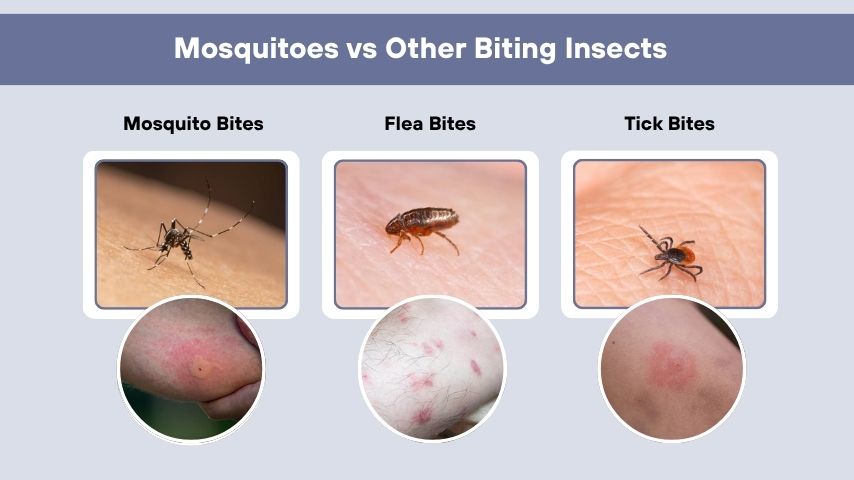
Mosquito bites are often confused with bites from fleas, ticks, and other insects. Understanding the differences can help pet owners identify the cause of skin irritation and choose the correct treatment.
Mosquito Bites vs Flea Bites
| Feature | Mosquito Bite | Flea Bite |
| Bite Pattern | Random bites | Clusters of bites |
| Itching | Mild to moderate | Severe itching |
| Main Risk | Heartworm disease | Skin irritation |
Mosquito Bites vs Tick Bites
| Feature | Mosquito Bite | Tick Bite |
| Feeding Time | Quick bite | Long attachment |
| Main Risk | Heartworm parasites | Tick-borne disease |
| Visibility | Small swollen bump | Visible attached tick |
Interesting Facts About Mosquitoes and Pets
Mosquitoes interact with pets more often than many owners realize. These insects can locate animals using heat, movement, and scent even in dark environments.
Amazing Facts
- Only female mosquitoes bite pets
- Dogs are common heartworm hosts
- Cats can also get mosquito allergies
- Fur does not fully stop mosquito bites
- Mosquitoes are attracted to body heat
FAQs
Do mosquitoes bite dogs?
Yes, mosquitoes commonly bite dogs, especially outdoor dogs during warm weather. They usually target thin-fur areas such as the ears, nose, belly, and around the eyes where skin is easier to access.
Do mosquitoes bite cats?
Yes, mosquitoes can bite cats as well. Outdoor cats are more likely to be bitten, particularly around the ears, nose, and other exposed skin areas with less fur coverage.
Can mosquito bites hurt dogs or cats?
Most mosquito bites cause only mild itching and irritation, but some pets may develop allergic reactions or skin infections. Mosquitoes can also spread dangerous diseases such as heartworm disease.
Can mosquitoes give dogs heartworms?
Yes, mosquitoes are the main carriers of heartworm parasites. When an infected mosquito bites a dog, it can transmit larvae that later grow inside the heart and lungs.
How do you protect pets from mosquitoes?
Pet owners can protect pets by using veterinarian-approved mosquito prevention products, reducing standing water around the home, keeping pets indoors during peak mosquito activity, and maintaining regular heartworm prevention treatment.