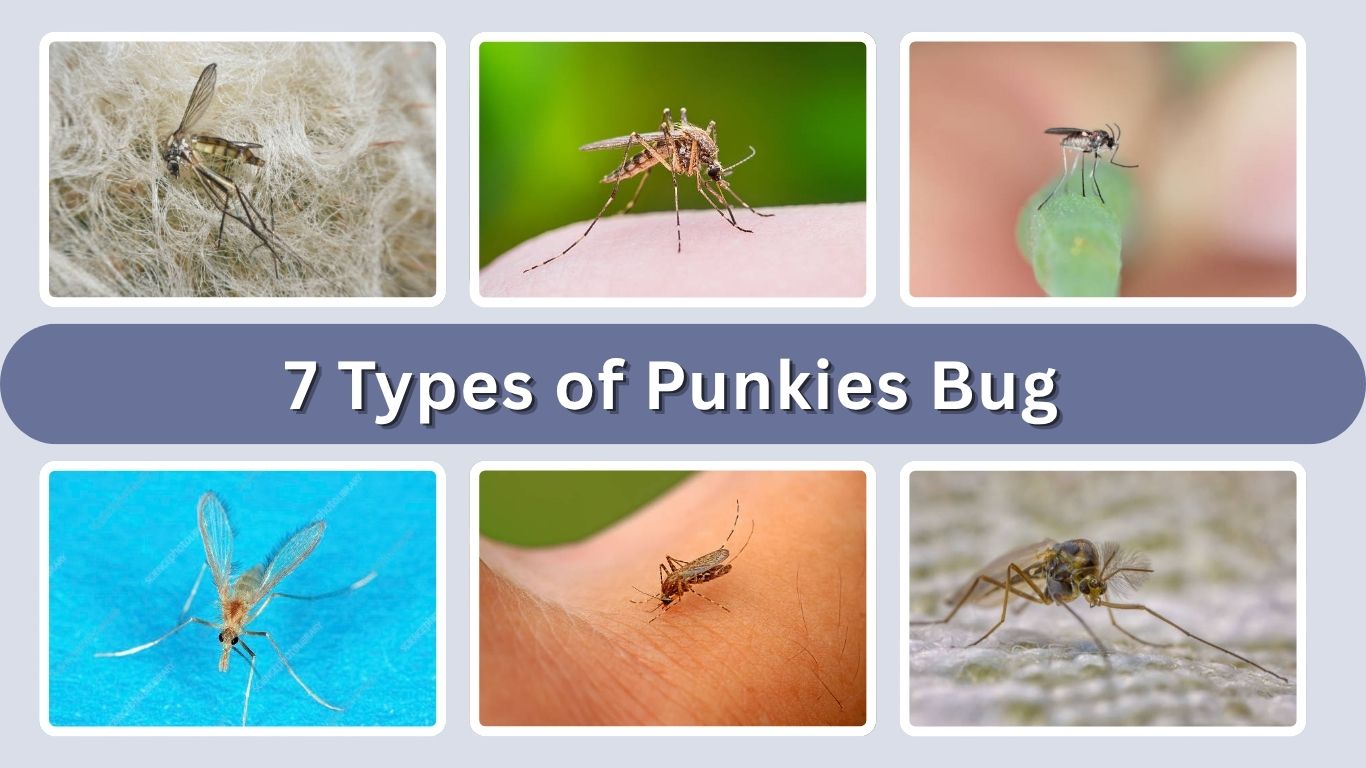
Punkies bugs are tiny biting insects often known as no-see-ums, biting midges, or biting gnats. They are usually found near wetlands, forests, lakes, rivers, beaches, and other damp outdoor areas. Although they are very small, their bites can be itchy and irritating. Learning their types, size, color, habitat, and ID features can make them easier to recognize.
1. Biting Midge
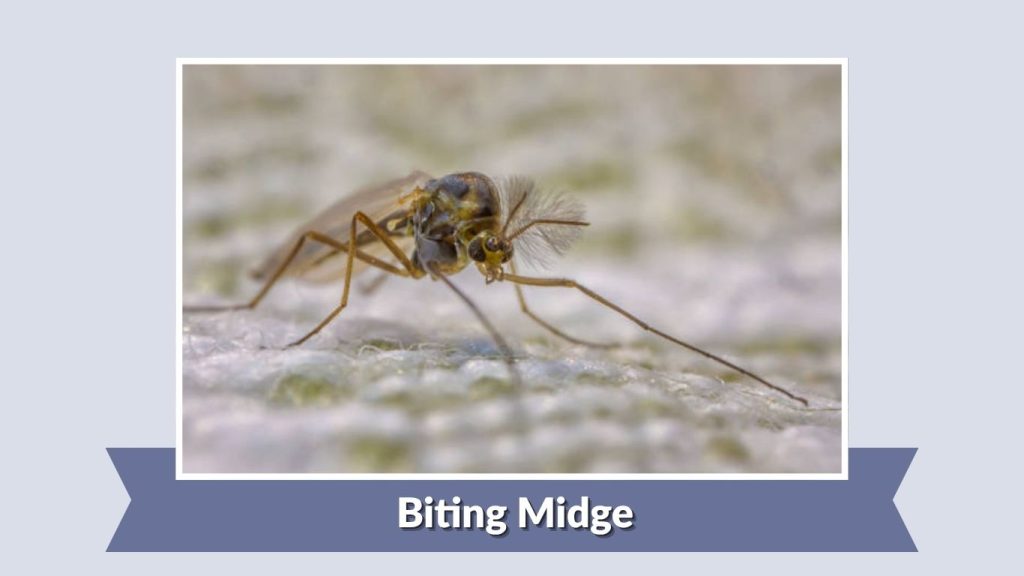
The Biting Midge is a tiny flying insect often called a punkie, no-see-um, or biting gnat. It is so small that many people feel the bite before they notice the insect. These bugs are common near wetlands, forests, rivers, lakes, marshes, and damp outdoor areas. Although they are tiny, their bites can be irritating and itchy.
Characteristics
- Very small flying insect
- Often hard to see with the naked eye
- Females bite to get blood for egg production
- Most active around dawn and dusk
- Common near damp or wet habitats
- Bites may cause itching, redness, or swelling
Size
Biting Midges are extremely small, usually about 1 to 3 millimeters long. Because of their tiny size, they can pass through some window screens and are often called no-see-ums. Their small body makes them difficult to spot, especially when they fly in groups around people or animals.
Color
Most Biting Midges are gray, brown, black, or dark-colored. Their wings may appear clear, smoky, or lightly patterned depending on the species. Since they are so tiny, their color is not always easy to see without close inspection.
Habitat and ID
Biting Midges live in marshes, wetlands, ponds, riversides, damp soil, forests, and coastal areas. They are often most active in humid weather and low-wind conditions. To identify them, look for tiny gnat-like flies that bite exposed skin and appear near moist outdoor places, especially early or late in the day.
2. No-See-Um
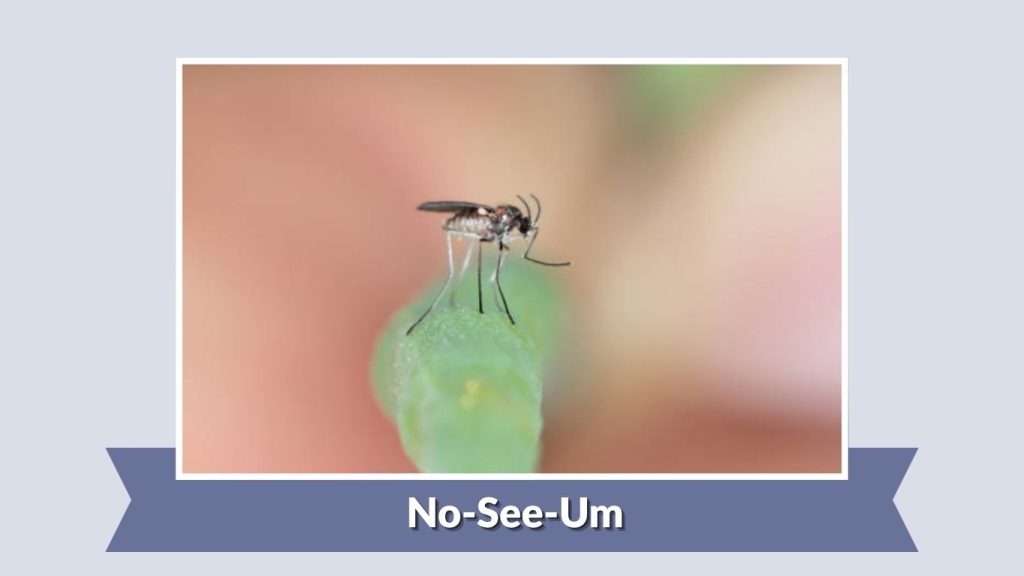
The No-See-Um is a tiny biting insect closely related to biting midges. Its name comes from the fact that it is very hard to see, even when it is biting. These insects are common near beaches, marshes, forests, lakes, and humid outdoor areas. Their bites can feel sharp and may leave itchy red spots.
Characteristics
- Extremely tiny biting fly
- Often bites before it is noticed
- Can pass through some window screens
- Most active in warm, humid weather
- Females bite humans and animals
- Bites may cause itching and irritation
Size
No-See-Ums are usually about 1 to 3 millimeters long. Their small size makes them difficult to detect, especially when they fly around ankles, arms, neck, or face. Because they are so tiny, people often notice the itchy bite marks before seeing the insect itself.
Color
No-See-Ums are usually gray, brown, black, or dark-colored. Their wings may be clear or slightly smoky. Since they are very small, their color is not always easy to identify without magnification, but they often look like tiny dark specks flying near the skin.
Habitat and ID
No-See-Ums live near marshes, wetlands, beaches, ponds, lakes, rivers, damp soil, and forests. They are often active around sunrise and sunset. To identify them, look for very tiny biting flies that appear in humid places and leave itchy red bite marks on exposed skin.
3. Sand Fly
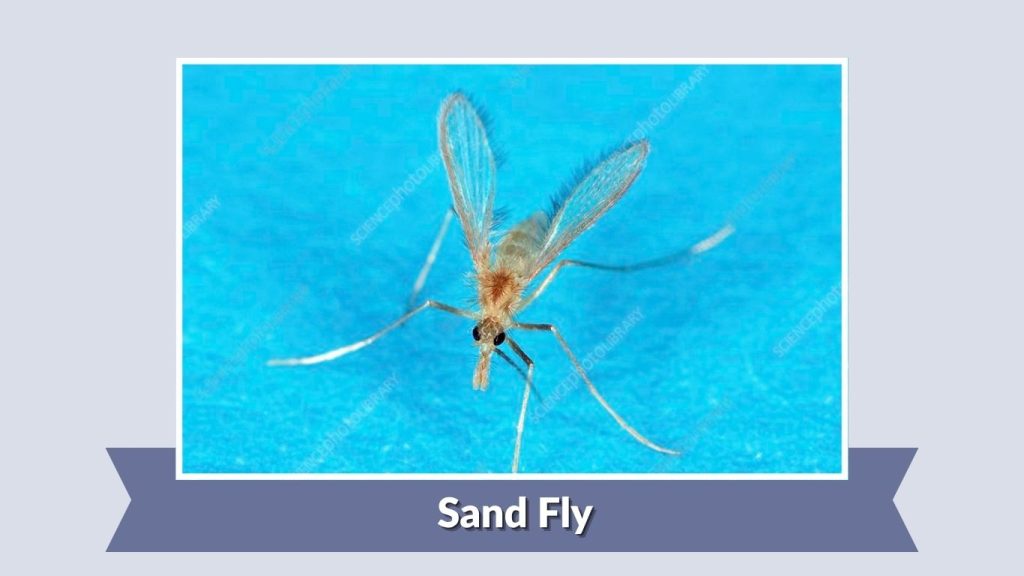
The Sand Fly is a small biting fly often found in sandy, coastal, tropical, or damp environments. In some regions, people may casually group them with punkies or no-see-ums because of their small size and irritating bites. These flies are most active in warm weather and can be troublesome near beaches, forests, and wetlands.
Characteristics
- Small biting fly with a delicate body
- Often active in warm climates
- Females bite for blood meals
- Common near sandy or damp habitats
- Bites may cause itching and swelling
- Often active during evening or nighttime
Size
Sand Flies are small, usually about 1.5 to 3.5 millimeters long. Their tiny size helps them go unnoticed until they bite. They are larger than some no-see-ums but still small enough to be difficult to spot in dim light or outdoor shadows.
Color
Sand Flies are usually pale brown, grayish, tan, or yellowish. Their bodies may look hairy under close view, and their wings often rest in a V-shape when they land. Their light color can make them hard to see against sand, soil, or dry leaves.
Habitat and ID
Sand Flies live in sandy areas, beaches, forests, caves, animal shelters, wetlands, and tropical regions. They prefer warm, sheltered, and humid places. To identify them, look for tiny pale flies with hairy bodies, delicate wings, and irritating bites around exposed skin.
4. Biting Gnat
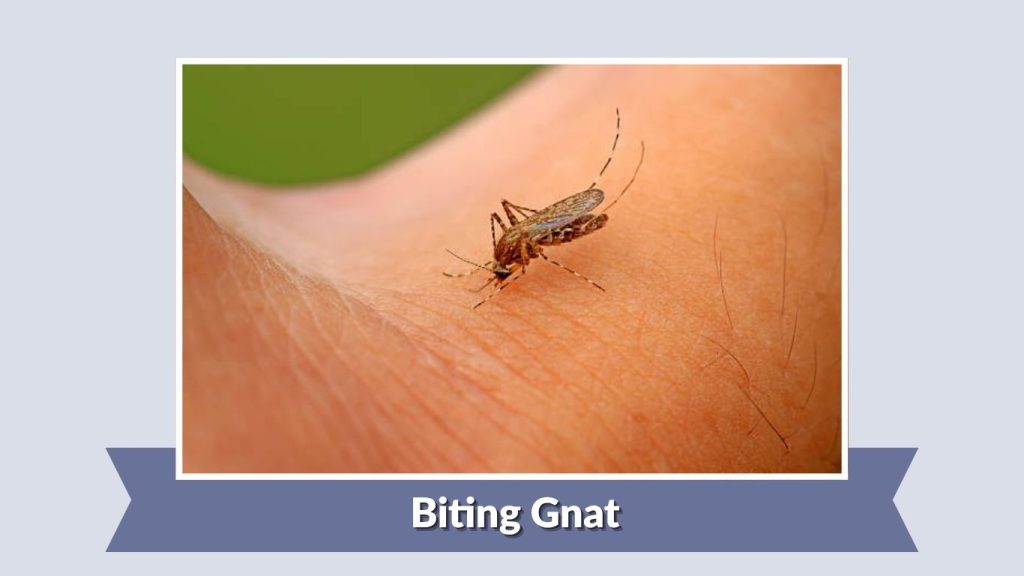
The Biting Gnat is a small flying insect name often used for different tiny biting flies, including punkies and biting midges. These gnats are known for gathering in damp areas and biting exposed skin. They can be especially annoying during outdoor activities such as gardening, fishing, hiking, or camping.
Characteristics
- Tiny gnat-like biting insect
- Often appears in groups or swarms
- Females bite humans and animals
- Common in humid outdoor places
- Bites can cause red itchy bumps
- Most active during calm weather
Size
Biting Gnats are usually very small, often around 1 to 4 millimeters long. Their size can vary depending on the type, but most are tiny enough to be overlooked. They may fly close to the face, arms, legs, and ears while searching for a blood meal.
Color
Biting Gnats are commonly gray, black, brown, or dark-colored. Some may have clear or lightly patterned wings. Because they are tiny and fast-moving, their color is often hard to notice unless they land on light-colored clothing or skin.
Habitat and ID
Biting Gnats are often found near marshes, ponds, lakes, rivers, wet grass, damp soil, gardens, and wooded areas. They prefer moist places where larvae can develop. To identify them, look for tiny biting flies that swarm in humid areas and leave itchy marks after feeding.
5. Five-O
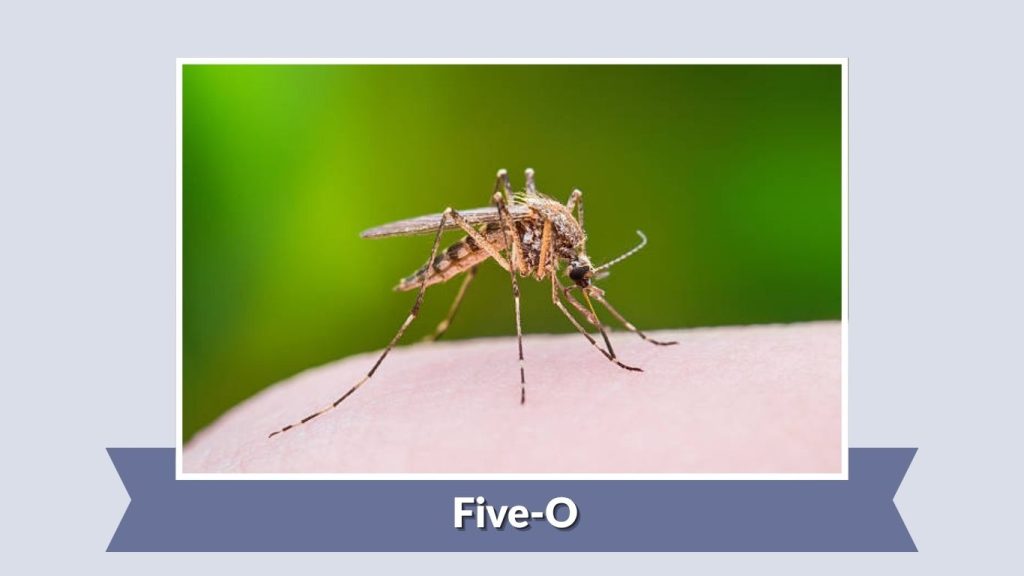
The Five-O is a regional name used for tiny biting insects similar to punkies, no-see-ums, or biting midges. These insects are small but can cause strong irritation when they bite. They are often noticed during warm months near water, marshes, forests, and damp outdoor places where they gather in large numbers.
Characteristics
- Tiny biting insect known by a regional name
- Often difficult to see clearly
- Bites exposed skin in warm weather
- Common near damp and wooded habitats
- May swarm around people and animals
- Bites can become itchy and red
Size
Five-O insects are very small, usually around 1 to 3 millimeters long. Their tiny size allows them to approach quietly and bite before people notice them. Because they are hard to see, many people identify them mainly by the irritation they leave behind.
Color
Five-O bugs are usually dark gray, brown, black, or smoky-colored. Their wings may look clear or slightly shaded. Since they are so small, their exact color can be difficult to see outdoors, especially around dusk or in shaded areas.
Habitat and ID
Five-O bugs are usually found near wetlands, marshes, wooded trails, lakesides, rivers, and damp soil. They are most active when the air is humid and calm. To identify them, look for tiny biting flies that appear in swarms and cause itchy bites around exposed skin.
6. Pinyon Gnat
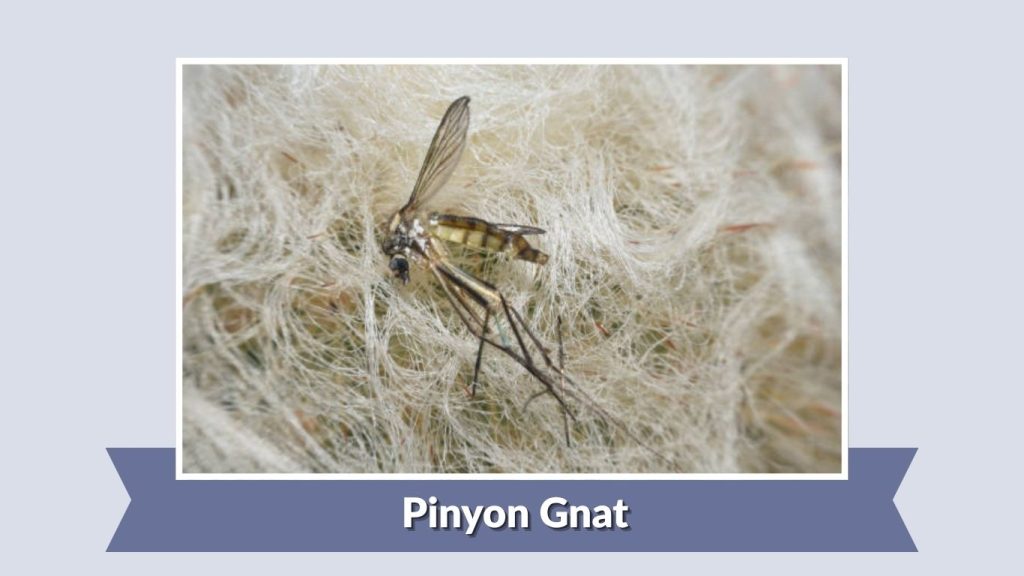
The Pinyon Gnat is a small biting gnat often associated with dry woodland, pinyon-juniper areas, and outdoor environments in the western United States. Although tiny, it can be very irritating when it swarms around people. These gnats may bite exposed skin and are often noticed during warm weather.
Characteristics
- Small biting gnat
- Often found in dry woodland areas
- May swarm around people outdoors
- Bites can cause itching and discomfort
- Active during warm seasons
- Common near pinyon and juniper habitats
Size
Pinyon Gnats are very small, usually only a few millimeters long. Their tiny size makes them hard to see clearly, especially when they are flying around the face or arms. They often become noticeable because of their swarming behavior and irritating bites.
Color
Pinyon Gnats are usually gray, brown, or dark-colored. Their wings may appear clear or smoky. Because they are so small, their body color is not always easy to observe, but they often look like tiny dark flies moving around exposed skin.
Habitat and ID
Pinyon Gnats are commonly found in dry woodlands, scrublands, pinyon-juniper forests, trails, and rural outdoor areas. They may become active during warm, calm conditions. To identify them, look for tiny biting gnats swarming in dry wooded habitats, especially around the face, ears, and arms.
7. Moose Fly
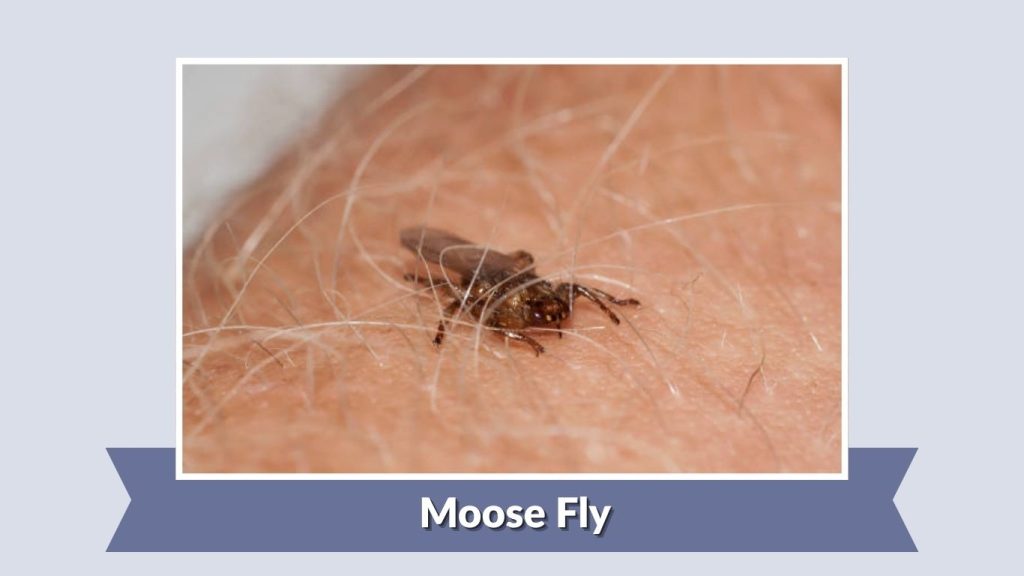
The Moose Fly is a common name sometimes used for small biting flies that bother people and animals in northern or wooded areas. These flies may be grouped with punkies or biting gnats because they are small, persistent, and irritating. They are often found near forests, wetlands, lakes, and places with wildlife.
Characteristics
- Small biting fly or gnat-like insect
- Often bothers humans and animals
- Common in wooded or damp regions
- May gather near wildlife and livestock
- Bites can be itchy and uncomfortable
- Active during warm outdoor seasons
Size
Moose Flies are usually small, though size can vary depending on the exact insect meant by the name. Many are only a few millimeters long. Their small size and quick movement make them hard to catch or identify while they are biting.
Color
Moose Flies are often dark gray, brown, or black. Some may have clear wings and slender bodies. Their dark color helps them blend into shaded forests, damp soil, and animal fur, making them difficult to notice until they land or bite.
Habitat and ID
Moose Flies are often found near forests, wetlands, lakes, rivers, bogs, and areas with large mammals. They may be especially common in northern outdoor habitats. To identify them, look for small biting flies that gather around people or animals in wooded, damp, or wildlife-rich areas.
FAQs
What are punkies bugs?
Punkies bugs are tiny biting insects, often called biting midges, no-see-ums, or biting gnats. They are very small and hard to see, but their bites can cause itching, redness, and irritation. They are commonly found near damp outdoor areas such as marshes, lakes, rivers, and forests.
Are punkies bugs dangerous?
Punkies bugs are usually more irritating than dangerous. Their bites can be itchy, red, and uncomfortable, especially for people with sensitive skin. In some regions, certain biting midges may spread diseases to animals, but most punkie bites mainly cause temporary skin irritation.
Where do punkies bugs live?
Punkies bugs usually live near moist or damp habitats. Common places include wetlands, marshes, beaches, lakesides, riversides, forests, bogs, and damp soil. They are often most active in warm, humid weather, especially around dawn, dusk, or cloudy calm conditions.
What do punkies bug bites look like?
Punkies bug bites often appear as small red bumps on exposed skin. They may feel itchy, sore, or slightly swollen. Some people notice clusters of bites around the ankles, arms, neck, or face because these tiny insects can bite before they are easily seen.
How can you identify punkies bugs?
You can identify punkies bugs by their tiny size, gnat-like shape, biting behavior, and damp habitat. They are often only 1 to 3 millimeters long and may look like tiny dark specks. If you feel itchy bites near wetlands or humid areas, punkies may be the cause.