
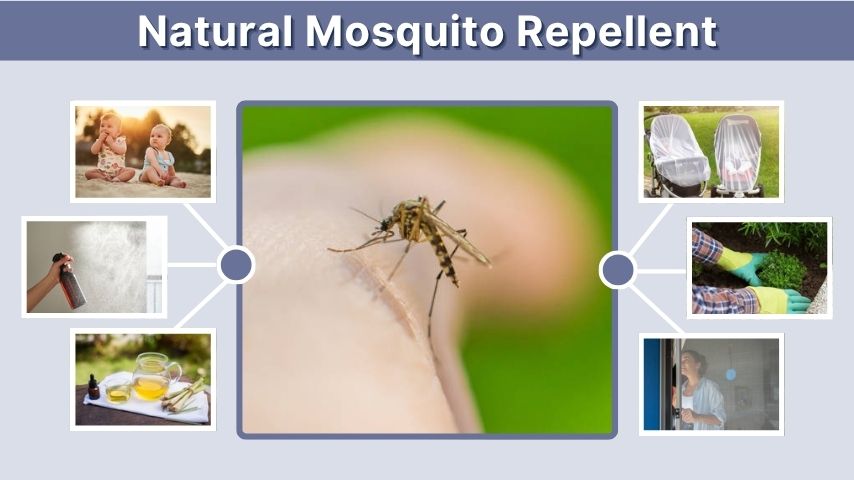
Natural mosquito repellent is popular with people who want fewer bites without relying only on strong chemical sprays. Options include plant-based repellents for skin, mosquito-repellent plants, yard treatments, room protection, and homemade sprays. Some natural methods work better than others, so it is important to choose safe, practical, and proven options for your family, pets, and outdoor spaces.
What Is a Natural Mosquito Repellent?
A natural mosquito repellent is any plant-based, mineral-based, or non-synthetic method used to reduce mosquito bites or keep mosquitoes away from an area. These may include essential oils, plant-derived active ingredients, mosquito-repellent plants, fans, screens, yard cleanup, and homemade sprays.
Some natural repellents are applied to the skin. Others are used around patios, gardens, rooms, or yards. The best choice depends on where you need protection and who will be using it.
Natural Does Not Always Mean Safer
Many people assume that “natural” always means gentle, but that is not always true. Essential oils can irritate skin, bother breathing, or be unsafe for babies and pets when used incorrectly.
A safe natural mosquito repellent should be properly diluted, used according to directions, and avoided on sensitive users unless approved by a doctor or veterinarian.
What Is the Most Effective Natural Mosquito Repellent?
Oil of lemon eucalyptus, often listed as OLE or PMD in commercial products, is one of the better-known plant-derived mosquito repellent ingredients. It is different from lemon eucalyptus essential oil. Commercial OLE/PMD repellents are formulated and labeled for repellent use.
Other natural oils such as citronella, lemongrass, peppermint, cedarwood, lavender, and geraniol may help for short periods, but they usually need frequent reapplication.
Best Natural Mosquito Repellent for Skin
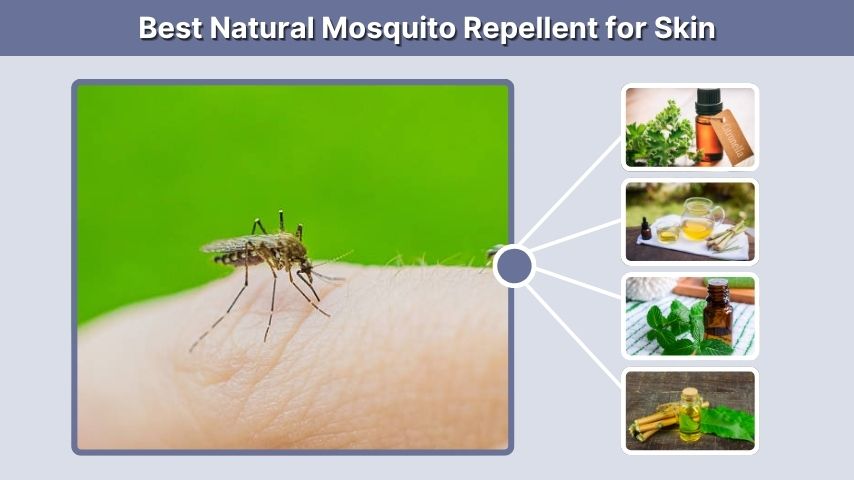
The best natural mosquito repellent for skin should be effective, non-irritating, and appropriate for the person using it. Skin-applied repellents need extra care because they sit directly on the body.
For adults, commercial plant-based repellents are usually better than homemade mixtures because they are measured, tested, and labeled with directions.
Natural Oil Mosquito Repellent Options
Common natural oil mosquito repellent ingredients include:
- Oil of lemon eucalyptus
- Citronella oil
- Lemongrass oil
- Cedarwood oil
- Peppermint oil
- Lavender oil
- Geraniol
- Neem oil
These oils can have strong scents that mosquitoes dislike. However, essential oils should not be applied directly to skin without dilution. Undiluted oils may cause burning, redness, itching, or allergic reactions.
Best All Natural Mosquito Repellent for Sensitive Skin
For sensitive skin, choose a gentle product with clear label directions. Avoid strong homemade blends with many essential oils. A patch test is also helpful before applying a product to a larger area.
Apply a small amount to one area of skin and wait to see if irritation develops. If burning, redness, rash, or itching occurs, wash it off and do not continue using it.
Natural Mosquito Repellent for Babies
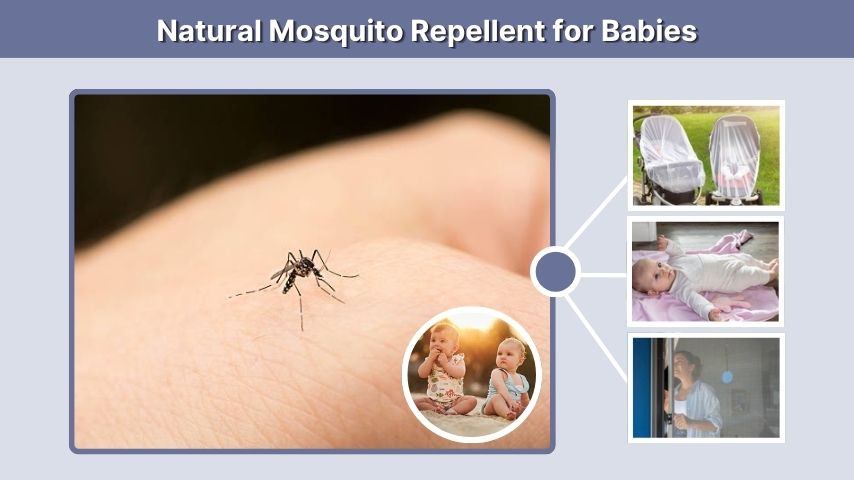
Natural mosquito repellent for babies requires special caution. Babies have delicate skin, and some essential oils are not appropriate for infants. It is usually safer to focus on physical protection instead of applying oils directly to a baby’s skin.
For babies, mosquito netting, protective clothing, screened areas, and avoiding peak mosquito times are often the best first steps.
Safer Baby Protection Methods
For babies and very young children, use non-skin methods when possible:
- Cover strollers with mosquito netting
- Dress babies in lightweight long sleeves and pants
- Keep babies indoors during heavy mosquito activity
- Use window and door screens
- Remove standing water near the home
- Avoid scented lotions that may attract insects
Do not apply homemade essential oil sprays to babies without medical guidance. Some plant oils can be too strong for young skin or breathing.
What to Avoid for Babies
Avoid using strong essential oil blends, undiluted oils, or adult mosquito sprays on babies unless the product label clearly says it is appropriate. Products containing oil of lemon eucalyptus or PMD should not be used on children under 3 years old.
When in doubt, ask a pediatrician before using any repellent on a baby or toddler.
Natural Mosquito Repellent for Dogs
Natural mosquito repellent for dogs must be chosen carefully. Products that are safe for people may not be safe for pets. Dogs can lick products from their fur, inhale strong oils, or react to ingredients that humans tolerate.
Never assume an essential oil spray is pet-safe just because it is natural.
Pet-Safe Mosquito Control Tips
To reduce mosquitoes around dogs:
- Remove standing water from bowls, buckets, and yard items
- Keep grass and shrubs trimmed
- Use screens on porches and kennels
- Ask your veterinarian about dog-safe repellents
- Avoid applying human repellents to pets
- Wash bedding and outdoor resting areas regularly
Some essential oils can be harmful to pets, especially when concentrated. Cats are even more sensitive than dogs, so avoid diffusing strong oils in small rooms with pets.
Should You Use Homemade Spray on Dogs?
It is best not to use homemade mosquito repellent spray on dogs unless a veterinarian approves it. Even mild oils can cause skin irritation, drooling, vomiting, breathing issues, or other reactions in sensitive pets.
Choose products labeled specifically for dogs and follow the instructions exactly.
Natural Mosquito Repellent for Yard
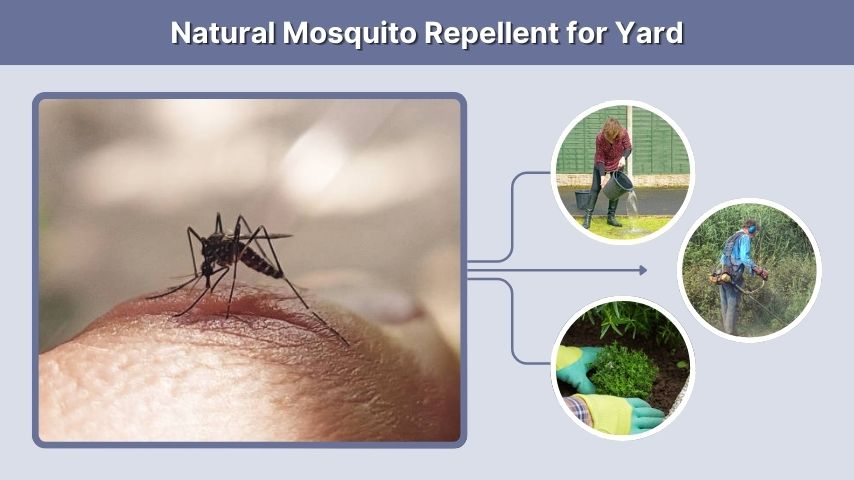
Natural mosquito repellent for yard use focuses on reducing mosquito breeding sites and making the area less attractive. Yard control is often more effective when you combine several methods.
The most important step is removing standing water. Mosquitoes can breed in small amounts of water, even in containers, saucers, toys, gutters, and tarps.
Best Natural Mosquito Repellent for Yard
Effective yard strategies include:
- Emptying standing water weekly
- Cleaning gutters
- Trimming tall grass and dense shrubs
- Using outdoor fans on patios
- Planting mosquito-repellent plants
- Keeping trash cans covered
- Refreshing birdbath water often
- Removing old tires and unused containers
Fans are especially useful on patios because mosquitoes are weak flyers. A simple outdoor fan can make it harder for them to land.
All Natural Mosquito Repellent for Yard
All natural mosquito repellent for yard use may include plant-based sprays, cedar oil products, citronella candles, and essential oil-based outdoor treatments. These can help reduce activity in small areas, but they may not control mosquitoes across an entire property.
For best results, combine natural sprays with habitat control. Spraying without removing standing water usually gives only temporary relief.
Natural Mosquito Repellent Plants
Natural mosquito repellent plants are popular for patios and gardens. While the living plant alone may not create a mosquito-free zone, many of these plants contain scents or oils that mosquitoes dislike.
They work best when used as part of a larger mosquito prevention plan.
Popular Mosquito Repellent Plants
Common mosquito repellent plants include:
- Citronella grass
- Lemongrass
- Lavender
- Basil
- Rosemary
- Mint
- Catnip
- Marigold
- Lemon balm
- Scented geranium
These plants can make patios more pleasant and may help discourage mosquitoes when leaves are brushed, crushed, or used in natural sprays.
Best Places to Grow Them
Plant mosquito-repellent plants near patios, doorways, decks, walkways, and seating areas. Use containers if you want to move them around.
Mint and lemon balm can spread quickly, so they are often better grown in pots. Rosemary, lavender, and basil can be useful near outdoor cooking or dining spaces.
Natural Mosquito Repellent for Home and Room
Natural mosquito repellent for home use should focus on keeping mosquitoes out first. Indoor sprays may help temporarily, but prevention is more reliable.
Mosquitoes often enter through open doors, torn screens, gaps, and unscreened windows.
How to Keep Mosquitoes Out of the Home
Use these steps:
- Repair window and door screens
- Keep doors closed during peak mosquito hours
- Use door sweeps if gaps are present
- Remove standing water from indoor plant saucers
- Use fans in rooms or covered patios
- Keep outdoor lights away from entry points when possible
A natural mosquito repellent for room use may include fans, screens, mosquito nets, or carefully used plant-based sprays. Avoid spraying strong oils in bedrooms, nurseries, or rooms with pets.
Natural Mosquito Repellent Spray for Rooms
If using a natural spray indoors, choose a light formula and test it first. Avoid spraying on bedding, food surfaces, pet areas, or children’s items. Ventilate the room well.
Essential oil sprays may stain fabrics or irritate sensitive people. Less is better indoors.
Natural Mosquito Repellent Recipe
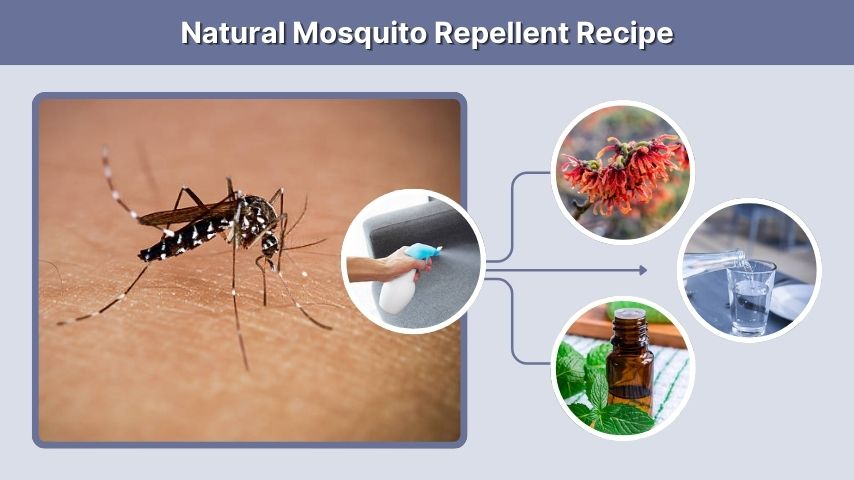
A natural mosquito repellent recipe can be useful for short outdoor exposure, but homemade sprays are not as consistent as registered products. They may need frequent reapplication and should be used with caution.
Always dilute essential oils and avoid using homemade sprays on babies, pets, broken skin, or irritated skin.
Simple Natural Mosquito Repellent Spray
A basic adult-use recipe:
- 2 tablespoons witch hazel
- 2 tablespoons distilled water
- 1 teaspoon carrier oil, such as jojoba or fractionated coconut oil
- 10 to 15 drops total essential oil, such as citronella, lavender, cedarwood, or lemongrass
Mix in a small spray bottle. Shake before each use. Spray lightly on clothing or exposed skin, avoiding eyes, mouth, cuts, and sensitive areas. Wash off after coming indoors.
Important Recipe Safety Tips
Before using a homemade repellent:
- Patch test on a small skin area
- Do not use on babies
- Do not use on pets
- Avoid eyes and lips
- Do not apply to broken skin
- Reapply carefully, not excessively
- Stop use if irritation occurs
Homemade sprays should not be relied on in areas with mosquito-borne disease risk.
Natural Tick and Mosquito Repellent
Some people want one product for both ticks and mosquitoes. This is common for hiking, camping, gardening, and outdoor work. However, ticks are harder to repel than mosquitoes, and not all natural mosquito repellents work well against ticks.
If you need protection from both, choose a product labeled for both mosquitoes and ticks. Clothing protection, tick checks, and staying out of tall grass are also important.
Natural Fly and Mosquito Repellent
Natural fly and mosquito repellent products often use citronella, lemongrass, peppermint, cedarwood, or geraniol. These may help in patios, barns, picnic areas, or outdoor seating spaces.
For flies, sanitation is also critical. Keep trash sealed, clean food spills, pick up pet waste, and avoid leaving fruit or sugary drinks uncovered.
Choosing the Best Natural Mosquito Repellent
The best natural mosquito repellent depends on where you need protection. Skin, yard, room, pets, and babies all require different approaches.
Quick Selection Guide
| Need | Best Natural Approach | What to Avoid |
|---|---|---|
| Skin | Labeled plant-based repellent or diluted spray | Undiluted essential oils |
| Yard | Remove standing water, fans, plant-based yard control | Spraying without cleanup |
| Home | Screens, fans, nets, light indoor sprays | Strong oils in closed rooms |
| Babies | Netting, clothing, screens | Essential oil sprays on skin |
| Dogs | Vet-approved products, yard control | Human sprays and strong oils |
A complete mosquito plan works better than one product. Combine personal protection with yard prevention and indoor exclusion.
Natural Remedies for Mosquito Repellent
Natural remedies can reduce mosquito activity, but they have limits. Plants, oils, fans, screens, and yard cleanup all help, but none guarantee complete protection.
If mosquitoes are heavy or disease risk is present, use proven repellents and follow public health guidance. Natural options are best used thoughtfully, not casually.
FAQs
What is the most effective natural mosquito repellent?
Oil of lemon eucalyptus or PMD is one of the most effective plant-derived mosquito repellent options in labeled commercial products. Citronella, lemongrass, cedarwood, and peppermint may help for shorter periods but usually need more frequent reapplication.
How do you make natural mosquito repellent?
You can make a simple spray with witch hazel, distilled water, a carrier oil, and a small amount of essential oil. Always dilute essential oils, patch test first, and avoid using homemade sprays on babies, pets, irritated skin, or broken skin.
What is the best natural mosquito repellent for yard use?
The best natural mosquito repellent for yard use is a combination of removing standing water, trimming vegetation, using outdoor fans, planting mosquito-repellent plants, and applying plant-based outdoor products when needed. Yard cleanup is more important than spraying alone.
Are natural mosquito repellents safe for babies?
Not all natural mosquito repellents are safe for babies. Essential oils can be too strong for young skin and breathing. For babies, use mosquito netting, protective clothing, screens, and indoor protection first. Ask a pediatrician before applying repellents to baby skin.
Can I use natural mosquito repellent on dogs?
Do not use homemade or human mosquito repellent on dogs unless your veterinarian approves it. Some essential oils and human repellent ingredients can be unsafe for pets. Use dog-labeled products and reduce mosquitoes in the yard by removing standing water.