
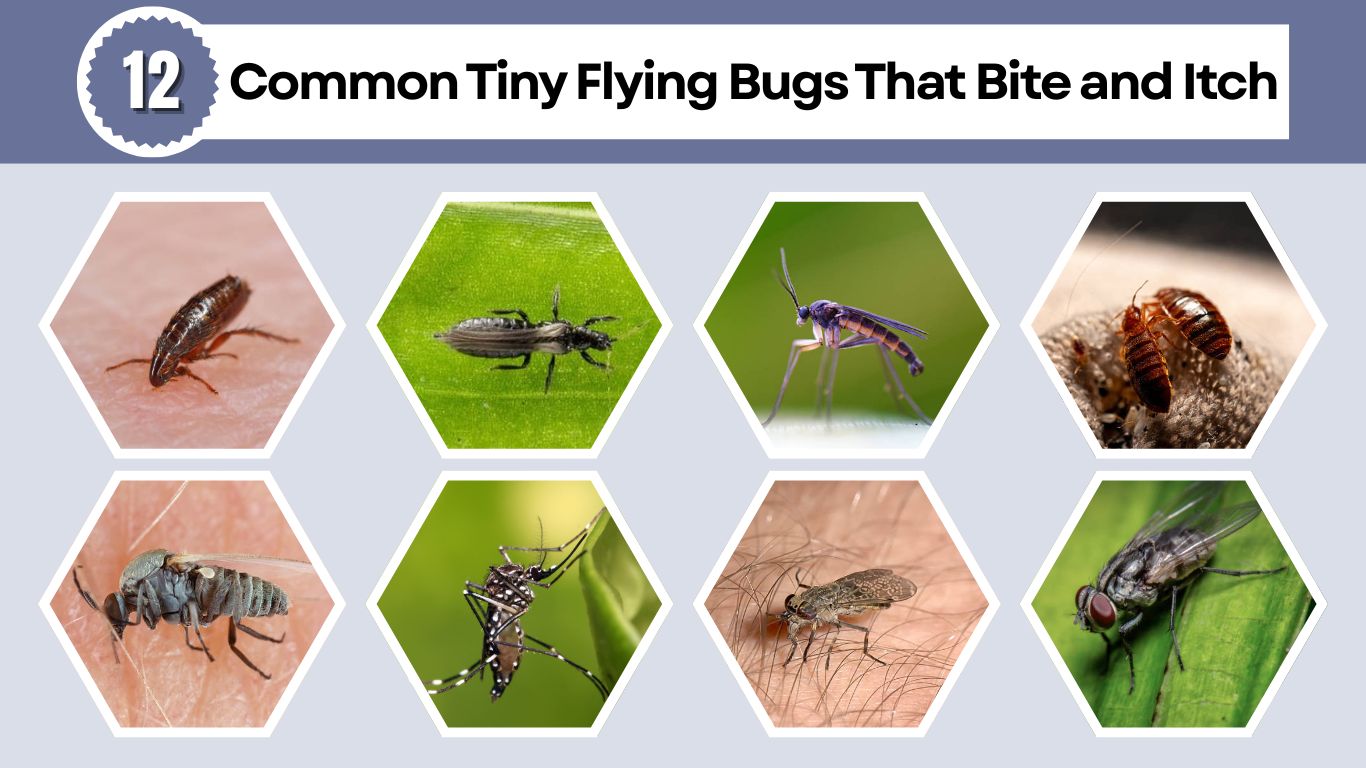
Tiny flying bugs that bite and itch can quickly become annoying around your home, yard, garden, or outdoor spaces. Some leave mild red bumps, while others cause painful swelling or intense itching. Knowing which bugs are responsible can help you identify the problem faster and take the right steps to prevent bites.
1. Mosquitoes
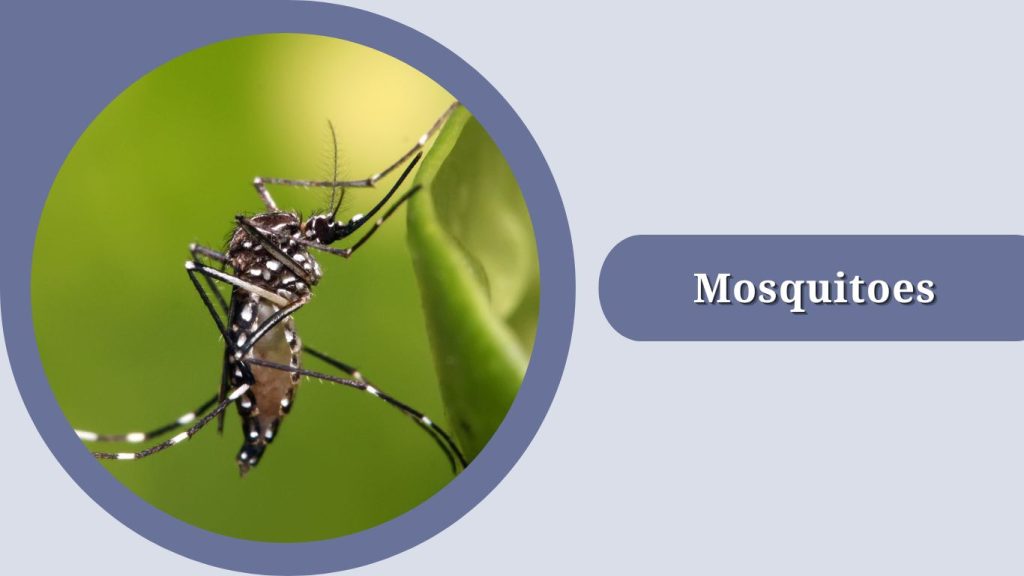
Mosquitoes are tiny flying insects known for their itchy bites. Female mosquitoes feed on blood and are commonly found around homes, gardens, and areas with standing water.
What Do Mosquitoes Look Like?
Mosquitoes have slender bodies, long legs, and narrow wings. They are usually gray, brown, or black and measure about 1/8 to 3/8 inch long. Female mosquitoes have a needle-like mouthpart called a proboscis, which they use to pierce the skin and draw blood. You may also notice their distinctive buzzing sound before they land.
Why Do Mosquito Bites Itch?
Mosquito bites itch because the insect injects saliva into the skin while feeding. The body’s immune system reacts to this saliva, causing redness, swelling, and irritation. Some people experience only mild itching, while others develop larger, more noticeable bumps.
Where Are Mosquitoes Commonly Found?
Mosquitoes thrive in warm, damp environments and breed near standing water. Common places where they are found include:
- Birdbaths
- Ponds and puddles
- Clogged gutters
- Flowerpots
- Buckets and containers
- Tall grass and shrubs
- Damp gardens
- Areas near drains
How Can You Prevent Mosquito Bites?
Reducing mosquito populations starts with eliminating standing water around your property. Empty containers that collect rainwater, clean gutters regularly, and keep outdoor areas tidy. Installing window screens and using mosquito nets can help keep them out of your home.
When spending time outdoors, wear long sleeves and long pants, especially during dawn and dusk when mosquitoes are most active. Applying an insect repellent approved for mosquito protection can also reduce bites. Keeping grass trimmed and removing dense vegetation near your home makes the area less attractive to mosquitoes and limits places where they can rest during the day.
2. No-See-Ums
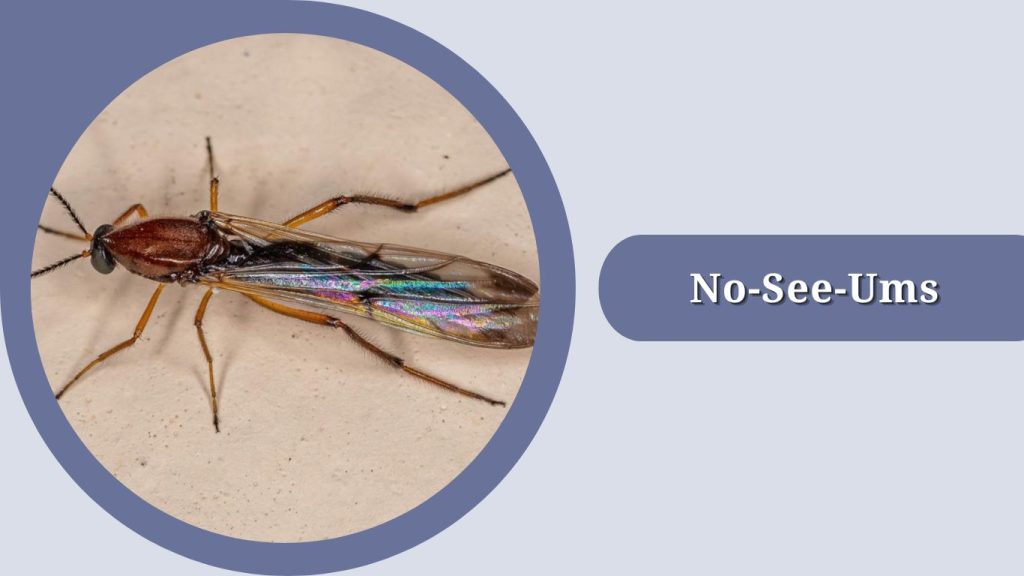
No-see-ums are tiny biting flies that are often difficult to notice because of their extremely small size. They are also known as biting midges and can cause itchy, red bumps after feeding on human blood. These insects are commonly found in damp outdoor areas, especially near water, marshes, gardens, and shaded yards.
What Do No-See-Ums Look Like?
No-see-ums are extremely small flying insects, usually measuring about 1/16 to 1/8 inch long. Because they are so tiny, many people feel the bite before they ever see the insect. Their small size is the reason they are commonly called “no-see-ums.”
They usually have grayish, brownish, or dark-colored bodies with narrow wings. Some species have patterned wings, but these markings are difficult to see without magnification. Unlike mosquitoes, no-see-ums do not make a loud buzzing sound, which makes them even harder to detect.
These tiny bugs can pass through ordinary window screens because of their small bodies. This allows them to enter homes, patios, porches, and screened areas more easily than many other flying insects. They are most active during warm weather and are often worse around sunrise, sunset, and humid conditions.
Female no-see-ums are the ones that bite because they need blood to support egg production. They often target exposed skin, including arms, legs, neck, face, and ankles. Their bites may feel sharp or stinging at first, followed by itching and swelling later.
Why Do No-See-Um Bites Itch?
No-see-um bites itch because the insect injects saliva into the skin while feeding. This saliva helps prevent blood from clotting, allowing the bug to feed more easily. The body reacts to the saliva, causing irritation, redness, and swelling.
The bites can be very itchy and may appear as small red bumps, clusters, or welts. Some people may experience stronger reactions, especially if they are sensitive to insect bites. Scratching the bites can make the irritation worse and may increase the risk of skin infection.
Where Are No-See-Ums Commonly Found?
No-see-ums are commonly found in moist, humid, and shaded environments. They are often present near wetlands, ponds, lakes, rivers, marshes, and coastal areas. They may also live around gardens, lawns, compost piles, muddy soil, and areas with decaying organic matter.
Around homes, no-see-ums may gather near patios, porches, outdoor lights, shrubs, and damp landscaping. They are especially active in warm climates and after rainfall, when moisture levels are high.
How Can You Prevent No-See-Um Bites?
Preventing no-see-um bites starts with reducing moisture and limiting their access to your skin. Use fine-mesh screens on windows, doors, patios, and porches because regular screens may not block them. Outdoor fans can also help because no-see-ums are weak fliers.
When outdoors, wear long sleeves, long pants, socks, and closed shoes, especially during early morning and evening hours. Insect repellents can help reduce bites when applied to exposed skin and clothing. Keeping your yard dry, trimming shrubs, removing damp debris, and improving drainage can also make your property less attractive to these tiny biting bugs.
3. Biting Midges
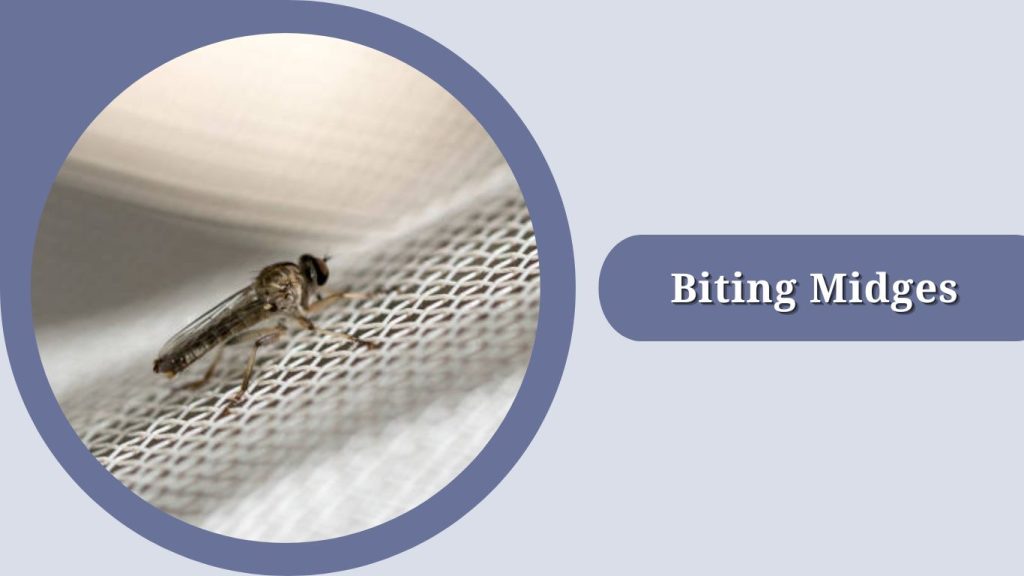
Biting midges are tiny flying insects that bite humans and animals, often leaving itchy red bumps on the skin. They are very similar to no-see-ums and are commonly found in damp outdoor areas, especially near water, mud, marshes, and shaded vegetation.
What Do Biting Midges Look Like?
Biting midges are very small flies, usually measuring about 1/32 to 1/8 inch long. Their tiny size makes them hard to see, especially when they are flying around in groups. Many people notice the bite before they notice the insect.
They usually have dark, gray, or brown bodies with delicate wings. Some species have spotted or patterned wings, though these details are not easy to see without close inspection. Their bodies are thin and fragile, which helps them move through small openings and tight spaces.
Female biting midges are the ones that bite. They use sharp mouthparts to cut the skin and feed on blood. Unlike mosquitoes, which pierce the skin with a long proboscis, biting midges often create a small surface wound. This can make their bites feel sharp, irritating, or more painful than expected for such a tiny insect.
Biting midges are most active in warm, humid weather. They often appear around dawn and dusk, especially when the air is still. Because they are weak fliers, they are less active in windy conditions. However, in calm and damp areas, they can become very annoying and may bite several times in a short period.
Why Do Biting Midge Bites Itch?
Biting midge bites itch because the insect’s saliva enters the skin while it feeds. The body reacts to this saliva, causing redness, swelling, and irritation. Some bites may look like small red dots, while others may turn into raised welts.
The itching can last for several days, especially if the skin is scratched. Scratching may break the skin and increase the chance of infection. People who are sensitive to insect bites may experience stronger swelling and longer-lasting irritation.
Where Are Biting Midges Commonly Found?
Biting midges are commonly found in moist and humid places. They breed in wet soil, mud, marshes, ponds, lakeshores, riverbanks, and areas with decaying plant material. They are also common near coastal areas, wetlands, and poorly drained yards.
Around homes, they may gather near gardens, shrubs, compost piles, damp grass, outdoor lights, patios, and porches. They can also enter homes through small gaps or ordinary window screens.
How Can You Prevent Biting Midge Bites?
To prevent biting midge bites, avoid damp outdoor areas during dawn and dusk when they are most active. Wearing long sleeves, long pants, socks, and closed shoes can reduce exposed skin. Insect repellents may also help protect against bites.
At home, use fine-mesh screens because regular screens may not block these tiny insects. Outdoor fans can help keep them away since biting midges are weak fliers. Improving drainage, removing wet debris, trimming vegetation, and reducing damp resting areas can also make your property less attractive to them.
4. Sand Flies
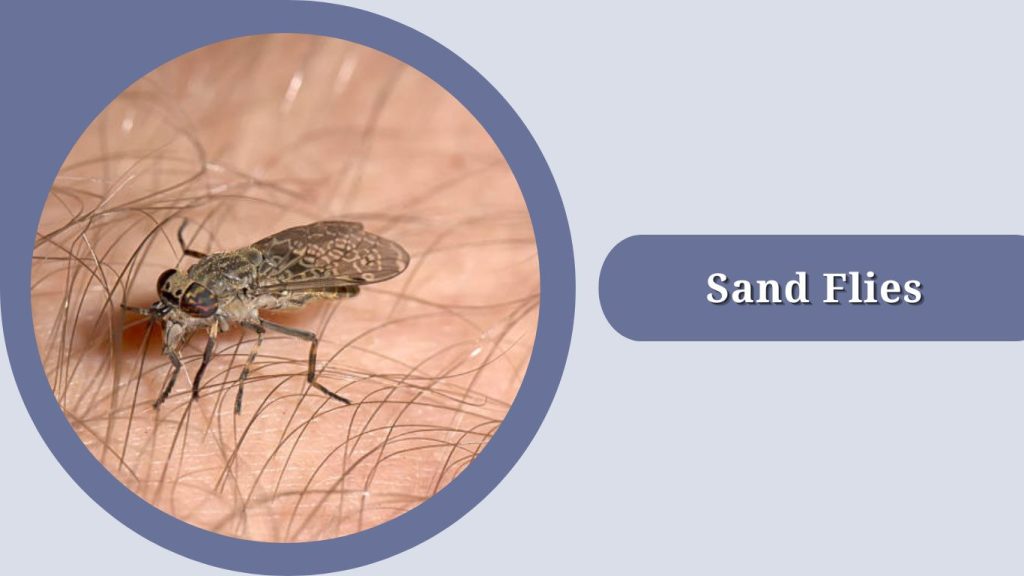
Sand flies are tiny biting insects that can cause itchy and irritating bites. They are often found in sandy, damp, wooded, or coastal areas. Although they are very small, their bites can be uncomfortable and may leave red bumps or welts on exposed skin.
What Do Sand Flies Look Like?
Sand flies are small flying insects, usually about 1/8 inch long or smaller. They often have hairy bodies, long legs, and wings that may be held in a V-shape when resting. Their bodies are usually light brown, gray, or yellowish, which can help them blend into sandy or natural surroundings.
Because of their small size, sand flies can be difficult to notice. They do not always make an obvious buzzing sound, and their bites may happen before you realize they are nearby. They are most active in warm, humid conditions and often bite during evening, nighttime, or early morning hours.
Female sand flies bite because they need blood for egg development. They usually target exposed skin such as ankles, legs, arms, neck, and face. Their bites may feel sharp or irritating and can become itchy soon afterward.
Sand flies are weak fliers, so they usually stay close to the ground and near sheltered areas. They often rest in cracks, vegetation, animal shelters, tree roots, and damp organic material. Even though they are tiny, they can become a serious nuisance when present in large numbers.
Why Do Sand Fly Bites Itch?
Sand fly bites itch because the insect injects saliva into the skin while feeding. The saliva helps the fly take blood more easily, but the body reacts to it as an irritant. This reaction causes redness, swelling, itching, and sometimes a burning feeling.
The bites may appear as small red bumps or raised welts. In some people, the itching can be intense and last for several days. Scratching the bites may worsen irritation and can lead to skin damage or infection.
Where Are Sand Flies Commonly Found?
Sand flies are commonly found in warm, humid, and sheltered environments. They may live in sandy areas, beaches, riverbanks, forests, caves, gardens, and places with damp soil or decaying organic matter.
Around homes, they may be found near shrubs, shaded yards, animal shelters, cracks in walls, compost areas, and damp ground. They are more common in areas where moisture, warmth, and organic material are present together.
How Can You Prevent Sand Fly Bites?
Preventing sand fly bites involves covering exposed skin and avoiding areas where they are most active. Wear long sleeves, long pants, socks, and closed shoes when spending time outdoors, especially in the evening or early morning.
Using insect repellent can help reduce bites. Fine-mesh screens, mosquito nets, and fans can also help keep sand flies away from indoor and outdoor sitting areas. Keeping yards clean, removing damp organic debris, trimming shrubs, and improving drainage can reduce places where sand flies rest and breed.
5. Black Flies
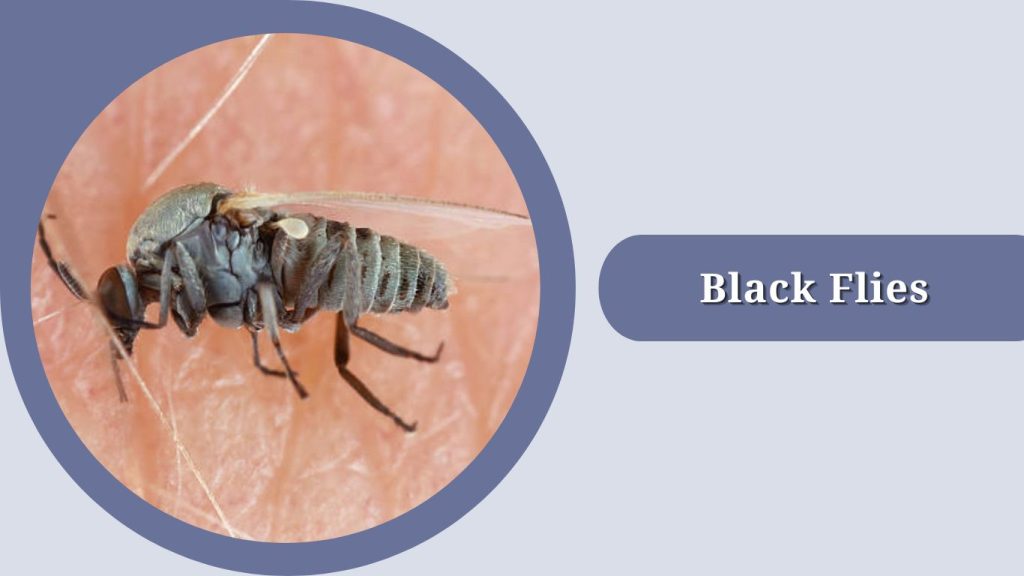
Black flies are small biting flies that can cause painful, itchy bites. They are often found near rivers, streams, and other fast-moving water where they breed. Their bites can leave red bumps, swelling, and irritation, especially around the head, neck, arms, and legs.
What Do Black Flies Look Like?
Black flies are small, dark-colored flying insects that usually measure about 1/16 to 1/8 inch long. They often have a humpbacked appearance, which makes them look different from mosquitoes and many other tiny flying bugs. Their bodies are usually black, dark gray, or sometimes brownish.
They have short legs, broad wings, and a compact body shape. Unlike mosquitoes, black flies do not have a long needle-like mouthpart. Instead, female black flies use cutting mouthparts to slice the skin and feed on blood. This is why their bites can feel more painful than mosquito bites.
Black flies are usually active during the day, especially in warm weather. They often bite around the face, ears, neck, arms, and legs. They may fly around the head in groups, which can make them very annoying outdoors.
Female black flies bite humans, birds, and animals because they need blood to produce eggs. Males do not bite and usually feed on nectar. Black flies are strong enough to travel from breeding areas near moving water to nearby yards, campsites, farms, and hiking areas.
Why Do Black Fly Bites Itch?
Black fly bites itch because the insect injects saliva into the skin while feeding. The saliva can trigger an immune reaction, causing redness, swelling, soreness, and itching. Since black flies cut the skin rather than simply piercing it, the bite may also feel painful.
Some people develop small red bumps, while others may get larger swollen welts. The bite area can remain irritated for several days. Scratching the bites may make swelling worse and increase the risk of infection.
Where Are Black Flies Commonly Found?
Black flies are commonly found near clean, fast-moving water such as rivers, streams, and creeks. Their larvae develop in flowing water, which is why they are often a problem near wooded areas, campsites, farms, and places close to waterways.
Adults may also appear in yards, parks, hiking trails, and outdoor recreation areas. They are usually more active during the daytime and can be worse in spring and early summer.
How Can You Prevent Black Fly Bites?
To prevent black fly bites, wear long sleeves, long pants, and a hat when spending time outdoors in areas where they are common. Since black flies often target the head and neck, using a head net can be helpful during heavy activity.
Insect repellents may reduce bites, especially when applied to exposed skin and clothing. Avoiding outdoor activity during peak black fly season or near fast-moving water can also help. Around the home, using fans on patios and keeping screens in good condition may reduce contact with these biting flies.
6. Stable Flies
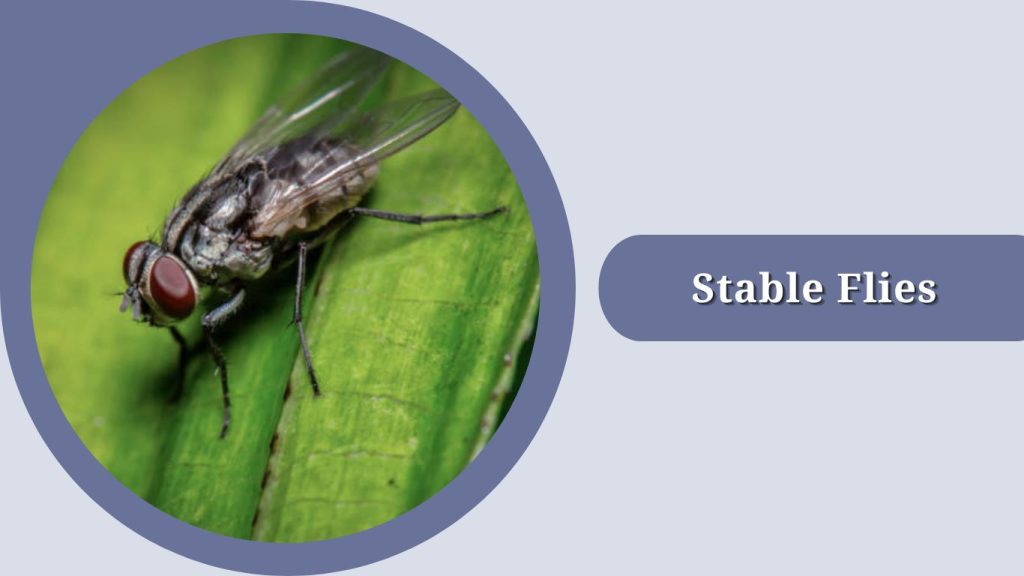
Stable flies are small biting flies that look similar to house flies but can deliver painful bites. They commonly bite humans and animals, especially around the legs and ankles. These flies are often found near livestock areas, farms, damp straw, compost, decaying grass, and other organic waste.
What Do Stable Flies Look Like?
Stable flies look very similar to common house flies, but they are biting insects. They are usually grayish in color and measure about 1/4 inch long. Their bodies often have dark markings, and they have a stiff, pointed mouthpart that sticks forward from the head.
This pointed mouthpart is one of the easiest ways to identify them. Unlike house flies, which sponge up liquids, stable flies use their sharp mouthpart to pierce the skin and feed on blood. Both male and female stable flies bite, which makes them different from mosquitoes, where only females bite.
Stable flies often bite around the lower legs, ankles, and feet. Their bites can feel sharp and painful because they pierce the skin directly. After biting, they may fly away quickly, making it hard to catch or identify them.
They are active during the day, especially in warm weather. Stable flies are commonly found outdoors, but they may also enter homes, barns, garages, and sheds. They are strong fliers and can travel from breeding sites to nearby homes or yards.
Why Do Stable Fly Bites Itch?
Stable fly bites itch because the fly pierces the skin and injects saliva while feeding. The saliva can irritate the skin and trigger an immune reaction. This often causes redness, swelling, itching, and soreness around the bite area.
The bite may feel painful at first and itchy later. Some people may develop small red bumps, while others may have larger irritated spots. Scratching the area can make the reaction worse and may increase the risk of infection.
Where Are Stable Flies Commonly Found?
Stable flies are commonly found near places with decaying organic matter. They often breed in wet straw, grass clippings, compost, animal bedding, manure, rotting hay, and damp plant debris.
They are especially common around farms, barns, horse stables, kennels, and livestock areas. Around homes, they may appear near garbage areas, lawn waste piles, damp mulch, and poorly maintained compost.
How Can You Prevent Stable Fly Bites?
To prevent stable fly bites, keep outdoor areas clean and remove decaying organic material. Dispose of grass clippings, wet straw, manure, and compost properly. Keeping animal bedding clean and dry can also reduce breeding sites.
When outdoors, wear long pants, socks, and closed shoes to protect your legs and ankles. Insect repellents may help, but stable flies can still be persistent. Using fans on patios, repairing screens, and keeping doors closed can help keep them away from indoor spaces.
7. Deer Flies
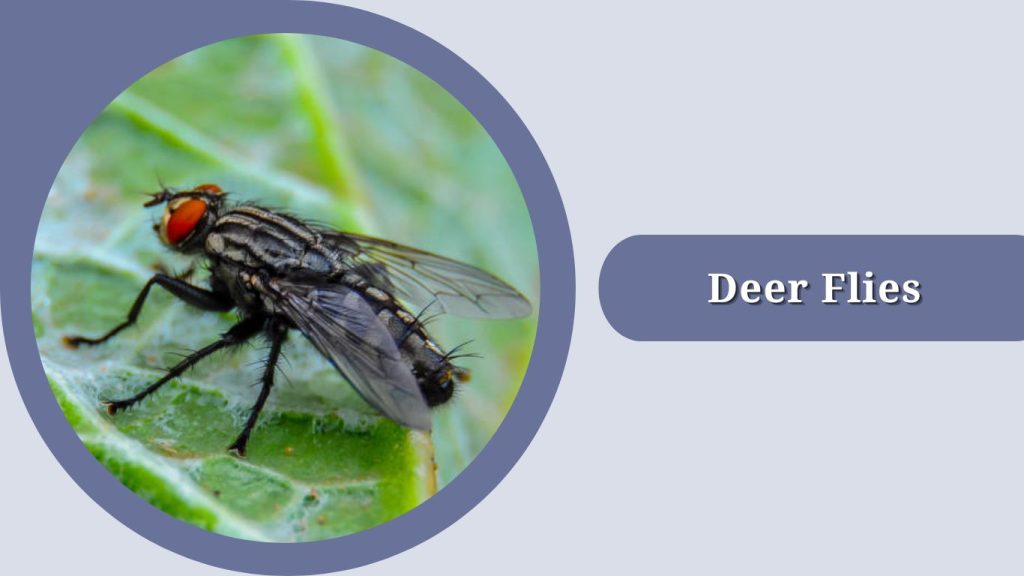
Deer flies are small to medium-sized biting flies known for their painful bites. They are often found near wooded areas, wetlands, lakes, ponds, and fields. Deer flies can be aggressive biters and are usually active during the day, especially in warm weather.
What Do Deer Flies Look Like?
Deer flies are usually larger than mosquitoes but smaller than horse flies. They often measure about 1/4 to 1/3 inch long. Their bodies are usually gray, brown, yellowish, or dark-colored, and many species have patterned wings.
One of their most noticeable features is their large, brightly colored eyes. The eyes may appear green, gold, or patterned, which helps distinguish them from many other biting flies. Their wings may have dark bands or spots, making them easier to identify when resting.
Female deer flies bite humans and animals because they need blood for egg production. They use cutting mouthparts to slice the skin and feed on blood. Because of this feeding method, their bites can feel sharp, painful, and irritating.
Deer flies are fast, active fliers. They often circle around the head, neck, shoulders, and arms before biting. They are attracted to movement, body heat, carbon dioxide, and dark colors. This is why they may bother people who are walking, hiking, gardening, fishing, or working outdoors.
Why Do Deer Fly Bites Itch?
Deer fly bites itch because the skin reacts to the saliva and injury caused by the bite. Since deer flies cut the skin, the bite may be painful at first and itchy afterward. Redness, swelling, and tenderness are common.
Some people may develop larger welts or stronger reactions. The bite area may remain irritated for several days. Scratching should be avoided because it can break the skin and increase the risk of infection.
Where Are Deer Flies Commonly Found?
Deer flies are commonly found near moist outdoor environments. They often live around wetlands, marshes, ponds, lakes, streams, wooded trails, fields, and areas where deer or livestock are present.
They are most active during daylight hours and are especially common in summer. You may notice them while hiking, camping, fishing, gardening, or spending time near water or wooded areas.
How Can You Prevent Deer Fly Bites?
To prevent deer fly bites, wear light-colored clothing, long sleeves, long pants, and a hat when outdoors. Deer flies are attracted to dark colors and movement, so lighter clothing may help reduce attention.
Insect repellents may provide some protection, but deer flies can still be persistent. Head nets can help in areas with heavy activity. Avoiding wetland edges, wooded trails, and outdoor work during peak deer fly season may also reduce bites.
8. Horse Flies
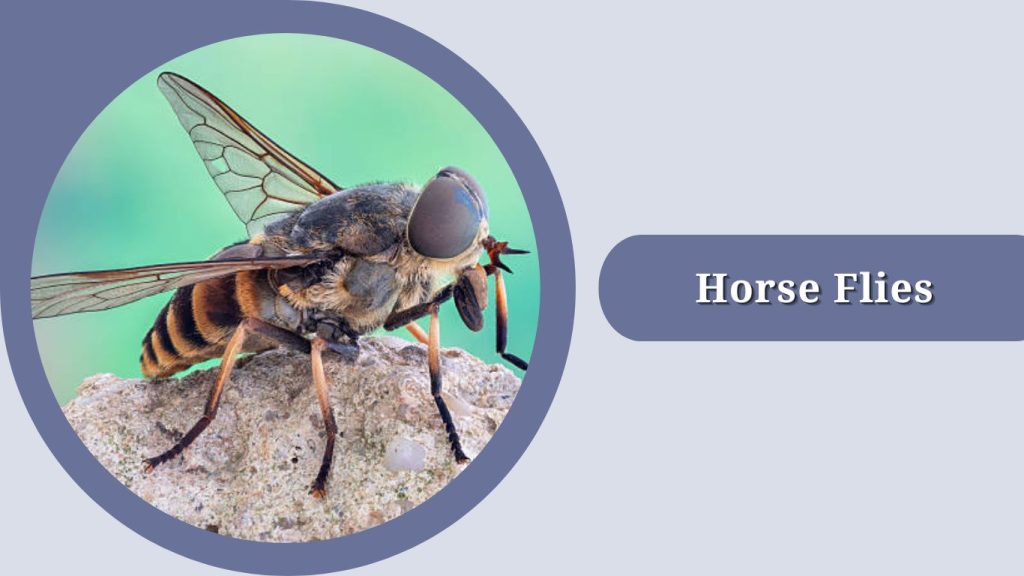
Horse flies are larger biting flies that can cause painful, itchy bites. Although they are bigger than many tiny flying bugs, they are often included with biting flies because of their aggressive feeding habits. They are commonly found near water, fields, livestock, wooded areas, and warm outdoor spaces.
What Do Horse Flies Look Like?
Horse flies are larger than deer flies and many other biting flies. They can range from about 1/2 inch to over 1 inch long, depending on the species. Their bodies are usually gray, black, brown, or dark-colored, and they often have large eyes.
Their eyes may appear shiny, colorful, or patterned. Horse flies have strong bodies, broad wings, and powerful flight. They are fast and can be difficult to swat away once they begin circling.
Female horse flies bite humans and animals because they need blood to produce eggs. Their mouthparts are designed to cut the skin instead of gently piercing it. This makes their bites painful and sometimes more noticeable than mosquito bites.
Horse flies are usually active during the day, especially in hot, sunny weather. They are attracted to body heat, movement, dark clothing, sweat, and carbon dioxide. They may bite exposed areas such as arms, legs, shoulders, neck, and back.
Why Do Horse Fly Bites Itch?
Horse fly bites itch because the fly cuts the skin and leaves saliva behind while feeding. The body reacts to the saliva and skin injury, causing redness, swelling, pain, and itching.
The bite may become a raised welt and can stay sore for several days. Some people may have stronger reactions, especially if they are sensitive to insect bites. Scratching can make the bite worse and increase the chance of infection.
Where Are Horse Flies Commonly Found?
Horse flies are commonly found near water, fields, farms, wooded areas, and places with livestock. They breed in moist soil, muddy areas, marshes, pond edges, and wetlands.
They are often seen around horses, cattle, deer, and other large animals. People may encounter them while hiking, swimming, camping, fishing, gardening, or working outdoors in rural or semi-rural areas.
How Can You Prevent Horse Fly Bites?
To prevent horse fly bites, wear long sleeves, long pants, and light-colored clothing when outdoors. Avoid dark clothing because horse flies may be more attracted to it.
Using insect repellent may help, though horse flies can be difficult to repel completely. Staying in shaded or screened areas, using fans, and avoiding peak activity times can reduce bites. Around livestock areas, keeping manure, mud, and wet organic material under control may help reduce breeding sites.
9. Gnats
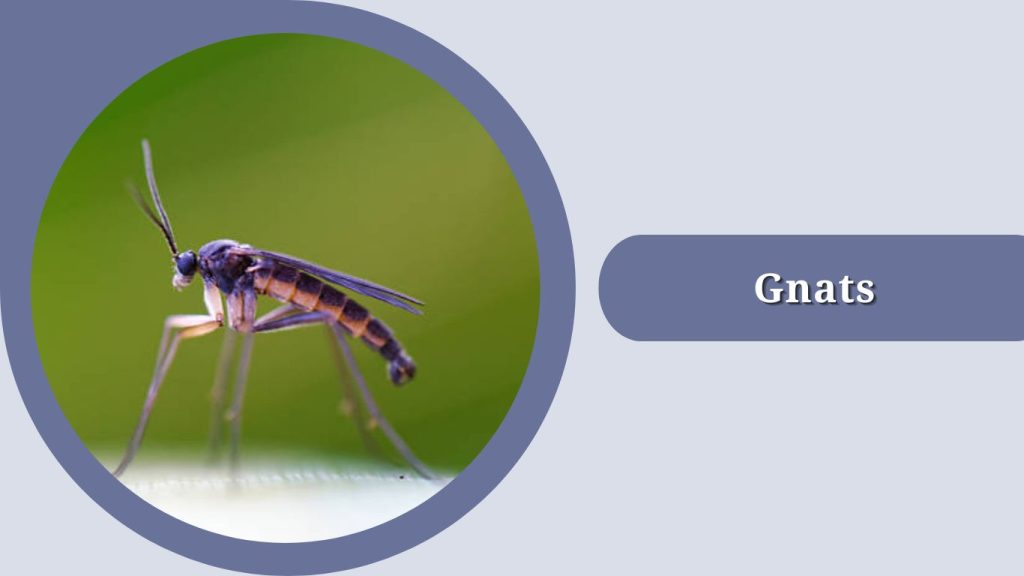
Gnats are tiny flying insects that often appear in swarms around homes, gardens, drains, plants, and damp areas. Not all gnats bite, but some biting gnats can irritate the skin and leave itchy red bumps. They are usually most noticeable in warm, humid weather.
What Do Gnats Look Like?
Gnats are very small flying insects, often measuring about 1/8 inch long or smaller. They usually have slender bodies, long legs, and delicate wings. Their color can range from black and gray to brown or yellowish, depending on the type.
The word “gnat” is commonly used for several small flies, including fungus gnats, biting gnats, and other tiny flying insects. Some gnats are mostly harmless and feed on plant material or fungi, while others bite humans and animals.
Biting gnats are often difficult to identify because of their small size. They may fly around the face, ears, arms, legs, and exposed skin. Some species bite quietly, while others may swarm around people before landing.
Gnats are attracted to moisture, decaying organic matter, plants, and sometimes body odors. Indoors, they may gather around houseplants, drains, fruit, trash, or damp soil. Outdoors, they may be found near gardens, compost, wet grass, and shaded areas.
Why Do Gnat Bites Itch?
Gnat bites itch because biting species inject saliva into the skin while feeding. The body reacts to this saliva, causing redness, swelling, and irritation. The bites may appear as small red bumps or itchy spots.
Some people may experience mild irritation, while others may develop stronger reactions. Scratching the bites can make itching worse and may lead to broken skin or infection.
Where Are Gnats Commonly Found?
Gnats are commonly found in damp and humid places. Indoors, they may live around overwatered houseplants, drains, garbage bins, fruit bowls, and moist soil.
Outdoors, gnats are often found in gardens, lawns, compost piles, mulch beds, wooded areas, and near standing water. They are more common in warm weather and after rain.
How Can You Prevent Gnat Bites?
To prevent gnat bites, reduce moisture and remove breeding sources. Avoid overwatering houseplants, clean drains, remove rotting fruit, and keep garbage sealed.
When outdoors, wear long sleeves and use insect repellent if biting gnats are active. Fans can help keep gnats away from patios and sitting areas because many gnats are weak fliers. Keeping yards clean and reducing damp organic material can also help control them.
10. Fleas
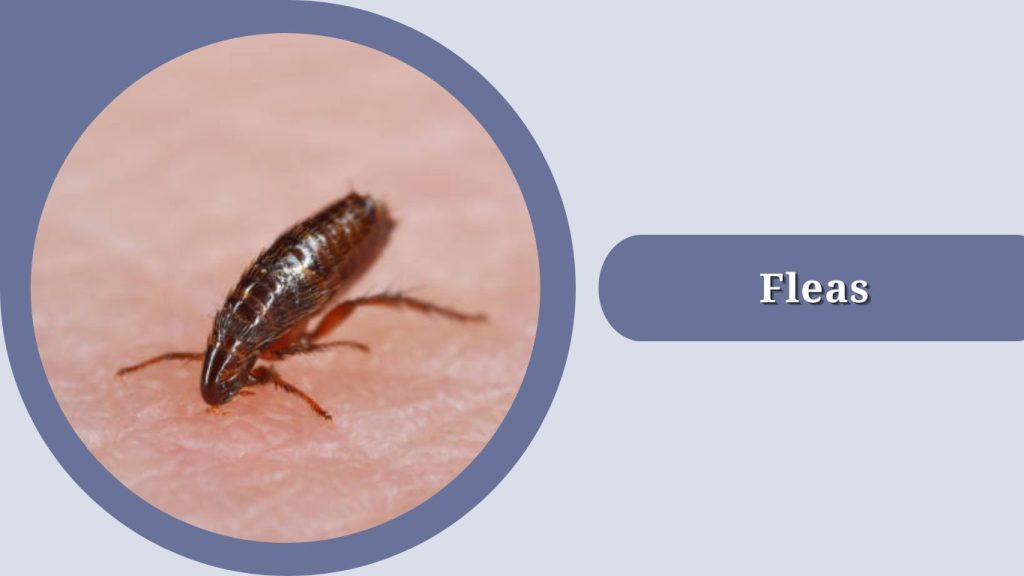
Fleas are tiny jumping insects that bite humans and animals, causing itchy red bumps. Although they do not fly, they are often mistaken for tiny flying bugs because they move quickly and can jump long distances. Fleas are common in homes with pets, carpets, bedding, and upholstered furniture.
What Do Fleas Look Like?
Fleas are very small insects, usually about 1/12 to 1/8 inch long. They are dark brown or reddish-brown and have flat, narrow bodies. Their flattened shape helps them move easily through animal fur, carpet fibers, and bedding.
Fleas do not have wings, but they can jump very far compared to their body size. This jumping ability often makes people think they are flying. They move quickly and can be hard to catch once noticed.
Their bodies are tough and shiny, which makes them difficult to crush. Fleas use piercing mouthparts to bite the skin and feed on blood. They commonly bite pets such as cats and dogs, but they can also bite humans.
Flea bites often appear around the ankles, feet, calves, waist, and areas where clothing fits tightly. They may show up as small red bumps, sometimes in clusters or lines. If fleas are present indoors, bites may happen while sitting on carpets, couches, beds, or pet resting areas.
Why Do Flea Bites Itch?
Flea bites itch because fleas inject saliva into the skin while feeding. The immune system reacts to the saliva, causing redness, swelling, and irritation.
Flea bites can be very itchy and may last for several days. Some people are more sensitive and may develop larger bumps or rashes. Scratching can worsen the irritation and may lead to infection.
Where Are Fleas Commonly Found?
Fleas are commonly found on pets, especially cats and dogs. They may also live in carpets, rugs, bedding, pet beds, furniture, cracks in floors, and shaded outdoor areas.
Outside, fleas may survive in warm, damp, shaded places where pets or wildlife rest. Yards with tall grass, animal shelters, or stray animals may attract fleas.
How Can You Prevent Flea Bites?
To prevent flea bites, treat pets regularly with veterinarian-approved flea control products. Wash pet bedding, vacuum carpets and furniture often, and clean areas where pets sleep.
Empty the vacuum after cleaning to prevent fleas from spreading. Keeping grass trimmed and limiting wildlife or stray animals near your home can also help. If fleas are already inside, a combination of pet treatment, cleaning, and home pest control may be needed.
11. Bed Bugs
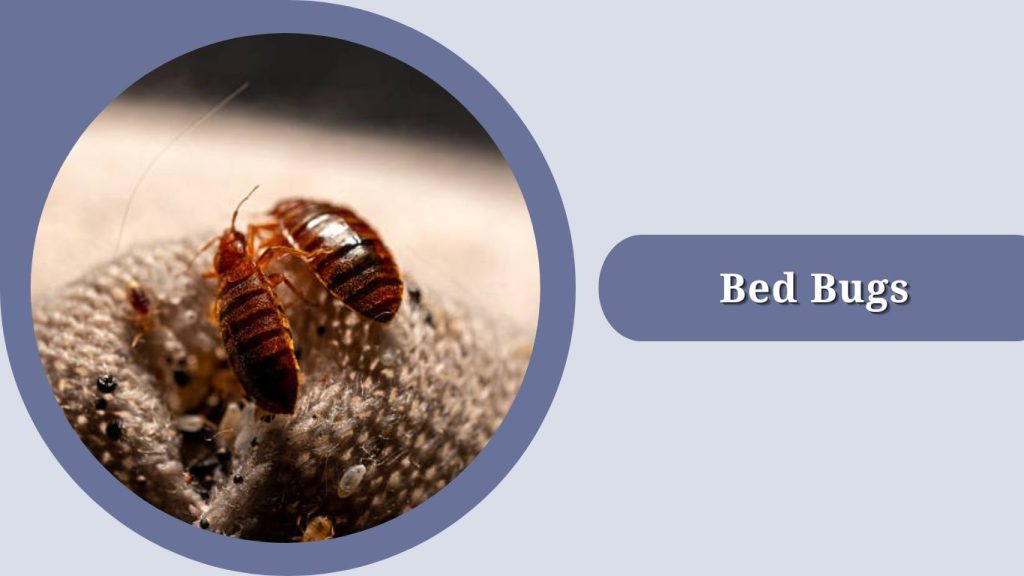
Bed bugs are tiny biting insects that feed on human blood, usually while people are sleeping. They do not fly, but they are often mistaken for tiny flying bugs because they are small, fast, and hard to spot. Their bites can cause itchy red bumps, often in clusters or lines.
What Do Bed Bugs Look Like?
Bed bugs are small, flat insects that are usually reddish-brown in color. Adult bed bugs are about the size of an apple seed, while young bed bugs are smaller and lighter in color. After feeding, their bodies may become swollen and darker red.
Bed bugs do not have wings and cannot fly. However, they can crawl quickly across mattresses, furniture, walls, floors, and luggage. Because they hide during the day and come out at night, many people notice bites before seeing the insects.
They have oval-shaped bodies and six legs. Young bed bugs can be very small and hard to detect, especially in cracks, seams, and dark hiding places. Their eggs are tiny, pale, and usually hidden in protected areas.
Bed bug bites often appear on exposed skin such as arms, shoulders, neck, face, hands, and legs. The bites may appear in rows, clusters, or random patterns. However, bite patterns can vary from person to person.
Why Do Bed Bug Bites Itch?
Bed bug bites itch because the insect injects saliva into the skin while feeding. This saliva contains substances that help the bed bug feed without being noticed right away. The body reacts later, causing itching, redness, and swelling.
Some people react strongly to bed bug bites, while others may show little or no reaction. The itching may last for several days. Scratching can damage the skin and may lead to infection.
Where Are Bed Bugs Commonly Found?
Bed bugs are commonly found in mattresses, box springs, bed frames, headboards, couches, chairs, cracks, baseboards, and luggage. They hide close to sleeping or resting areas because they feed on people while they are still.
They can spread through travel, used furniture, shared laundry areas, hotels, apartments, and public transportation. Clean homes can still get bed bugs because they are mainly spread by movement of infested items.
How Can You Prevent Bed Bug Bites?
To prevent bed bug bites, inspect sleeping areas when traveling and avoid placing luggage directly on beds or floors. Check used furniture carefully before bringing it indoors.
At home, use mattress and box spring encasements, reduce clutter, and vacuum regularly. Wash bedding in hot water and dry it on high heat when needed. If bed bugs are found, professional pest control is often the most effective solution.
12. Thrips
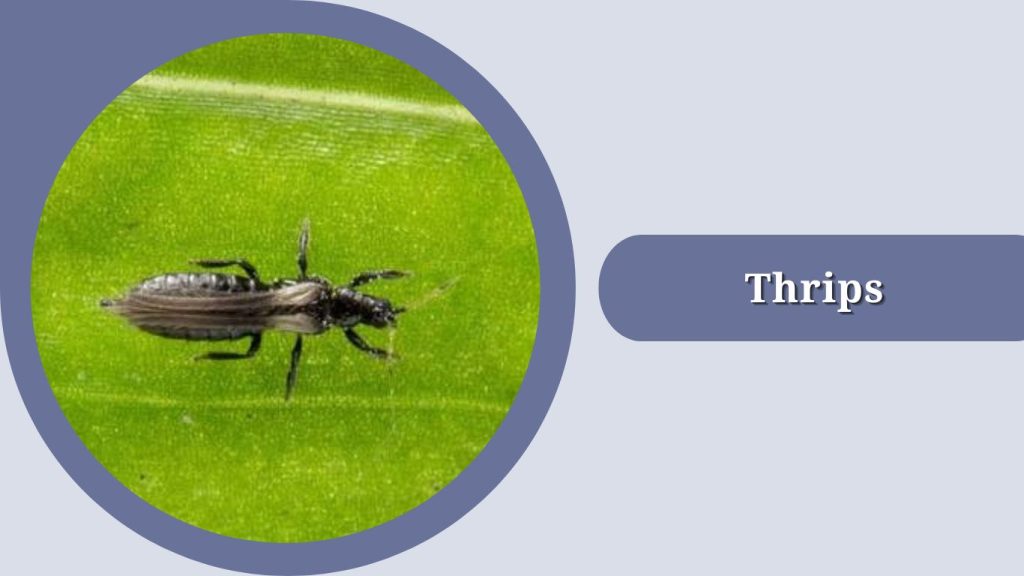
Thrips are tiny, slender insects that usually feed on plants, but some species may bite humans. Their bites can cause mild itching, irritation, or tiny red spots. Thrips are commonly found in gardens, flowers, crops, houseplants, and grassy outdoor areas.
What Do Thrips Look Like?
Thrips are very small insects, usually about 1/25 to 1/8 inch long. They have narrow, slender bodies and may appear yellow, brown, black, or pale depending on the species and life stage. Because they are so small, they can be difficult to see clearly without close inspection.
Many thrips have narrow wings with fringed edges. However, they are not strong fliers. Instead, they may drift in the air, jump short distances, or move from plant to plant. Their tiny size allows them to hide inside flowers, leaves, buds, and plant crevices.
Thrips mainly feed on plant sap by scraping plant tissue and sucking out the contents. This feeding can damage leaves and flowers, causing silvery streaks, spots, curling, or discoloration. When thrips land on people, they may bite or scrape the skin, possibly mistaking moisture or sweat for a food source.
Thrip bites are usually not serious, but they can feel prickly or irritating. They may affect exposed skin such as arms, neck, face, and legs, especially when someone is gardening, walking through grass, or handling infested plants.
Why Do Thrip Bites Itch?
Thrip bites itch because the insect scrapes or irritates the skin. Unlike mosquitoes or fleas, thrips are not true blood-feeding insects. Their bites are usually shallow and may feel like a tiny prick.
The skin may react with mild redness, itching, or small bumps. Reactions are usually temporary, but scratching can make the irritation worse. People with sensitive skin may notice stronger itching or redness.
Where Are Thrips Commonly Found?
Thrips are commonly found on plants, especially flowers, vegetables, crops, trees, shrubs, and houseplants. They often hide inside flower petals, leaf folds, buds, and new plant growth.
Outdoors, they may be common in gardens, farms, lawns, fields, and greenhouses. Indoors, they may appear on houseplants or enter through open windows and doors.
How Can You Prevent Thrip Bites?
To prevent thrip bites, avoid brushing against heavily infested plants and wear long sleeves while gardening. Washing exposed skin after yard work can help remove any insects.
Inspect plants regularly for signs of thrips, such as silvery leaf streaks, black specks, curled leaves, or damaged flowers. Pruning affected plant parts, rinsing plants with water, and using proper plant care can help reduce thrip populations. Keeping windows screened and checking houseplants before bringing them indoors can also help prevent thrips inside the home.