
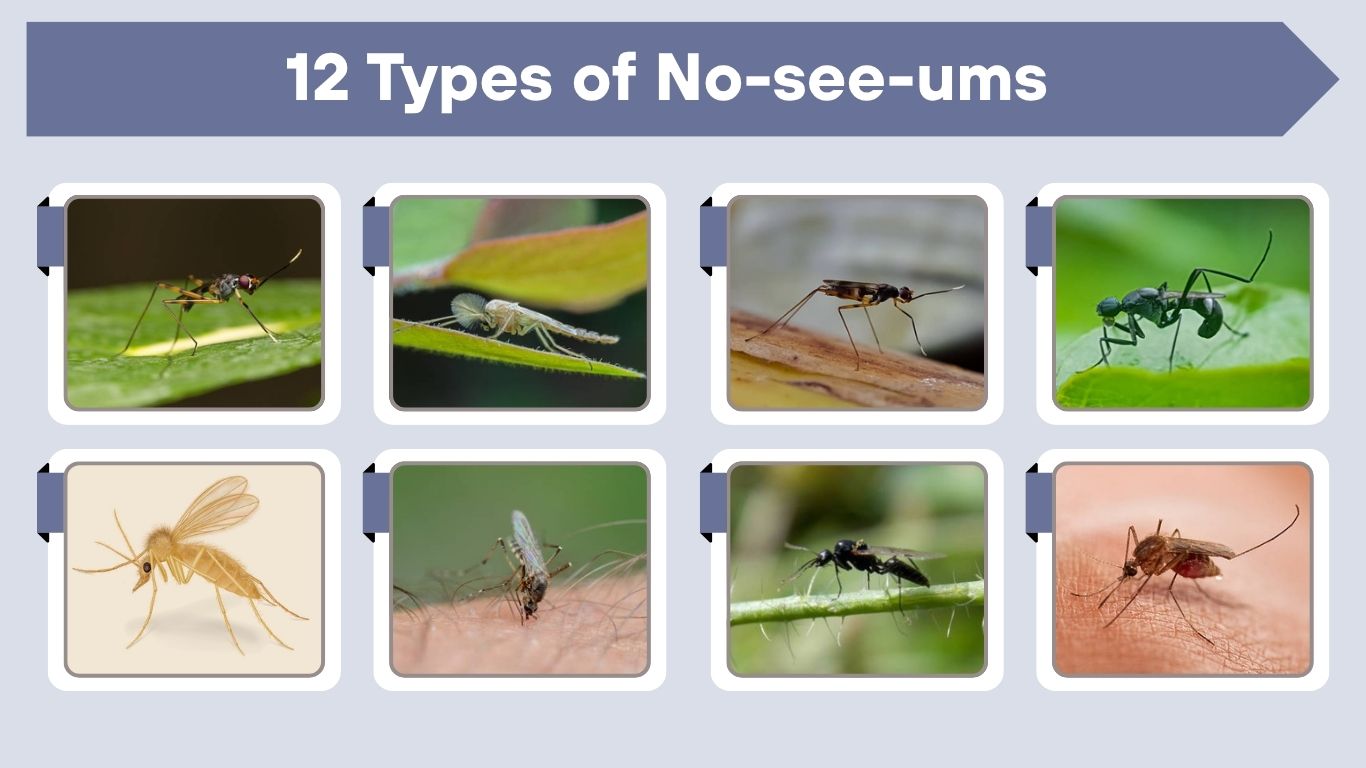
No-see-ums are tiny biting flies that can be difficult to spot but easy to feel when they bite. These insects are often found in damp, humid places such as marshes, beaches, wetlands, forests, gardens, and coastal areas. Many people call them biting midges, punkies, sand gnats, or sand flies, depending on the region. Although they are very small, their bites can cause itching, redness, and irritation. This guide covers 12 common types of no-see-ums, with simple identification details, habitat notes, behavior, diet, lifecycle information, and helpful facts for recognizing them outdoors.
1. Biting Midge
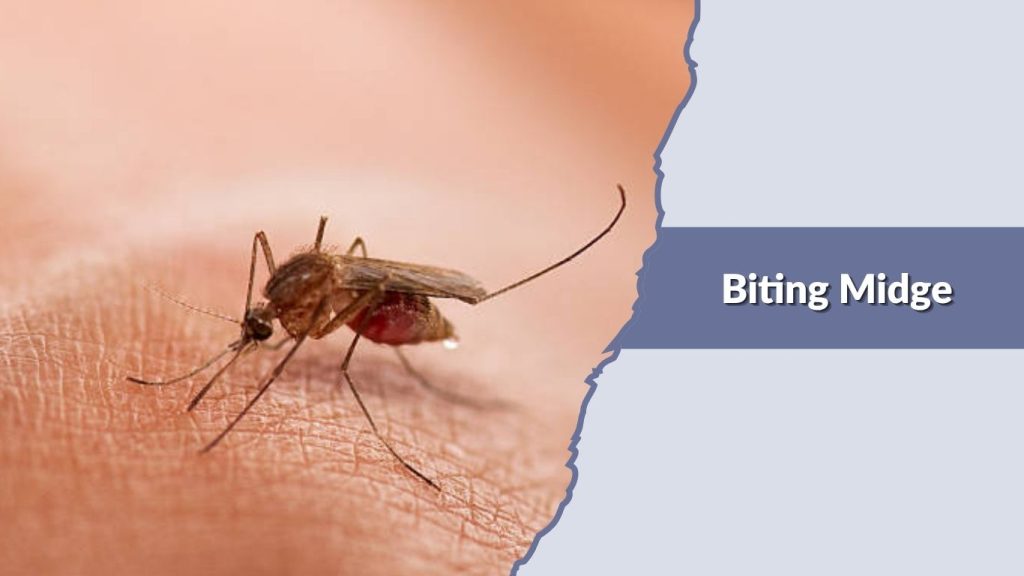
The Biting Midge is a tiny fly commonly called a no-see-um because it is so small that people often feel the bite before seeing the insect. These insects are known for their painful bites, especially around wetlands, beaches, marshes, forests, and damp outdoor areas. Female biting midges need blood meals to produce eggs.
Identification
- Very tiny fly, often only about 1 to 3 millimeters long.
- Body is slender and usually gray, brown, or blackish.
- Wings may look clear, smoky, or patterned depending on the species.
- Legs are thin and delicate.
- Often hard to see without close inspection.
- Bites can cause red, itchy bumps on exposed skin.
- Usually most active around dawn, dusk, or cloudy, humid conditions.
Habitat and Distribution
Biting Midges are found in many parts of the world, especially in damp or humid habitats. They commonly live near marshes, swamps, ponds, lakes, wet soil, rotting vegetation, beaches, and coastal areas. Their larvae develop in moist places, which is why adults are often abundant near water or wet ground.
Behavior and Diet
Adult biting midges feed on nectar and other natural sugars, but females of many species also bite animals or humans to get blood for egg development. They are most active in calm, humid weather and can pass through ordinary window screens because of their tiny size. Their bites may feel sharp and can remain itchy for several days.
Lifecycle
The lifecycle begins when females lay eggs in moist soil, mud, sand, decaying plants, or other damp material. The larvae develop in these wet habitats and feed on organic matter or tiny organisms. After the larval stage, they pupate and then emerge as adults. In warm, humid conditions, several generations may occur during a season.
2. Punkie Fly
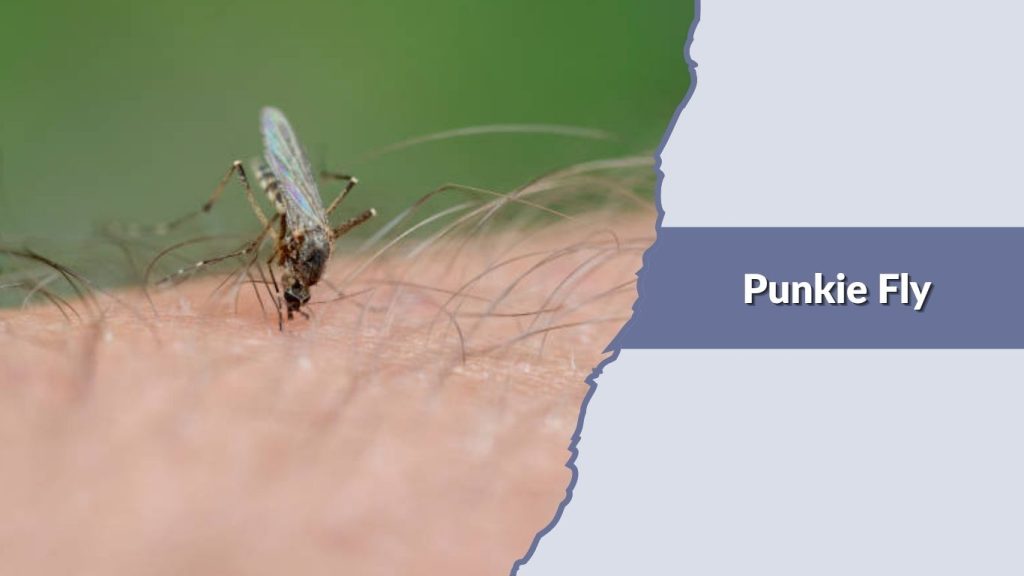
The Punkie is a tiny biting fly often grouped with no-see-ums because of its very small size and irritating bite. These insects are especially common in damp, wooded, marshy, or coastal areas. People may notice their bites while walking near wetlands, camping, gardening, or spending time outdoors during humid weather.
Identification
- Very small fly, often difficult to see clearly.
- Body is usually grayish, brownish, or dark-colored.
- Wings are narrow and may appear clear or slightly smoky.
- Legs are thin and delicate.
- Often bites exposed skin, especially around ankles, arms, neck, and face.
- Bites may cause itchy red bumps or mild swelling.
- Usually active during calm, humid conditions, especially near dawn or dusk.
Habitat and Distribution
Punkies are commonly found in moist habitats where larvae can develop. They often occur near marshes, swamps, wet woods, ponds, streams, damp soil, rotting vegetation, and coastal areas. They are most noticeable in places with high humidity and little wind, where adults can fly and bite more easily.
Behavior and Diet
Adult punkies may feed on nectar and plant fluids, but females often need blood meals to develop eggs. They can bite humans, pets, birds, and other animals. Because they are so tiny, they may pass through ordinary screens and become a nuisance around homes, campsites, and outdoor seating areas.
Lifecycle
The lifecycle begins when females lay eggs in moist soil, mud, sand, decaying plant matter, or other damp organic material. Larvae develop in these wet places and feed on tiny organisms or organic matter. After pupation, adults emerge and begin feeding, mating, and reproducing. Warm, humid conditions can support repeated generations.
3. Sand Fly
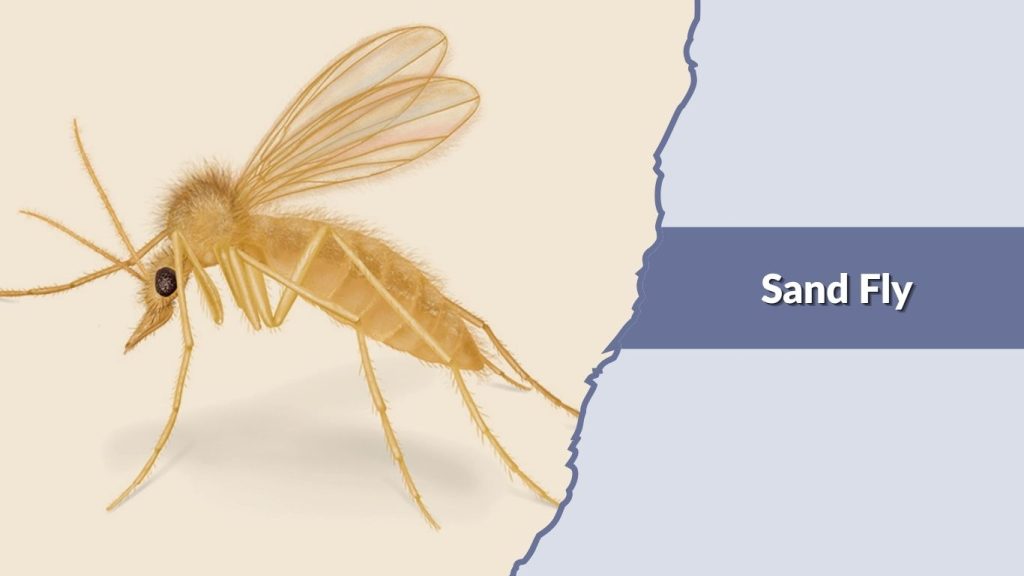
The Sand Fly is a tiny biting insect often associated with sandy, coastal, or damp outdoor areas. In some regions, the name is used for different small biting flies, including no-see-ums. These insects are known for their irritating bites and are most active in warm, humid places near beaches, wetlands, forests, and shaded vegetation.
Identification
- Very small biting fly that can be hard to see clearly.
- Body is usually pale brown, grayish, or dark-colored.
- Wings may look narrow, hairy, or slightly smoky.
- Legs are thin and delicate.
- Often bites exposed skin around ankles, legs, arms, and neck.
- Bites may cause red, itchy bumps or swelling.
- Most noticeable in warm, humid, calm conditions.
Habitat and Distribution
Sand Flies are often found in warm regions with moist soil, sand, mud, leaf litter, or decaying organic matter. They may occur near beaches, mangroves, wetlands, forests, riverbanks, gardens, and shaded outdoor areas. Their larvae develop in damp places where organic material is available.
Behavior and Diet
Adult Sand Flies may feed on plant sugars, but females of biting types need blood meals to produce eggs. They are usually active during dusk, dawn, or shaded daytime conditions. Because of their small size, they can be difficult to notice until after they bite.
Lifecycle
The lifecycle begins when females lay eggs in moist soil, sand, leaf litter, mud, or decaying plant material. Larvae develop in these damp habitats and feed on organic matter. After the larval stage, they pupate and later emerge as adults. Warm and humid environments can support multiple generations in a season.
4. Sand Gnat
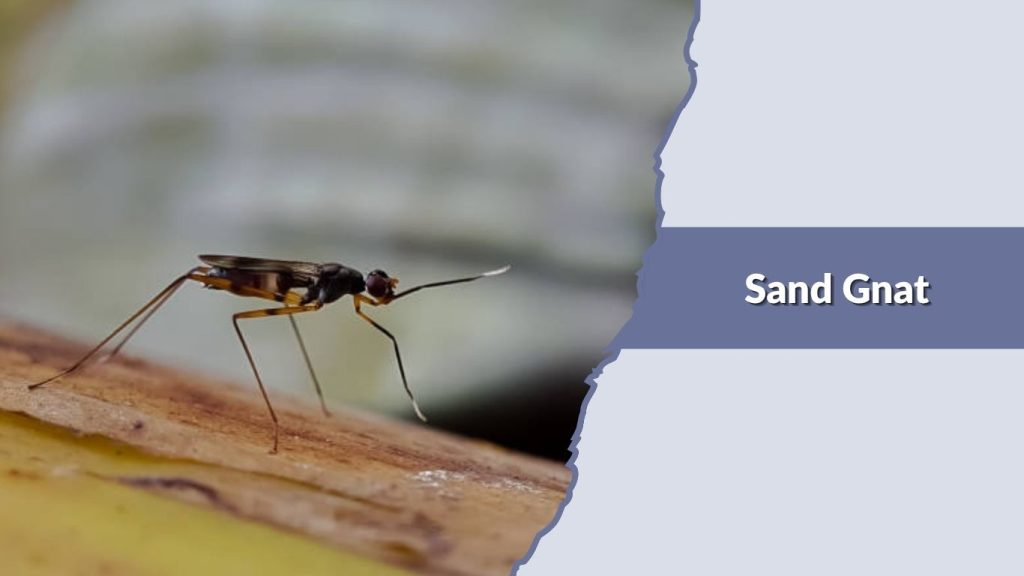
The Sand Gnat is a tiny biting fly often found in sandy, damp, or coastal habitats. It is commonly grouped with no-see-ums because of its small size and irritating bite. These insects can be especially annoying near beaches, marshes, riverbanks, wetlands, and shaded outdoor areas during warm, humid weather.
Identification
- Very small fly that is difficult to see with the naked eye.
- Body is usually gray, brown, or dark-colored.
- Wings are narrow and may appear clear or smoky.
- Legs are thin and delicate.
- Often bites exposed skin, especially around ankles, legs, arms, and neck.
- Bites may leave itchy red bumps or small swollen spots.
- Most active in warm, humid, and low-wind conditions.
Habitat and Distribution
Sand Gnats are usually found in places with moist sand, mud, wet soil, or decaying organic matter. They commonly occur near beaches, marshes, mangroves, ponds, streams, riverbanks, and damp wooded areas. Their larvae need moist environments to develop, so adult activity is often highest near water or wet ground.
Behavior and Diet
Adult Sand Gnats may feed on nectar and plant fluids, but females often require blood meals for egg production. They are most active around dawn, dusk, and cloudy humid periods. Because they are so tiny, people may not notice them until after they bite.
Lifecycle
The lifecycle begins when females lay eggs in moist sand, mud, soil, or decaying plant material. Larvae develop in these damp places and feed on organic matter or tiny organisms. After the larval stage, they pupate and later emerge as adults. Warm, wet conditions can allow several generations to develop in one season.
5. Black Valley Gnat
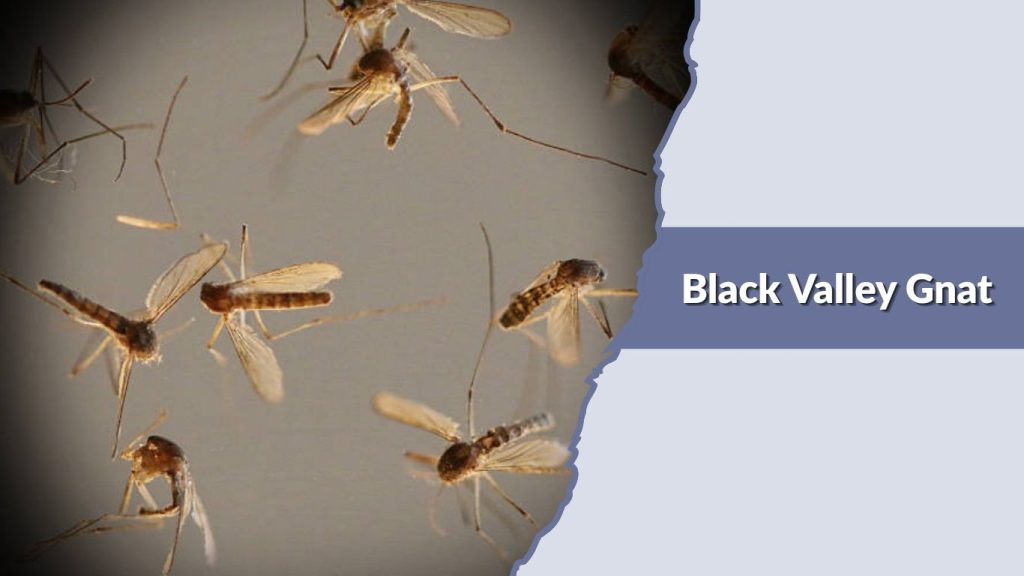
The Black Valley Gnat is a tiny biting fly often grouped with no-see-ums because it is small, dark, and difficult to notice before it bites. It is commonly associated with warm valleys, damp soil, marshy areas, river edges, and places where moisture supports larval development. Its bites can be irritating during outdoor activities.
Identification
- Very small dark-colored fly.
- The body is usually blackish, dark brown, or grayish black.
- Wings are narrow and may appear clear or smoky.
- Legs are thin and delicate.
- Often difficult to see until it lands or bites.
- Bites may cause itchy red bumps or mild swelling.
- Usually most active in warm, humid, and calm conditions.
Habitat and Distribution
Black Valley Gnats are usually found in damp lowland habitats such as valleys, riverbanks, marsh edges, irrigated fields, wet soil, and shaded areas with organic matter. They are most noticeable where moisture remains long enough for larvae to develop. Adult activity often increases in warm weather when humidity is high.
Behavior and Diet
Adult Black Valley Gnats may feed on plant sugars, but females often seek blood meals for egg production. They can bite exposed skin and may be especially bothersome around ankles, legs, arms, and the neck. Their tiny size allows them to approach quietly, so people often notice the bite before seeing the insect.
Lifecycle
The lifecycle begins when females lay eggs in moist soil, mud, sand, or decaying organic material. Larvae develop in these damp places and feed on tiny organisms or organic matter. After the larval stage, they pupate and emerge as adults. Warm and wet conditions can support repeated generations during the active season.
6. Salt Marsh Biting Midge
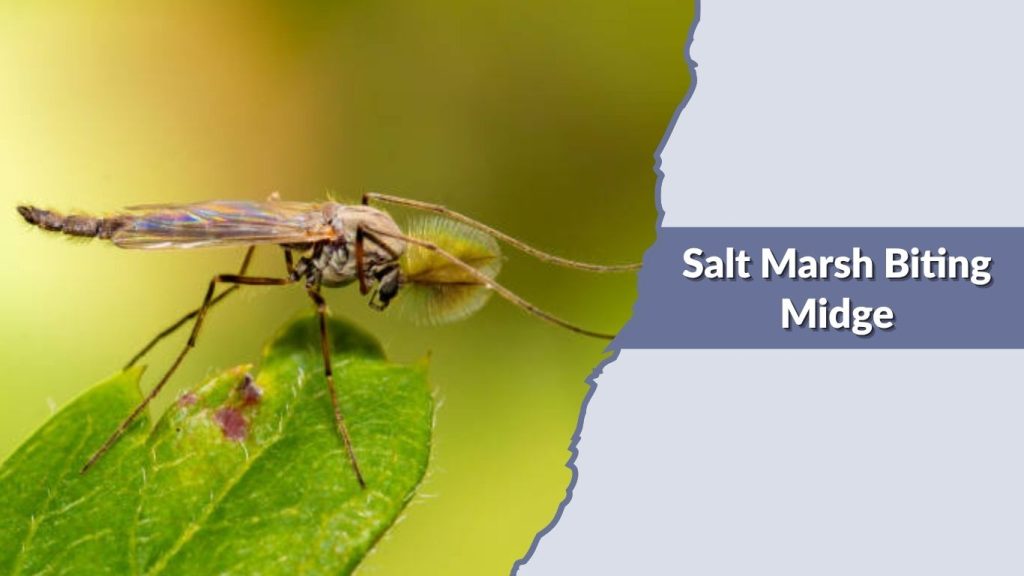
The Salt Marsh Biting Midge is a tiny no-see-um often found around coastal wetlands, salt marshes, tidal flats, and brackish water areas. It is known for its painful bite and can become a major nuisance near beaches, estuaries, mangroves, and marshy shorelines, especially during warm and humid weather.
Identification
- A very tiny biting fly, often only a few millimeters long.
- The body is usually gray, brown, or dark-colored.
- Wings may appear clear, smoky, or lightly patterned.
- Legs are thin and delicate.
- Often difficult to see until it lands on the skin.
- Bites may cause sharp irritation, redness, itching, or swelling.
- Commonly active near coastal marshes during dawn, dusk, or calm humid periods.
Habitat and Distribution
Salt Marsh Biting Midges live in coastal habitats where moist, salty, or brackish conditions support larval development. They are often found near salt marshes, mangroves, tidal pools, mudflats, estuaries, lagoons, and coastal grasses. Adults may move from marsh areas into nearby yards, campsites, beaches, and waterfront neighborhoods.
Behavior and Diet
Adult Salt Marsh Biting Midges may feed on nectar and plant fluids, but females often need blood meals to produce eggs. They bite humans, birds, mammals, and other animals. Their small size allows them to pass through ordinary screens, and their activity often increases when the air is humid, still, and warm.
Lifecycle
The lifecycle begins when females lay eggs in moist marsh soil, mud, algae, or decaying plant material in salty or brackish areas. Larvae develop in these wet habitats and feed on organic matter or tiny organisms. After pupation, adults emerge and search for mates and food. Warm coastal conditions can support multiple generations during the season.
7. Coastal Biting Midge
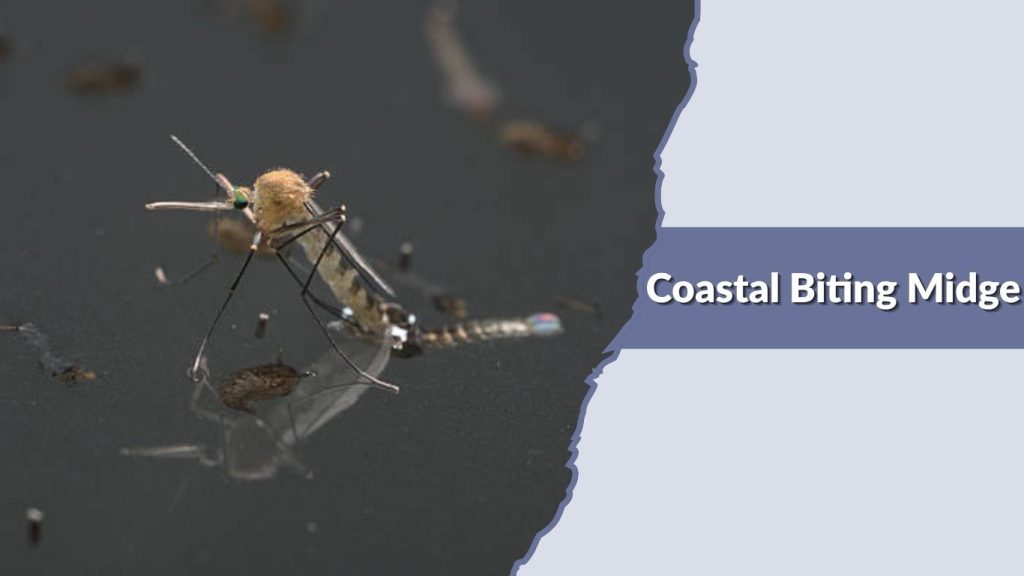
The Coastal Biting Midge is a tiny no-see-um commonly found near beaches, estuaries, marshes, mangroves, lagoons, and other coastal habitats. It is known for its small size and irritating bite, often becoming a nuisance in warm, humid areas where moist soil and decaying organic matter support larval development.
Identification
- A very tiny biting fly, usually only a few millimeters long.
- The body is usually gray, brown, or dark-colored.
- Wings may appear clear, smoky, or lightly patterned.
- Legs are thin and delicate.
- Often hard to see until it lands or bites.
- Bites may cause itchy red bumps, redness, or mild swelling.
- Most active near coastal areas during dawn, dusk, or calm humid weather.
Habitat and Distribution
Coastal Biting Midges live in warm, moist coastal environments. They are often found near beaches, salt marshes, mangroves, tidal flats, estuaries, lagoons, and damp shoreline vegetation. Adults may move from breeding areas into nearby homes, campsites, gardens, and waterfront neighborhoods, especially when winds are light.
Behavior and Diet
Adult Coastal Biting Midges may feed on nectar and plant fluids, but females often need blood meals to produce eggs. They bite humans, birds, mammals, and other animals. Because they are extremely small, they can pass through many ordinary window screens and may be difficult to avoid in coastal areas.
Lifecycle
The lifecycle begins when females lay eggs in moist sand, mud, marsh soil, algae, or decaying plant material. Larvae develop in these damp places and feed on organic matter or tiny organisms. After pupation, adults emerge and become active in warm, humid conditions. Several generations may occur during a favorable season.
8. Highland Biting Midge
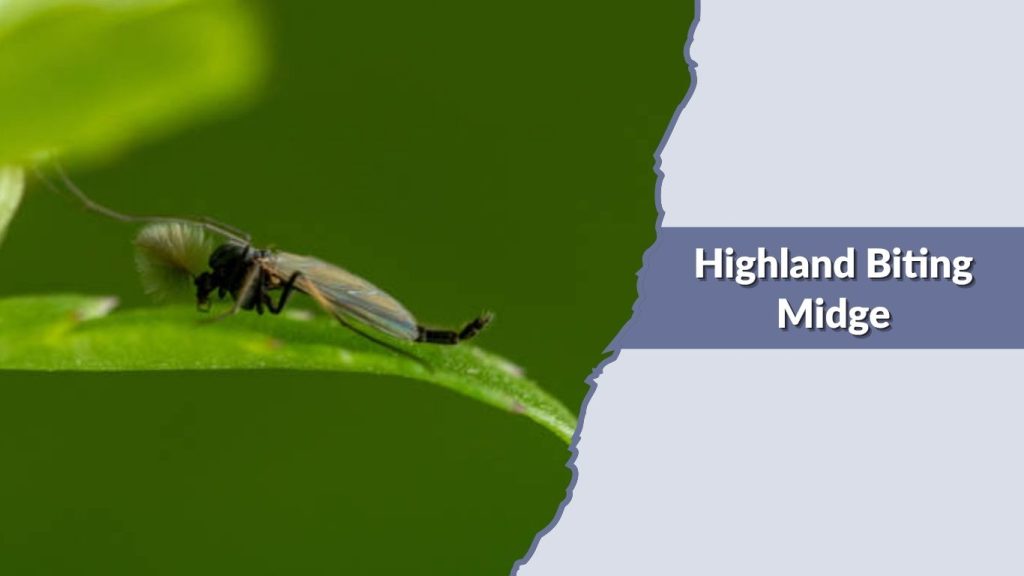
The Highland Biting Midge is a tiny no-see-um often associated with cool, damp upland areas, moorlands, forests, grasslands, and wet soils. It is well known for forming biting swarms in suitable habitats, especially during humid and calm weather. Because of its tiny size, people often feel the bite before seeing the insect.
Identification
- Very small biting fly, usually only a few millimeters long.
- The body is usually gray, brown, or dark-colored.
- Wings may appear clear, smoky, or lightly patterned.
- Legs are thin and delicate.
- Often gathers in groups or swarms in damp outdoor areas.
- Bites may cause red, itchy bumps or irritation.
- Most active during humid, cloudy, calm, or low-wind conditions.
Habitat and Distribution
Highland Biting Midges are commonly found in damp upland habitats where moisture stays in soil, moss, grass, or decaying vegetation. They may occur in moorlands, wet grasslands, forest edges, boggy areas, streamsides, and shaded valleys. Adults are most noticeable in places where wet ground provides good breeding conditions.
Behavior and Diet
Adult Highland Biting Midges may feed on nectar and other natural sugars, but females often need blood meals to produce eggs. They may bite humans, livestock, deer, birds, and other animals. Their activity often increases around dawn, dusk, cloudy weather, and still air, while wind and dry conditions reduce their movement.
Lifecycle
The lifecycle begins when females lay eggs in moist soil, moss, mud, peat, or decaying plant material. Larvae develop in these damp habitats and feed on organic matter or tiny organisms. After the larval stage, they pupate and emerge as adults. In suitable wet and mild conditions, their numbers can increase quickly during the active season.
9. Tropical Biting Midge
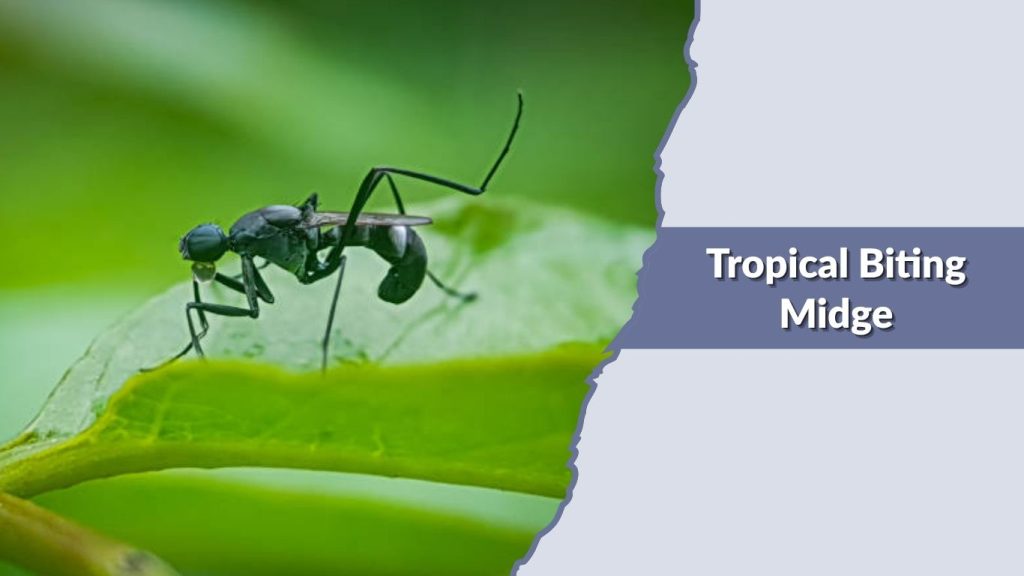
The Tropical Biting Midge is a tiny no-see-um commonly found in warm, humid regions. It is often associated with tropical forests, coastal areas, wetlands, mangroves, farms, gardens, and damp shaded places. Because of its small size and sharp bite, it can be a common nuisance for people spending time outdoors in tropical climates.
Identification
- A very tiny biting fly, usually only a few millimeters long.
- The body is often gray, brown, or dark-colored.
- Wings may appear clear, smoky, or lightly patterned.
- Legs are thin and delicate.
- Often difficult to see clearly without close inspection.
- Bites may cause itching, redness, swelling, or small raised bumps.
- Most active in warm, humid, shaded, or low-wind conditions.
Habitat and Distribution
Tropical Biting Midges live in warm and moist habitats where larvae can develop. They are commonly found near mangroves, marshes, ponds, streams, wet soil, leaf litter, decaying plants, and coastal vegetation. They may also occur around gardens, farms, forest edges, and shaded outdoor areas where humidity stays high.
Behavior and Diet
Adult Tropical Biting Midges may feed on nectar and plant fluids, but females of biting species need blood meals for egg production. They may bite humans, birds, livestock, pets, and wildlife. Their activity is often highest around dawn, dusk, cloudy weather, or humid evenings when the air is calm.
Lifecycle
The lifecycle begins when females lay eggs in moist soil, mud, sand, rotting vegetation, or other damp organic material. Larvae develop in these wet habitats and feed on organic matter or tiny organisms. After pupation, adults emerge and begin feeding and mating. In warm tropical climates, breeding can continue for much of the year.
10. Leptoconops Biting Midge
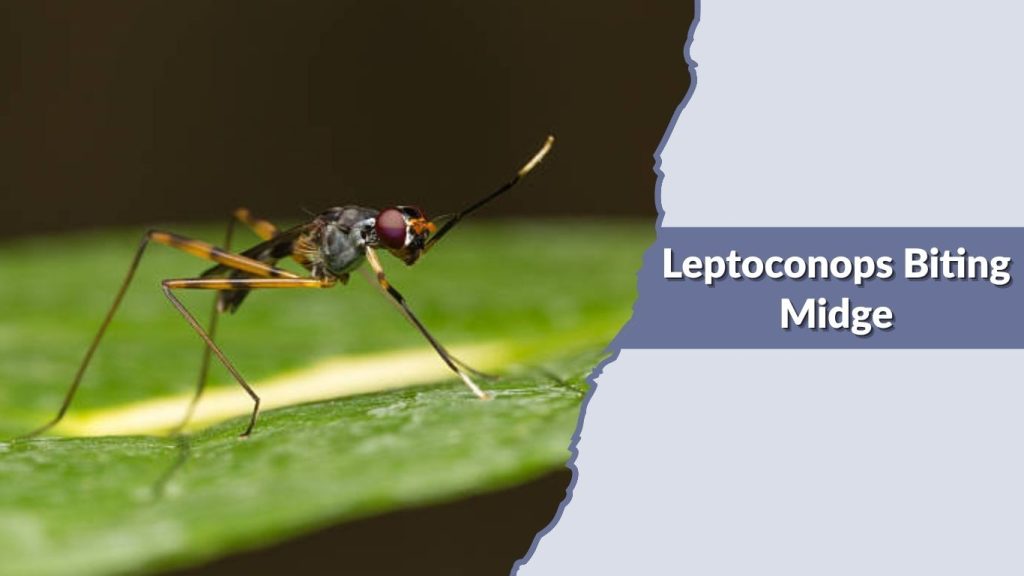
The Leptoconops Biting Midge is a tiny no-see-um often found in sandy, coastal, desert, or semi-arid habitats. It is known for its small size, painful bite, and ability to become a nuisance in areas with suitable moist sand or soil. These midges are most noticeable during warm, calm weather.
Identification
- Very small biting fly, usually only a few millimeters long.
- Body is usually dark, grayish, or brownish.
- Wings are narrow and may appear clear or lightly smoky.
- Legs are thin and delicate.
- Often difficult to see before it bites.
- Bites may cause itching, redness, swelling, or small raised bumps.
- Commonly active in warm, dry-to-humid areas with sandy or moist soil nearby.
Habitat and Distribution
Leptoconops Biting Midges are often found in sandy beaches, coastal dunes, desert washes, riverbanks, dry valleys, and areas where moisture remains below the soil surface. Their larvae develop in moist sand or soil, so adults may appear in large numbers after favorable weather conditions.
Behavior and Diet
Adult Leptoconops Biting Midges may feed on plant sugars, but females require blood meals to produce eggs. They can bite humans, livestock, pets, birds, and wildlife. Their bites are often irritating because the insects are so small that they may not be noticed until after feeding.
Lifecycle
The lifecycle begins when females lay eggs in moist sand, soil, or similar damp substrates. Larvae develop in these hidden moist areas and feed on organic material or tiny organisms. After pupation, adults emerge and begin mating and feeding. Warm conditions can allow populations to build quickly when breeding sites remain suitable.
11. Forcipomyia Biting Midge
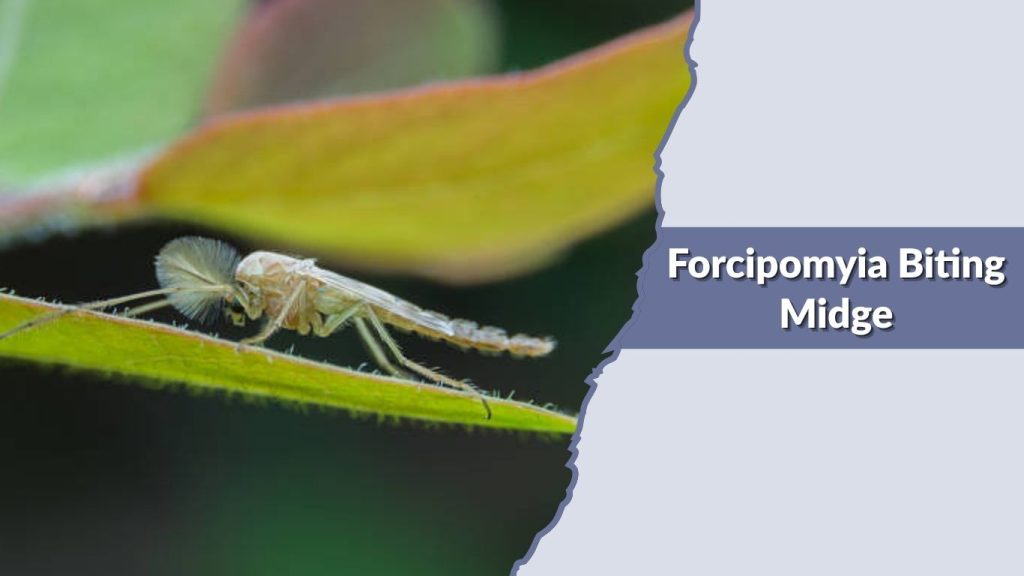
The Forcipomyia Biting Midge is a tiny midge related to other no-see-ums, though not all species in this group bite humans. Some are known for feeding on nectar, plant fluids, or other small insects, while certain species can bite animals or people. These midges are usually found in damp, shaded, or vegetation-rich habitats.
Identification
- Very small midge, usually only a few millimeters long.
- Body is slender and often gray, brown, or dark-colored.
- Wings may appear clear, smoky, or lightly hairy.
- Legs are thin and delicate.
- Some species may look fuzzy under close inspection.
- Biting species may leave itchy red bumps on exposed skin.
- Often found near damp soil, leaf litter, wet vegetation, or shaded outdoor areas.
Habitat and Distribution
Forcipomyia Biting Midges are found in many regions of the world, especially where moisture and organic material are available. They may live near forests, wetlands, gardens, marsh edges, rotting vegetation, damp soil, tree holes, and shaded plant growth. Their larvae often develop in moist organic material or wet microhabitats.
Behavior and Diet
Adult Forcipomyia midges have varied feeding habits depending on the species. Some feed on nectar, plant juices, or tiny insects, while females of biting types may take blood from animals or people. They are most noticeable in warm, humid, and shaded places where small midges can remain active.
Lifecycle
The lifecycle begins when females lay eggs in moist habitats such as damp soil, decaying plants, algae, fungi, or other organic material. Larvae develop in these wet places and feed on tiny organisms or decomposing matter. After pupation, adults emerge to mate, feed, and reproduce. Warm, humid conditions can support repeated generations.
12. Atrichopogon Biting Midge
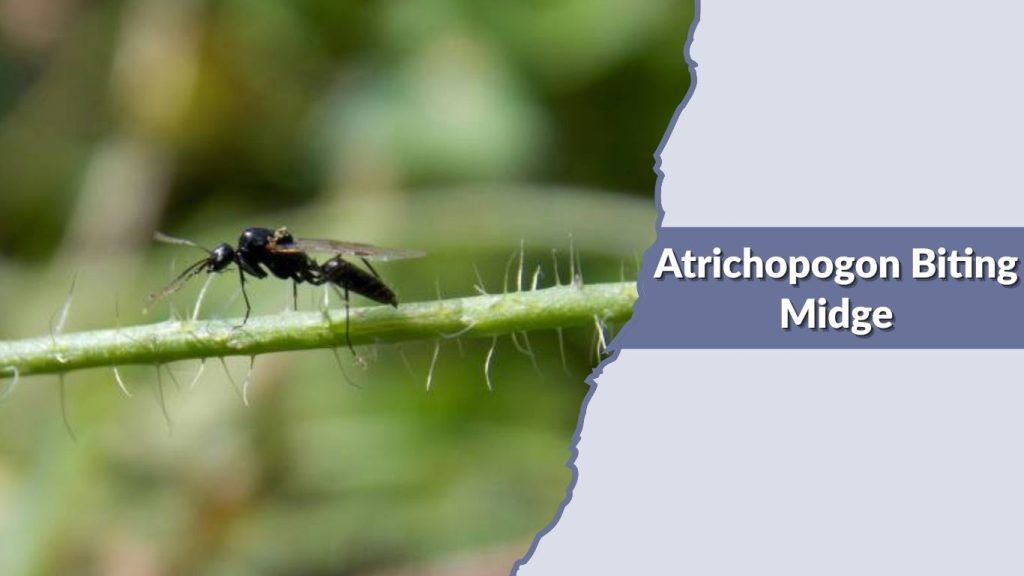
The Atrichopogon Biting Midge is a very small no-see-um related to other biting midges. Many species in this group are tiny, delicate flies found around damp soil, wetlands, forests, gardens, and decaying vegetation. Some may bite or feed on other small insects, while others are more closely linked to moist natural habitats.
Identification
- Very small midge, usually only a few millimeters long.
- Body is slender and often gray, brown, or dark-colored.
- Wings are narrow and may appear clear, smoky, or lightly patterned.
- Legs are thin and delicate.
- Often difficult to identify without close inspection.
- Some species may be noticed around damp vegetation or shaded areas.
- Biting types may cause small itchy bumps on exposed skin.
Habitat and Distribution
Atrichopogon Biting Midges are found in many moist habitats where larvae can develop. They may occur near wetlands, marshes, ponds, forest edges, damp soil, leaf litter, rotting plants, gardens, and shaded vegetation. Their presence is usually linked to humidity, moisture, and organic material.
Behavior and Diet
Adult Atrichopogon midges may feed on nectar, plant fluids, or tiny insects, depending on the species. Some are associated with biting or feeding on other insects, while others may be noticed near people in damp outdoor areas. Their small size makes them difficult to see, especially in shaded or humid places.
Lifecycle
The lifecycle begins when females lay eggs in moist soil, decaying vegetation, algae, fungi, or other damp organic material. Larvae develop in these wet microhabitats and feed on organic matter or small organisms. After pupation, adults emerge to mate and reproduce. Warm and humid conditions can help populations continue through the active season.
FAQs
What are no-see-ums?
No-see-ums are tiny biting flies, often called biting midges. They are so small that people may feel their bite before they notice the insect. These flies are common in damp, humid, coastal, marshy, and wooded areas.
Why do no-see-ums bite?
Female no-see-ums bite because many species need blood to produce eggs. They may bite humans, pets, livestock, birds, and wildlife. Males usually do not bite and often feed on nectar or other natural sugars.
Where are no-see-ums commonly found?
No-see-ums are commonly found near marshes, wetlands, beaches, mangroves, ponds, rivers, damp soil, forests, and decaying vegetation. They are most active in warm, humid, and calm conditions, especially around dawn and dusk.
How can you identify no-see-ums?
No-see-ums are very tiny flies with slender bodies, delicate legs, and narrow wings. They are often gray, brown, or dark-colored. Because they are difficult to see clearly, their itchy red bites are often the first sign of their presence.
Are no-see-um bites dangerous?
Most no-see-um bites cause itching, redness, swelling, or small raised bumps. For most people, the irritation is temporary. However, scratching can lead to skin infection, and sensitive individuals may have stronger reactions. Avoiding bites is the best protection.