
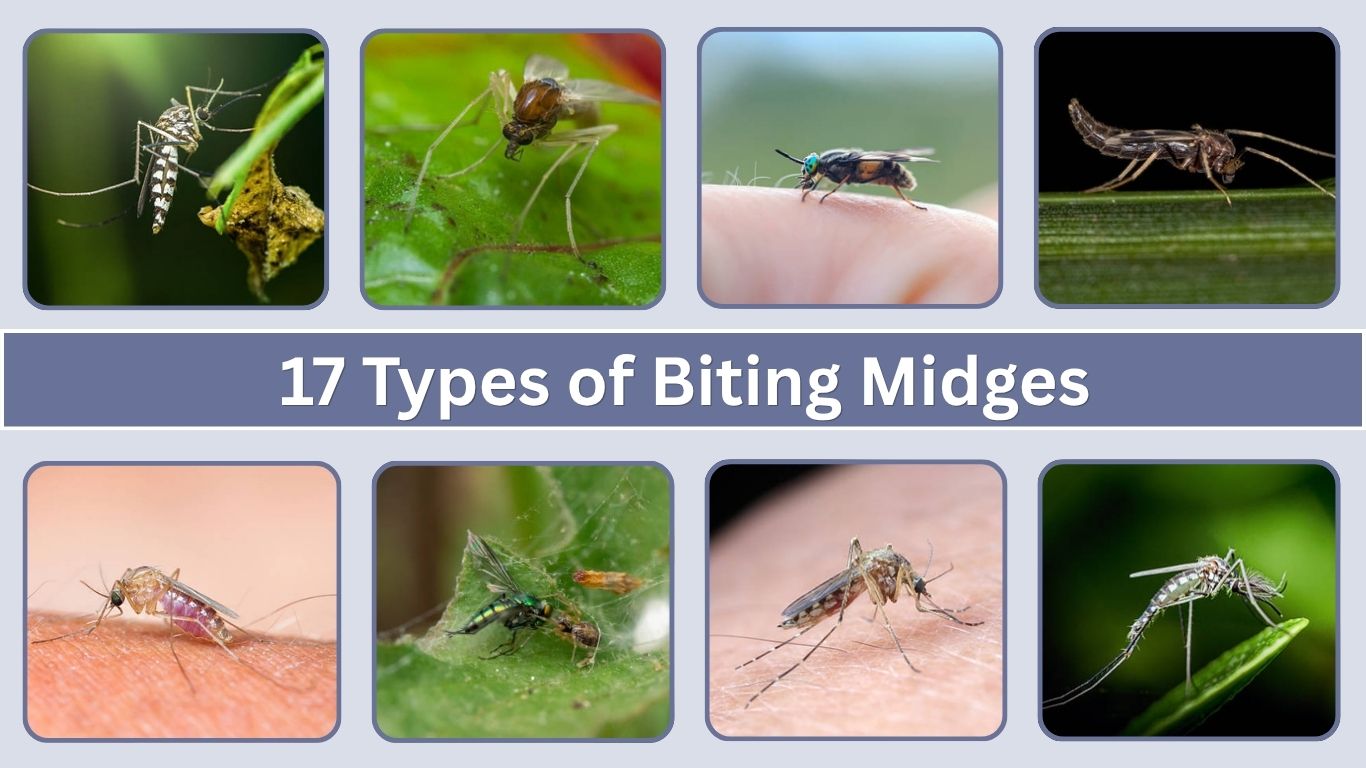
Biting midges are tiny flies that can cause itchy, red, and irritating bites on humans and animals. Many people call them no-see-ums because they are so small that they are hard to notice before they bite. These insects often live near damp soil, marshes, beaches, wetlands, farms, gardens, and shaded outdoor areas. In this guide, you will learn about 17 common types of biting midges, how to identify them, where they live, how they behave, and what makes their bites so annoying.
1. No-see-um
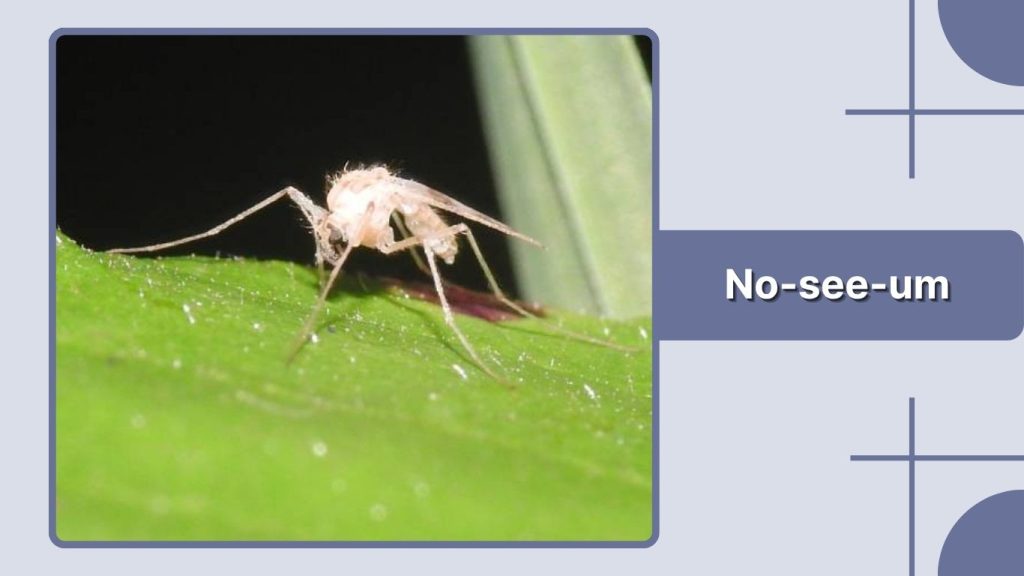
The No-see-um is one of the most common names for tiny biting midges. These insects are so small that people often feel the bite before they notice the insect. No-see-ums are usually active around damp areas, beaches, marshes, lakes, gardens, and shaded outdoor spaces, especially during warm and humid weather.
Identification
- Very tiny biting fly
- Often smaller than a mosquito
- Gray, brown, or dark-colored body
- Short wings with a delicate appearance
- Small enough to pass through many window screens
- Often seen in groups near damp areas
- Bites may feel sharp or burning
- Bite marks may become red, itchy, or swollen
Habitat and Distribution
No-see-ums are commonly found in warm, moist environments where they can breed and feed. They often live near marshes, wetlands, beaches, lakes, rivers, ponds, and damp soil. They may also appear in gardens, wooded areas, and coastal neighborhoods. Their distribution is wide, especially in regions with humidity, standing water, and organic matter.
Behavior and Diet
Adult female No-see-ums bite because they need blood to help produce eggs. They often feed on humans, pets, livestock, birds, and wildlife. Males usually feed on nectar or plant fluids. No-see-ums are most active during calm, warm periods, especially around dawn, dusk, or shaded daytime areas where wind is low.
Life Cycle
The life cycle of No-see-ums begins when females lay eggs in moist soil, mud, sand, or decaying organic matter. The larvae develop in damp places and feed on tiny organic particles. After the larval and pupal stages, adults emerge and begin feeding, mating, and reproducing. Warm, wet conditions can help populations increase quickly.
2. Punkie
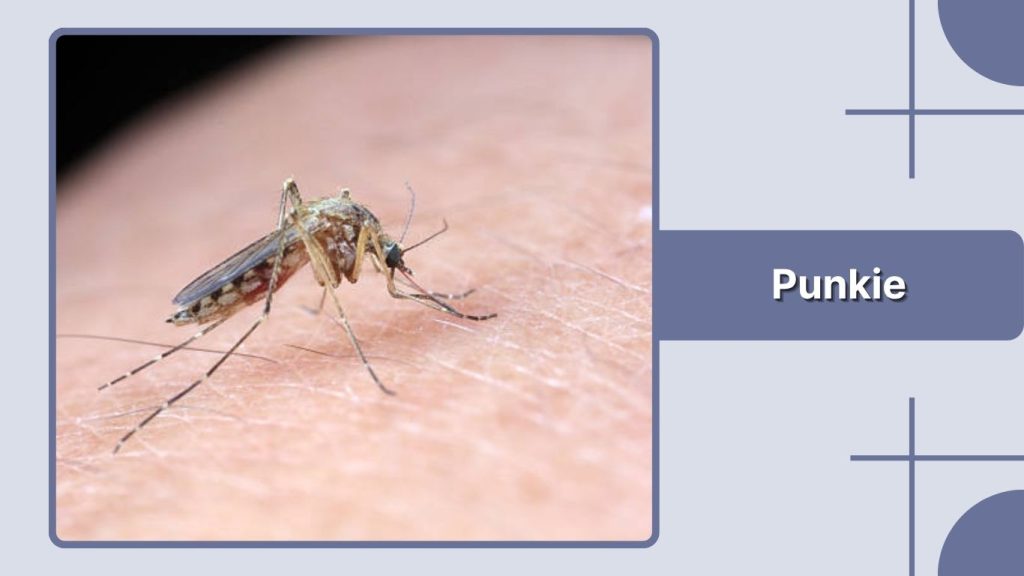
The Punkie is another common name for a tiny biting midge, especially in some regions where these insects are common around wetlands, woods, and damp outdoor areas. Like no-see-ums, punkies are very small but can cause irritating bites. They are most noticeable during warm, humid weather when people spend time outside near moist habitats.
Identification
- Very small biting midge
- Tiny body, often hard to see clearly
- Brown, gray, or dark-colored appearance
- Short, delicate wings
- Often active in groups
- Bites may feel sharp, hot, or itchy
- Bite marks can become red and swollen
- Common around damp or shaded places
Habitat and Distribution
Punkies are usually found in moist habitats where their larvae can develop. They are common near marshes, swamps, ponds, lakes, wet soil, rotting vegetation, and shaded woodland edges. They may also appear around campsites, gardens, farms, and coastal areas. Their numbers often increase after wet weather or during humid seasons.
Behavior and Diet
Female punkies bite humans and animals to get blood for egg production. They may feed on people, pets, livestock, birds, and wildlife. Males do not bite and usually feed on nectar or plant fluids. Punkies are often most active around dawn, dusk, and calm shaded areas where wind is weak.
Life Cycle
The life cycle of a punkie begins when a female lays eggs in damp soil, mud, wet sand, or decaying organic material. The larvae develop in moist places and feed on organic particles. After pupation, adults emerge and begin mating and feeding. Warm, damp conditions can support large numbers of these tiny biting insects.
3. Sand Fly
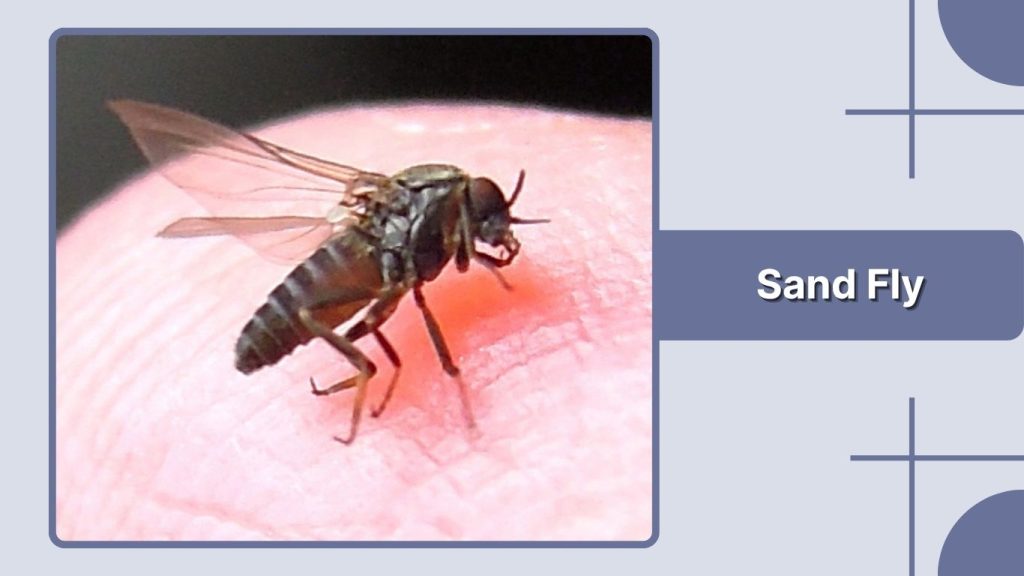
The Sand Fly is a tiny biting fly often grouped with biting midges in common searches, although true sand flies can belong to different fly families depending on the region. These insects are usually associated with sandy, coastal, dry, or warm habitats. Their bites can be irritating, and in some parts of the world, certain sand flies may spread diseases.
Identification
- Very small biting fly
- Pale, tan, gray, or brown body
- Hairy-looking body and wings
- Wings may be held in a raised V-shape when resting
- Short legs compared with mosquitoes
- Often active around dusk or nighttime
- Bites may become itchy, red, or swollen
- Common in warm, sandy, or sheltered areas
Habitat and Distribution
Sand flies are often found in warm regions with sandy soil, dry ground, coastal areas, forests, caves, animal shelters, and cracks in walls or rocks. Some species prefer humid places, while others live in drier habitats. They are more common in tropical, subtropical, and warm temperate regions where suitable breeding sites and hosts are available.
Behavior and Diet
Female sand flies bite humans, animals, and birds because they need blood for egg production. Males do not bite and usually feed on plant sugars or nectar. Sand flies are often most active in the evening, at night, or in shaded resting places. Their small size and quiet flight make them difficult to notice before they bite.
Life Cycle
The life cycle of a sand fly begins when the female lays eggs in moist organic matter, soil cracks, animal burrows, leaf litter, or sheltered ground. The larvae feed on decaying organic material before developing into pupae. Adults later emerge, mate, and feed. Warm conditions can speed up development and increase local numbers.
4. Highland Midge
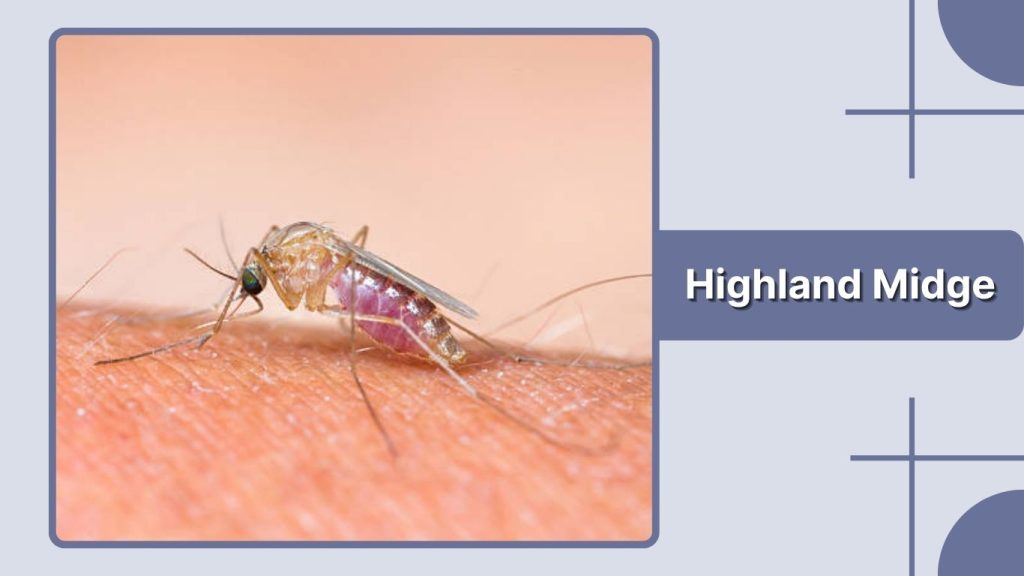
The Highland Midge is a tiny biting midge best known from damp upland areas, especially in Scotland and nearby regions. Despite its small size, it can be very irritating because it often appears in large numbers. Highland Midges are most active in calm, humid conditions, especially around dawn, dusk, and cloudy summer days.
Identification
- Very small biting midge
- Dark gray or brown body
- Tiny wings and delicate legs
- Often hard to see individually
- Usually appears in swarms
- Bites exposed skin, especially face, neck, arms, and legs
- Bite marks may become red and itchy
- Most noticeable in damp, still weather
Habitat and Distribution
Highland Midges are strongly associated with moist, cool, and sheltered habitats. They are common in uplands, moorlands, bogs, wet grasslands, forests, and areas with damp soil and vegetation. They are especially well known in the Scottish Highlands, where suitable weather and wet ground allow large populations to develop during warmer months.
Behavior and Diet
Female Highland Midges bite humans, livestock, deer, birds, and other animals to obtain blood for egg production. Males do not bite and usually feed on plant sugars. These midges are weak fliers, so they are most troublesome when the air is still. Wind, bright sun, and dry conditions usually reduce their activity.
Life Cycle
The Highland Midge life cycle begins when females lay eggs in damp soil, peat, moss, or wet vegetation. The larvae develop in moist ground and feed on organic matter. After the pupal stage, adults emerge and begin mating. Warm, wet, and calm conditions can support rapid population growth, leading to large biting swarms.
5. Scottish Midge
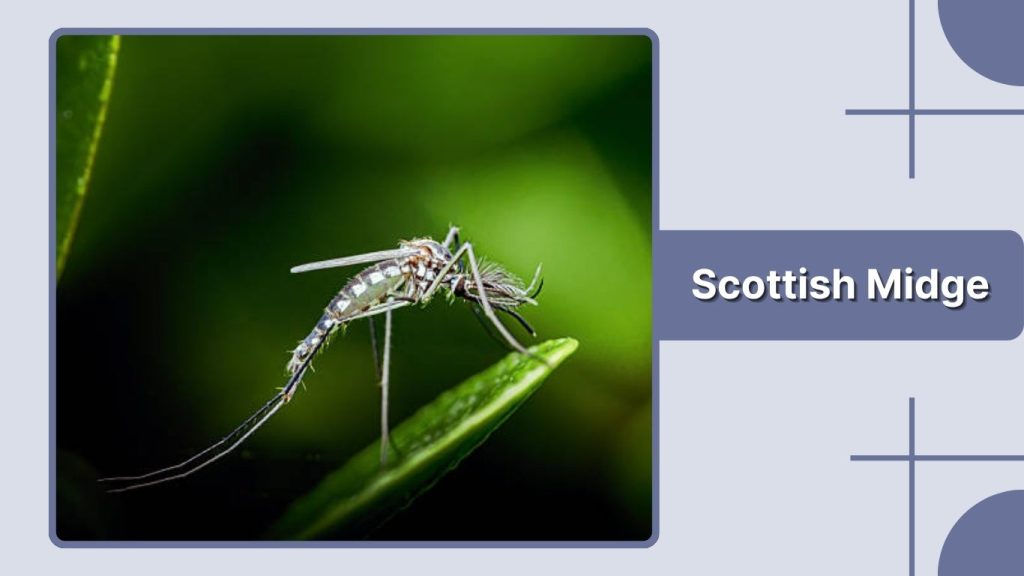
The Scottish Midge is a tiny biting midge commonly associated with Scotland’s damp landscapes, especially during warmer months. It is closely linked with humid weather, still air, and wet ground. Although very small, this insect can be a major outdoor nuisance because it may gather in large numbers and bite exposed skin.
Identification
- Very tiny biting midge
- Dark gray or brown body
- Small delicate wings
- Often appears in groups or swarms
- Most active in calm, damp weather
- Bites exposed skin
- Bite marks may become red, itchy, or swollen
- Common in wet, shaded, and upland areas
Habitat and Distribution
Scottish Midges are often found in moist habitats such as bogs, wet grasslands, moorlands, woodland edges, loch margins, and damp valleys. They are especially common in western and highland parts of Scotland where rainfall, humidity, and sheltered ground create good breeding conditions. They are less active in dry, windy, or very bright conditions.
Behavior and Diet
Female Scottish Midges bite humans, livestock, deer, birds, and other animals because they need blood for egg development. Males do not bite and usually feed on plant sugars. These midges are weak fliers, so they become most troublesome when the air is still. Windy weather usually reduces biting activity.
Life Cycle
The Scottish Midge life cycle begins when females lay eggs in damp soil, peat, moss, or wet vegetation. The larvae develop in moist ground and feed on organic matter. After pupation, adults emerge during suitable warm and humid conditions. Their numbers can rise quickly when wet weather and calm air continue for several days.
6. Black Valley Midge
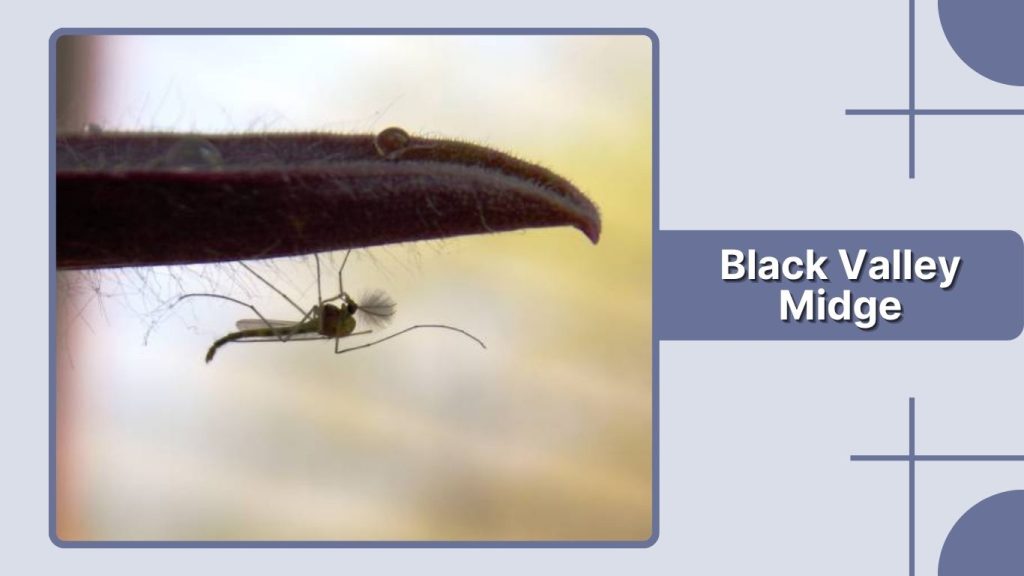
The Black Valley Midge is a common name used for small dark biting midges found in damp valleys, shaded lowlands, and moist outdoor areas. These tiny insects can be difficult to see, but their bites may cause itching and irritation. They are usually most active in warm, humid, and calm conditions.
Identification
- Very small biting midge
- Dark brown or blackish body
- Tiny delicate wings
- Often hard to notice before biting
- Common in shaded valleys and damp places
- May appear in groups during humid weather
- Bites exposed skin
- Bite marks may become red, itchy, or swollen
Habitat and Distribution
Black Valley Midges are usually found in moist valley habitats where shade, humidity, and damp soil support their development. They may live near streams, ponds, marshy ground, wet grass, wooded valleys, and areas with decaying vegetation. These conditions provide suitable breeding sites for larvae and resting places for adults during hot or dry parts of the day.
Behavior and Diet
Female Black Valley Midges bite humans and animals because they need blood for egg production. They may feed on people, livestock, pets, birds, and wildlife. Males usually feed on nectar or plant fluids and do not bite. These midges are often most active at dawn, dusk, or during cloudy, still weather when the air is moist.
Life Cycle
The life cycle begins when females lay eggs in damp soil, mud, wet vegetation, or organic-rich ground. The larvae develop in moist places and feed on tiny organic material. After passing through the larval and pupal stages, adults emerge and begin mating. Warm, wet conditions can help their numbers increase quickly in suitable valley habitats.
7. Salt Marsh Biting Midge
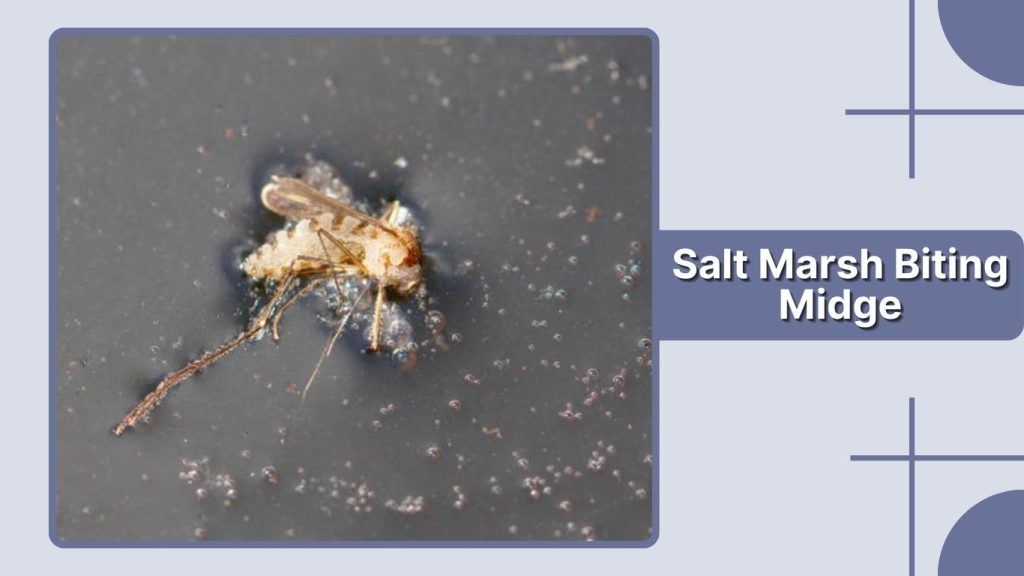
The Salt Marsh Biting Midge is a tiny biting insect commonly found near coastal wetlands, tidal marshes, and brackish water areas. It can be a serious nuisance because it is small enough to go unnoticed until it bites. These midges are often most active during warm, humid weather, especially near marshy shorelines and sheltered coastal habitats.
Identification
- Very small biting midge
- Gray, brown, or dark-colored body
- Tiny wings with a delicate appearance
- Often found near salt marshes and coastal wetlands
- May appear in groups during warm weather
- Bites exposed skin
- Bite marks may become red, itchy, or swollen
- Often active around dawn, dusk, and calm evenings
Habitat and Distribution
Salt Marsh Biting Midges live mainly in coastal habitats where moisture, mud, and organic matter are available. They are often found around salt marshes, tidal flats, mangrove edges, brackish wetlands, lagoons, and coastal grasses. Their larvae develop in wet, salty, or brackish environments, making coastal regions especially suitable for their populations.
Behavior and Diet
Female Salt Marsh Biting Midges bite humans, birds, mammals, and other animals to obtain blood for egg production. Males do not bite and usually feed on plant sugars. These midges are weak fliers, so they are most troublesome in calm weather. Windy conditions often reduce their activity and make bites less common.
Life Cycle
The life cycle begins when females lay eggs in moist marsh mud, wet soil, or organic-rich coastal material. The larvae develop in these damp places and feed on tiny organic particles. After the pupal stage, adults emerge and begin mating and feeding. Warm temperatures and wet coastal conditions can help large numbers develop quickly.
8. Mangrove Biting Midge
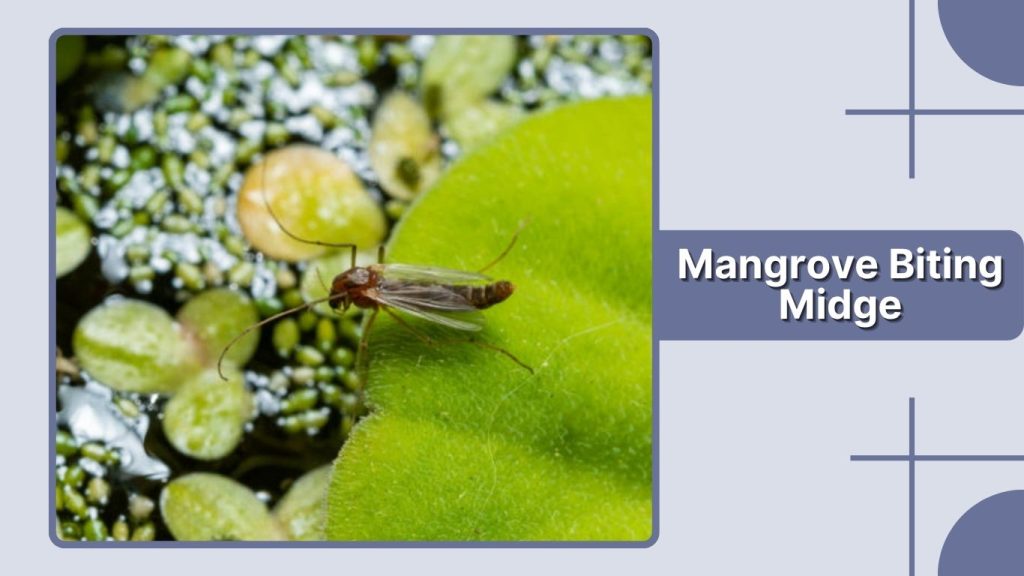
The Mangrove Biting Midge is a tiny biting midge commonly found around mangrove forests, coastal wetlands, tidal creeks, and sheltered shorelines. It is very small but can cause irritating bites, especially in warm and humid places. These midges are often most active during calm weather near muddy, shaded, and brackish coastal habitats.
Identification
- Very small biting midge
- Brown, gray, or dark-colored body
- Tiny delicate wings
- Often found near mangroves and tidal wetlands
- Small enough to be difficult to see clearly
- Bites exposed skin
- Bite marks may become red, itchy, or swollen
- Most active in warm, humid, and calm conditions
Habitat and Distribution
Mangrove Biting Midges live mainly in coastal areas where mangrove trees, tidal mud, and brackish water create suitable breeding conditions. They are often found around mangrove forests, tidal flats, estuaries, lagoons, and sheltered coastal marshes. Their larvae develop in moist organic material, mud, and wet areas protected from strong waves and drying winds.
Behavior and Diet
Female Mangrove Biting Midges bite humans, birds, mammals, and other animals to get blood for egg production. Males do not bite and usually feed on plant sugars. These midges are weak fliers, so they are most noticeable when the air is still. They often bite around dawn, dusk, or shaded daytime areas near mangroves.
Life Cycle
The life cycle begins when females lay eggs in damp mud, wet organic matter, or moist coastal soil near mangrove habitats. The larvae develop in these wet places and feed on tiny organic particles. After the pupal stage, adults emerge, mate, and begin feeding. Warm, humid coastal weather can help their numbers increase quickly.
9. Blue-Tongue Midge
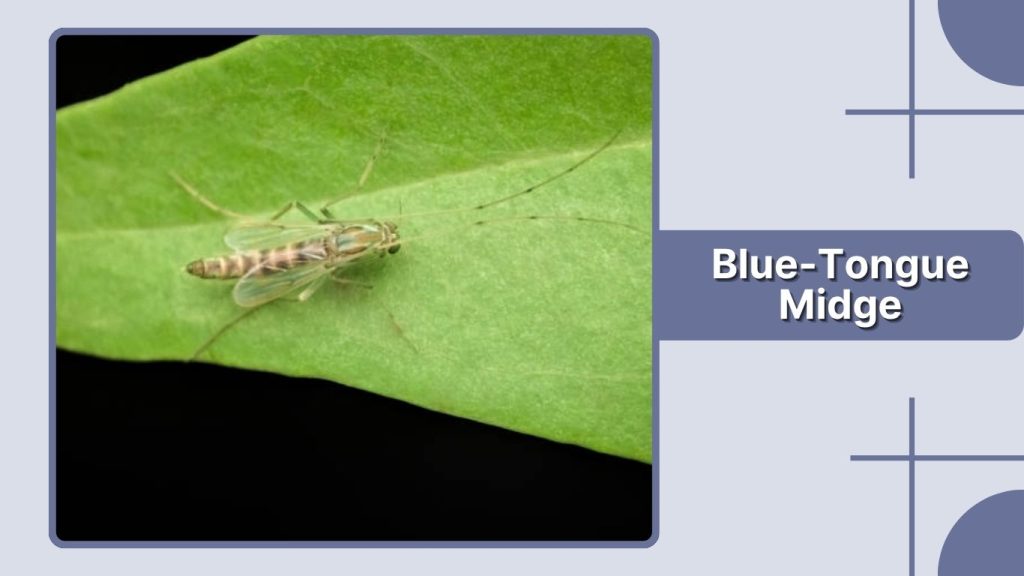
The Blue-Tongue Midge is a tiny biting midge best known because some species can spread bluetongue disease among livestock. These midges are very small, but they can be important in farming areas where sheep, cattle, goats, or wild ruminants are present. They are usually active in warm, moist, and calm conditions.
Identification
- Very small biting midge
- Brown, gray, or dark-colored body
- Tiny delicate wings
- Often difficult to see without close inspection
- Common near livestock, farms, and damp areas
- Bites animals and sometimes people
- Most active in warm, calm weather
- May gather near wet soil, manure, or organic matter
Habitat and Distribution
Blue-Tongue Midges are often found in places where livestock and suitable breeding conditions are available. They may live around farms, barns, wet pastures, muddy areas, manure-rich soil, ponds, and damp organic matter. Their distribution depends on climate, host animals, and midge species. Warm and humid regions often support higher activity.
Behavior and Diet
Female Blue-Tongue Midges feed on blood from animals such as sheep, cattle, goats, deer, and other ruminants. Males do not bite and usually feed on plant sugars. These midges are most active during calm periods, especially around dusk and dawn. Their small size allows them to bite unnoticed until irritation appears.
Life Cycle
The life cycle begins when females lay eggs in moist organic material, mud, manure, or damp soil. Larvae develop in these wet areas and feed on organic matter. After pupation, adults emerge and search for mates and hosts. Warm weather can speed up development, allowing populations to increase during suitable seasons.
10. Culicoides Midge
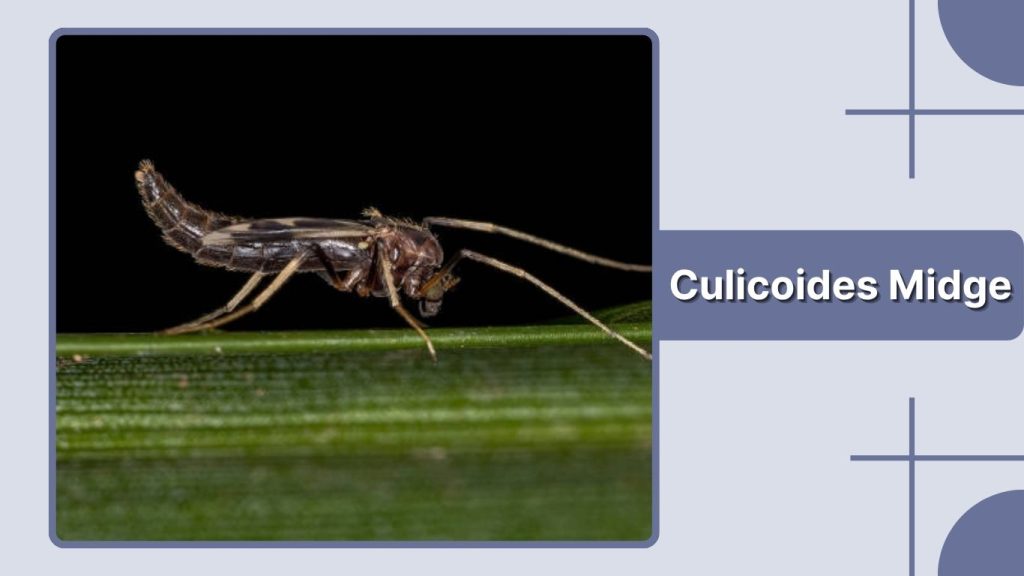
The Culicoides Midge is one of the best-known groups of biting midges. These tiny flies are often called no-see-ums because they are very small and hard to notice before they bite. Some species are important pests of people, pets, livestock, and wildlife, especially in warm, humid, or damp environments.
Identification
- Very tiny biting midge
- Usually gray, brown, or dark-colored
- Small delicate wings, sometimes with patterns
- Short body and thin legs
- Often difficult to see clearly without magnification
- Bites may cause itching, redness, or swelling
- Common near damp soil, wetlands, farms, and coastal areas
- Most active during calm, warm, and humid conditions
Habitat and Distribution
Culicoides Midges live in many moist habitats around the world. They are often found near wetlands, marshes, muddy soil, ponds, farms, manure-rich areas, rotting vegetation, and coastal zones. Different species prefer different breeding sites, but most need damp organic material where larvae can develop safely.
Behavior and Diet
Female Culicoides Midges bite animals and sometimes humans because they need blood to produce eggs. Males do not bite and usually feed on nectar or plant fluids. These midges are often most active around dusk, dawn, or during cloudy calm weather. Their small size allows them to bite exposed skin before people notice them.
Life Cycle
The life cycle begins when females lay eggs in moist soil, mud, manure, wet vegetation, or decaying organic matter. The larvae feed on small organic particles in damp places. After the pupal stage, adults emerge and begin mating. Warm, wet conditions can help Culicoides populations increase quickly during favorable seasons.
11. Forcipomyia Biting Midge
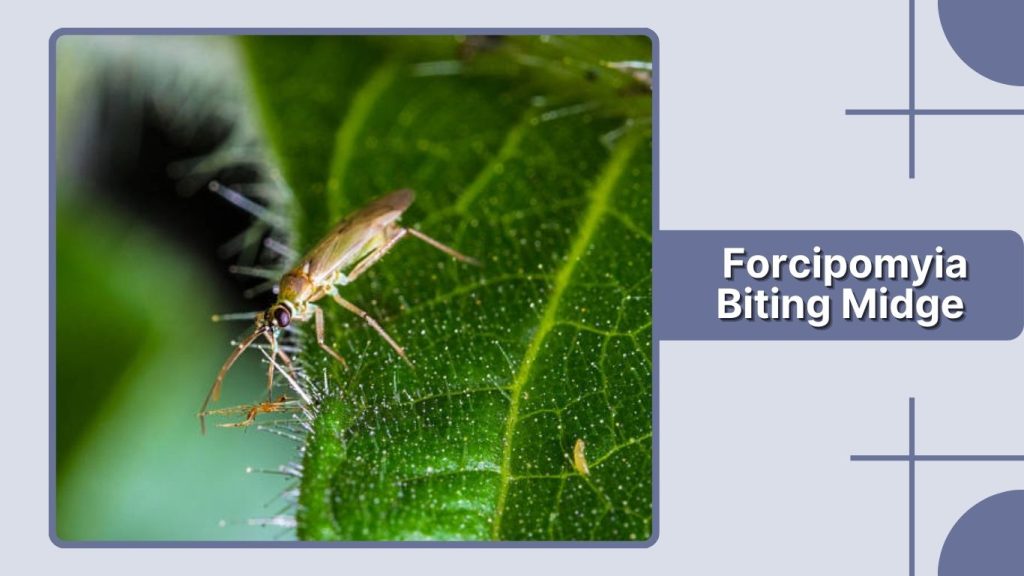
The Forcipomyia Biting Midge is a tiny fly from a large group of midges that includes both biting and non-biting species. Some Forcipomyia midges feed on blood, while others are associated with insects, plants, or damp organic habitats. Because they are very small, they can be difficult to identify without close inspection.
Identification
- Very small midge
- Brown, gray, or dark-colored body
- Delicate wings with a fine appearance
- Tiny size makes it hard to see clearly
- Some species bite humans or animals
- Often found near damp vegetation or organic matter
- Bite marks may become itchy or irritated
- Usually most noticeable in warm, humid conditions
Habitat and Distribution
Forcipomyia Midges are found in many parts of the world and can live in a wide range of moist habitats. They may occur near wetlands, forests, gardens, farms, rotting vegetation, damp soil, tree holes, and decaying organic material. Different species use different breeding sites, but moisture is usually important for larval development.
Behavior and Diet
Some female Forcipomyia Midges bite animals or humans to obtain blood, while other species feed in different ways. Many adults may visit flowers, plant fluids, or other insects depending on the species. Their small size and quiet movement make them easy to overlook until a bite or skin reaction appears.
Life Cycle
The life cycle begins when females lay eggs in damp organic material, moist soil, rotting vegetation, or other suitable microhabitats. The larvae develop in these protected places and feed on organic particles or other tiny food sources. After pupation, adults emerge, mate, and continue the next generation during favorable warm and moist conditions.
12. Lasiohelea Biting Midge
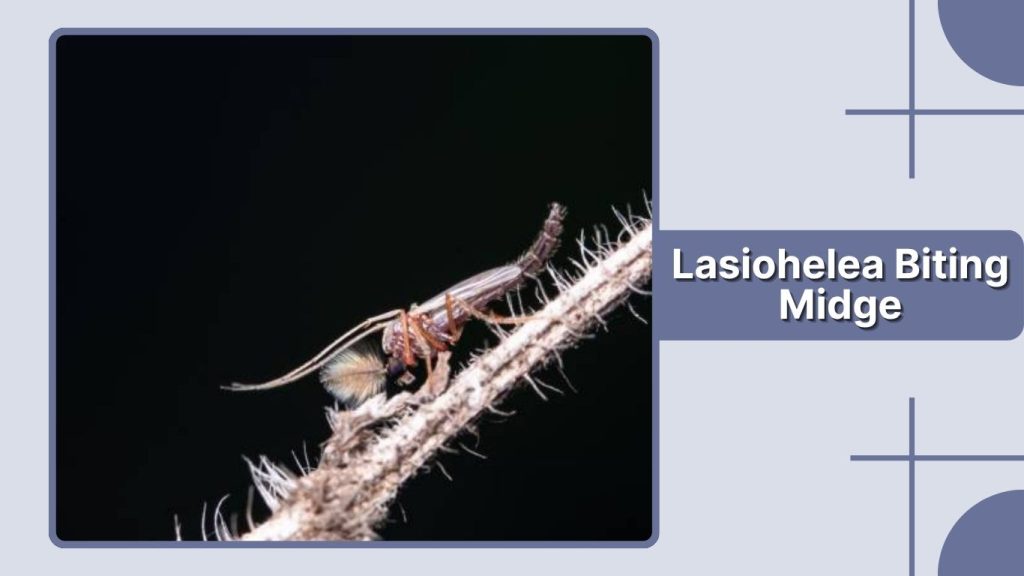
The Lasiohelea Biting Midge is a tiny biting midge found in warm, moist habitats where small flies can breed and feed. Some species are known for biting humans or animals, although they are not always easy to identify without magnification. Like other biting midges, they are most noticeable when their bites cause itching, redness, or irritation.
Identification
- Very small biting midge
- Dark, brown, or grayish body
- Tiny delicate wings
- Short body and fine legs
- Difficult to identify without close inspection
- Some species bite humans or animals
- Bites may cause itchy red marks
- Often found near damp, shaded, or humid places
Habitat and Distribution
Lasiohelea Biting Midges are usually associated with moist environments where larvae can develop. They may occur near wetlands, damp soil, shaded vegetation, forest edges, streams, and organic-rich areas. Their exact distribution depends on species and climate, but warm and humid regions provide suitable conditions for many biting midges in this group.
Behavior and Diet
Female Lasiohelea Biting Midges may bite humans, livestock, wildlife, or other animals to obtain blood for egg production. Males do not bite and usually feed on plant sugars or nectar. These midges are most active when the air is warm, humid, and calm, especially in shaded areas or around dawn and dusk.
Life Cycle
The life cycle begins when females lay eggs in moist soil, mud, wet vegetation, or decaying organic matter. The larvae develop in damp microhabitats and feed on tiny organic particles. After the pupal stage, adults emerge, mate, and search for food sources. Wet and warm conditions can help their populations grow during favorable seasons.
13. Minute Biting Midge
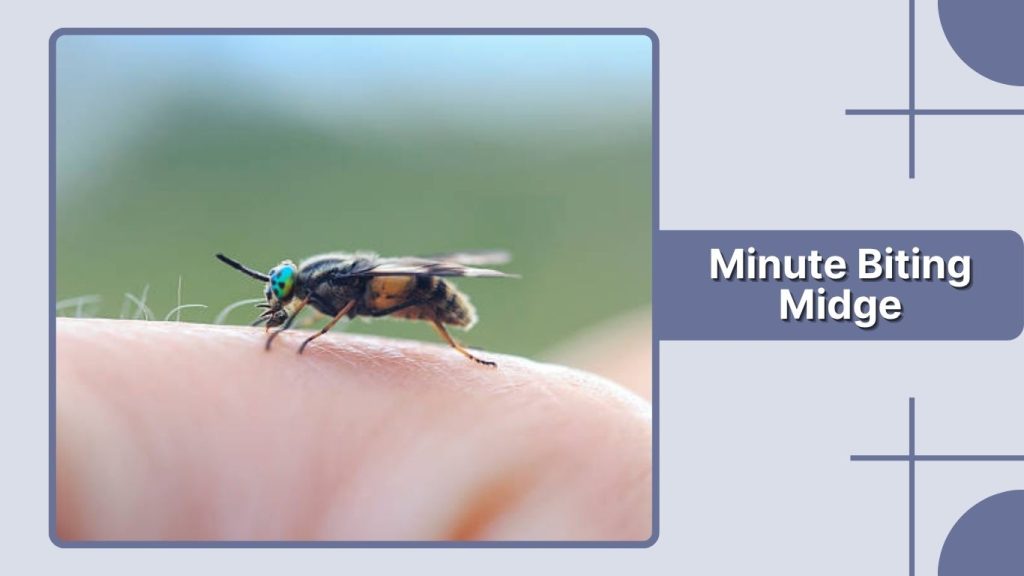
The Minute Biting Midge is a very small biting fly known for its tiny size and irritating bite. These midges are often difficult to see clearly, but they may cause red, itchy marks on exposed skin. They are usually found in damp places where moisture, organic matter, and warm weather help them breed.
Identification
- Extremely small biting midge
- Brown, gray, or dark-colored body
- Tiny delicate wings
- Smaller than many mosquitoes
- Often hard to see before it bites
- Bites exposed skin
- Bite marks may become itchy, red, or swollen
- Common near damp soil, vegetation, and wetlands
Habitat and Distribution
Minute Biting Midges are usually found in moist habitats where larvae can develop. They may live near marshes, ponds, lakes, streams, wet soil, damp grass, gardens, wooded areas, and decaying vegetation. Their distribution can be wide because many tiny biting midges thrive wherever humidity, shelter, and organic material are available.
Behavior and Diet
Female Minute Biting Midges bite humans, pets, livestock, birds, and wildlife to obtain blood for egg production. Males do not bite and usually feed on nectar or plant fluids. These midges are most active during warm, humid, and calm conditions, especially around dawn, dusk, or shaded areas with little wind.
Life Cycle
The life cycle begins when females lay eggs in moist soil, mud, wet vegetation, or decaying organic matter. The larvae develop in these damp places and feed on tiny organic particles. After the pupal stage, adults emerge, mate, and continue feeding. Warm and wet conditions can help their numbers increase quickly.
14. Bloodsucking Midge
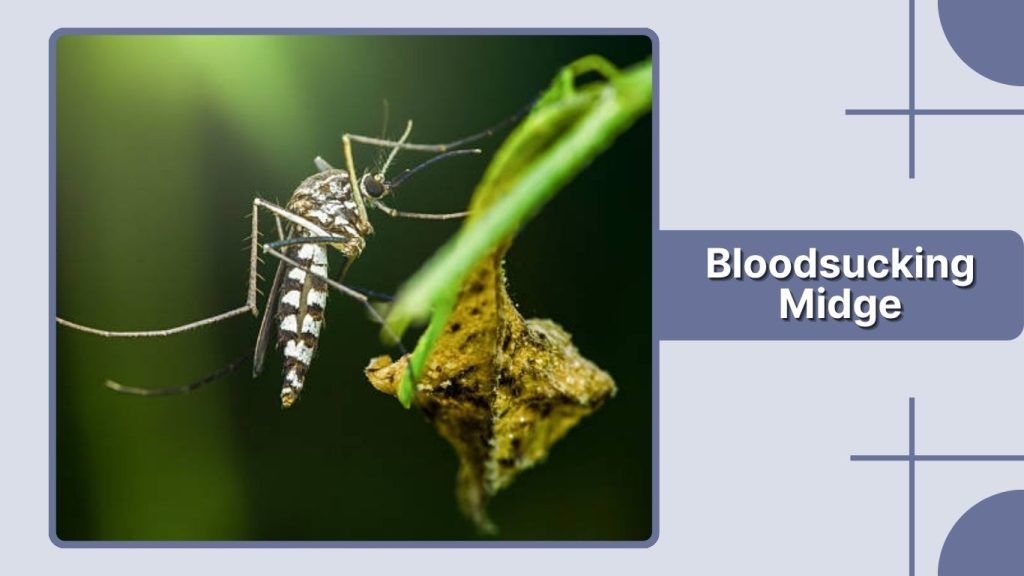
The Bloodsucking Midge is a tiny biting fly that feeds on the blood of humans, livestock, pets, birds, and wildlife. It is often grouped with no-see-ums because it is very small and difficult to notice before biting. These midges are most common in damp, warm, and humid areas where breeding sites are available.
Identification
- Very small biting midge
- Brown, gray, or dark body
- Tiny wings and fine legs
- Often difficult to see clearly
- Bites exposed skin
- Bite marks may become red, itchy, or swollen
- Common near damp soil, marshes, and wet vegetation
- Most active in calm, warm, and humid weather
Habitat and Distribution
Bloodsucking Midges are usually found in moist habitats where their larvae can develop. They may live near marshes, ponds, lakes, streams, wet soil, mud, damp grass, farms, gardens, and wooded edges. Their distribution depends on species, climate, and available hosts, but they are especially common in places with humidity and organic-rich breeding sites.
Behavior and Diet
Female Bloodsucking Midges bite because they need blood to produce eggs. They may feed on people, pets, livestock, birds, and wild animals. Males do not bite and usually feed on nectar or plant fluids. These midges are often most active around dawn, dusk, or shaded areas when the air is calm and moist.
Life Cycle
The life cycle begins when females lay eggs in damp soil, mud, wet vegetation, manure, or decaying organic matter. The larvae develop in these moist places and feed on tiny organic particles. After pupation, adults emerge, mate, and begin feeding. Warm and wet conditions can help their numbers increase quickly during suitable seasons.
15. Eye Biting Midge
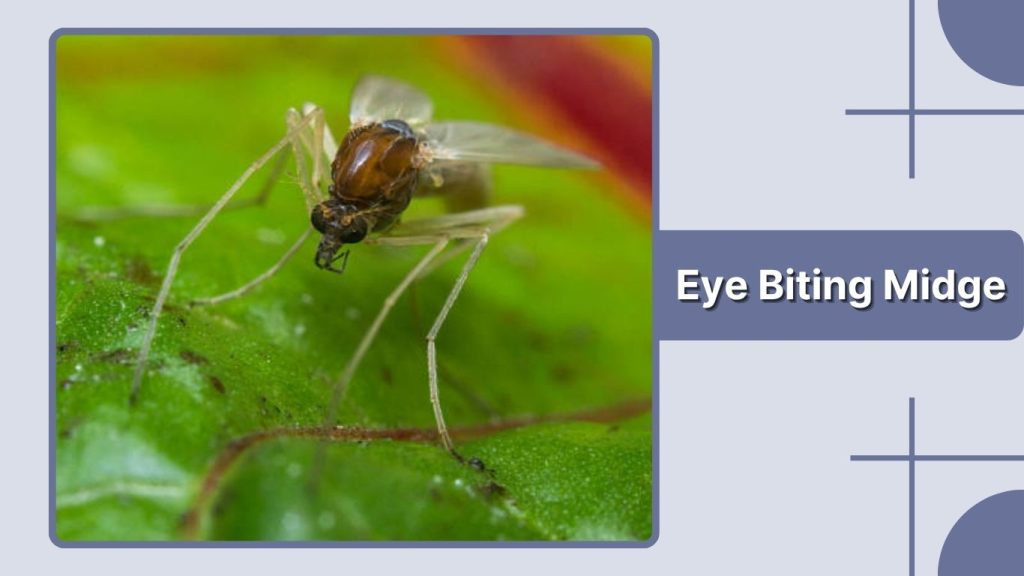
The Eye Biting Midge is a tiny fly known for gathering around the eyes, face, and moist areas of humans or animals. Some species may bite or irritate sensitive skin, while others are attracted to tears, sweat, and body fluids. These midges are most noticeable in warm, humid places where moisture and organic matter are available.
Identification
- Very small midge or tiny fly
- Brown, gray, or dark-colored body
- Delicate wings and fine legs
- Often gathers around eyes, face, or ears
- Attracted to moisture, sweat, and tears
- May cause irritation or itching
- Often difficult to see clearly
- Most active in warm, humid conditions
Habitat and Distribution
Eye Biting Midges are often found in warm, moist environments where tiny flies can breed and feed. They may occur near wetlands, farms, gardens, livestock areas, damp soil, manure, decaying vegetation, and shaded outdoor spaces. Their presence is often higher where animals, humidity, and organic material create suitable conditions for both adults and larvae.
Behavior and Diet
Eye Biting Midges may be attracted to tears, sweat, mucus, or other body fluids around the face. Some species may bite, while others mainly cause irritation by landing repeatedly near the eyes and skin. They can bother people, pets, livestock, and wildlife, especially during calm weather when tiny flies can move easily.
Life Cycle
The life cycle begins when females lay eggs in moist organic material, damp soil, manure, mud, or decaying vegetation. The larvae develop in these protected wet areas and feed on organic particles. After pupation, adults emerge and search for food, mates, and suitable places to reproduce. Warm and humid conditions can help populations increase quickly.
16. Coastal Biting Midge
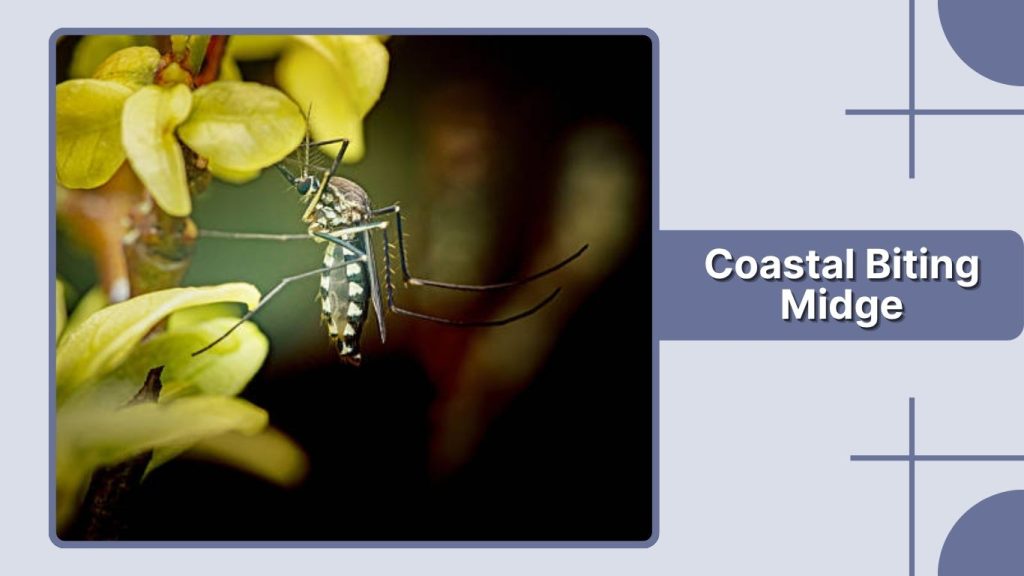
The Coastal Biting Midge is a tiny blood-feeding fly often found around beaches, estuaries, marshes, and other shoreline habitats. It is difficult to see clearly because of its small size, but its bite can be very irritating. These midges are most active in warm, humid, and calm coastal conditions.
Identification
- Very small biting midge
- Brown, gray, or dark-colored body
- Tiny delicate wings
- Often found near beaches, marshes, and estuaries
- Small enough to be hard to notice before biting
- Bites exposed skin
- Bite marks may become red, itchy, or swollen
- Most active during calm, warm, and humid weather
Habitat and Distribution
Coastal Biting Midges live in shoreline environments where wet soil, mud, sand, and organic matter provide breeding sites. They are often found near beaches, salt marshes, tidal flats, mangroves, lagoons, estuaries, and coastal wetlands. Their numbers may be higher after wet weather or during seasons when warm temperatures and moisture support larval development.
Behavior and Diet
Female Coastal Biting Midges bite humans, pets, livestock, birds, and wildlife to obtain blood for egg production. Males do not bite and usually feed on plant sugars or nectar. These midges are weak fliers, so they are most troublesome when the air is still, especially around dawn, dusk, or shaded coastal areas.
Life Cycle
The life cycle begins when females lay eggs in damp sand, mud, wet soil, or organic-rich coastal material. The larvae develop in these moist places and feed on tiny organic particles. After the pupal stage, adults emerge, mate, and begin feeding. Warm, humid coastal weather can help their populations grow quickly.
17. Leptoconops Biting Midge
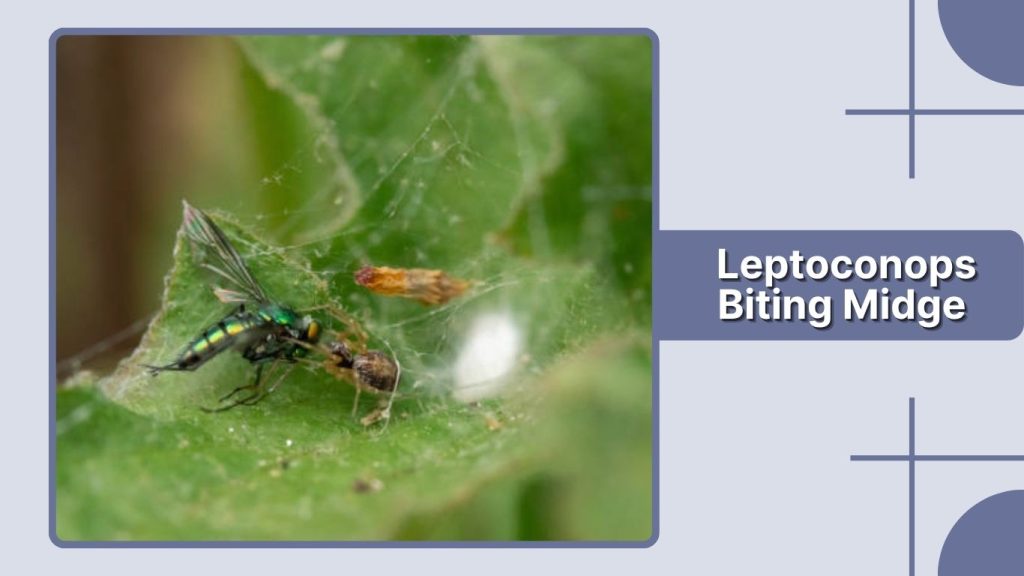
The Leptoconops Biting Midge is a tiny biting fly often found in sandy, coastal, desert, or dry open habitats, depending on the species. It is sometimes associated with painful bites because females feed on blood. These midges are very small, quick, and difficult to notice until bite irritation appears on exposed skin.
Identification
- Very small biting midge
- Brown, gray, or dark-colored body
- Tiny delicate wings
- Short body and fine legs
- Often found near sandy or dry habitats
- Bites exposed skin
- Bite marks may feel sharp, itchy, or swollen
- Most active during warm and calm conditions
Habitat and Distribution
Leptoconops Biting Midges are often found in sandy soils, coastal dunes, desert areas, dry riverbeds, salt flats, and open habitats with suitable breeding conditions. Some species are linked with coastal environments, while others occur in inland dry regions. Their larvae usually develop in soil or sand where moisture and organic material are available.
Behavior and Diet
Female Leptoconops Biting Midges bite humans, livestock, pets, birds, and wildlife to obtain blood for egg production. Males do not bite and usually feed on plant sugars. These midges may be active during warm daylight hours or around low-light periods, depending on the species and weather. Their small size makes them difficult to avoid.
Life Cycle
The life cycle begins when females lay eggs in sandy soil, damp ground, or organic-rich microhabitats. The larvae develop in protected soil or sand and feed on tiny organic particles. After pupation, adults emerge, mate, and search for hosts. Warm weather and suitable ground conditions can help local populations build quickly.
FAQs
What are biting midges?
Biting midges are very small flies that can bite humans and animals. They are often called no-see-ums because they are hard to see clearly. Female biting midges feed on blood to help produce eggs, while males usually feed on nectar or plant fluids.
Why do biting midges bite?
Female biting midges bite because they need blood for egg development. They may bite humans, pets, livestock, birds, and wildlife. Their bites can cause redness, itching, swelling, and irritation, especially in people who are sensitive to insect bites.
Where do biting midges live?
Biting midges usually live in moist or humid habitats. They are common near wetlands, marshes, beaches, mangroves, damp soil, ponds, rivers, farms, and shaded gardens. Some species also live in sandy, coastal, or dry habitats where larvae can develop.
When are biting midges most active?
Biting midges are often most active during warm, humid, and calm weather. Many species bite around dawn, dusk, or shaded daytime areas where wind is low. Windy, dry, or very bright conditions usually reduce their activity.
How can you avoid biting midge bites?
You can reduce bites by wearing long sleeves, using fine mesh screens, applying insect repellent, and avoiding damp outdoor areas during peak activity times. Fans can also help because biting midges are weak fliers and have trouble flying in moving air.