
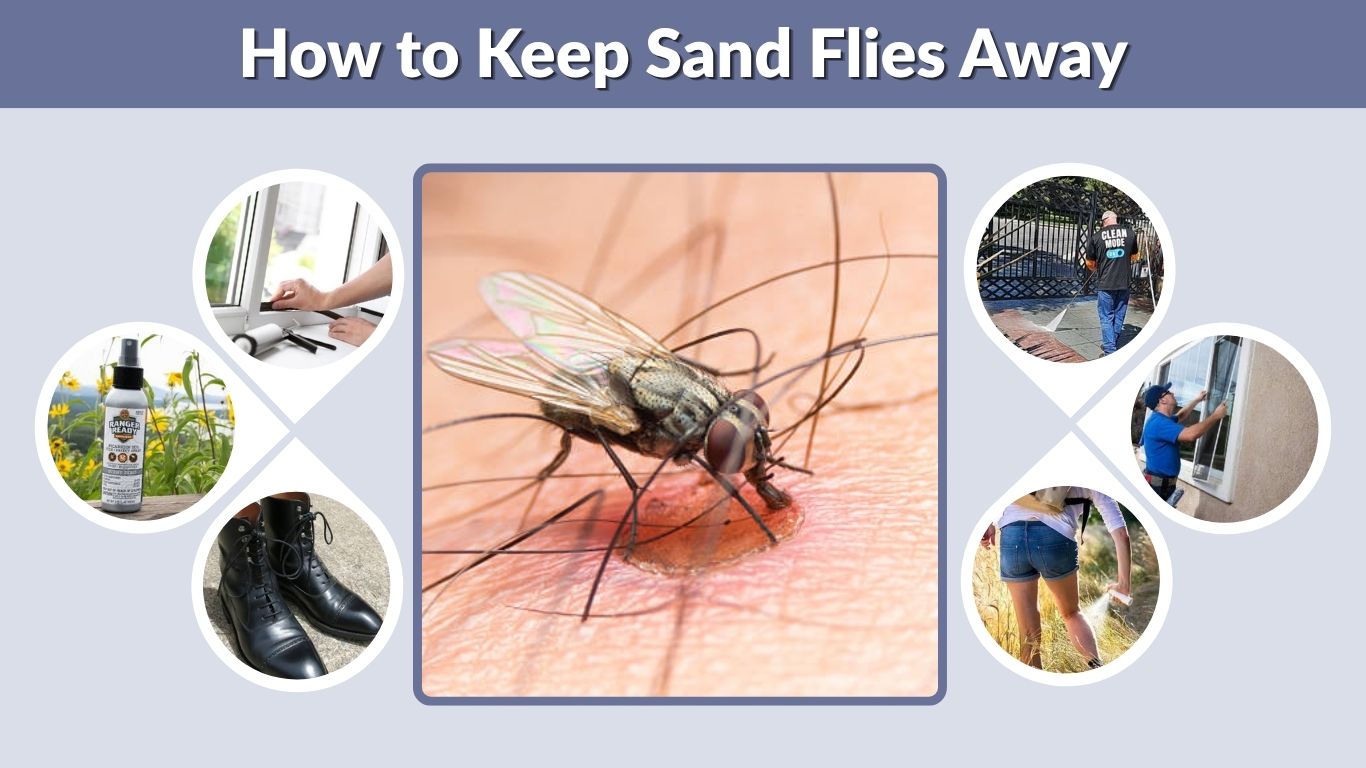
Sand flies are tiny biting insects that can leave intensely itchy red bumps on exposed skin. They are commonly encountered around beaches, coastal areas, forests, wetlands, animal shelters, and warm outdoor environments.
The best way to keep sand flies away is to combine insect repellent, protective clothing, fine-mesh screens, and careful timing of outdoor activities. Because sand flies can be smaller than mosquitoes, ordinary screens and mosquito nets may not always provide complete protection.
1. Apply an Effective Insect Repellent
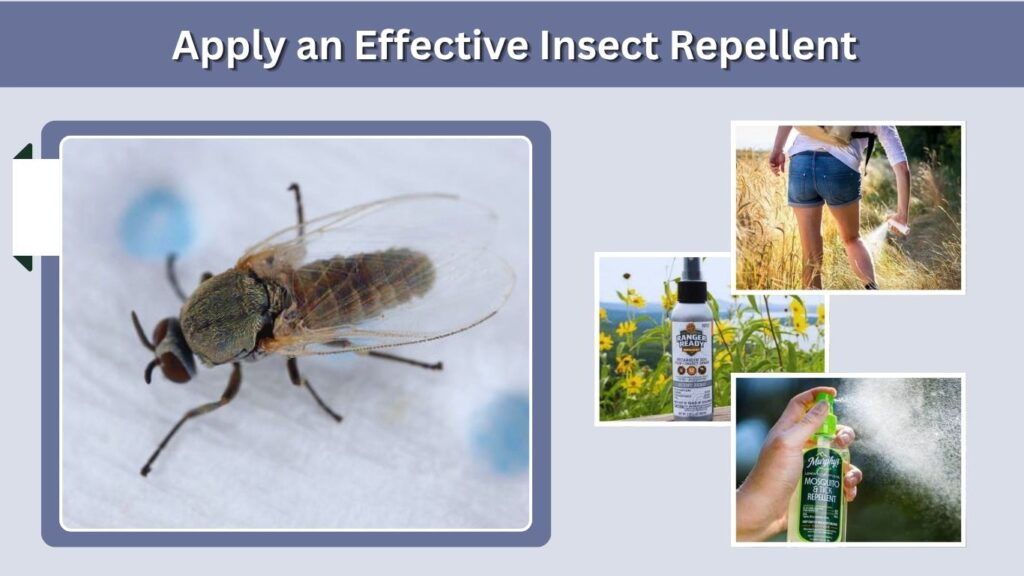
Applying insect repellent to exposed skin is one of the most dependable ways to prevent sand fly bites. Choose a registered product containing an established active ingredient such as:
- DEET
- Picaridin
- IR3535
- Oil of lemon eucalyptus
- PMD
- 2-undecanone
Always follow the instructions on the product label. Reapplication may be necessary after swimming, heavy sweating, or the recommended protection period has passed.
Do not spray repellent directly onto your face. Spray it onto your hands first, then carefully apply it while avoiding the eyes and mouth. Repellent should not be applied over cuts, irritated skin, or open wounds.
2. Cover Exposed Skin
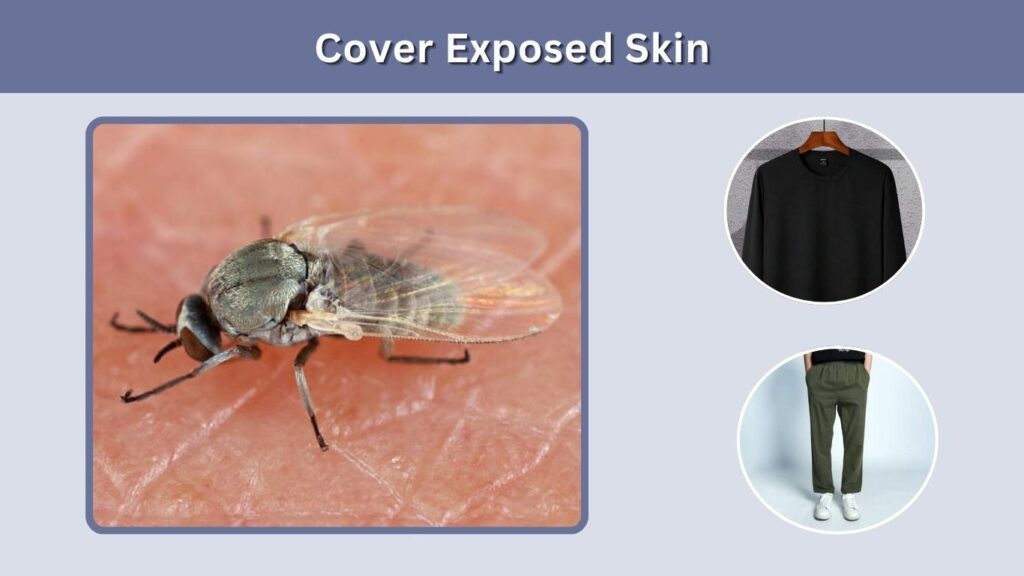
Sand flies usually bite exposed areas such as the ankles, legs, arms, neck, and face. Wearing protective clothing reduces the amount of skin available to them.
Useful clothing includes:
- Long-sleeved shirts
- Long pants
- Closed shoes
- Socks covering the ankles
- Lightweight neck coverings
- Tightly woven fabrics
Tuck your shirt into your pants and your pant legs into your socks when sand flies are particularly active. Lightweight, loose-fitting clothing can provide protection without becoming excessively uncomfortable in warm weather.
3. Avoid Outdoor Exposure from Dusk to Dawn
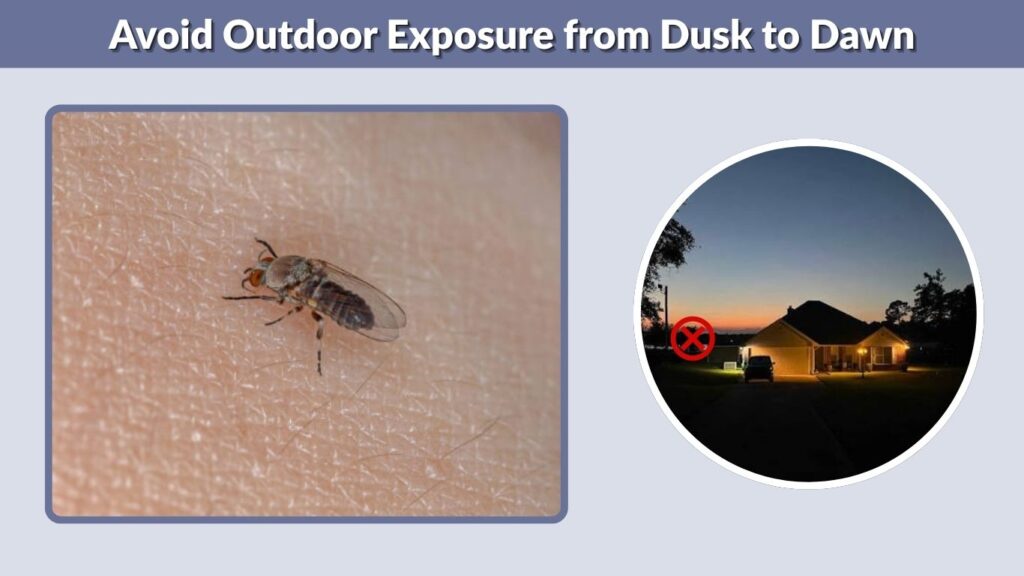
True sand flies that transmit leishmaniasis are generally most active during twilight, evening, and nighttime hours. Limiting outdoor activities from dusk until dawn can therefore reduce exposure in regions where these insects occur.
When you must be outside during these hours, combine protective clothing with an appropriate skin repellent. Do not depend on only one protective method when sand flies are abundant.
Local insects called “sand flies” may differ between countries, so activity times can vary. Pay attention to when bites happen at your particular beach, campsite, or home.
4. Use Fine-Mesh Screens and Nets
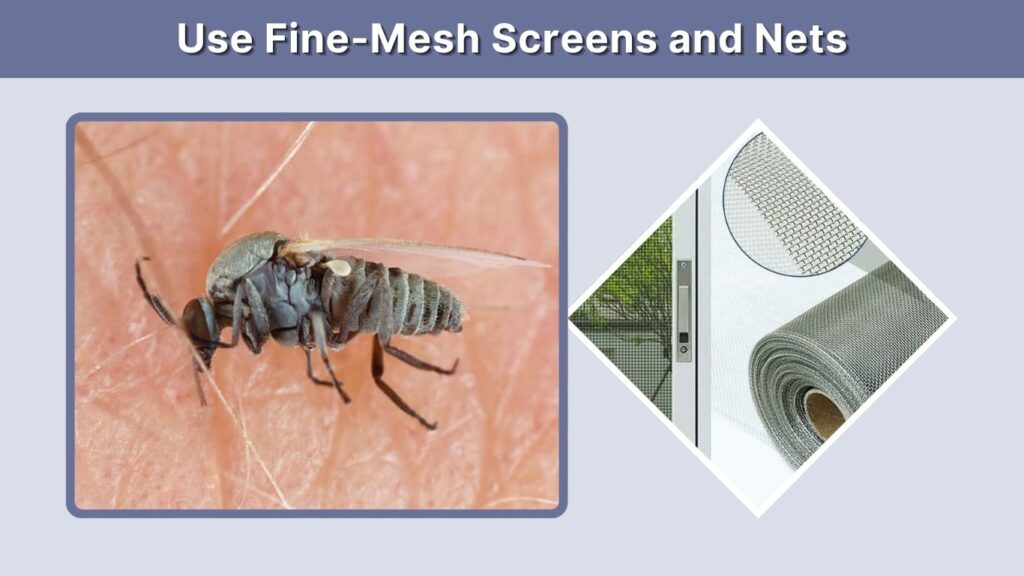
Sand flies can pass through openings that would stop larger mosquitoes. Fine-mesh screens are therefore more suitable for windows, doors, tents, and sleeping areas.
Check screens regularly for:
- Tears or holes
- Loose edges
- Gaps around window frames
- Openings beneath doors
- Damaged tent zippers
When sleeping in an unscreened room, use a fine-mesh bed net and tuck its edges securely beneath the mattress. An insecticide-treated net may offer additional protection where its use is recommended.
Avoid sleeping with your skin pressed against the net because biting insects may be able to reach exposed skin through the mesh.
5. Treat Clothing and Camping Gear
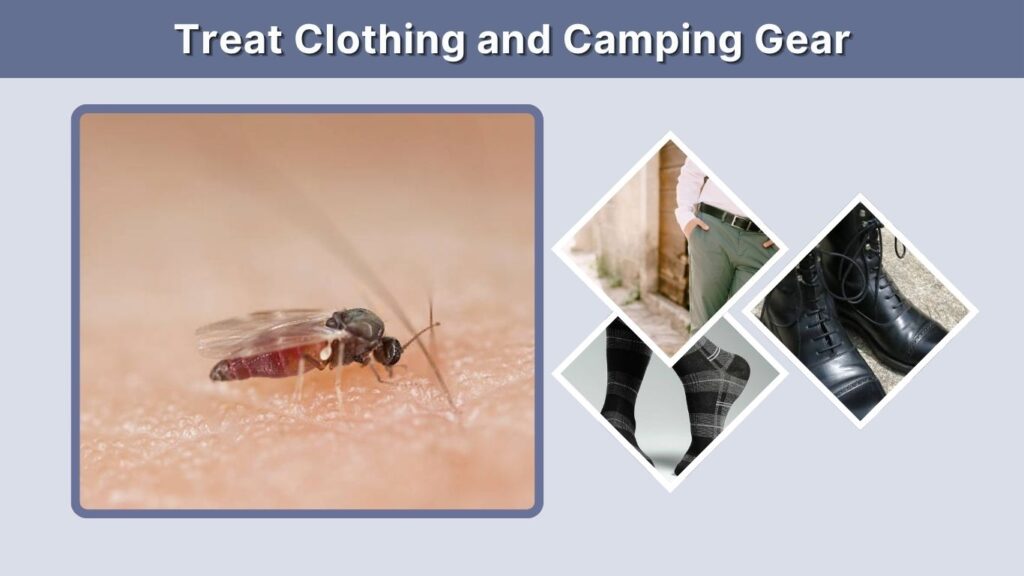
Permethrin-treated clothing and equipment can provide another layer of protection during camping, hiking, beach trips, or travel.
Permethrin products intended for gear may be used on items such as:
- Shirts and pants
- Socks
- Boots
- Tents
- Backpacks
- Bed nets
Follow the product instructions carefully and allow treated items to dry before use. Permethrin should not be applied directly to your skin.
You can also purchase factory-treated outdoor clothing. Check the label to determine how many washes the protection should last.
6. Keep Sand Flies Away at the Beach
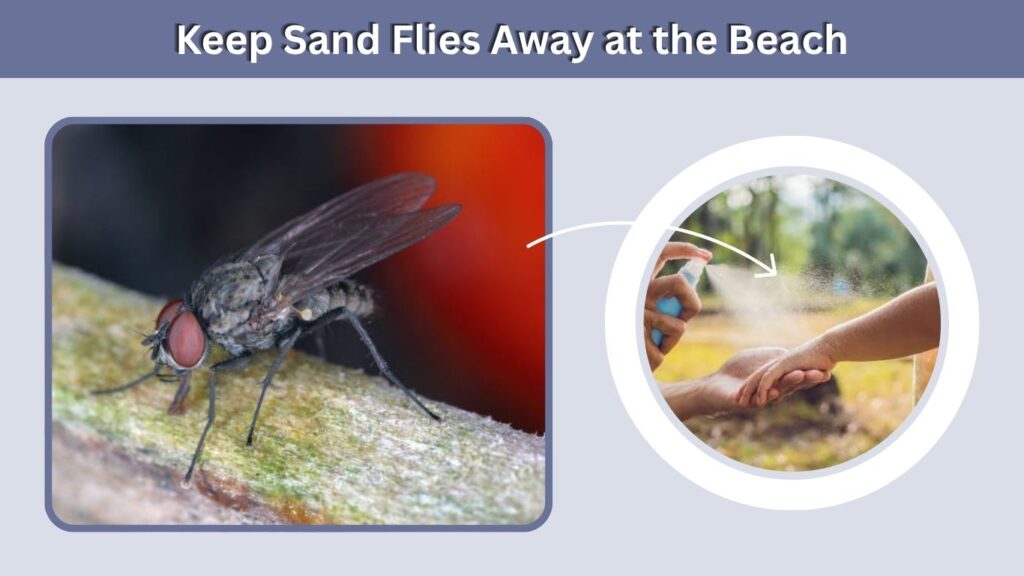
Beaches can expose visitors to biting insects living around vegetation, dunes, damp ground, or sheltered coastal areas. Prepare before arriving rather than waiting until bites begin.
At the beach:
- Apply repellent before walking onto the sand.
- Reapply it according to the label after swimming.
- Cover your ankles and legs near sunrise or sunset.
- Avoid sitting beside dense vegetation.
- Use a screened shelter when available.
- Keep tent doors and screens securely closed.
- Do not leave children sleeping outdoors without protection.
Repellent effectiveness may be reduced by water exposure, perspiration, physical activity, and high temperatures, making correct reapplication especially important at the beach.
7. Keep Sand Flies Out of the House
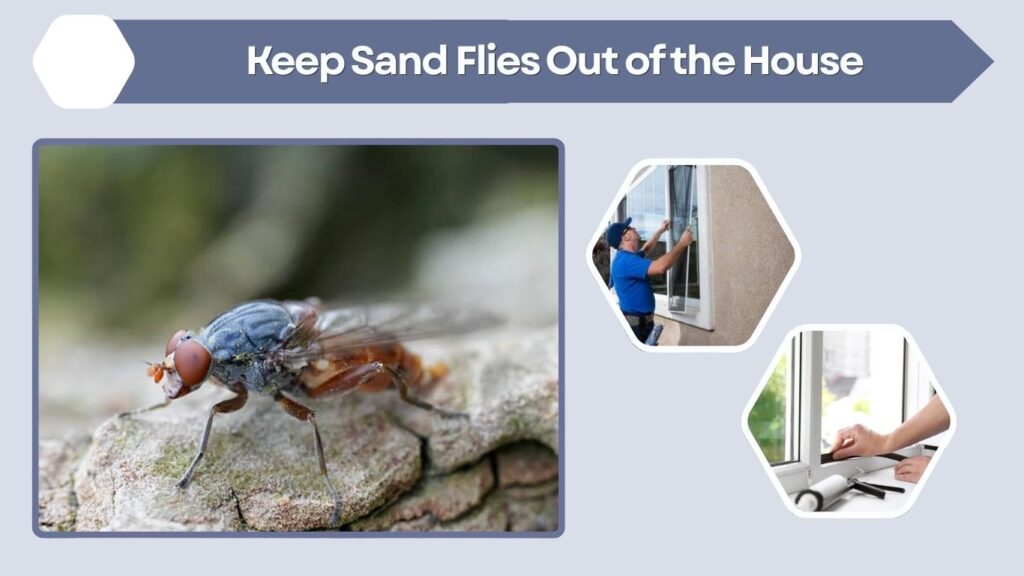
Well-screened or air-conditioned rooms offer better protection from true sand flies than open indoor spaces. Because the insects are extremely small, inspect areas that may allow them to enter.
To protect your home:
- Repair damaged window screens.
- Install fine-mesh screening where needed.
- Keep doors closed during peak activity.
- Seal gaps around windows and doors.
- Use a properly fitted door sweep.
- Keep bedroom windows screened.
- Use a fine-mesh net around the bed when necessary.
Where the problem is severe, an indoor insecticide labeled for the intended location may help. Follow all label directions, remove people and pets when required, and ventilate the room as instructed.
8. Keep Outdoor Areas Clean
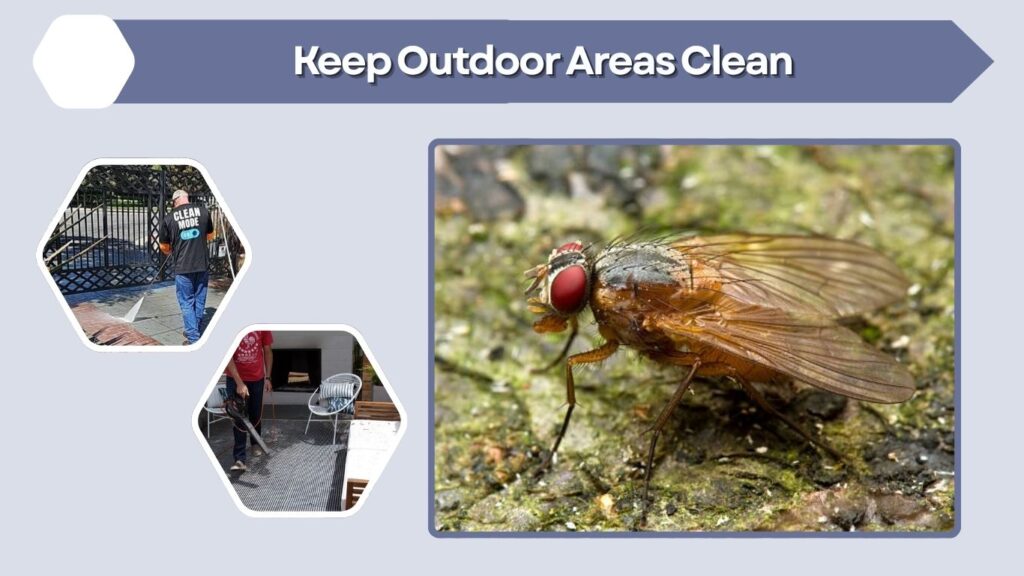
Reduce sheltered, damp, or organic areas close to the house where small biting insects may rest or develop. Outdoor maintenance can make the immediate area less attractive, although it may not eliminate insects arriving from neighboring land.
Helpful steps include:
- Removing accumulated leaf litter
- Disposing of decaying plant material
- Cleaning animal shelters regularly
- Keeping waste containers closed
- Moving compost away from sitting areas
- Trimming dense vegetation near windows
- Repairing leaking outdoor plumbing
- Keeping patios and shaded corners clean
Focus on sanitation and physical barriers instead of applying pesticides repeatedly without identifying where the insects are coming from.
9. Use Natural Prevention Carefully
Protective clothing, fine screens, bed nets, and avoiding peak biting hours are practical nonchemical ways to reduce exposure.
Some people use coconut oil, citronella, eucalyptus, lavender, peppermint, or other plant oils. However, homemade essential-oil mixtures should not be treated as equivalent to a tested repellent.
Oil of lemon eucalyptus found in registered insect repellents is a formulated active ingredient and is not the same as simply applying lemon eucalyptus essential oil. Choose a properly labeled product rather than relying on an untested homemade mixture.
Plants placed around a patio are also unlikely to create a complete protective barrier. They can be used for landscaping, but personal repellent, clothing, and screening should remain the main defenses.
10. Protect Dogs from Sand Flies
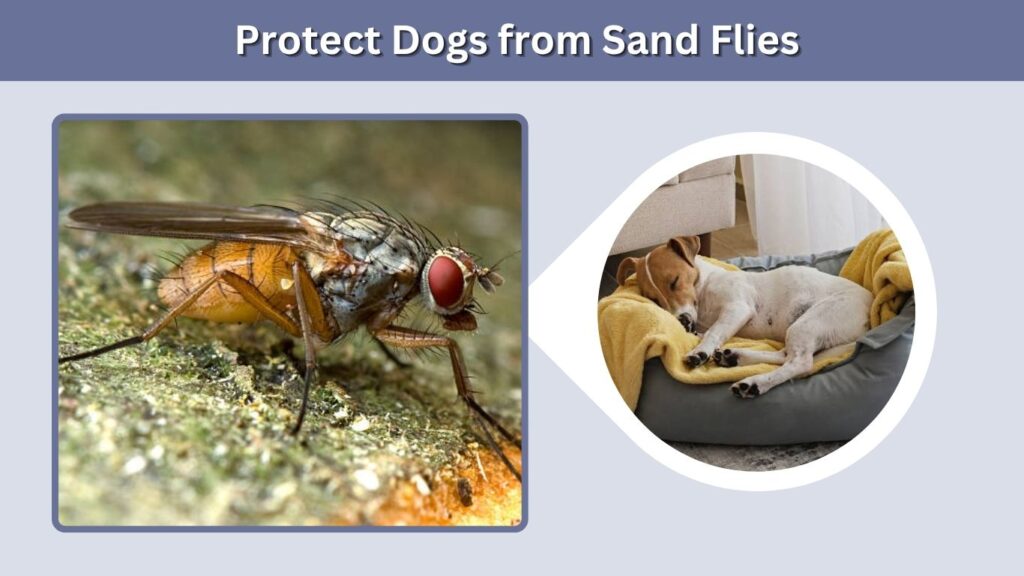
Do not apply your own insect repellent, essential-oil blend, or household insecticide to a dog. Products intended for humans should not be used on pets unless the label clearly states that the product is approved for animals.
To protect a dog:
- Keep it indoors during periods of heavy insect activity.
- Use fine screens around sleeping areas.
- Wash bedding regularly.
- Keep kennels clean and dry.
- Avoid walking near infested vegetation at dusk.
- Ask a veterinarian about suitable veterinary preventives.
- Use only products labeled for the dog’s species, age, and weight.
Contact a veterinarian if your dog develops persistent skin irritation, hair loss, sores, weakness, weight loss, or other unusual symptoms after exposure in a region where sand-fly-borne disease occurs.
Why Do Sand Fly Bites Keep Appearing?
New bumps do not always mean that old bites are returning. You may be receiving additional bites at home, while sleeping, around pets, or during repeated visits to the same outdoor area.
Check bedroom screens, bed nets, pet bedding, travel bags, windows, and the times when new marks appear. Other pests, including mosquitoes, fleas, bed bugs, or biting midges, can produce similar itchy bumps.
Persistent or unexplained bites may require inspection by a licensed pest-control professional. Seek medical advice when the affected skin becomes infected, develops a nonhealing sore, or is accompanied by illness after travel.
FAQs
What is the best way to keep sand flies away?
Use a registered insect repellent together with long clothing, closed shoes, and fine-mesh screens. Avoiding outdoor activity during peak biting hours provides additional protection. Combining several methods is generally more dependable than relying on one spray or home remedy.
How can I keep sand flies from biting me naturally?
Cover exposed skin, stay inside during periods of high activity, use fine-mesh screens, and sleep beneath a properly fitted net. These methods reduce bites without applying repellent, although an effective registered repellent may still be necessary in heavily infested areas.
Does coconut oil keep sand flies away?
Plain coconut oil should not be considered a dependable standalone sand fly repellent. It may moisturize the skin or act as a carrier oil, but it does not replace a properly tested and labeled insect-repellent product.
Do bug nets keep out sand flies?
They can, but the openings must be very small. Sand flies are smaller than mosquitoes and may pass through ordinary mosquito netting. Choose a fine-mesh net, check it for holes, and tuck it securely beneath the mattress.
Will ash or sand keep flies away?
There is no dependable evidence that spreading ash or additional sand creates reliable protection from sand flies. Physical barriers, registered repellents, protective clothing, and fine-mesh screens are more practical and predictable methods.