
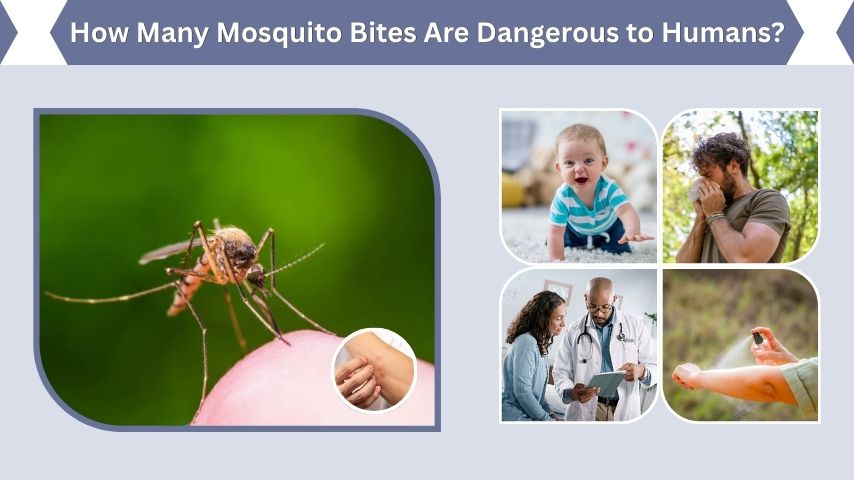
Mosquito bites are extremely common and usually cause only mild itching and irritation. However, many people wonder how many mosquito bites become dangerous and whether repeated bites can seriously affect health. In most cases, a few mosquito bites are harmless, but large numbers of bites or bites from disease-carrying mosquitoes can create health risks.
The danger from mosquito bites depends more on allergic reactions and disease transmission than the actual number of bites. Mosquitoes can spread illnesses such as malaria, dengue fever, West Nile virus, and Zika virus. Understanding the symptoms and risks of mosquito bites can help people protect themselves and seek medical care when needed.
Are Mosquito Bites Dangerous?
Most mosquito bites are not dangerous and heal within a few days. The itching and swelling happen because the body reacts to mosquito saliva during feeding. However, some people experience stronger reactions, and certain mosquito species can spread dangerous diseases that may require medical attention.
What Happens When a Mosquito Bites?
When a mosquito bites, it injects saliva into the skin while feeding on blood. The immune system reacts to the saliva, causing redness, swelling, and itching around the bite area.
Normal Mosquito Bite Symptoms
- Small red bumps
- Mild itching
- Slight swelling
- Temporary skin irritation
- Symptoms lasting a few days
When Mosquito Bites Become Dangerous
Mosquito bites can become dangerous if they trigger severe allergic reactions or transmit infectious diseases. Excessive scratching may also cause skin infections and additional complications.
How Many Mosquito Bites Is Dangerous?
The number of mosquito bites that becomes dangerous varies depending on a person’s health, age, and immune response. A few bites are usually harmless, but large numbers of bites may increase irritation, allergic reactions, and the chance of disease exposure.
Is One Mosquito Bite Dangerous?
A single mosquito bite is rarely dangerous by itself. However, one bite from an infected mosquito may spread diseases such as malaria or dengue fever in high-risk regions.
Can Multiple Mosquito Bites Be Harmful?
Large numbers of mosquito bites may cause severe itching, swelling, and discomfort. In sensitive individuals, repeated bites can trigger stronger allergic reactions and inflammation.
How Many Mosquito Bites Can Affect Health?
- Children may react more strongly to bites
- Elderly individuals can experience complications
- Hundreds of bites may stress the body
- Severe swelling may occur in allergic people
- Infection risk increases from scratching bites
Dangerous Reactions to Mosquito Bites
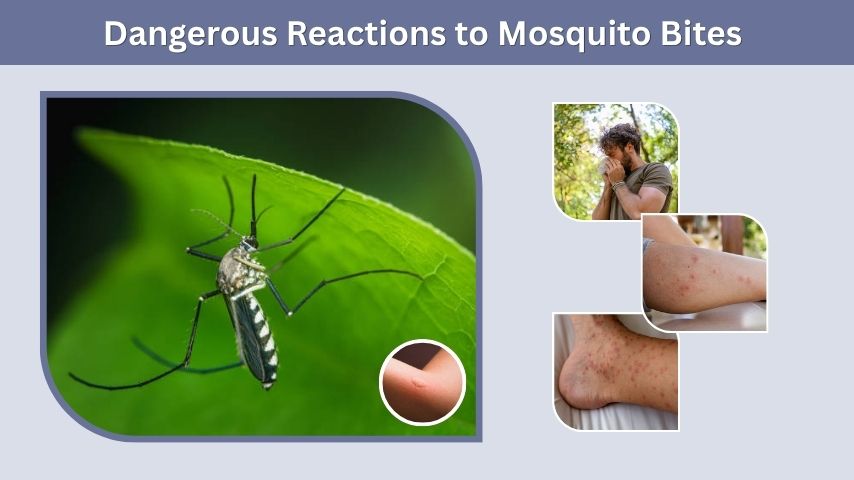
Although most bites are mild, some reactions can become serious. Allergic responses, infections, and certain medical conditions may require professional treatment. People experiencing severe symptoms after mosquito bites should monitor their condition carefully.
Severe Allergic Reactions
Some individuals develop strong allergic reactions after mosquito bites. Symptoms may include large swelling, hives, breathing difficulty, and dizziness. Severe allergic reactions require immediate medical attention.
Infected Mosquito Bites
Scratching mosquito bites can damage the skin and allow bacteria to enter the area. Infected bites may become painful, swollen, warm, or filled with pus.
Skeeter Syndrome
Skeeter syndrome is a strong allergic reaction to mosquito saliva. It causes large swollen areas, redness, warmth, and pain that can sometimes resemble skin infections.
Diseases Spread by Mosquito Bites
Mosquitoes are among the most dangerous insects because they can spread serious diseases around the world. Disease risk often matters more than the total number of bites a person receives.
Malaria
- Caused by parasites spread through mosquito bites
- Common in tropical and subtropical regions
- Symptoms include fever and chills
- Severe cases can become life-threatening
- Requires prompt medical treatment
Dengue Fever
Dengue fever is a viral disease spread by infected mosquitoes. Symptoms commonly include high fever, headache, joint pain, and extreme fatigue. Severe dengue can cause dangerous bleeding complications.
West Nile Virus
West Nile virus is spread by certain mosquito species and may cause mild or severe illness. Some infected people develop neurological symptoms such as confusion or muscle weakness.
Who Is Most at Risk From Mosquito Bites?
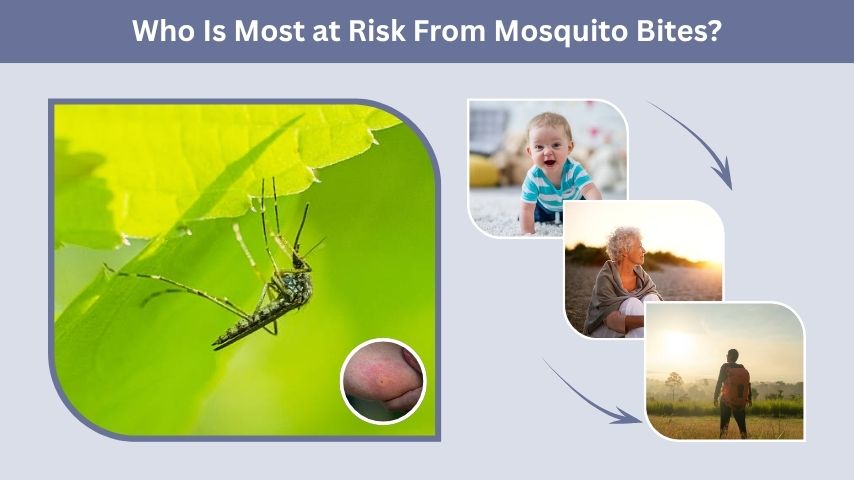
Some groups of people are more vulnerable to complications from mosquito bites because of weaker immune systems, allergies, or increased exposure to mosquito-borne diseases. Children, elderly individuals, and travelers in tropical regions may experience more serious health effects after repeated bites.
Babies and Young Children
Young children often react more strongly to mosquito bites because of sensitive skin and developing immune systems. Excessive scratching may also increase the chance of skin infections.
Elderly Individuals
Older adults may have weaker immune defenses and underlying health conditions that make mosquito-borne illnesses more dangerous. Recovery from infections may also take longer in elderly individuals.
People With Allergies
- Severe swelling around bites
- Breathing difficulties in rare cases
- Intense itching and pain
- Increased skin irritation
- Risk of allergic emergencies
Travelers in Tropical Regions
People visiting tropical or subtropical regions may face higher exposure to disease-carrying mosquitoes. Lack of immunity to local mosquito-borne illnesses can increase the risk of severe infections.
Mosquito Bite Treatment and Relief
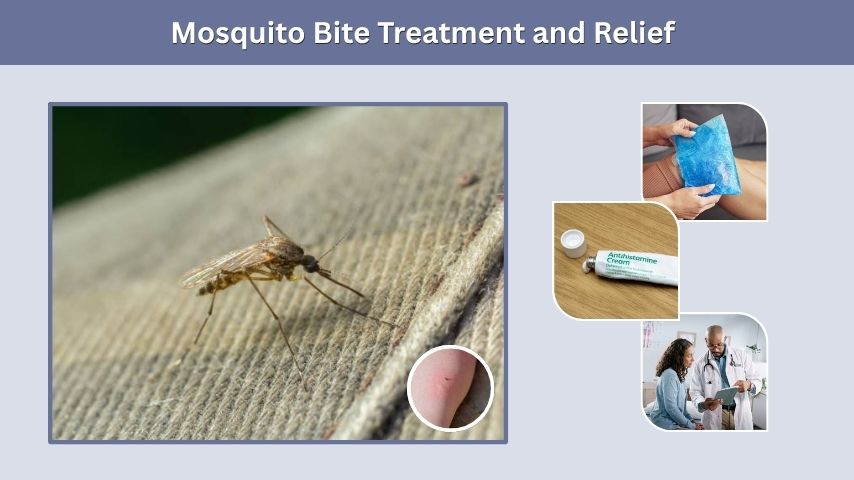
Most mosquito bites can be treated at home using simple remedies that reduce itching and swelling. Quick treatment helps prevent scratching, skin irritation, and possible infection.
Immediate Home Treatments
Washing the bite area with soap and water helps keep the skin clean. Cold compresses can reduce swelling and provide temporary relief from itching and discomfort.
Medications for Severe Itching
Antihistamines and anti-itch creams are commonly used to reduce irritation. Hydrocortisone cream may also help relieve swelling and redness caused by mosquito bites.
When To See a Doctor
People should seek medical attention if mosquito bites are followed by fever, severe swelling, breathing problems, or signs of infection such as pus and spreading redness.
How To Prevent Mosquito Bites
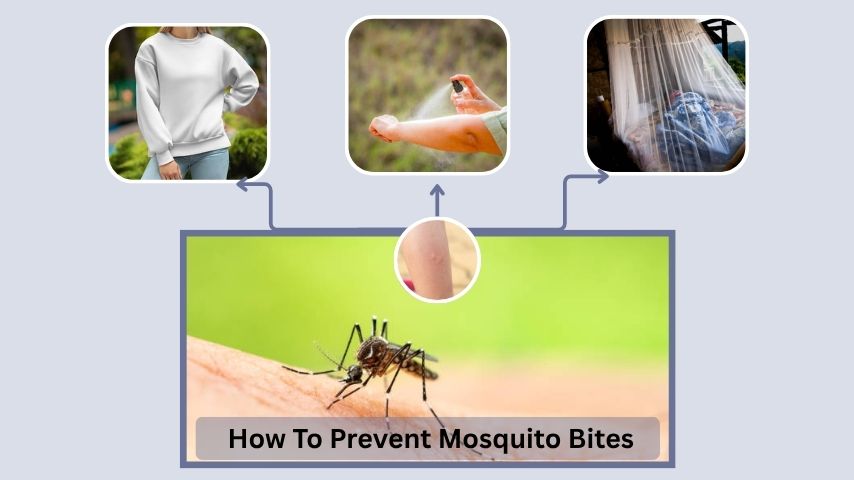
Preventing mosquito bites is the best way to reduce discomfort and lower the risk of mosquito-borne diseases. Personal protection and reducing mosquito breeding areas can greatly decrease mosquito exposure.
Personal Protection Methods
- Wear long sleeves and pants
- Use mosquito repellent
- Sleep under mosquito nets
- Avoid outdoor exposure at dusk
- Wear light-colored clothing
Reducing Mosquito Breeding Areas
Mosquitoes breed in standing water, so removing water sources around homes can reduce mosquito populations. Cleaning gutters and emptying outdoor containers are effective prevention methods.
Indoor Protection
Window screens, fans, and indoor insect sprays can help keep mosquitoes out of homes. Air movement from fans may also make it harder for mosquitoes to land and bite.
Mosquito Bite Myths and Misconceptions
Many myths about mosquito bites continue to spread online and through social discussions. Understanding the facts can help people avoid unnecessary fear and better protect themselves from real mosquito-related dangers.
Do Mosquitoes Prefer Certain People?
Mosquitoes are attracted to body heat, carbon dioxide, and body odors. Some people may receive more bites than others because of natural biological differences.
Are All Mosquitoes Dangerous?
Not all mosquitoes carry diseases. Only certain species spread illnesses such as malaria, dengue fever, or West Nile virus. Disease risk depends heavily on region and mosquito species.
Can Mosquito Bites Be Fatal?
- Most mosquito bites are harmless
- Fatal allergic reactions are very rare
- Mosquito-borne diseases can become deadly
- Delayed treatment increases health risks
- Prevention greatly lowers danger
Interesting Facts About Mosquito Bites
Mosquito bites are more complex than many people realize. These insects use specialized senses and feeding methods that make them highly effective at locating hosts.
Amazing Facts
- Only female mosquitoes bite humans
- Mosquito saliva causes itching reactions
- Some species spread deadly diseases
- Mosquitoes detect body heat and breath
- Different mosquito species prefer different hosts
FAQs
How many mosquito bites are dangerous?
There is no exact number of mosquito bites that becomes dangerous for everyone. A few bites are usually harmless, but hundreds of bites or bites from disease-carrying mosquitoes can create serious health risks, especially for children or allergic individuals.
Can mosquito bites kill you?
Most mosquito bites do not kill people directly. However, mosquitoes can spread dangerous diseases such as malaria, dengue fever, and West Nile virus, which may become life-threatening without proper medical treatment.
What happens if you get bitten by many mosquitoes?
Large numbers of mosquito bites can cause intense itching, swelling, skin irritation, and allergic reactions. Excessive scratching may also lead to skin infections and additional discomfort.
When should you worry about mosquito bites?
You should seek medical attention if mosquito bites are followed by fever, breathing difficulty, severe swelling, dizziness, or signs of infection such as pus and spreading redness.
How do you stop mosquito bite itching?
Washing the bite area, applying a cold compress, and using anti-itch creams or antihistamines can help reduce itching and swelling. Avoid scratching because it may increase irritation and infection risk.