
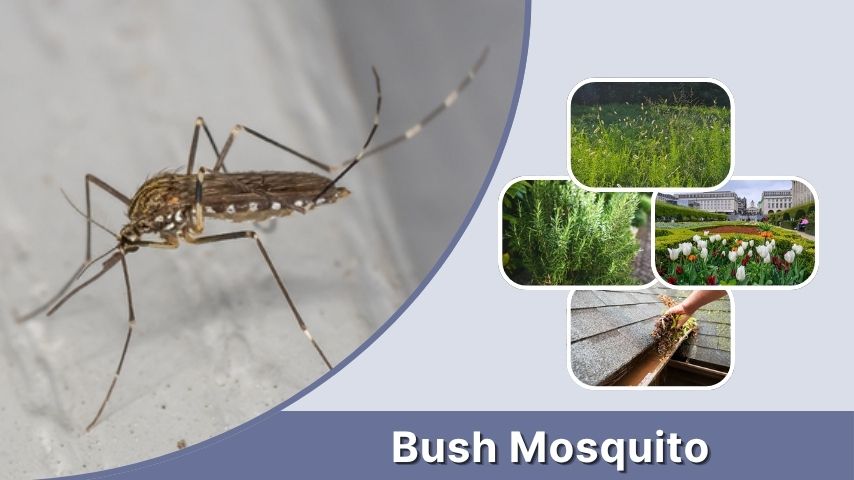
Mosquitoes are among the most annoying and potentially harmful insects found in gardens and landscapes. Many homeowners notice increased mosquito activity around shrubs, bushes, and dense vegetation but may not understand why. Bushes provide ideal shelter for mosquitoes by offering shade, moisture, and protection from wind and predators. Understanding the relationship between mosquitoes and landscaping can help reduce infestations and create a more comfortable outdoor environment. Proper plant selection and maintenance are key parts of long-term mosquito control.
What Is a Bush Mosquito?
The term “bush mosquito” generally refers to mosquitoes that spend much of their time resting or hiding in vegetation. Certain species, including the Asian bush mosquito, are known for using shrubs and dense plant growth as daytime shelter. These insects often emerge during dawn and dusk to search for blood meals while remaining hidden during hotter daylight hours.
Asian Bush Mosquito
The Asian bush mosquito (Aedes japonicus) is an invasive species found in many regions outside its native range. It is known for adapting to urban and suburban environments and can breed in small water-filled containers.
Japanese Bush Mosquito
The Japanese bush mosquito is another common name used for Aedes japonicus. This species has attracted attention because of its ability to spread rapidly and thrive in a variety of habitats.
Why Mosquitoes Gather Near Vegetation
Mosquitoes rely on cool, humid environments to avoid dehydration. Bushes and shrubs provide excellent protection from direct sunlight and create favorable microclimates that help mosquitoes survive during the day.
Do Mosquitoes Live in Bushes?
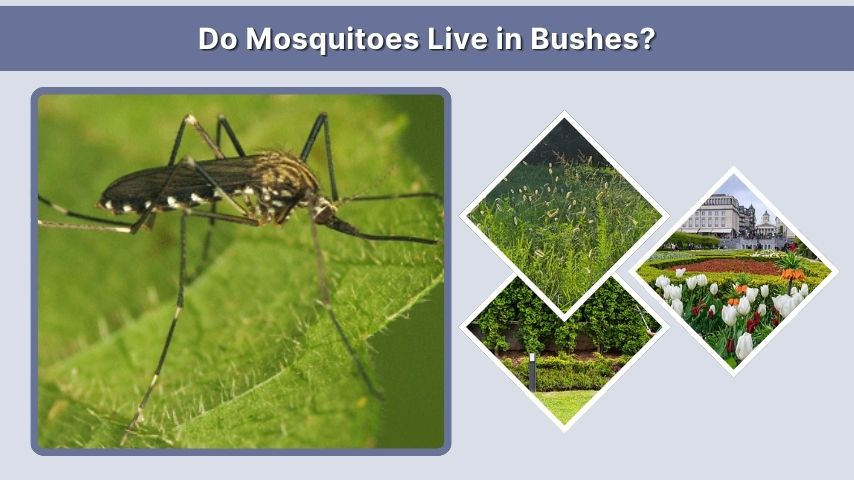
Many people assume mosquitoes only gather near standing water. While water is necessary for breeding, adult mosquitoes often spend much of their time resting in vegetation. Bushes, tall grass, and shrubs provide ideal hiding places where mosquitoes can remain protected until conditions are favorable for feeding.
Why Mosquitoes Hide in Shrubs
Dense foliage creates a shaded environment that helps mosquitoes conserve moisture. The cooler temperatures found within vegetation also reduce stress caused by heat and sunlight.
Common Daytime Resting Sites
Mosquitoes frequently rest in:
- Bushes and shrubs.
- Tall grass.
- Dense flower beds.
- Groundcover plants.
- Low tree branches.
These sheltered locations help protect mosquitoes from environmental stress and predators.
Seasonal Activity
Mosquito activity typically increases during warm, humid periods. During summer months, heavily vegetated landscapes can support larger mosquito populations if nearby breeding sites are also present.
Why Bushes Attract Mosquitoes
Not all bushes attract mosquitoes equally, but dense vegetation often creates ideal conditions for mosquito survival. Overgrown landscapes can trap humidity and reduce airflow, making these areas particularly attractive to adult mosquitoes seeking shelter during the day.
Shade and Moisture
Mosquitoes are highly sensitive to dry conditions. Bushes provide shade that reduces evaporation and helps maintain humidity levels. This combination creates a comfortable resting environment.
Dense Vegetation
Several landscaping conditions may encourage mosquito activity:
- Thick shrub growth.
- Poor air circulation.
- Excessive groundcover.
- Accumulated leaf litter.
- Nearby standing water.
Reducing these conditions can help lower mosquito populations around the home.
Nearby Water Sources
Even the most attractive bush will not support mosquito breeding without water nearby. Birdbaths, clogged gutters, plant saucers, and other water-holding containers often contribute to mosquito problems.
Bushes That Repel Mosquitoes
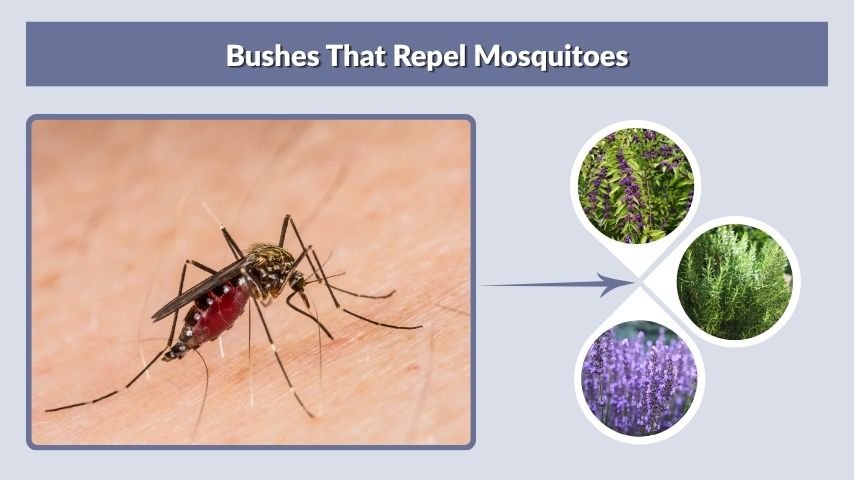
Some plants and shrubs are believed to help discourage mosquitoes because of the natural oils they contain. While no plant completely eliminates mosquitoes, certain species may contribute to a less attractive environment when incorporated into a well-planned landscape.
Beautyberry Bush
The American beautyberry is one of the most frequently cited mosquito-repellent shrubs. Research has suggested that compounds found in its leaves may help repel mosquitoes when properly extracted and applied.
Rosemary Shrub
Rosemary is valued for its aromatic oils and is often included in gardens designed to discourage insect pests. Its fragrance may help reduce mosquito activity in localized areas.
Popular Mosquito-Repellent Bushes
Homeowners commonly consider the following plants:
- Beautyberry.
- Rosemary.
- Lavender.
- Myrtle varieties.
- Lemon-scented shrubs.
Although these plants may offer some benefits, they are most effective when combined with broader mosquito-control strategies.
Best Plants and Shrubs for Mosquito Control
Landscaping choices can influence mosquito activity around homes and gardens. By selecting suitable plants and maintaining healthy growing conditions, homeowners can create outdoor spaces that are less inviting to mosquitoes while remaining attractive and functional.
Landscaping Strategies
A mosquito-conscious landscape should emphasize good airflow, reduced moisture retention, and regular maintenance. Pruning shrubs, removing debris, and avoiding excessive plant density can significantly reduce mosquito resting sites.
Combining Plants With Prevention
For the best results, combine mosquito-repellent plants with additional preventive measures such as eliminating standing water, maintaining gutters, and encouraging natural predators. This integrated approach provides far greater protection than relying on plants alone.
Benefits of Proper Landscape Design
Effective landscape planning can provide:
- Reduced mosquito resting areas.
- Improved air circulation.
- Healthier plant growth.
- Better outdoor comfort.
- Lower dependence on chemical treatments.
Thoughtful landscaping remains one of the most practical long-term approaches to mosquito management.
Do Beautyberry Bushes Repel Mosquitoes?
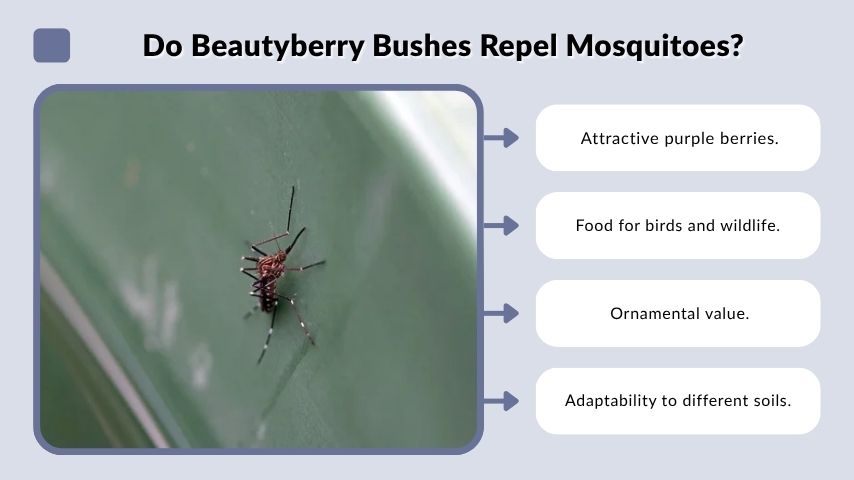
Beautyberry bushes have gained attention because of research suggesting that compounds found in their leaves may help repel mosquitoes. While planting beautyberry alone will not eliminate mosquito populations, many gardeners include it as part of a broader mosquito-management strategy. Its attractive berries and easy maintenance make it a popular landscaping choice in many regions.
What Research Shows
Studies have identified natural compounds in beautyberry leaves that may help deter mosquitoes. Researchers have found that leaf extracts can provide temporary repellent effects under certain conditions.
How Beautyberry Works
The plant’s leaves contain aromatic chemicals that mosquitoes appear to dislike. However, the strongest repellent effects are generally associated with extracted oils rather than simply growing the shrub in a landscape.
Additional Benefits
Beautyberry shrubs also provide:
- Attractive purple berries.
- Food for birds and wildlife.
- Ornamental value.
- Adaptability to different soils.
- Low-maintenance growth habits.
These benefits make beautyberry a valuable addition to many gardens.
Do Rosemary Bushes Keep Mosquitoes Away?
Rosemary is often recommended as a natural mosquito-repellent plant because of its strong fragrance and essential oils. Although rosemary is not a complete solution for mosquito control, it can contribute to a more mosquito-resistant landscape when combined with other preventive measures.
Rosemary’s Natural Oils
The plant contains aromatic compounds that may interfere with a mosquito’s ability to locate hosts. These compounds are also responsible for rosemary’s distinctive scent.
Growing Rosemary Outdoors
Rosemary thrives in sunny locations with well-drained soil. It can be grown as a shrub in warm climates or maintained in containers where winters are colder.
Realistic Expectations
While rosemary may help discourage mosquitoes in its immediate vicinity, homeowners should not rely solely on the plant for protection. Effective mosquito management requires eliminating breeding sites and reducing shelter areas.
Bushes That May Attract Mosquitoes
Not all shrubs help reduce mosquito activity. In fact, some bushes may indirectly support mosquito populations by creating cool, humid environments where adult mosquitoes can hide during the day. Dense vegetation is often more important than plant species when it comes to attracting mosquitoes.
Rose Bushes
Rose bushes can provide shaded resting locations, especially when planted in dense clusters. Although roses do not attract mosquitoes directly, thick foliage may create favorable shelter.
Holly and Evergreen Shrubs
Evergreen shrubs often maintain dense foliage year-round, making them popular daytime resting sites for mosquitoes seeking protection from sunlight and wind.
Landscaping Conditions That Encourage Mosquitoes
Several factors can increase mosquito activity around shrubs:
- Overgrown vegetation.
- Excessive moisture.
- Poor air circulation.
- Thick ground cover.
- Nearby standing water.
Addressing these issues can significantly reduce mosquito populations.
How to Get Rid of Mosquitoes in Bushes
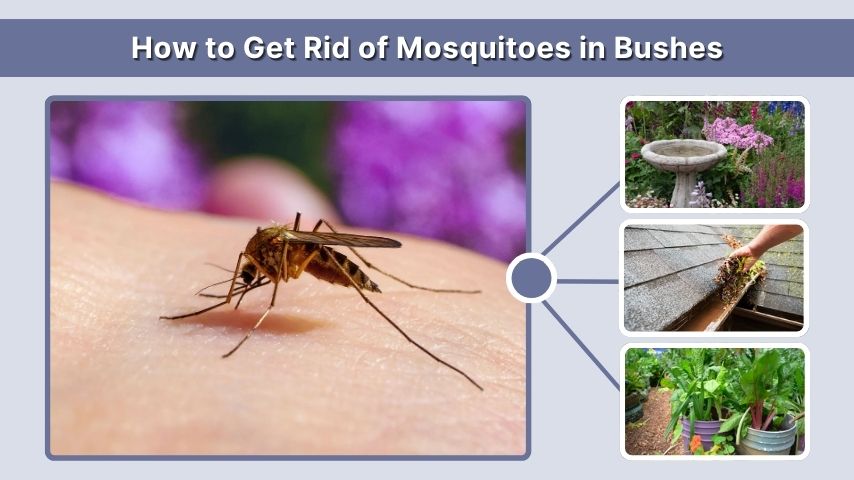
Controlling mosquitoes around bushes requires a combination of habitat management and targeted treatments. Because adult mosquitoes frequently rest in vegetation, addressing these shelter areas can help reduce local populations and improve outdoor comfort.
Trim Overgrown Vegetation
Regular pruning improves airflow and reduces shaded resting locations. Well-maintained shrubs are generally less attractive to mosquitoes than dense, unmanaged growth.
Eliminate Breeding Sites
Mosquitoes require standing water to reproduce. Check the surrounding area for:
- Birdbaths.
- Clogged gutters.
- Plant saucers.
- Buckets and containers.
- Low spots that collect water.
Removing water sources interrupts the mosquito life cycle.
Encourage Natural Predators
Birds, dragonflies, bats, and certain beneficial insects help control mosquito populations naturally. Creating a wildlife-friendly environment can contribute to long-term mosquito reduction.
Can You Spray Bushes for Mosquitoes?
Mosquito treatments are often applied directly to vegetation where adult mosquitoes rest. When used properly, these treatments can temporarily reduce mosquito activity. However, care should be taken to minimize impacts on beneficial insects and pollinators.
Common Mosquito Sprays
Professional mosquito-control programs frequently treat shrubs and vegetation using products specifically designed for mosquito management. These treatments target resting adults rather than breeding larvae.
Natural Alternatives
Some homeowners prefer natural mosquito-control methods such as:
- Neem-based products.
- Essential oil sprays.
- Garlic-based treatments.
- Biological controls.
- Mosquito traps.
These alternatives may provide varying levels of effectiveness depending on environmental conditions.
Protecting Pollinators
When applying any treatment, avoid spraying flowering plants whenever possible. Following label directions and treating only necessary areas helps protect bees, butterflies, and other beneficial insects.
Fascinating Bush Mosquito Facts
Mosquitoes are highly adaptable insects that have evolved numerous strategies for survival. Their relationship with vegetation is an important aspect of their daily behavior and helps explain why landscaping plays such a significant role in mosquito management.
Interesting Facts About Bush Mosquitoes
- Adult mosquitoes often rest in bushes during the day.
- Dense shrubs create humid microclimates.
- Many mosquito species avoid direct sunlight.
- The Asian bush mosquito is considered invasive in some regions.
- Female mosquitoes require blood meals for egg production.
- Mosquitoes can detect carbon dioxide from considerable distances.
- Landscaping choices influence mosquito populations.
- Removing shelter areas can reduce mosquito survival rates.
FAQs
Do mosquitoes hide in bushes during the day?
Yes, mosquitoes commonly rest in bushes, shrubs, tall grass, and dense vegetation during the day. These areas provide shade, moisture, and protection from wind, helping mosquitoes avoid dehydration and predators.
What bushes help keep mosquitoes away?
Some shrubs believed to help repel mosquitoes include beautyberry, rosemary, lavender, myrtle, and certain lemon-scented plants. While these plants may discourage mosquitoes, they work best when combined with proper mosquito-control practices.
Can mosquitoes breed in bushes?
Mosquitoes do not breed directly in bushes. However, they often breed in standing water located near vegetation, such as clogged gutters, flowerpot saucers, birdbaths, and water-filled containers hidden among shrubs.
What is the best way to get rid of mosquitoes in bushes?
The most effective approach includes trimming overgrown vegetation, improving air circulation, eliminating standing water, and using targeted mosquito treatments when necessary. Combining multiple methods usually provides the best results.
Does spraying bushes for mosquitoes really work?
Yes, mosquito sprays can temporarily reduce adult mosquito populations because many mosquitoes rest on vegetation during the day. However, long-term control also requires removing breeding sites and maintaining the landscape to prevent mosquitoes from returning.