
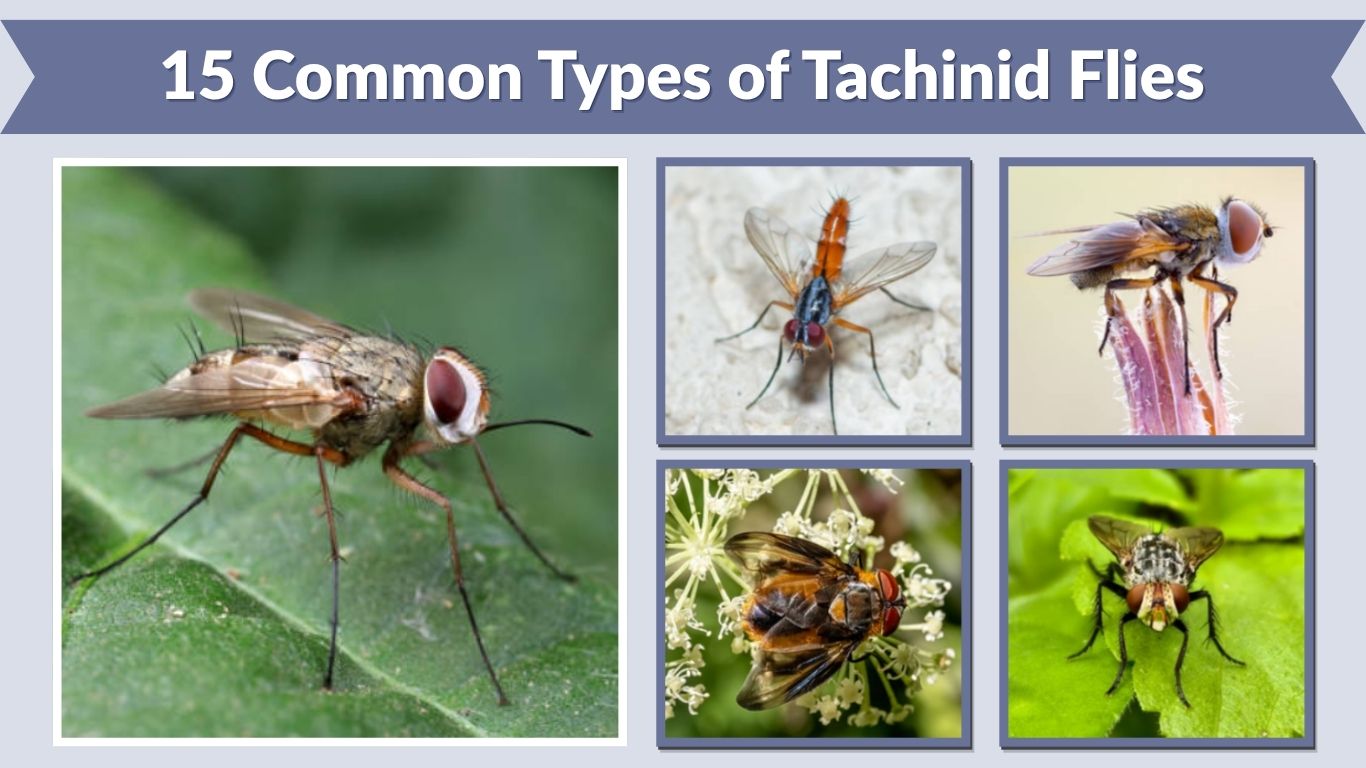
Tachinid flies are a diverse group of insects belonging to the family Tachinidae, one of the largest fly families in the world. Unlike many common flies, tachinid flies are highly beneficial because their larvae develop as parasitoids of various insect pests, helping to naturally regulate populations of caterpillars, beetles, stink bugs, and other harmful species. Found in habitats ranging from forests and meadows to gardens and agricultural fields, these flies play a crucial role in biological pest control. This guide explores 15 common types of tachinid flies, highlighting their unique characteristics, habitats, life cycles, and ecological importance.
1. Common Tachinid Fly (Tachina fera)
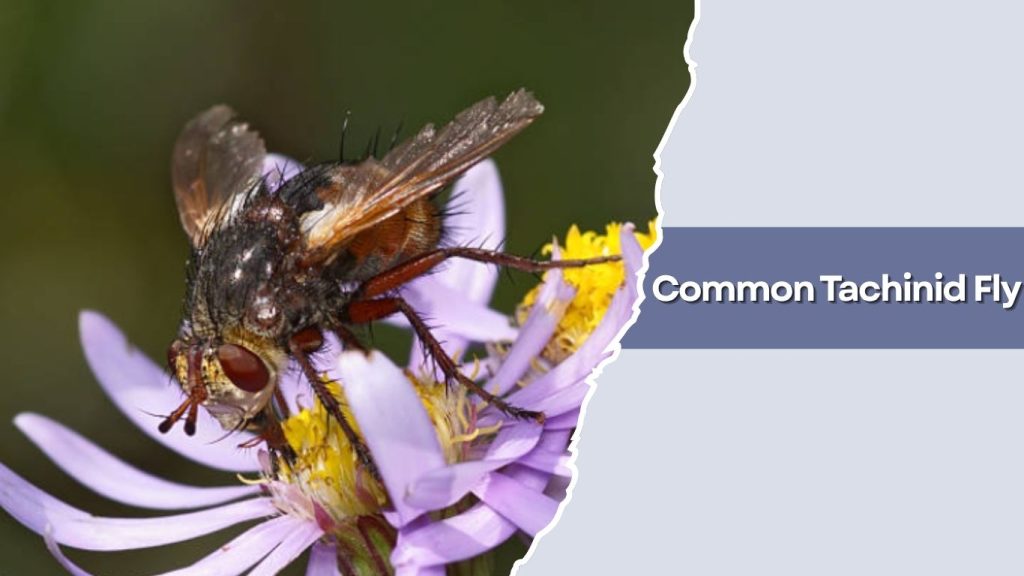
The Common Tachinid Fly (Tachina fera) is one of the most recognizable members of the Tachinidae family. Known for its bristly body and important role in natural pest control, this fly is a parasitoid species whose larvae develop inside other insects. It is commonly found in gardens, meadows, forests, and agricultural landscapes across Europe and parts of Asia. Due to its beneficial impact on pest populations, Tachina fera is considered an important insect in many ecosystems.
Characteristics
- Large, robust body covered with dense bristles
- Black or dark gray coloration
- Distinct orange or yellow markings on the abdomen
- Large reddish-brown compound eyes
- Strong wings with excellent flying ability
- Body length typically ranges from 10–15 mm
- Hairy appearance resembling some bee species
- Prominent facial and thoracic bristles
Habitat and Distribution
The Common Tachinid Fly is widely distributed throughout Europe and parts of Asia. It thrives in a variety of habitats, including grasslands, woodland edges, gardens, parks, and farmland. Adults are often seen visiting flowers where they feed on nectar and pollen. They are most active during spring and summer when host insects are abundant.
Life Cycle and Feeding Behavior
Adult Tachina fera primarily feed on flower nectar, which provides the energy needed for flight and reproduction. Females lay eggs on or near host insects, usually caterpillars of moths and butterflies. After hatching, the larvae enter the host’s body and develop internally, eventually killing the host. This parasitoid lifestyle makes tachinid flies highly effective natural enemies of many pest insects.
Ecological Importance
The Common Tachinid Fly plays a crucial role in biological pest control. By parasitizing caterpillars and other insect pests, it helps reduce crop damage and supports healthy ecosystems. Its presence in gardens and agricultural areas is often beneficial, contributing to a natural balance between pest and predator populations.
2. Large Tachinid Fly (Tachina grossa)
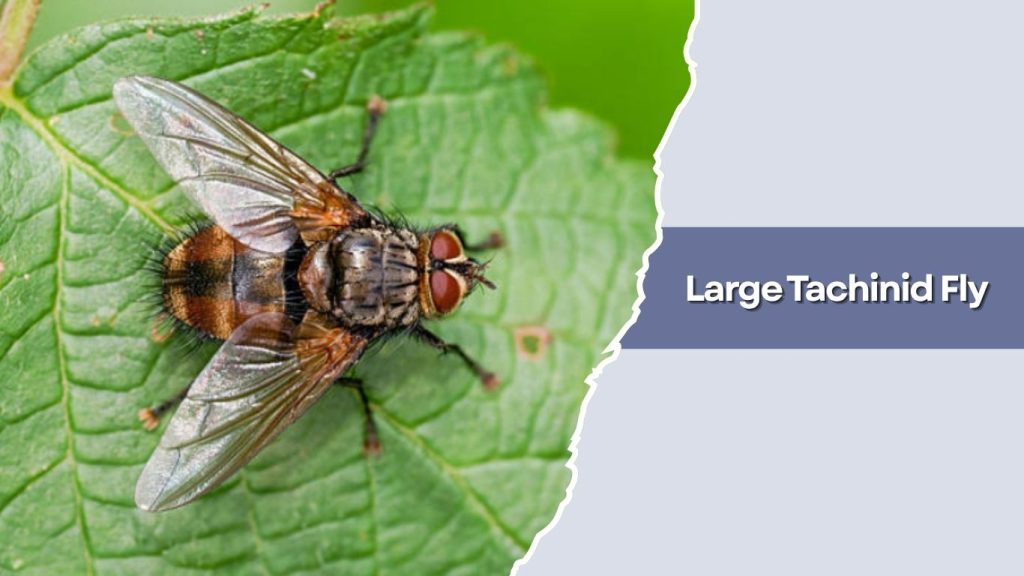
The Large Tachinid Fly (Tachina grossa) is one of the biggest and most impressive tachinid flies in Europe. Its large size, dense body bristles, and loud buzzing flight often cause it to be mistaken for a bumblebee. Like other tachinid flies, it is a parasitoid insect whose larvae develop inside host insects. This species is highly beneficial because it helps control populations of various moth and caterpillar pests.
Characteristics
- One of the largest European tachinid flies
- Body length typically ranges from 15–20 mm
- Black body covered with dense bristles
- Distinct orange or reddish abdomen
- Large reddish-brown compound eyes
- Strong and noisy flight
- Broad wings with dark veins
- Robust, bee-like appearance
Habitat and Distribution
Large Tachinid Flies are found throughout much of Europe. They inhabit woodland edges, meadows, hedgerows, gardens, and grasslands. Adults are commonly seen visiting flowers to feed on nectar, especially during late spring and summer. Areas with abundant caterpillar populations provide ideal breeding conditions for this species.
Life Cycle and Feeding Behavior
Adult flies primarily feed on nectar and pollen from flowering plants. Females lay eggs on vegetation near potential hosts, usually caterpillars of moths. After hatching, the larvae enter the host and feed internally until they complete development. Eventually, the host dies, allowing the larva to pupate and emerge as an adult fly.
Ecological Importance
The Large Tachinid Fly is an important natural enemy of many caterpillar pests. By reducing pest populations, it contributes to healthier ecosystems and supports natural biological control in agricultural and garden environments.
3. Voria Fly (Voria ruralis)
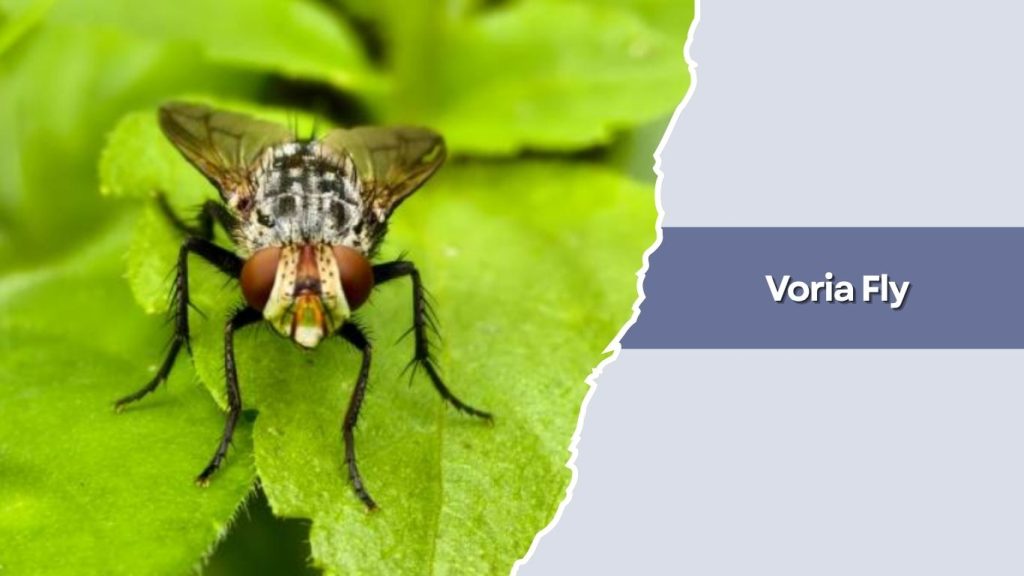
The Voria Fly (Voria ruralis) is a widespread tachinid fly known for its role as a parasitoid of various moth larvae. Although less conspicuous than larger tachinid species, it plays a significant role in regulating insect populations. This fly is commonly found in agricultural areas, grasslands, and natural habitats where suitable host insects occur.
Characteristics
- Medium-sized tachinid fly
- Gray to black body coloration
- Covered with fine bristles
- Large compound eyes
- Transparent wings with strong venation
- Compact and sturdy body structure
- Active flyer and efficient host seeker
- Length typically ranges from 6–12 mm
Habitat and Distribution
Voria ruralis is distributed across Europe, Asia, Africa, and parts of the Americas. It occupies a variety of habitats, including crop fields, meadows, forests, and gardens. Adults are often observed feeding on nectar from flowering plants and are most active during warm seasons.
Life Cycle and Feeding Behavior
Adult Voria Flies rely on nectar and pollen as food sources. Females lay eggs on or near caterpillar hosts, particularly moth larvae. After hatching, the larvae penetrate the host and develop internally. The growing larva consumes the host’s tissues while avoiding vital organs until the final stages of development, ultimately killing the host.
Ecological Importance
The Voria Fly is considered a valuable biological control agent because it parasitizes numerous agricultural pest species. Its natural regulation of caterpillar populations helps reduce crop damage and supports environmentally friendly pest management strategies.
4. Compsilura Fly (Compsilura concinnata)
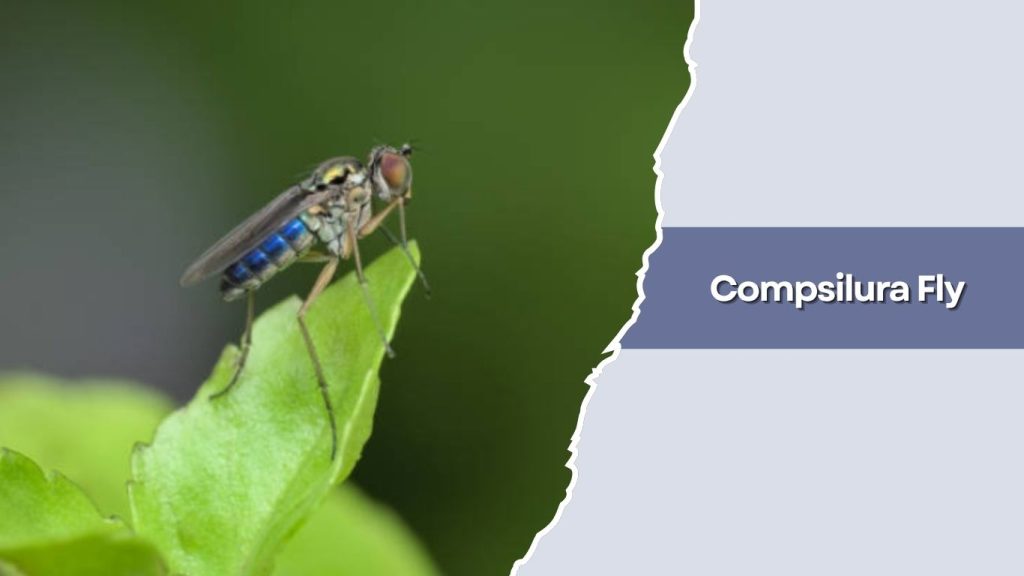
The Compsilura Fly (Compsilura concinnata) is a well-known tachinid fly recognized for its ability to parasitize a wide variety of caterpillar species. Native to Europe and Asia, it has also been introduced to North America for biological pest control. This adaptable parasitoid plays an important role in regulating insect populations and is commonly found in forests, gardens, and agricultural landscapes.
Characteristics
- Medium-sized tachinid fly
- Gray to dark gray body coloration
- Slender abdomen with scattered bristles
- Large reddish-brown compound eyes
- Transparent wings with noticeable veins
- Strong and active flyer
- Body length typically ranges from 6–12 mm
- Adapted to parasitize numerous host species
Habitat and Distribution
Compsilura Flies are widely distributed across Europe, Asia, and North America. They inhabit forests, woodlands, parks, gardens, and agricultural areas. Adults are commonly seen visiting flowers for nectar and are most active during warm weather when host insects are abundant.
Life Cycle and Feeding Behavior
Adult flies feed primarily on nectar and other sugary substances. Females lay eggs directly on host caterpillars and other insect larvae. Once hatched, the larvae enter the host’s body and develop internally. The host eventually dies as the parasitoid completes its development and emerges to pupate.
Ecological Importance
The Compsilura Fly is valued for its role in controlling populations of caterpillars and other insect pests. Its broad host range makes it an effective natural enemy, although in some regions it may also affect non-target native species.
5. Archytas Fly (Archytas marmoratus)
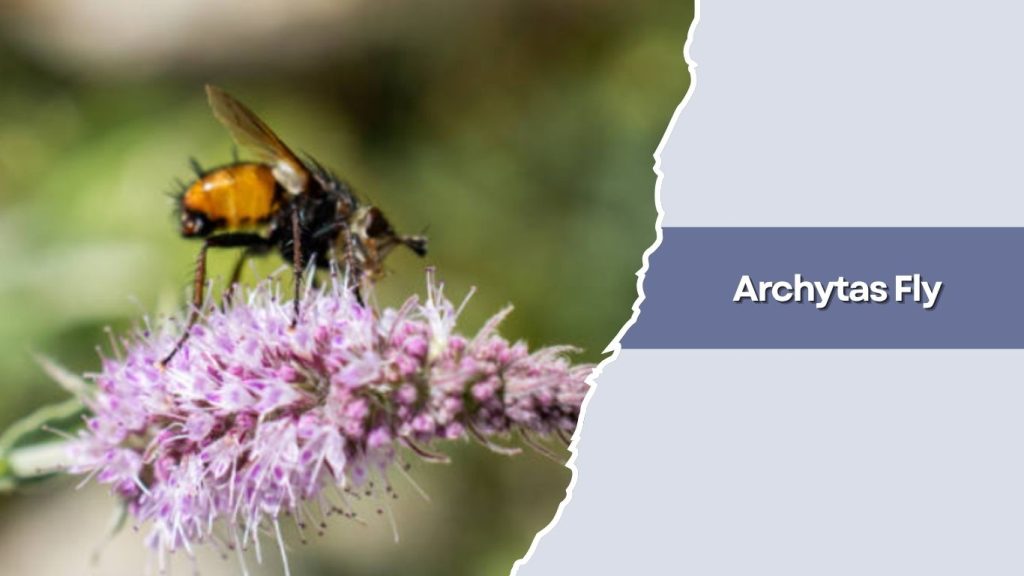
The Archytas Fly (Archytas marmoratus) is one of the largest tachinid flies in the Americas. It is known for its metallic appearance, robust body, and importance as a parasitoid of agricultural pests. This species is frequently found in fields, gardens, and natural habitats where host insects are available.
Characteristics
- Large and robust body structure
- Metallic blue, green, or black sheen
- Dense covering of bristles
- Large reddish-brown eyes
- Strong wings suited for long-distance flight
- Broad thorax and abdomen
- Body length typically ranges from 12–18 mm
- Powerful and active flyer
Habitat and Distribution
Archytas Flies are widely distributed throughout North, Central, and South America. They inhabit agricultural fields, grasslands, forests, gardens, and open countryside. Adults are often observed visiting flowers for nectar and can be active throughout much of the growing season.
Life Cycle and Feeding Behavior
Adult Archytas Flies feed mainly on nectar and plant-derived sugars. Females deposit eggs near or on host insects, particularly caterpillars and other larval pests. The emerging larvae enter the host and develop internally, consuming tissues until the host eventually dies. The mature larva then pupates before emerging as an adult.
Ecological Importance
The Archytas Fly is considered a highly beneficial insect due to its role in biological pest control. By targeting caterpillars and other crop-damaging insects, it helps reduce pest populations naturally and supports sustainable agricultural practices.
6. Gymnosoma Fly (Gymnosoma rotundatum)
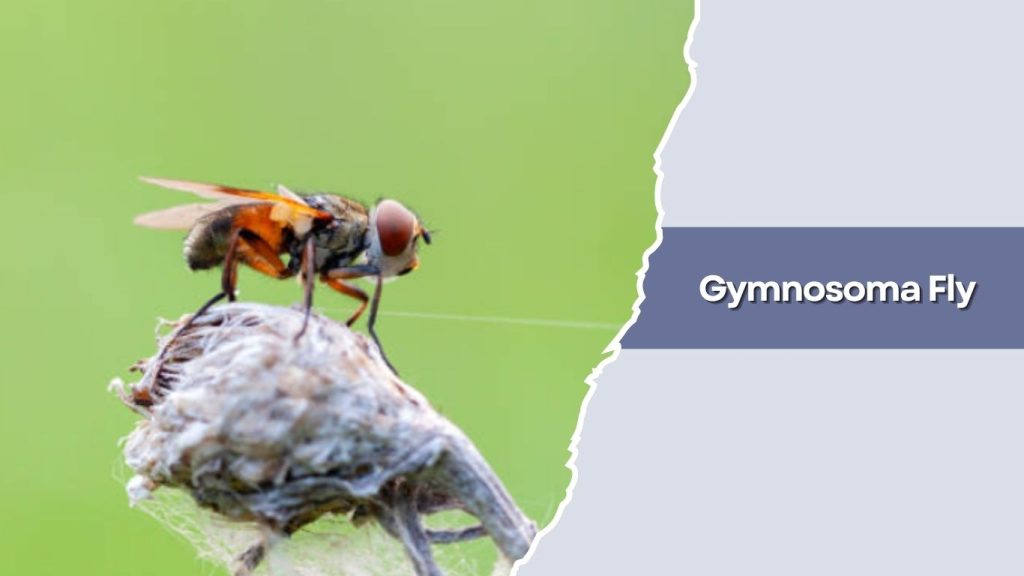
The Gymnosoma Fly (Gymnosoma rotundatum) is a distinctive tachinid fly known for its rounded, brightly colored abdomen and its role as a parasitoid of shield bugs and stink bugs. Unlike many tachinid flies that target caterpillars, this species specializes in parasitizing true bugs. It is commonly found in meadows, grasslands, gardens, and woodland edges where flowering plants are abundant.
Characteristics
- Small to medium-sized tachinid fly
- Rounded, almost spherical abdomen
- Bright orange or reddish abdominal coloration
- Sparse body bristles compared to other tachinids
- Large compound eyes
- Transparent wings with visible veins
- Compact body structure
- Length typically ranges from 5–10 mm
Habitat and Distribution
Gymnosoma Flies are widely distributed throughout Europe, Asia, and parts of North Africa. They inhabit meadows, grasslands, hedgerows, gardens, and agricultural landscapes. Adults are frequently observed feeding on nectar from wildflowers and other flowering plants during spring and summer.
Life Cycle and Feeding Behavior
Adult flies feed mainly on nectar and pollen. Females lay eggs on shield bugs and stink bugs, which serve as hosts for their larvae. After hatching, the larva penetrates the host’s body and develops internally. The host eventually dies as the larva completes its growth and prepares to pupate.
Ecological Importance
Gymnosoma Flies help control populations of shield bugs and stink bugs, some of which are agricultural pests. Their parasitoid lifestyle contributes to natural pest management and supports ecological balance in both natural and cultivated habitats.
7. Epalpus Fly (Epalpus signifer)
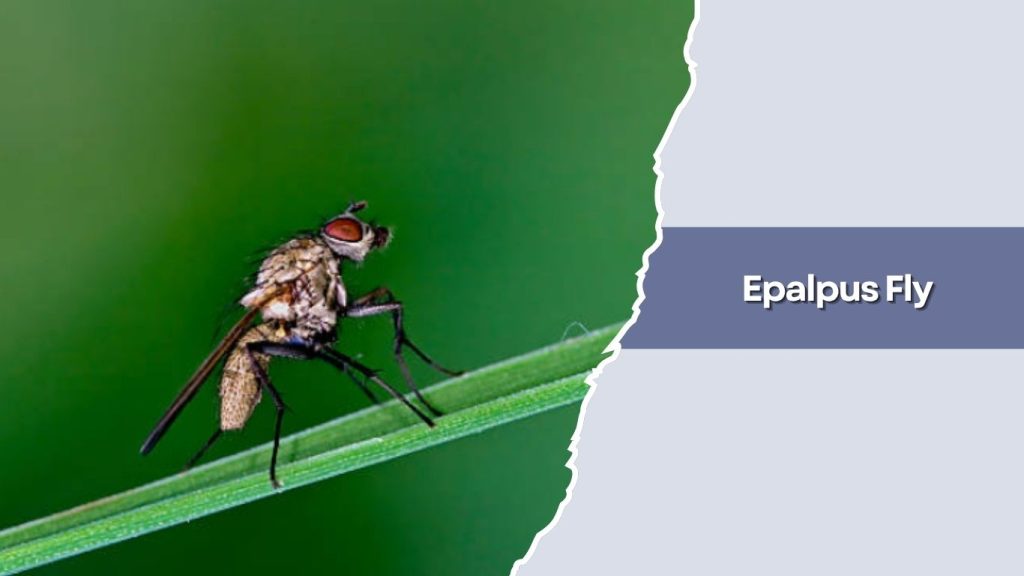
The Epalpus Fly (Epalpus signifer) is a large and bristly tachinid fly found across Europe and parts of Asia. It is recognized for its robust appearance and its role as a parasitoid of beetle larvae and other insects. Although less commonly encountered than some tachinid species, it is an important contributor to natural insect population control.
Characteristics
- Large, robust body covered with bristles
- Dark gray to black coloration
- Broad thorax and abdomen
- Large reddish-brown compound eyes
- Strong wings adapted for active flight
- Prominent facial bristles
- Hairy body appearance
- Length typically ranges from 10–16 mm
Habitat and Distribution
Epalpus Flies are distributed throughout much of Europe and extend into parts of Asia. They are commonly found in forests, woodland edges, meadows, and rural landscapes. Adults often visit flowers to feed on nectar and are most active during the warmer months of the year.
Life Cycle and Feeding Behavior
Adult Epalpus Flies rely on nectar and pollen as their primary food sources. Females seek suitable hosts and deposit eggs near or on them. The larvae develop inside the host insect, feeding internally until the host dies. After completing development, the larva pupates and later emerges as an adult fly.
Ecological Importance
The Epalpus Fly plays a valuable role in maintaining ecological balance by helping regulate populations of various insect species. Its parasitoid behavior contributes to natural biological control and supports healthy ecosystems by limiting the spread of potential pest insects.
8. Winthemia Fly (Winthemia quadripustulata)
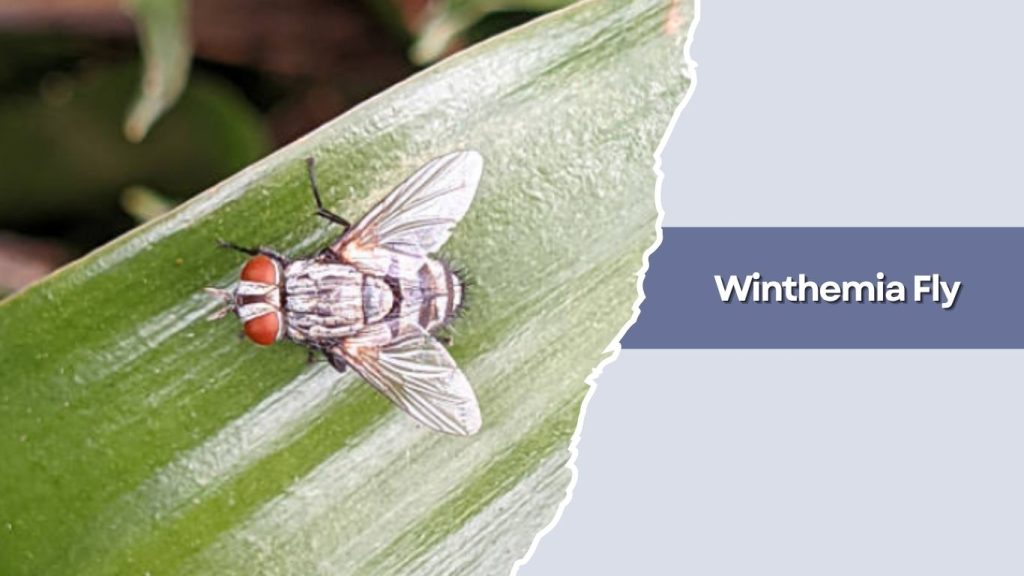
The Winthemia Fly (Winthemia quadripustulata) is a widespread tachinid fly known for parasitizing various caterpillar species. It is considered a beneficial insect because it naturally helps control populations of moth larvae that can damage crops and ornamental plants. Although relatively small, this fly plays a significant role in biological pest management across many ecosystems.
Characteristics
- Medium-sized tachinid fly
- Gray to black body coloration
- Covered with fine bristles
- Large reddish-brown compound eyes
- Transparent wings with visible venation
- Slender abdomen with subtle markings
- Active and agile flyer
- Body length typically ranges from 6–12 mm
Habitat and Distribution
Winthemia Flies are found throughout North America, Europe, and parts of Asia. They inhabit gardens, forests, meadows, agricultural fields, and grasslands. Adults are often seen visiting flowers for nectar and are most active during spring and summer when host caterpillars are abundant.
Life Cycle and Feeding Behavior
Adult flies feed primarily on nectar and other sugary substances. Females deposit eggs on caterpillars, which serve as hosts for developing larvae. Once hatched, the larvae penetrate the host and feed internally. The host eventually dies as the parasitoid completes its development and emerges to pupate.
Ecological Importance
Winthemia Flies are valuable natural enemies of many caterpillar pests. Their parasitoid lifestyle helps reduce pest populations without the need for chemical pesticides, making them important contributors to sustainable agriculture and ecosystem health.
9. Phasia Fly (Phasia hemiptera)
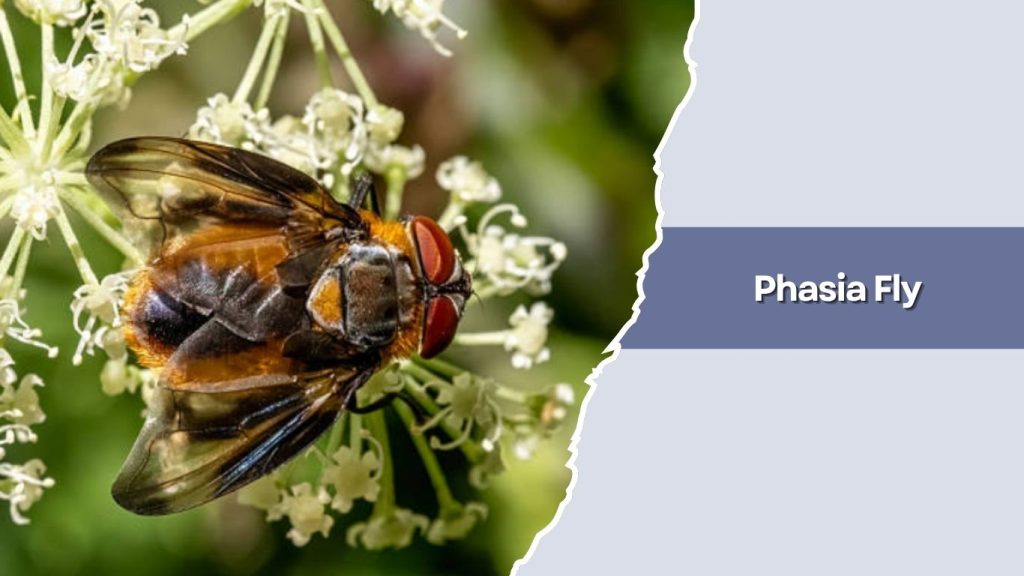
The Phasia Fly (Phasia hemiptera) is a unique tachinid species known for its broad wings and specialization in parasitizing true bugs. Males are particularly distinctive due to their enlarged wings, which give them a butterfly-like appearance during flight. This species is commonly found in open habitats rich in flowering plants and host insects.
Characteristics
- Small to medium-sized tachinid fly
- Broad, patterned wings in males
- Compact body structure
- Dark body with subtle coloration
- Large compound eyes
- Fine body bristles
- Strong and agile flight
- Length typically ranges from 5–10 mm
Habitat and Distribution
Phasia Flies are widely distributed across Europe, Asia, and parts of North Africa. They prefer grasslands, meadows, farmland, hedgerows, and gardens. Adults frequently visit flowers to feed on nectar and are commonly active during warm months.
Life Cycle and Feeding Behavior
Adult Phasia Flies feed mainly on nectar from flowering plants. Females lay eggs on shield bugs and related true bugs. The larvae hatch and enter the host’s body, where they develop internally. As the parasitoid grows, the host weakens and eventually dies, allowing the mature larva to pupate.
Ecological Importance
Phasia Flies help regulate populations of shield bugs and other true bugs, some of which are agricultural pests. Their natural pest-control role supports biodiversity and reduces the need for chemical pest management methods in agricultural and natural ecosystems.
10. Cylindromyia Fly (Cylindromyia bicolor)
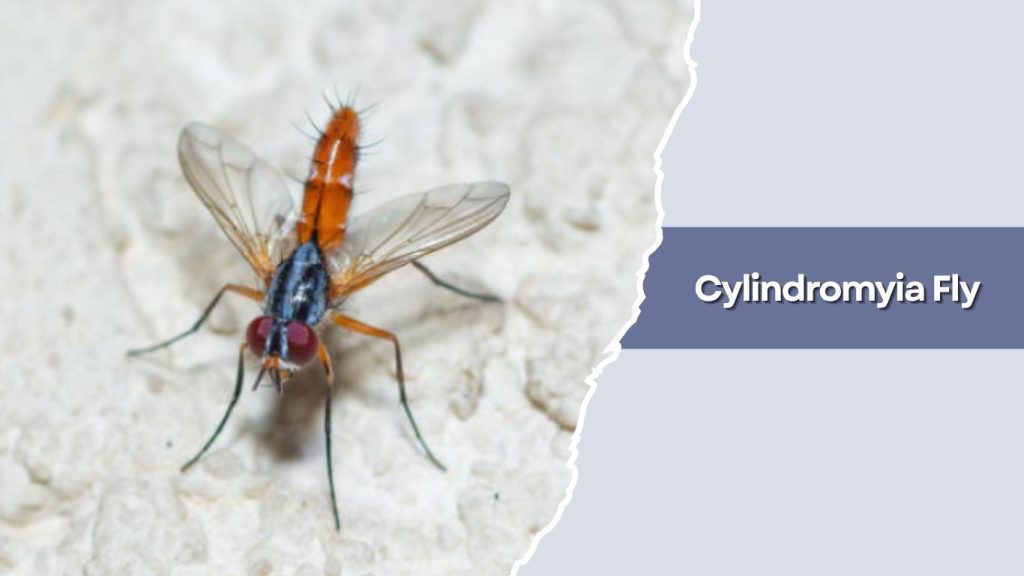
The Cylindromyia Fly (Cylindromyia bicolor) is a slender and distinctive tachinid fly recognized for its elongated abdomen and parasitoid lifestyle. Like several other members of the Tachinidae family, it primarily targets true bugs, particularly shield bugs and stink bugs. This species is commonly found in flower-rich habitats where adults feed on nectar and search for hosts. Its role in controlling bug populations makes it an important beneficial insect in many ecosystems.
Characteristics
- Slender, elongated body shape
- Distinctive cylindrical abdomen
- Black body with reddish or orange markings
- Large compound eyes
- Fine body bristles
- Transparent wings with clear venation
- Agile and active flyer
- Length typically ranges from 6–12 mm
Habitat and Distribution
Cylindromyia Flies are distributed across Europe, Asia, and parts of North America. They are commonly found in meadows, grasslands, woodland edges, gardens, and agricultural areas. Adults are frequently seen visiting flowers, especially during the summer months when nectar sources are abundant.
Life Cycle and Feeding Behavior
Adult flies feed mainly on nectar and pollen. Females lay eggs on shield bugs and stink bugs, which serve as hosts for their developing larvae. After hatching, the larvae enter the host’s body and develop internally. The host eventually dies as the parasitoid completes its life cycle and emerges as an adult.
Ecological Importance
Cylindromyia Flies help regulate populations of shield bugs and stink bugs, some of which are harmful to crops. Their parasitoid behavior contributes to natural pest management and supports ecological balance in agricultural and natural habitats.
11. Exorista Fly (Exorista larvarum)
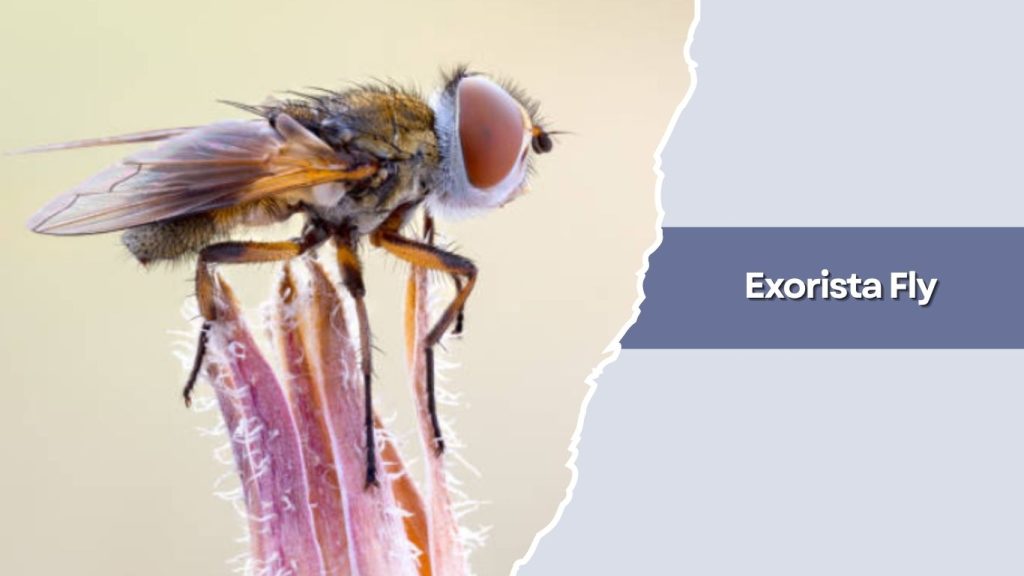
The Exorista Fly (Exorista larvarum) is one of the most studied tachinid flies due to its effectiveness as a biological control agent. This species parasitizes numerous caterpillar pests and is widely recognized for its contribution to natural pest suppression. It is commonly found in gardens, forests, grasslands, and agricultural environments.
Characteristics
- Medium-sized, bristly body
- Gray to black coloration
- Large reddish-brown compound eyes
- Dense body hairs and bristles
- Strong wings for active flight
- Broad thorax and abdomen
- Highly adaptable parasitoid species
- Length typically ranges from 8–14 mm
Habitat and Distribution
Exorista Flies occur throughout Europe, Asia, and parts of Africa. They inhabit meadows, farmland, woodland edges, parks, and gardens. Adults are frequently attracted to flowering plants where they feed on nectar. They are most active during warm seasons when host caterpillars are plentiful.
Life Cycle and Feeding Behavior
Adult Exorista Flies feed primarily on nectar and plant sugars. Females lay eggs directly on caterpillars and other suitable hosts. The larvae hatch and penetrate the host’s body, feeding internally while developing. Eventually, the host dies, and the mature larva pupates before emerging as an adult fly.
Ecological Importance
The Exorista Fly is highly valued in biological pest control programs because it targets a wide range of crop-damaging caterpillars. Its ability to naturally reduce pest populations helps support sustainable agriculture and decreases reliance on chemical pesticides.
12. Gonia Fly (Gonia capitata)
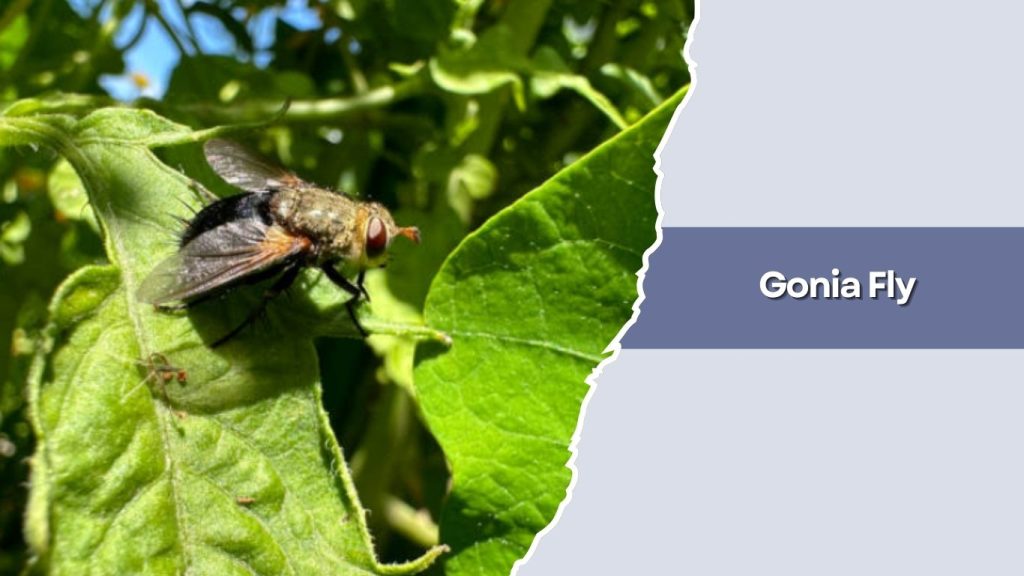
The Gonia Fly (Gonia capitata) is a robust tachinid fly widely known for its parasitoid relationship with moth and butterfly caterpillars. This species is commonly found in grasslands, meadows, and agricultural landscapes where host insects are abundant. Like many tachinid flies, it plays an important role in natural pest control by helping regulate populations of herbivorous insects.
Characteristics
- Medium to large-sized tachinid fly
- Gray or black body covered with bristles
- Broad thorax and rounded abdomen
- Large reddish-brown compound eyes
- Strong wings for active flight
- Distinct facial bristles
- Robust body structure
- Length typically ranges from 10–15 mm
Habitat and Distribution
Gonia Flies are distributed throughout Europe, Asia, and parts of North Africa. They inhabit meadows, grasslands, woodland edges, gardens, and farmland. Adults are frequently observed feeding on nectar from flowers and are most active during spring and summer.
Life Cycle and Feeding Behavior
Adult Gonia Flies primarily consume nectar and pollen. Females lay eggs on foliage near potential caterpillar hosts. When the eggs hatch, the larvae are ingested by feeding caterpillars and begin developing inside the host. The parasitoid eventually kills the host before pupating and emerging as an adult fly.
Ecological Importance
Gonia Flies are beneficial insects that naturally suppress caterpillar populations. Their parasitoid lifestyle helps reduce crop damage and supports environmentally friendly pest management practices in both natural and agricultural ecosystems.
13. Peleteria Fly (Peleteria rubescens)
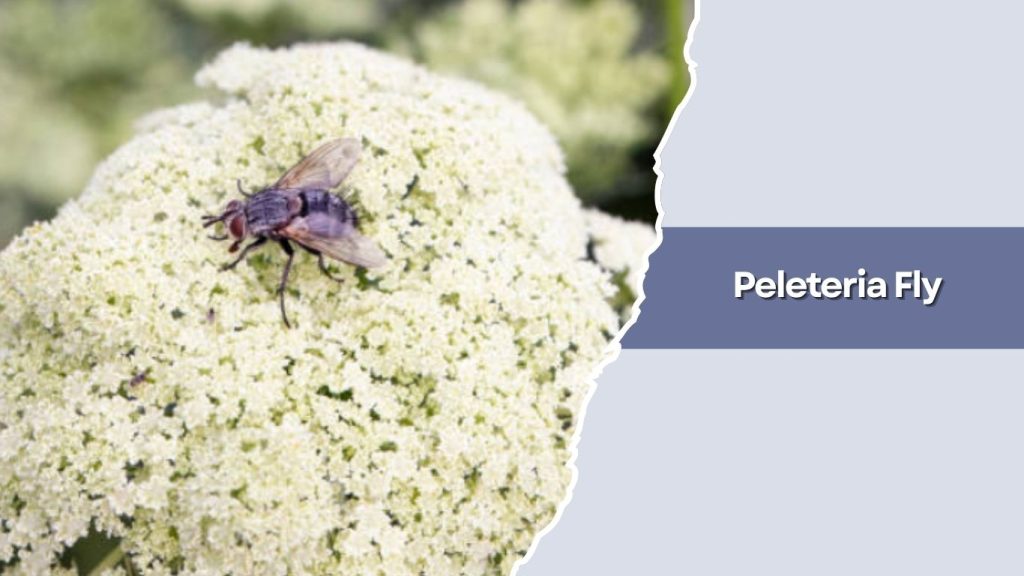
The Peleteria Fly (Peleteria rubescens) is a striking tachinid species recognized for its bristly body and reddish coloration. It is a parasitoid of various moth larvae and is often found in open habitats rich in flowering plants. This fly contributes significantly to the natural control of insect populations and is considered a valuable part of many ecosystems.
Characteristics
- Medium-sized bristly fly
- Gray-black body with reddish abdominal tones
- Large compound eyes
- Dense body hairs and bristles
- Broad thorax and sturdy abdomen
- Transparent wings with distinct veins
- Strong and active flyer
- Length typically ranges from 8–14 mm
Habitat and Distribution
Peleteria Flies are found across Europe, Asia, and parts of North Africa. They inhabit grasslands, meadows, woodland clearings, agricultural fields, and gardens. Adults are commonly seen feeding on nectar from a variety of flowering plants during the warmer months.
Life Cycle and Feeding Behavior
Adult flies rely mainly on nectar and pollen for nourishment. Females lay eggs on or near suitable caterpillar hosts. After hatching, the larvae enter the host and develop internally while feeding on its tissues. Once development is complete, the host dies, and the larva pupates before emerging as an adult.
Ecological Importance
The Peleteria Fly plays an important role in biological pest control by targeting caterpillars that can damage crops and native vegetation. Its natural regulation of pest populations helps maintain ecological balance and supports sustainable agricultural practices.
14. Trichopoda Fly (Trichopoda pennipes)
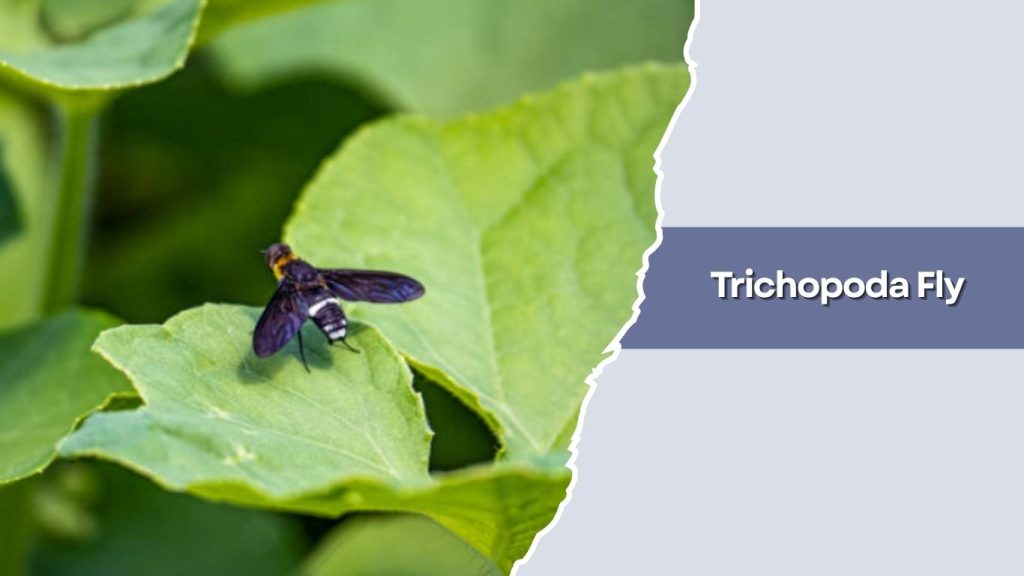
The Trichopoda Fly (Trichopoda pennipes) is one of the most distinctive tachinid flies due to its feather-like hind legs. Often called the Feather-Legged Fly, it is a beneficial parasitoid that primarily targets stink bugs and leaf-footed bugs. This colorful species is commonly seen visiting flowers and is widely appreciated for its role in natural pest control.
Characteristics
- Distinctive feather-like hairs on the hind legs
- Bright orange, yellow, and black coloration
- Slender body structure
- Large compound eyes
- Transparent wings with dark markings
- Active daytime flyer
- Fine body bristles
- Length typically ranges from 8–13 mm
Habitat and Distribution
Trichopoda Flies are found throughout North, Central, and South America. They inhabit gardens, agricultural fields, meadows, grasslands, and woodland edges. Adults are frequently observed feeding on nectar from flowering plants and are especially common in areas where stink bugs are abundant.
Life Cycle and Feeding Behavior
Adult flies feed primarily on nectar and pollen. Females lay eggs directly on stink bugs and leaf-footed bugs. After hatching, the larvae penetrate the host and develop internally. As the parasitoid grows, the host weakens and eventually dies. The mature larva then pupates before emerging as an adult fly.
Ecological Importance
Trichopoda Flies are highly beneficial because they help control populations of stink bugs and other agricultural pests. Their natural pest-control abilities reduce the need for chemical pesticides and support healthier ecosystems.
15. Parasetigena Fly (Parasetigena silvestris)
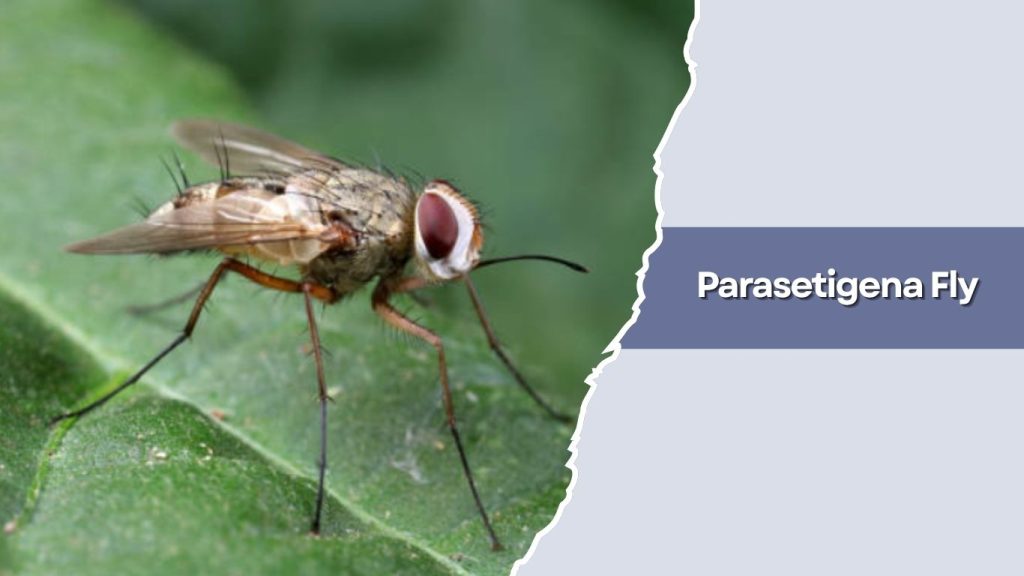
The Parasetigena Fly (Parasetigena silvestris) is a parasitoid tachinid fly best known for targeting forest caterpillars, particularly species that can cause significant defoliation. It is an important natural enemy of various moth larvae and contributes to maintaining healthy forest ecosystems. Although not commonly noticed by the public, it plays a vital role in biological control.
Characteristics
- Medium-sized tachinid fly
- Gray to dark gray body coloration
- Covered with fine bristles
- Broad thorax and elongated abdomen
- Large reddish-brown compound eyes
- Strong wings for efficient flight
- Robust body structure
- Length typically ranges from 8–15 mm
Habitat and Distribution
Parasetigena Flies are distributed across Europe and parts of Asia. They are most commonly found in forests, woodland edges, parks, and areas with abundant caterpillar populations. Adults are often seen visiting flowers for nectar during the warmer months.
Life Cycle and Feeding Behavior
Adult Parasetigena Flies feed on nectar and other sugary plant resources. Females deposit eggs on or near caterpillar hosts. Once hatched, the larvae enter the host’s body and begin feeding internally. The host eventually dies as the parasitoid completes its development, after which the larva pupates and later emerges as an adult fly.
Ecological Importance
Parasetigena Flies play a crucial role in controlling forest pest populations, particularly destructive moth caterpillars. Their parasitoid lifestyle helps reduce outbreaks of defoliating insects, contributing to forest health and ecological stability.
Frequently Asked Questions (FAQs) About Tachinid Flies
1. What is a tachinid fly?
A tachinid fly is a member of the Tachinidae family, a large group of flies whose larvae develop as parasitoids inside other insects.
2. Are tachinid flies harmful to humans?
No, tachinid flies are harmless to humans. They do not bite, sting, or transmit diseases to people.
3. What do adult tachinid flies eat?
Most adult tachinid flies feed on nectar, pollen, honeydew, and other sugary plant substances.
4. Why are tachinid flies considered beneficial?
They help control populations of insect pests by parasitizing caterpillars, beetles, stink bugs, and other harmful insects.
5. How do tachinid flies reproduce?
Female tachinid flies lay eggs on, near, or inside host insects. The larvae hatch and develop within the host, eventually killing it.
6. What insects do tachinid flies parasitize?
Their hosts include caterpillars, moth larvae, beetles, grasshoppers, stink bugs, shield bugs, and many other insects.
7. Where are tachinid flies found?
Tachinid flies occur worldwide and can be found in forests, meadows, gardens, grasslands, parks, and agricultural fields.
8. Do tachinid flies look like houseflies?
Some species resemble houseflies, while others mimic bees, wasps, or bumblebees. Their appearance varies greatly among species.
9. How large are tachinid flies?
Most tachinid flies range from 5–20 mm in length, although size varies depending on the species.
10. Can tachinid flies be used for biological pest control?
Yes. Many tachinid species are valuable biological control agents and help reduce pest populations naturally without pesticides.
11. How can I attract tachinid flies to my garden?
Planting nectar-rich flowers such as dill, fennel, yarrow, goldenrod, and asters can help attract adult tachinid flies.
12. What role do tachinid flies play in ecosystems?
Tachinid flies are important natural regulators of insect populations. They contribute to biodiversity, support ecological balance, and help maintain healthy agricultural and natural environments.