
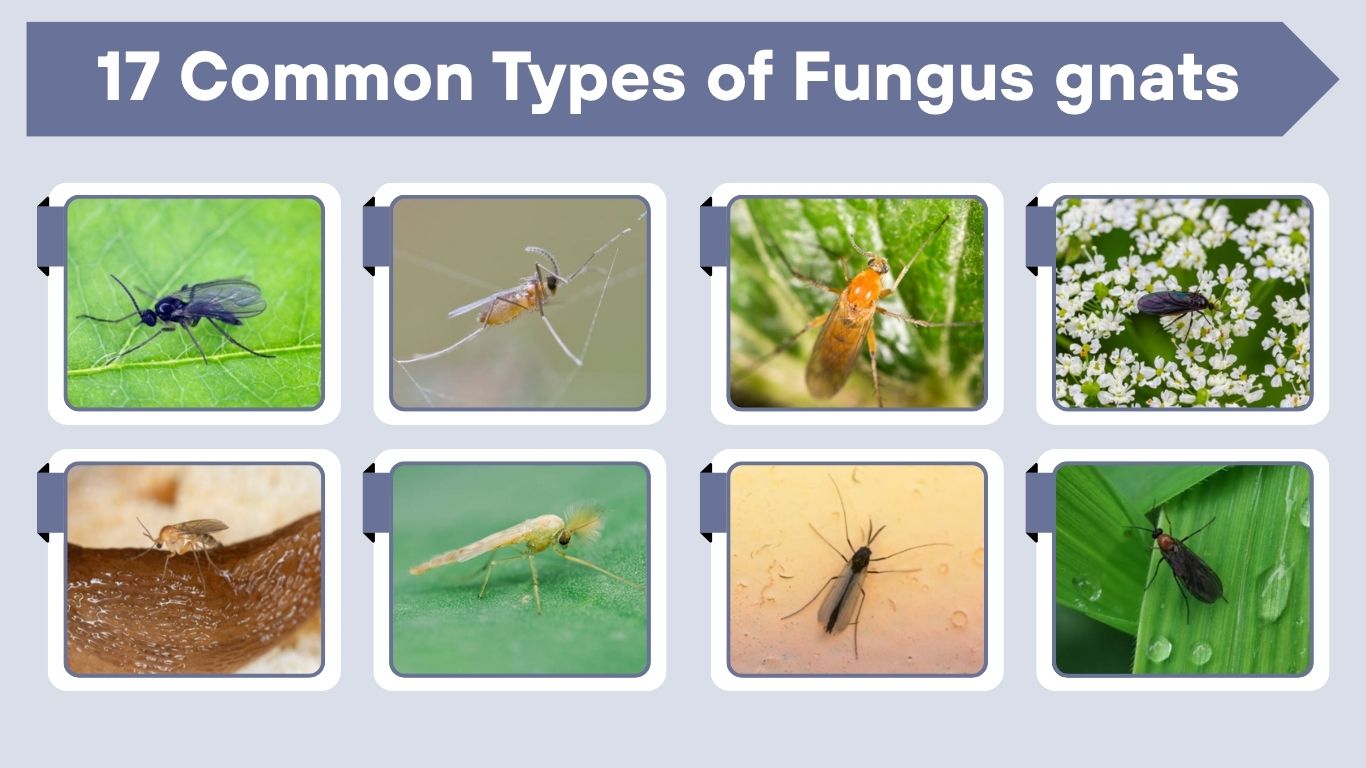
Fungus gnats are small flying insects commonly found in homes, greenhouses, gardens, nurseries, and indoor plant collections. These pests thrive in moist environments where fungi, algae, and organic matter are abundant. While adult fungus gnats are mostly a nuisance, their larvae live in soil and can sometimes damage plant roots, especially in seedlings and young plants. Understanding the different types of fungus gnats can help gardeners, homeowners, and plant enthusiasts identify infestations more accurately. This guide explores 17 common fungus gnats, including their identification, habitat, diet, and life cycle characteristics.
1. Dark-Winged Fungus Gnat
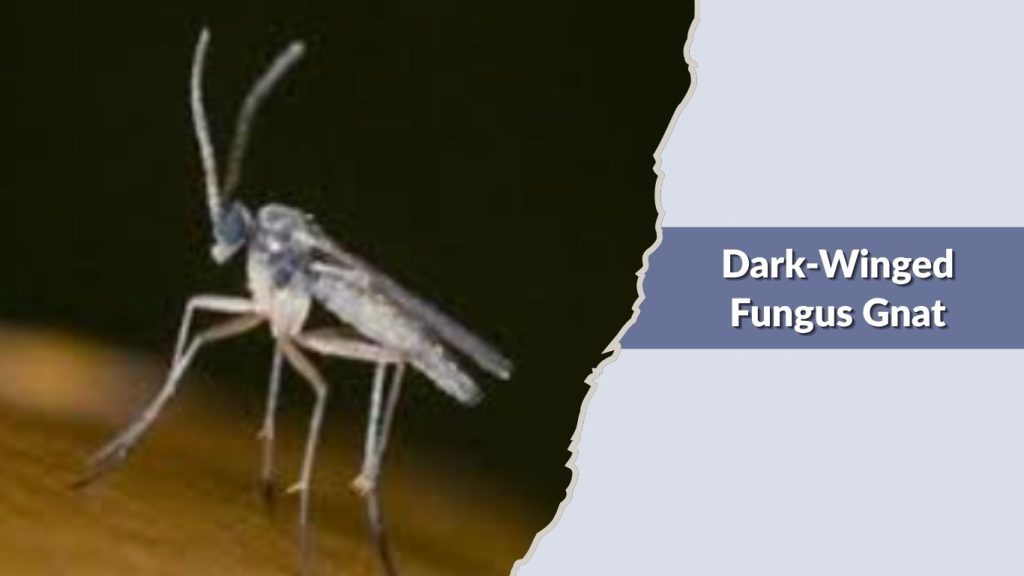
Dark-winged fungus gnats are among the most common fungus gnats found in homes, greenhouses, nurseries, and indoor plant collections. These tiny flies are attracted to moist soil rich in organic matter, where their larvae feed and develop. While adult gnats are mostly a nuisance, large populations can indicate excessive soil moisture and may contribute to plant health problems.
Identification
- Small, mosquito-like body
- Dark gray to black coloration
- Transparent dark-tinted wings
- Long legs and antennae
- Usually 1/8 inch (3–4 mm) long
- Weak, erratic flying behavior
- Frequently seen around potted plants
Habitat
Dark-winged fungus gnats thrive in damp environments where organic matter is abundant. They are commonly found in potting soil, compost piles, greenhouses, nurseries, and overwatered houseplants. Moist conditions provide an ideal environment for egg-laying and larval development, making indoor plant containers a favorite breeding site.
Diet
The larvae primarily feed on fungi, algae, decaying plant material, and organic matter found in moist soil. In heavily infested containers, larvae may also feed on delicate root hairs and young roots. Adult gnats consume very little and generally survive on moisture and organic residues found in their surroundings.
Life Cycle
The life cycle begins when females deposit eggs in moist soil. Eggs hatch into larvae that feed beneath the soil surface for several weeks before pupating. Adult gnats emerge shortly afterward and begin reproducing within a few days. Under favorable conditions, multiple generations can develop throughout the year, especially in warm indoor environments.
2. Greenhouse Fungus Gnat
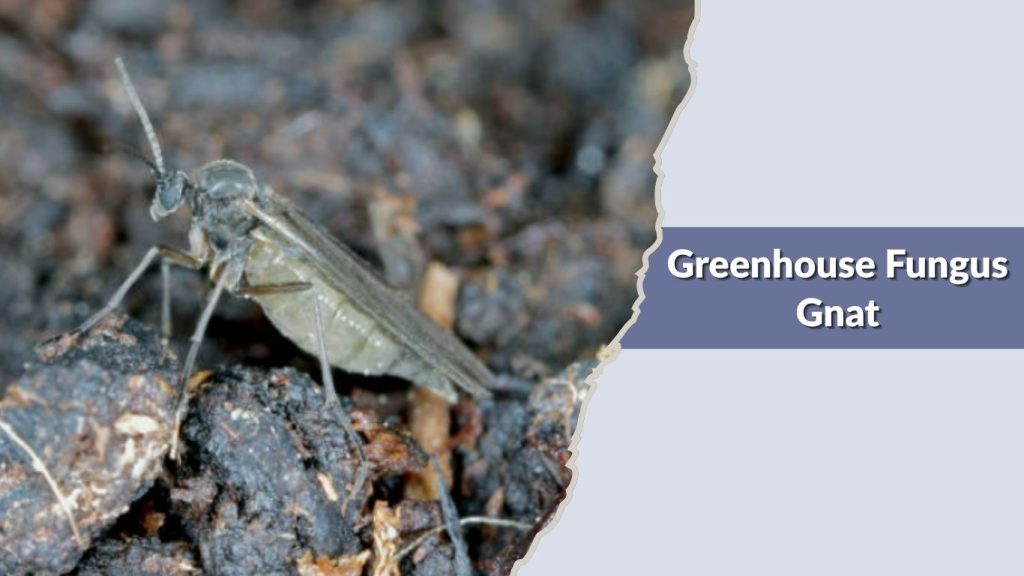
Greenhouse fungus gnats are common pests in commercial greenhouses, plant nurseries, and indoor growing environments. These small flying insects thrive in warm, humid conditions where moisture is consistently available. Their presence often indicates overly wet growing media and excessive organic matter. While adults are primarily a nuisance, larval populations can become problematic when numbers increase significantly.
Identification
- Small black or dark brown body
- Slender, mosquito-like appearance
- Long antennae and legs
- Clear to slightly smoky wings
- Approximately 2–4 mm in length
- Weak fliers that stay close to soil surfaces
- Frequently seen around seedlings and potted plants
Habitat
Greenhouse fungus gnats prefer warm, humid environments with consistently moist soil. They are commonly found in greenhouses, propagation trays, plant nurseries, indoor gardens, and potted plants. Areas containing decaying organic matter and excessive moisture provide ideal conditions for breeding and population growth.
Diet
Larvae feed primarily on fungi, algae, decomposing plant material, and organic matter found in growing media. In severe infestations, they may damage young roots and seedlings by feeding on tender root tissues. Adult gnats consume little food and rely mostly on moisture and nutrients available in their environment.
Life Cycle
Female greenhouse fungus gnats lay eggs in moist growing media where conditions support larval development. After hatching, larvae feed within the soil before entering the pupal stage. Adults emerge from pupae and quickly begin reproducing. In warm greenhouse conditions, the complete life cycle can occur rapidly, allowing multiple generations to develop throughout the year.
3. Common Fungus Gnat
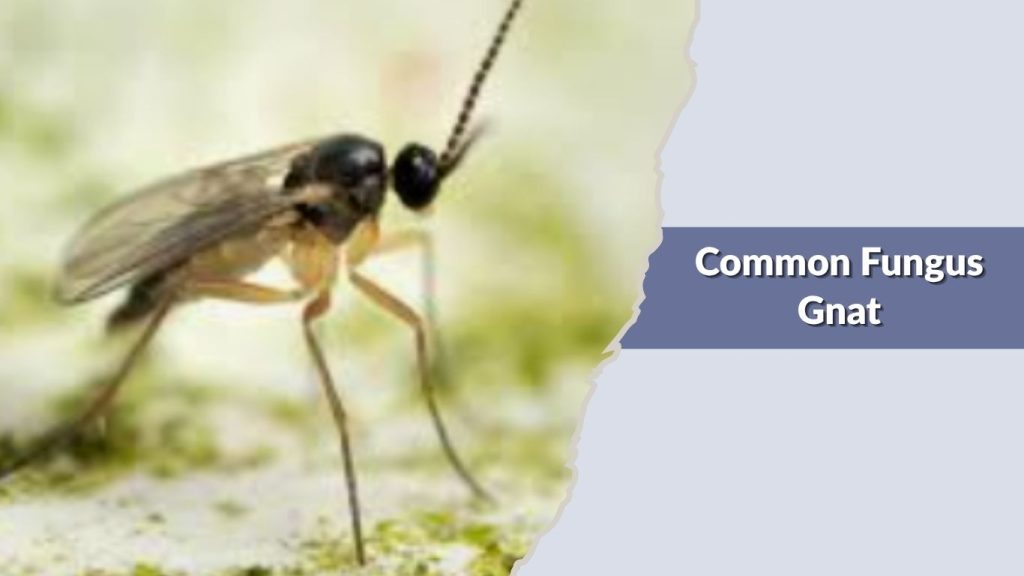
The common fungus gnat is a small flying insect frequently found around houseplants, gardens, greenhouses, and damp indoor spaces. These gnats are attracted to moist soil where fungi and organic matter are abundant. Although adult fungus gnats rarely cause direct harm to plants, their larvae can become problematic when populations are high. Because they reproduce quickly in favorable conditions, common fungus gnats are among the most frequently encountered soil-dwelling pests in homes and plant-growing environments.
Identification
- Tiny black or dark gray body
- Delicate, mosquito-like appearance
- Long legs and thread-like antennae
- Clear wings with visible veins
- Typically 2–5 mm in length
- Weak flyers that stay close to soil
- Often seen hovering around houseplants
Habitat
Common fungus gnats thrive in moist environments rich in organic material. They are frequently found in potted plants, greenhouses, compost bins, gardens, seed trays, and damp indoor areas. Overwatered houseplants provide ideal breeding sites because the consistently moist soil supports both egg-laying and larval development.
Diet
Larvae feed mainly on fungi, algae, decaying organic matter, and microorganisms found in damp soil. In large infestations, they may feed on delicate plant roots and root hairs, particularly in seedlings and young plants. Adult fungus gnats consume little food and primarily survive on moisture and organic residues.
Life Cycle
Female gnats lay eggs in moist soil or organic growing media. After hatching, larvae remain in the soil where they feed and grow before entering the pupal stage. Adults emerge from pupae and begin reproducing shortly afterward. Under warm and humid conditions, the complete life cycle can be completed within a few weeks, allowing populations to increase rapidly.
4. Mushroom House Gnat
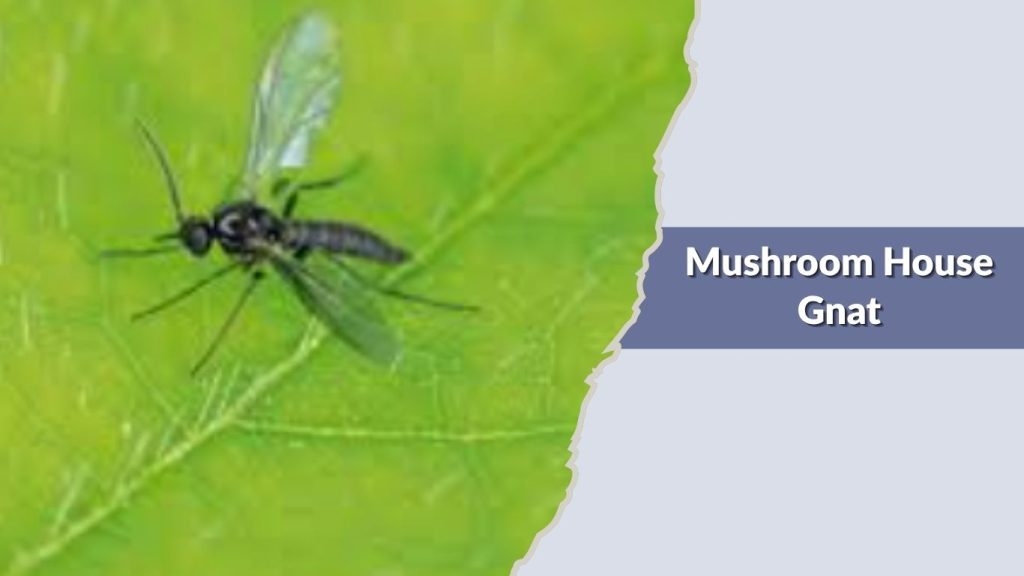
The mushroom house gnat is a fungus gnat species commonly associated with mushroom-growing facilities, greenhouses, compost-rich environments, and indoor plant collections. These small insects are attracted to damp organic matter where fungi thrive. Because their larvae feed on fungal growth and decomposing material, they are frequently found in areas with high humidity and abundant organic substrates. Although adults are mostly a nuisance, heavy infestations can affect mushroom cultivation and young plants.
Identification
- Small black or dark brown body
- Slender, delicate appearance
- Long legs and antennae
- Clear wings with visible veins
- Usually 2–4 mm long
- Weak, hovering flight pattern
- Commonly found near mushrooms and moist soil
Habitat
Mushroom house gnats prefer humid environments rich in fungi and decomposing organic matter. They are commonly found in mushroom farms, greenhouses, compost piles, indoor growing rooms, and overwatered plant containers. Their populations tend to increase rapidly in areas where moisture levels remain consistently high.
Diet
Larvae primarily feed on fungal mycelium, spores, algae, and decaying organic material. In mushroom-growing operations, they may consume developing fungal tissues and contribute to crop damage. Adult gnats feed very little and survive mainly on moisture and nutrients available within their environment.
Life Cycle
Female mushroom house gnats lay eggs in damp organic substrates where fungal growth is abundant. After hatching, larvae feed on available fungi and decomposing material before pupating in the same environment. Adults emerge shortly afterward and begin reproducing within days. Warm temperatures and high humidity allow multiple generations to develop throughout the year.
5. Garden Fungus Gnat
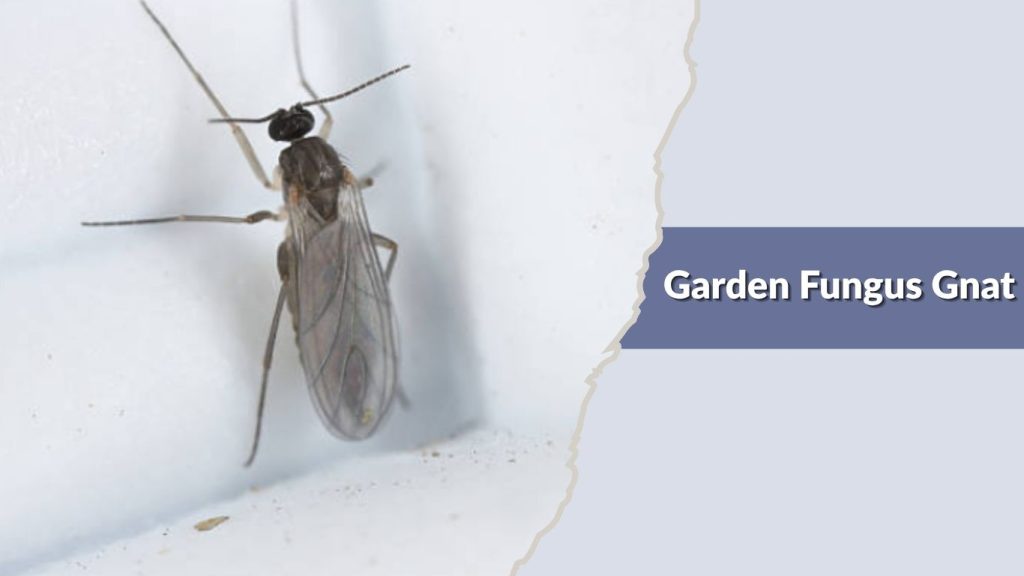
Garden fungus gnats are commonly found in outdoor landscapes, flower beds, vegetable gardens, and areas with rich organic soil. These tiny insects thrive in damp environments where fungi and decomposing plant material are abundant. While adult gnats are mostly harmless, their larvae contribute to the breakdown of organic matter and may occasionally feed on delicate plant roots. Garden fungus gnats are especially common during wet seasons when soil moisture remains consistently high.
Identification
- Small black or dark gray body
- Slender, mosquito-like appearance
- Long legs and antennae
- Transparent wings
- Usually 2–5 mm in length
- Weak flying behavior
- Often seen hovering near garden soil
Habitat
Garden fungus gnats prefer moist garden beds, compost-rich soil, mulch layers, and shaded planting areas. They are especially abundant in locations where organic matter is decomposing and moisture levels remain elevated. Flower gardens, vegetable plots, and landscaped areas provide ideal breeding conditions.
Diet
Larvae feed on fungi, algae, decomposing leaves, plant debris, and organic matter within the soil. In severe infestations, they may also consume fine root hairs and tender roots of young plants. Adult gnats consume very little food and primarily rely on moisture found in their surroundings.
Life Cycle
Female garden fungus gnats deposit eggs in damp soil rich in organic material. The larvae hatch and feed beneath the soil surface before developing into pupae. Adults emerge from the pupal stage and quickly begin reproducing. Warm temperatures and adequate moisture allow several generations to develop during the growing season.
6. Woodland Fungus Gnat
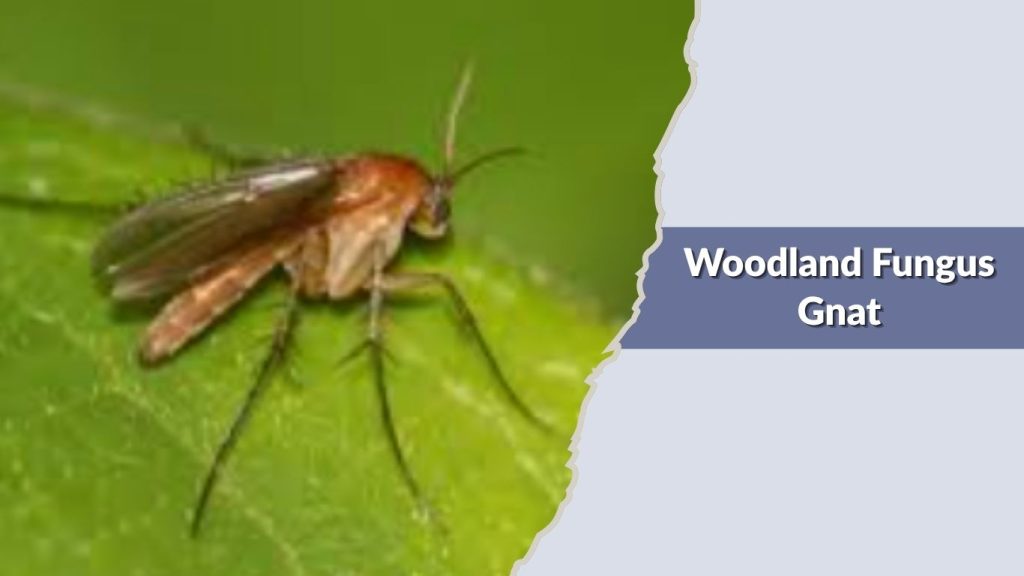
Woodland fungus gnats are small insects commonly found in forests, wooded areas, and natural habitats rich in decaying organic matter. These gnats play an important ecological role by helping break down dead plant material and supporting nutrient cycling within forest ecosystems. Because fungi thrive in moist woodland environments, these insects are often abundant in leaf litter, rotting logs, and shaded forest floors.
Identification
- Small black to dark brown body
- Delicate, slender appearance
- Long antennae and legs
- Clear wings with fine veins
- Usually 2–5 mm long
- Weak flying behavior
- Frequently seen in shaded woodland areas
Habitat
Woodland fungus gnats thrive in damp forests where organic matter continuously accumulates. They are commonly found among fallen leaves, decaying wood, moss-covered areas, and forest soil. Moisture and abundant fungal growth create ideal conditions for both larval development and adult survival.
Diet
Larvae primarily feed on fungi, fungal spores, algae, and decomposing organic matter found within woodland soils. This feeding activity helps accelerate decomposition and contributes to nutrient recycling within forest ecosystems. Adult gnats consume little food and generally depend on moisture and organic residues.
Life Cycle
Female woodland fungus gnats lay eggs in moist forest debris where fungal growth is abundant. After hatching, larvae feed within leaf litter and decaying organic material before entering the pupal stage. Adults emerge from pupae and continue the reproductive cycle. In favorable woodland conditions, multiple generations may develop throughout the warmer months of the year.
7. Marsh Fungus Gnat
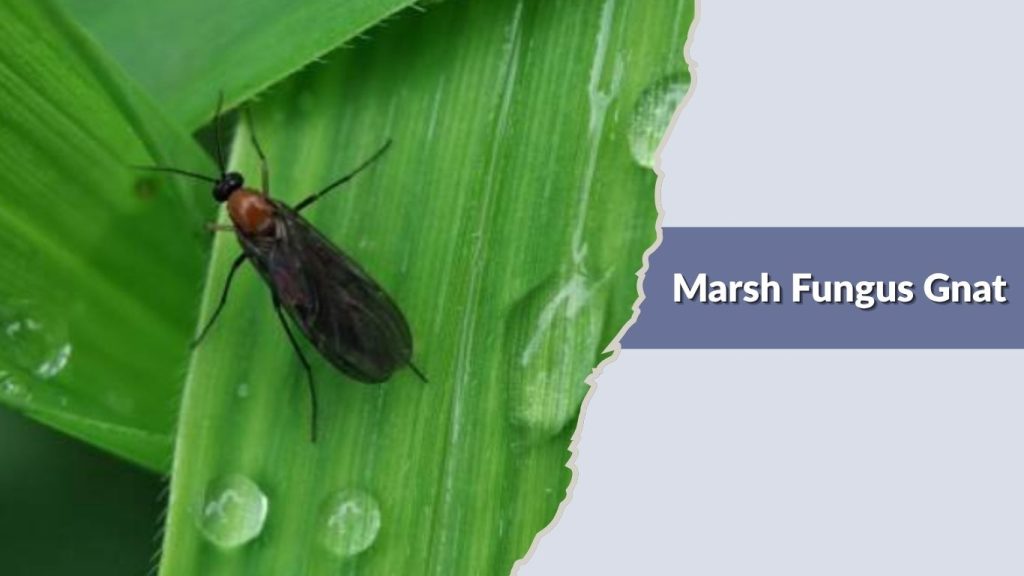
Marsh fungus gnats are moisture-loving insects commonly found in wetlands, marshes, swamps, and other water-rich habitats. These gnats thrive in environments where fungi, algae, and decaying vegetation are abundant. Because marsh ecosystems provide constant humidity and organic material, they support large populations of fungus gnats throughout much of the year. Although rarely noticed by most people, marsh fungus gnats play an important role in decomposition and nutrient recycling within wetland environments.
Identification
- Small dark gray or black body
- Slender, mosquito-like appearance
- Long legs and antennae
- Clear wings with delicate veins
- Usually 2–5 mm in length
- Weak flying behavior
- Commonly found near wet soil and standing water
Habitat
Marsh fungus gnats inhabit wetlands, marshes, swamps, bogs, and areas with permanently moist soil. They are often found among aquatic vegetation, decaying plant material, and damp organic debris. These environments provide ideal conditions for fungal growth, which supports both larval and adult populations.
Diet
Larvae feed primarily on fungi, algae, decomposing vegetation, and organic matter found in saturated soils. Their feeding activities contribute to the natural breakdown of plant material and help maintain nutrient cycling within wetland ecosystems. Adult gnats consume little food and rely largely on moisture-rich environments for survival.
Life Cycle
Female marsh fungus gnats deposit eggs in damp organic substrates near water sources. The larvae hatch and develop within moist soil or decaying vegetation, feeding on fungi and organic material. After completing their growth, they pupate and emerge as adults. In favorable wetland conditions, multiple generations can occur throughout the warmer months of the year.
8. Window Fungus Gnat
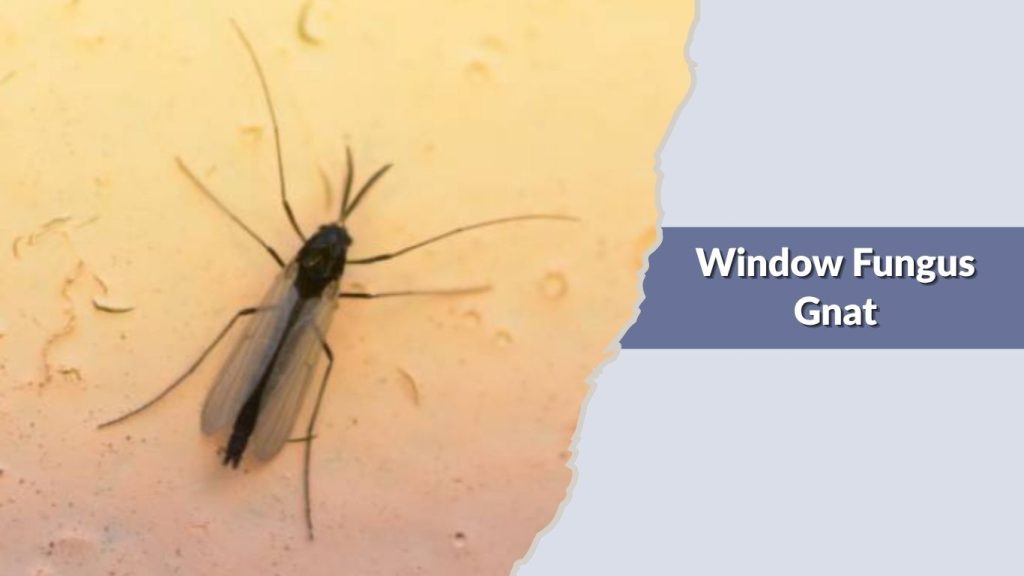
Window fungus gnats are frequently noticed around windows, glass doors, and light sources inside homes and greenhouses. These small flying insects are attracted to natural light, which often causes them to gather on window panes after emerging from nearby houseplants or moist soil. Although they are mostly harmless, their presence can indicate excessive moisture in potting soil or indoor growing environments.
Identification
- Small black or dark gray body
- Delicate mosquito-like appearance
- Long legs and thread-like antennae
- Transparent wings
- Typically 2–4 mm long
- Weak flyers often seen on windows
- Commonly associated with indoor plants
Habitat
Window fungus gnats are commonly found in homes, offices, greenhouses, and indoor gardens. They originate from damp potting soil, seed trays, compost-rich growing media, and other moist environments where fungal growth is abundant. Adults frequently gather near windows because they are attracted to sunlight and bright indoor lighting.
Diet
Larvae feed on fungi, algae, decaying plant matter, and organic material found in moist soil. In larger populations, they may feed on delicate roots and root hairs of seedlings and houseplants. Adult gnats consume little food and survive primarily on moisture and organic residues within their habitat.
Life Cycle
Female window fungus gnats lay eggs in moist potting soil or other organic growing media. The larvae hatch and remain beneath the soil surface, feeding on fungi and organic matter as they develop. After pupation, adults emerge and are often observed near windows and light sources. Warm indoor temperatures allow reproduction to continue throughout the year.
9. Houseplant Fungus Gnat
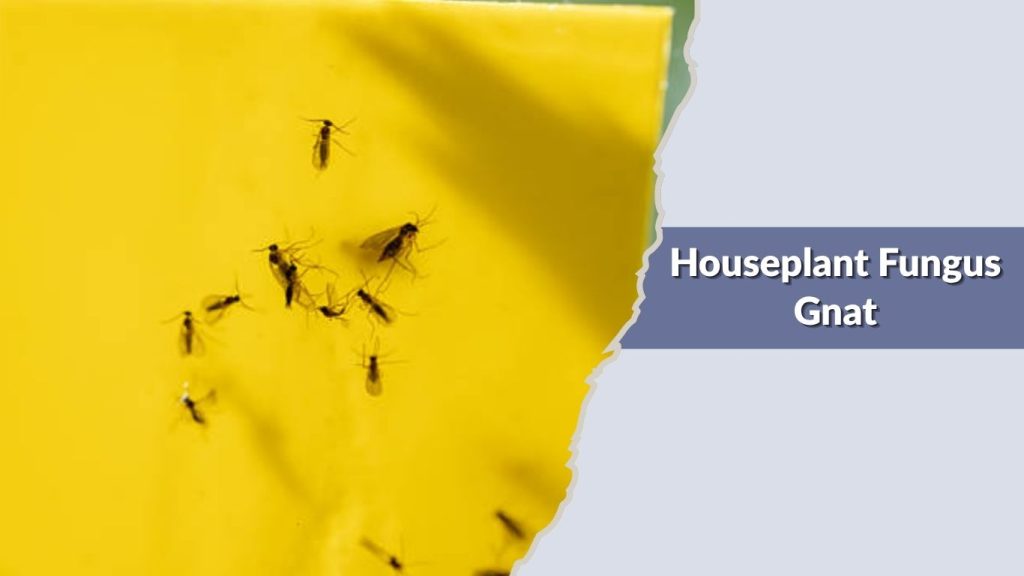
Houseplant fungus gnats are among the most common indoor plant pests. These tiny flies are frequently seen hovering around potted plants, especially when the soil remains consistently moist. While adult gnats are mainly a nuisance, their larvae develop in the soil and may damage delicate roots when infestations become severe. Houseplant fungus gnats are particularly common in homes, apartments, offices, and indoor gardens where overwatering creates ideal breeding conditions.
Identification
- Small black or dark gray body
- Slender, mosquito-like appearance
- Long antennae and legs
- Transparent wings
- Usually 2–4 mm in length
- Weak flying behavior around plants
- Frequently seen near soil surfaces and pots
Habitat
Houseplant fungus gnats thrive in indoor environments with moist potting soil and abundant organic matter. They are commonly found in potted plants, seed-starting trays, indoor herb gardens, and decorative planters. Overwatered containers provide ideal conditions for egg-laying and larval development.
Diet
Larvae feed primarily on fungi, algae, decaying organic matter, and microorganisms found in damp soil. When populations become large, they may also consume fine root hairs and tender roots, potentially affecting plant growth. Adult gnats consume very little food and depend largely on moisture within their environment.
Life Cycle
Female houseplant fungus gnats lay eggs directly into moist potting soil. After hatching, larvae remain underground where they feed and develop before pupating. Adults emerge from the soil and begin reproducing within a short period. In warm indoor conditions, the life cycle can be completed quickly, allowing infestations to persist throughout the year.
10. Compost Fungus Gnat
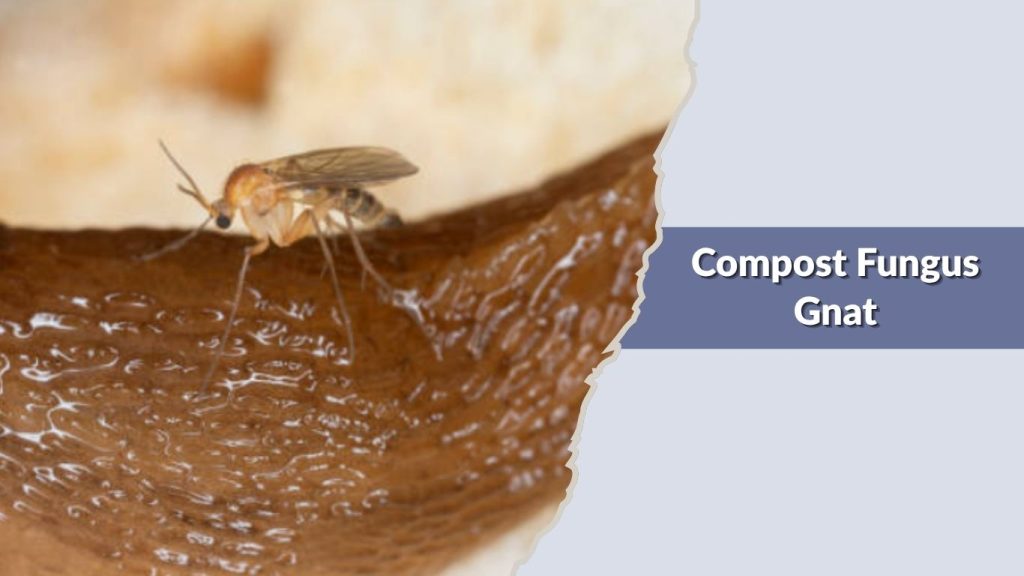
Compost fungus gnats are commonly found in compost piles, organic waste bins, mulch, and areas where plant material is actively decomposing. These insects play a natural role in the decomposition process by helping break down organic matter and supporting fungal communities. Because compost environments provide warmth, moisture, and abundant food sources, they can support large populations of fungus gnats throughout the year.
Identification
- Small dark gray to black body
- Slender, mosquito-like appearance
- Long legs and antennae
- Clear wings with visible veins
- Typically 2–5 mm long
- Weak, hovering flight
- Commonly seen around compost piles
Habitat
Compost fungus gnats thrive in moist organic environments rich in decomposing material. They are frequently found in backyard compost bins, leaf piles, mulch beds, worm composting systems, and commercial compost facilities. Warm temperatures and high humidity create ideal breeding conditions.
Diet
Larvae primarily feed on fungi, fungal spores, algae, bacteria, and decomposing organic matter within compost. Their feeding activity contributes to the natural breakdown of plant waste and helps recycle nutrients back into the environment. Adult gnats consume very little and rely mainly on moisture and organic residues.
Life Cycle
Female compost fungus gnats lay eggs directly into damp compost and decaying organic material. After hatching, larvae feed extensively within the compost before entering the pupal stage. Adults emerge shortly afterward and begin reproducing within a few days. In active compost piles, multiple generations can develop continuously as long as moisture and organic matter remain available.
11. Forest Fungus Gnat
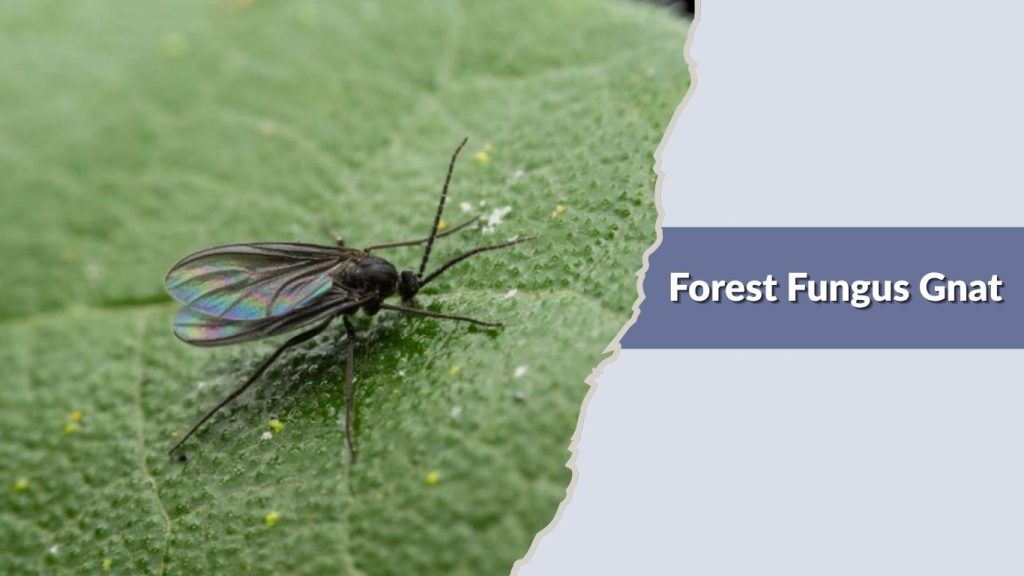
Forest fungus gnats are small insects that inhabit wooded ecosystems where moisture, shade, and organic matter are abundant. These gnats play an important role in forest decomposition by feeding on fungi and decaying vegetation. They are commonly found in leaf litter, rotting logs, forest soil, and other damp environments. Although rarely noticed by casual observers, forest fungus gnats contribute significantly to nutrient cycling and the health of woodland ecosystems.
Identification
- Small black to dark brown body
- Slender, delicate appearance
- Long legs and antennae
- Transparent wings with fine veins
- Usually 2–5 mm in length
- Weak flying behavior
- Commonly seen in shaded forest environments
Habitat
Forest fungus gnats thrive in moist woodland habitats rich in fungi and decomposing organic matter. They are frequently found beneath fallen leaves, around rotting tree stumps, inside decaying logs, and within damp forest soils. The cool, humid conditions of forests provide ideal breeding and feeding environments.
Diet
Larvae primarily feed on fungal growth, spores, algae, and decomposing organic material found within forest ecosystems. This feeding activity helps break down plant debris and supports nutrient recycling. Adult gnats consume very little food and depend mainly on moisture and naturally occurring organic substances.
Life Cycle
Female forest fungus gnats lay eggs in damp woodland debris where fungal growth is abundant. The larvae hatch and feed within leaf litter, decaying wood, and soil before entering the pupal stage. Adults emerge shortly afterward and continue the reproductive cycle. Favorable environmental conditions allow several generations to develop during the warmer months of the year.
12. Yellow Fungus Gnat
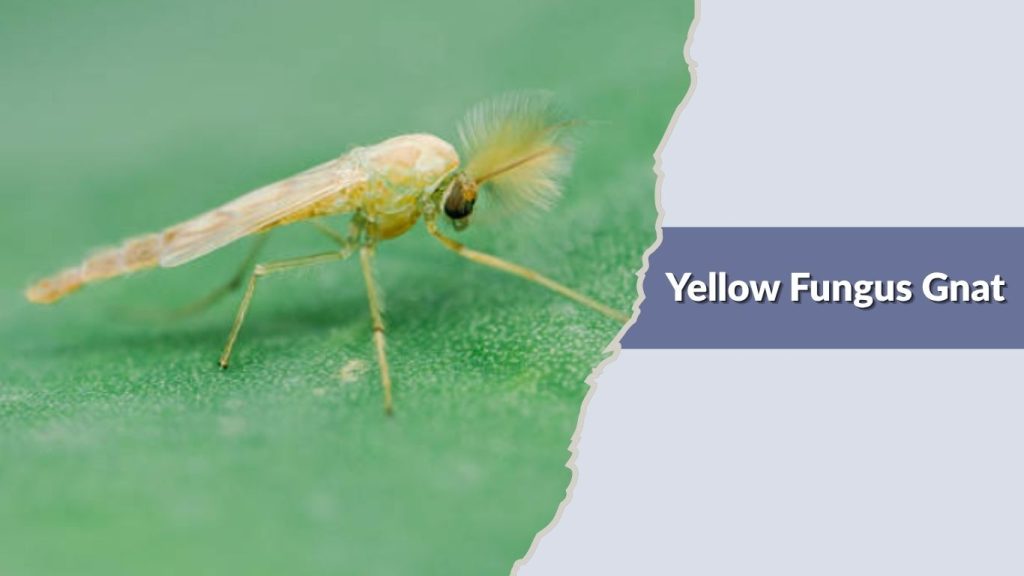
Yellow fungus gnats are small fungus-feeding flies recognized by their lighter yellowish-brown coloration compared to the darker species commonly found around houseplants and greenhouses. These insects are attracted to moist environments where fungi, algae, and decomposing organic matter are abundant. Although adult yellow fungus gnats are mostly harmless, their larvae can become problematic in heavily infested soils, particularly around young plants and seedlings.
Identification
- Yellowish-brown to light brown body
- Slender, mosquito-like appearance
- Long antennae and legs
- Clear wings
- Typically 2–4 mm in length
- Weak flying behavior
- Commonly found near damp soil and organic matter
Habitat
Yellow fungus gnats thrive in moist environments rich in fungi and decomposing plant material. They are commonly found in greenhouses, nurseries, indoor plant containers, compost piles, mulch beds, and garden soils. Areas with excessive moisture and organic debris provide ideal breeding conditions for their populations.
Diet
Larvae feed on fungi, fungal spores, algae, decaying plant matter, and microorganisms present in moist soil. In larger infestations, they may also feed on delicate root hairs and young plant roots. Adult gnats consume very little food and survive mainly on moisture and nutrients available in their surroundings.
Life Cycle
Female yellow fungus gnats lay eggs in damp soil or organic substrates where fungal growth is abundant. After hatching, larvae feed within the growing medium until they mature and enter the pupal stage. Adults emerge shortly afterward and begin reproducing within a few days. Warm temperatures and consistent moisture allow several generations to develop throughout the year.
13. Black Fungus Gnat
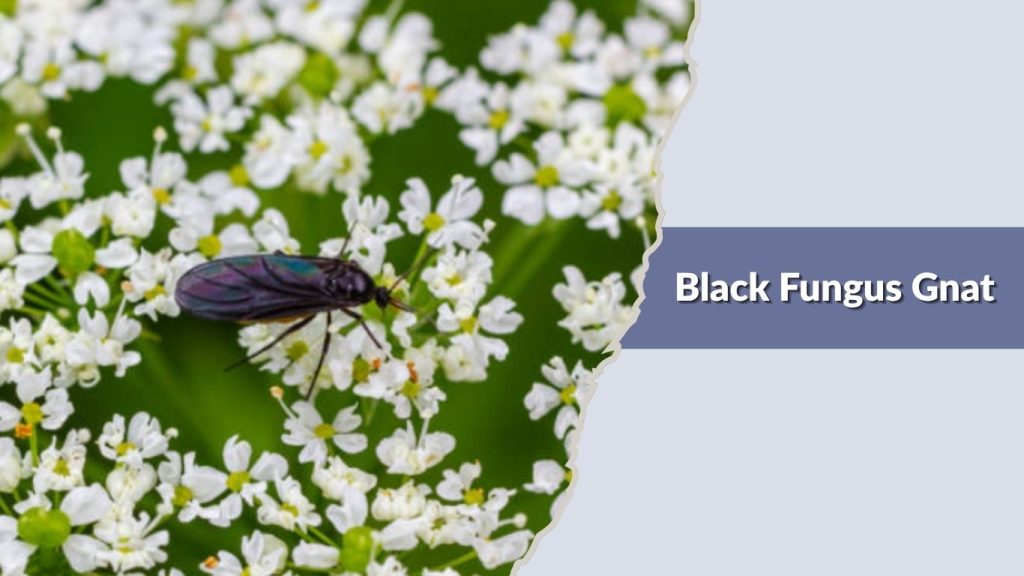
Black fungus gnats are among the most frequently encountered fungus gnats in homes, greenhouses, and plant-growing environments. Their dark coloration and association with moist soil make them easy to recognize around potted plants and seed trays. While adult gnats are primarily a nuisance, their larvae develop beneath the soil surface where they feed on fungi and organic matter. Large populations may indicate excessive moisture and poor drainage within growing media.
Identification
- Dark black to charcoal-gray body
- Slender, mosquito-like appearance
- Long legs and antennae
- Transparent wings with visible veins
- Usually 2–5 mm in length
- Weak flying behavior
- Often seen hovering around houseplants
Habitat
Black fungus gnats thrive in damp environments rich in organic material. They are commonly found in indoor plant containers, greenhouses, nurseries, compost piles, and garden beds. Overwatered soil and poor drainage create ideal breeding conditions, allowing populations to increase rapidly.
Diet
Larvae feed primarily on fungi, algae, decomposing organic matter, and microorganisms found in moist soil. In severe infestations, they may also consume delicate root hairs and young roots. Adult gnats consume little food and rely mainly on moisture and organic residues present in their environment.
Life Cycle
Female black fungus gnats lay eggs in moist growing media where fungal growth is abundant. After hatching, larvae remain within the soil and feed until reaching maturity. They then enter the pupal stage before emerging as adults. Under warm and humid conditions, multiple generations can develop throughout the year, making infestations difficult to eliminate if moisture problems persist.
14. Root Fungus Gnat
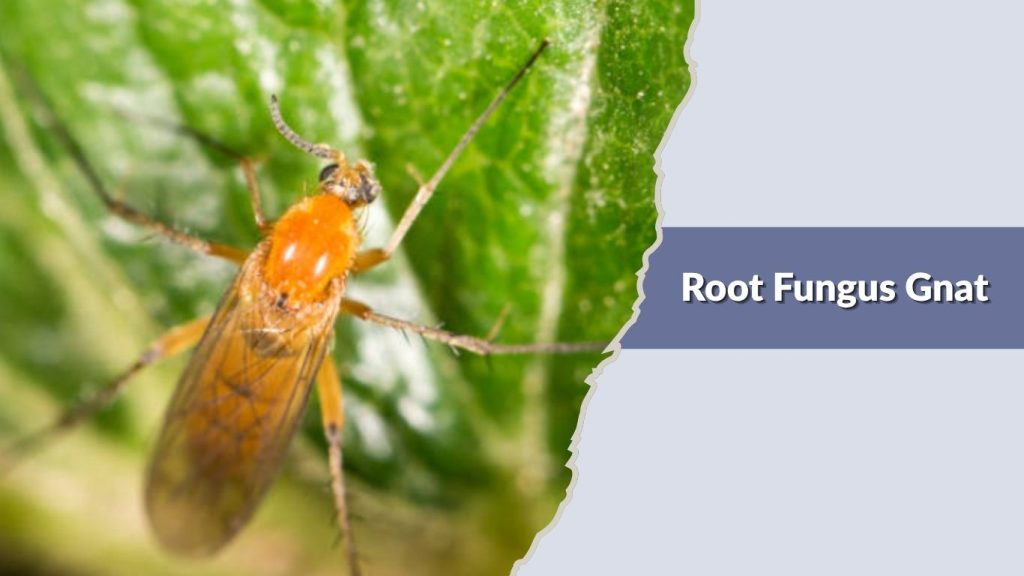
Root fungus gnats are small soil-dwelling insects commonly associated with potted plants, greenhouses, nurseries, and agricultural growing systems. They are named for the tendency of their larvae to inhabit the root zone of plants, where they feed on fungi, organic matter, and occasionally delicate root tissues. While adult gnats are mostly harmless, large larval populations can weaken seedlings and young plants by damaging fine roots and reducing nutrient uptake.
Identification
- Small dark gray or black body
- Slender, mosquito-like appearance
- Long legs and antennae
- Clear wings with visible veins
- Usually 2–5 mm in length
- Weak flying behavior near soil surfaces
- Frequently found around plant roots and containers
Habitat
Root fungus gnats thrive in moist growing media rich in organic matter. They are commonly found in greenhouses, nurseries, indoor plant collections, hydroponic systems, seed trays, and overwatered garden beds. Consistently damp soil provides ideal conditions for egg-laying and larval development.
Diet
Larvae primarily feed on fungi, algae, decaying organic matter, and microorganisms within the root zone. In high populations, they may also consume root hairs and tender roots, particularly on seedlings and young plants. Adult gnats feed very little and rely mainly on moisture and nutrients available in their surroundings.
Life Cycle
Female root fungus gnats lay eggs in moist soil close to plant roots. After hatching, larvae remain beneath the soil surface where they feed and develop before entering the pupal stage. Adults emerge from pupae and begin reproducing shortly afterward. Under favorable conditions, several generations may develop each year, allowing infestations to build rapidly in protected growing environments.
15. Nursery Fungus Gnat
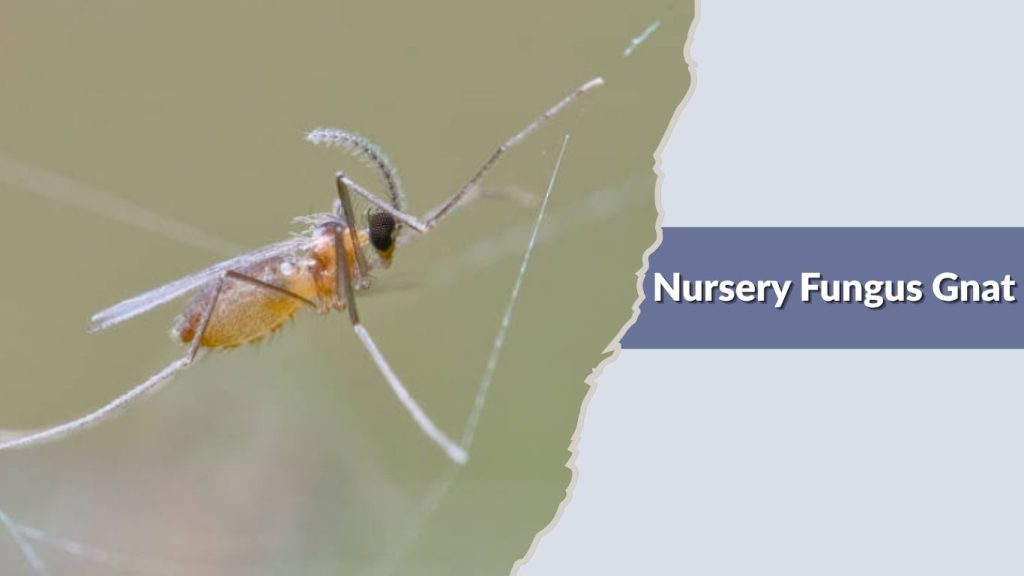
Nursery fungus gnats are common pests in commercial plant nurseries, garden centers, propagation facilities, and greenhouse operations. These insects thrive in environments where large numbers of plants are grown in moist growing media. Because seedlings and young plants are especially vulnerable to root damage, nursery fungus gnats are often considered one of the most important soil-dwelling pests in plant production systems.
Identification
- Small black to dark gray body
- Slender, mosquito-like appearance
- Long antennae and legs
- Transparent wings
- Usually 2–4 mm in length
- Weak flying behavior around plant trays
- Frequently seen near seedlings and propagation areas
Habitat
Nursery fungus gnats thrive in moist potting mixes, seed-starting trays, propagation benches, greenhouse floors, and container-grown plants. The combination of high humidity, frequent watering, and abundant organic matter provides ideal conditions for breeding and population growth.
Diet
Larvae feed on fungi, algae, decomposing organic matter, and microorganisms found within growing media. In severe infestations, they may also attack tender roots and root hairs of seedlings, cuttings, and young plants. Adult gnats consume very little food and primarily survive on moisture and organic residues in the nursery environment.
Life Cycle
Female nursery fungus gnats lay eggs in damp growing media close to plant roots. After hatching, larvae remain within the soil where they feed and develop before entering the pupal stage. Adults emerge shortly afterward and begin reproducing within days. In warm nursery environments, multiple generations can develop continuously throughout the year, making population management an ongoing challenge.
16. Humid Soil Fungus Gnat
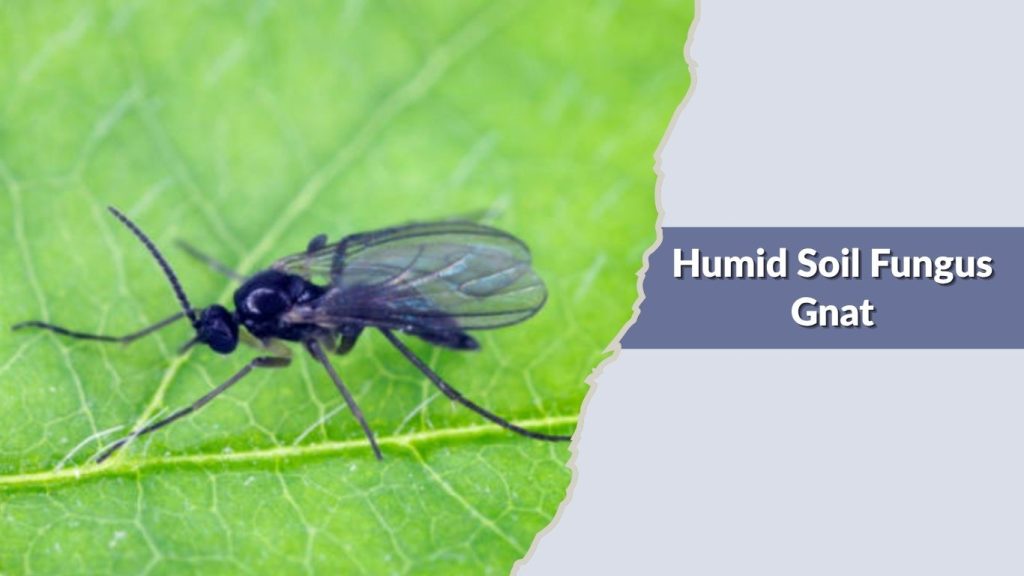
Humid soil fungus gnats are small flying insects that thrive in consistently moist soils rich in fungi and organic matter. They are commonly found in houseplants, greenhouses, gardens, nurseries, and other environments where soil remains damp for extended periods. Their presence is often a sign of overwatering or poor drainage. While adult gnats are primarily a nuisance, larval populations can become problematic when conditions allow them to multiply rapidly.
Identification
- Small dark gray to black body
- Slender, mosquito-like appearance
- Long antennae and legs
- Transparent wings
- Usually 2–5 mm in length
- Weak flying behavior near soil surfaces
- Frequently seen around damp containers and plant beds
Habitat
Humid soil fungus gnats prefer environments where moisture levels remain consistently high. They are commonly found in overwatered houseplants, greenhouse benches, seed trays, compost-rich soils, and garden beds with poor drainage. Damp growing media provides ideal conditions for egg-laying and larval development.
Diet
Larvae feed primarily on fungi, algae, decaying organic matter, and microorganisms living in moist soil. In heavily infested environments, they may also consume root hairs and delicate roots of young plants. Adult gnats consume very little food and rely mainly on moisture and organic residues found in their habitat.
Life Cycle
Female humid soil fungus gnats lay eggs directly into moist soil where fungal growth is abundant. The larvae hatch and feed beneath the soil surface before entering the pupal stage. Adults emerge shortly afterward and begin reproducing within a few days. Warm temperatures and consistently moist conditions allow multiple generations to develop throughout the year.
17. Indoor Potting Soil Gnat
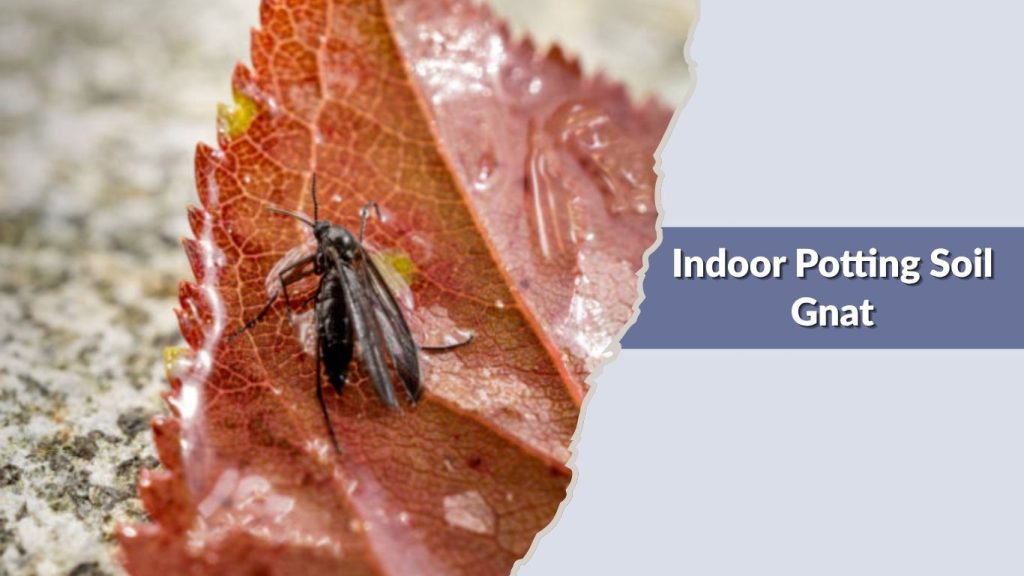
Indoor potting soil gnats are one of the most common pests associated with houseplants and container gardens. These tiny flies are attracted to moist potting mixes where fungi and organic matter provide ideal conditions for larval development. Homeowners often notice adult gnats flying around plant pots, windows, and light sources. Although adult insects are mainly a nuisance, large larval populations may affect young plants by feeding on delicate roots and root hairs.
Identification
- Small black or dark gray body
- Slender, mosquito-like appearance
- Long antennae and legs
- Clear transparent wings
- Usually 2–4 mm in length
- Weak flying behavior around indoor plants
- Frequently seen crawling on soil surfaces
Habitat
Indoor potting soil gnats thrive in houseplants, container gardens, seed trays, and decorative planters with consistently moist soil. They are especially common in homes where plants are overwatered or where potting mixes contain large amounts of organic matter. Warm indoor temperatures allow these gnats to remain active throughout the year.
Diet
Larvae feed primarily on fungi, algae, decomposing organic material, and microorganisms found within potting soil. In larger infestations, they may also feed on tender root hairs and young roots. Adult gnats consume very little food and survive mainly on moisture and nutrients available in their surroundings.
Life Cycle
Female indoor potting soil gnats lay eggs in damp potting media where fungal growth is abundant. The larvae hatch and remain beneath the soil surface while feeding and developing. After completing the larval stage, they pupate in the soil before emerging as adults. Under favorable indoor conditions, the life cycle can be completed in just a few weeks, allowing populations to increase rapidly if moisture problems persist.
FAQs
What Causes Fungus Gnats in Houseplants?
Fungus gnats are usually caused by overly moist potting soil. Excess moisture encourages fungal growth, which serves as a food source for developing larvae. Overwatering is one of the most common reasons fungus gnat populations increase indoors.
Are Fungus Gnats Harmful to Plants?
Adult fungus gnats rarely damage plants directly. However, their larvae may feed on delicate root hairs and young roots when populations become large. Seedlings, cuttings, and newly established plants are especially vulnerable.
How Long Do Fungus Gnats Live?
Most adult fungus gnats live for about one week. However, the complete life cycle from egg to adult typically lasts between three and four weeks, depending on temperature, humidity, and food availability.
Can Fungus Gnats Infest Multiple Houseplants?
Yes. Adult fungus gnats can easily move from one container to another and lay eggs in multiple pots. If favorable conditions exist throughout a home or greenhouse, infestations may spread rapidly among indoor plants.
What Is the Best Way to Prevent Fungus Gnats?
The most effective prevention method is proper watering. Allowing the top layer of soil to dry slightly between waterings, improving drainage, removing decaying plant material, and regularly inspecting plants can significantly reduce the risk of fungus gnat infestations.