
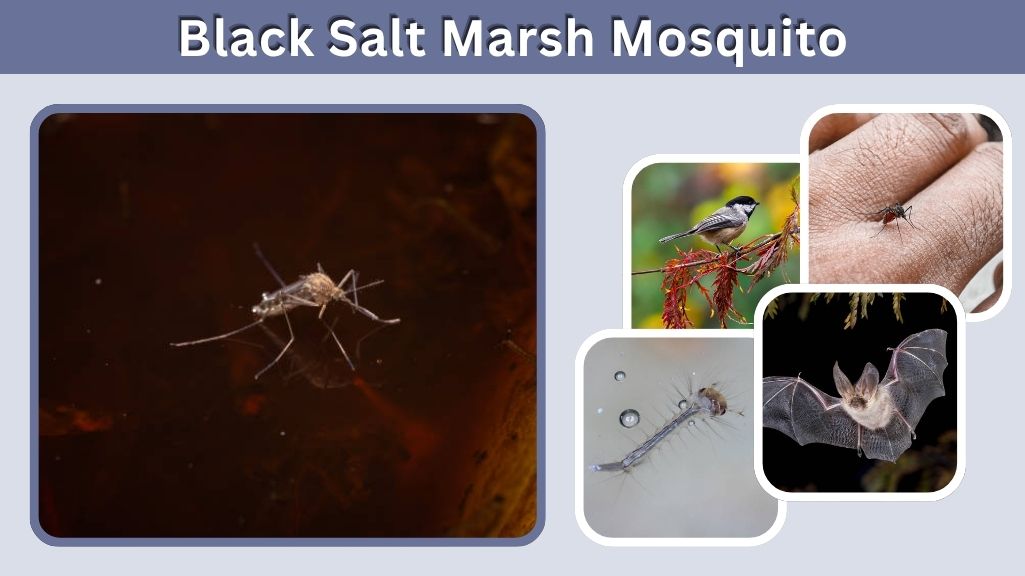
The Black Salt Marsh Mosquito (Aedes taeniorhynchus) is one of the most well-known coastal mosquito species in the Americas. It thrives in salt marshes, mangrove swamps, and other coastal wetlands where periodic flooding creates ideal breeding conditions. Known for its aggressive biting behavior and ability to travel long distances, this mosquito can become a significant nuisance to both humans and animals. Understanding its habitat, life cycle, and behavior is important for effective mosquito management and reducing the impact of seasonal outbreaks.
What Is a Black Salt Marsh Mosquito?
The Black Salt Marsh Mosquito is a floodwater mosquito species commonly found in coastal environments. It belongs to the family Culicidae and is recognized for its dark coloration and strong flying ability. Unlike some mosquito species that remain near breeding sites, this mosquito can travel many miles in search of blood meals.
Species Overview
Black Salt Marsh Mosquitoes are medium-sized mosquitoes adapted to saline and brackish environments. Their populations can increase rapidly following high tides, heavy rainfall, or storm surges that flood coastal breeding areas.
Black Salt Marsh Mosquito Scientific Name
The scientific name of the Black Salt Marsh Mosquito is Aedes taeniorhynchus. It belongs to the genus Aedes, a group that includes several floodwater mosquito species known for their persistence and aggressive feeding behavior.
Identification Features
Several physical characteristics help identify this mosquito species.
Key identification traits include:
- Dark black to brown body
- White bands on the legs
- Narrow body shape
- Long proboscis for feeding
- Distinctive striped appearance
These features make it easier to distinguish from many other coastal mosquito species.
Black Salt Marsh Mosquito Habitat
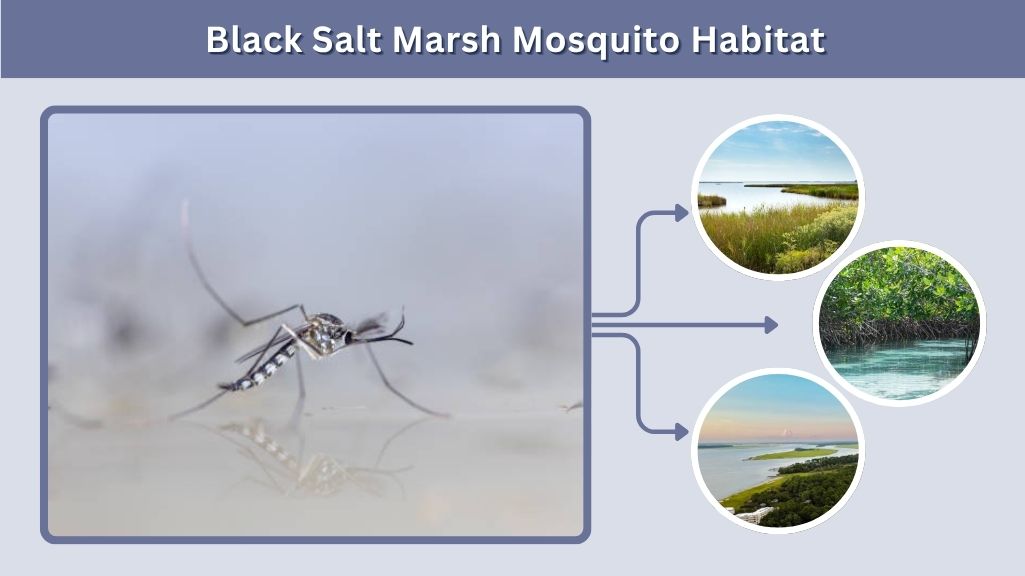
The Black Salt Marsh Mosquito is strongly associated with coastal ecosystems. Its breeding success depends on environmental conditions that provide standing water and suitable locations for egg development. These habitats are commonly found along shorelines and wetland regions.
Where Do Black Salt Marsh Mosquitoes Live?
This species inhabits coastal marshes, mangrove forests, estuaries, and saltwater wetlands. Areas that experience regular flooding provide ideal conditions for reproduction. Because of their adaptability, these mosquitoes can survive in a variety of coastal environments.
Habitat Requirements
Successful breeding requires specific environmental conditions. Eggs are often deposited in moist soil above the waterline and hatch when flooding occurs. Warm temperatures and periodic inundation support rapid development of larvae and pupae.
Geographic Distribution
The Black Salt Marsh Mosquito is widely distributed throughout tropical and subtropical regions. It occurs along the Atlantic and Gulf coasts of North America, throughout the Caribbean, and in parts of Central and South America. Local populations vary depending on climate and habitat availability.
Black Salt Marsh Mosquito Life Cycle
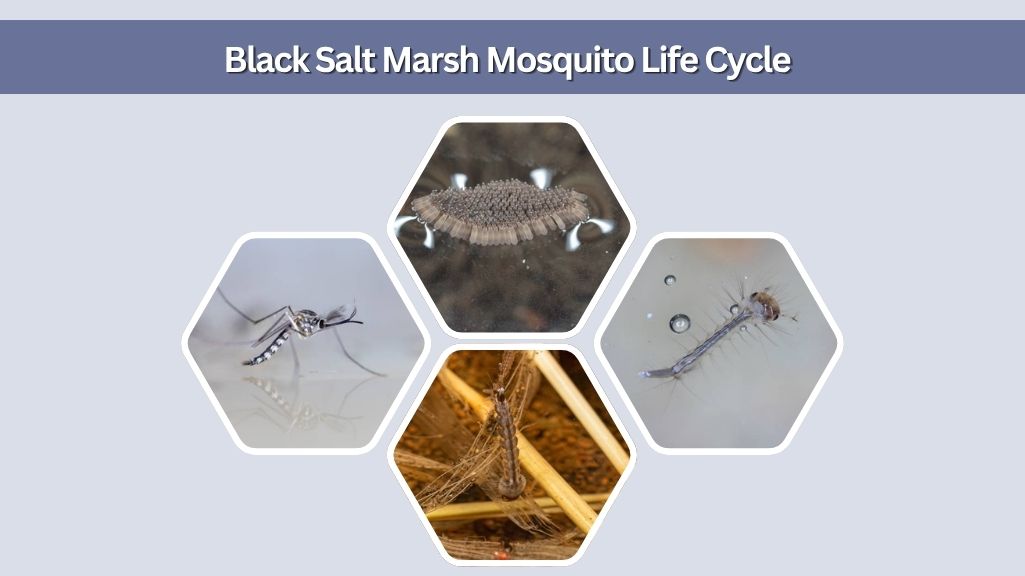
Like all mosquitoes, the Black Salt Marsh Mosquito undergoes complete metamorphosis. Its life cycle consists of four distinct stages, each requiring specific environmental conditions. Understanding this process is important for mosquito control programs.
Life Cycle Stages
The mosquito develops through four primary stages:
- Egg
- Larva
- Pupa
- Adult
Each stage contributes to growth, development, and reproduction.
Black Salt Marsh Mosquito Larvae
Larvae develop in shallow pools of standing water created by tides, rainfall, or flooding events. During this stage, they feed on microorganisms, algae, and organic material suspended in the water. Larval development is influenced by temperature, water quality, and food availability.
Adult Emergence
After completing the pupal stage, adult mosquitoes emerge from the water surface and begin flying shortly afterward. Under favorable conditions, the entire development process may occur within a relatively short period, allowing populations to increase rapidly after flooding events.
Black Salt Marsh Mosquito Behavior
The behavior of this mosquito species contributes significantly to its reputation as a nuisance pest. Its feeding habits, activity patterns, and long-distance flight capabilities allow it to affect communities far from breeding areas.
Feeding Habits
Female mosquitoes require blood meals to produce eggs, while males feed primarily on plant nectar. Females seek hosts using visual cues, body heat, and carbon dioxide produced by animals and humans.
Activity Patterns
Black Salt Marsh Mosquitoes are most active during certain times of day.
Common activity periods include:
- Early morning
- Late afternoon
- Evening hours
- Periods of high humidity
Activity levels often increase after weather conditions become favorable.
Flight Range
One of the most remarkable characteristics of this species is its ability to travel long distances. Adults may disperse several miles from coastal breeding habitats, allowing them to reach residential areas, farms, and inland communities.
Do Black Salt Marsh Mosquitoes Bite Humans?
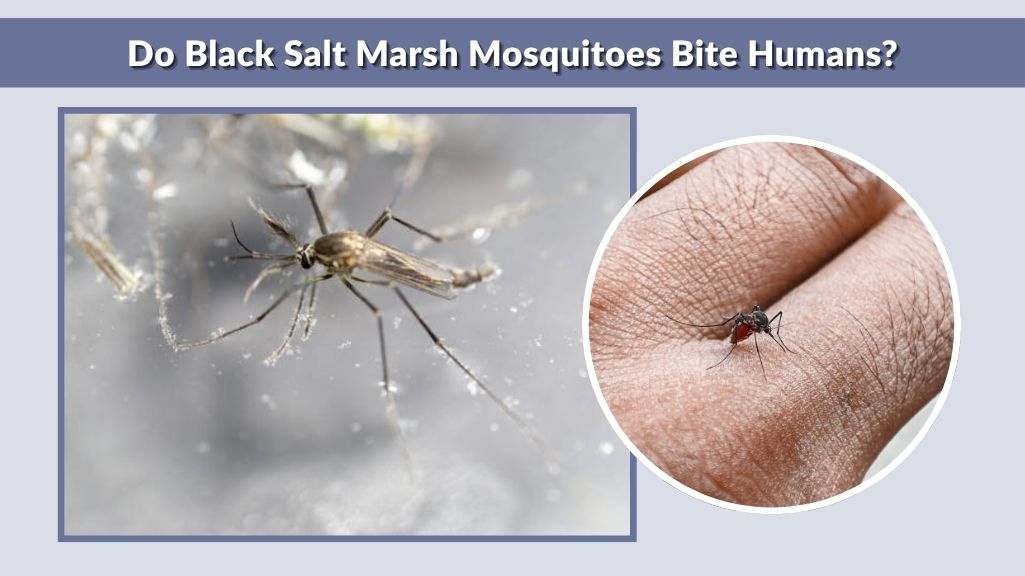
Black Salt Marsh Mosquitoes are known for their aggressive biting behavior. Large populations can create significant discomfort for people living near coastal environments. Their bites often lead to itching and irritation, especially when multiple mosquitoes are present.
Why They Bite
Female mosquitoes require protein from blood to support egg development. After mating, females actively search for suitable hosts and may feed on humans, livestock, birds, and other animals depending on availability.
Bite Symptoms
Mosquito bites typically produce localized skin reactions that vary among individuals. Common symptoms include redness, swelling, irritation, and itching. Sensitivity levels differ from person to person, resulting in varying degrees of discomfort.
Are They Dangerous?
Although Black Salt Marsh Mosquitoes are primarily known as nuisance pests, large populations can significantly affect outdoor activities and quality of life. Their aggressive biting behavior often causes discomfort to humans and animals. In some regions, mosquito species within the same habitat may also be associated with disease transmission, making population monitoring an important public health concern.
Human Health Concerns
Most bites result in minor irritation, but repeated exposure can increase discomfort. Individuals with sensitivities may experience stronger reactions. Public health agencies frequently monitor mosquito populations in coastal areas to reduce potential risks and manage outbreaks.
Black Salt Marsh Mosquito Population Outbreaks
One of the most notable characteristics of the Black Salt Marsh Mosquito is its ability to produce sudden population explosions. Environmental conditions can trigger the emergence of thousands or even millions of mosquitoes within a short period.
Causes of Population Explosions
Several environmental factors contribute to mosquito outbreaks.
Common causes include:
- Heavy rainfall
- High tides
- Coastal flooding
- Storm surges
- Warm temperatures
These conditions create ideal breeding habitats and stimulate egg hatching.
Seasonal Trends
Population levels fluctuate throughout the year depending on weather patterns and regional climate conditions. In many coastal regions, outbreaks are most common during warmer months when flooding events occur more frequently.
Environmental Impact
Large mosquito populations can affect wildlife behavior and human activities. Outdoor recreation, tourism, and agricultural operations may experience disruptions during severe outbreaks. Effective management programs help reduce these impacts while maintaining ecological balance.
Black Salt Marsh Mosquito Control
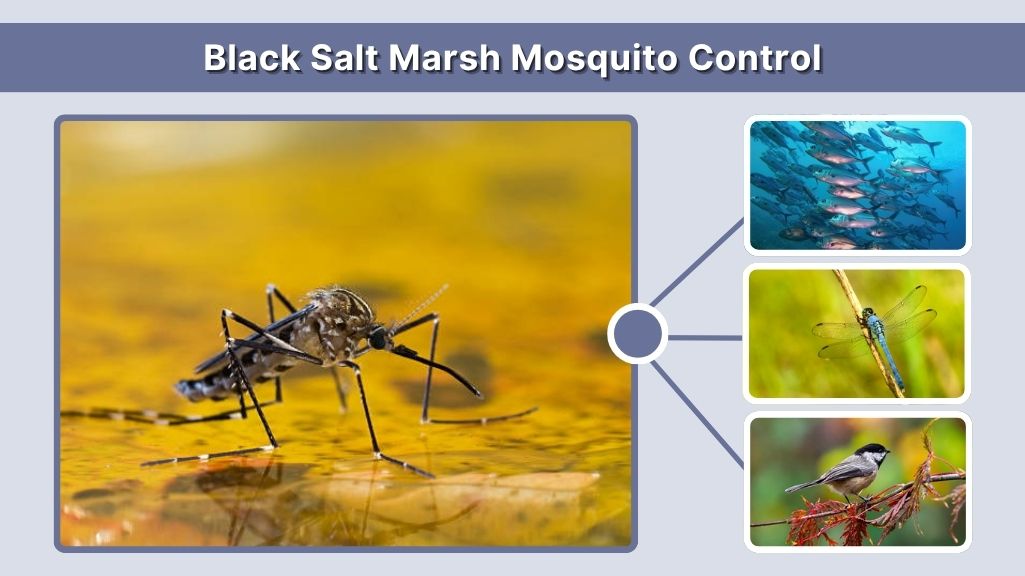
Managing Black Salt Marsh Mosquito populations requires a combination of habitat management, biological control, and personal protection measures. Successful control programs often focus on preventing mosquito development before adults emerge.
Natural Control Methods
Natural predators help regulate mosquito populations within coastal ecosystems.
Important predators include:
- Fish
- Dragonflies
- Birds
- Bats
- Aquatic insects
These animals consume mosquito larvae or adults and contribute to natural population control.
Chemical Control
When mosquito populations become excessive, mosquito control agencies may use larvicides or adult mosquito treatments. These methods are typically applied in targeted areas to minimize environmental impacts while reducing mosquito numbers.
Personal Protection Tips
Individuals living near coastal habitats can take steps to reduce mosquito exposure.
Helpful prevention measures include:
- Using insect repellents
- Wearing long sleeves and pants
- Installing window screens
- Avoiding outdoor activity during peak mosquito hours
- Eliminating standing water around homes
These practices can significantly reduce the likelihood of mosquito bites.
Predators and Ecological Importance
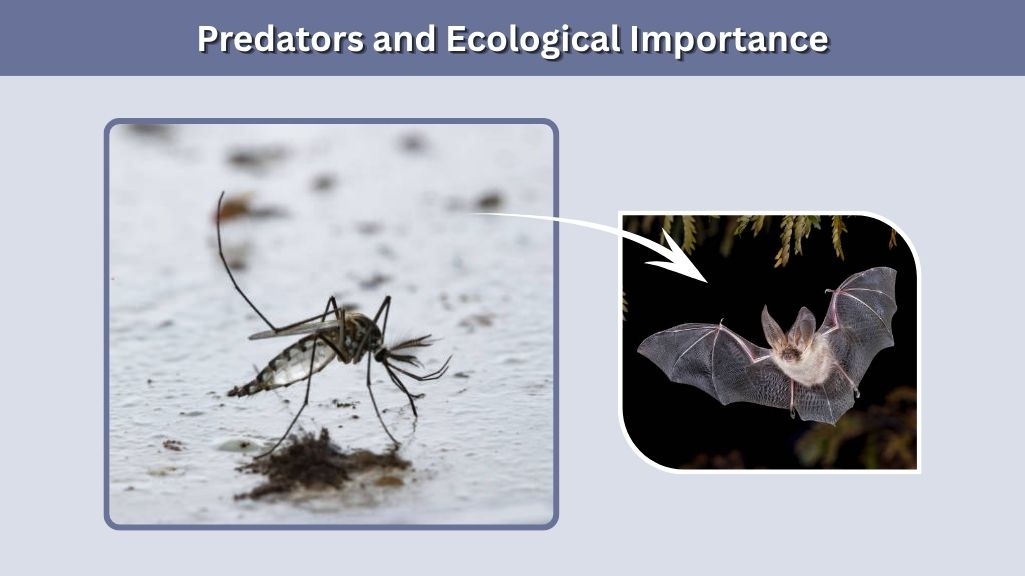
Although often viewed as pests, Black Salt Marsh Mosquitoes play a role in coastal ecosystems. They serve as food for numerous animals and contribute to the complex relationships that support biodiversity in wetland habitats.
Natural Predators
Many animals rely on mosquitoes as a food source. Fish consume larvae in aquatic environments, while birds, bats, and dragonflies feed on flying adults. These predator-prey interactions help maintain ecosystem stability.
Role in Food Webs
Mosquitoes occupy a lower level in food chains and transfer energy from microorganisms and plant material to larger animals. Their larvae contribute to aquatic food webs, while adults provide nourishment for various insectivores.
Environmental Contributions
Despite their nuisance status, mosquitoes are part of natural ecosystems. Their presence supports biodiversity and helps sustain populations of animals that depend on them as prey.
Interesting Facts About Black Salt Marsh Mosquitoes
The Black Salt Marsh Mosquito is one of the most successful coastal mosquito species in the Americas. Its eggs can survive dry conditions for extended periods and hatch rapidly when flooding occurs. Adults are capable of traveling many miles from breeding sites, allowing them to affect communities far inland. Their ability to thrive in salty environments distinguishes them from many other mosquito species. These adaptations have contributed to their success across a wide geographic range.
Amazing Black Salt Marsh Mosquito Facts
Some fascinating facts about this mosquito include:
- Scientific name is Aedes taeniorhynchus
- Thrives in salt marsh habitats
- Can travel long distances after emergence
- Eggs survive until flooding occurs
- Females require blood meals for reproduction
- Common in tropical and subtropical regions
These characteristics make it one of the most studied coastal mosquito species.
FAQs
What is a Black Salt Marsh Mosquito?
The Black Salt Marsh Mosquito is a coastal mosquito species known for breeding in salt marshes and other wetland habitats.
Where do Black Salt Marsh Mosquitoes live?
They are commonly found in coastal marshes, mangrove forests, estuaries, and saltwater wetlands throughout tropical and subtropical regions.
Do Black Salt Marsh Mosquitoes bite humans?
Yes. Female mosquitoes actively seek blood meals and frequently bite humans and other animals.
What is the life cycle of a Black Salt Marsh Mosquito?
The life cycle consists of four stages: egg, larva, pupa, and adult.
How far can Black Salt Marsh Mosquitoes fly?
Adults are capable of traveling several miles from breeding sites, making them one of the most mobile mosquito species.