
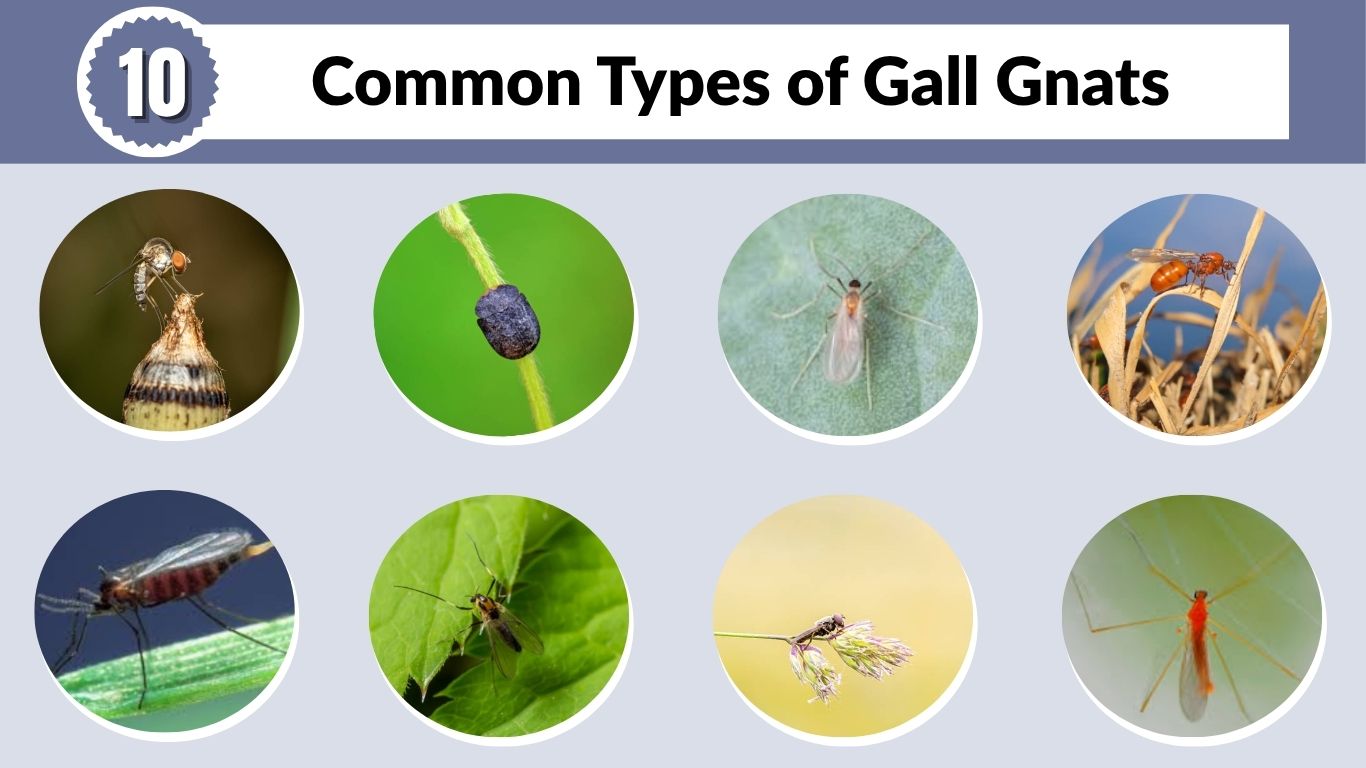
Gall gnats are tiny flies belonging to the family Cecidomyiidae, a diverse group of insects known for their unique relationship with plants. Many species stimulate the formation of galls—abnormal plant growths that provide food and protection for developing larvae. These insects can be found in forests, gardens, wetlands, and agricultural fields around the world. While some gall gnats cause only minor cosmetic damage, others are significant crop pests. This guide explores 10 common types of gall gnats, including their identification, habitat, diet, and life cycle characteristics.
1. Hessian Fly
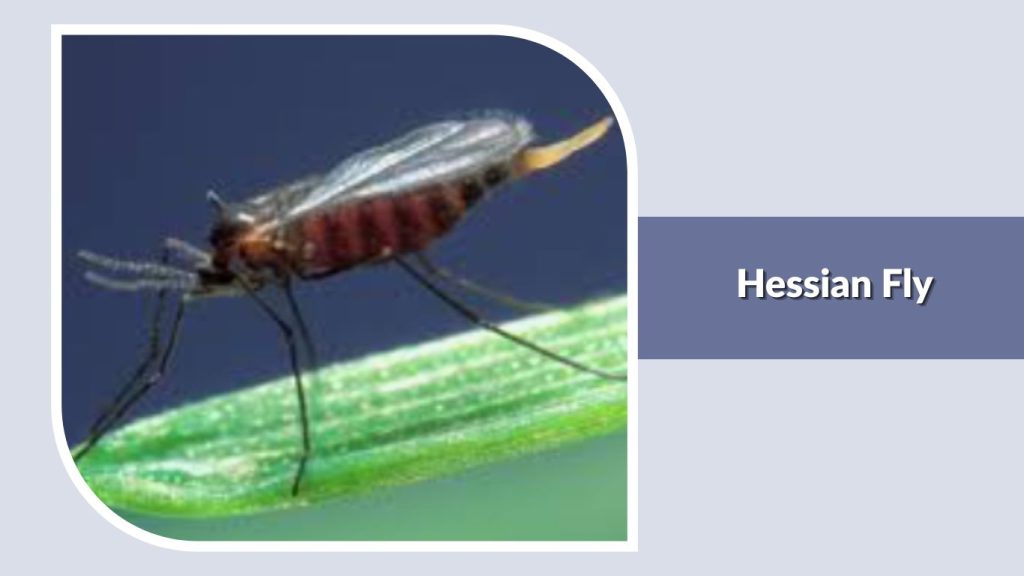
The Hessian fly is one of the most well-known gall gnats and an important agricultural pest affecting wheat and related cereal crops. Native to Eurasia but now found in many parts of the world, this tiny fly belongs to the gall midge family (Cecidomyiidae). Its larvae feed on plant tissues, causing stunted growth, weakened stems, and reduced crop yields. Due to its economic impact, the Hessian fly has been extensively studied by farmers, entomologists, and crop protection specialists.
Identification
- Small, mosquito-like fly
- Dark gray to black body
- Narrow wings with delicate veins
- Long legs and antennae
- Adults typically 2–4 mm long
- Orange to reddish larvae
- Commonly associated with wheat fields
Habitat
Hessian flies are primarily found in agricultural regions where wheat, barley, rye, and other cereal crops are grown. They thrive in cultivated fields and areas with abundant host plants. Populations are most common in temperate climates where suitable growing conditions support both crop development and insect reproduction.
Diet
Larvae feed on plant sap and tissues within young wheat plants. Their feeding activity disrupts normal plant growth and weakens stems, making crops more susceptible to lodging and environmental stress. Adult Hessian flies do not feed and survive only long enough to reproduce.
Life Cycle
Female Hessian flies lay eggs on the leaves of host plants. After hatching, larvae move to protected feeding sites near the base of the plant where they extract nutrients from plant tissues. Following several weeks of development, the larvae pupate and eventually emerge as adults. Multiple generations may occur annually depending on climate and growing conditions.
2. Swede Midge
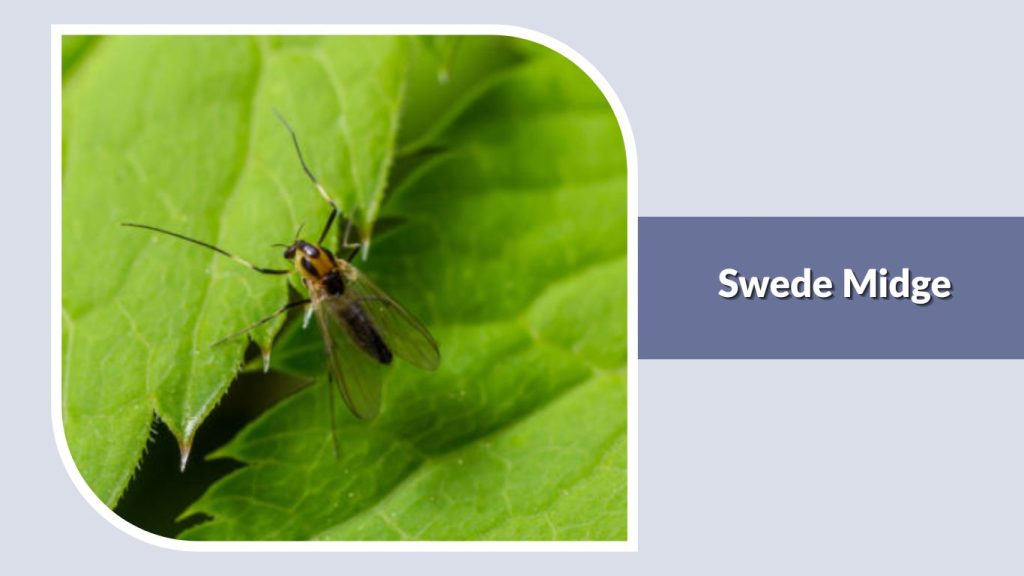
The swede midge is a small gall gnat that poses a significant threat to crops in the mustard family, including cabbage, broccoli, cauliflower, Brussels sprouts, and canola. Native to Europe and parts of Asia, this pest has spread to other regions where it causes serious agricultural damage. Larval feeding disrupts normal plant growth, often resulting in distorted leaves, malformed growing points, and reduced crop quality. Because the larvae feed within protected plant tissues, infestations can be difficult to detect until visible symptoms appear.
Identification
- Tiny brown to dark brown fly
- Slender, delicate body
- Long legs and antennae
- Transparent wings
- Adults approximately 1.5–2 mm long
- Small white to yellowish larvae
- Commonly associated with crucifer crops
Habitat
Swede midges are most commonly found in agricultural fields, vegetable gardens, and commercial crop production areas where brassica plants are grown. They thrive in temperate climates and are particularly abundant in regions with extensive cultivation of cabbage-family crops.
Diet
Larvae feed on developing plant tissues found within growing points, leaf buds, and young shoots. Their feeding causes abnormal growth patterns that can severely affect plant development. Adult swede midges do not feed and focus solely on reproduction during their short lifespan.
Life Cycle
Female swede midges deposit eggs in the growing points of host plants. After hatching, larvae feed within protected tissues where they remain concealed during development. Once mature, the larvae drop to the soil to pupate. Adults emerge from the soil and quickly mate, beginning a new generation. Multiple generations can occur during a single growing season under favorable environmental conditions.
3. Wheat Blossom Midge
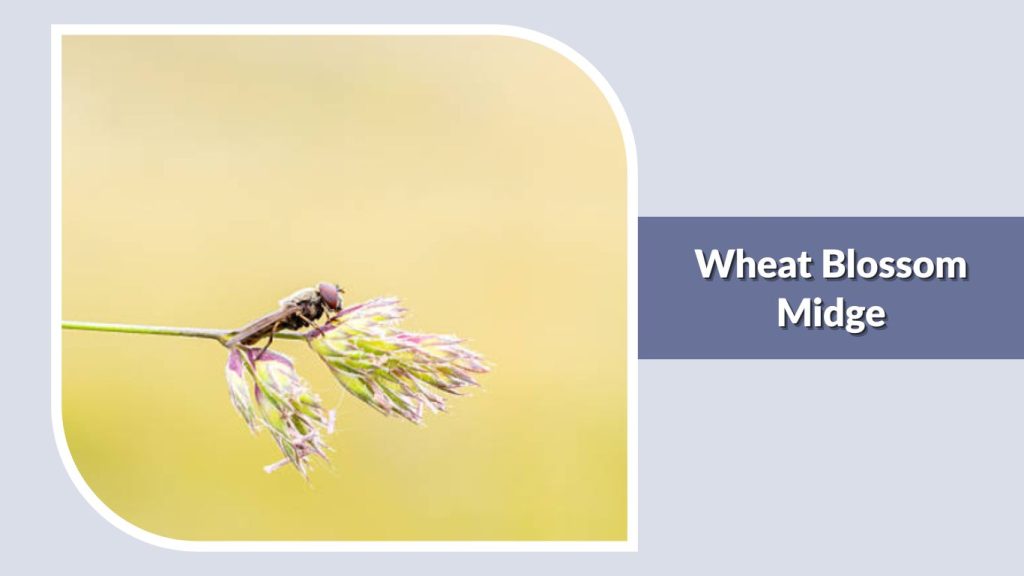
The wheat blossom midge is a destructive gall gnat that affects wheat crops by feeding on developing kernels during the flowering stage. This tiny insect is considered an important agricultural pest in many wheat-growing regions around the world. Larval feeding can significantly reduce grain quality and yield, making infestations a serious concern for farmers. Because the insects are active during specific crop growth stages, careful monitoring is often necessary to detect and manage populations effectively.
Identification
- Small orange to yellow-orange fly
- Slender, delicate body
- Long legs and antennae
- Transparent wings
- Adults typically 2–3 mm long
- Bright orange larvae
- Commonly found in wheat fields during flowering
Habitat
Wheat blossom midges are primarily found in agricultural regions where wheat is cultivated. They thrive in temperate climates and are especially common in areas with large cereal crop production. Adults are often active around wheat heads during the flowering period when suitable egg-laying sites are available.
Diet
Larvae feed directly on developing wheat kernels within the grain head. Their feeding damages the kernels, reducing both grain weight and quality. Heavy infestations can result in substantial economic losses due to decreased crop productivity. Adult midges do not feed and survive only long enough to reproduce.
Life Cycle
Female wheat blossom midges lay eggs on flowering wheat heads. After hatching, larvae feed on developing kernels for several weeks. Once mature, they drop to the soil where they enter a resting stage before pupating. Adults emerge during the next wheat flowering season, synchronizing their life cycle with the availability of suitable host plants.
4. Orange Wheat Blossom Midge
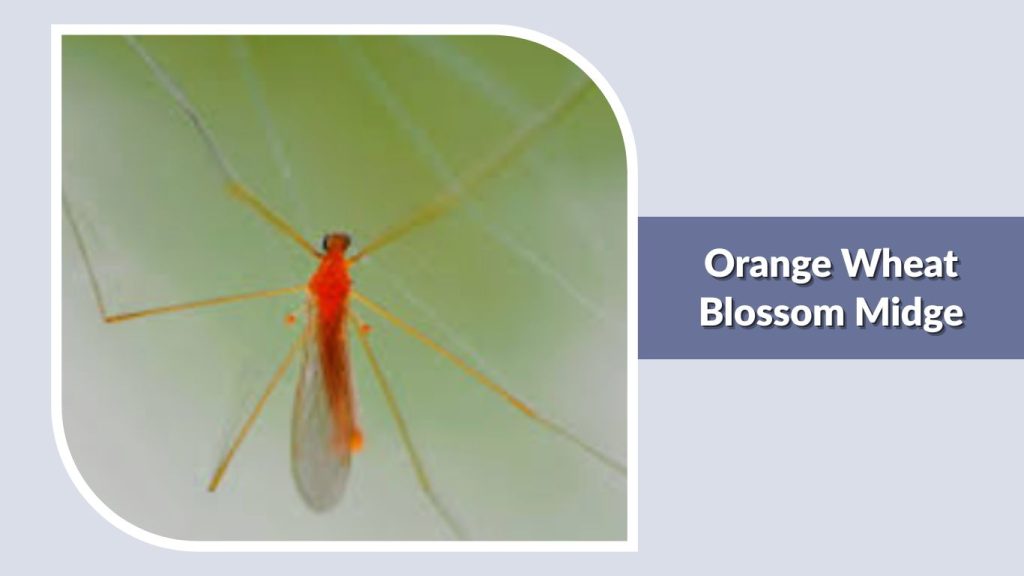
The orange wheat blossom midge is one of the most economically important gall gnats affecting wheat production worldwide. Closely related to the wheat blossom midge, this tiny orange fly can cause significant yield losses when large populations infest flowering wheat crops. The larvae feed directly on developing grain kernels, reducing both grain quality and market value. Because infestations often occur before visible symptoms appear, monitoring programs are commonly used in major wheat-growing regions.
Identification
- Bright orange adult fly
- Slender, delicate body
- Long antennae and legs
- Transparent wings
- Adults typically 2–3 mm long
- Orange-colored larvae
- Often observed around wheat heads during flowering
Habitat
Orange wheat blossom midges are commonly found in wheat-producing regions across North America, Europe, and other temperate agricultural areas. They prefer environments where large wheat fields provide abundant breeding and feeding opportunities. Adult activity is closely tied to the flowering stage of wheat crops.
Diet
Larvae feed on developing wheat kernels inside the grain head. This feeding damages the kernels and can reduce grain size, weight, and overall quality. Severe infestations may lead to substantial crop losses. Adult midges do not feed and focus solely on reproduction during their brief lifespan.
Life Cycle
Female orange wheat blossom midges lay eggs on flowering wheat heads during the evening when environmental conditions are favorable. After hatching, larvae feed on developing kernels for several weeks before dropping to the soil. They remain in the soil until pupation and emerge as adults during the next suitable wheat flowering period, continuing the cycle.
5. Sorghum Midge
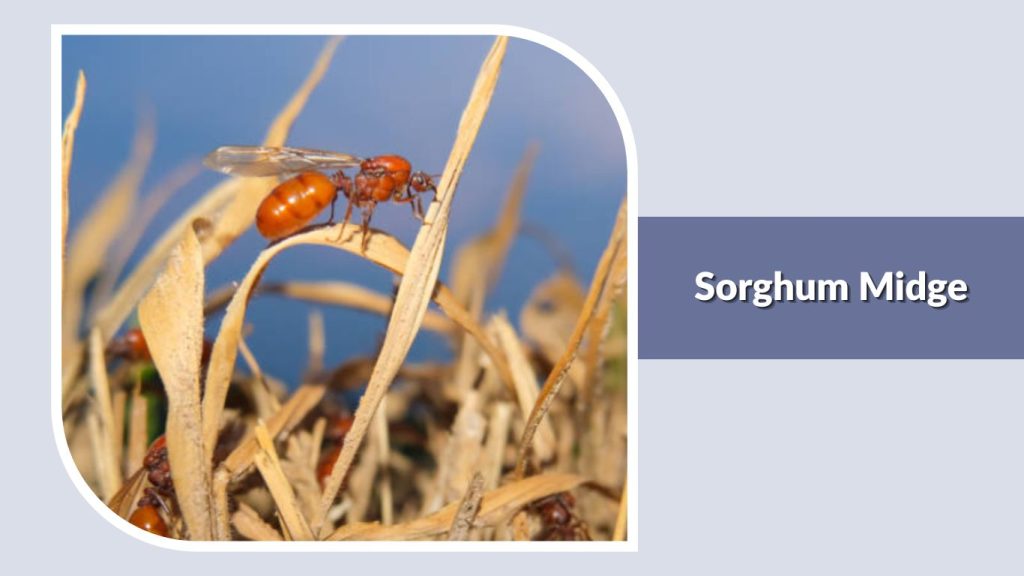
The sorghum midge is a small gall gnat that is considered one of the most damaging pests of sorghum crops worldwide. Native to Africa but now distributed across many sorghum-growing regions, this insect can significantly reduce grain production by attacking flowering seed heads. The larvae develop inside the florets and feed on developing grains, resulting in empty or poorly formed seeds. Because infestations often occur during the flowering stage, timely monitoring is essential for effective crop management.
Identification
- Tiny orange-red fly
- Slender, delicate body
- Long legs and antennae
- Transparent wings
- Adults typically 1.5–2 mm long
- Bright orange larvae
- Commonly found around flowering sorghum heads
Habitat
Sorghum midges are primarily found in agricultural areas where sorghum is cultivated. They thrive in warm climates and are especially abundant in tropical and subtropical regions. Large sorghum fields provide ideal breeding sites and support rapid population growth during the flowering season.
Diet
Larvae feed on developing sorghum grains inside the florets. Their feeding prevents normal seed development, causing grain loss and reducing crop yields. Adult sorghum midges do not feed and rely on stored energy reserves throughout their short lifespan.
Life Cycle
Female sorghum midges lay eggs inside flowering sorghum florets. After hatching, larvae feed on developing grains for several days before completing their growth. Pupation usually occurs within the flower structures, and adults emerge shortly afterward. Multiple generations can develop during a single growing season when flowering sorghum remains available.
6. Pine Needle Gall Midge
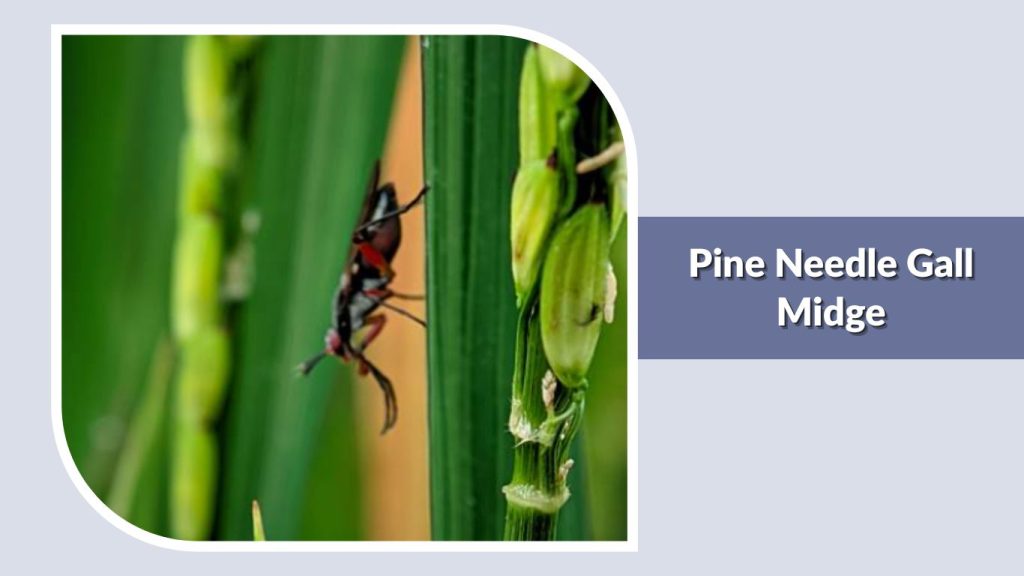
The pine needle gall midge is a small gall-forming insect that attacks various species of pine trees. It is considered a significant forest pest in some regions because larval feeding can damage pine needles, reduce tree vigor, and affect forest health. Young pine plantations are particularly vulnerable to infestations. Over time, repeated attacks may weaken trees and make them more susceptible to environmental stress and secondary pests.
Identification
- Small orange to reddish-orange fly
- Slender, delicate body
- Long legs and antennae
- Transparent wings
- Adults typically 2–3 mm long
- Orange larvae that develop within pine needles
- Commonly associated with pine forests and plantations
Habitat
Pine needle gall midges are found in coniferous forests, pine plantations, nurseries, and landscaped areas containing pine trees. They are most common in regions where susceptible pine species grow in large numbers. Forest environments provide ideal conditions for breeding and larval development.
Diet
Larvae feed on tissues inside developing pine needles. Their feeding disrupts normal needle growth, causing discoloration, distortion, and premature needle drop. Severe infestations can reduce photosynthesis and weaken young trees, affecting overall growth and health.
Life Cycle
Female pine needle gall midges lay eggs on young pine needles during the growing season. After hatching, larvae enter the needle tissue and begin feeding. They remain protected within the needle as they develop before eventually dropping to the soil to pupate. Adults emerge during the following season and begin a new reproductive cycle synchronized with pine needle growth.
7. Boxwood Gall Midge
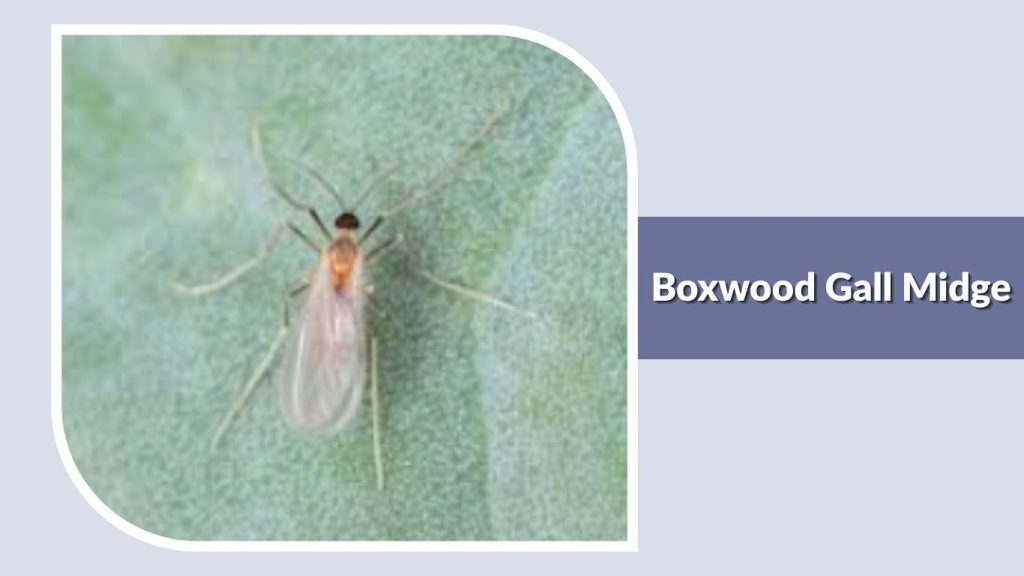
The boxwood gall midge is a small gall-forming insect that specifically targets boxwood shrubs. It is a common ornamental plant pest found in landscapes, gardens, parks, and nurseries where boxwoods are grown. Larval feeding occurs inside the leaves, causing blister-like swellings known as galls. Although healthy plants can often tolerate light infestations, severe or repeated attacks may reduce plant vigor and affect the appearance of ornamental plantings.
Identification
- Tiny orange-yellow fly
- Slender, delicate body
- Long legs and antennae
- Transparent wings
- Adults typically 2–3 mm long
- Orange larvae found inside boxwood leaves
- Causes visible leaf galls and swelling
Habitat
Boxwood gall midges are commonly found wherever boxwood shrubs are cultivated. They occur in residential landscapes, public gardens, commercial nurseries, and formal hedges. Dense plantings of boxwood provide ideal breeding conditions and support recurring infestations.
Diet
Larvae feed within boxwood leaves, consuming plant tissues while protected inside developing galls. Their feeding activity causes leaves to become swollen, discolored, and distorted. Heavy infestations can reduce the ornamental value of affected shrubs and may contribute to premature leaf drop.
Life Cycle
Female boxwood gall midges lay eggs inside young boxwood leaves during spring. After hatching, larvae feed within the leaf tissue and stimulate gall formation. They remain protected inside the galls while developing. Once mature, they pupate and emerge as adults, continuing the cycle during the next suitable growing period.
8. Goldenrod Gall Midge
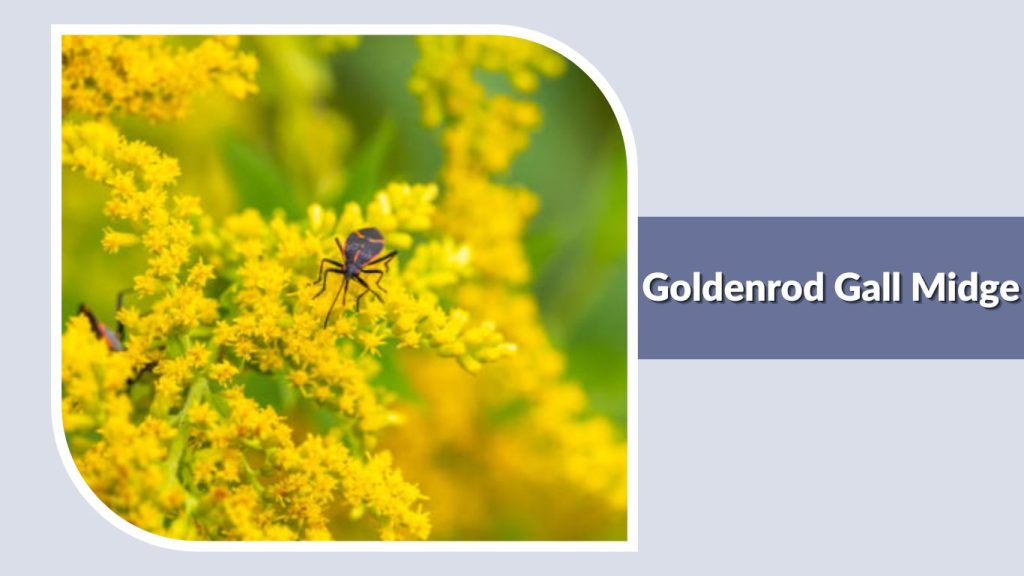
The goldenrod gall midge is a small gall-forming insect commonly associated with goldenrod plants growing in meadows, grasslands, roadsides, and natural habitats. This species is known for inducing distinctive galls on stems and plant tissues where its larvae develop. While the galls may alter the appearance of the plant, they rarely cause serious harm to healthy goldenrod populations. The insect plays an important role in ecological food webs and is a common sight in native grassland ecosystems.
Identification
- Tiny orange to yellow-orange fly
- Slender, delicate body
- Long antennae and legs
- Transparent wings
- Adults typically 2–4 mm long
- Orange larvae found within plant galls
- Associated with goldenrod stems and foliage
Habitat
Goldenrod gall midges are commonly found in prairies, meadows, open fields, roadsides, and other habitats where goldenrod plants thrive. They are especially abundant in areas with large stands of native goldenrod species that provide suitable sites for reproduction and larval development.
Diet
Larvae feed on plant tissues within the galls they induce on goldenrod plants. The gall provides both food and protection during development. While feeding alters plant growth in localized areas, it typically causes little long-term damage to healthy plants growing in natural environments.
Life Cycle
Female goldenrod gall midges lay eggs on young goldenrod tissues during the growing season. After hatching, larvae begin feeding and stimulate the formation of protective galls around themselves. They continue developing inside the gall until maturity, eventually pupating and emerging as adults. Their life cycle is closely synchronized with the seasonal growth of goldenrod plants.
9. Willow Gall Gnat
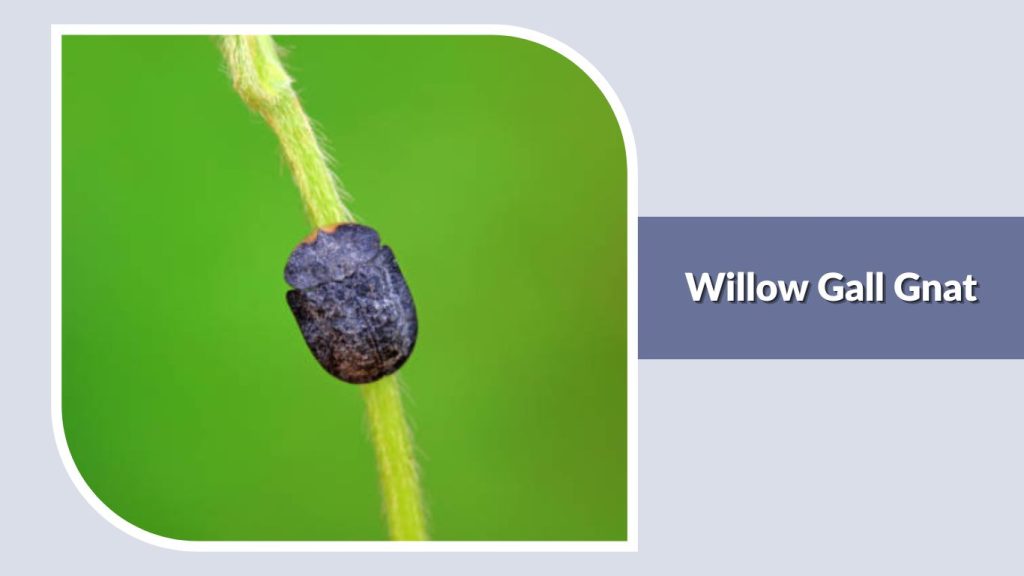
The willow gall gnat is a small gall-forming insect that specializes in willow trees and shrubs. It is commonly found in wetlands, riverbanks, woodlands, and landscaped areas where willow species grow. The larvae stimulate the formation of galls on leaves, stems, or buds, creating protective structures that provide both food and shelter. While these galls can alter the appearance of willow plants, they rarely cause serious harm to healthy trees and shrubs.
Identification
- Tiny yellow-orange to reddish fly
- Slender, delicate body
- Long legs and antennae
- Transparent wings
- Adults typically 2–4 mm long
- Orange larvae found inside willow galls
- Commonly associated with willow leaves and stems
Habitat
Willow gall gnats thrive in areas where willow trees and shrubs are abundant. They are frequently found along streams, rivers, wetlands, ponds, and moist woodland edges. Ornamental willows in parks and residential landscapes can also serve as host plants for developing populations.
Diet
Larvae feed on plant tissues within the galls they induce on willow plants. The gall supplies nutrients while protecting the developing larvae from predators and environmental conditions. Feeding activity is usually limited to localized areas and rarely threatens the overall health of mature willow trees.
Life Cycle
Female willow gall gnats lay eggs on young willow tissues during the growing season. After hatching, the larvae begin feeding and trigger gall formation around themselves. They remain inside the gall throughout development before pupating and emerging as adults. The life cycle is closely synchronized with the seasonal growth of willow plants, ensuring suitable feeding sites are available for each generation.
10. Maple Gall Midge
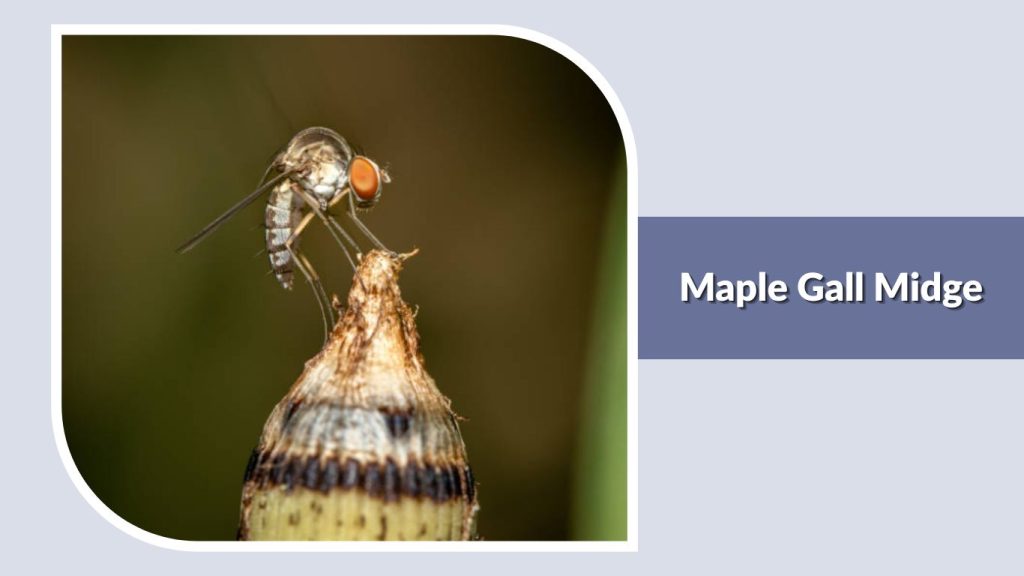
The maple gall midge is a small gall-forming insect that develops on maple trees. It is commonly found in forests, parks, residential landscapes, and urban environments where maple species are abundant. The larvae induce the formation of galls on leaves or other plant tissues, creating protected chambers in which they feed and develop. Although these galls can be visually noticeable, they rarely cause significant damage to healthy maple trees.
Identification
- Tiny yellow-orange to reddish fly
- Slender, delicate body
- Long antennae and legs
- Transparent wings
- Adults typically 2–4 mm long
- Orange larvae found inside maple galls
- Commonly associated with maple leaves and foliage
Habitat
Maple gall midges occur wherever maple trees grow, including deciduous forests, suburban landscapes, parks, and ornamental plantings. They are especially common in areas with large populations of native or cultivated maple species. Young leaves provide ideal sites for egg-laying and gall formation.
Diet
Larvae feed on plant tissues within the galls they create on maple leaves. The gall serves as both a food source and a protective shelter throughout development. Feeding activity is generally localized and rarely affects the long-term health or growth of mature maple trees.
Life Cycle
Female maple gall midges lay eggs on newly developing maple leaves during the growing season. After hatching, larvae begin feeding and stimulate the plant to form protective galls around them. The larvae remain within these structures until they complete development and pupate. Adults emerge later in the season to reproduce, continuing a life cycle closely tied to the annual growth pattern of maple trees.
FAQs
What Are Gall Gnats?
Gall gnats are small flies belonging to the family Cecidomyiidae. Many species cause plants to form abnormal growths called galls, which provide food and protection for developing larvae. They are commonly associated with trees, shrubs, grasses, and agricultural crops.
Are Gall Gnats Harmful to Plants?
Most gall gnats cause only minor cosmetic damage to healthy plants. However, some species, such as the Hessian fly, wheat blossom midge, and swede midge, can significantly reduce crop yields and become serious agricultural pests when populations are high.
What Is a Plant Gall?
A plant gall is an abnormal growth that develops when insects, mites, fungi, or other organisms interact with plant tissues. In the case of gall gnats, larvae stimulate the plant to produce a protective structure that serves as both shelter and a food source.
How Do Gall Gnats Reproduce?
Female gall gnats lay eggs on suitable host plants. After hatching, the larvae feed on plant tissues and often trigger gall formation. Once development is complete, the larvae pupate and eventually emerge as adults, continuing the life cycle.
Can Gall Gnats Kill Trees or Shrubs?
Most gall gnat species do not kill healthy trees or shrubs. Their damage is usually limited to leaves, buds, stems, or localized plant tissues. However, repeated heavy infestations can weaken young plants, reduce growth, and increase susceptibility to environmental stress or other pests.