
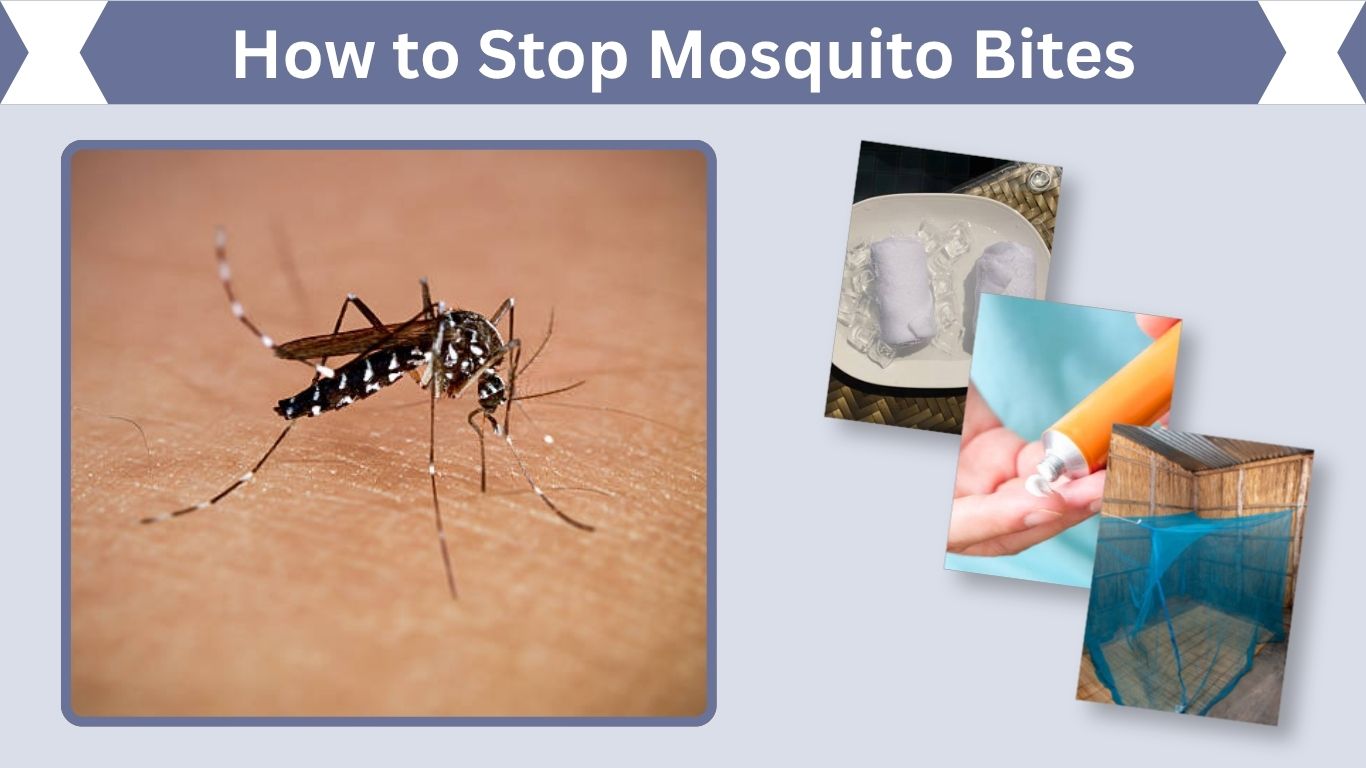
Mosquito bites are a common problem during warm weather and outdoor activities. The itching, swelling, and irritation caused by mosquito bites can become extremely uncomfortable, especially when scratching makes the skin even worse. Mosquito bites itch because the body reacts to proteins found in mosquito saliva. Fortunately, there are many fast and effective ways to reduce itching and calm the skin. From cold compresses and anti-itch creams to natural home remedies, several treatments can provide quick relief and help prevent swelling or infection.
Why Do Mosquito Bites Itch?
Mosquito bites itch because the immune system reacts to mosquito saliva left under the skin after a bite. When a mosquito feeds on blood, it injects saliva that contains proteins and anticoagulants. The body identifies these substances as foreign, which triggers the release of histamine and causes redness, swelling, and itching.
Some people experience only mild irritation, while others develop larger swollen bumps and intense itching. Children and individuals with sensitive skin often react more strongly to mosquito bites.
Common Symptoms of Mosquito Bites
Most mosquito bites cause small, raised bumps that become itchy within minutes. Symptoms usually improve after a few days, although scratching may increase irritation.
Common symptoms include:
- Red or pink swollen bumps
- Mild to severe itching
- Warm skin around the bite
- Small areas of swelling
- Temporary skin irritation
In some cases, excessive scratching can break the skin and increase the risk of infection.
Why Some Mosquito Bites Swell More
Certain people develop stronger immune reactions to mosquito saliva. Large swollen bites may appear more painful and itchy than normal mosquito bites. Allergic sensitivity, skin type, and repeated exposure to mosquitoes can affect how the body reacts.
Environmental conditions such as heat and humidity may also increase skin irritation after a bite.
Fast Ways to Stop Mosquito Bite Itching
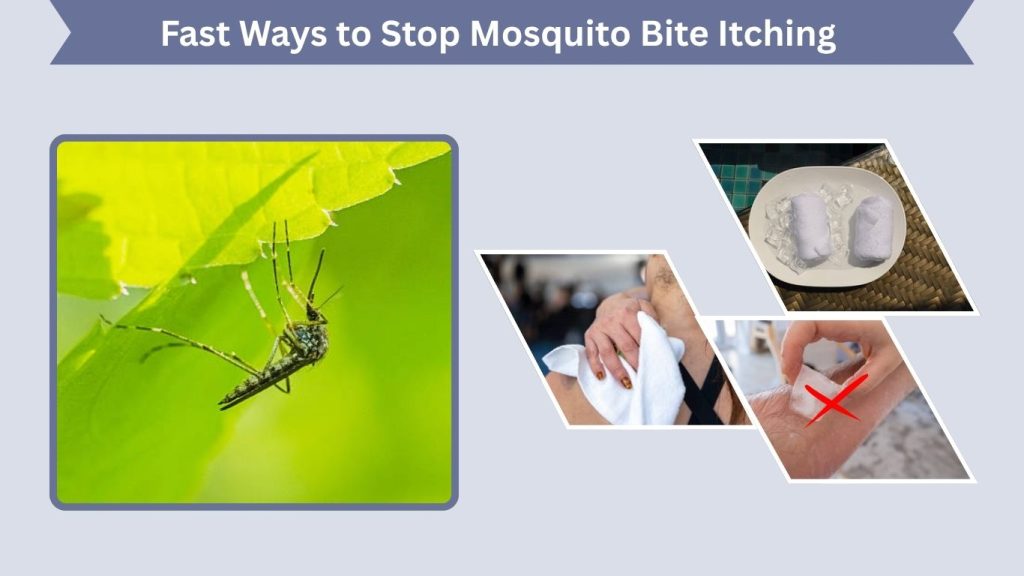
Several treatments can quickly reduce mosquito bite itching and calm irritated skin. Fast treatment is important because scratching may damage the skin and prolong healing time.
Apply a Cold Compress
A cold compress is one of the easiest and fastest ways to relieve itching. Cold temperatures reduce inflammation and temporarily numb the skin, making the itch less noticeable.
To use a cold compress safely:
- Wrap ice in a clean towel
- Apply it for 10 to 15 minutes
- Repeat several times daily
- Avoid placing ice directly on skin
Cold therapy can also help reduce swelling and redness around the bite area.
Use Anti-Itch Creams
Over-the-counter creams are commonly used to relieve mosquito bite symptoms. Products containing hydrocortisone or calamine lotion help reduce inflammation and itching.
Popular anti-itch treatments include:
- Hydrocortisone cream
- Calamine lotion
- Aloe vera gel
- Antihistamine creams
- Cooling menthol gels
These products are widely available and often provide fast relief within minutes.
Home Remedies for Mosquito Bite Itching
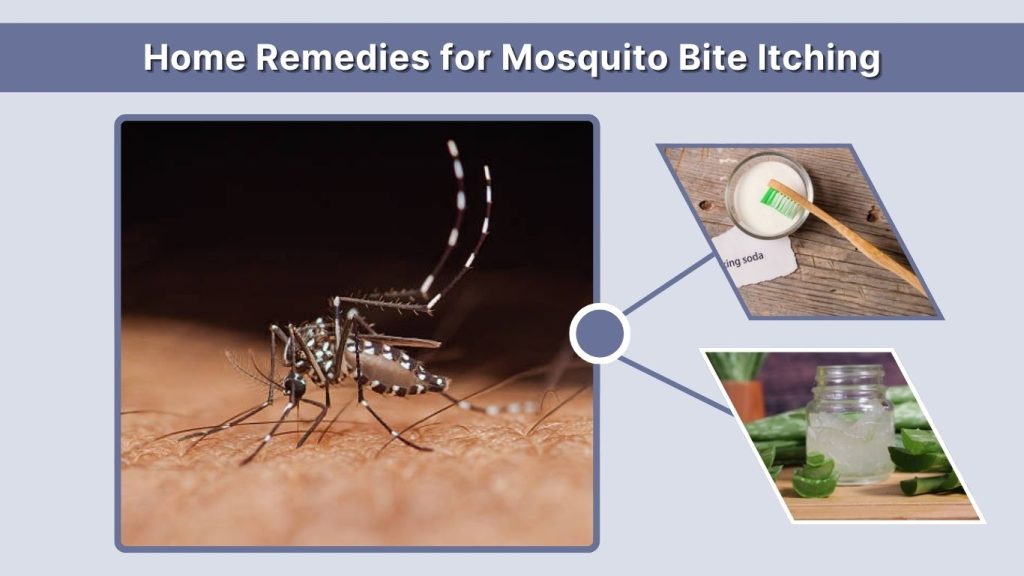
Many natural home remedies may help reduce itching and soothe irritated skin. Home treatments are especially useful for people who prefer natural solutions or do not have medication available.
Baking Soda Paste
Baking soda is commonly used to calm itchy skin because it may help reduce irritation and inflammation. Mixing baking soda with a small amount of water creates a paste that can be applied directly to mosquito bites.
Leave the paste on the skin for several minutes before rinsing gently with cool water.
Oatmeal and Aloe Vera
Oatmeal contains soothing compounds that may reduce skin irritation and itching. Aloe vera is also popular because of its cooling and anti-inflammatory properties.
Natural remedies that may help include:
- Oatmeal paste
- Aloe vera gel
- Honey
- Tea tree oil
- Apple cider vinegar
These remedies may provide temporary comfort while supporting the skin’s healing process.
Natural Ways to Reduce Mosquito Bite Irritation
Natural methods can help calm mosquito bites without using strong medications. Gentle skin care and avoiding irritation are important during the healing process.
Essential Oils for Itching
Some essential oils contain cooling or anti-inflammatory properties that may reduce itching. Lavender oil and tea tree oil are among the most commonly used options.
Essential oils should always be diluted before applying to the skin to avoid irritation.
Preventing More Skin Irritation
Avoiding scratching is one of the most important steps for healing mosquito bites quickly. Scratching damages the skin and may cause swelling, bleeding, or infection.
Helpful prevention tips include:
- Keep fingernails short
- Wash bites with mild soap
- Moisturize dry skin
- Wear loose clothing
- Avoid excessive heat exposure
Proper skin care can reduce discomfort and help mosquito bites heal faster.
How to Stop Mosquito Bites From Itching in Children
Mosquito bites can be especially uncomfortable for babies and young children because they often scratch the skin repeatedly. Parents should use gentle and safe treatments designed for sensitive skin.
Safe Relief for Babies and Toddlers
Cool compresses and mild anti-itch creams approved by pediatricians are usually safe options for children. Keeping the child distracted can also help prevent scratching.
Soft clothing and cool indoor temperatures may further reduce skin irritation during recovery.
How to Reduce Swelling and Redness
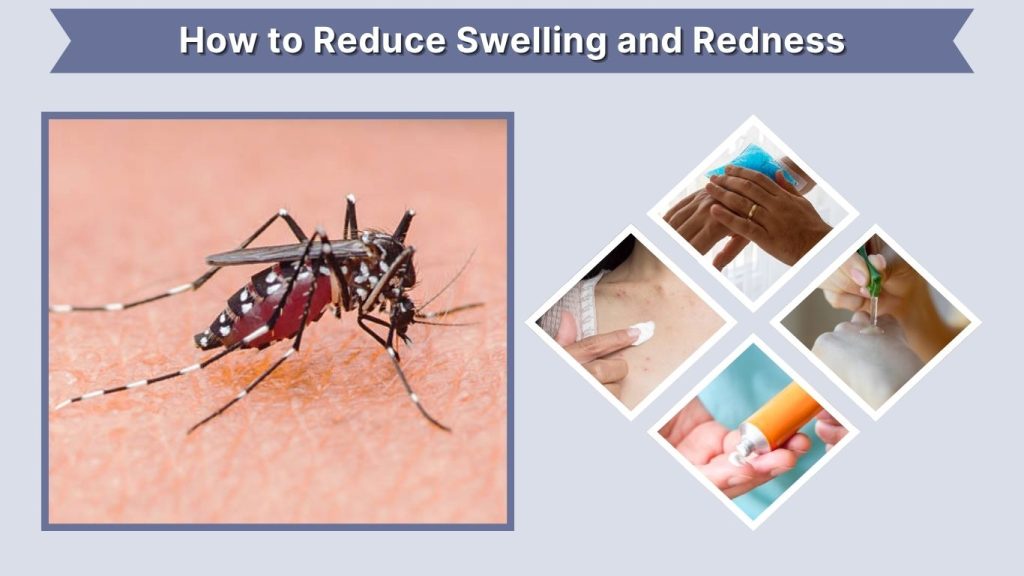
Mosquito bites often become swollen and red because the body reacts to mosquito saliva. Reducing inflammation early can help prevent discomfort and speed up healing. Most swelling improves within a few days if the skin is treated gently and protected from irritation.
Anti-Inflammatory Treatments
Cold therapy is one of the most effective ways to reduce swelling. Applying a cool cloth or ice pack can calm irritated skin and temporarily numb itching sensations.
Helpful treatments include:
- Ice packs
- Cold compresses
- Hydrocortisone cream
- Calamine lotion
- Aloe vera gel
These methods may reduce redness while helping the skin recover more comfortably.
Preventing Infection
Mosquito bites can become infected if scratched repeatedly. Broken skin allows bacteria to enter the body, leading to pain, swelling, and possible skin infections.
To reduce infection risk:
- Wash bites with mild soap
- Keep the area clean and dry
- Avoid scratching the skin
- Use clean towels and cloths
- Cover open bites if necessary
If swelling becomes severe or pus develops, medical treatment may be necessary.
What Not to Do With Mosquito Bites
Many people accidentally make mosquito bites worse by using unsafe remedies or scratching aggressively. Proper care is important for faster healing and reduced irritation.
Why Scratching Makes It Worse
Scratching increases skin inflammation and damages the outer layer of the skin. Continuous scratching can also delay healing and cause scarring in sensitive areas.
Excessive scratching may lead to:
- Increased redness
- More swelling
- Skin bleeding
- Infection risk
- Long-lasting irritation
Keeping the skin cool and moisturized can help reduce the urge to scratch.
Unsafe Home Remedies
Some internet remedies may irritate the skin instead of helping mosquito bites heal. Strong chemicals and excessive heat can damage sensitive skin tissue.
Avoid these common mistakes:
- Applying very hot metal objects
- Using bleach or harsh chemicals
- Scratching with sharp objects
- Overusing strong creams
- Ignoring infected bites
Safe treatments are usually more effective than aggressive home remedies.
How to Prevent Mosquito Bites
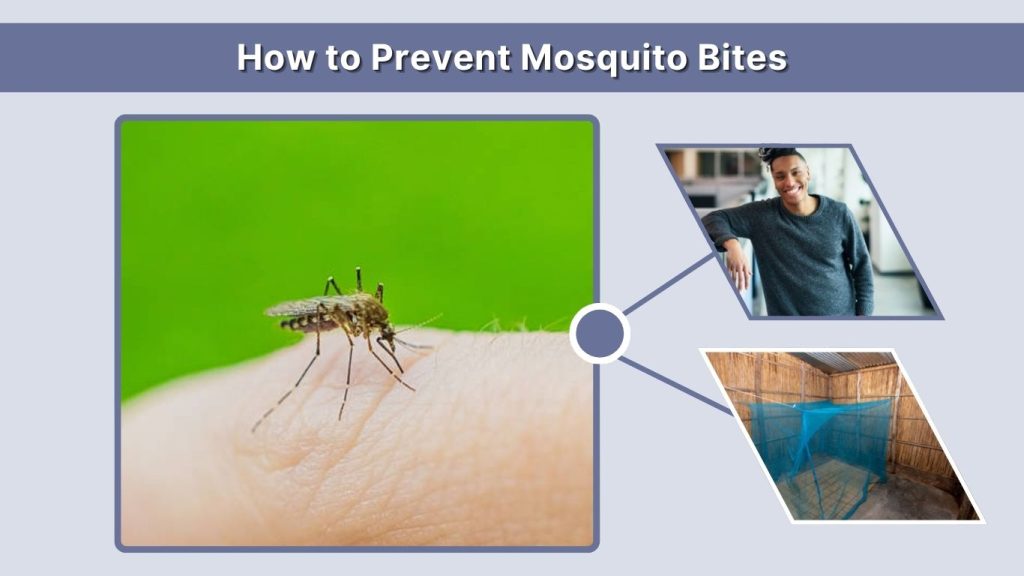
Preventing mosquito bites is often easier than treating severe itching later. Simple protective steps can reduce mosquito exposure both indoors and outdoors.
Best Mosquito Repellents
Mosquito repellents help keep insects away from exposed skin. Products containing DEET, picaridin, or oil of lemon eucalyptus are commonly recommended for outdoor protection.
Repellents should be applied carefully according to product instructions, especially for children and sensitive skin.
Protective Clothing and Environment
Wearing long sleeves and lightweight pants can help reduce mosquito bites during outdoor activities. Mosquitoes are especially active during early morning and evening hours.
Helpful prevention methods include:
- Wearing long clothing
- Using mosquito nets
- Removing standing water
- Keeping windows screened
- Avoiding heavily wooded areas at dusk
Reducing mosquito breeding areas around homes can also lower mosquito populations.
When to Seek Medical Attention
Most mosquito bites improve without medical treatment, but some reactions require professional care. Severe allergic reactions or infections should never be ignored.
Signs of Allergic Reactions
A strong allergic reaction may cause excessive swelling, difficulty breathing, or widespread skin irritation. These symptoms require immediate medical attention.
Warning signs include:
- Severe swelling
- Fever
- Trouble breathing
- Large painful welts
- Rapid skin rash spread
People with known insect allergies should monitor symptoms carefully after mosquito bites.
Symptoms of Infection
Infected mosquito bites may become increasingly painful and swollen after several days. Warm skin, pus, or spreading redness can indicate bacterial infection.
Early treatment helps prevent more serious complications and supports faster healing.
FAQs
How long do mosquito bites itch?
Most mosquito bites itch for 3 to 4 days, although some may last longer depending on skin sensitivity and scratching. Severe reactions can remain itchy for up to a week.
What stops mosquito bites from itching instantly?
Cold compresses, hydrocortisone cream, calamine lotion, and aloe vera gel can provide fast relief from mosquito bite itching and swelling.
Can toothpaste help mosquito bites?
Some people use toothpaste because it creates a cooling sensation, but it may irritate sensitive skin. Safer treatments include aloe vera, oatmeal, or anti-itch creams.
Why do mosquito bites swell?
Mosquito bites swell because the immune system reacts to proteins found in mosquito saliva. Histamine release causes redness, swelling, and itching around the bite.
Are mosquito bites dangerous?
Most mosquito bites are harmless, but excessive scratching may cause infection. In some regions, mosquitoes can spread diseases such as dengue, malaria, and West Nile virus.