
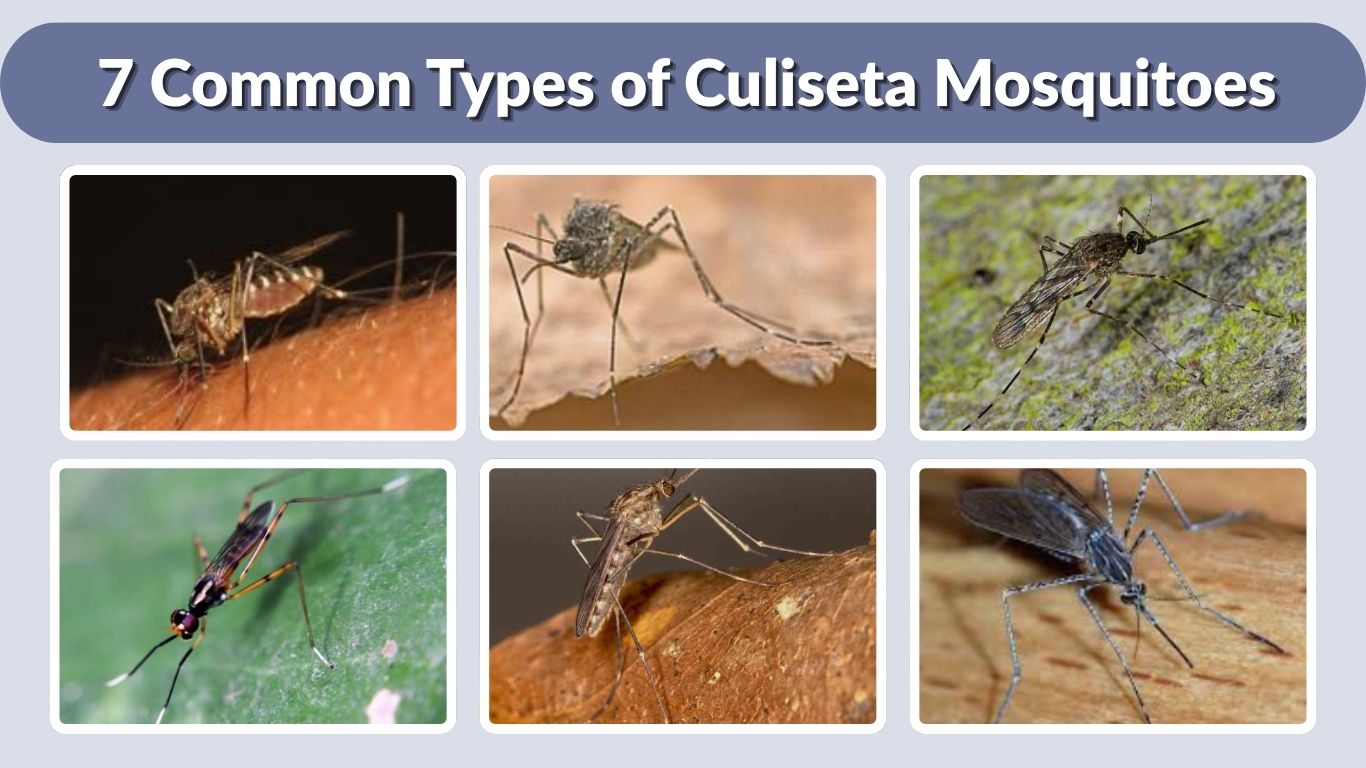
Culiseta mosquitoes are a lesser-known group of mosquitoes commonly found in cool and damp environments such as wetlands, marshes, forests, and rural landscapes. These mosquitoes belong to the Culiseta genus and are generally larger than many other mosquito species. Some prefer feeding on birds, while others may also bite mammals and humans. Their larvae develop in stagnant or slow-moving water, including ponds, swamps, and rain-filled pools. Although they are not as famous as Aedes or Anopheles mosquitoes, Culiseta species play important ecological roles in natural ecosystems across North America, Europe, Asia, and nearby regions.
1. Culiseta annulata
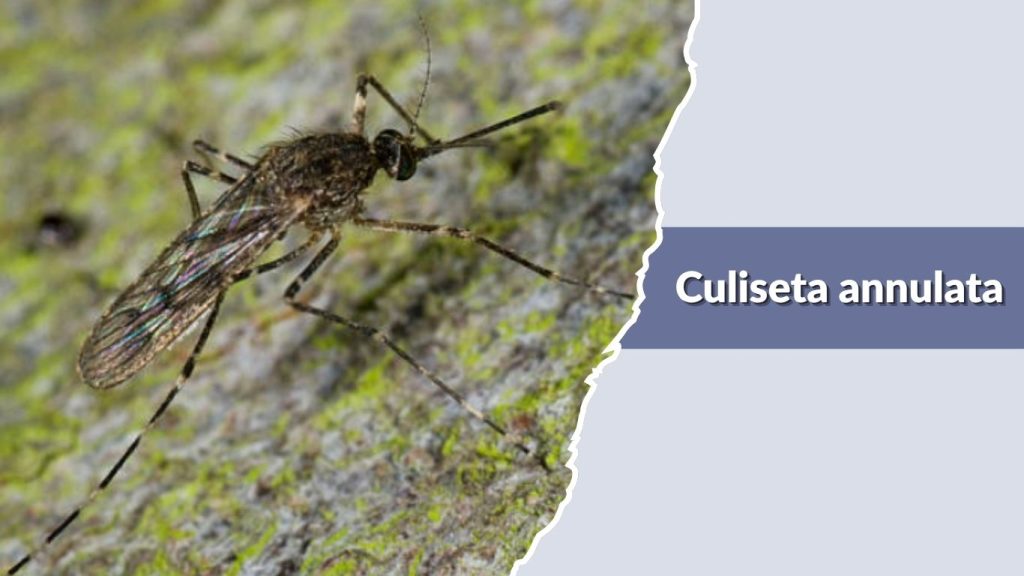
Culiseta annulata is one of the largest mosquito species found in Europe and parts of Asia. This mosquito belongs to the Culiseta genus and is commonly associated with cool, damp environments such as marshes, woodlands, and rural areas. Although it resembles other common mosquitoes, its larger size and distinctive banded legs help make it easier to identify in natural habitats.
Identification
- Large mosquito species with long legs
- Brownish body with pale markings
- Distinct pale bands on the legs
- Wings covered with fine scales
- Long proboscis used for feeding
- Females are larger than males
Habitat and Distribution
Culiseta annulata is widely distributed across Europe, North Africa, and parts of Asia. It commonly inhabits wetlands, marshes, woodland areas, gardens, and rural landscapes with standing water. The species prefers cool and damp environments where larvae can develop in ponds, ditches, rain barrels, and other water-filled habitats naturally.
Behavior and Diet
Adult Culiseta annulata mosquitoes are mainly active during evening and nighttime hours. Females feed on the blood of birds, mammals, and occasionally humans to obtain nutrients for egg production. Males feed only on plant nectar and sugary substances. Adults are generally slow fliers and often rest in shaded vegetation during daylight.
Lifecycle
The lifecycle of Culiseta annulata begins when females lay eggs on stagnant water surfaces. The eggs hatch into aquatic larvae that feed on microorganisms and organic material. After passing through several larval stages, they transform into pupae before emerging as adult mosquitoes. Multiple generations may occur annually under favorable environmental conditions.
2. Culiseta inornata
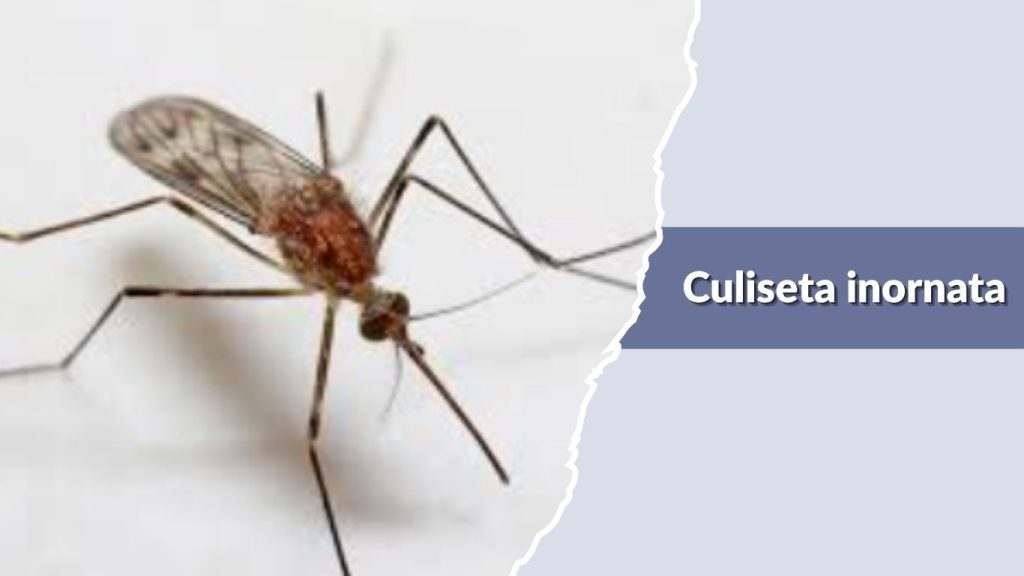
Culiseta inornata is a large mosquito species commonly found in North America. It belongs to the Culiseta genus and is known for its preference for cool and shaded habitats. This mosquito is active during spring and autumn in many regions and is often associated with wetlands, ponds, and rural environments containing stagnant water suitable for breeding.
Identification
- Large mosquito with a brownish body
- Long slender legs with pale scaling
- Wings covered in narrow dark scales
- Long proboscis used for blood feeding
- Females are noticeably larger than males
- Body lacks bright contrasting markings
Habitat and Distribution
Culiseta inornata is widely distributed across Canada, the United States, and parts of Mexico. It commonly inhabits marshes, woodland edges, swamps, rural fields, and areas with standing water. The species prefers cooler climates and shaded aquatic habitats where larvae can successfully develop throughout seasonal breeding periods naturally.
Behavior and Diet
Adult Culiseta inornata mosquitoes are most active during dusk and nighttime hours. Females feed on the blood of mammals, birds, and occasionally humans to support egg production. Males survive on nectar and sugary plant secretions. Adults usually rest in cool shaded vegetation or sheltered outdoor areas during daytime conditions.
Lifecycle
The lifecycle of Culiseta inornata starts when females deposit eggs on stagnant water surfaces. The eggs hatch into aquatic larvae that feed on microorganisms and organic material. After several larval stages, they become pupae before transforming into adult mosquitoes. Depending on climate conditions, multiple generations may appear during the warmer months annually.
3. Culiseta melanura
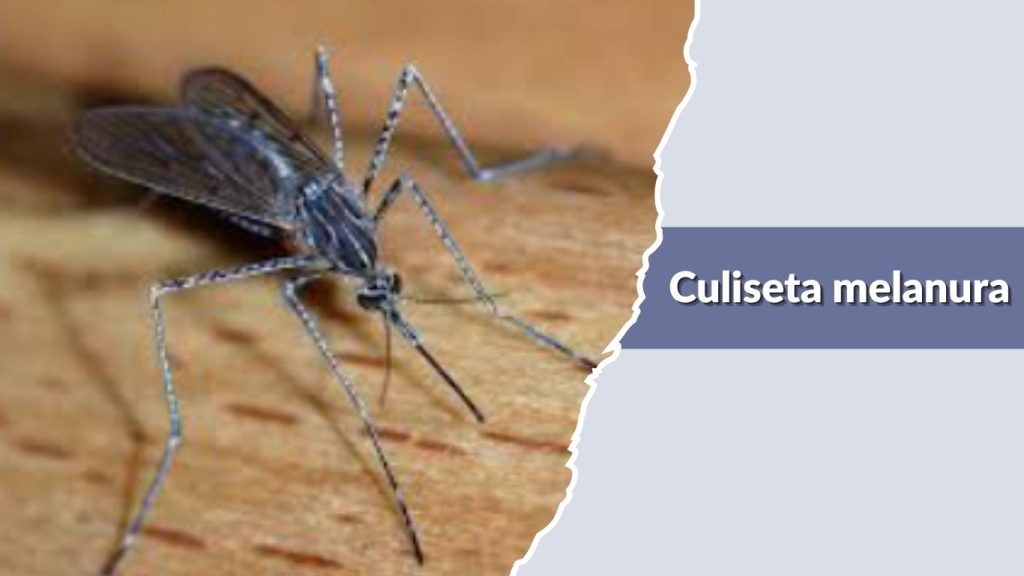
Culiseta melanura is a mosquito species best known for inhabiting freshwater swamps and wooded wetlands. It belongs to the Culiseta genus and is commonly associated with birds rather than humans. This mosquito plays an important ecological role because it can help spread certain bird-related viruses in natural environments across parts of North America.
Identification
- Medium to large mosquito species
- Dark brown body with narrow pale markings
- Long legs with fine scaling
- Wings covered with dark scales
- Long proboscis adapted for feeding
- Females are larger and more active feeders
Habitat and Distribution
Culiseta melanura is widely distributed across eastern North America, especially in swampy and forested regions. It commonly inhabits freshwater marshes, cedar swamps, woodland wetlands, and shaded areas with standing water. The species prefers cool moist habitats where larvae develop in underground pools and water-filled root cavities naturally.
Behavior and Diet
Adult Culiseta melanura mosquitoes are mainly active during evening and nighttime hours. Females primarily feed on birds and rarely bite humans. Males feed only on nectar and sugary plant substances. Adults usually remain near wooded wetland habitats and rest in shaded vegetation during the daytime to avoid heat and predators.
Lifecycle
The lifecycle of Culiseta melanura begins when females lay eggs near stagnant water in swamp habitats. The eggs hatch into aquatic larvae that feed on microorganisms and organic debris. After passing through several developmental stages, larvae become pupae before emerging as adult mosquitoes. Multiple generations may occur annually in suitable wetland environments.
4. Culiseta morsitans
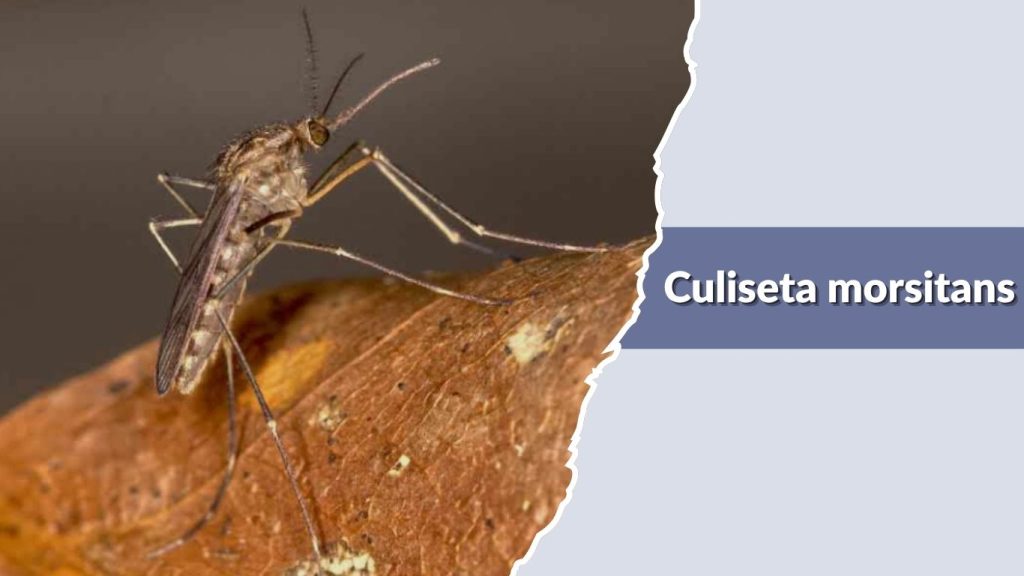
Culiseta morsitans is a cool-climate mosquito species commonly found in wetlands, marshes, and forested regions. Belonging to the Culiseta genus, this mosquito is mainly associated with birds and natural aquatic habitats. It is most active during cooler parts of the year and is known for surviving in shaded environments with abundant standing water.
Identification
- Medium to large mosquito species
- Brownish body with pale scaling
- Long slender legs
- Wings covered with dark narrow scales
- Long proboscis for feeding
- Females are larger than males
Habitat and Distribution
Culiseta morsitans is distributed across parts of Europe, Asia, and North America in temperate climates. It commonly inhabits marshes, woodland wetlands, swamps, and grassy areas near standing water. The species prefers cool moist environments where shaded pools and slow-moving water provide suitable breeding habitats for larvae naturally.
Behavior and Diet
Adult Culiseta morsitans mosquitoes are mainly active during dusk and nighttime hours. Females usually feed on the blood of birds and occasionally mammals for egg development. Males feed only on nectar and plant sugars. Adults commonly rest in dense vegetation or shaded woodland areas during the daytime hours.
Lifecycle
The lifecycle of Culiseta morsitans starts when females lay eggs in stagnant water habitats. The eggs hatch into aquatic larvae that feed on microorganisms and organic material found in the water. After several larval stages, they develop into pupae before emerging as adult mosquitoes. Multiple generations may occur during favorable seasonal conditions.
5. Culiseta longiareolata
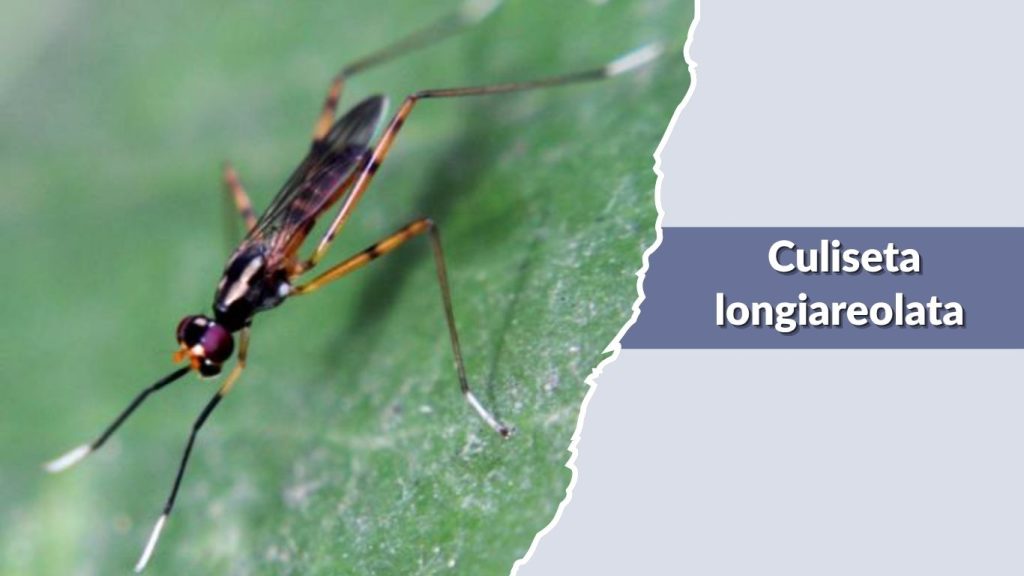
Culiseta longiareolata is a mosquito species commonly found in warm regions with temporary pools and stagnant water habitats. It belongs to the Culiseta genus and is recognized for its adaptability to various environmental conditions. This mosquito is frequently observed in rural landscapes, wetlands, and areas with rain-filled containers where larvae can successfully develop.
Identification
- Medium-sized mosquito with a brownish body
- Pale markings on legs and thorax
- Long slender legs with fine scales
- Wings covered with narrow dark scales
- Long proboscis used for feeding
- Females are larger and more active biters
Habitat and Distribution
Culiseta longiareolata is distributed across Europe, North Africa, the Middle East, and parts of Asia. It commonly inhabits wetlands, ponds, marshes, rural fields, and temporary rain pools. The species adapts well to artificial water containers and natural stagnant water habitats where larvae can grow under warm environmental conditions naturally.
Behavior and Diet
Adult Culiseta longiareolata mosquitoes are mainly active during evening and nighttime hours. Females feed on the blood of birds, mammals, and sometimes humans for egg production. Males survive entirely on nectar and sugary plant substances. Adults usually rest in shaded vegetation or sheltered outdoor locations during daytime conditions.
Lifecycle
The lifecycle of Culiseta longiareolata begins when females lay eggs on stagnant water surfaces. The eggs hatch into aquatic larvae that feed on microorganisms and organic matter. After completing several larval stages, they develop into pupae before emerging as adult mosquitoes. Several generations may occur annually in warm and favorable climates.
6. Culiseta alaskaensis
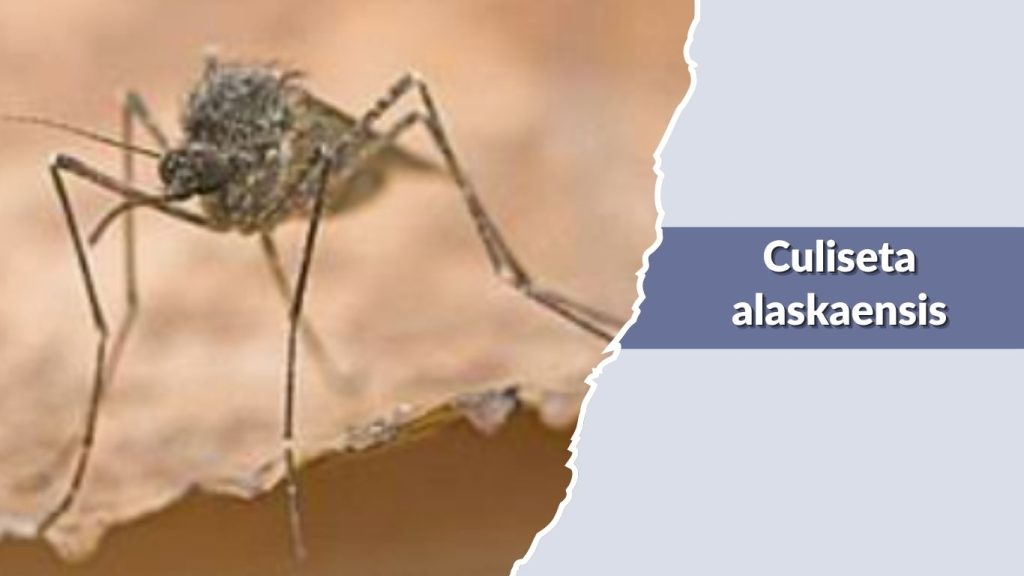
Culiseta alaskaensis is a cold-tolerant mosquito species commonly found in northern regions of North America. This mosquito belongs to the Culiseta genus and is well adapted to cool forested habitats, wetlands, and tundra environments. It is most active during warmer months when snowmelt and standing water create suitable breeding conditions for developing larvae.
Identification
- Medium-sized mosquito with a dark brown body
- Long legs with fine pale scaling
- Wings covered with narrow dark scales
- Slender body shape with long proboscis
- Females are larger than males
- Body coloration helps camouflage in shaded habitats
Habitat and Distribution
Culiseta alaskaensis is distributed across Alaska, Canada, and northern parts of the United States. It commonly inhabits boreal forests, marshes, tundra wetlands, and areas with cool standing water. The species prefers cold and moist environments where temporary pools, ponds, and snowmelt water provide suitable breeding habitats naturally.
Behavior and Diet
Adult Culiseta alaskaensis mosquitoes are mostly active during evening and nighttime hours. Females feed on the blood of mammals and birds to support egg development, while males survive on nectar and plant sugars. Adults commonly rest in shaded vegetation and woodland habitats during the daytime to avoid direct sunlight and predators.
Lifecycle
The lifecycle of Culiseta alaskaensis begins when females lay eggs near stagnant or slow-moving water. The eggs hatch into aquatic larvae that feed on microorganisms and organic debris. After progressing through several larval stages, they transform into pupae before emerging as adult mosquitoes. One or multiple generations may appear depending on climate conditions.
7. Culiseta incidens
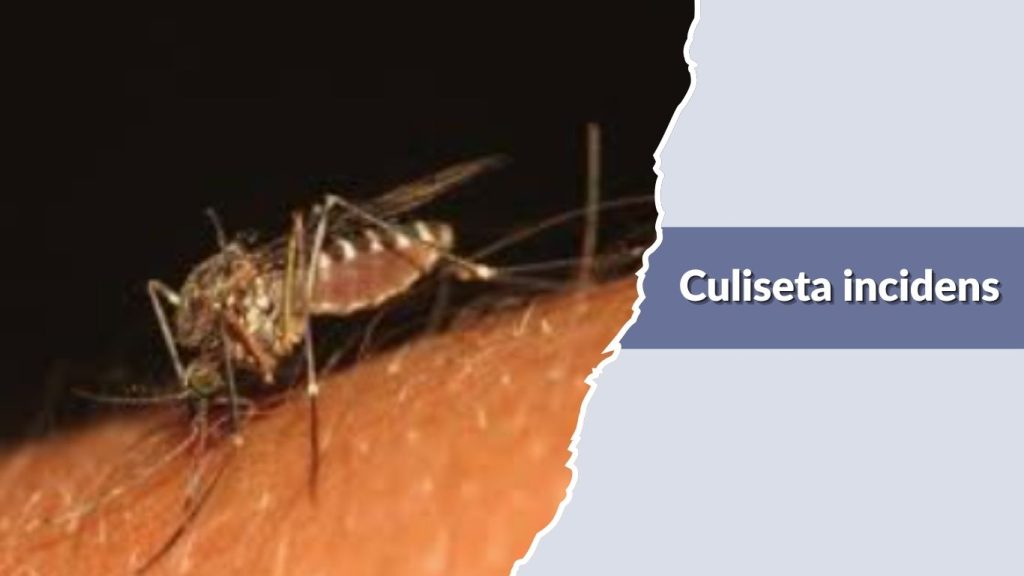
Culiseta incidens is a common mosquito species found in western North America, especially in cool and moist habitats. Belonging to the Culiseta genus, this mosquito is known for breeding in a variety of natural and artificial water sources. It is commonly observed near wetlands, gardens, and wooded areas where standing water is available for larval development.
Identification
- Medium to large mosquito species
- Brownish body with pale scaling
- Long slender legs
- Wings covered with dark narrow scales
- Long proboscis used for feeding
- Females are larger and more active feeders
Habitat and Distribution
Culiseta incidens is distributed across western regions of the United States and Canada. It commonly inhabits marshes, ponds, woodland edges, gardens, and rural landscapes with stagnant water. The species adapts well to natural wetlands and artificial containers where cool shaded water supports successful breeding and larval development naturally.
Behavior and Diet
Adult Culiseta incidens mosquitoes are mainly active during dusk and nighttime hours. Females feed on the blood of birds, mammals, and occasionally humans to obtain nutrients for egg production. Males survive on nectar and sugary plant substances. Adults often rest in dense vegetation or shaded outdoor shelters during daytime conditions.
Lifecycle
The lifecycle of Culiseta incidens begins when females lay eggs on stagnant water surfaces. The eggs hatch into aquatic larvae that feed on microorganisms and organic material found in the water. After several developmental stages, the larvae become pupae before transforming into adult mosquitoes. Multiple generations may occur annually in favorable environments.
FAQs
What are Culiseta mosquitoes?
Culiseta mosquitoes are a genus of mosquitoes commonly found in cool and moist environments such as wetlands, marshes, forests, and rural areas. They are generally larger than many other mosquito species and are distributed across Europe, Asia, North America, and parts of Africa depending on the species.
Do Culiseta mosquitoes bite humans?
Some Culiseta mosquito species can bite humans, although many prefer feeding on birds or other animals. Female mosquitoes require blood meals to produce eggs, while males feed only on nectar and sugary plant substances. Their biting activity usually increases during evening and nighttime hours in suitable habitats.
Where do Culiseta mosquitoes breed?
Culiseta mosquitoes breed in stagnant or slow-moving water habitats. Common breeding locations include ponds, marshes, swamps, rain-filled containers, ditches, wetlands, and woodland pools. Their larvae develop in aquatic environments where microorganisms and organic matter provide a steady food source for growth and development.
What do Culiseta mosquitoes eat?
Adult male Culiseta mosquitoes feed on nectar and plant sugars for energy. Females also consume nectar but require blood from birds, mammals, or occasionally humans to support egg production. Larvae feed on microorganisms, algae, and organic debris found in standing water during their aquatic developmental stages.
Are Culiseta mosquitoes active year-round?
Culiseta mosquito activity depends on climate and environmental conditions. In cooler regions, they are mainly active during spring, summer, and early autumn. Some species are adapted to cold environments and can survive in northern climates where snowmelt and seasonal standing water create temporary breeding habitats each year.