
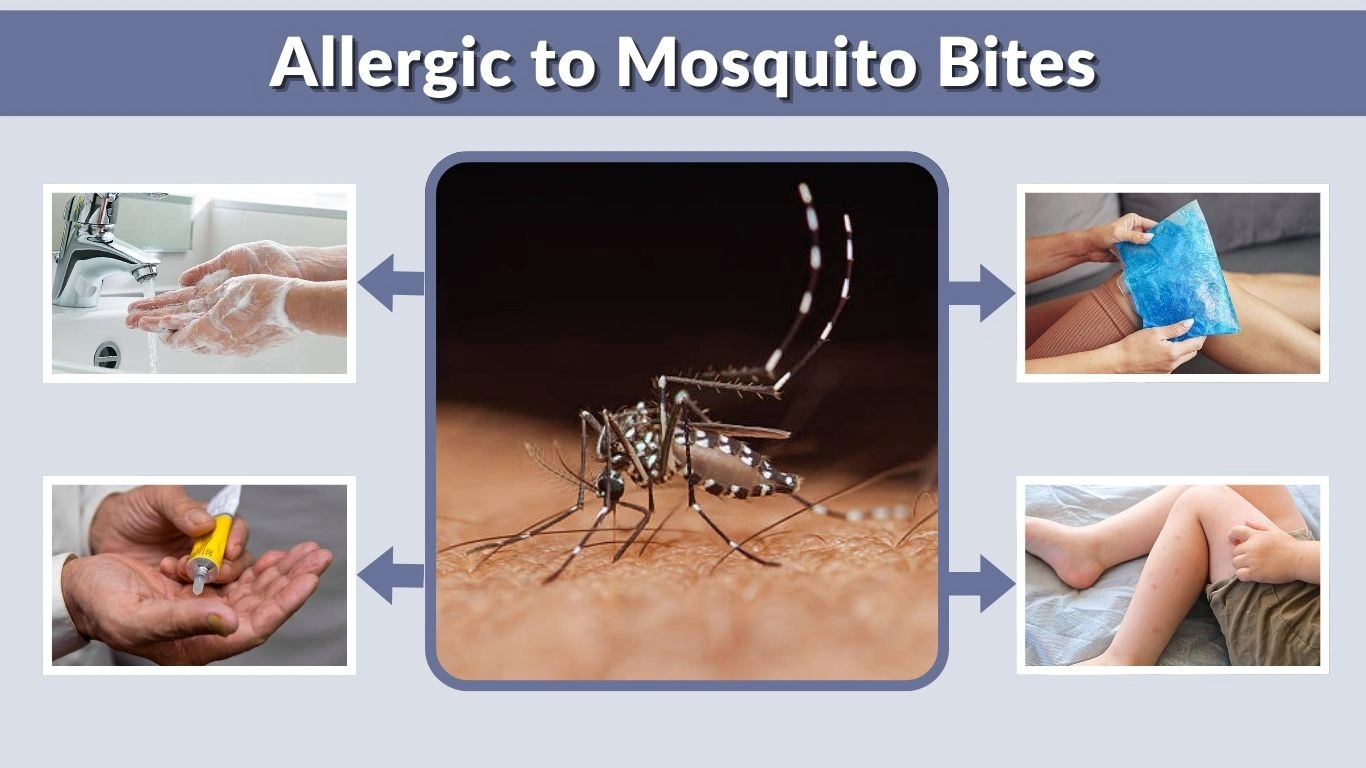
Mosquito bites are common, but some people experience reactions that go far beyond mild itching. An allergic reaction to mosquito bites happens when the immune system overreacts to proteins in mosquito saliva. This can lead to large swollen welts, redness, blistering, and discomfort that lasts for days. Children often develop stronger reactions than adults, though severe symptoms can happen at any age. Understanding the difference between a normal mosquito bite and an allergic reaction can help you treat symptoms quickly and know when medical attention may be necessary.
What Does It Mean to Be Allergic to Mosquito Bites?
A mosquito bite allergy occurs when the body reacts aggressively to mosquito saliva after being bitten. While most people develop a small itchy bump, allergic individuals may experience intense swelling, pain, or skin irritation that spreads beyond the bite area. In rare cases, reactions can become severe and require urgent medical care.
Common Signs of a Mosquito Bite Allergy
People with mosquito bite allergies often notice symptoms that are much stronger than typical insect bites. These reactions may appear within minutes or develop gradually over several hours.
- Large swollen welts around the bite
- Severe itching that lasts for days
- Warm, red, or painful skin
- Blisters or hardened bumps
- Swelling around the eyes or face
Why Some People React More Strongly
Not everyone responds to mosquito bites in the same way. The immune system plays the biggest role in determining how severe the reaction becomes. Children, people with sensitive skin, and individuals with other allergies may develop stronger inflammation after bites.
Some people also become more sensitive after repeated mosquito exposure over time. In certain cases, reactions may suddenly worsen even if previous mosquito bites caused only mild irritation.
Normal vs Allergic Reaction to Mosquito Bites
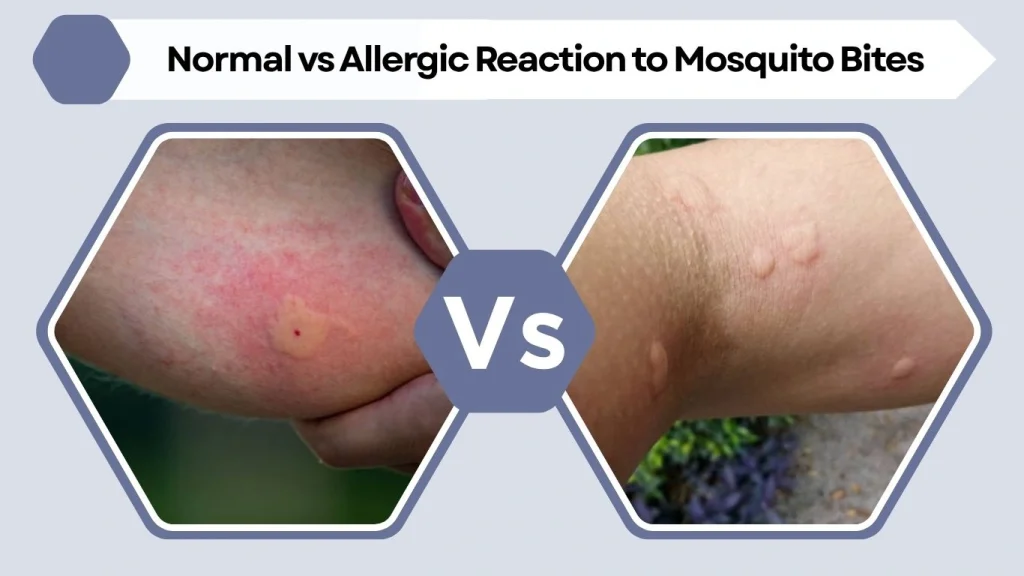
It can be difficult to tell whether a mosquito bite is normal or allergic because both cause itching and redness. The main difference is the severity and duration of symptoms. Allergic reactions tend to produce larger swelling, stronger itching, and longer healing times.
What a Normal Mosquito Bite Looks Like
A typical mosquito bite usually appears as a small raised bump shortly after the bite occurs. Mild itching and redness are common, but symptoms often improve within a day or two without treatment.
Normal bites generally:
- Stay small and localized
- Cause mild irritation
- Heal within a few days
- Do not blister or spread
What an Allergic Reaction Looks Like
An allergic mosquito bite reaction is usually much larger and more uncomfortable than a regular bite. Swelling may spread several inches beyond the bite area, and the skin can become hot, firm, or painful.
Some people also develop fluid-filled blisters or hives. When bites occur on the face, swelling around the eyes or lips may become especially noticeable.
When a Reaction Becomes Severe
Severe mosquito bite reactions are uncommon, but they can happen. Symptoms that should never be ignored include breathing difficulty, dizziness, widespread hives, or rapid swelling of the face and throat. These signs may indicate a dangerous allergic emergency.
People who experience repeated severe swelling after mosquito bites should speak with a healthcare provider for proper evaluation and treatment guidance.
What Does an Allergic Reaction to Mosquito Bites Look Like?
Mosquito bite allergies can appear differently depending on the person and the severity of the reaction. Some reactions stay limited to swelling and redness, while others cause large inflamed patches or blistering skin.
Swelling and Redness
Swelling is one of the most common signs of a mosquito bite allergy. The affected area may become puffy, tender, and warm to the touch. In allergic individuals, the swelling often extends far beyond the original bite location.
Redness may also spread outward in a circular pattern. These reactions can remain visible for several days before slowly fading.
Blisters From Mosquito Bites
Some allergic reactions lead to blister formation. These blisters may contain clear fluid and can become painful if scratched repeatedly. Although blistering can look alarming, it is usually caused by intense inflammation rather than infection.
Keeping the skin clean and avoiding scratching is important because broken blisters increase the risk of bacterial infection.
Allergic Reaction to Mosquito Bites on the Face
Facial mosquito bites often appear more dramatic because the skin around the eyes and lips is sensitive. Even a single bite can cause noticeable puffiness or swelling.
Children are especially likely to experience exaggerated facial swelling after mosquito bites. In most cases, the reaction improves within several days with proper home treatment and cold compresses.
How to Treat Allergic Reaction to Mosquito Bites
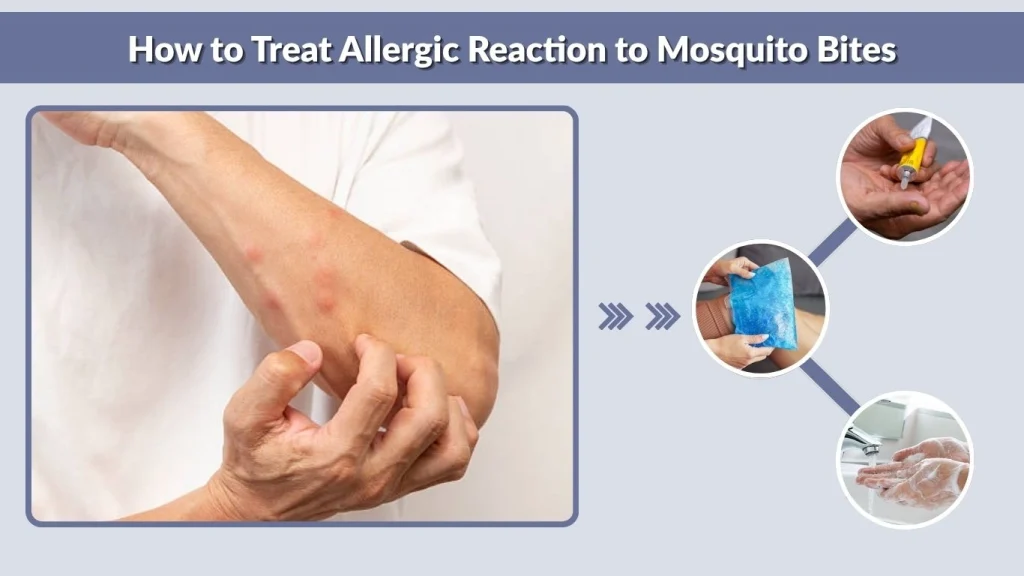
Most allergic reactions to mosquito bites can be treated at home with simple care methods. The goal of treatment is to reduce swelling, calm itching, and prevent skin damage from scratching. Severe reactions may require medical attention, especially if swelling becomes extreme or affects breathing.
Home Treatments for Mosquito Bite Allergies
Several treatments can help relieve discomfort and speed up healing. Early care is important because scratching can worsen inflammation and increase the chance of infection.
- Apply a cold compress for 10 to 15 minutes
- Use anti-itch creams such as hydrocortisone
- Take oral antihistamines for swelling and itching
- Wash the bite area gently with soap and water
- Avoid scratching or rubbing the skin
Medicines for Severe Swelling
People with stronger allergic reactions may need additional treatment. Doctors sometimes recommend prescription-strength steroid creams or stronger antihistamines for recurring reactions.
If the bite becomes extremely swollen, painful, or warm, a healthcare provider may examine the area to rule out infection. Severe allergic reactions involving breathing problems require emergency medical care immediately.
What to Do If You Are Allergic to Mosquito Bites
Managing mosquito bite allergies involves both symptom relief and prevention. Knowing how to respond quickly after being bitten can reduce discomfort and prevent reactions from becoming more severe.
Steps to Take After a Mosquito Bite
Quick treatment can make a major difference in how long symptoms last. Many allergic reactions become worse because of scratching and continued skin irritation.
- Clean the bite area immediately
- Apply ice or a cold cloth to reduce swelling
- Use anti-itch medication if symptoms develop
- Keep fingernails short to avoid skin damage
- Watch for worsening symptoms over the next several hours
Preventing Future Mosquito Bites
Prevention is often the best way to avoid allergic reactions altogether. Mosquitoes are most active during warm weather and around standing water, so reducing exposure is important for sensitive individuals.
Using insect repellent regularly and wearing protective clothing outdoors can greatly lower the risk of bites. Homes should also be checked for standing water near plants, buckets, or gutters where mosquitoes breed.
Allergic Reactions to Mosquito Bites in Babies and Toddlers
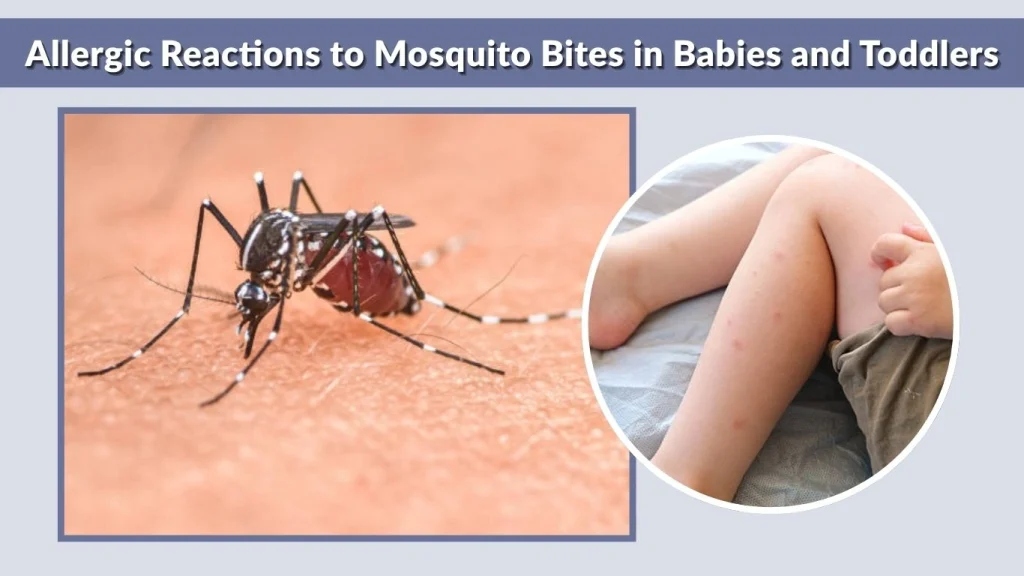
Young children often experience larger mosquito bite reactions than adults because their immune systems are still developing. Swelling may appear dramatic, especially on the face, arms, or legs, but most reactions improve with proper care.
Signs of Mosquito Bite Allergy in Children
Children with mosquito bite allergies may develop intense swelling and irritation that lasts several days. The affected area can become firm, red, and very itchy.
Parents should monitor for:
- Large swollen bumps
- Excessive scratching
- Trouble sleeping due to itching
- Blisters or skin irritation
- Fever or worsening redness
When Parents Should Contact a Doctor
Most mosquito bite reactions in children are harmless, but medical care may be needed if symptoms become severe. Swelling near the eyes, signs of infection, or breathing difficulties should always be evaluated quickly.
Doctors can recommend safe medications and help determine whether the child is experiencing an allergic reaction or another skin condition.
Why Some People Become Extremely Allergic to Mosquito Bites
Certain individuals naturally react more strongly to mosquito saliva proteins. Genetics, immune system sensitivity, and repeated mosquito exposure may all influence how severe reactions become over time.
Some people notice that their reactions suddenly worsen after years of only mild irritation. This can happen because immune responses change throughout life. Environmental factors, frequent mosquito exposure, and other allergies may also increase sensitivity.
In rare situations, people develop a condition called Skeeter syndrome, which causes very large local swelling after mosquito bites. Although uncomfortable, the condition is usually manageable with proper treatment and prevention.
FAQs
Can you suddenly become allergic to mosquito bites?
Yes, allergic reactions can develop or worsen over time. Some people become more sensitive after repeated mosquito exposure or changes in the immune system.
What does a severe allergic reaction to mosquito bites look like?
Severe reactions may include extreme swelling, blistering, widespread hives, dizziness, or difficulty breathing. These symptoms require immediate medical attention.
Are children more allergic to mosquito bites than adults?
Children often develop larger swelling and redness because their immune systems react more strongly to mosquito saliva proteins.
How long does an allergic mosquito bite reaction last?
Most allergic reactions improve within several days, though severe swelling and itching can sometimes last up to a week.
Can mosquito bite allergies be prevented?
Yes, prevention methods such as insect repellent, protective clothing, mosquito nets, and avoiding standing water can reduce the risk of bites and allergic reactions.