
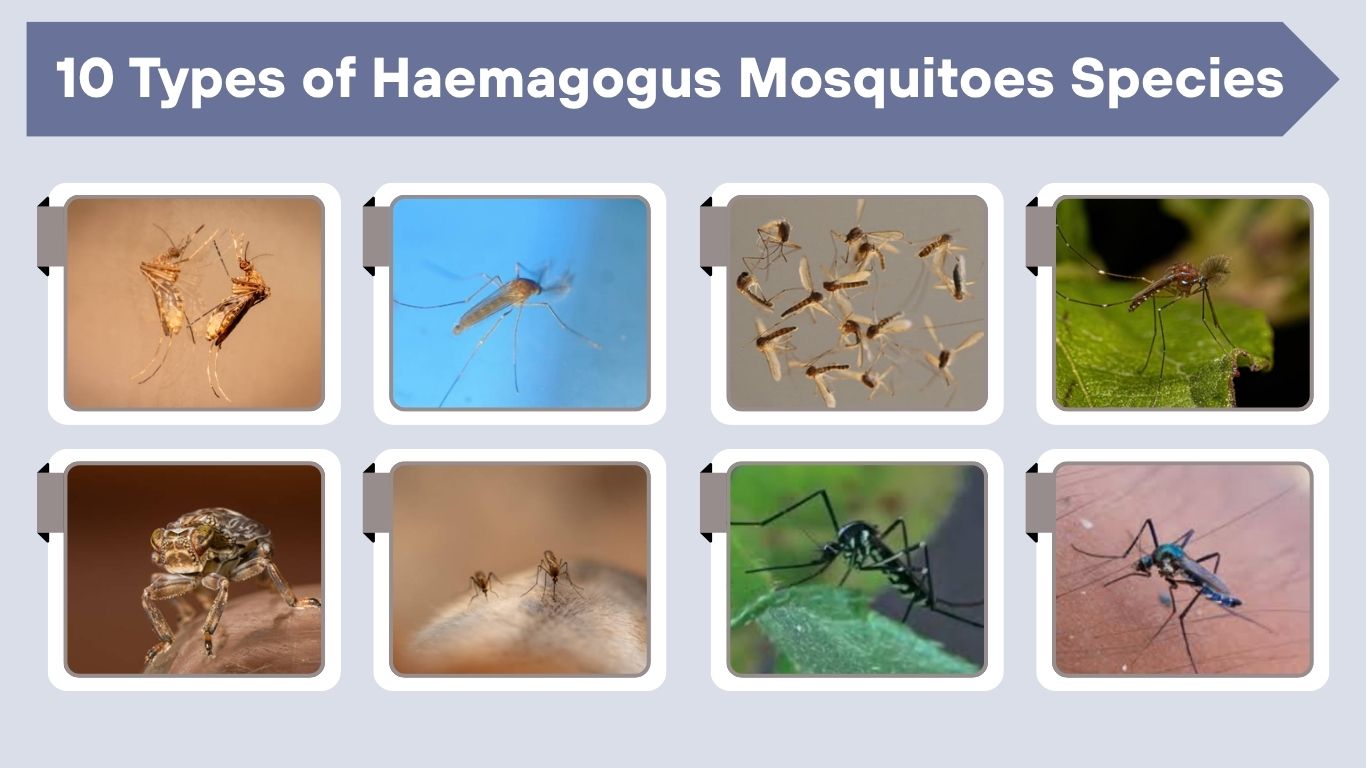
Haemagogus mosquitoes are tropical forest insects mainly found in Central and South America. They are best known for their role in the sylvatic transmission cycle of yellow fever and other arboviruses in jungle ecosystems. These mosquitoes usually breed in natural water-filled containers such as tree holes and bamboo cavities. Most species are active during the daytime and commonly feed on wildlife, especially monkeys and birds, although humans may also be bitten in forested regions. This guide explores 10 types of Haemagogus mosquitoes, including their identification, habitat, behavior, diet, and lifecycle characteristics in tropical environments.
1. Haemagogus janthinomys
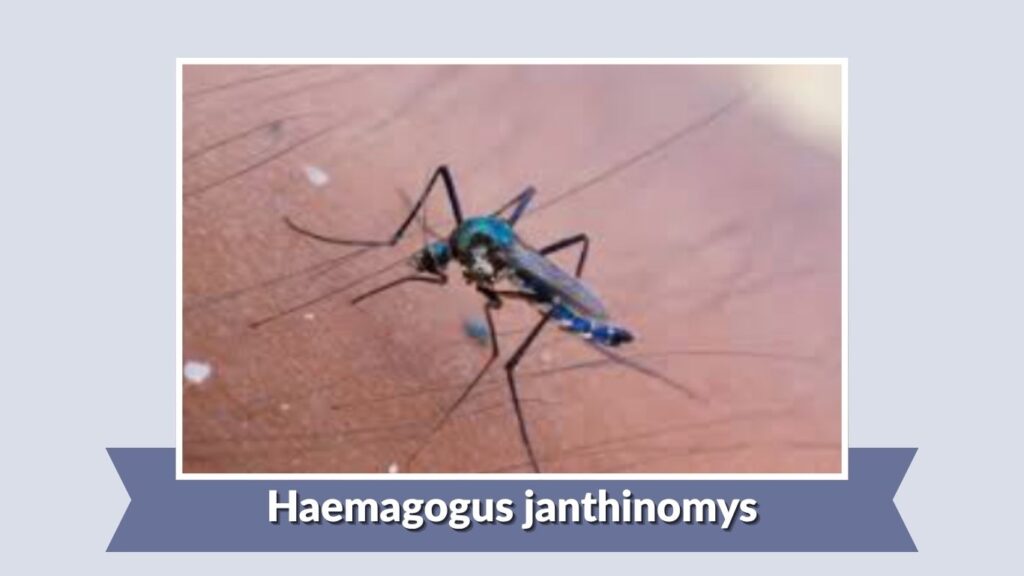
Haemagogus janthinomys is a forest-dwelling mosquito found mainly in tropical regions of Central and South America. It is medically important because it is one of the main mosquitoes involved in the sylvatic yellow fever cycle. This species is commonly associated with forest canopies, tree holes, and areas where humans may encounter infected mosquitoes while entering forest habitats.
Identification
- Medium-sized mosquito with a slender body
- Often has a metallic or shiny appearance
- Dark body with pale markings on the legs
- Clear wings with fine dark veins
- Long legs adapted for resting on vegetation
- Most active during daylight hours
Habitat and Distribution
Haemagogus janthinomys is mainly found in tropical forests of Central and South America, especially in forested regions of Brazil and the Amazon basin. It usually lives in forest canopies but may also occur near forest edges and rural areas. This mosquito commonly breeds in natural water-filled containers such as tree holes, bamboo internodes, and cavities that collect rainwater. Its close connection with forest habitats makes it an important species in jungle disease cycles.
Behavior and Diet
This mosquito is mostly active during the day and is known for biting in forested environments. Female mosquitoes feed on blood to support egg development, while males feed on plant sugars and nectar. In natural settings, females often feed on monkeys and other animals, but they may also bite humans who enter forest areas. Because of this feeding behavior, Haemagogus janthinomys can help maintain and spread yellow fever virus in sylvatic environments.
Lifecycle
The lifecycle of Haemagogus janthinomys begins when females lay eggs in moist natural containers such as tree holes or bamboo cavities. After rainfall fills these spaces with water, the eggs hatch into larvae. The larvae feed and grow in the water before developing into pupae. Adult mosquitoes then emerge and begin searching for food, mates, and breeding sites. This lifecycle is strongly connected to rainfall, forest humidity, and the availability of natural water-holding spaces.
2. Haemagogus leucocelaenus
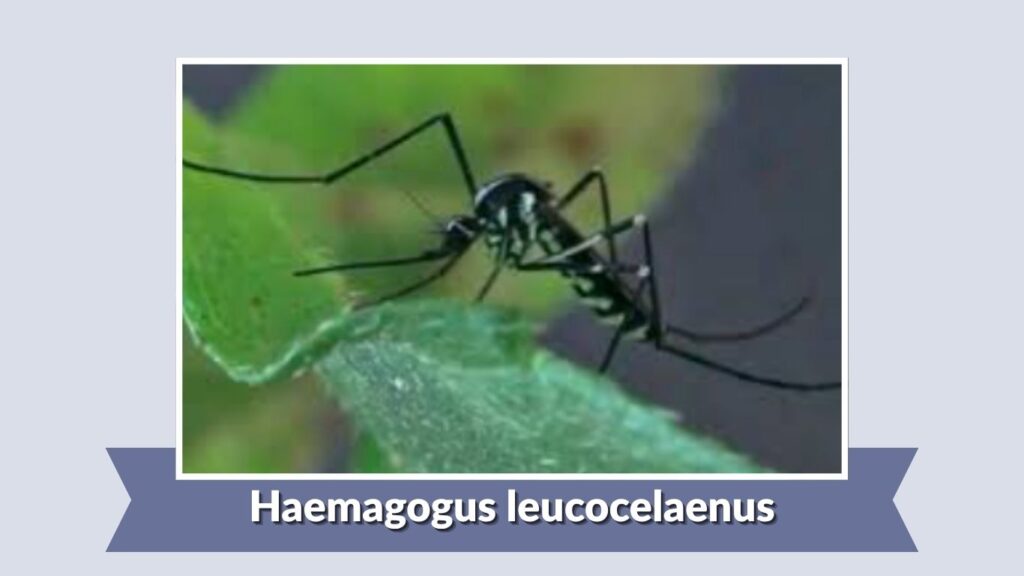
Haemagogus leucocelaenus is a tropical forest mosquito species commonly found in South America. It is medically important because it can participate in the transmission of yellow fever virus in forest environments. This mosquito is strongly associated with wooded habitats and natural water containers, where it breeds and searches for animal or human hosts during daylight hours.
Identification
- Medium-sized mosquito with a dark slender body
- Silvery or pale scales on parts of the thorax and legs
- Long legs with light-colored markings
- Transparent wings with dark veins
- Metallic or shiny appearance under sunlight
- Active mainly during daytime hours
Habitat and Distribution
Haemagogus leucocelaenus is widely distributed across tropical and subtropical forest regions of South America, particularly in Brazil and nearby countries. It prefers humid woodland habitats, forest edges, and rural areas with dense vegetation. The species commonly breeds in tree holes, bamboo cavities, and other natural containers that collect rainwater. Although strongly linked to forests, it may occasionally appear near human settlements located close to wooded areas, especially during warm and rainy seasons.
Behavior and Diet
This mosquito is active during the daytime and often bites humans and animals in forested environments. Female mosquitoes feed on blood to support egg production, while males survive mainly on nectar and plant sugars. In natural ecosystems, females commonly feed on monkeys, birds, and other mammals, helping maintain the sylvatic cycle of yellow fever virus. Their daytime biting behavior increases the likelihood of human exposure when people enter or work in forest regions.
Lifecycle
The lifecycle of Haemagogus leucocelaenus begins when females lay eggs in moist tree holes or natural containers above the water line. After rainfall floods these areas, the eggs hatch into larvae. The larvae develop in stagnant water while feeding on organic matter before transforming into pupae. Adult mosquitoes later emerge and begin searching for mates, food sources, and breeding sites. Rainfall, humidity, and forest conditions strongly influence the development and survival of this mosquito species.
3. Haemagogus equinus
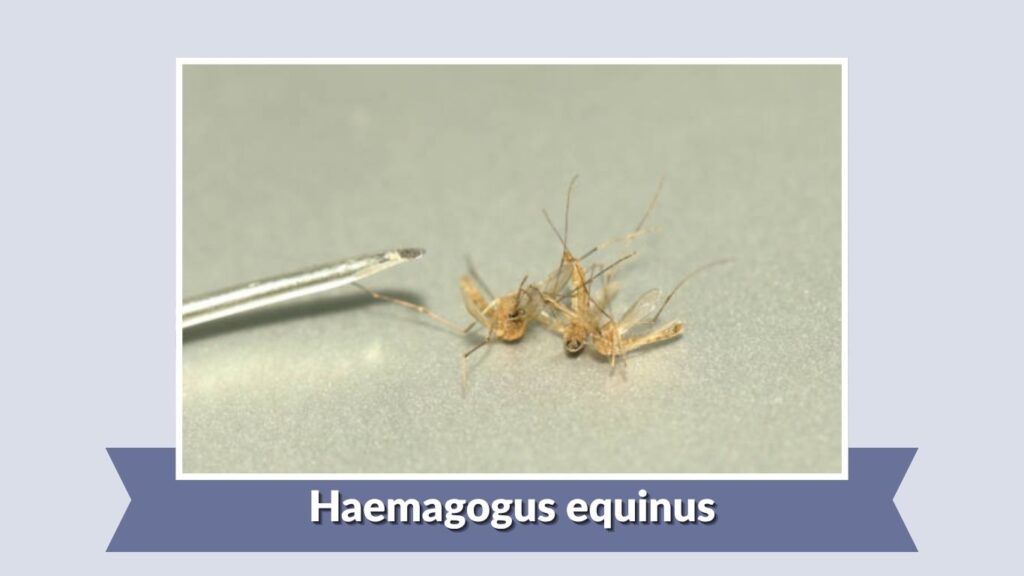
Haemagogus equinus is a tropical mosquito species commonly associated with forested environments in Central and South America. It is known for its role in transmitting certain arboviruses in sylvatic ecosystems. This mosquito is mainly active during daylight hours and is often found in humid forests, where it breeds in natural water-filled containers and feeds on both animals and humans.
Identification
- Medium-sized mosquito with a dark slender body
- Metallic or shiny coloration on the body surface
- Long legs with pale or silvery markings
- Transparent wings with visible dark veins
- Narrow abdomen and elongated mouthparts
- Active mainly during the daytime
Habitat and Distribution
Haemagogus equinus is distributed across tropical and subtropical regions of Central and South America, including forested parts of Mexico, the Caribbean, and northern South America. It prefers humid forests, woodland edges, and rural habitats with dense vegetation. This species commonly breeds in tree holes, bamboo cavities, and other natural containers that collect rainwater. During rainy seasons, populations may increase significantly because of the greater availability of breeding sites in forest ecosystems.
Behavior and Diet
This mosquito is mainly active during daylight hours and frequently bites humans and animals in forested regions. Female mosquitoes require blood meals to develop eggs, while males feed mostly on nectar and plant sugars. In natural habitats, females commonly feed on monkeys, birds, and mammals, helping maintain sylvatic virus cycles. Because of its daytime biting behavior and forest association, people entering jungle environments may become exposed to bites from this mosquito species.
Lifecycle
The lifecycle of Haemagogus equinus begins when females lay eggs in moist natural containers such as tree holes and bamboo internodes. Rainwater later floods these locations, allowing the eggs to hatch into larvae. The larvae develop in stagnant water while feeding on organic material before transforming into pupae. Adult mosquitoes emerge after pupation and begin searching for food, mates, and breeding habitats. Warm temperatures, humidity, and seasonal rainfall strongly influence the survival and reproduction of this species.
4. Haemagogus spegazzinii
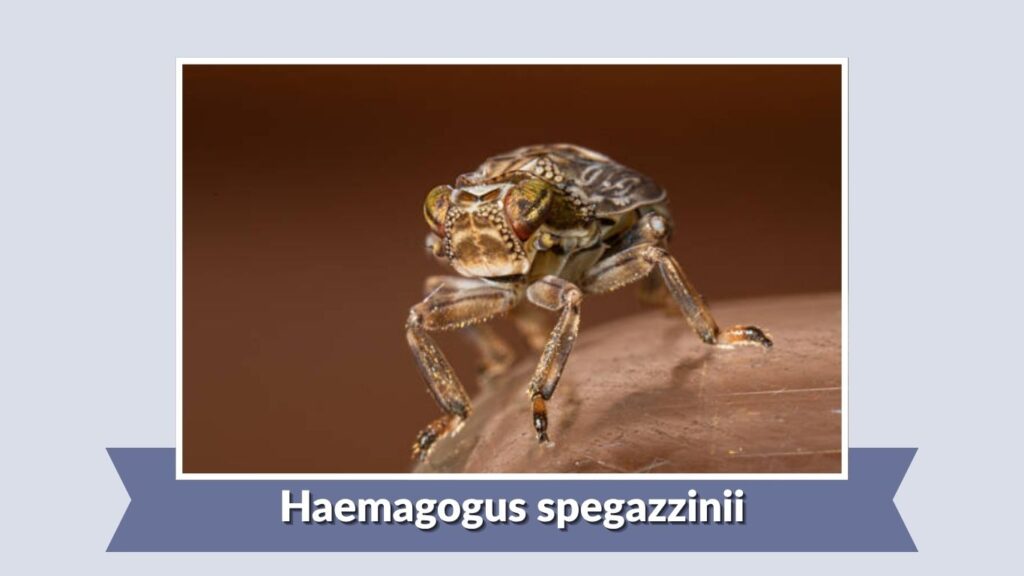
Haemagogus spegazzinii is a forest-associated mosquito species found in tropical and subtropical parts of South America. It is known for living in humid natural environments where tree holes and rain-filled containers provide breeding sites. Like other members of the Haemagogus genus, this mosquito is mainly active during the daytime and may play a role in maintaining sylvatic disease cycles in forest ecosystems.
Identification
- Medium-sized mosquito with a slender dark body
- Metallic or glossy appearance under light
- Long legs with pale banding or markings
- Transparent wings with dark veins
- Narrow abdomen and elongated proboscis
- Active mostly during daylight hours
Habitat and Distribution
Haemagogus spegazzinii is commonly found in forested and rural regions of South America, particularly in warm and humid environments. It prefers tropical woodlands, jungle edges, and areas with dense vegetation where natural breeding sites are abundant. This mosquito commonly breeds in tree holes, bamboo sections, and rain-filled plant cavities. Its distribution is closely linked to regions with seasonal rainfall and stable forest habitats that provide shelter, moisture, and access to animal hosts.
Behavior and Diet
This mosquito is mainly active during the daytime and often feeds in forested habitats. Female mosquitoes require blood meals for egg development and commonly feed on mammals, birds, and occasionally humans. Males mainly consume nectar and plant sugars for energy. Because of its feeding behavior in jungle environments, Haemagogus spegazzinii may contribute to the maintenance of sylvatic virus cycles among wild animals and occasionally humans entering forested regions.
Lifecycle
The lifecycle of Haemagogus spegazzinii begins when females lay eggs in moist natural containers above the water line. After rainfall fills these containers with water, the eggs hatch into aquatic larvae. The larvae feed on organic matter while developing through several stages before transforming into pupae. Adult mosquitoes later emerge and begin searching for food, mates, and breeding sites. Environmental conditions such as humidity, rainfall, and temperature strongly influence the survival and reproduction of this mosquito species.
5. Haemagogus tropicalis
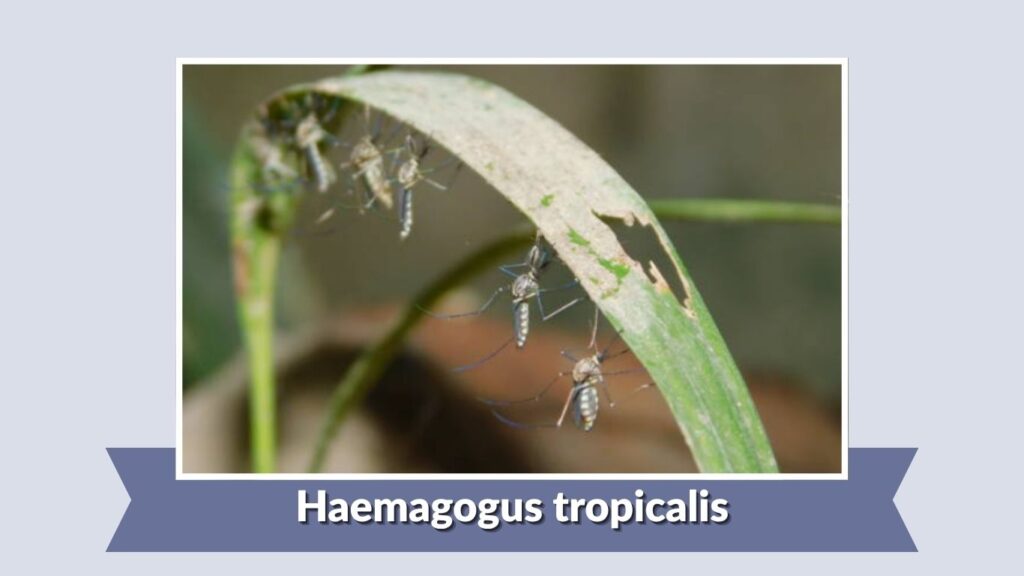
Haemagogus tropicalis is a tropical forest mosquito species commonly associated with humid jungle environments in Central and South America. It is known for breeding in natural water-filled containers and feeding during daylight hours. This mosquito is considered important in forest disease ecology because it may help maintain sylvatic virus transmission among wild animals and occasionally humans.
Identification
- Medium-sized mosquito with a dark slender body
- Metallic or shiny appearance on the thorax
- Long legs with pale markings or bands
- Clear wings with dark vein patterns
- Narrow abdomen and elongated mouthparts
- Daytime-active mosquito species
Habitat and Distribution
Haemagogus tropicalis is mainly found in tropical forests and humid woodland regions of Central and South America. It prefers dense vegetation, forest canopies, and rural jungle environments with frequent rainfall and high humidity. This species commonly breeds in tree holes, bamboo cavities, and natural containers that collect rainwater. Areas with abundant vegetation and stable moisture provide ideal conditions for population growth. The mosquito is strongly associated with forest ecosystems rather than heavily urbanized regions.
Behavior and Diet
This mosquito is primarily active during the daytime and frequently feeds in forested habitats. Female mosquitoes require blood meals for egg production and often feed on monkeys, birds, and other mammals, although humans may also be bitten when entering forest areas. Male mosquitoes mainly survive on nectar and plant sugars. Because of its feeding behavior and close association with wildlife, Haemagogus tropicalis may contribute to maintaining sylvatic disease cycles in tropical ecosystems.
Lifecycle
The lifecycle of Haemagogus tropicalis begins when females lay eggs in moist natural containers above standing water. Rainfall later floods these sites, causing the eggs to hatch into larvae. The larvae develop in stagnant water while feeding on organic material before transforming into pupae. Adult mosquitoes emerge after pupation and begin searching for food, mates, and breeding sites. Warm temperatures, forest humidity, and seasonal rainfall strongly influence the survival and reproductive success of this mosquito species.
6. Haemagogus capricornii
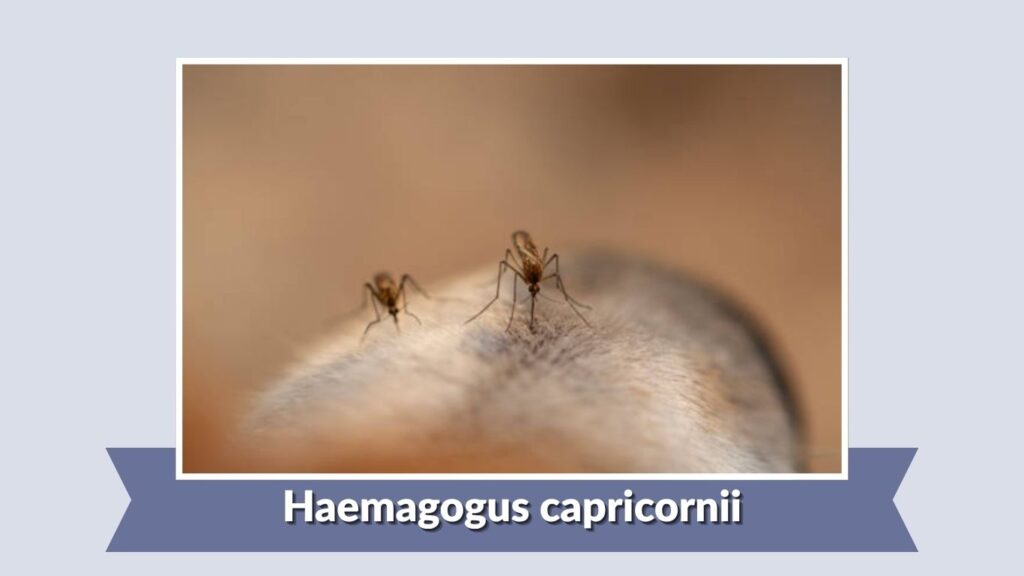
Haemagogus capricornii is a tropical mosquito species commonly found in forested regions of South America. It is associated with humid jungle habitats and natural breeding sites such as tree holes and rain-filled plant cavities. Like other members of the Haemagogus genus, this mosquito is mainly active during daylight hours and may contribute to sylvatic virus transmission in forest ecosystems.
Identification
- Medium-sized mosquito with a slender dark body
- Metallic or glossy coloration on the thorax
- Long legs with pale or silvery markings
- Transparent wings with dark veins
- Narrow abdomen with elongated mouthparts
- Active mainly during daytime hours
Habitat and Distribution
Haemagogus capricornii is distributed across tropical forest regions of South America, especially in humid and densely vegetated environments. It commonly inhabits forest canopies, woodland edges, and rural jungle areas with abundant rainfall and natural water containers. This mosquito breeds in tree holes, bamboo internodes, and plant cavities that collect rainwater. Warm temperatures and high humidity create ideal conditions for survival and reproduction. The species is strongly associated with undisturbed forest ecosystems rather than urban habitats.
Behavior and Diet
This mosquito is mainly active during the daytime and feeds on both wildlife and humans in forested regions. Female mosquitoes require blood meals for egg development and commonly bite monkeys, birds, and other mammals. Males mainly feed on nectar and plant sugars for energy. Because of its feeding habits and close contact with wild animals, Haemagogus capricornii may help maintain sylvatic disease cycles in tropical forests where arboviruses circulate naturally among wildlife populations.
Lifecycle
The lifecycle of Haemagogus capricornii begins when females lay eggs in moist natural containers above standing water. After rainfall floods these breeding sites, the eggs hatch into larvae. The larvae grow in stagnant water while feeding on organic matter before entering the pupal stage. Adult mosquitoes emerge after pupation and begin searching for food, mates, and breeding locations. Environmental factors such as rainfall, humidity, and warm forest temperatures strongly influence the mosquito’s development and survival.
7. Haemagogus albomaculatus
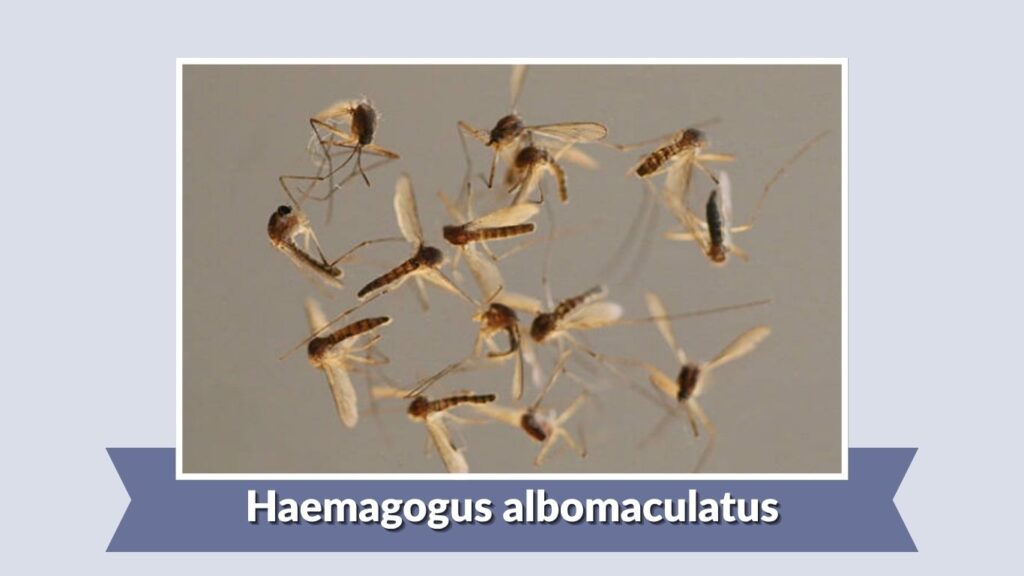
Haemagogus albomaculatus is a forest-dwelling mosquito species found mainly in tropical regions of Central and South America. It is associated with humid jungle habitats where natural water containers provide breeding sites. This mosquito is active during the daytime and may play a role in maintaining sylvatic disease cycles among wildlife living in forest ecosystems.
Identification
- Medium-sized mosquito with a dark slender body
- Pale or white spots visible on parts of the body
- Metallic or glossy appearance under light
- Long legs with light-colored markings
- Clear wings with dark vein patterns
- Narrow abdomen and elongated proboscis
Habitat and Distribution
Haemagogus albomaculatus is commonly found in tropical forests, woodland edges, and humid rural areas across parts of Central and South America. It prefers regions with dense vegetation, high humidity, and abundant rainfall. The species commonly breeds in tree holes, bamboo cavities, and natural plant containers that collect rainwater. Forest canopies and shaded jungle environments provide suitable shelter and feeding opportunities. Its populations are usually highest during rainy seasons when breeding sites become more available.
Behavior and Diet
This mosquito is mainly active during daylight hours and frequently feeds in forested habitats. Female mosquitoes require blood meals to produce eggs and often feed on monkeys, birds, and other mammals, although humans may also be bitten in jungle environments. Males mainly feed on nectar and plant sugars. Because of its feeding behavior and contact with wildlife, Haemagogus albomaculatus may contribute to maintaining sylvatic virus transmission cycles in tropical forests.
Lifecycle
The lifecycle of Haemagogus albomaculatus begins when females lay eggs in moist natural containers above standing water. Rainfall later floods these breeding sites, causing the eggs to hatch into larvae. The larvae develop in stagnant water while feeding on organic material before entering the pupal stage. Adult mosquitoes emerge after pupation and begin searching for food, mates, and new breeding locations. Warm temperatures, forest humidity, and seasonal rainfall strongly influence the survival and reproduction of this mosquito species.
8. Haemagogus anastasionis
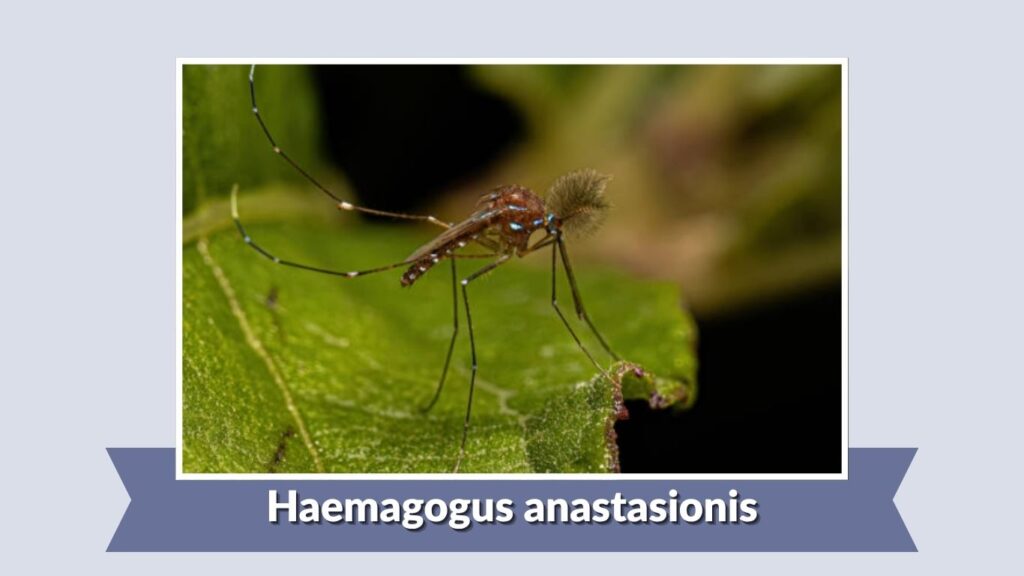
Haemagogus anastasionis is a tropical mosquito species commonly associated with forest habitats in Central and South America. It is known for breeding in natural water-filled containers and feeding during daylight hours. This mosquito is closely linked to jungle ecosystems where it interacts with wildlife and may contribute to the natural transmission cycles of certain arboviruses.
Identification
- Medium-sized mosquito with a slender dark body
- Metallic or shiny appearance on the thorax
- Long legs with pale markings or bands
- Transparent wings with dark veins
- Narrow abdomen and elongated mouthparts
- Active mainly during daytime hours
Habitat and Distribution
Haemagogus anastasionis is mainly distributed across tropical forest regions of Central and South America. It prefers humid jungle environments, woodland edges, and areas with dense vegetation and frequent rainfall. The species commonly breeds in tree holes, bamboo internodes, and natural plant cavities that collect rainwater. Forest canopies provide suitable shelter, feeding opportunities, and breeding conditions. This mosquito is strongly associated with natural forest ecosystems and is less commonly found in highly urbanized areas.
Behavior and Diet
This mosquito is primarily active during the daytime and feeds on both wildlife and humans in forested environments. Female mosquitoes require blood meals to develop eggs and often feed on monkeys, birds, and other mammals. Males mainly survive on nectar and plant sugars collected from vegetation. Because of its feeding habits and contact with wild animals, Haemagogus anastasionis may help maintain sylvatic virus cycles within tropical forest ecosystems where arboviruses circulate naturally.
Lifecycle
The lifecycle of Haemagogus anastasionis begins when females lay eggs in moist natural containers above standing water. After rainfall fills these breeding sites, the eggs hatch into aquatic larvae. The larvae grow in stagnant water while feeding on organic matter before entering the pupal stage. Adult mosquitoes emerge after pupation and begin searching for food, mates, and breeding locations. Warm temperatures, high humidity, and seasonal rainfall strongly influence the development and survival of this mosquito species.
9. Haemagogus celeste
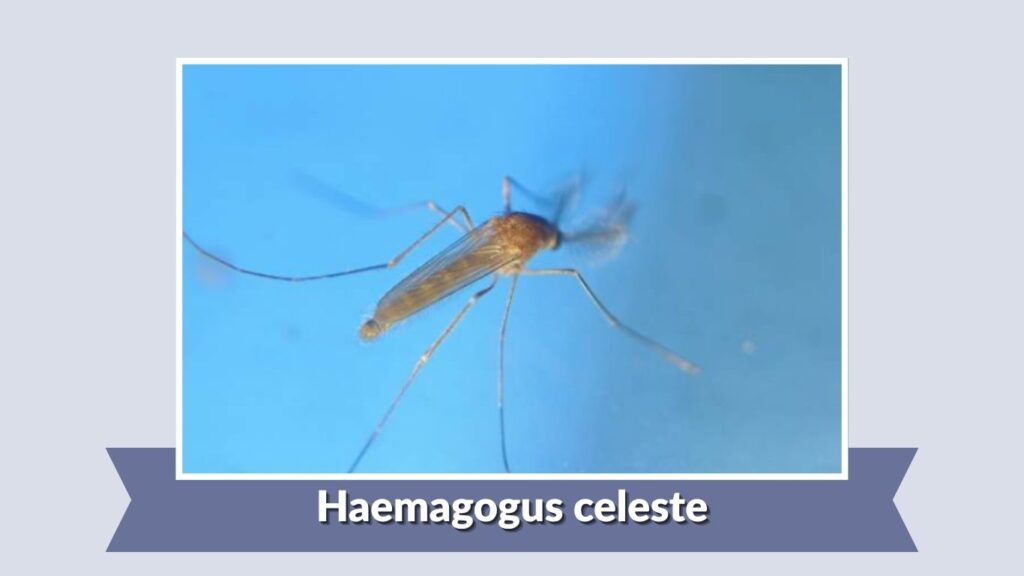
Haemagogus celeste is a tropical forest mosquito species found mainly in humid regions of Central and South America. It is associated with jungle habitats where natural water-filled containers provide breeding sites. Like other members of the Haemagogus genus, this mosquito is active during daylight hours and may play a role in maintaining sylvatic disease cycles among wildlife populations.
Identification
- Medium-sized mosquito with a slender dark body
- Metallic or glossy appearance under sunlight
- Long legs with pale or silvery markings
- Transparent wings with dark veins
- Narrow abdomen with elongated mouthparts
- Active mainly during daytime periods
Habitat and Distribution
Haemagogus celeste is commonly found in tropical forests, woodland edges, and humid rural regions across parts of Central and South America. It prefers dense vegetation, warm temperatures, and areas with regular rainfall. This mosquito usually breeds in tree holes, bamboo sections, and natural plant cavities that collect rainwater. Forest canopies provide shelter, moisture, and feeding opportunities for adults. The species is strongly connected to jungle ecosystems and is rarely associated with highly urbanized environments.
Behavior and Diet
This mosquito is mainly active during daylight hours and feeds in forested habitats. Female mosquitoes require blood meals for egg development and commonly feed on monkeys, birds, and other mammals, although humans may also be bitten when entering forest areas. Males mainly feed on nectar and plant sugars from vegetation. Because of its feeding behavior and interaction with wildlife, Haemagogus celeste may help maintain sylvatic virus transmission cycles within tropical forest ecosystems.
Lifecycle
The lifecycle of Haemagogus celeste begins when females lay eggs in moist natural containers above standing water. Rainfall later floods these sites, causing the eggs to hatch into larvae. The larvae develop in stagnant water while feeding on organic matter before transforming into pupae. Adult mosquitoes emerge after pupation and begin searching for food, mates, and breeding habitats. Environmental conditions such as rainfall, humidity, and warm forest temperatures strongly influence the survival and reproduction of this mosquito species.
10. Haemagogus mesodentatus
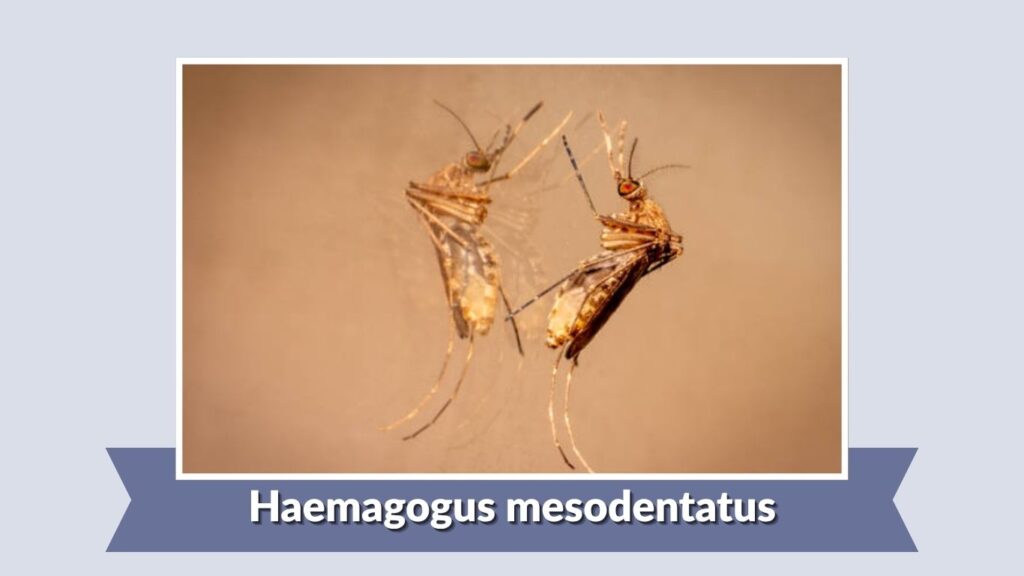
Haemagogus mesodentatus is a forest-associated mosquito species found in tropical regions of Central and South America. It is mainly linked to humid jungle habitats where natural water containers provide ideal breeding conditions. This mosquito is active during the daytime and may contribute to sylvatic disease transmission cycles involving wildlife living within tropical forest ecosystems.
Identification
- Medium-sized mosquito with a slender dark body
- Metallic or shiny appearance on the thorax
- Long legs with pale or silvery markings
- Transparent wings with dark vein patterns
- Narrow abdomen and elongated proboscis
- Active primarily during daylight hours
Habitat and Distribution
Haemagogus mesodentatus is commonly distributed across tropical forests and humid woodland regions of Central and South America. It prefers dense jungle habitats, forest canopies, and rural wooded environments with abundant rainfall and vegetation. This species usually breeds in tree holes, bamboo internodes, and natural plant cavities filled with rainwater. Warm temperatures and high humidity support its survival and reproduction. The mosquito is strongly associated with natural forest ecosystems and is less frequently found in urbanized locations.
Behavior and Diet
This mosquito is mainly active during the daytime and feeds in forested habitats. Female mosquitoes require blood meals to produce eggs and commonly feed on monkeys, birds, and other mammals, although humans entering forest areas may also be bitten. Males mainly survive on nectar and plant sugars collected from vegetation. Because of its feeding habits and interaction with wildlife, Haemagogus mesodentatus may help maintain sylvatic virus cycles within tropical forest ecosystems.
Lifecycle
The lifecycle of Haemagogus mesodentatus begins when females lay eggs in moist natural containers above standing water. Rainfall later floods these breeding sites, allowing the eggs to hatch into aquatic larvae. The larvae feed on organic matter while developing through several stages before transforming into pupae. Adult mosquitoes emerge after pupation and begin searching for food, mates, and suitable breeding sites. Environmental conditions such as humidity, rainfall, and warm temperatures strongly influence the development and survival of this mosquito species.
FAQs
What is a Haemagogus mosquito?
Haemagogus mosquitoes are a group of tropical forest mosquitoes mainly found in Central and South America. They are known for living in jungle habitats and breeding in natural water-filled containers such as tree holes and bamboo cavities. Some species are medically important because they can help spread yellow fever virus in sylvatic environments.
Where are Haemagogus mosquitoes commonly found?
Haemagogus mosquitoes are commonly found in tropical forests, humid woodlands, and jungle regions across Central and South America. They prefer warm and rainy environments with dense vegetation and natural breeding sites. These mosquitoes are often associated with forest canopies and areas close to wildlife habitats.
What do Haemagogus mosquitoes feed on?
Female Haemagogus mosquitoes feed on blood to support egg production, while males mainly feed on nectar and plant sugars. Females commonly bite monkeys, birds, and other mammals in forest habitats. Humans may also be bitten when entering tropical forest regions where these mosquitoes are active.
Are Haemagogus mosquitoes dangerous to humans?
Some Haemagogus mosquito species are considered dangerous because they can transmit yellow fever virus in jungle environments. Although they mainly interact with wildlife, humans can become infected if bitten by infected mosquitoes while visiting or working in forested regions. Vaccination and mosquito protection are important in affected areas.
Where do Haemagogus mosquitoes lay their eggs?
Haemagogus mosquitoes usually lay their eggs in moist natural containers above standing water. Common breeding sites include tree holes, bamboo internodes, plant cavities, and other rain-filled spaces in tropical forests. After rainfall floods these locations, the eggs hatch into aquatic larvae and continue their development.