
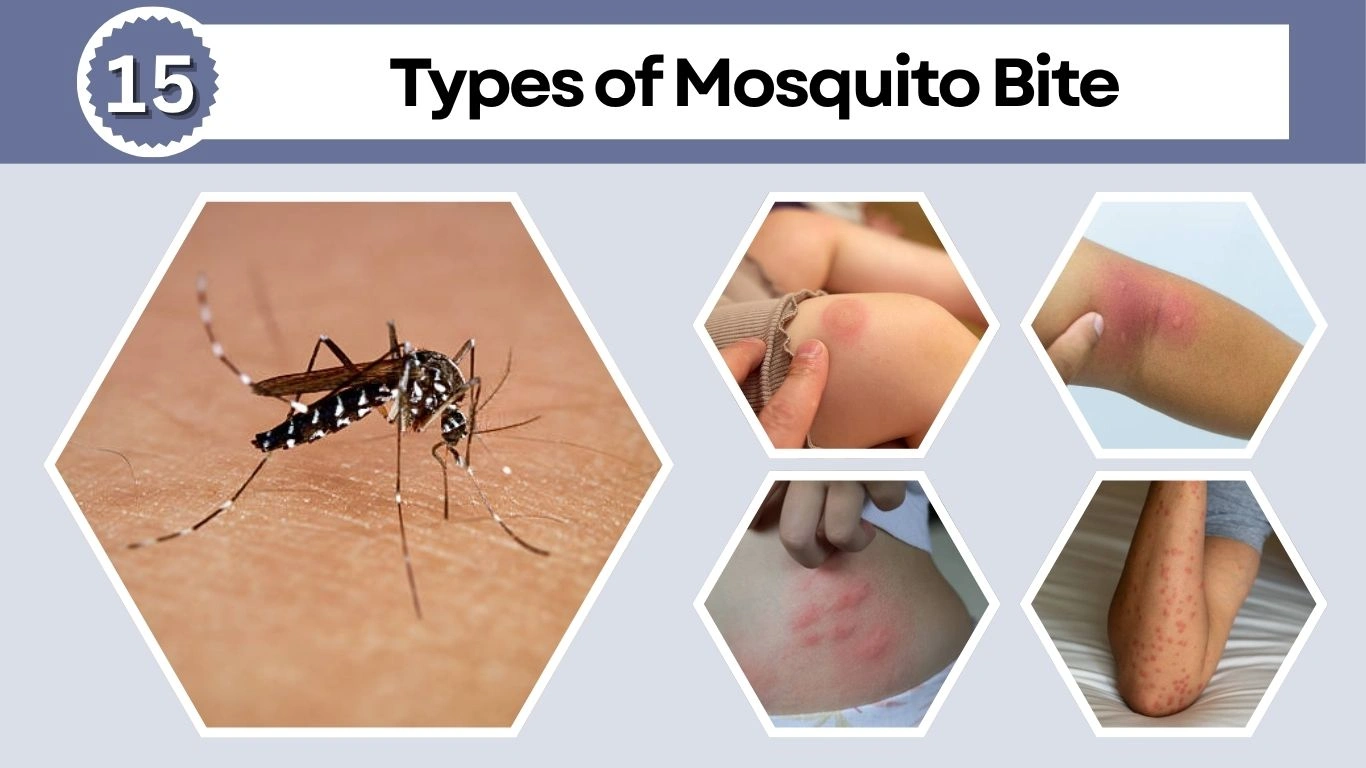
Mosquito bites are common, but not all reactions look the same. Some people experience mild itching and small red bumps, while others may develop severe swelling, blisters, or allergic skin reactions. The body responds differently depending on immune sensitivity, skin condition, and exposure to mosquito saliva. Understanding the different types of mosquito bite reactions can help identify symptoms early and choose the right treatment. From simple itchy wheals to rare anaphylactic reactions, each condition has unique signs and effects that should not be ignored, especially when symptoms become severe or long-lasting.
1. Papular Urticaria
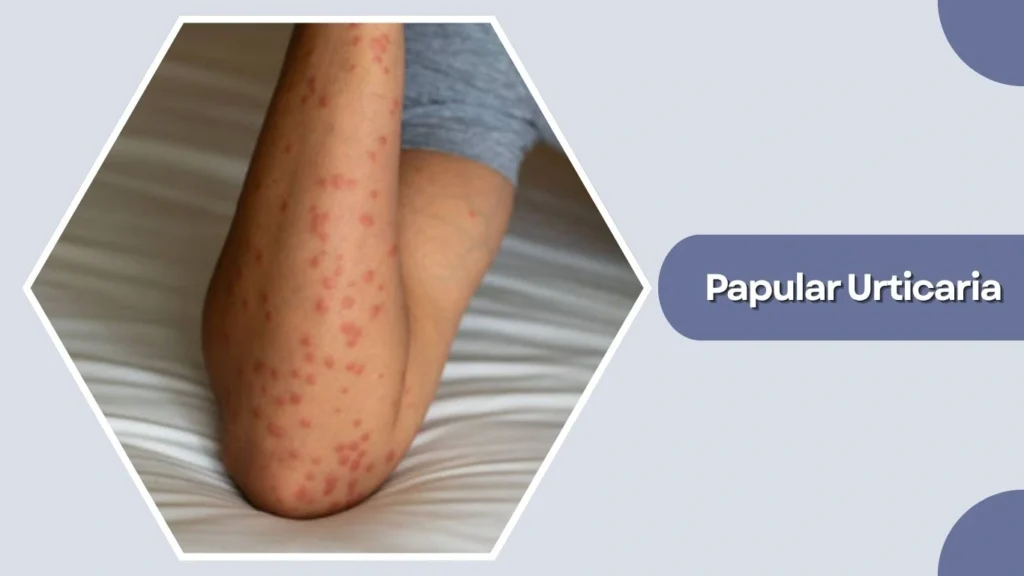
Papular urticaria is a hypersensitive skin reaction caused by mosquito bites and other insect bites. It is more common in children but can also affect adults with sensitive skin. The condition appears as small, itchy, red bumps that may last for several days or even weeks after the bite.
Identification
- Small raised red bumps on the skin
- Intense itching around the bite area
- Bites often appear in clusters or groups
- Swelling may develop around the bumps
- Scratching can lead to scabs or skin infection
- Commonly found on exposed areas like arms, legs, and face
Causes
Papular urticaria occurs when the immune system becomes overly sensitive to proteins found in mosquito saliva. Instead of a mild reaction, the body releases more histamine, causing stronger itching, redness, and swelling. Repeated exposure to mosquito bites can increase sensitivity in some people.
Symptoms
The most common symptom is persistent itching. The bumps may become hard, inflamed, and uncomfortable. Some individuals experience mild pain or burning sensations. In severe cases, scratching may break the skin and increase the risk of bacterial infection.
Treatment
Treatment usually focuses on reducing itching and inflammation. Doctors may recommend antihistamine tablets, soothing lotions, or mild corticosteroid creams. Keeping the skin clean and avoiding scratching can help prevent infection and speed up healing.
2. Skeeter Syndrome
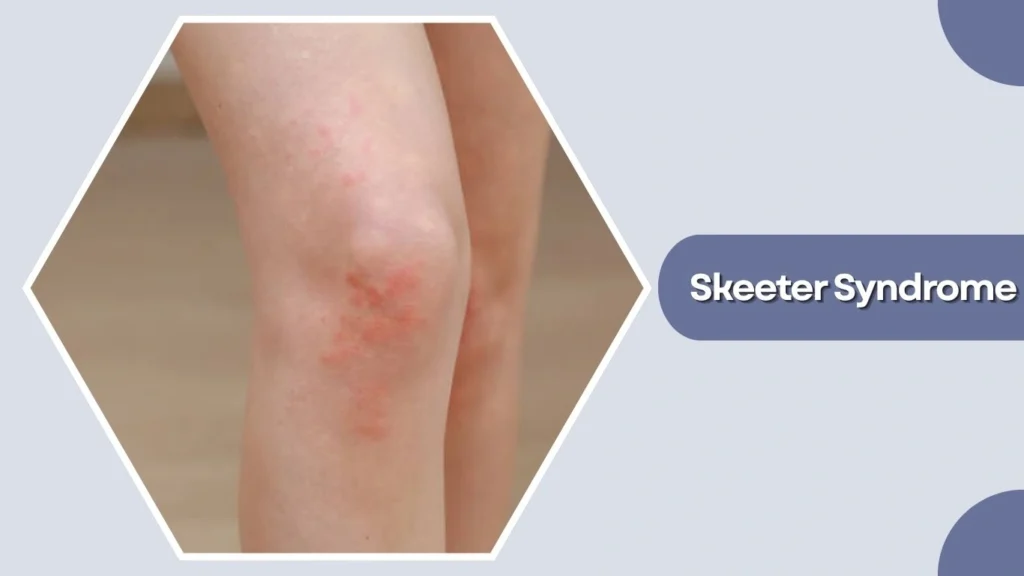
Skeeter syndrome is a severe allergic reaction to mosquito bites that causes significant swelling, redness, warmth, and discomfort around the affected area. Unlike a normal mosquito bite, the reaction can become large and painful within a few hours. It is more common in children, people with weakened immunity, and individuals sensitive to mosquito saliva.
Identification
- Large swollen area around the mosquito bite
- Redness and warmth on the skin
- Pain or tenderness near the bite
- Intense itching that lasts several days
- Swelling may resemble a skin infection
- Fever can occur in some severe cases
Causes
Skeeter syndrome happens when the immune system strongly reacts to proteins injected by the mosquito during a bite. The body releases excessive histamine and inflammatory chemicals, leading to major swelling and irritation. People who are newly exposed to unfamiliar mosquito species may develop stronger reactions.
Symptoms
Symptoms usually appear within hours after the bite. The affected area may become swollen, hard, itchy, and painful. Some people also experience mild fever, skin warmth, or blistering. The reaction can sometimes be mistaken for cellulitis because of the large swollen appearance.
Treatment
Treatment includes antihistamines to reduce allergic reactions and anti-itch creams to relieve discomfort. Cold compresses can help decrease swelling and pain. Severe cases may require corticosteroid medication prescribed by a doctor. Preventing mosquito bites with repellents and protective clothing is the best long-term approach.
3. Allergic Mosquito Bite Reaction
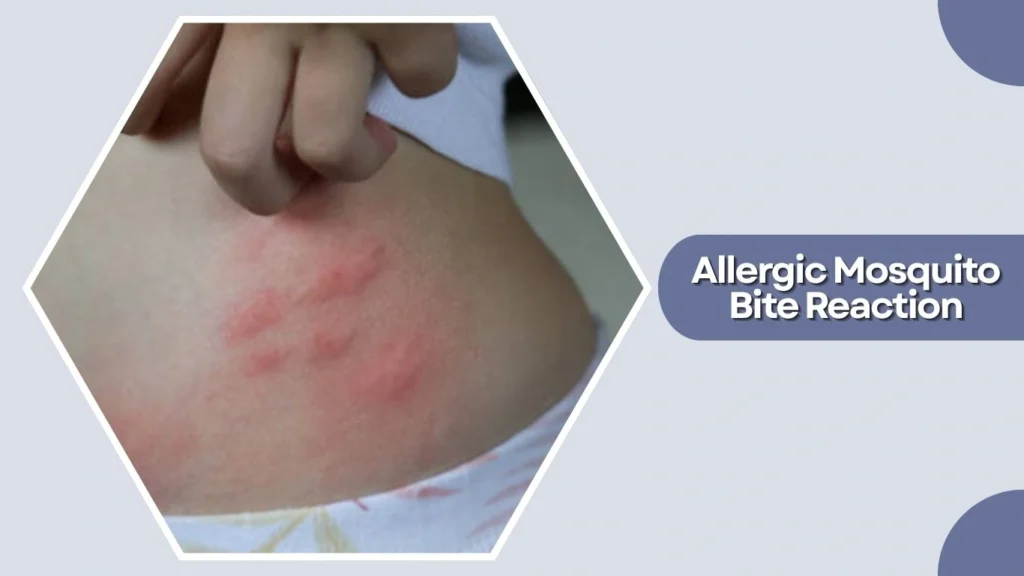
An allergic mosquito bite reaction occurs when the body’s immune system overreacts to mosquito saliva. While most people develop mild itching and small bumps, allergic individuals may experience larger swelling, severe redness, and prolonged irritation. The reaction can vary from mild discomfort to serious skin inflammation depending on the person’s sensitivity.
Identification
- Large red swollen bump after a mosquito bite
- Severe itching around the affected area
- Skin becomes warm and inflamed
- Swelling may spread beyond the bite site
- Rash or hives may appear nearby
- Symptoms last longer than normal mosquito bites
Causes
This condition is caused by an allergic response to proteins in mosquito saliva. When the mosquito bites, the immune system releases histamine and other chemicals to fight the perceived threat. People with allergies, sensitive skin, or weakened immune systems are more likely to develop stronger reactions.
Symptoms
Common symptoms include redness, swelling, itching, and irritation that can continue for several days. In some cases, the skin may become painful or develop blisters. Rare severe reactions can include fever, difficulty breathing, or widespread hives, which require immediate medical attention.
Treatment
Treatment usually involves antihistamines, anti-itch creams, and cold compresses to reduce swelling and irritation. Avoiding scratching is important because broken skin can become infected. Severe allergic reactions may require stronger medications such as corticosteroids or emergency medical treatment.
4. Bullous Mosquito Bite Reaction
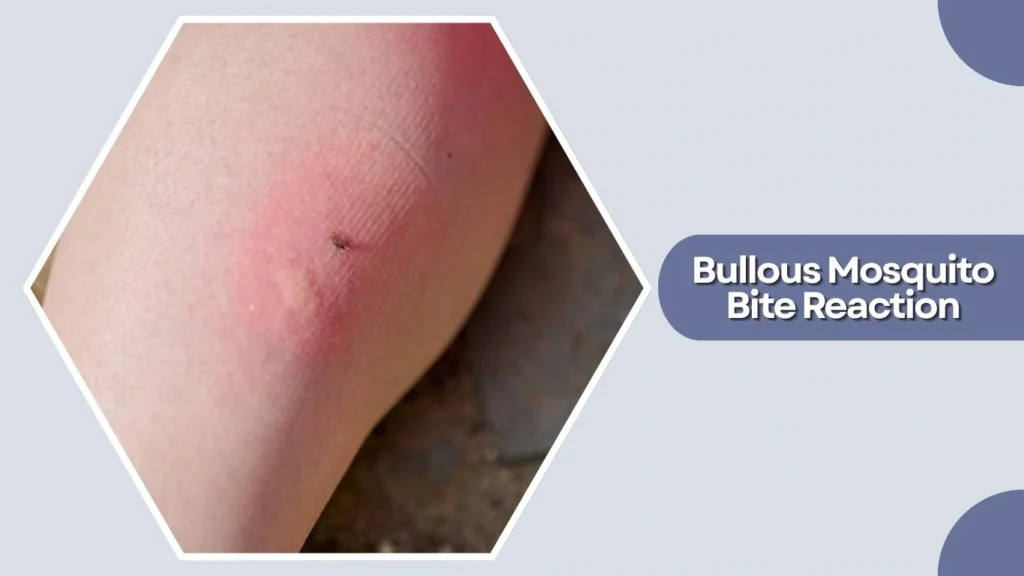
A bullous mosquito bite reaction is a rare and severe skin response that causes fluid-filled blisters after a mosquito bite. The reaction is usually linked to strong sensitivity to mosquito saliva and can appear alarming because of the large blisters and swelling. Children and people with immune-related conditions may be more likely to experience this reaction.
Identification
- Large fluid-filled blisters on the skin
- Redness and swelling around the bite area
- Intense itching or burning sensation
- Skin may feel painful or tender
- Blisters can break and form crusts
- Often appears within one or two days after the bite
Causes
This reaction occurs when the immune system aggressively responds to mosquito saliva proteins. The inflammation damages the upper skin layers, leading to blister formation. People with allergies or highly sensitive skin are more likely to develop this uncommon condition.
Symptoms
Symptoms include large blisters, itching, redness, and discomfort around the bite site. The affected skin may become warm, swollen, and irritated. If the blister breaks, the area may become vulnerable to bacterial infection and delayed healing.
Treatment
Treatment focuses on reducing inflammation and protecting the skin. Doctors may recommend antihistamines, corticosteroid creams, or oral medications for severe cases. Blisters should be kept clean and covered to prevent infection. Scratching or popping the blister should be avoided because it can worsen irritation and slow recovery.
5. Delayed Mosquito Bite Reaction
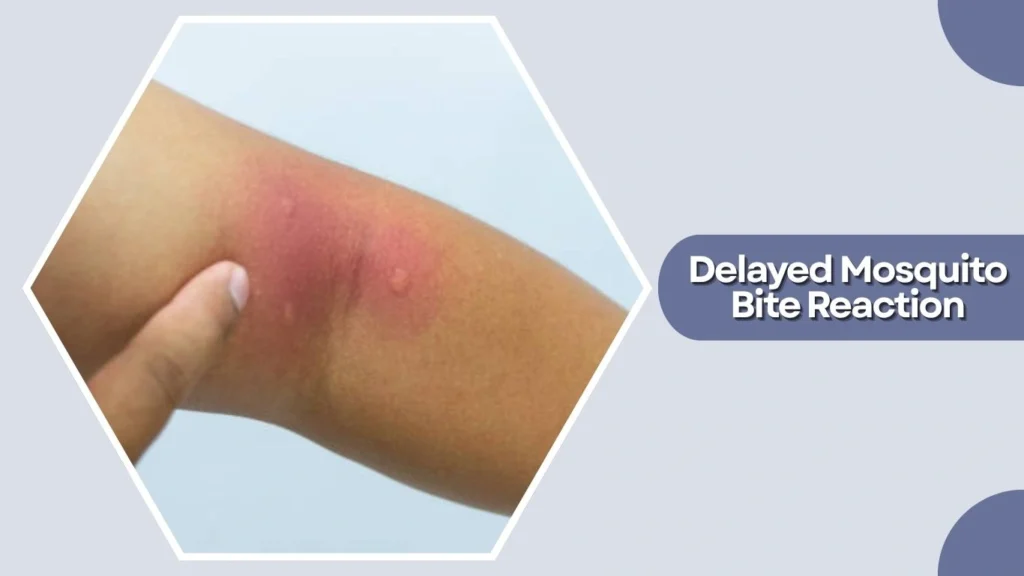
A delayed mosquito bite reaction happens when symptoms appear several hours or even days after the mosquito bite. Unlike a normal reaction that starts immediately, this type develops slowly and may last longer. The condition is linked to the immune system responding gradually to mosquito saliva proteins.
Identification
- Red bumps appearing hours or days later
- Persistent itching around the bite area
- Mild to moderate swelling
- Skin irritation lasting several days
- Darkened or inflamed skin patches
- Multiple bites may react at different times
Causes
This reaction occurs because the immune system takes longer to recognize and respond to the proteins injected during the mosquito bite. People with sensitive skin or stronger immune responses are more likely to experience delayed symptoms. Repeated mosquito exposure can sometimes increase the body’s sensitivity over time.
Symptoms
Common symptoms include delayed itching, redness, swelling, and irritation. The bumps may become firm and uncomfortable after a day or two. Some individuals also notice warmth around the bite area or skin discoloration that remains after the swelling decreases.
Treatment
Treatment usually includes antihistamines, anti-itch creams, and cold compresses to reduce discomfort. Keeping the affected area clean helps prevent infection caused by scratching. In more severe cases, doctors may recommend topical corticosteroids to control inflammation and speed up recovery.
6. Immediate Mosquito Bite Reaction
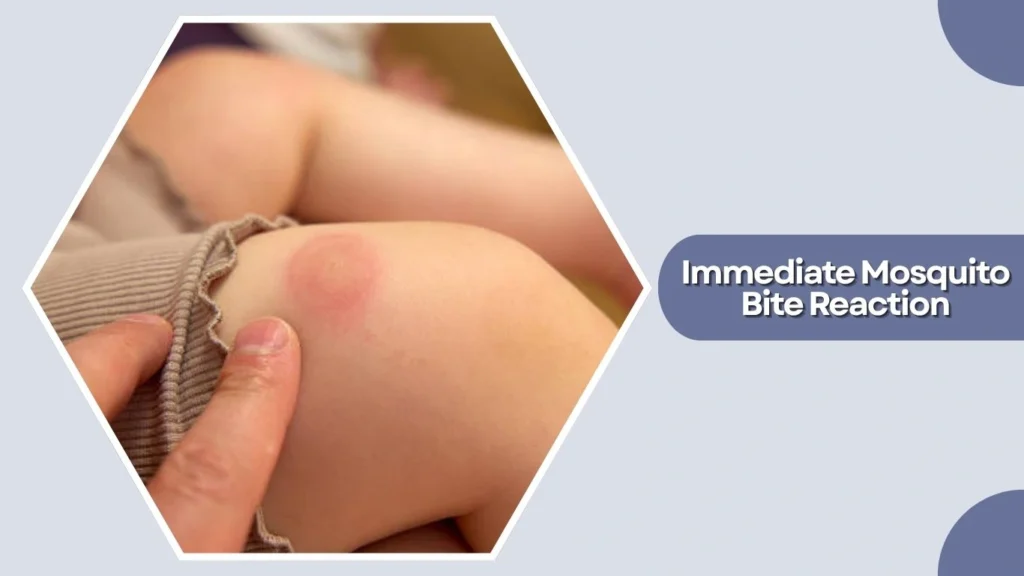
An immediate mosquito bite reaction is the most common type of mosquito bite response. Symptoms develop within minutes after the bite occurs. The body quickly reacts to mosquito saliva, causing itching, redness, and a small swollen bump that usually disappears within a few hours or days.
Identification
- Small raised bump appears quickly
- Redness around the bite area
- Immediate itching sensation
- Mild swelling on the skin
- Bite often fades within a short time
- Common on exposed body parts
Causes
This reaction happens when the immune system instantly responds to proteins in mosquito saliva. Histamine is released into the skin, leading to itching and swelling. Most people experience this mild and short-term reaction after mosquito bites.
Symptoms
Symptoms usually begin within minutes and include itching, redness, swelling, and irritation. The bump may become more noticeable after scratching. In most cases, the discomfort is mild and disappears without serious complications.
Treatment
Treatment is generally simple and focused on relieving itching. Cold compresses, calamine lotion, and antihistamine creams can help reduce irritation. Avoid scratching because it may damage the skin and increase the risk of infection. Most immediate reactions heal naturally within a few days.
7. Hemorrhagic Mosquito Bite
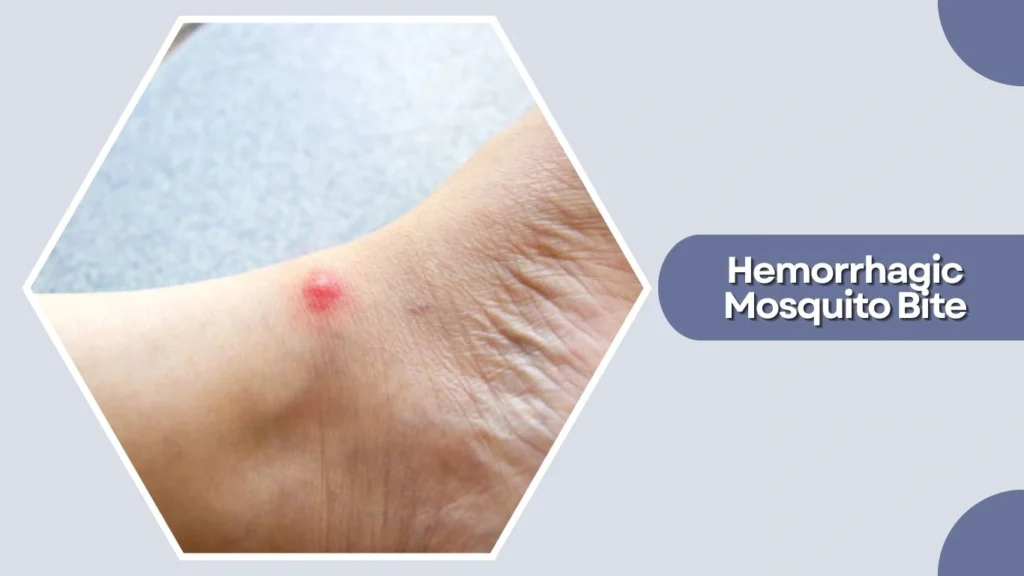
A hemorrhagic mosquito bite is a rare reaction in which bleeding occurs under the skin after a mosquito bite. The affected area may appear dark red, purple, or bruised because small blood vessels become damaged. This type of reaction is more likely in people with blood disorders, weakened immunity, or strong allergic sensitivity.
Identification
- Dark red or purple spot around the bite
- Bruise-like appearance on the skin
- Mild bleeding beneath the skin surface
- Swelling and redness near the bite
- Itching or tenderness in the affected area
- Bite marks may last longer than normal
Causes
This reaction occurs when mosquito saliva triggers inflammation that damages tiny blood vessels under the skin. Certain medical conditions, medications that affect blood clotting, or immune system disorders can increase the risk of hemorrhagic reactions after mosquito bites.
Symptoms
Symptoms include dark discoloration, swelling, itching, and mild pain around the bite site. The skin may look bruised and take longer to heal compared to ordinary mosquito bites. In severe cases, larger bleeding spots or skin irritation can develop.
Treatment
Treatment focuses on reducing inflammation and protecting the affected skin. Cold compresses may help minimize swelling and discomfort. Doctors may recommend antihistamines or anti-inflammatory creams for symptom relief. If unusual bleeding or widespread bruising occurs, medical attention should be sought to rule out underlying health conditions.
8. Vesicular Mosquito Bite
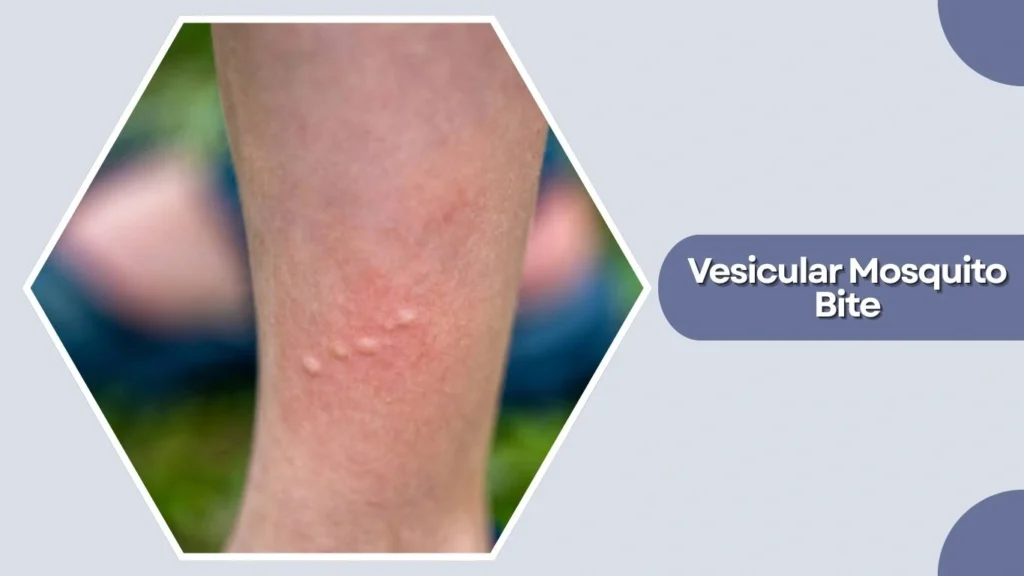
A vesicular mosquito bite reaction is a skin response that produces small fluid-filled sacs called vesicles after a mosquito bite. These tiny blisters form because of inflammation caused by the body’s reaction to mosquito saliva. The condition may look unusual compared to normal mosquito bites and can cause significant itching and irritation.
Identification
- Small fluid-filled blisters on the skin
- Redness surrounding the bite area
- Itching and mild burning sensation
- Swollen skin near the bite
- Vesicles may burst and dry out
- Commonly appears within one or two days
Causes
This reaction develops when the immune system reacts strongly to proteins in mosquito saliva. The inflammation causes fluid to collect under the upper layer of the skin, creating small blisters. People with sensitive skin or allergic tendencies may be more likely to experience vesicular reactions.
Symptoms
Symptoms include tiny blisters, itching, redness, and skin irritation. The affected area may feel warm or tender. If the vesicles break open, the skin can become crusty and vulnerable to infection, especially if scratched repeatedly.
Treatment
Treatment usually includes antihistamines, anti-itch creams, and cold compresses to reduce discomfort. The blisters should be kept clean and dry to prevent infection. Scratching or bursting the vesicles should be avoided because it can delay healing and increase skin damage.
9. Necrotic Mosquito Bite
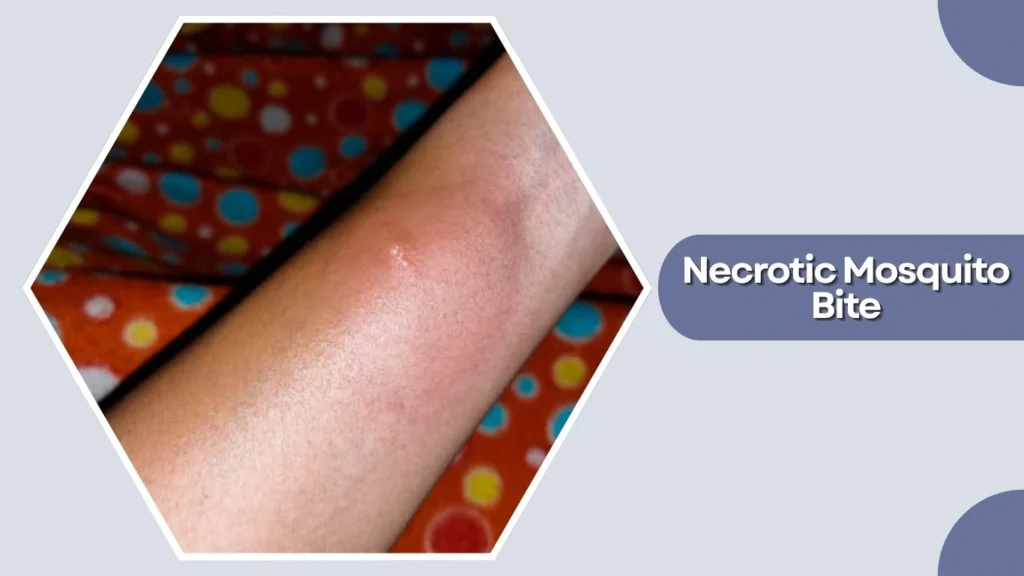
A necrotic mosquito bite is a very rare and severe reaction where the skin tissue around the mosquito bite begins to die. The affected area may turn dark, develop an ulcer, or form a scab due to intense inflammation and reduced blood supply. This condition can look serious and may require medical attention.
Identification
- Dark or blackened skin around the bite
- Painful swelling and redness
- Formation of ulcers or open sores
- Thick scab developing on the skin
- Burning or severe irritation
- Slow healing compared to normal bites
Causes
This reaction occurs when the immune system produces an extreme inflammatory response to mosquito saliva. In some cases, bacterial infection or poor blood circulation can worsen tissue damage. Individuals with weakened immune systems or skin disorders may face a higher risk of necrotic reactions.
Symptoms
Symptoms include severe pain, redness, swelling, and skin discoloration that gradually turns dark. The skin may become hard, dry, or ulcerated. As the tissue breaks down, healing can take weeks and may leave scars after recovery.
Treatment
Treatment often requires medical care to prevent infection and reduce tissue damage. Doctors may prescribe antibiotics, corticosteroids, or wound care treatments depending on the severity. Keeping the wound clean and avoiding scratching are important for proper healing and preventing complications.
10. Infected Mosquito Bite
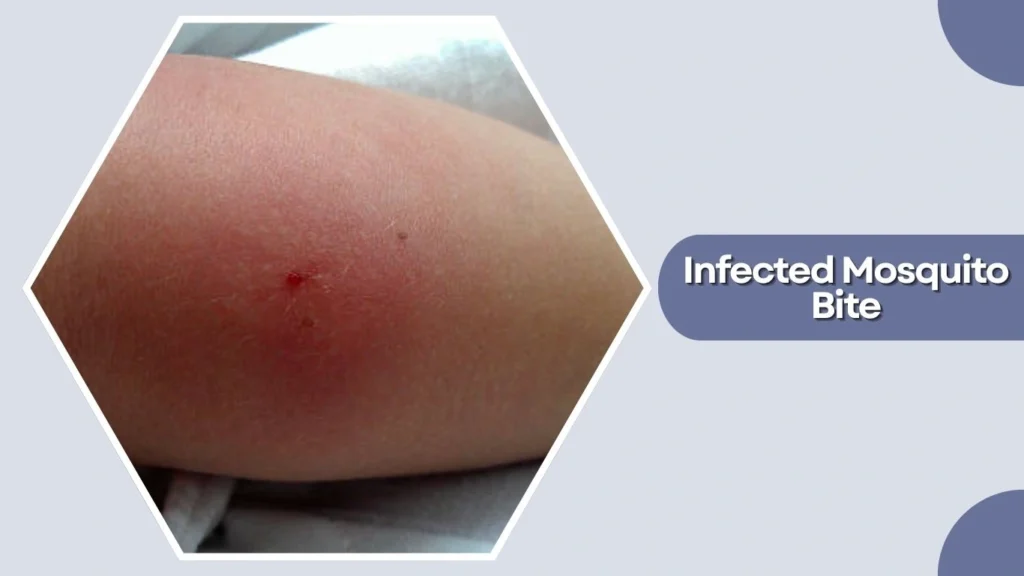
An infected mosquito bite occurs when bacteria enter the skin through scratching or damaged tissue around the bite area. While normal mosquito bites usually heal on their own, an infected bite becomes more swollen, painful, and inflamed. Poor hygiene and excessive scratching often increase the risk of infection.
Identification
- Increased redness around the bite
- Swelling that continues to grow
- Pain or tenderness on the skin
- Warm feeling near the affected area
- Pus or yellow fluid discharge
- Crusting or open sores after scratching
Causes
This condition is commonly caused by bacteria entering the skin after repeated scratching. Dirty fingernails, broken skin, and poor wound care can allow infection to develop. In some cases, weakened immunity may also make a person more vulnerable to skin infections after mosquito bites.
Symptoms
Symptoms include severe redness, swelling, pain, itching, and warmth around the bite. The skin may produce pus or become hard and inflamed. Fever can occur in more serious infections, especially if the bacteria spread beyond the bite area.
Treatment
Treatment usually involves cleaning the affected skin and applying antibiotic creams. Doctors may prescribe oral antibiotics if the infection becomes severe. Avoid scratching the bite and keep the area clean and dry to support faster healing and reduce complications.
11. Giant Mosquito Bite Reaction
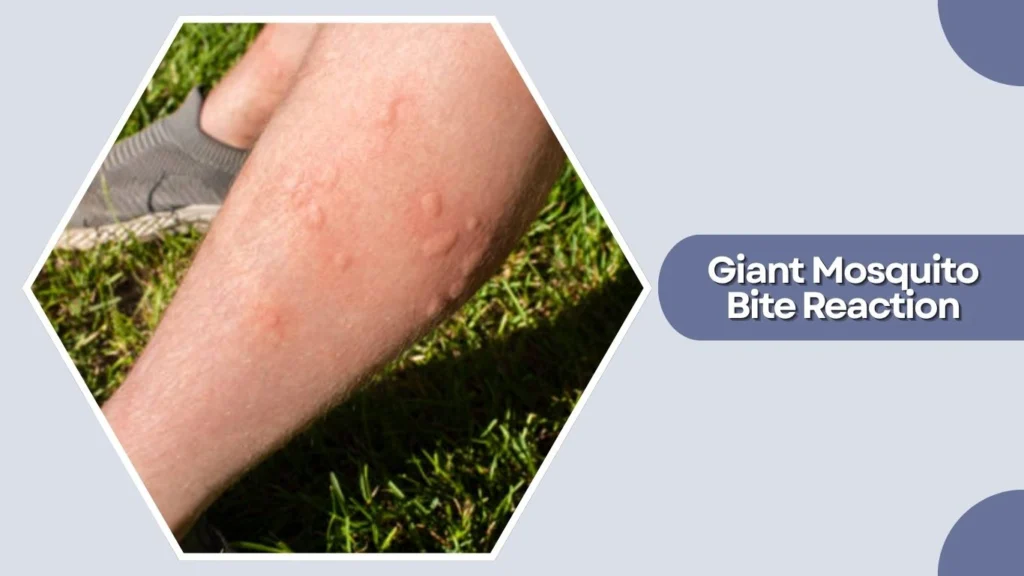
A giant mosquito bite reaction is an extreme localized response where the swelling becomes much larger than a normal mosquito bite. The affected area may become red, painful, warm, and severely itchy. This condition is often linked to strong allergic sensitivity and may sometimes be confused with skin infections.
Identification
- Large swollen area around the bite
- Intense redness and inflammation
- Severe itching lasting several days
- Pain or tenderness near the bite
- Warm skin around the affected area
- Swelling may spread beyond the original bite site
Causes
This reaction happens when the immune system strongly reacts to proteins in mosquito saliva. The body releases excessive inflammatory chemicals, causing abnormal swelling and irritation. People with allergies, sensitive skin, or immune-related conditions are more likely to develop giant mosquito bite reactions.
Symptoms
Symptoms include massive swelling, redness, itching, pain, and skin warmth. The affected area may feel tight and uncomfortable due to fluid buildup beneath the skin. In some cases, mild fever or swollen lymph nodes may also occur.
Treatment
Treatment focuses on controlling swelling and allergic symptoms. Antihistamines, corticosteroid creams, and cold compresses are commonly used for relief. Severe cases may require oral steroids prescribed by a doctor. Preventing mosquito bites through repellents, nets, and protective clothing is important for avoiding repeated reactions.
12. Erythematous Mosquito Bite
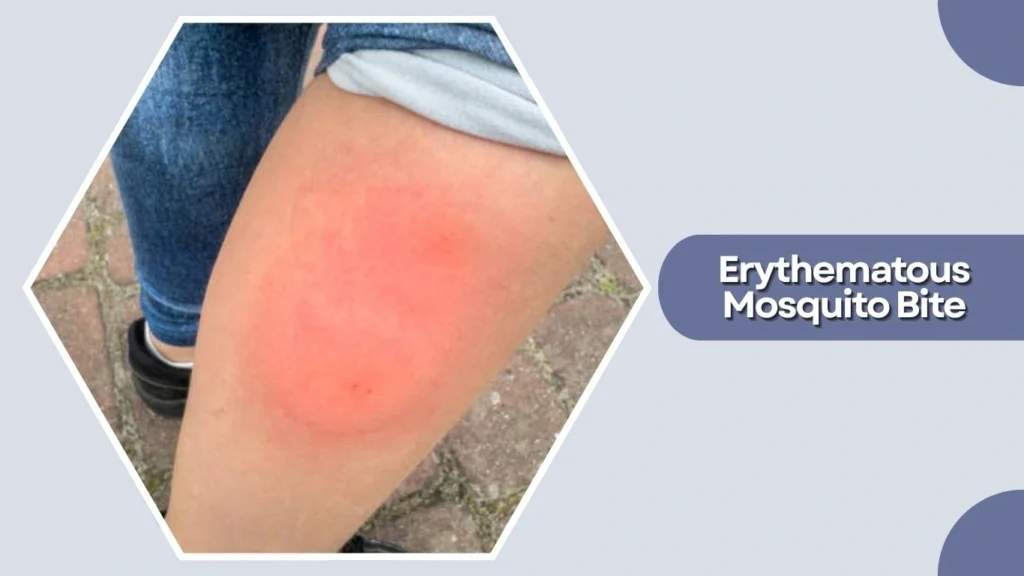
An erythematous mosquito bite is a common inflammatory skin reaction marked by noticeable redness around the bite area. The redness occurs because blood vessels near the skin surface expand after exposure to mosquito saliva. Although usually mild, the reaction can become uncomfortable in people with sensitive skin.
Identification
- Bright red skin around the bite
- Mild swelling near the affected area
- Itching and skin irritation
- Warm feeling on the skin
- Circular or uneven red patches
- Bite becomes more visible after scratching
Causes
This reaction is caused by the immune system responding to mosquito saliva proteins. The body releases histamine and other inflammatory substances, which increase blood flow to the area and create redness. Sensitive skin and allergic tendencies may lead to stronger erythematous reactions.
Symptoms
Symptoms include redness, itching, mild swelling, and irritation around the mosquito bite. The skin may feel warm or slightly tender. In most cases, the redness fades within a few days, although scratching can worsen inflammation and prolong healing.
Treatment
Treatment usually includes cold compresses, soothing lotions, and antihistamine creams to reduce redness and itching. Avoid scratching because it may irritate the skin further and increase the risk of infection. Most erythematous mosquito bites heal naturally without medical treatment.
13. Itchy Wheal Reaction
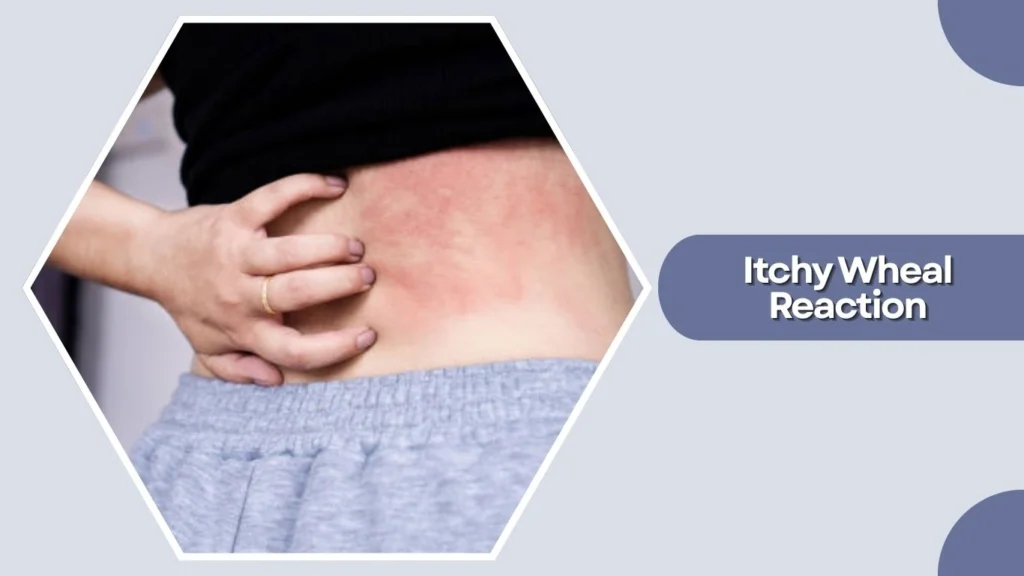
An itchy wheal reaction is the typical raised, itchy bump that develops shortly after a mosquito bite. The wheal forms because the immune system releases histamine in response to mosquito saliva. This reaction is very common and usually disappears within a few hours or days without causing serious problems.
Identification
- Raised swollen bump on the skin
- Intense itching around the bite
- Red or pink-colored wheal
- Soft and puffy appearance
- Mild swelling near the bite area
- Usually appears within minutes after the bite
Causes
This reaction occurs when the body responds to mosquito saliva proteins. Histamine release causes blood vessels to expand and fluid to collect under the skin, creating the raised wheal. People with sensitive skin may experience larger or itchier wheals than others.
Symptoms
Symptoms include itching, redness, swelling, and irritation around the mosquito bite. The wheal may become larger after scratching and can feel warm or uncomfortable. In most cases, symptoms are mild and temporary.
Treatment
Treatment focuses on relieving itching and reducing irritation. Cold compresses, calamine lotion, and antihistamine creams are commonly used for symptom relief. Avoid scratching because it can damage the skin and increase the chance of infection. Most itchy wheal reactions heal naturally within a short period.
14. Mosquito Bite Hypersensitivity
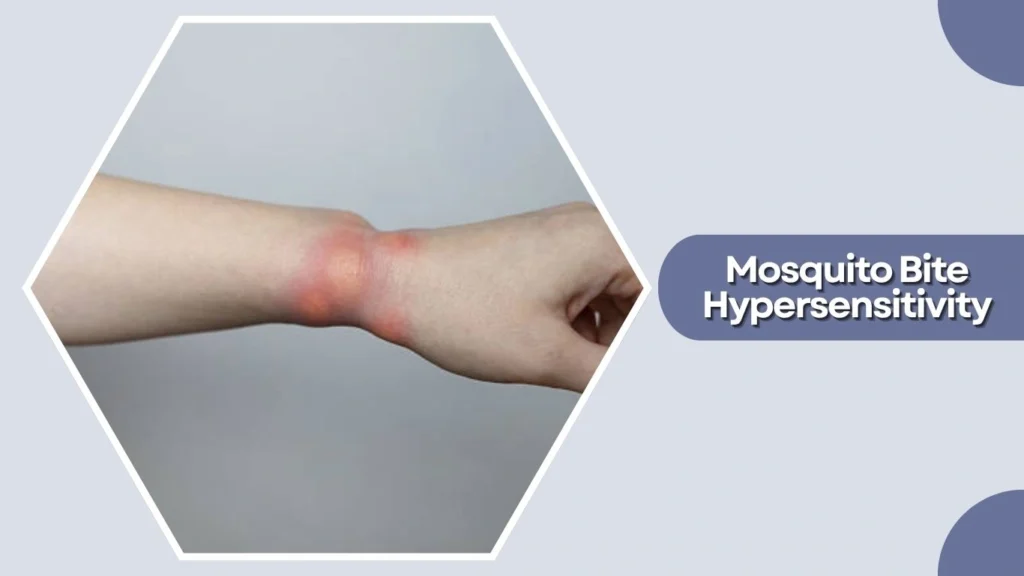
Mosquito bite hypersensitivity is an excessive immune response to mosquito saliva that causes severe skin irritation and swelling after a bite. People with this condition react much more strongly than normal, and symptoms may last longer or become more uncomfortable. It can affect both children and adults with highly sensitive immune systems.
Identification
- Large swollen bumps after mosquito bites
- Severe itching and redness
- Warm and inflamed skin
- Multiple bites reacting intensely
- Skin irritation lasting several days
- Possible blistering in severe cases
Causes
This condition develops when the immune system becomes overly sensitive to proteins in mosquito saliva. Repeated exposure to mosquito bites can increase the body’s allergic response over time. Certain immune disorders or allergic tendencies may also raise the risk of hypersensitivity reactions.
Symptoms
Symptoms include intense itching, swelling, redness, pain, and skin inflammation. Some individuals may develop blisters, fever, or enlarged lymph nodes. The reactions often last longer than ordinary mosquito bites and may become worse with repeated exposure.
Treatment
Treatment usually includes antihistamines, corticosteroid creams, and cold compresses to reduce inflammation and discomfort. Severe reactions may require oral medications prescribed by a doctor. Preventing mosquito bites with insect repellents, mosquito nets, and protective clothing is the most effective way to avoid future reactions.
15. Anaphylactic Mosquito Bite Reaction
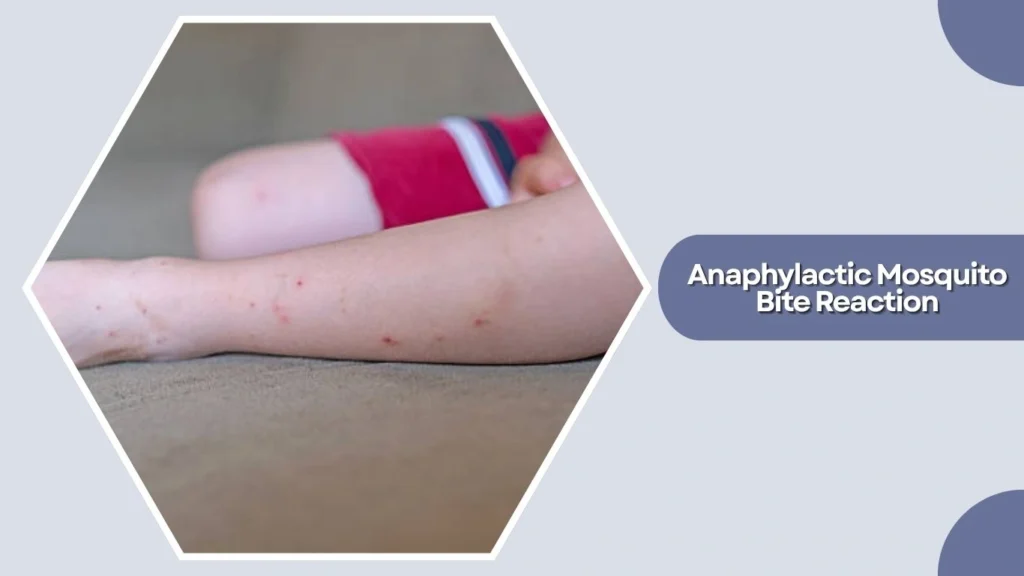
An anaphylactic mosquito bite reaction is an extremely rare but life-threatening allergic response to mosquito saliva. Unlike common mosquito bite reactions, this condition affects the entire body and can develop rapidly after a bite. Immediate medical attention is required because the reaction can become dangerous within minutes.
Identification
- Sudden swelling beyond the bite area
- Difficulty breathing or wheezing
- Rapid heartbeat or dizziness
- Severe skin redness or hives
- Swelling of the face, lips, or throat
- Feeling faint or losing consciousness
Causes
This reaction occurs when the immune system releases a massive amount of allergic chemicals after exposure to mosquito saliva proteins. People with severe allergies or a history of anaphylaxis are at greater risk of developing this rare condition.
Symptoms
Symptoms can begin within minutes of the mosquito bite and may include breathing difficulty, chest tightness, widespread hives, nausea, vomiting, and severe swelling. Blood pressure may suddenly drop, leading to dizziness or fainting. Without fast treatment, the condition can become fatal.
Treatment
Emergency medical treatment is essential for anaphylactic reactions. An epinephrine injection is the primary treatment used to stop the allergic response. Doctors may also provide oxygen, antihistamines, and corticosteroids to stabilize the patient. Individuals with severe insect allergies are often advised to carry an epinephrine auto-injector for emergencies.
FAQs
Can mosquito bites cause serious allergic reactions?
Yes, some people can develop severe allergic reactions to mosquito bites. Conditions like Skeeter syndrome or anaphylactic mosquito bite reactions may cause intense swelling, breathing difficulty, or widespread skin irritation that requires medical treatment.
Why do some mosquito bites itch more than others?
Mosquito bite itching depends on how the immune system reacts to mosquito saliva. People with sensitive skin or allergies often release more histamine, which increases itching, redness, and swelling after the bite.
How long do mosquito bite reactions usually last?
Most normal mosquito bite reactions disappear within a few days. Severe reactions such as papular urticaria or giant mosquito bite reactions may last for several weeks, especially if the skin becomes irritated from scratching.
Can scratching mosquito bites make them worse?
Yes, scratching can damage the skin and allow bacteria to enter the bite area. This may lead to infection, increased swelling, pain, and slower healing. Keeping the area clean and avoiding scratching helps recovery.
What is the best way to prevent mosquito bites?
Using mosquito repellents, wearing protective clothing, sleeping under mosquito nets, and avoiding areas with standing water are effective ways to reduce mosquito bites and prevent allergic skin reactions.