
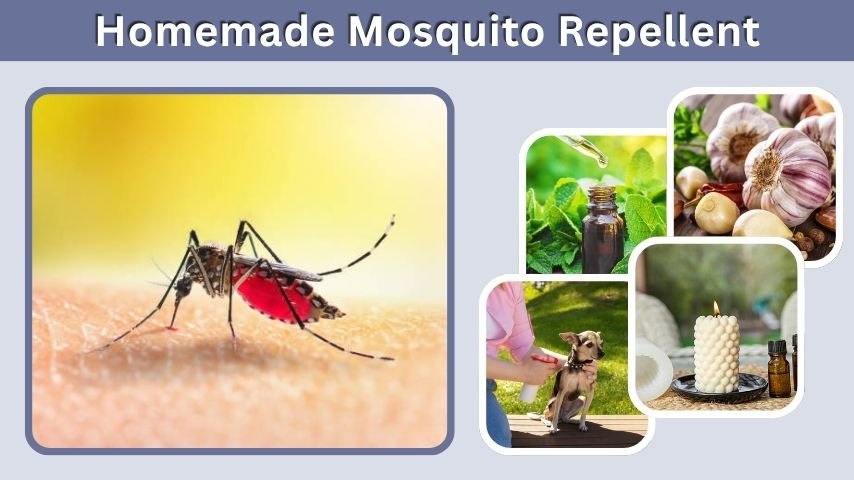
Mosquitoes can quickly ruin a peaceful evening, whether you are relaxing indoors, sitting on the patio, or working in the yard. Many people want a homemade mosquito repellent because it feels simple, affordable, and more natural than store-bought sprays. While homemade options may not last as long as commercial repellents, the right ingredients can help reduce mosquito activity. This guide explains easy recipes for skin, home, yard, and outdoor use, along with important safety tips.
Do Homemade Mosquito Repellents Really Work?
Homemade mosquito repellents can work for short periods, especially when mosquito activity is light to moderate. Their success depends on the ingredients, how they are mixed, where they are used, and how often they are reapplied. Natural sprays, candles, and yard treatments are most effective when combined with prevention methods like removing standing water and keeping outdoor areas clean.
How Homemade Repellents Help
Homemade repellents usually work by using strong scents that mosquitoes dislike or by masking the natural body odors that attract them. Ingredients such as lemon eucalyptus oil, citronella, peppermint, lavender, vinegar, and garlic are often used because of their sharp smells. These ingredients may create a temporary barrier, but they usually need to be refreshed often.
What to Expect from Homemade Options
A homemade mosquito repellent is useful for short outdoor activities, patio sitting, or mild indoor mosquito problems. However, it may not provide all-day protection. In areas with heavy mosquito populations or mosquito-borne disease risks, stronger tested repellents may be more reliable. Homemade remedies should be seen as helpful support, not a complete mosquito control solution.
Best Ingredients for Homemade Mosquito Repellent
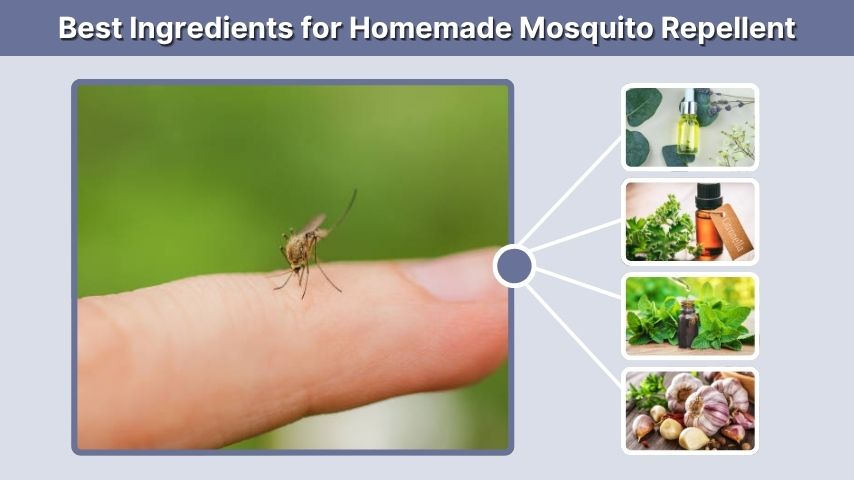
The best homemade mosquito repellent starts with choosing ingredients that match the purpose. A skin spray needs gentle and diluted ingredients, while a yard spray can use stronger scents. Some ingredients are better for candles, some for outdoor sprays, and others for indoor use. Safety matters because natural ingredients can still irritate skin, pets, or sensitive surfaces.
| Ingredient | Best Use | Important Note |
| Lemon eucalyptus oil | Adult skin spray | Must be diluted before use |
| Citronella oil | Candles and outdoor spray | Avoid direct pet use |
| Peppermint oil | Home and patio spray | Can irritate skin if too strong |
| Witch hazel | Spray base | Good for diluted body sprays |
| Apple cider vinegar | Outdoor and yard spray | Strong smell, not ideal for skin |
| Vanilla extract | Mild scent booster | Works better with other ingredients |
| Garlic | Yard treatment | Strong odor, not for body use |
Essential Oils for Mosquito Repellent
Essential oils are popular in homemade mosquito repellent recipes because they smell strong and are easy to mix into sprays. Lemon eucalyptus, citronella, lavender, peppermint, lemongrass, and cedarwood are common choices. However, essential oils should never be applied directly to skin without dilution. They can cause burning, redness, or allergic reactions if used too strongly.
Non-Essential Oil Ingredients
Some people prefer homemade mosquito repellent without essential oils. Vinegar, vanilla extract, garlic, herbs, and fans can help in different ways. Vinegar and garlic are better for outdoor use because their smell can be unpleasant indoors. Vanilla is milder and may be used as a scent booster, but it is not usually strong enough on its own.
Easy Homemade Mosquito Repellent Spray for Skin
A homemade mosquito repellent for skin should be mild, properly diluted, and tested before full use. Skin sprays are different from yard or patio sprays because they touch the body directly. The goal is to create a light scent barrier without irritating the skin. Always avoid eyes, lips, wounds, and sensitive areas when applying any homemade spray.
Simple Skin Spray Recipe
Use this recipe for adults who want an easy homemade mosquito repellent spray for short outdoor use.
- 2 tablespoons witch hazel
- 2 tablespoons distilled water
- 1 tablespoon carrier oil, such as coconut or olive oil
- 10 drops lemon eucalyptus essential oil
- 5 drops lavender essential oil
- Small spray bottle
Add the witch hazel and water to the bottle first. Then add the carrier oil and essential oils. Shake well before every use because oil and water separate naturally. Spray lightly on exposed skin or clothing, but avoid the face. Reapply as needed, especially after sweating or staying outside for a long time.
Skin Safety Tips
Always patch test the spray on a small area of skin before using it widely. Wait several hours to check for redness, itching, or burning. Do not use strong essential oil sprays on babies or very young children. If you have sensitive skin, allergies, asthma, or eczema, use extra caution. Stop using the spray if irritation appears.
Homemade Mosquito Repellent for Home
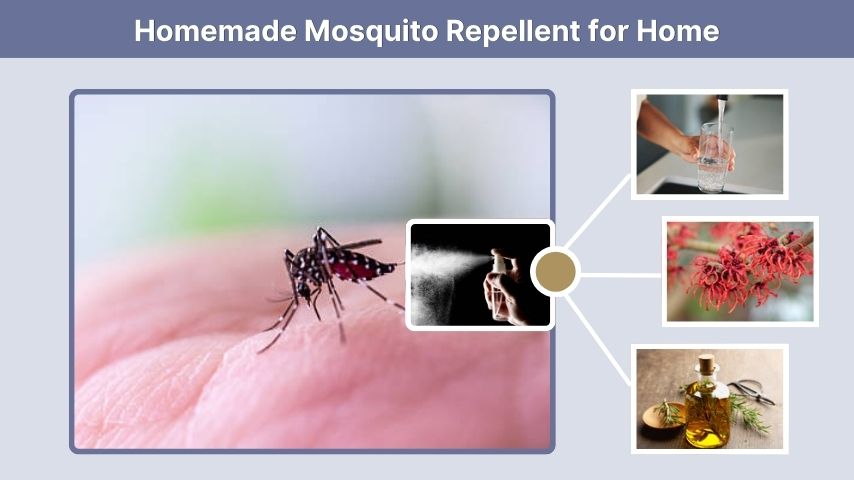
A homemade mosquito repellent for home should focus on keeping mosquitoes away from entry points and indoor resting areas. Sprays can help around windows, doors, and corners, but they work best when paired with simple prevention. Mosquitoes often enter through damaged screens, open doors, or small gaps, so blocking access is just as important as using scent.
Indoor Spray Recipe
This easy homemade mosquito repellent for house use can be sprayed near entry points, not directly on skin or pets.
- 1 cup distilled water
- 1 tablespoon witch hazel
- 5 drops peppermint essential oil
- 5 drops lemongrass essential oil
- Clean spray bottle
Mix the ingredients in the spray bottle and shake well. Spray lightly around window frames, doorways, balcony doors, and dark corners. Do not spray on food surfaces, pet bedding, or delicate fabric. The smell may fade after a few hours, so repeat when needed. Keep the bottle away from children and pets.
Indoor Prevention Tips
Mosquitoes inside the home often come from open doors, standing water, or nearby damp areas. Keep window screens repaired and avoid leaving doors open at dusk. Empty water from plant saucers, buckets, and floor drains. A fan can also help because mosquitoes are weak fliers and have trouble moving through steady airflow.
Homemade Mosquito Repellent for Yard and Outdoors
A homemade mosquito repellent for yard use is usually stronger than a body spray. Outdoor areas have more space, more hiding spots, and more breeding sources. Yard sprays may help around patios, grass edges, and shaded seating areas, but they should not replace basic yard maintenance. Removing standing water is still the most effective first step.
Easy Yard Spray Recipe
This homemade mosquito repellent spray for yard use is best for patios, seating areas, and outdoor edges.
- 1 gallon water
- 1 cup apple cider vinegar
- 1 tablespoon mild dish soap
- 10 drops citronella or lemongrass oil, optional
- Garden sprayer or large spray bottle
Mix the ingredients gently and apply around patio edges, outdoor furniture legs, porch steps, and shaded corners. Avoid spraying directly on vegetables, flowers, pet bowls, or ponds. Use lightly at first to make sure nearby plants do not react badly. Because rain and sunlight reduce the effect, reapply after heavy rain or outdoor cleaning.
Best Outdoor Areas to Treat
Focus on areas where mosquitoes rest or gather. These include shaded corners, damp spots, tall grass edges, under patio furniture, and around trash bins. Do not spray randomly across the entire yard. A targeted approach is safer and more useful. Also remove water from buckets, birdbaths, toys, old tires, and plant saucers.
Homemade Mosquito Repellent Without Essential Oils
Not everyone wants to use essential oils. Some people avoid them because of allergies, pets, pregnancy concerns, young children, or strong smells. A homemade mosquito repellent without essential oils may be gentler, though it can also be less powerful. These recipes are better for light mosquito problems and should be used with prevention methods for stronger results.
Vanilla Mosquito Repellent
Vanilla extract is sometimes used as a mild scent booster in homemade mosquito repellent recipes. Mix one tablespoon of vanilla extract with one cup of water and one tablespoon of witch hazel. Shake well and spray lightly on clothing or outdoor seating areas. It has a pleasant smell, but it usually works best when combined with other methods.
Vinegar Mosquito Repellent
Apple cider vinegar has a strong smell that may help discourage mosquitoes around outdoor spaces. Mix equal parts water and apple cider vinegar in a spray bottle. Use it around patio edges, doorways, and outdoor trash areas. Avoid using vinegar directly on sensitive skin, near eyes, or on delicate plants because it may cause irritation or damage.
Garlic Yard Repellent
Garlic is a strong-smelling ingredient often used in homemade yard mosquito repellent ideas. Blend several garlic cloves with water, strain the liquid, and dilute it before spraying lightly around the yard. This method is not ideal for skin, indoor use, or areas where pets eat or drink. Its smell can be intense but may help outdoors.
Homemade Mosquito Repellent Candles and Smoke
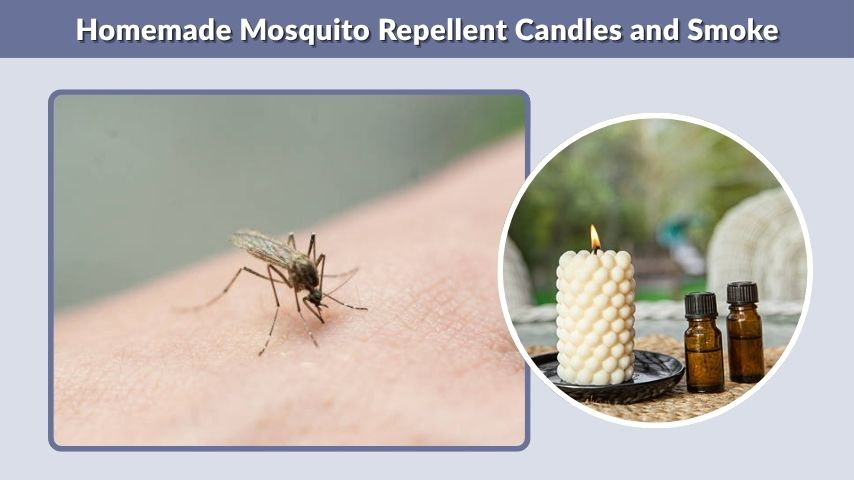
Candles and smoke methods are popular for outdoor gatherings because they create scent in the surrounding air. A homemade mosquito repellent candle can be useful on patios, balconies, or picnic tables, especially when mosquito pressure is not too heavy. Smoke from herbs may also help briefly, but both methods require careful fire safety and outdoor ventilation.
Citronella Candle Idea
A homemade mosquito repellent candle can be made with soy wax, a wick, a heat-safe container, and citronella essential oil. Once the wax is melted, citronella oil is added before the candle hardens. These candles should only be used outdoors or in well-ventilated areas. Place them near seating spaces, but never leave them burning unattended.
Mosquito Repellent Smoke
Some people burn dried rosemary, sage, lavender, or citronella leaves outdoors to create mosquito repellent smoke. The smoke may help create a temporary barrier around a small seating area. This should never be done indoors. Avoid smoke if anyone nearby has asthma, breathing problems, or smoke sensitivity. Always extinguish herbs completely after use.
Homemade Mosquito Repellent for Dogs and Pets
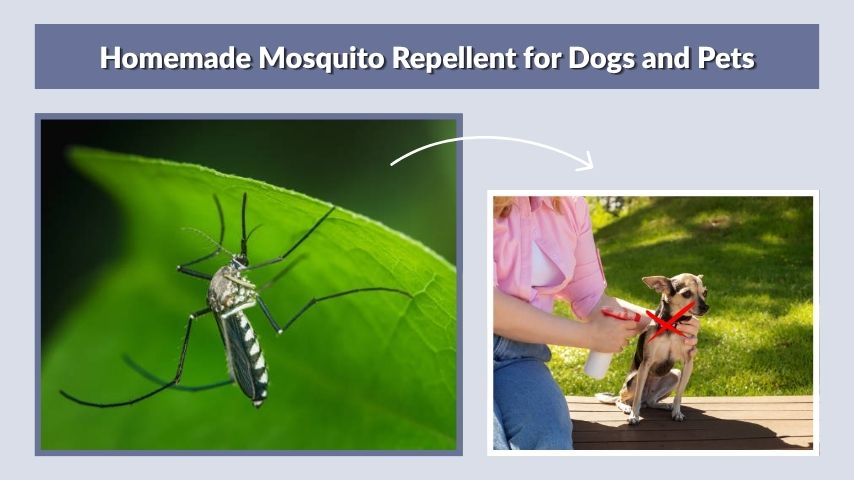
Homemade mosquito repellent for dogs, cats, horses, and other animals needs extra caution. Pets can lick sprays, breathe in strong scents, or react badly to ingredients that seem safe for humans. Many essential oils are not suitable for animals, especially when used directly on fur or skin. For pets, prevention is usually safer than homemade sprays.
Safer Pet-Friendly Yard Control
The safest homemade pet-safe mosquito repellent for yard areas is not usually a spray. It is better to remove mosquito breeding areas. Empty water bowls daily, clean buckets, remove puddles, and keep pet resting areas dry. Fans can also help on patios or porches where dogs rest because moving air makes it harder for mosquitoes to land.
What to Avoid Around Pets
Avoid spraying strong essential oils directly on dogs, cats, or horses without professional advice. Tea tree oil, strong peppermint oil, citronella, and undiluted oils can be risky for pets. Garlic sprays should not be used near food bowls or water bowls. If mosquitoes are bothering your dog or horse, ask a veterinarian for a safer repellent option.
Common Mistakes When Making Homemade Mosquito Repellent
Many homemade mosquito repellents fail because they are mixed incorrectly, used in the wrong place, or expected to work for too long. Natural ingredients can be helpful, but they are not magic. A good recipe should be diluted, shaken before use, and reapplied when needed. Safe use is just as important as mosquito protection.
Using Essential Oils Too Strong
One common mistake is adding too much essential oil. Stronger does not always mean better. It can cause headaches, skin irritation, breathing discomfort, or pet safety problems. A homemade mosquito repellent for skin should always be diluted with water, witch hazel, or carrier oil. Start mild and only adjust carefully if needed.
Ignoring Standing Water
No homemade mosquito repellent will work well if mosquitoes keep breeding nearby. Standing water is one of the biggest reasons mosquitoes stay around a home or yard. Even small amounts of water in bottle caps, plant trays, gutters, toys, or buckets can become a breeding place. Remove water sources before relying on sprays.
Applying Once and Expecting All-Day Results
Homemade sprays usually fade faster than commercial products. Sweat, rain, sunlight, and wind can reduce their effect. If you are using a homemade mosquito repellent outdoors, expect to reapply it during longer activities. For skin, reapply carefully and avoid overusing strong mixtures. For yards, reapply after rain or heavy watering.
FAQs
What is the best homemade mosquito repellent?
The best homemade mosquito repellent for most adults is a diluted spray made with witch hazel, water, carrier oil, and lemon eucalyptus or lavender essential oil. For yards, vinegar-based sprays and mosquito prevention work better. The best choice depends on whether you need protection for skin, home, patio, or yard areas.
How do you make homemade mosquito repellent?
To make homemade mosquito repellent, combine a base like witch hazel or water with a properly diluted scent ingredient such as lemon eucalyptus, lavender, citronella, vinegar, or vanilla. Shake well before using. Skin sprays should be mild, while outdoor sprays can be stronger but should not be applied directly to people or pets.
Does homemade mosquito repellent work?
Homemade mosquito repellent can work for short-term protection, especially in mild mosquito conditions. However, it usually does not last as long as commercial repellents. It works best when combined with removing standing water, using fans, keeping grass trimmed, repairing screens, and cleaning outdoor areas where mosquitoes may rest or breed.
Is homemade mosquito repellent safe for dogs?
Not all homemade mosquito repellents are safe for dogs. Many essential oils can irritate dogs or become harmful if licked. It is safer to focus on yard cleanup, fans, and dry resting areas. Before applying any homemade spray to a dog, ask a veterinarian for guidance.
Can vinegar repel mosquitoes?
Vinegar may help discourage mosquitoes in some outdoor areas because of its strong smell, but it is not the most powerful repellent. It is better for patio edges, doorways, and yard use than for skin. Avoid spraying vinegar near eyes, irritated skin, delicate plants, pet bowls, or food surfaces.