
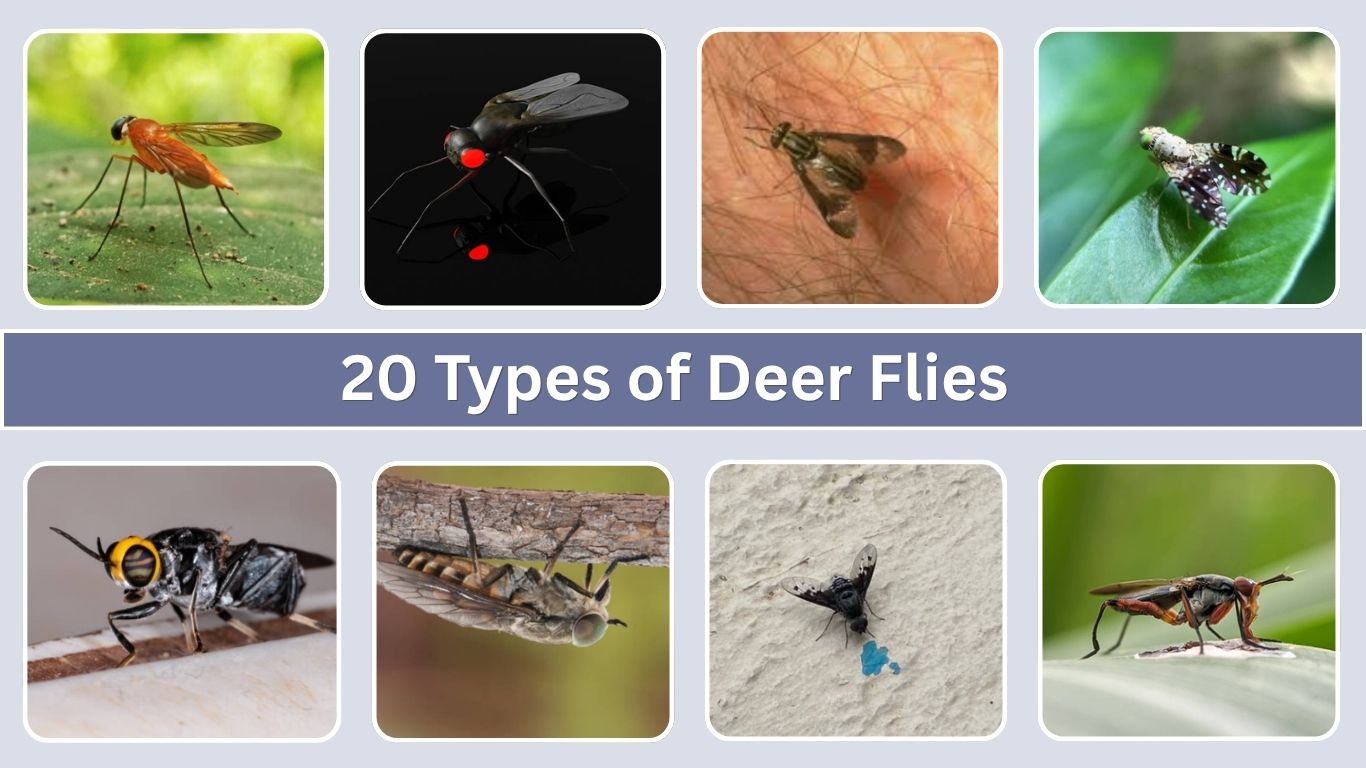
Deer flies are small, fast-flying insects known for their painful bites and persistent nature. Found near wetlands, forests, meadows, and grasslands, these flies are especially troublesome to humans and livestock during warm, sunny days. Female deer flies feed on blood to support reproduction, while males survive on nectar and plant juices. With a variety of species displaying unique body colors, wing patterns, and eye characteristics, understanding their identification, habitat, behavior, and life cycle is essential for preventing bites and protecting both people and animals.
1. Eastern Deer Fly
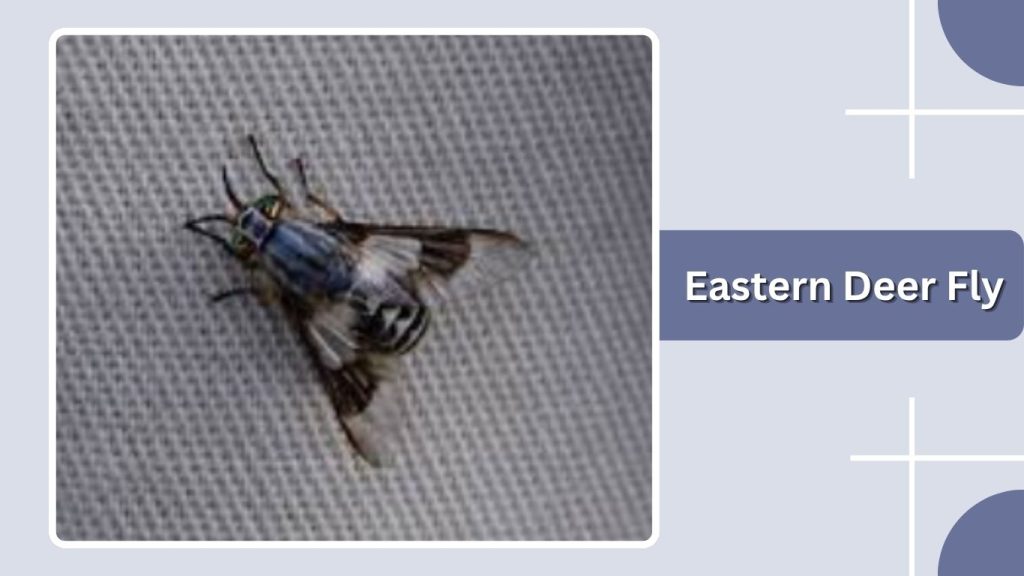
The Eastern Deer Fly is a common species found in wooded areas, wetlands, and meadows of eastern North America. Known for its aggressive biting behavior, this fly feeds on the blood of mammals, including deer, livestock, and humans. Females are the primary biters, while males feed on nectar and plant juices.
Identification
- Small to medium-sized body, usually 6–12 mm
- Yellow or brown body with dark markings
- Distinctive patterned wings with dark bands
- Large colorful compound eyes
- Short antennae
- Slender legs adapted for quick movement
Habitat and Distribution
Eastern Deer Flies thrive in forests, wetlands, riversides, and open meadows. They are widespread across eastern North America and prefer areas with standing water for larval development.
Behavior and Diet
Females feed on mammalian blood, using sharp mouthparts to cut the skin. Males do not bite and feed on nectar and plant juices. Adults are most active during warm, sunny days.
Lifespan
Eastern Deer Flies undergo complete metamorphosis, including egg, larval, pupal, and adult stages. Larvae develop in moist soil or shallow water for several months before emerging as adults, which usually live for a few weeks.
2. Western Deer Fly
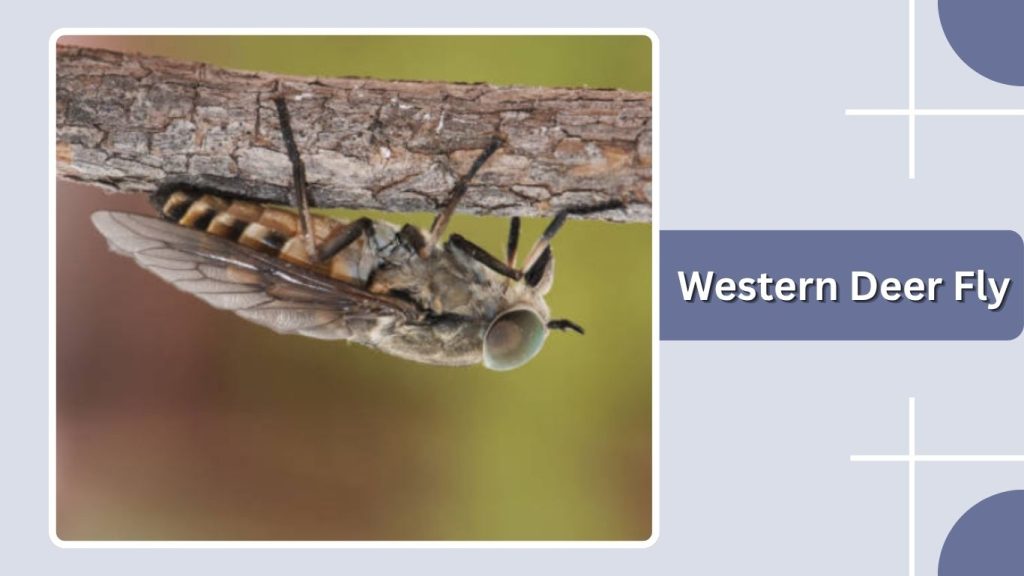
The Western Deer Fly is a biting fly commonly found in western North America, particularly in forests, wetlands, and grasslands. Females require blood meals for reproduction, making them a nuisance to livestock, wildlife, and humans. Males feed exclusively on nectar and plant juices and do not bite.
Identification
- Medium-sized body, about 6–12 mm in length
- Brown or yellowish body with dark markings
- Distinctive patterned wings with dark bands
- Large compound eyes
- Short antennae
- Slender legs for agile flight
Habitat and Distribution
Western Deer Flies are prevalent in marshes, woodlands, open meadows, and riversides across western North America. Larvae develop in moist soil, mud, or shallow water near these habitats.
Behavior and Diet
Female Western Deer Flies feed on blood from mammals such as deer, cattle, horses, and humans. They are active during warm daylight hours and are attracted to movement. Males are harmless and feed on nectar and plant fluids.
Lifespan
The species undergoes complete metamorphosis through egg, larval, pupal, and adult stages. Larvae remain in damp environments for several months before pupating. Adults generally emerge in spring or summer and live for a few weeks.
3. Yellow-Faced Deer Fly
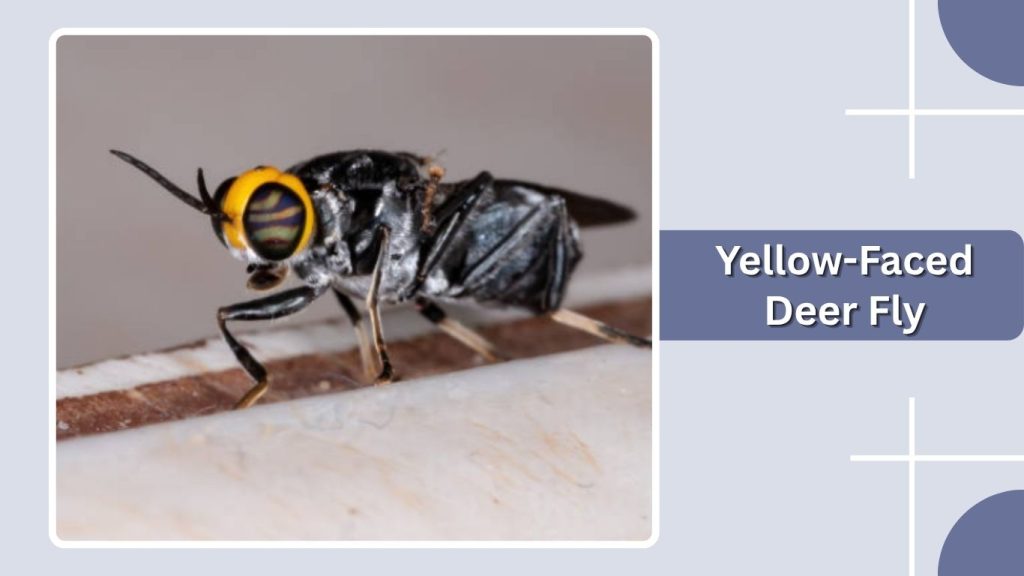
The Yellow-Faced Deer Fly is a striking species easily recognized by its bright yellow facial markings. It is commonly found in wetlands, forests, and grasslands, particularly in eastern and central North America. Female flies are blood feeders, while males feed on nectar and do not bite.
Identification
- Medium-sized body, 6–12 mm in length
- Bright yellow markings on the face
- Dark brown or yellowish body
- Patterned wings with dark bands
- Large compound eyes
- Short antennae and slender legs
Habitat and Distribution
Yellow-Faced Deer Flies inhabit marshes, ponds, forest edges, and open meadows. They are widely distributed in regions with abundant mammals and standing water for larval development.
Behavior and Diet
Females feed on blood from mammals, including deer, horses, cattle, and humans. They are persistent and bite during sunny, warm hours. Males are non-biting and survive on nectar and plant juices.
Lifespan
This species goes through egg, larval, pupal, and adult stages. Larvae develop in wet soil, mud, or shallow water for several months before pupating. Adult flies live for a few weeks during the summer.
4. Black-Striped Deer Fly
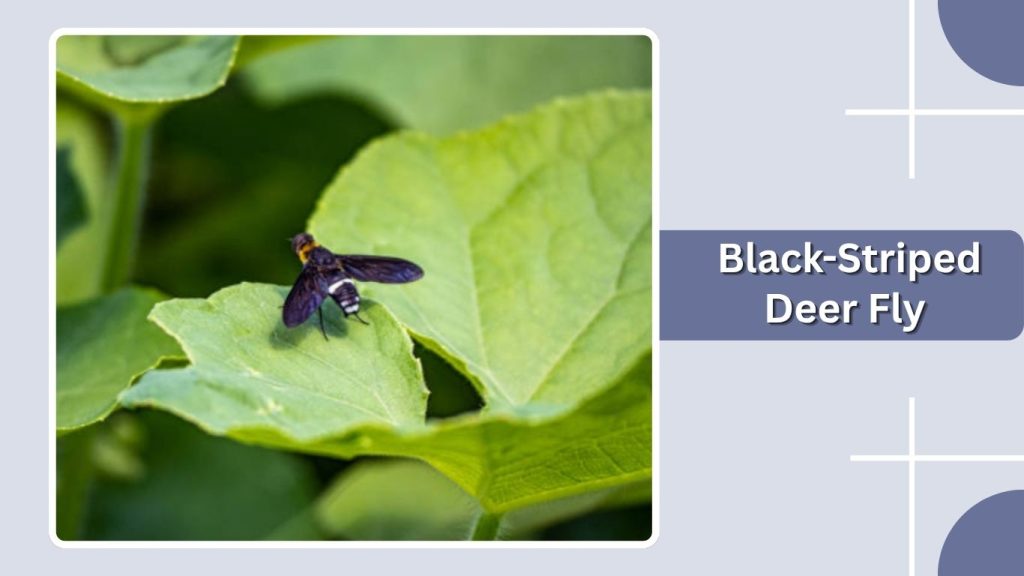
The Black-Striped Deer Fly is a medium-sized biting fly notable for the dark stripes running along its body and wings. It is commonly found in forests, wetlands, and grasslands, where female flies feed on the blood of mammals, including humans and livestock. Males feed on nectar and are harmless.
Identification
- Body length around 6–12 mm
- Dark stripes along thorax and abdomen
- Brown or yellowish base body color
- Patterned wings with dark markings
- Large compound eyes
- Short antennae and slender legs
Habitat and Distribution
Black-Striped Deer Flies inhabit wetlands, ponds, marshes, and forest edges across temperate regions. Larvae develop in damp soil, mud, or shallow water near these habitats.
Behavior and Diet
Females are aggressive biters and feed on mammalian blood, often targeting deer, horses, cattle, and humans. Males do not bite and primarily feed on nectar and plant juices. Adults are active during sunny, warm hours.
Lifespan
The species undergoes egg, larval, pupal, and adult stages. Larvae spend several months in wet or muddy environments before pupating. Adult Black-Striped Deer Flies emerge in summer and usually live for a few weeks.
5. Green Deer Fly
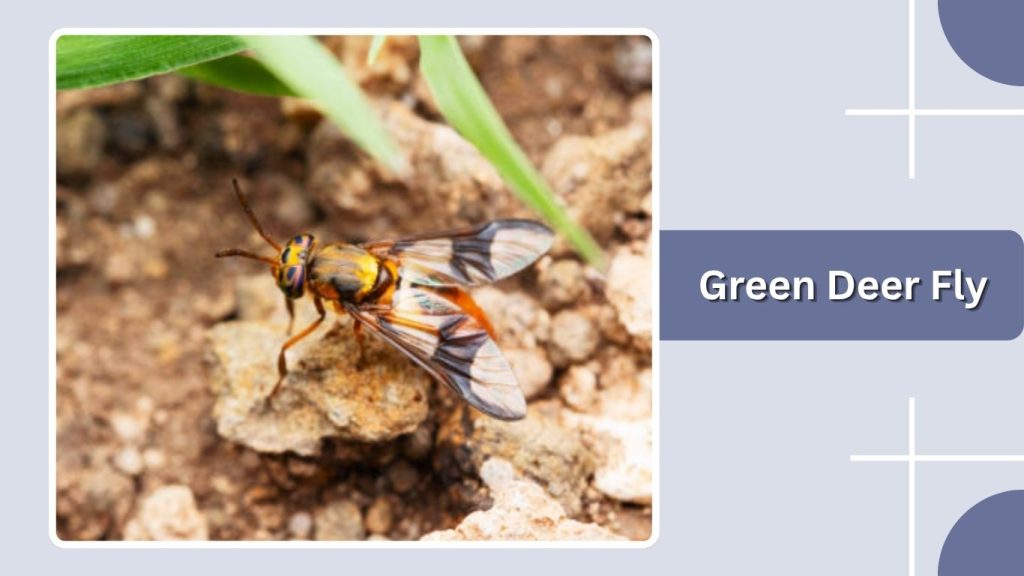
The Green Deer Fly is a visually striking species known for its greenish body tones and metallic sheen. It is commonly found in forests, wetlands, and grasslands, where females feed on mammalian blood. Males feed on nectar and are harmless to humans and animals.
Identification
- Medium-sized body, 6–12 mm in length
- Greenish or metallic-colored body
- Patterned wings with dark veins
- Large reflective compound eyes
- Short antennae
- Slender legs for agile flight
Habitat and Distribution
Green Deer Flies inhabit wetlands, ponds, marshes, and open woodlands. They are widely distributed in temperate and subtropical regions with abundant mammals and standing water for larval development.
Behavior and Diet
Females feed on the blood of mammals such as deer, horses, cattle, and humans. They are aggressive during sunny daytime hours. Males do not bite and survive on nectar and sugary plant fluids.
Lifespan
The species develops through egg, larval, pupal, and adult stages. Larvae spend months in moist soil or shallow water before pupating. Adults emerge during summer and generally live for a few weeks.
6. Brown-Spotted Deer Fly
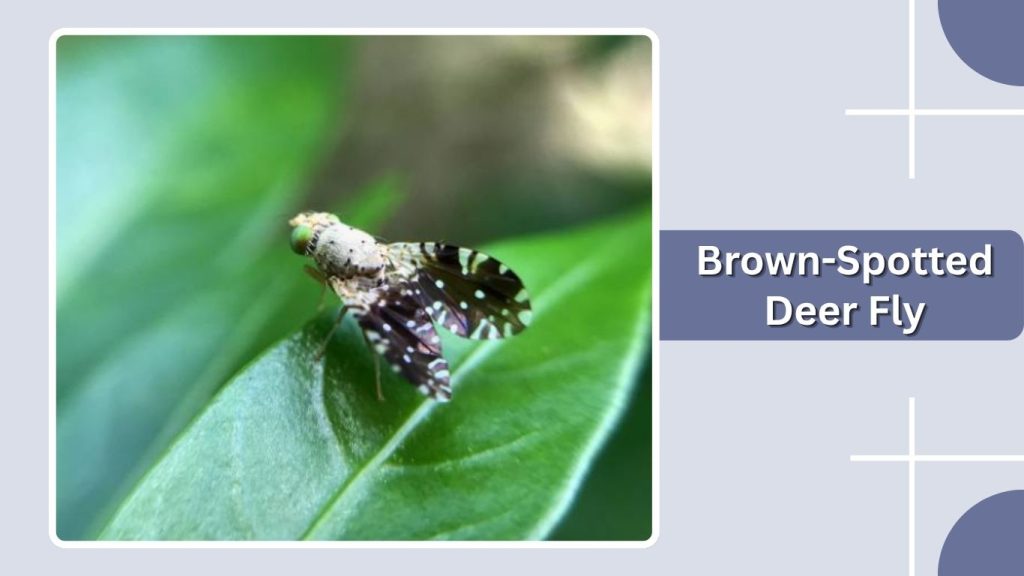
The Brown-Spotted Deer Fly is a medium-sized species recognized for the brown spots on its wings and abdomen. It is commonly found in wetlands, meadows, and forest edges. Female flies are blood feeders, while males feed on nectar and do not bite.
Identification
- Medium-sized body, 6–12 mm in length
- Brown body with darker spotted markings
- Patterned wings with brown spots
- Large compound eyes
- Short antennae
- Slender legs adapted for quick flight
Habitat and Distribution
Brown-Spotted Deer Flies inhabit marshes, wet meadows, ponds, and forest edges. They are found in temperate and subtropical regions where mammals are present. Larvae develop in damp soil, mud, or shallow water.
Behavior and Diet
Females feed on mammalian blood, targeting deer, horses, cattle, and humans. Males are harmless and survive on nectar and plant juices. Adults are most active during sunny, warm hours.
Lifespan
The species undergoes complete metamorphosis with egg, larval, pupal, and adult stages. Larvae spend several months developing in wet environments before pupating. Adult Brown-Spotted Deer Flies generally live for a few weeks.
7. Giant Deer Fly
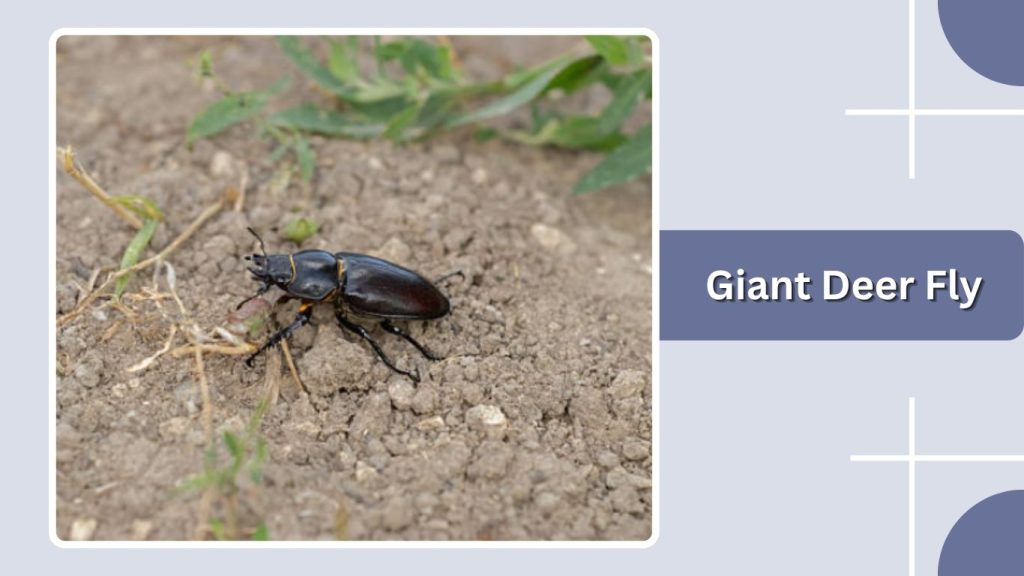
The Giant Deer Fly is a large species known for its robust body and aggressive biting behavior. It is commonly found near forests, wetlands, and grasslands, where females feed on the blood of mammals. Males feed on nectar and are harmless.
Identification
- Large body, 10–15 mm in length
- Dark brown or black coloration
- Broad wings with subtle veining
- Large compound eyes
- Short antennae
- Strong, muscular legs
Habitat and Distribution
Giant Deer Flies inhabit wetlands, marshes, forest edges, and open meadows. They are widespread in temperate regions with abundant mammalian hosts. Larvae develop in damp soil, mud, or shallow water.
Behavior and Diet
Females feed on blood from deer, horses, cattle, and humans. They are persistent and aggressive during sunny daytime hours. Males do not bite and survive on nectar and sugary plant fluids.
Lifespan
This species passes through egg, larval, pupal, and adult stages. Larvae spend several months developing in moist habitats before pupating. Adults generally emerge in late spring or summer and live for a few weeks.
8. Forest Deer Fly
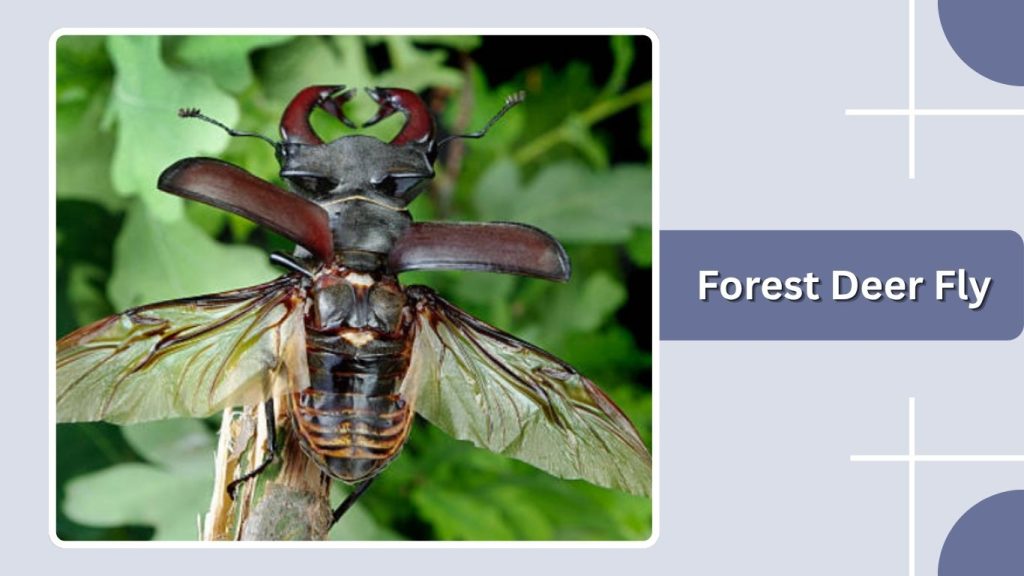
The Forest Deer Fly is a medium-sized species commonly found in wooded areas, forest edges, and nearby wetlands. Females feed on mammalian blood, while males feed on nectar and are harmless. This species is known for its quick and agile flight.
Identification
- Medium body size, 6–12 mm
- Brown or dark body coloration
- Patterned wings with dark veins
- Large compound eyes
- Short antennae
- Slender legs for fast movement
Habitat and Distribution
Forest Deer Flies inhabit forests, woodland edges, marshes, and meadows. They are widespread in temperate regions with abundant mammals and standing water. Larvae develop in damp soil, mud, or shallow water near these habitats.
Behavior and Diet
Females feed on the blood of deer, horses, cattle, and humans. They are aggressive and persistent, especially during sunny hours. Males do not bite and feed on nectar and sugary plant juices.
Lifespan
The Forest Deer Fly undergoes complete metamorphosis with egg, larval, pupal, and adult stages. Larvae spend months in wet environments before pupating. Adults emerge in summer and live for several weeks.
9. Marsh Deer Fly
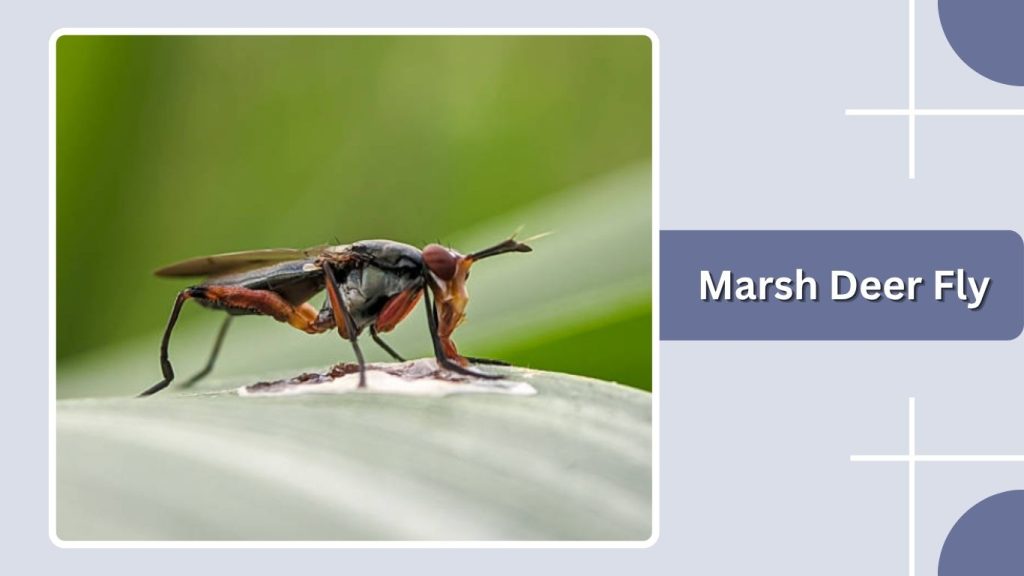
The Marsh Deer Fly is a medium-sized species commonly found in wetlands, marshes, and pond edges. Females feed on mammalian blood, making them a nuisance to livestock and humans, while males feed on nectar and plant juices.
Identification
- Medium body size, 6–12 mm
- Brown or olive-colored body
- Patterned wings with dark bands
- Large reflective compound eyes
- Short antennae
- Slender legs adapted for quick flight
Habitat and Distribution
Marsh Deer Flies inhabit marshes, wetlands, ponds, and wet meadows. They are widespread in temperate and subtropical regions with abundant water and mammalian hosts. Larvae develop in moist soil, mud, or shallow water.
Behavior and Diet
Females feed on blood from deer, horses, cattle, and humans. They are active during warm sunny hours and are persistent in seeking hosts. Males do not bite and feed on nectar and plant fluids.
Lifespan
The species develops through egg, larval, pupal, and adult stages. Larvae spend several months in damp environments before pupating. Adult Marsh Deer Flies usually emerge in summer and live for a few weeks.
10. Mountain Deer Fly
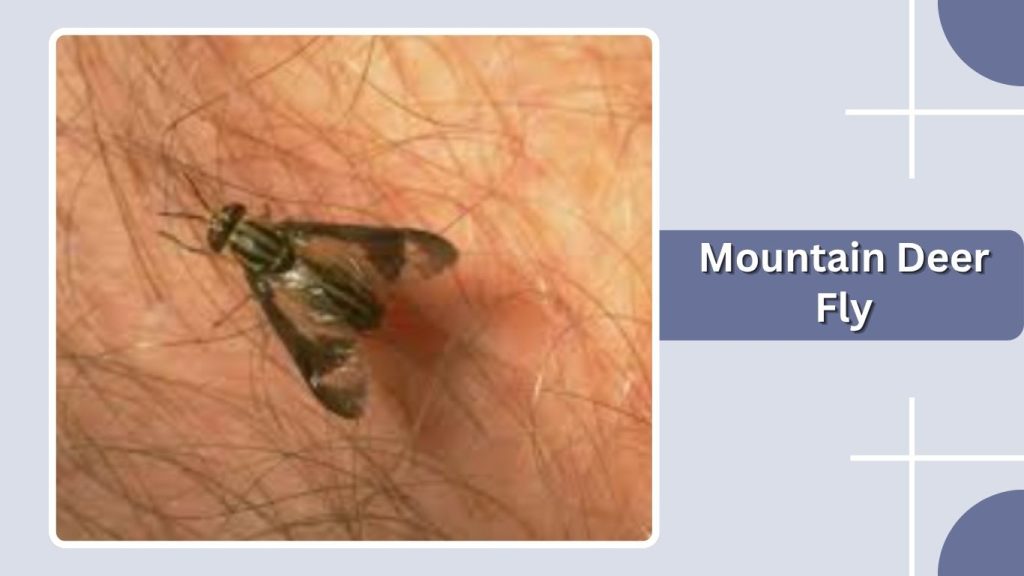
The Mountain Deer Fly is a hardy species typically found in higher elevation areas, including mountainous forests, alpine meadows, and streamsides. Female flies feed on blood, while males feed on nectar and plant juices. They are most active during warm daylight hours.
Identification
- Medium-sized body, 6–12 mm
- Brown or grayish body
- Wings with subtle dark patterns
- Large compound eyes
- Short antennae
- Slender legs for agile flight
Habitat and Distribution
Mountain Deer Flies inhabit forests, alpine meadows, and wetlands in mountainous regions. They are common in temperate areas with standing water or damp soil for larval development.
Behavior and Diet
Females feed on blood from mammals such as deer, livestock, and humans. They are aggressive and persistent during sunny daytime hours. Males do not bite and survive on nectar and sugary plant fluids.
Lifespan
This species develops through egg, larval, pupal, and adult stages. Larvae spend several months in moist environments before pupating. Adult Mountain Deer Flies usually emerge in late spring or summer and live for a few weeks.
11. Prairie Deer Fly
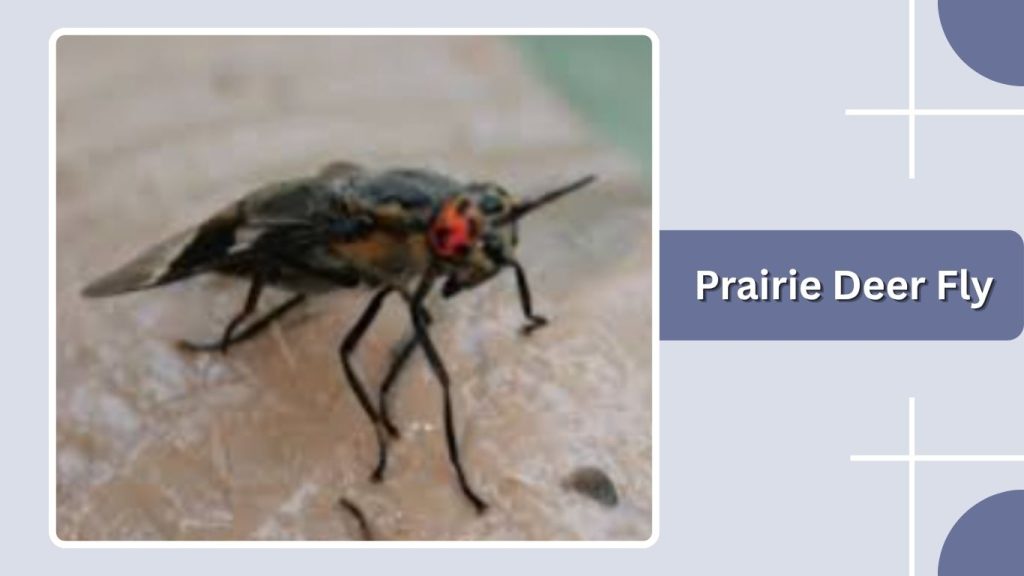
The Prairie Deer Fly is a medium-sized species commonly found in open grasslands, prairies, and farmland. Females feed on blood from mammals, while males feed on nectar and are harmless. This species is particularly active during warm, sunny days.
Identification
- Medium body size, 6–12 mm
- Brown or yellowish body
- Wings with subtle dark patterns
- Large compound eyes
- Short antennae
- Slender legs for fast flight
Habitat and Distribution
Prairie Deer Flies inhabit grasslands, prairies, wet meadows, and farmland. They are widespread in temperate regions where livestock and wildlife are present. Larvae develop in damp soil, mud, or shallow water.
Behavior and Diet
Females feed on blood from deer, horses, cattle, and humans. They are persistent biters, particularly during warm daylight hours. Males do not bite and instead feed on nectar and plant juices.
Lifespan
The species undergoes complete metamorphosis with egg, larval, pupal, and adult stages. Larvae remain in wet soil or shallow water for several months before pupating. Adults generally emerge in summer and live for a few weeks.
12. Coastal Deer Fly
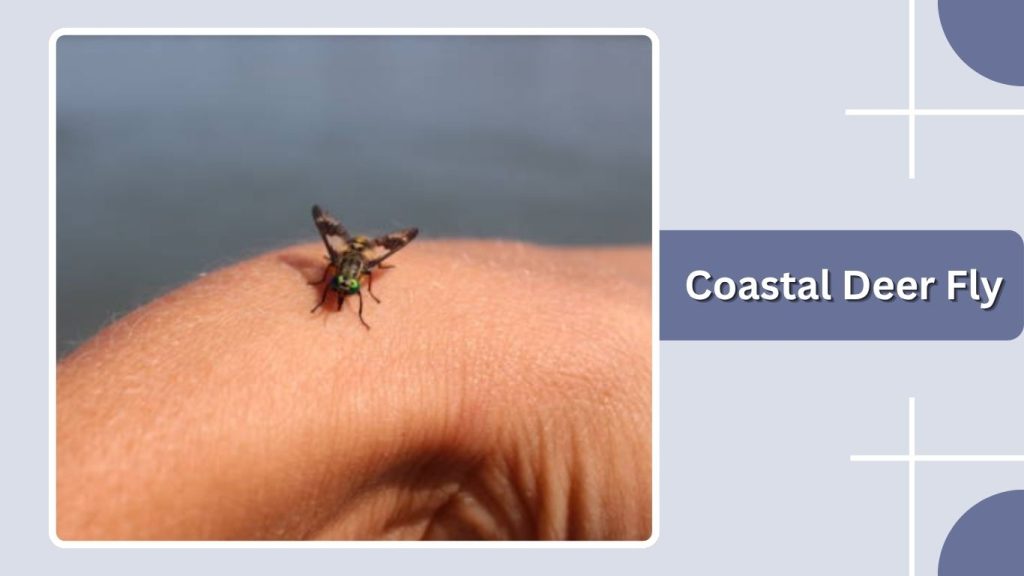
The Coastal Deer Fly is a species commonly found near beaches, tidal marshes, and coastal wetlands. Females feed on mammalian blood, making them a nuisance to humans and livestock, while males feed on nectar and are harmless.
Identification
- Medium-sized body, 6–12 mm
- Brown or gray body coloration
- Patterned wings with dark veins
- Large compound eyes
- Short antennae
- Slender legs for agile flight
Habitat and Distribution
Coastal Deer Flies inhabit tidal marshes, mangroves, coastal wetlands, and nearby meadows. They are distributed in temperate and subtropical coastal regions where mammals and standing water are present. Larvae develop in damp soil, mud, or shallow water.
Behavior and Diet
Females feed on blood from horses, cattle, deer, and humans. They are aggressive and persistent during warm sunny hours. Males do not bite and feed on nectar and plant fluids.
Lifespan
The Coastal Deer Fly develops through egg, larval, pupal, and adult stages. Larvae spend several months in moist coastal habitats before pupating. Adults emerge in summer and generally live for a few weeks.
13. Red-Eyed Deer Fly
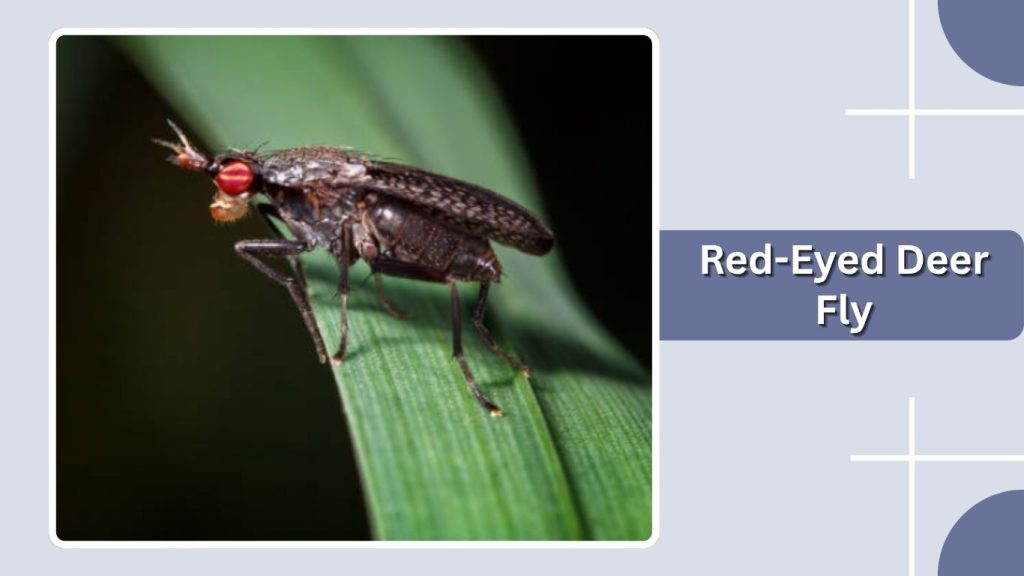
The Red-Eyed Deer Fly is a striking species easily recognized by its bright red compound eyes. It is commonly found in wetlands, forests, and meadows. Female flies feed on blood from mammals, while males feed on nectar and are harmless.
Identification
- Medium body size, 6–12 mm
- Dark brown or yellowish body
- Bright red compound eyes
- Wings with dark bands
- Short antennae
- Slender legs for quick flight
Habitat and Distribution
Red-Eyed Deer Flies inhabit wetlands, ponds, marshes, and forest edges. They are widespread in temperate regions with abundant mammals and moisture for larval development. Larvae develop in damp soil, mud, or shallow water.
Behavior and Diet
Females feed on the blood of deer, horses, cattle, and humans. They are persistent biters during warm, sunny hours. Males are harmless and feed on nectar and plant juices.
Lifespan
This species undergoes complete metamorphosis with egg, larval, pupal, and adult stages. Larvae spend several months in moist environments before pupating. Adults usually emerge in summer and live for a few weeks.
14. Twin-Spotted Deer Fly
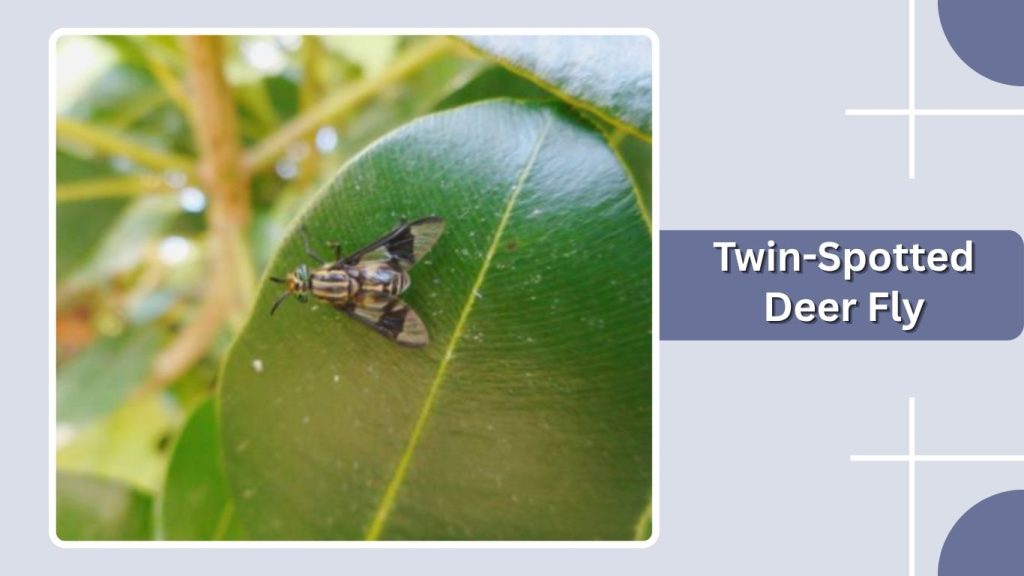
The Twin-Spotted Deer Fly is a medium-sized species recognized by the pair of distinct spots on its wings or body. It is commonly found in wetlands, meadows, and forest edges. Females are blood feeders, while males feed on nectar and are harmless.
Identification
- Medium body size, 6–12 mm
- Brown or yellowish body with two distinct spots
- Wings with dark markings
- Large compound eyes
- Short antennae
- Slender legs for agile flight
Habitat and Distribution
Twin-Spotted Deer Flies inhabit marshes, ponds, meadows, and forest edges. They are widespread in temperate regions with standing water and abundant mammalian hosts. Larvae develop in damp soil, mud, or shallow water.
Behavior and Diet
Females feed on blood from deer, horses, cattle, and humans. They are active and persistent biters during warm daylight hours. Males do not bite and survive on nectar and plant fluids.
Lifespan
The species develops through egg, larval, pupal, and adult stages. Larvae remain in moist environments for several months before pupating. Adults usually emerge in summer and live for a few weeks.
15. Golden Deer Fly
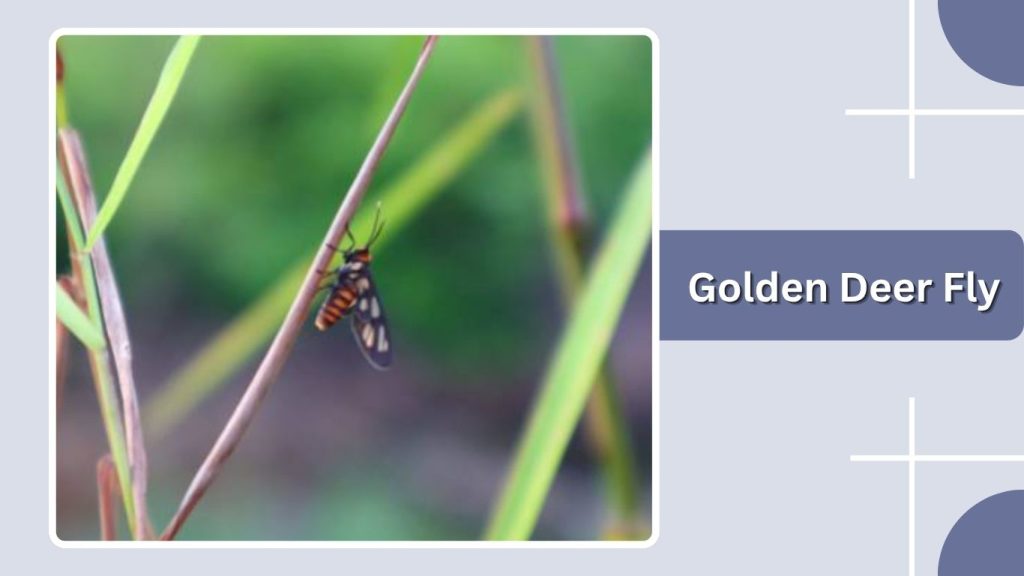
The Golden Deer Fly is a medium-sized species known for its golden or yellowish body coloration. It is commonly found in wetlands, meadows, and forest edges. Females feed on mammalian blood, while males feed on nectar and do not bite.
Identification
- Medium body size, 6–12 mm
- Golden or yellowish body
- Wings with subtle dark patterns
- Large compound eyes
- Short antennae
- Slender legs for quick flight
Habitat and Distribution
Golden Deer Flies inhabit marshes, ponds, wetlands, and grassy fields. They are widespread in temperate regions where mammals and moist habitats are present. Larvae develop in damp soil, mud, or shallow water.
Behavior and Diet
Females feed on blood from deer, horses, cattle, and humans. They are persistent and aggressive during sunny hours. Males are harmless and feed on nectar and plant juices.
Lifespan
The Golden Deer Fly develops through egg, larval, pupal, and adult stages. Larvae spend several months in moist environments before pupating. Adults emerge in summer and usually live for a few weeks.
16. Speckled Deer Fly
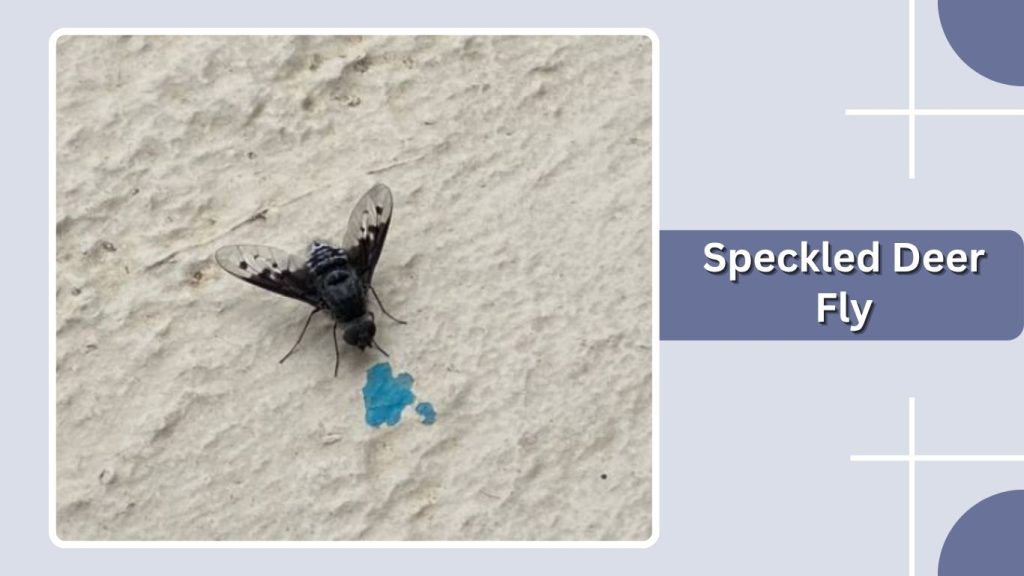
The Speckled Deer Fly is a medium-sized species distinguished by its speckled or mottled body and wings. It is commonly found in wetlands, meadows, and forest edges. Female flies feed on mammalian blood, while males feed on nectar and plant juices.
Identification
- Medium body size, 6–12 mm
- Brown or yellowish body with small speckles
- Wings with subtle dark spots
- Large compound eyes
- Short antennae
- Slender legs for agile flight
Habitat and Distribution
Speckled Deer Flies inhabit marshes, ponds, wetlands, and meadows. They are widely distributed across temperate regions where mammals are abundant and moisture is available. Larvae develop in damp soil, mud, or shallow water.
Behavior and Diet
Females feed on blood from deer, horses, cattle, and humans. They are active during sunny, warm hours and are persistent biters. Males do not bite and feed on nectar and plant juices.
Lifespan
The Speckled Deer Fly passes through egg, larval, pupal, and adult stages. Larvae spend several months developing in wet habitats before pupating. Adults usually emerge in summer and live for a few weeks.
17. Northern Deer Fly
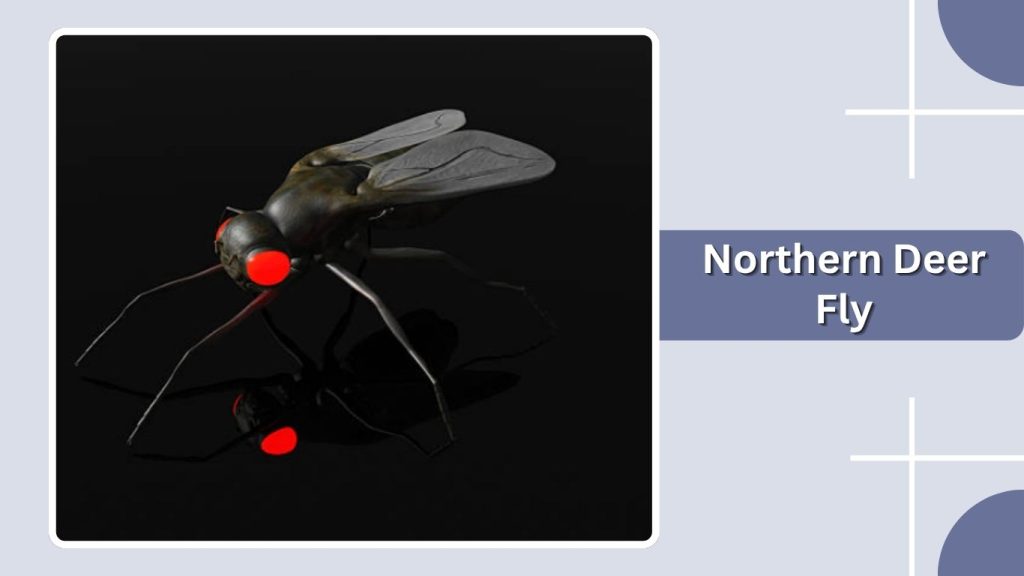
The Northern Deer Fly is a medium-sized species commonly found in cooler temperate regions, including wetlands, forests, and grasslands. Females feed on blood from mammals, while males feed on nectar and plant juices and are harmless to humans.
Identification
- Medium body size, 6–12 mm
- Dark brown or grayish body
- Wings with subtle dark patterns
- Large compound eyes
- Short antennae
- Slender legs for agile flight
Habitat and Distribution
Northern Deer Flies inhabit wetlands, ponds, marshes, and forest edges in northern temperate regions. Larvae develop in damp soil, mud, or shallow water near these habitats.
Behavior and Diet
Females feed on blood from deer, horses, cattle, and humans. They are persistent and aggressive biters during warm sunny hours. Males do not bite and survive on nectar and sugary plant fluids.
Lifespan
The Northern Deer Fly develops through egg, larval, pupal, and adult stages. Larvae spend several months in moist environments before pupating. Adults usually emerge in late spring or summer and live for a few weeks.
18. Southern Deer Fly
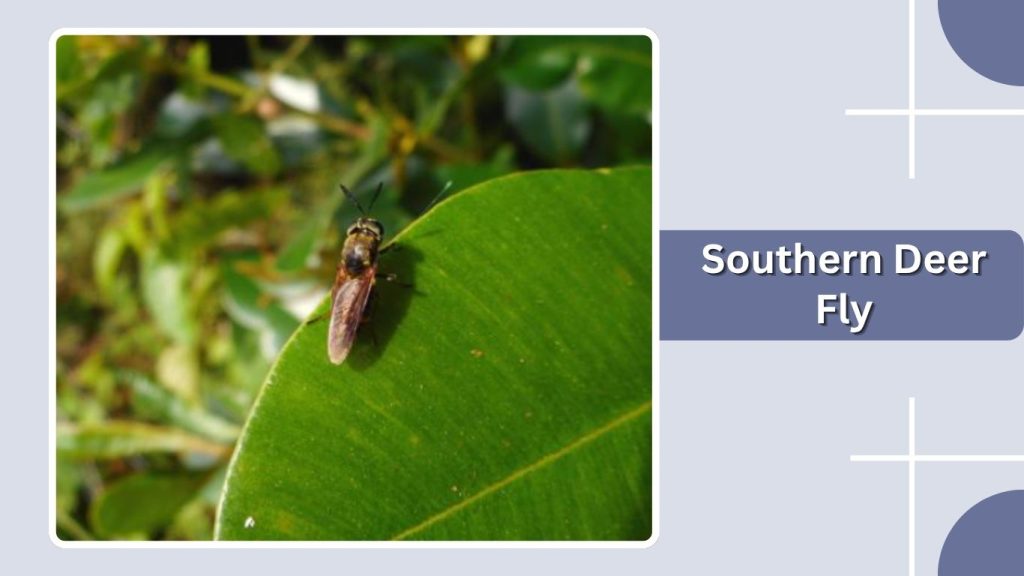
The Southern Deer Fly is a warm-climate species commonly found in wetlands, forests, and grasslands. Female flies feed on mammalian blood, making them a nuisance to humans and livestock, while males feed on nectar and plant juices.
Identification
- Medium body size, 6–12 mm
- Brown or yellowish body
- Wings with dark bands
- Large compound eyes
- Short antennae
- Slender legs for quick flight
Habitat and Distribution
Southern Deer Flies inhabit marshes, ponds, wet meadows, and forest edges in subtropical and southern temperate regions. Larvae develop in damp soil, mud, or shallow water near these habitats.
Behavior and Diet
Females feed on blood from deer, horses, cattle, and humans. They are aggressive and persistent during warm daylight hours. Males do not bite and feed on nectar and plant fluids.
Lifespan
The Southern Deer Fly develops through egg, larval, pupal, and adult stages. Larvae spend several months in moist environments before pupating. Adults usually emerge in summer and live for a few weeks.
19. Orange-Bellied Deer Fly
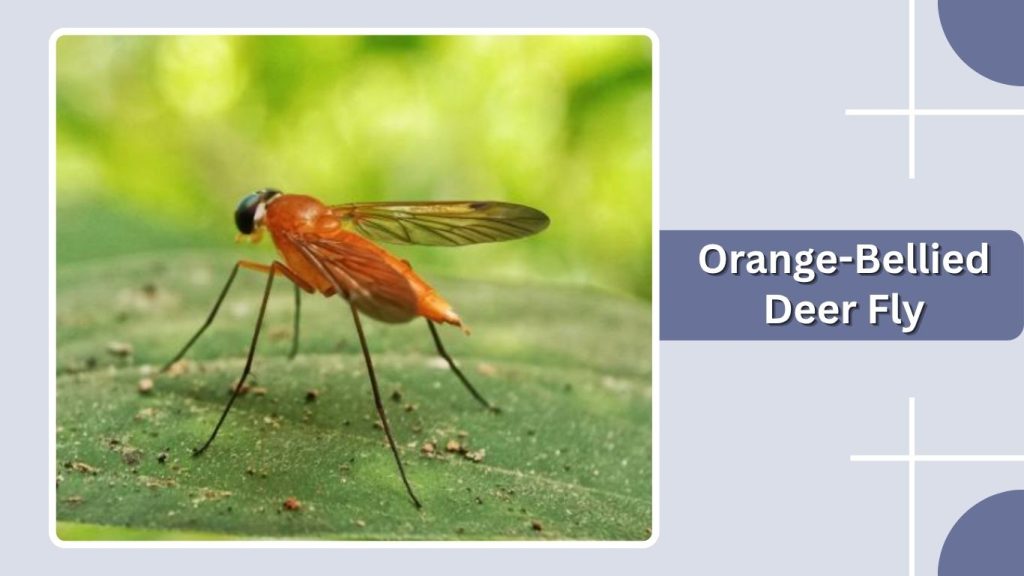
The Orange-Bellied Deer Fly is a medium-sized species easily recognized by its bright orange-colored abdomen. It is commonly found in wetlands, grasslands, and forest edges. Female flies feed on mammalian blood, while males feed on nectar and are harmless.
Identification
- Medium body size, 6–12 mm
- Dark brown or yellowish body with bright orange abdomen
- Wings with subtle dark markings
- Large compound eyes
- Short antennae
- Slender legs for agile flight
Habitat and Distribution
Orange-Bellied Deer Flies inhabit marshes, ponds, wet meadows, and open fields. They are widespread in temperate regions with abundant mammals and moist habitats. Larvae develop in damp soil, mud, or shallow water.
Behavior and Diet
Females feed on blood from deer, horses, cattle, and humans. They are active and persistent during sunny daytime hours. Males do not bite and survive on nectar and plant juices.
Lifespan
The species undergoes complete metamorphosis with egg, larval, pupal, and adult stages. Larvae spend several months developing in wet environments before pupating. Adults usually emerge in summer and live for a few weeks.
20. Pale Deer Fly
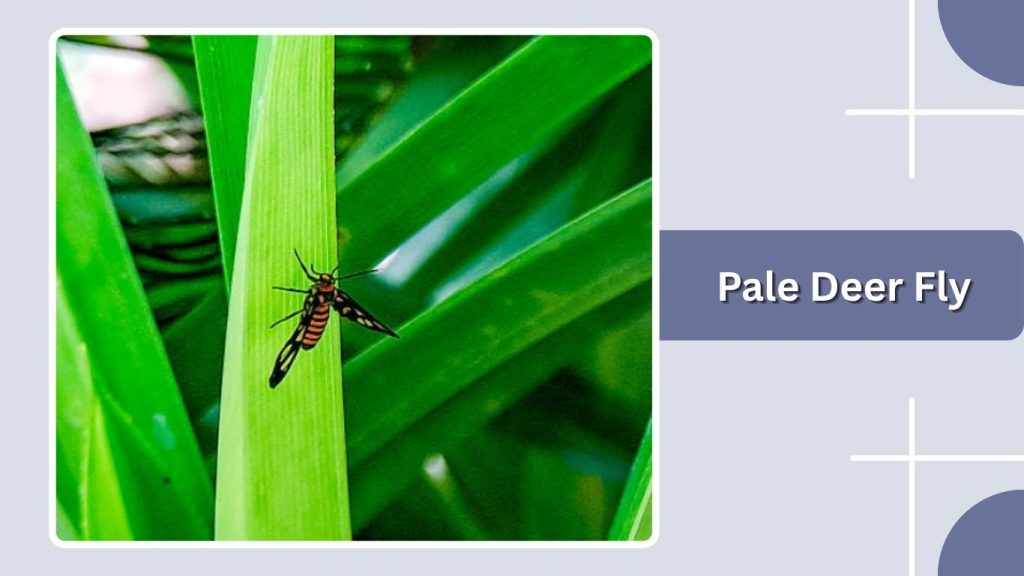
The Pale Deer Fly is a medium-sized species known for its light-colored body, often pale yellow or tan. It is commonly found in wetlands, meadows, and forest edges. Females feed on mammalian blood, while males feed on nectar and plant juices.
Identification
- Medium body size, 6–12 mm
- Pale yellow or tan body coloration
- Wings with subtle dark patterns
- Large compound eyes
- Short antennae
- Slender legs for quick flight
Habitat and Distribution
Pale Deer Flies inhabit marshes, ponds, wet meadows, and forest edges. They are distributed across temperate regions where mammals and moisture are abundant. Larvae develop in damp soil, mud, or shallow water.
Behavior and Diet
Females feed on the blood of deer, horses, cattle, and humans. They are persistent and aggressive during warm, sunny hours. Males do not bite and feed on nectar and plant juices.
Lifespan
The Pale Deer Fly develops through egg, larval, pupal, and adult stages. Larvae spend several months in moist environments before pupating. Adults usually emerge in summer and live for a few weeks.
FAQs
Do all deer flies bite humans?
No, only female deer flies bite humans and other mammals because they need blood to reproduce. Male deer flies do not bite and feed exclusively on nectar and plant juices.
How can I identify a deer fly bite?
A deer fly bite usually appears as a red, raised bump with a small puncture in the center. It may sting, itch, or bleed slightly and is often more painful than a mosquito bite due to the fly’s cutting mouthparts.
Where are deer flies commonly found?
Deer flies are commonly found near wetlands, marshes, ponds, forests, meadows, and grasslands. They are especially active in areas where livestock or wildlife are present and during warm, sunny days.
How long do deer flies live?
Deer flies undergo egg, larval, pupal, and adult stages. Larvae can live for several months in moist environments, while adults typically survive for a few weeks during the summer.
How can I prevent deer fly bites?
To prevent bites, wear long sleeves and pants, use insect repellents containing DEET or picaridin, and avoid high-activity areas during peak daytime hours. Protective netting can also help protect livestock from attacks.