
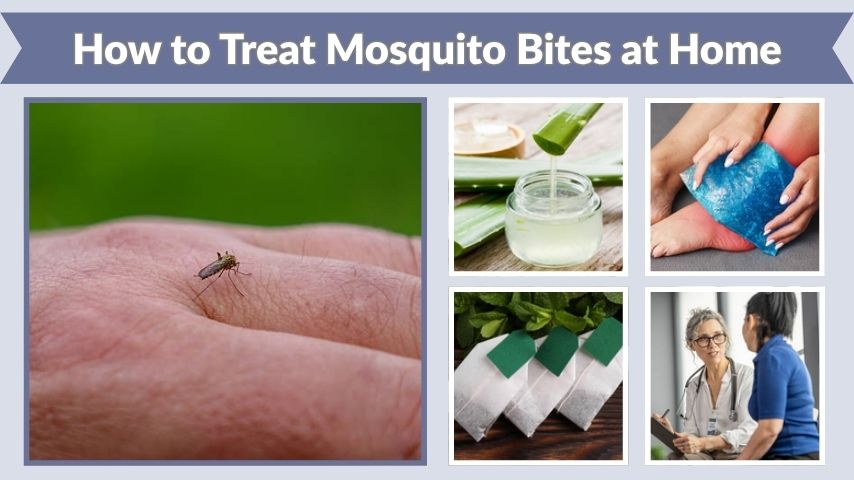
Mosquito bites are one of the most common nuisances, causing itching, redness, and mild swelling. While usually harmless, they can interfere with daily comfort and sometimes lead to infections if scratched excessively. Treating bites quickly at home can relieve discomfort and reduce inflammation.
This step-by-step guide explains how to manage mosquito bites using immediate first aid, natural remedies, and over-the-counter options. You’ll also learn safe techniques for children, ways to prevent infection, and simple home practices to avoid future bites.
Understanding Mosquito Bites
Mosquito bites occur when the insect injects saliva containing proteins into the skin. This triggers your body’s immune response, causing redness, swelling, and itching. Knowing what happens during a bite helps in choosing the right home treatments and prevents unnecessary irritation.
What Causes the Itch
The itch comes from histamine, a chemical released by your body in response to mosquito saliva. Histamine increases blood flow to the affected area, causing redness and swelling while stimulating nerve endings that trigger the itchy sensation.
Common Symptoms
- Red, raised bumps on the skin
- Mild swelling around the bite
- Itching that worsens over several hours
- Occasional warmth or slight pain
Risk of Infection
Scratching can break the skin, allowing bacteria to enter. This may lead to infection, characterized by increased redness, pus, or tenderness. Prompt home care reduces this risk and helps the bite heal faster.
Immediate First Aid for Mosquito Bites
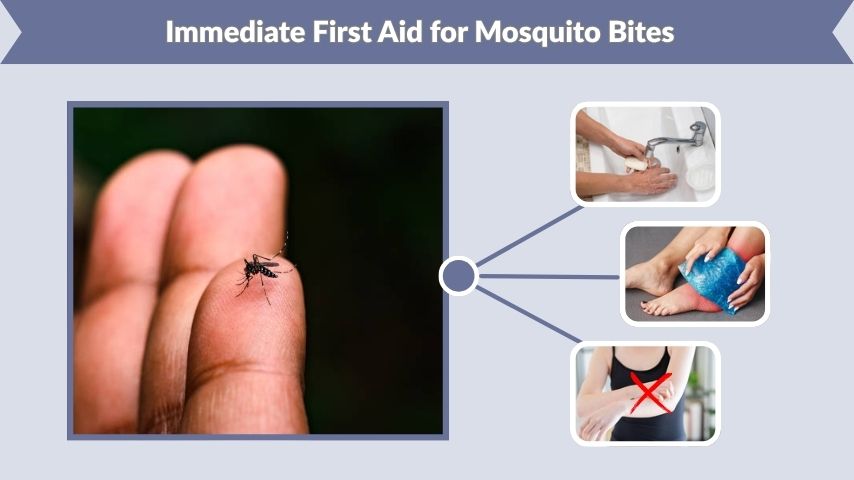
Quick action after a bite can limit discomfort and prevent further irritation. First aid involves cleaning the area, reducing swelling, and calming the itch. Simple home remedies applied immediately can make a noticeable difference in comfort.
Wash the Bite with Soap and Water
Gently clean the area using mild soap and water to remove any dirt or bacteria. Pat dry carefully to avoid further irritation.
Apply Cold Compress or Ice
Use a clean ice pack or wrap ice in a cloth and apply to the bite for 5–10 minutes. Cold constricts blood vessels, reducing swelling and numbing nerve endings to relieve itching.
Avoid Scratching
Scratching worsens irritation and increases the risk of infection. Cover the bite with a light bandage or apply a soothing cream to discourage scratching.
Natural Remedies for Relief
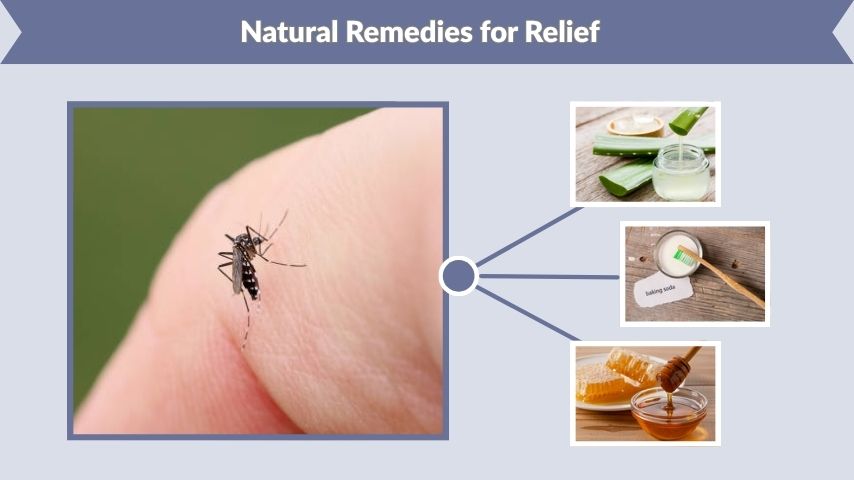
Household ingredients can provide gentle and effective relief. These remedies help reduce itching and inflammation without relying on chemicals. They are safe for most adults and children when used properly.
Aloe Vera Gel Application
Aloe vera has cooling and anti-inflammatory properties. Apply a thin layer of pure aloe gel directly on the bite to reduce redness and soothe itching.
Baking Soda Paste
Mix a small amount of baking soda with water to form a paste. Apply to the bite for 10–15 minutes, then rinse off. Baking soda neutralizes the pH and can ease itchiness.
Honey Treatment
Honey has natural antibacterial and anti-inflammatory properties. Dab a small amount on the bite to soothe irritation and prevent minor infection.
Oatmeal Compress
Ground oatmeal mixed with water forms a soothing paste. Apply to the bite for 10 minutes. It calms inflammation and reduces itching effectively.
Over-the-Counter Home Treatments
When natural remedies are insufficient, mild over-the-counter products can help. They target itching and swelling, offering quick relief. Most are safe for adults and older children, but follow the instructions carefully to avoid irritation.
Calamine Lotion Use
Calamine lotion provides a cooling effect and reduces itching. Apply with a cotton ball, letting it dry naturally. Reapply as needed.
Hydrocortisone Cream
A 1% hydrocortisone cream can reduce inflammation and calm severe itching. Apply a thin layer once or twice daily, following package instructions.
Antihistamine Tablets for Severe Reactions
Oral antihistamines can help if multiple bites cause widespread itching or swelling. Use only as directed and consult a doctor if uncertain.
Home Techniques to Reduce Swelling
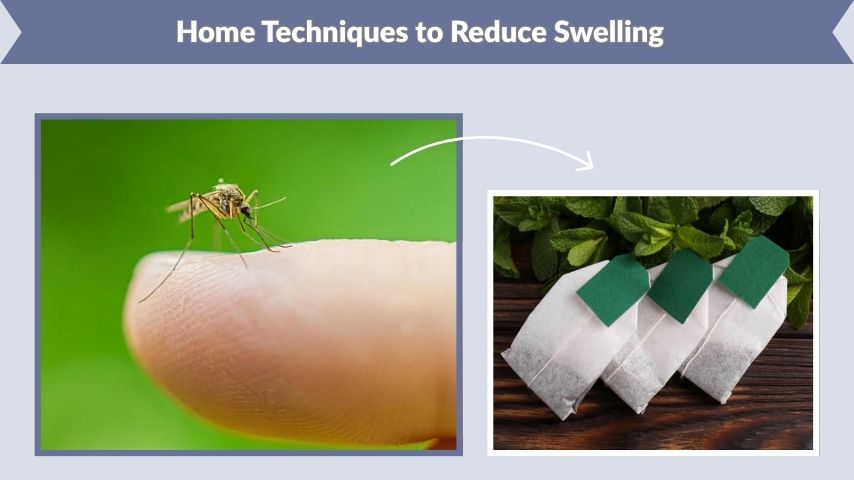
Swelling is a common reaction to mosquito bites, caused by increased blood flow and fluid accumulation in the area. Simple home techniques can reduce inflammation, provide comfort, and help bites heal faster.
Elevation of Affected Area
Raise the bitten limb above heart level whenever possible. This reduces blood flow to the area and minimizes swelling.
Cold Tea Bag Application
Used black or green tea bags contain tannins that reduce inflammation. Chill a damp tea bag and place it on the bite for 10–15 minutes.
Gentle Massage Around the Bite
Lightly massaging the area around the bite (not directly on it) can help improve circulation and reduce fluid buildup, easing discomfort.
Preventing Secondary Infection
Overview:
Mosquito bites can break the skin barrier if scratched, which increases the risk of bacterial infection. Proper home care and hygiene practices are key to preventing complications.
Keep Bite Clean and Covered
Wash the area regularly and cover with a sterile bandage if necessary to avoid dirt or bacteria entering.
Use Antibacterial Ointments if Needed
Applying a small amount of antibacterial cream can prevent infection, especially if the bite has been scratched.
Monitor for Signs of Infection
Watch for redness spreading beyond the bite, pus, warmth, or increased pain. Seek medical advice if any of these occur.
Using Essential Oils Safely
Certain essential oils have anti-inflammatory and soothing properties. When applied correctly, they can relieve itching and redness. However, essential oils must be diluted properly to avoid skin irritation or allergic reactions.
Tea Tree Oil Application
Dilute a few drops in a carrier oil (like coconut oil) and apply to the bite. It has antibacterial and anti-itch properties.
Lavender Oil Soothing
Lavender oil provides a calming effect and reduces inflammation. Dilute and dab lightly onto the affected area.
Dilution Guidelines and Precautions
Never apply essential oils directly to skin undiluted. Test on a small area first to check for allergies, and avoid use on children under two years old.
Cooling and Soothing Techniques
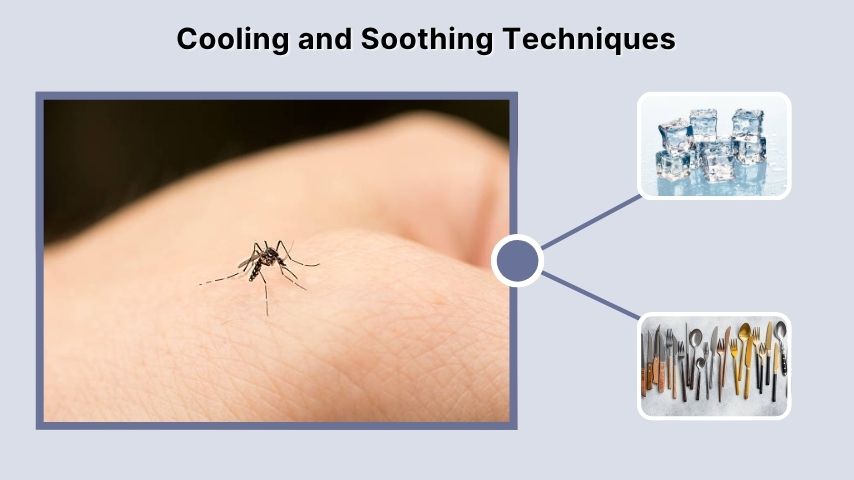
Temperature therapy helps relieve itching and redness quickly. Both cold and lukewarm methods can calm irritation and reduce discomfort effectively.
Ice Cubes or Cold Packs
Wrap ice in a soft cloth and hold it on the bite for 5–10 minutes to numb the area.
Cold Spoon or Metal Object
Chilling a metal spoon in the fridge and pressing it gently on the bite can provide fast, temporary relief.
Lukewarm Water Soak
Soaking the bite in lukewarm water for a few minutes can ease itching while avoiding further irritation.
Dietary Support and Hydration
Internal care can complement external treatments. Proper hydration and anti-inflammatory foods may support your body’s immune response, helping bites heal faster and reducing overall irritation.
Drink Plenty of Water
Hydration supports circulation and helps your body reduce inflammation naturally.
Consume Anti-inflammatory Foods
Foods rich in omega-3s, vitamin C, and antioxidants can support healing. Examples include berries, leafy greens, and fatty fish.
Avoid Alcohol and Excess Salt
Alcohol and salty foods may worsen inflammation and slow down the healing process.
Home Remedies for Children
Children have more sensitive skin and may react strongly to mosquito bites. Gentle home remedies and careful monitoring ensure effective relief without causing irritation or adverse reactions.
Mild Aloe Vera Applications
Use a small amount of pure aloe gel to soothe itching and redness.
Soft Cold Compresses
Apply a cool cloth or chilled gel pack for short periods to reduce swelling without discomfort.
Avoid Strong Medications
Avoid hydrocortisone creams or oral antihistamines unless specifically recommended by a pediatrician.
When to See a Doctor
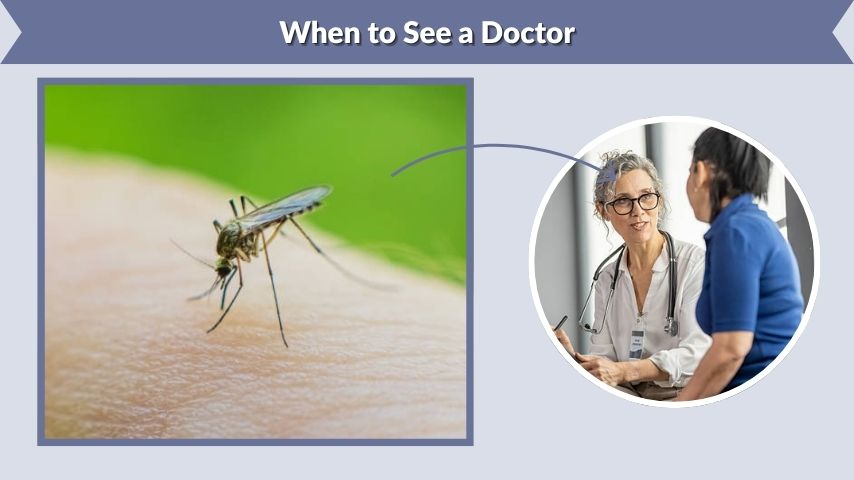
Most mosquito bites are harmless, but some bites can cause serious reactions or infections. Recognizing warning signs ensures prompt medical attention.
Signs of Infection
Increased redness, swelling, pus, or warmth at the bite site may indicate bacterial infection.
Allergic Reactions
Severe swelling, hives, or difficulty breathing requires urgent medical attention.
Persistent or Severe Swelling
Bites that remain inflamed or painful for more than a few days should be checked by a healthcare professional.
Preventing Future Mosquito Bites at Home
Preventing bites is easier than treating them. Simple adjustments to your home environment and personal habits reduce exposure to mosquitoes.
Remove Standing Water
Empty containers, flower pots, and puddles where mosquitoes breed.
Use Mosquito Nets and Screens
Install window screens and sleep under mosquito nets if necessary.
Apply Natural Repellents
Use citronella candles, essential oil sprays, or wearable repellents to keep mosquitoes away.
FAQs
What is the fastest way to stop itching from a mosquito bite?
Applying a cold compress or ice to the bite immediately can numb the area and reduce histamine-induced itching. Natural remedies like aloe vera or baking soda paste also work effectively.
Can mosquito bites cause infections at home?
Yes, scratching can break the skin and allow bacteria to enter. Keeping the area clean, applying antibacterial ointments, and avoiding scratching prevents infection.
Are natural remedies safe for children?
Most mild remedies like aloe vera, oatmeal paste, or lukewarm compresses are safe. Avoid strong creams or essential oils unless approved by a pediatrician.
When should I see a doctor for a mosquito bite?
Seek medical advice if you notice spreading redness, pus, severe swelling, hives, or difficulty breathing, as these may indicate infection or an allergic reaction.
Do diet and hydration affect mosquito bite healing?
Yes. Drinking water and consuming anti-inflammatory foods can support the body’s immune response, reduce inflammation, and promote faster healing of bites.