
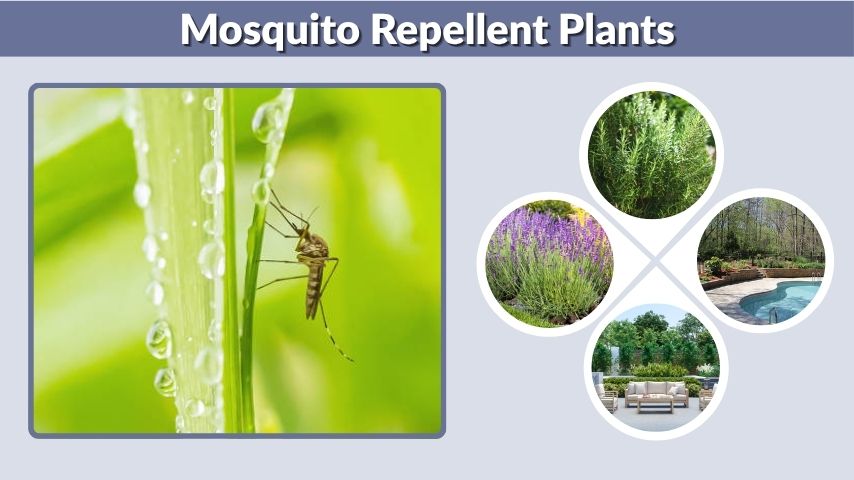
Mosquito repellent plants are a popular natural option for making patios, gardens, balconies, and indoor spaces feel more comfortable. While no plant can create a completely mosquito-free yard on its own, many aromatic plants release strong scents that mosquitoes tend to avoid. With the right plant choices, placement, and care, you can build a greener outdoor space that also helps reduce mosquito activity.
What Are Mosquito Repellent Plants?
Mosquito repellent plants are herbs, flowers, and grasses known for their strong fragrance or essential oils. These scents can help mask the smell of humans and make an area less attractive to mosquitoes.
Most of these plants work best when their leaves are brushed, crushed, trimmed, or warmed by the sun. Simply placing one small plant in a corner will not usually solve a mosquito problem. However, using several mosquito repelling plants around seating areas, doors, walkways, and garden beds can support a broader pest-control strategy.
Do Plants Really Repel Mosquitoes?
Plants can help, but expectations should be realistic. Many mosquito repellent plants contain oils used in natural repellents, but the living plant usually releases those oils slowly. That means the effect is mild compared with sprays, candles, fans, screens, or professional mosquito control.
For best results, use plants as part of a layered approach:
- Place aromatic plants close to where people sit.
- Trim or brush leaves to release more scent.
- Remove standing water where mosquitoes breed.
- Use fans on patios because mosquitoes are weak flyers.
- Combine plants with other safe mosquito prevention methods.
Best Mosquito Repellent Plants for Your Garden
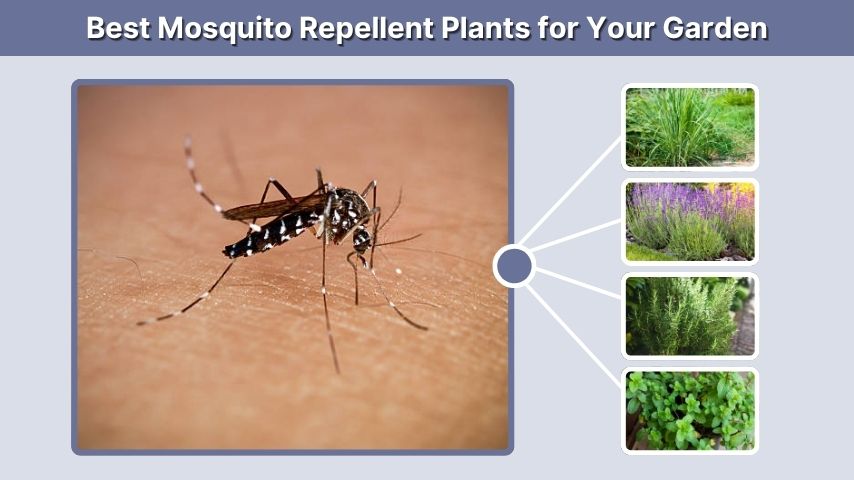
The best plants to repel mosquitoes are usually fragrant, easy to grow, and suitable for containers or garden beds. Many of them also attract pollinators, add color, or provide fresh herbs for cooking.
| Plant | Best Location | Why People Use It |
| Citronella grass | Sunny patios and containers | Strong lemon-like scent commonly linked with mosquito repellent products |
| Lemongrass | Warm outdoor gardens | Aromatic leaves with a fresh citrus fragrance |
| Lavender | Sunny borders and pots | Pleasant scent, attractive flowers, and low-maintenance growth |
| Rosemary | Dry sunny areas | Woody herb with a strong scent and culinary use |
| Basil | Containers near kitchens or patios | Fragrant leaves and useful cooking herb |
| Mint | Pots and contained spaces | Strong scent, fast growth, and easy harvesting |
| Marigold | Garden borders | Bright flowers with a distinct smell |
| Lemon balm | Containers or herb gardens | Lemon-scented leaves and easy care |
Citronella Plant for Mosquito Repellent
Citronella is one of the most searched mosquito repellent plants, but it is important to know what people usually mean by “citronella plant.” True citronella grass is different from the scented geranium often sold as a mosquito plant.
Does Citronella Plant Repel Mosquitoes?
Citronella grass contains aromatic oils associated with mosquito repellent products. However, the living plant does not work the same way as concentrated citronella oil. It may help when planted near seating areas, especially when the leaves are disturbed, but it should not be treated as a complete solution.
Citronella grows best in warm weather, full sun, and well-drained soil. It can be grown in large pots, making it a good choice for patios, decks, and outdoor entertainment areas.
How to Use Citronella Outdoors
For better results with citronella:
- Grow it in large containers near seating zones.
- Place multiple plants around patios or walkways.
- Trim leaves occasionally to encourage fresh growth.
- Move pots indoors or protect them during cold weather.
- Combine citronella with lemongrass, lavender, basil, and rosemary.
Lemongrass Plant as Mosquito Repellent
Lemongrass is another popular natural mosquito repellent plant. It has tall, grassy leaves and a bright citrus smell that works well in warm outdoor spaces.
Why Lemongrass Is a Good Outdoor Choice
Lemongrass is especially useful because it is attractive, fragrant, and practical. It can be grown in garden beds, large pots, or near outdoor seating areas. In warm climates, it grows quickly and can become a bold landscaping feature.
This plant prefers full sun, regular watering, and rich, well-drained soil. In cooler areas, gardeners often grow it in containers so it can be moved indoors before frost.
Where to Plant Lemongrass
Lemongrass works well in:
- Patio containers
- Poolside planters
- Sunny garden borders
- Outdoor kitchen areas
- Walkways and entry points
Because lemongrass can grow tall, place it where it will not block smaller flowers or herbs.
Lavender Plant Mosquito Repellent Benefits
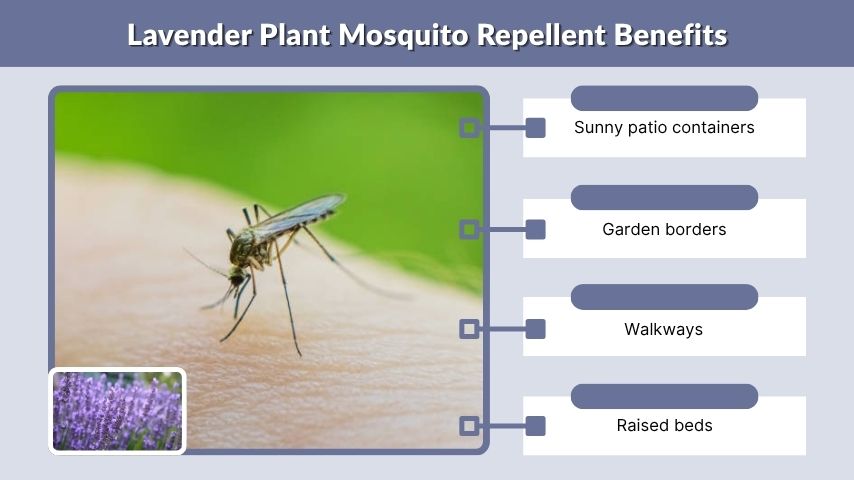
Lavender is one of the best mosquito repellent plants for homeowners who want both beauty and fragrance. Its purple flowers, silvery leaves, and calming scent make it a favorite for borders, containers, and cottage gardens.
Does Lavender Repel Mosquitoes?
Lavender has a strong aroma that many insects dislike. While it will not eliminate mosquitoes completely, it can help make outdoor areas less inviting to them. Lavender also has the benefit of attracting bees and other pollinators, making it useful in ornamental gardens.
Lavender prefers dry, sunny conditions. Overwatering is one of the most common mistakes. For healthy plants, use well-drained soil and avoid planting lavender in soggy areas.
Best Places to Grow Lavender
Lavender is a good fit for:
- Sunny patio containers
- Garden borders
- Walkways
- Raised beds
- Window boxes with good drainage
For stronger fragrance, plant lavender where people will brush against it lightly as they walk by.
Rosemary Plant Mosquito Repellent Uses
Rosemary is a hardy herb with needle-like leaves and a strong woody scent. It is often used in cooking, but it is also one of the best plants for repelling mosquitoes naturally around patios and gardens.
Why Rosemary Works Well Outdoors
Rosemary handles heat, sun, and dry soil better than many herbs. This makes it ideal for low-maintenance landscapes. Its strong aroma can help discourage mosquitoes, especially when leaves are touched or trimmed.
Rosemary can be grown as a small shrub, in containers, or as part of an herb garden. It also pairs well with lavender, thyme, basil, and marigolds.
How to Grow Rosemary for Mosquito Control
To keep rosemary healthy:
- Plant it in full sun.
- Use well-drained soil.
- Avoid overwatering.
- Prune regularly to keep it bushy.
- Place pots near outdoor seating or grilling areas.
Rosemary is especially useful around patios because it is attractive, fragrant, and easy to harvest for cooking.
Indoor Plants That Repel Mosquitoes
Indoor mosquito problems usually come from open doors, windows, drains, or standing water. Plants alone will not solve the issue, but some aromatic herbs can help freshen the space and support prevention.
Good indoor mosquito repellent plants include basil, mint, lavender, lemon balm, and rosemary. These plants need enough sunlight, so place them near bright windows or under grow lights.
Best Indoor Mosquito Repellent Plants
Consider these options for indoor use:
- Basil for sunny kitchen windows
- Mint in small pots, kept contained
- Lemon balm for a fresh citrus scent
- Lavender in bright, dry areas
- Rosemary near a sunny window
Indoor plants should not sit in soggy soil. Wet potting mix can attract pests, so use containers with drainage holes and avoid overwatering.
Outdoor Plants That Repel Mosquitoes
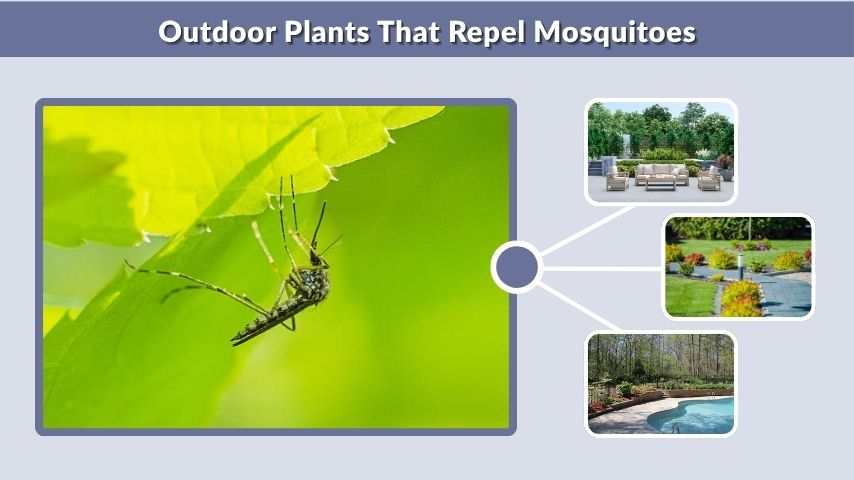
Outdoor areas give you more flexibility because many mosquito repellent plants need full sun and airflow. The best strategy is to group plants around the areas where mosquitoes bother people most.
Where to Place Outdoor Mosquito Repellent Plants
Use mosquito repellent outdoor plants near:
- Patio seating
- Deck railings
- Porch steps
- Garden paths
- Outdoor dining areas
- Pool areas
- Doorways and windows
For a stronger effect, mix several fragrant plants instead of relying on one type. For example, combine citronella grass, lavender, rosemary, basil, and marigolds around a patio. This creates layers of scent while also improving the look of the space.
Plants That Repel Mosquitoes and Flies
Some plants are used for both mosquitoes and flies because their strong fragrance can make outdoor spaces less attractive to multiple pests. These plants are especially useful near dining areas, trash zones, compost bins, and outdoor kitchens.
Good choices include basil, mint, rosemary, lavender, marigold, and lemongrass. Basil is especially useful near cooking spaces, while mint can be helpful in containers around patios.
Be Careful With Fast-Growing Plants
Mint and lemon balm can spread aggressively if planted directly in the ground. To avoid problems, grow them in pots or raised containers. This keeps them easy to manage while still allowing you to place them near mosquito-prone areas.
Shade Plants That Repel Mosquitoes
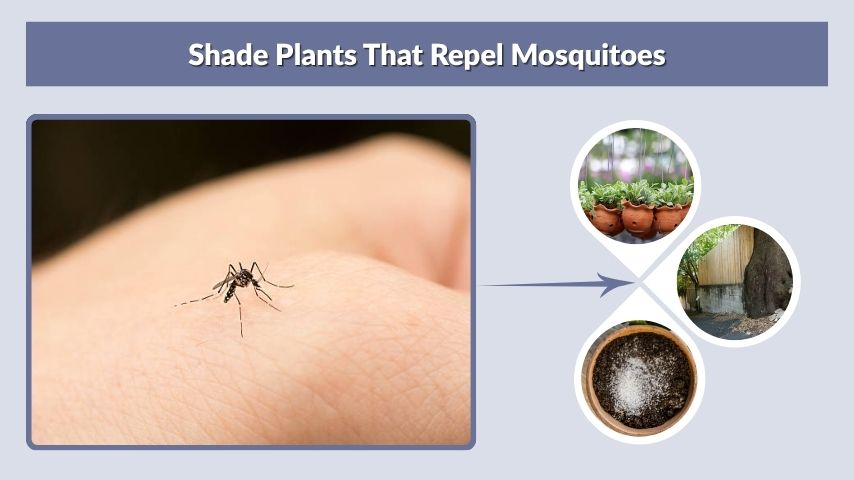
Many popular mosquito repellent plants prefer sun, but some can tolerate partial shade. If your porch, balcony, or garden gets limited sunlight, choose plants that can handle less direct light.
Mint and lemon balm are two of the better options for partial shade. Basil may also grow with several hours of bright light, though it performs best in sunnier spots. Lavender, rosemary, lemongrass, and citronella usually need more direct sun to thrive.
Tips for Shady Areas
In shady mosquito-prone spaces:
- Use pots so plants can be moved toward light.
- Choose mint or lemon balm for partial shade.
- Keep soil moist but not waterlogged.
- Improve airflow where possible.
- Remove standing water from saucers, buckets, and nearby containers.
Shade can stay damp longer, which may encourage mosquitoes. Plant selection helps, but water control is even more important.
Mosquito Repellent Plants Safe for Dogs
Pet safety is important when choosing mosquito repellent plants. Some plants that people enjoy may cause problems if pets chew large amounts. Always check plant safety before adding new herbs or flowers to areas where dogs spend time.
Commonly used dog-friendly choices often include basil, rosemary, and some types of mint, but tolerance can vary. Lavender and citronella-scented plants may cause stomach upset if eaten by pets. If your dog likes chewing plants, place pots out of reach or use barriers.
Pet-Safe Planting Tips
To make your garden safer for dogs:
- Avoid using toxic pesticides on herbs and flowers.
- Keep strongly scented plants away from chewing-prone pets.
- Use raised planters or hanging baskets.
- Supervise dogs around new plants.
- Ask a veterinarian if you are unsure about a specific plant.
A mosquito-friendly garden should still be safe for the people and pets who use it every day.
How to Make Mosquito Repellent Plants Work Better
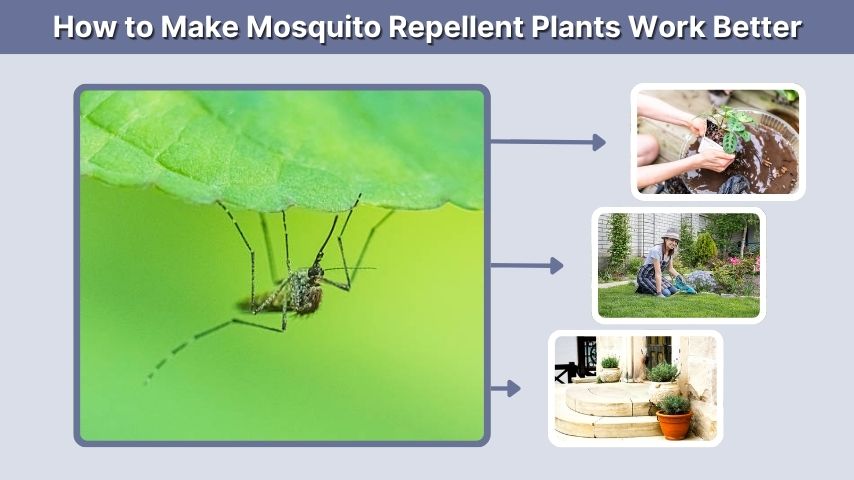
Mosquito repellent plants work best when they are healthy, fragrant, and placed strategically. A few scattered plants far from seating areas will not make much difference.
Practical Ways to Improve Results
Use these steps to get more value from your plants:
- Group several mosquito repelling plants together.
- Place containers close to seating and entry points.
- Prune herbs to encourage fresh, fragrant growth.
- Crush or brush leaves lightly before outdoor gatherings.
- Remove standing water from plant saucers.
- Add fans to patios and porches.
- Keep grass trimmed and garden beds tidy.
The goal is not to depend on plants alone. Instead, use them as a natural support tool along with smart yard maintenance.
FAQs
What plants repel mosquitoes the best?
Some of the best mosquito repellent plants include citronella grass, lemongrass, lavender, rosemary, basil, mint, lemon balm, and marigolds. These plants are popular because they have strong scents that mosquitoes tend to avoid. They work best when placed near seating areas and combined with other mosquito prevention methods.
Do citronella plants really repel mosquitoes?
Citronella grass may help repel mosquitoes because of its strong lemon-like scent, but the live plant is not as powerful as concentrated citronella oil. It works better when leaves are touched, trimmed, or placed close to outdoor sitting areas. Use it as part of a broader mosquito control plan.
What is the best mosquito repellent plant for outdoors?
Lemongrass, citronella grass, lavender, and rosemary are excellent outdoor choices. They grow well in sunny areas and release strong fragrances. For patios, use containers and group several plants together. This creates a stronger scent barrier while also improving the look of your outdoor space.
Are there indoor plants that repel mosquitoes?
Yes, some indoor plants may help discourage mosquitoes, including basil, mint, lemon balm, lavender, and rosemary. However, they need enough sunlight and proper drainage. Indoor mosquito control also requires screens, clean drains, and removing standing water from plant trays or containers.
Can mosquito repellent plants replace bug spray?
Mosquito repellent plants should not fully replace bug spray, especially in areas with heavy mosquito activity or mosquito-borne disease risks. Plants can support natural prevention, but they are usually mild. For stronger protection, combine plants with repellents, fans, screens, yard cleanup, and standing-water removal.