
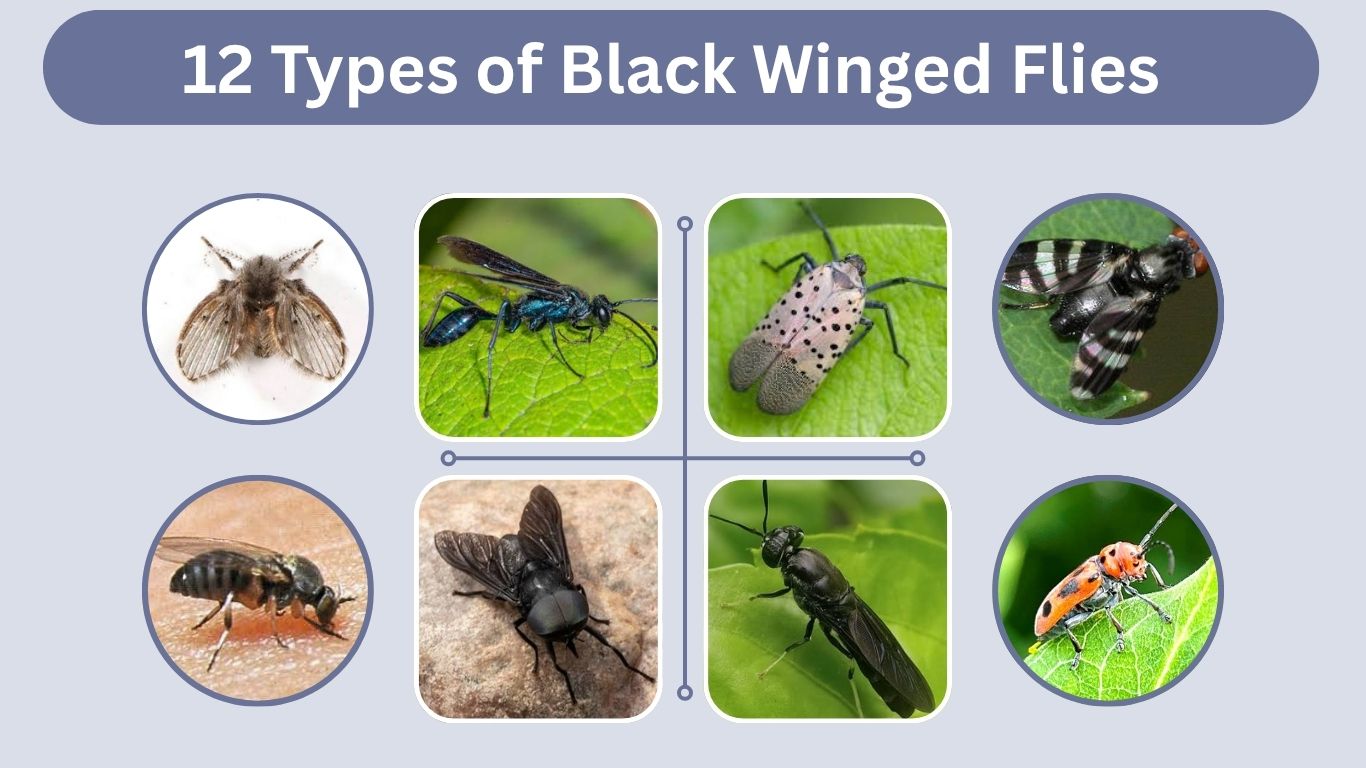
Black-winged flying insects can appear in homes, gardens, wetlands, farms, and wooded areas. Some are harmless flies that help decompose organic matter, while others may bite, damage plants, or indicate a pest infestation. Common examples include black soldier flies, horse flies, flying ants, winged termites, drain flies, and spotted lanternflies. This guide covers 12 insects with black or dark wings, including their appearance, habitat, diet, behavior, and possible risks to people, pets, plants, and buildings.
1. Black Soldier Fly
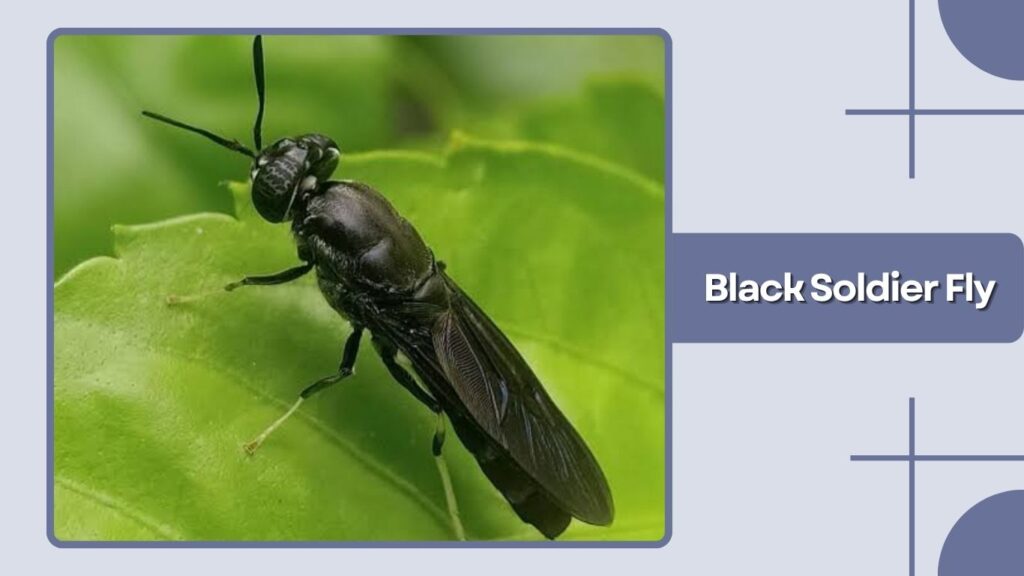
The black soldier fly (Hermetia illucens) is a large, dark-colored fly frequently mistaken for a wasp. This black-winged fly has an elongated body, long antennae, and smoky or partly transparent wings. Despite its intimidating appearance, it is generally harmless and plays a valuable role in breaking down decomposing organic material.
Identification
- Scientific name: Hermetia illucens
- Color: Dark brown, bluish-black, or glossy black
- Wings: Smoky, translucent, or nearly black when folded
- Body shape: Long, narrow, and slightly flattened
- Antennae: Long and clearly visible
- Special markings: Two pale or transparent patches near the base of the abdomen
- Appearance: Often resembles a small black wasp
Unlike wasps, the black soldier fly has only one functional pair of wings and does not possess a stinger. Its dark body and folded wings can make it look like a fly with black wings, especially when seen resting on vegetation, walls, or compost containers.
Habitat
Black soldier flies are commonly found near compost piles, livestock manure, dumpsters, decaying vegetation, and other places containing moist organic matter. Females lay their eggs close to suitable food sources rather than directly inside the decomposing material.
The larvae remain in these moist environments while feeding and growing. When ready to pupate, they usually leave the food source and move toward a drier, protected location. Adults may occasionally enter houses through open doors or windows, but they rarely establish indoor infestations.
Diet and Feeding Behavior
Black soldier fly larvae feed on decomposing fruits, vegetables, food scraps, manure, and other organic waste. Their feeding activity helps reduce waste volume and convert discarded material into larval biomass that can be processed for animal feed.
Adult black soldier flies rely mainly on nutrients and fat stored during the larval stage. Their primary activities are mating, finding suitable egg-laying sites, and completing the reproductive cycle.
Are Black Soldier Flies Dangerous?
Black soldier flies are not dangerous to humans or pets. Adults do not sting and are not considered biting flies. Although their buzzing and wasp-like appearance may cause concern, they usually try to escape rather than approach people.
Large numbers of larvae may indicate that moist, decomposing waste is nearby. Cleaning garbage containers, managing compost moisture, sealing cracks, and fitting screens around windows can prevent adults from entering the house.
2. Black Horse Fly
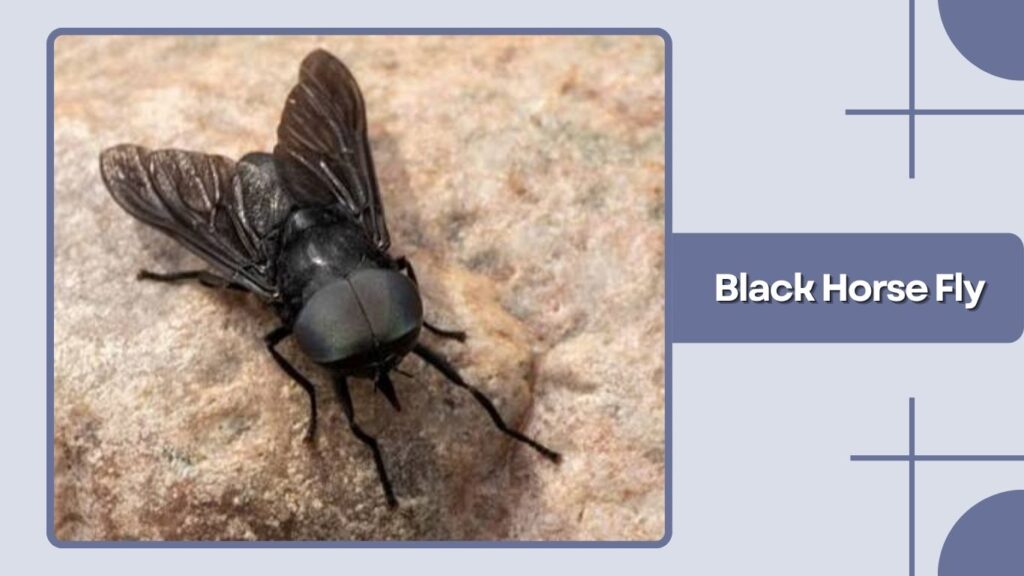
The black horse fly is a large, dark-colored biting fly commonly found around wetlands, forests, farms, ponds, and areas with livestock. Its broad body and smoky black wings make it easy to notice while it is flying or resting. Female black horse flies feed on blood, while males mainly consume nectar and plant juices.
Identification
- Color: Shiny black or dark brown
- Size: About ¾ to 1¼ inches long
- Wings: Dark, smoky, or nearly black
- Eyes: Large and often dark or reddish
- Body: Thick, heavy, and slightly hairy
- Flight: Fast, strong, and noisy
A black horse fly can resemble a large black fly with black wings. Its powerful body and broad head distinguish it from smaller houseflies and gnats.
Habitat
Black horse flies usually live near marshes, streams, lakes, muddy fields, and wooded areas. Their larvae develop in moist soil, wet vegetation, or shallow water. Adults are most active during warm, sunny weather.
Diet and Biting Behavior
Male horse flies feed on flower nectar and do not bite. Females require blood to produce eggs and may bite horses, cattle, pets, wildlife, and humans. Their bites can be painful because they cut the skin rather than piercing it gently.
Are Black Horse Flies Dangerous?
Their bites can cause redness, swelling, itching, and temporary pain. Washing the area and applying a cold compress usually helps reduce discomfort.
3. Black Fly
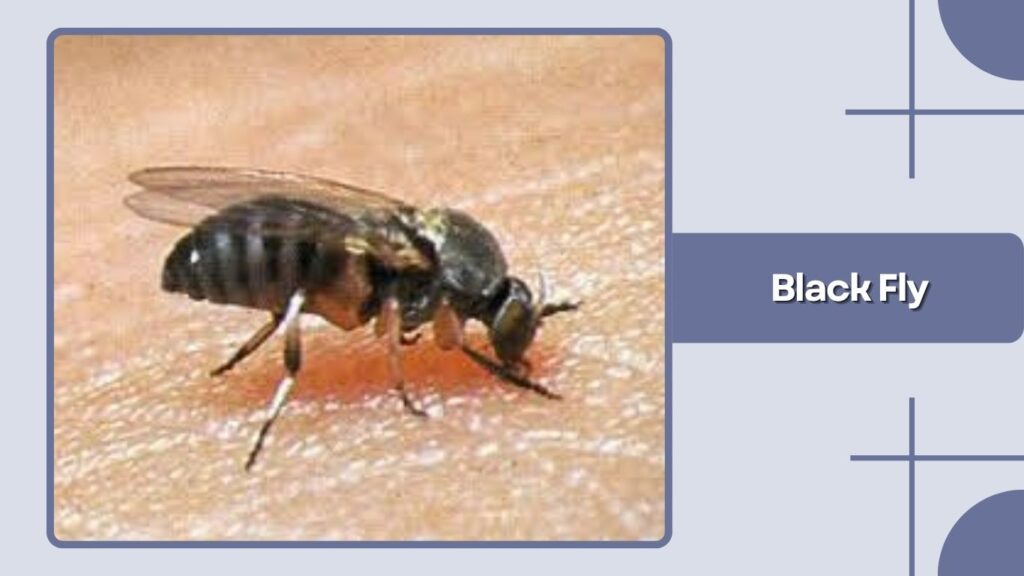
The black fly is a small, dark-colored flying insect commonly found near rivers, streams, and other areas with clean, running water. Although it is much smaller than a horse fly, it can become a serious nuisance when large numbers gather around people and animals.
Identification
- Color: Black, dark gray, or brown
- Size: Usually 1/8 inch long
- Wings: Clear, smoky, or slightly dark
- Body: Short, rounded, and humpbacked
- Antennae: Small and segmented
- Flight: Quick and persistent
A black fly may look like a tiny black fly with clear wings. Its curved back gives it a distinctive humpbacked appearance.
Habitat
Black fly larvae develop in fast-moving streams and rivers, where they attach themselves to rocks, plants, and submerged objects. Adults are commonly active near wooded areas, farms, lakes, and hiking trails.
Diet and Biting Behavior
Male black flies mainly feed on nectar. Females of many species require blood to produce eggs and may bite humans, livestock, birds, and wild animals.
Are Black Flies Dangerous?
Black fly bites can cause itching, swelling, redness, and soreness. In sensitive people, multiple bites may produce stronger allergic reactions. Wearing long clothing and using insect repellent can help prevent bites.
4. Picture-Winged Fly
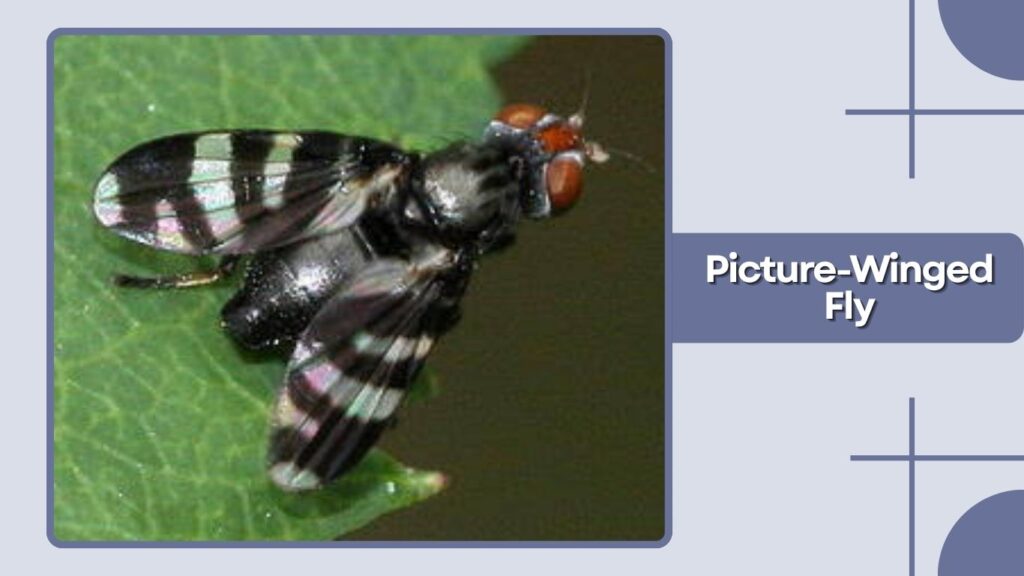
Picture-winged flies are small to medium-sized flies known for the bold patterns on their wings. Their wings may display black, brown, white, or transparent markings that resemble spots, bands, or decorative pictures.
Identification
- Color: Black, brown, yellow, or reddish
- Size: Usually 1/4 to 1/2 inch long
- Wings: Marked with dark spots, bands, or patterns
- Eyes: Large and often colorful
- Body: Slender or slightly rounded
- Behavior: Frequently waves or displays its wings
A picture-winged fly may be described as a black fly with spotted wings or a fly with black and white wings. Its decorative wing pattern is its most noticeable feature.
Habitat
These flies are usually found in gardens, forests, meadows, compost areas, and places containing decaying vegetation. Some species remain close to fallen fruit, animal waste, or damaged plants.
Diet
Adults may feed on nectar, plant fluids, decomposing material, or microorganisms. Their larvae often develop inside rotting wood, fruit, roots, stems, fungi, or organic waste.
Are Picture-Winged Flies Harmful?
Most picture-winged flies do not bite or sting. They are generally harmless to humans and pets. However, the larvae of a few species may damage fruits or plants while feeding.
5. Spotted Lanternfly
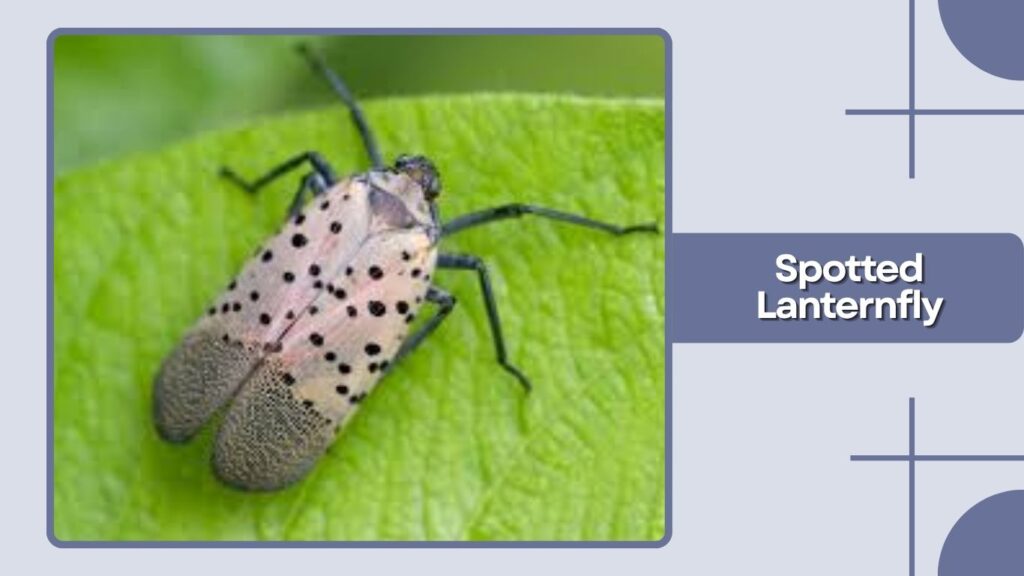
The spotted lanternfly is a colorful, invasive insect known for its gray forewings, black spots, and bright red hindwings. When its wings are closed, it may look dull and well camouflaged. When it flies, its red and black wing patterns become clearly visible.
Identification
- Color: Gray, black, red, white, and yellow
- Size: About one inch long
- Forewings: Gray with black spots
- Hindwings: Red with black and white bands
- Body: Black with a yellow abdomen
- Shape: Broad and moth-like
It may be mistaken for a black flying bug with red wings or a black flying insect with white spots on its wings.
Habitat
Spotted lanternflies gather on trees, vines, fences, vehicles, outdoor furniture, and buildings. They strongly prefer the tree of heaven but may also feed on grapes, fruit trees, maples, and many other plants.
Diet
Both nymphs and adults pierce plant tissues and suck sap. While feeding, they release a sticky substance called honeydew, which encourages black sooty mold growth.
Are Spotted Lanternflies Harmful?
They do not bite or sting people, but large infestations can weaken plants and damage vineyards, orchards, and landscaping.
6. Fungus Gnat
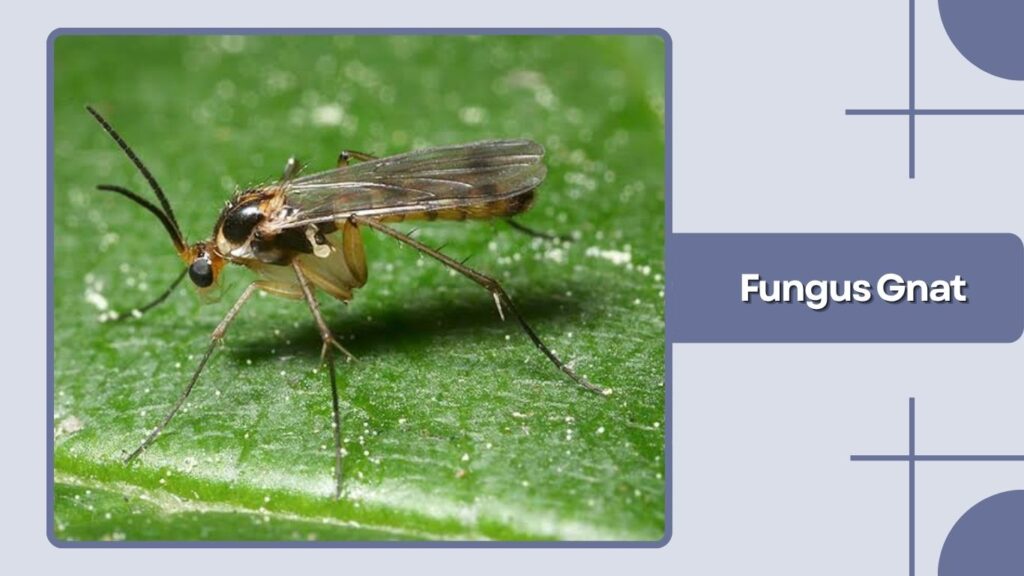
Fungus gnats are tiny, dark flies often seen hovering around houseplants, potting soil, greenhouses, and damp organic material. They are weak fliers and usually remain close to the soil where their larvae develop.
Identification
- Color: Black, dark gray, or brown
- Size: About 1/8 inch long
- Wings: Clear or slightly smoky
- Body: Thin and mosquito-like
- Legs: Long and delicate
- Antennae: Long and segmented
A fungus gnat often looks like a tiny black fly with clear wings. Unlike mosquitoes, it does not have a long biting mouthpart and does not feed on blood.
Habitat
Fungus gnats prefer moist soil containing fungi, algae, decomposing leaves, and organic matter. Overwatered houseplants provide ideal conditions for them to reproduce.
Diet
Adult fungus gnats may consume nectar, water, or plant fluids. Their larvae feed primarily on fungi and decaying organic material, although they may also chew delicate plant roots.
Are Fungus Gnats Harmful?
Adults are harmless but annoying. Large numbers of larvae may damage seedlings, young plants, and weak roots. Allowing the upper soil layer to dry between watering can significantly reduce their population.
7. Drain Fly
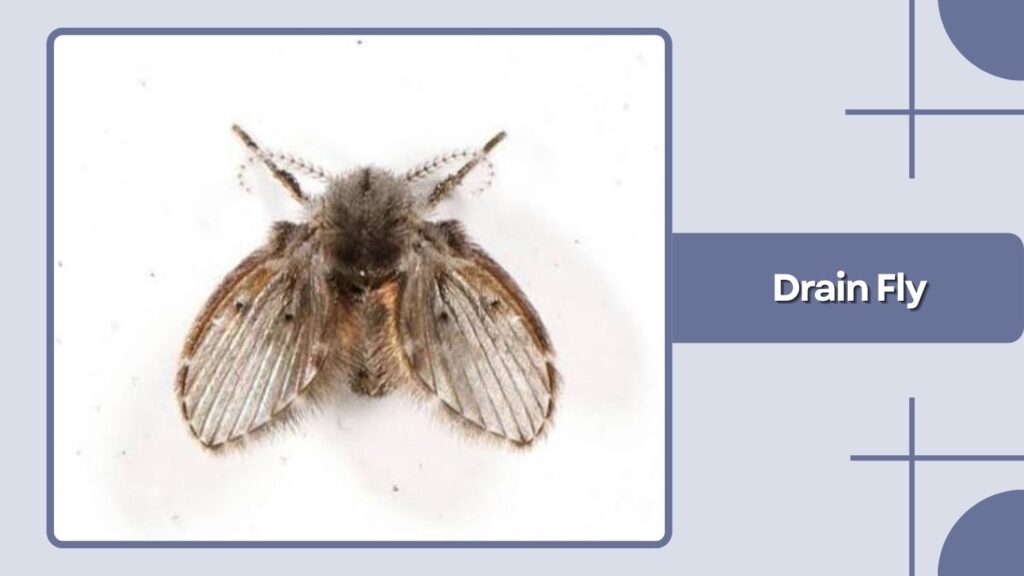
Drain flies are tiny, fuzzy insects commonly found around sinks, showers, floor drains, sewage lines, and other damp areas. Their rounded, hairy wings give them a moth-like appearance, which is why they are also called moth flies.
Identification
- Color: Gray, brown, or nearly black
- Size: About 1/8 inch long
- Wings: Broad, rounded, and hairy
- Body: Short and covered with fine hairs
- Flight: Weak and irregular
- Resting position: Wings held like a roof over the body
A drain fly may appear to be a small black fly with round wings or a tiny black flying bug resting on bathroom walls.
Habitat
Drain flies breed inside the slimy organic buildup found in drains, pipes, sewage systems, septic tanks, and wet garbage areas. Adults commonly rest near their breeding location.
Diet
The larvae feed on bacteria, fungi, algae, and decomposing material inside drains. Adults survive on water, nectar, and other liquids.
Are Drain Flies Harmful?
Drain flies do not bite or sting. However, their presence usually indicates dirty drains or accumulated organic matter. Scrubbing the inside of affected pipes and removing the buildup is the most effective control method.
8. Flying Ant
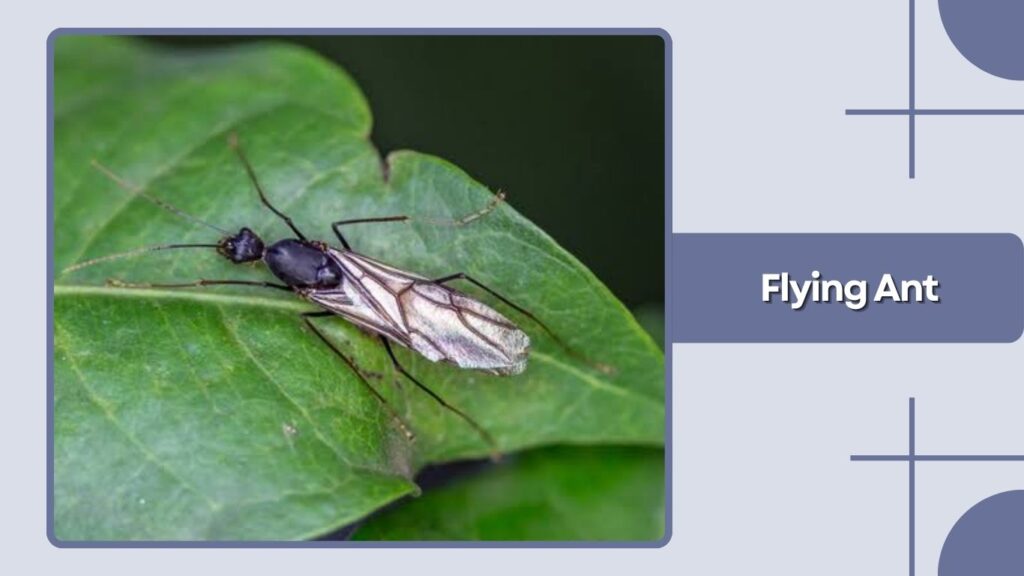
Flying ants are reproductive ants that develop wings before leaving their colonies to mate and establish new nests. They often appear in large groups during warm, humid weather. Depending on the species, they may look like small black flying insects with dark or transparent wings.
Identification
- Color: Black, brown, reddish, or yellow
- Size: Usually 1/8 to 3/4 inch long
- Wings: Two pairs, with the front pair longer
- Body: Narrow waist with three distinct sections
- Antennae: Bent or elbowed
- Behavior: Often appears in large seasonal swarms
A black flying ant can be confused with a winged termite. However, ants have bent antennae, unequal wing lengths, and a clearly pinched waist.
Habitat
Flying ants may emerge from nests in soil, walls, tree cavities, pavement cracks, or rotting wood. After mating, males usually die, while fertilized queens remove their wings and search for suitable nesting locations.
Diet
Their diet depends on the ant species. They may consume nectar, honeydew, seeds, dead insects, sugary foods, grease, or other organic material.
Are Flying Ants Harmful?
Most flying ants do not pose a serious danger. However, their presence indoors may indicate an established ant colony inside the building. Carpenter ant swarmers can also suggest moisture-damaged wood nearby.
9. Winged Termite
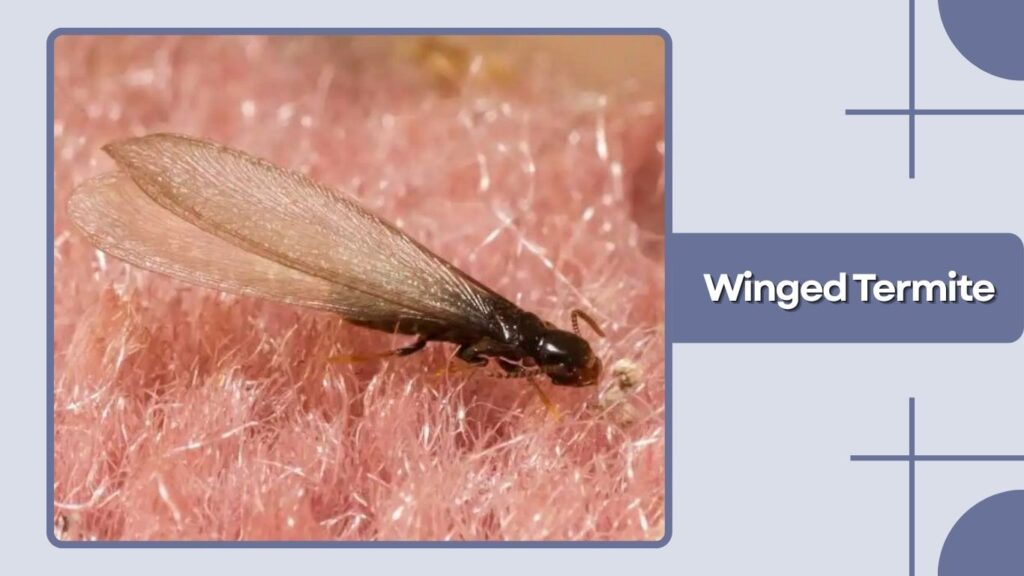
Winged termites, also called termite swarmers or alates, are reproductive members of a termite colony. They leave mature nests in large groups to mate and begin new colonies. Their dark bodies and clear or smoky wings often cause people to mistake them for flying ants.
Identification
- Color: Black, dark brown, or tan
- Size: About 1/4 to 1/2 inch long
- Wings: Four wings of nearly equal length
- Body: Broad waist without a narrow middle
- Antennae: Straight and bead-like
- Behavior: Frequently gathers around lights and windows
A black flying termite has long wings that extend well beyond its body. After swarming, discarded wings may collect near doors, windowsills, or floor edges.
Habitat
Termites live in underground colonies, wooden structures, dead trees, stumps, and moist soil. Swarmers may emerge through cracks in walls, foundations, flooring, or wooden beams.
Diet
Worker termites feed primarily on cellulose found in wood, cardboard, paper, roots, and other plant material. Winged adults rely on stored nutrients while searching for mates and nesting sites.
Are Winged Termites Harmful?
The swarmers themselves do not bite or damage wood. However, their appearance indoors may signal an active termite colony capable of causing serious structural damage.
10. Boxelder Bug
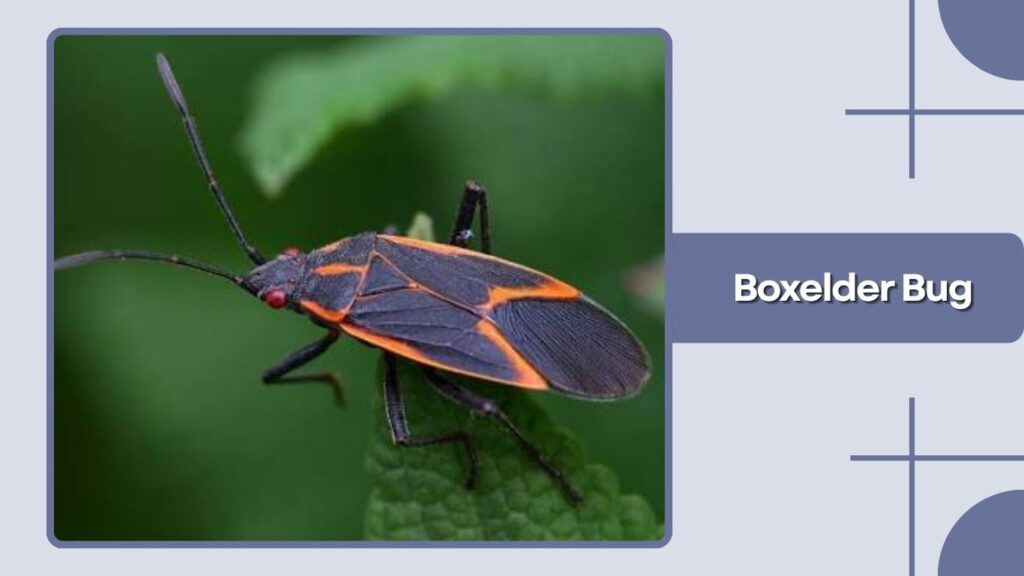
The boxelder bug is a black flying insect with red or orange markings along its wings and body. It is commonly seen on boxelder, maple, and ash trees. During autumn, large numbers may gather on sunny walls before entering buildings for shelter.
Identification
- Color: Black with red or orange lines
- Size: About 1/2 inch long
- Wings: Dark with reddish borders
- Body: Flat, elongated, and oval
- Nymphs: Bright red with developing black wings
- Odor: May release an unpleasant smell when crushed
Its red markings can make it look like a flying bug with a red body and black wings, although most of its body is actually black.
Habitat
Boxelder bugs live around trees, gardens, fences, and building exteriors. They commonly hide beneath bark, rocks, leaves, siding, and window frames. In colder weather, they may enter attics, wall spaces, and basements.
Diet
These bugs use piercing mouthparts to suck sap from boxelder seeds, leaves, and developing plant tissue. They may also feed on maple, ash, plum, cherry, or apple trees.
Are Boxelder Bugs Harmful?
Boxelder bugs rarely damage healthy trees and do not usually bite. Indoors, they are mainly nuisance pests and may stain curtains, walls, or furniture when crushed.
11. Large Milkweed Bug
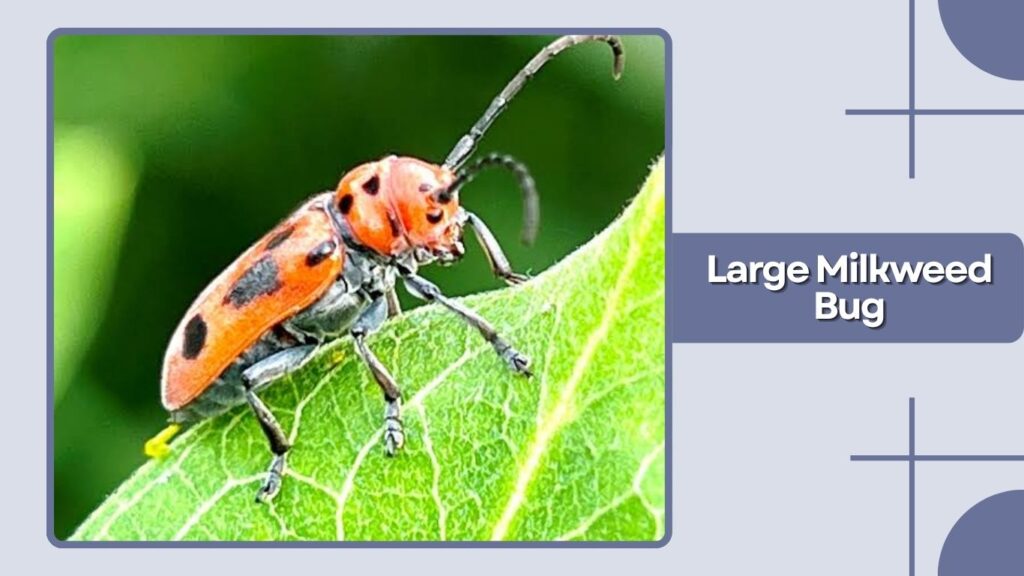
The large milkweed bug is a striking orange-and-black insect commonly found on milkweed plants. Its bold markings and long black wings make it easy to recognize. Adults and nymphs frequently gather in groups around milkweed seed pods.
Identification
- Color: Orange or red with black markings
- Size: About 1/2 to 3/4 inch long
- Wings: Black with an orange X-shaped pattern
- Body: Elongated and slightly flattened
- Antennae: Long and black
- Nymphs: Bright orange with developing dark wing pads
It may be described as an orange flying bug with black wings. The large milkweed bug has a broad black band across the middle of its wings.
Habitat
Large milkweed bugs inhabit gardens, fields, roadsides, and meadows where milkweed grows. They are particularly common during summer and early autumn when milkweed plants produce mature seed pods.
Diet
Both adults and nymphs pierce milkweed seeds and consume the nutrients inside. They may occasionally feed on other plants when milkweed seeds are unavailable.
Are Large Milkweed Bugs Harmful?
They do not bite, sting, or threaten people and pets. Although large groups may reduce milkweed seed production, they rarely cause serious damage to established plants and usually do not require control.
12. Blue Mud Dauber Wasp
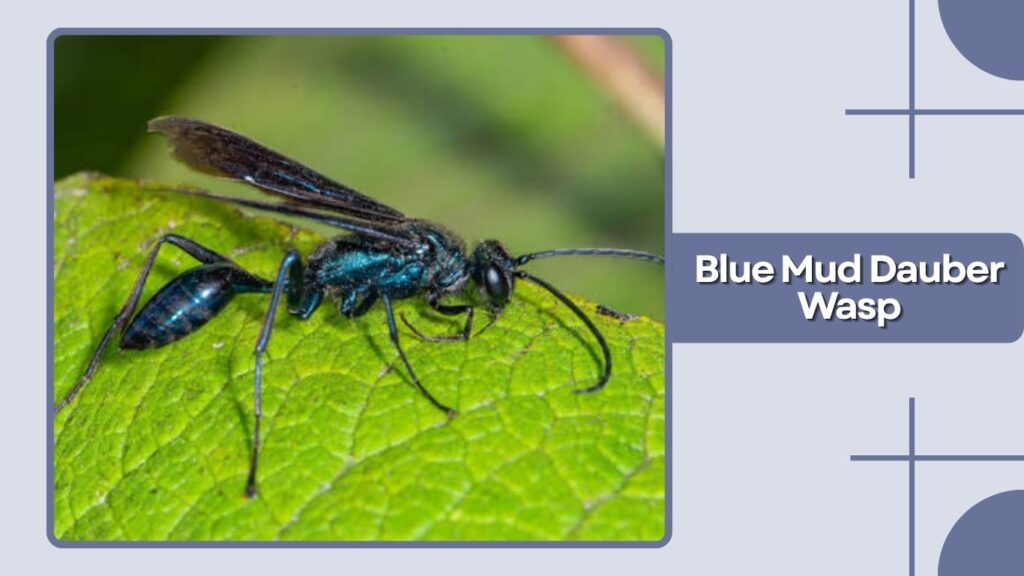
The blue mud dauber is a slender wasp with a metallic blue or blue-black body and dark iridescent wings. Its glossy appearance may cause it to be described as a black flying insect with blue wings. Despite its wasp-like appearance, it is generally calm and rarely aggressive toward people.
Identification
- Color: Metallic blue, blue-black, or dark violet
- Size: About 1/2 to 1 inch long
- Wings: Dark, smoky, or blue-black
- Body: Long and narrow with a thin waist
- Legs: Slender and dark
- Surface: Smooth and shiny
Unlike many mud daubers, this species does not usually construct a new mud nest. It often takes over old nests made by other wasps.
Habitat
Blue mud daubers are found around barns, sheds, porches, bridges, garages, rock ledges, and other protected structures. They prefer locations where abandoned mud nests and spiders are available.
Diet and Hunting
Adults feed on nectar from flowers. Females hunt spiders, paralyze them with venom, and place them inside mud nest chambers as food for their developing larvae.
Are Blue Mud Daubers Dangerous?
Blue mud daubers can sting, but they rarely do so unless trapped or handled. They are beneficial predators that help control spider populations, including black widow spiders.
FAQs
1. What are the most common black-winged flying insects?
Common black-winged flying insects include black soldier flies, black horse flies, black flies, picture-winged flies, flying ants, winged termites, fungus gnats, drain flies, boxelder bugs, and blue mud dauber wasps. Their size, body shape, antennae, and wing patterns help distinguish them.
2. Are black-winged flies dangerous to humans?
Most black-winged flies are harmless and do not bite or sting. However, female horse flies and some black flies can deliver painful bites. Wasps may sting when threatened, while flying ants and winged termites are generally harmless but may indicate nests or colonies nearby.
3. Why are black flying insects entering my house?
Black flying insects may enter houses while searching for food, moisture, warmth, light, or protected nesting areas. Drain flies and fungus gnats often breed indoors, while flying ants, termites, and boxelder bugs may enter through cracks, windows, doors, vents, or damaged screens.
4. How can I identify a black fly with spotted wings?
Look closely at the insect’s wing pattern, body shape, size, and behavior. Picture-winged flies often have bold black, brown, or white spots and bands. Spotted lanternflies have gray spotted forewings and red hindwings, while some fruit flies also display dark wing markings.
5. How do I get rid of black-winged flying insects?
First, identify the insect and locate its breeding source. Clean drains, remove standing water, manage compost, avoid overwatering plants, seal cracks, and repair window screens. Vacuuming visible insects can provide immediate relief. Termite swarms or repeated infestations may require professional pest control.