
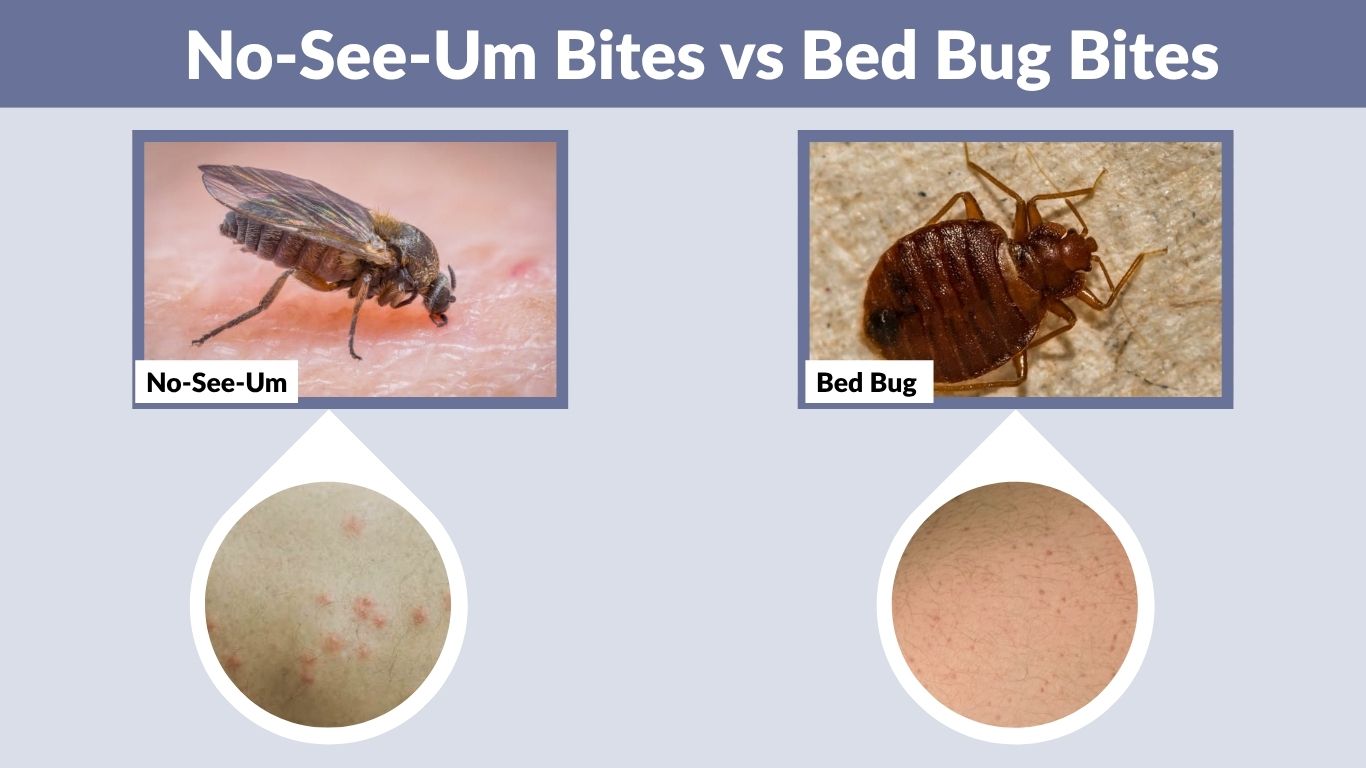
No-see-um and bed bug bites can both produce small, red, intensely itchy bumps, making them difficult to identify from skin marks alone. The most useful clues are where the bites occurred, when symptoms appeared, which body parts were exposed, and whether evidence of insects can be found nearby. No-see-ums are tiny flying midges usually encountered outdoors, while bed bugs are wingless household pests that hide close to sleeping areas. This guide explains how to tell the bites apart and what to do about them.
No-See-Um Bites vs. Bed Bug Bites at a Glance
The bite marks may overlap in appearance, so exposure history and environmental evidence are more reliable than the number, color, or arrangement of bumps.
| Feature | No-see-um bites | Bed bug bites |
| Pest type | Tiny flying biting midge | Flat, wingless crawling insect |
| Typical exposure | Beaches, marshes, gardens and damp outdoor areas | Beds, couches, hotels and other sleeping areas |
| Bite sensation | May sting or burn while occurring | Usually not felt while occurring |
| Reaction timing | May appear quickly or become noticeable later | Often appears one to several days later |
| Common body areas | Exposed legs, arms, neck and face | Skin exposed while sleeping |
| Bite pattern | Scattered or numerous grouped bumps | Random bumps, clusters or lines |
| Main confirming evidence | Midge activity around an outdoor location | Live bugs, eggs, shed skins and dark mattress spots |
No-see-ums are extremely small flies, with many species measuring around 1 millimeter. Bed bugs are larger, generally measuring 1–7 millimeters depending on their life stage. Adult bed bugs are approximately the size and shape of an apple seed.
What Do No-See-Um Bites Look Like?
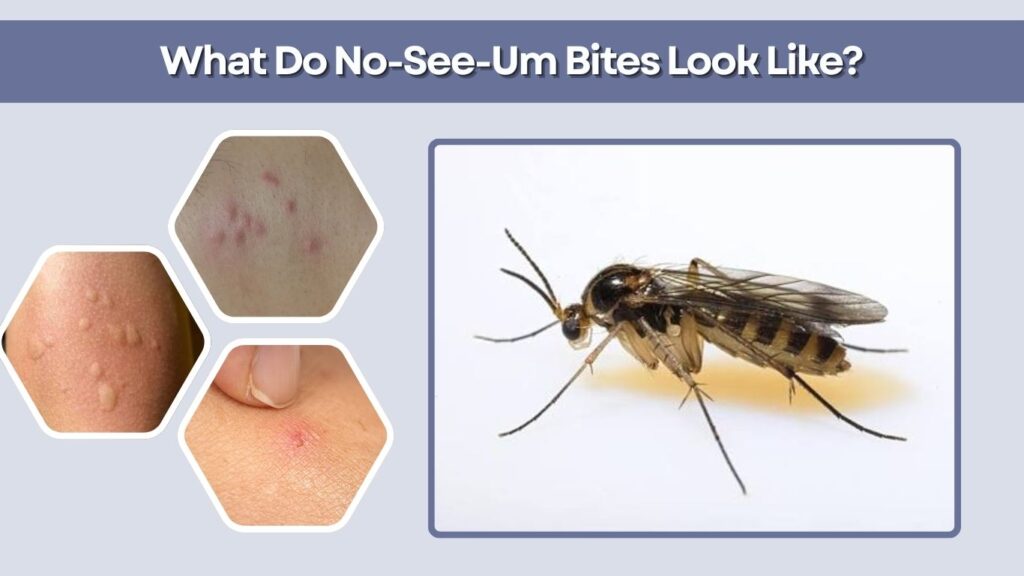
No-see-um bites usually produce localized stinging, burning, redness and itching. The marks may appear as small raised bumps surrounded by red or discolored skin.
Common Characteristics
No-see-um bites may have the following features:
- Small, itchy bumps or welts
- Redness or darker discoloration
- A burning or stinging sensation
- Mild swelling around the bite
- Several marks on exposed skin
- Stronger and longer-lasting itching in sensitive people
Biting midges can occur in large numbers, particularly around coastal and damp environments. Discomfort may last for minutes or hours, while hypersensitive individuals may experience itching for two or three days.
Where Do No-See-Ums Bite?
Bites commonly affect uncovered areas such as the lower legs, ankles, arms, neck and face. They may also reach skin through loose clothing or openings around cuffs, collars and waistbands.
Outdoor exposure provides the strongest clue. Bites that develop after visiting a beach, marsh, wetland, campsite or waterside garden are more likely to have come from biting midges than bed bugs.
What Do Bed Bug Bites Look Like?
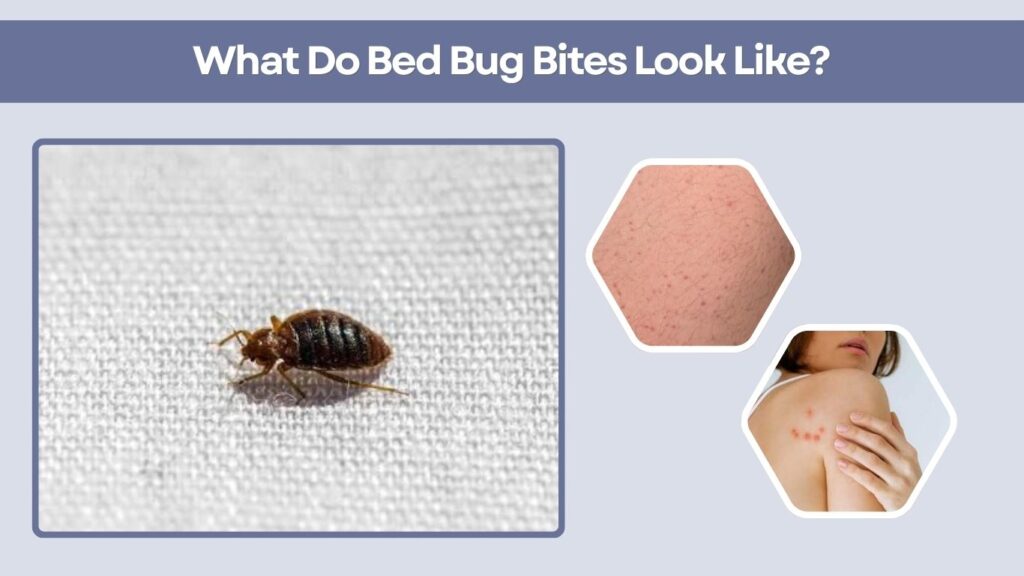
Bed bug bites may appear as slightly swollen, itchy red bumps resembling mosquito, flea or other insect bites. Some people develop obvious marks, while others show no visible reaction.
Common Characteristics
Possible bed bug bite symptoms include:
- Small, swollen and itchy bumps
- Randomly distributed marks
- Bites arranged in clusters or lines
- Irritation on the face, neck, arms or hands
- Delayed marks appearing after sleep
- Rarely, a stronger allergic reaction
A person normally does not feel a bed bug feeding because it introduces anesthetic and anticoagulant substances while biting. Marks may appear from one to several days later and can take as long as 14 days to develop in some people.
Where Do Bed Bugs Bite?
Bed bugs usually bite skin exposed while a person sleeps. Common areas include the arms, hands, shoulders, neck, face and legs.
However, bite location is not conclusive. Bed bugs can crawl underneath loose clothing, while no-see-ums can also attack many exposed body areas.
Appearance and Bite Pattern Comparison
Pictures may help someone recognize general similarities, but they cannot reliably identify which insect caused a skin reaction. The same person may react differently to separate bites, and two people exposed to the same insects may develop completely different symptoms.
| Sign | More suggestive of no-see-ums | More suggestive of bed bugs |
| Immediate sting or burning | Yes | Less common |
| Symptoms noticed after outdoor activity | Yes | No |
| Bites repeatedly noticed after sleeping | Less likely | Yes |
| Numerous marks on exposed lower legs | Common | Possible |
| Bumps in a straight or irregular line | Possible | Possible |
| No visible skin reaction | Possible | Possible |
| Bugs or dark spots around a mattress | No | Strong evidence |
Bed bug bites are considered a poor indicator of an infestation because they can resemble other insect bites, allergic reactions, fungal conditions, eczema or hives. Environmental inspection is therefore much more dependable than comparing bite photographs.
How to Determine What Bit You
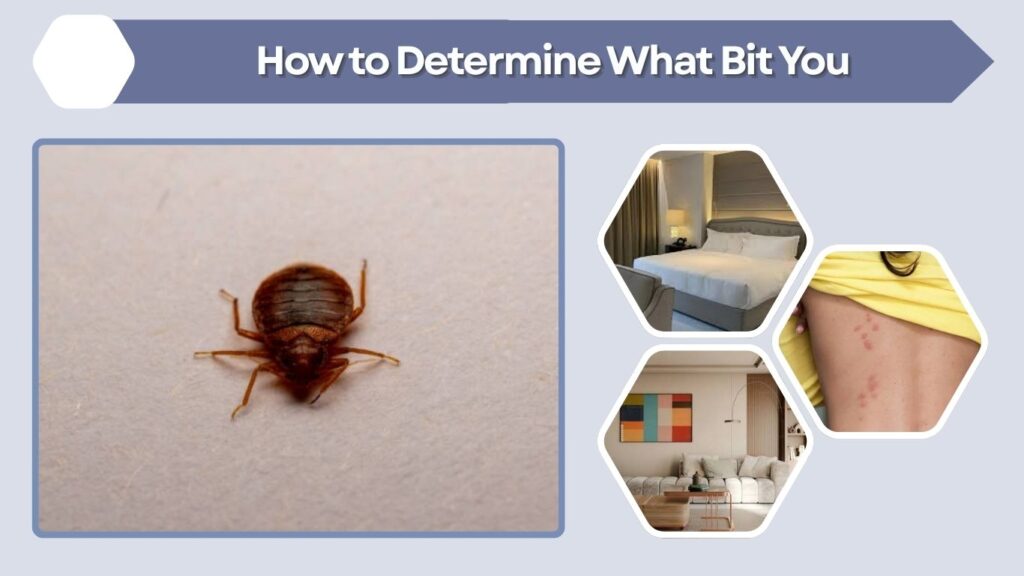
Identifying the source requires examining the circumstances surrounding the bites rather than relying only on their appearance.
Consider Where You Were
No-see-ums are more likely when symptoms follow time outdoors near wet, humid or coastal environments. Bed bugs are more likely when new bites repeatedly appear after sleeping in the same bed, room, hotel or upholstered area.
Check the Timing
A burning sensation during outdoor activity may suggest biting midges. Bed bug marks are frequently delayed because people usually do not notice the insect feeding.
A delayed reaction does not prove that bed bugs are responsible. Reactions to many arthropod bites can develop or become more noticeable later.
Inspect Your Sleeping Area
Look carefully along mattress seams, box springs, headboards, bed frames, couch cushions and nearby cracks.
| Evidence | What it may indicate |
| Reddish or rusty stains | Bed bugs may have been crushed |
| Small dark spots | Possible bed bug droppings |
| Pale eggs or eggshells | Developing infestation |
| Translucent shed skins | Growing bed bug population |
| Live flat, brown insects | Strong confirmation of bed bugs |
| No indoor evidence and recent marsh exposure | No-see-ums may be more likely |
The EPA recommends looking for physical evidence because skin bites alone cannot confirm an infestation. Bed bugs often hide in mattress seams, box springs, bed frames, headboards and nearby cracks during the day.
Treatment for Both Types of Bites
Most uncomplicated no-see-um and bed bug bites can be managed with basic symptom relief.
Clean and Cool the Skin
Wash affected areas gently with soap and water. Apply a cold pack wrapped in cloth for approximately 10 minutes to reduce swelling and itching.
Avoid placing ice directly against the skin.
Control the Itching
Calamine lotion, an appropriate anti-itch cream or an oral antihistamine may help some people. A pharmacist or healthcare professional can recommend a suitable option based on age, symptoms, pregnancy and existing health conditions.
Most bed bug bites require only minimal symptom management and good hygiene. More extensive reactions may sometimes require a topical steroid or antihistamine under professional guidance.
Avoid Scratching
Scratching can break the skin and cause a secondary bacterial infection. Keep fingernails short and cover damaged skin with a clean dressing when necessary.
How to Prevent More Bites
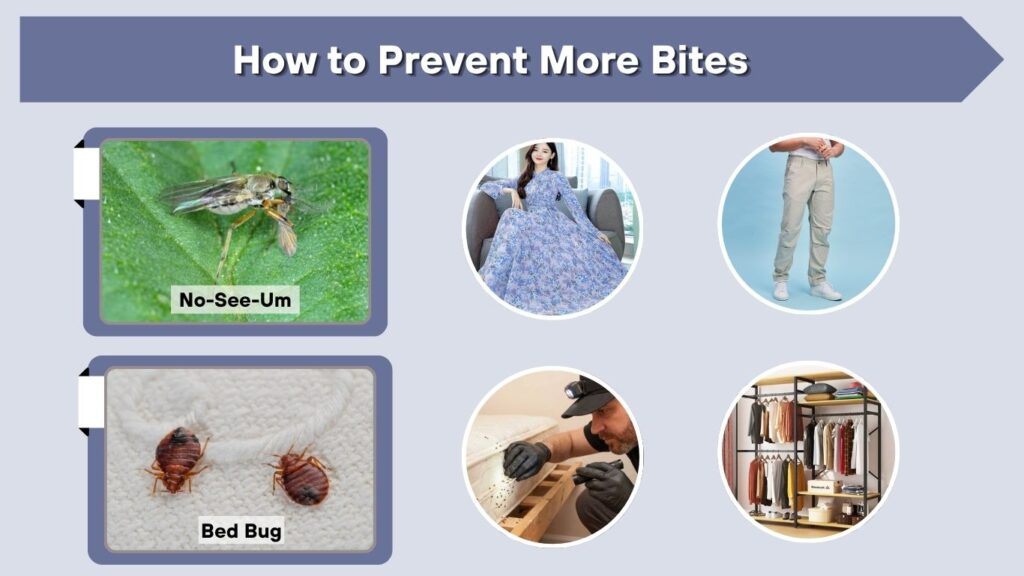
Treatment will not solve the problem unless the source of the bites is removed or avoided.
Preventing No-See-Um Bites
Wear long sleeves, long pants and tightly woven clothing outdoors. Use an appropriate insect repellent according to its label, and limit exposure near damp habitats when biting midges are most active.
Fine-mesh screening, air conditioning and fans can help keep the tiny flies out of living areas.
Preventing Bed Bug Bites
Inspect mattresses, bedding and upholstered furniture regularly. Check secondhand furniture before bringing it indoors, reduce clutter and examine hotel beds and luggage racks while traveling.
Bed bugs can hitchhike on luggage, clothing, furniture, bedding and boxes. A suspected infestation usually requires careful integrated pest management, often with help from an experienced pest-control professional.
When to Seek Medical Care
Contact a healthcare professional when bites become increasingly painful, hot or swollen, or when redness continues spreading. Pus, fever, swollen glands or red streaks may suggest infection.
Seek emergency help for breathing difficulty, faintness, widespread hives, or swelling involving the lips, tongue, mouth or throat.
FAQs
Are no-see-um bites smaller than bed bug bites?
They are often small, but size alone cannot identify the cause. Skin sensitivity, scratching and the number of bites can change their appearance. Exposure history and environmental evidence are more useful.
Do bed bug bites always appear in a straight line?
No. Bed bug bites can form lines, clusters or random marks. Other insects may also leave grouped bites, so the familiar line pattern does not confirm a bed bug infestation.
Can no-see-um bites appear overnight?
Yes. A delayed skin reaction may become noticeable several hours after outdoor exposure. Appearing overnight does not automatically mean that bed bugs caused the bites.
Which bites last longer?
Either reaction can last several days, depending on skin sensitivity and scratching. No-see-um discomfort may last longer in hypersensitive individuals, while bed bug marks can also remain itchy and inflamed.
How can I know whether I have bed bugs?
Inspect the sleeping area for live insects, pale eggs, shed skins, rusty stains and dark waste spots. These signs are much more reliable than bite appearance. Professional identification may be necessary when the evidence is unclear.