
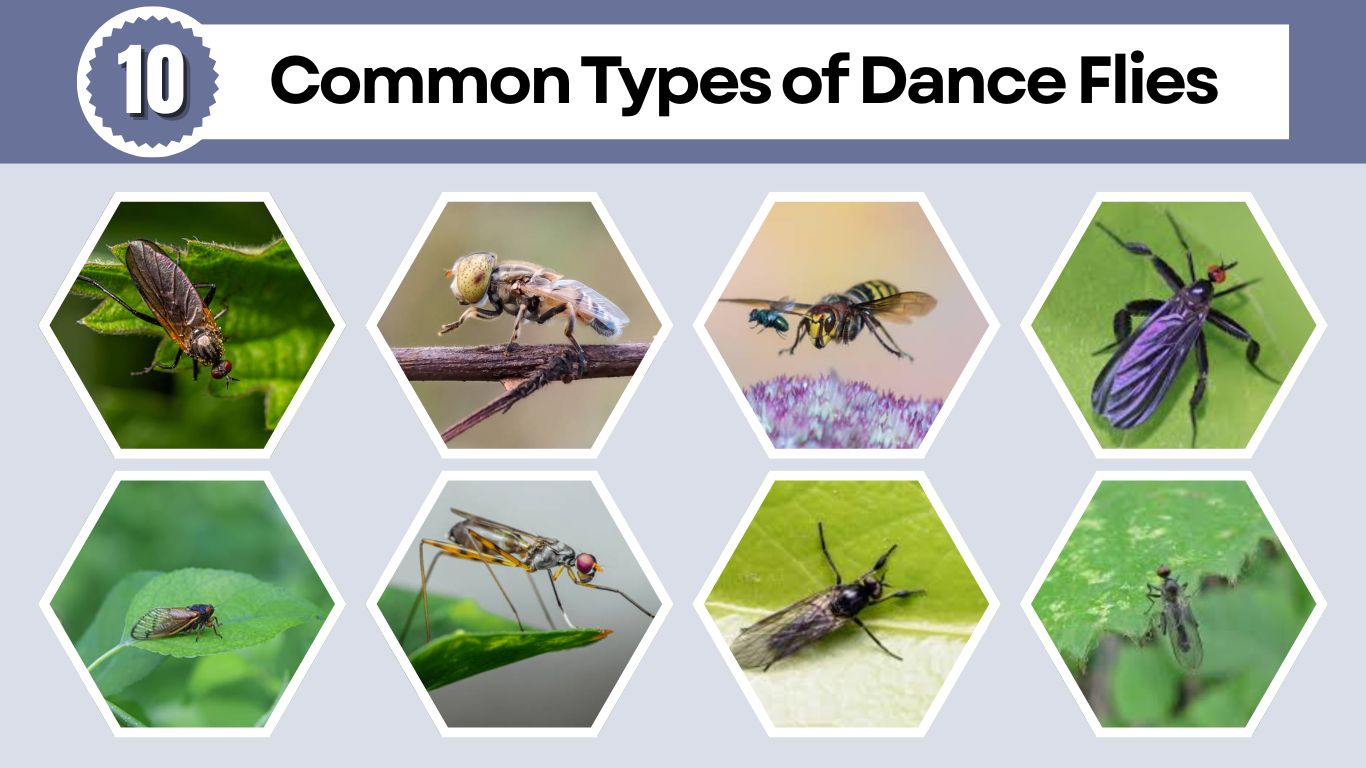
Dance flies are fascinating predatory insects belonging to the family Empididae. They are best known for their unique aerial mating displays, where large groups gather and perform swarming movements that resemble dancing in the air. Found in habitats ranging from forests and grasslands to wetlands and riverbanks, these flies play an important ecological role by feeding on mosquitoes, gnats, midges, and other small insects. Although often overlooked, dance flies are beneficial predators that help maintain natural insect populations. This guide explores 10 common types of dance flies, including their identification, habitat, diet, and life cycle.
1. Common Dance Fly
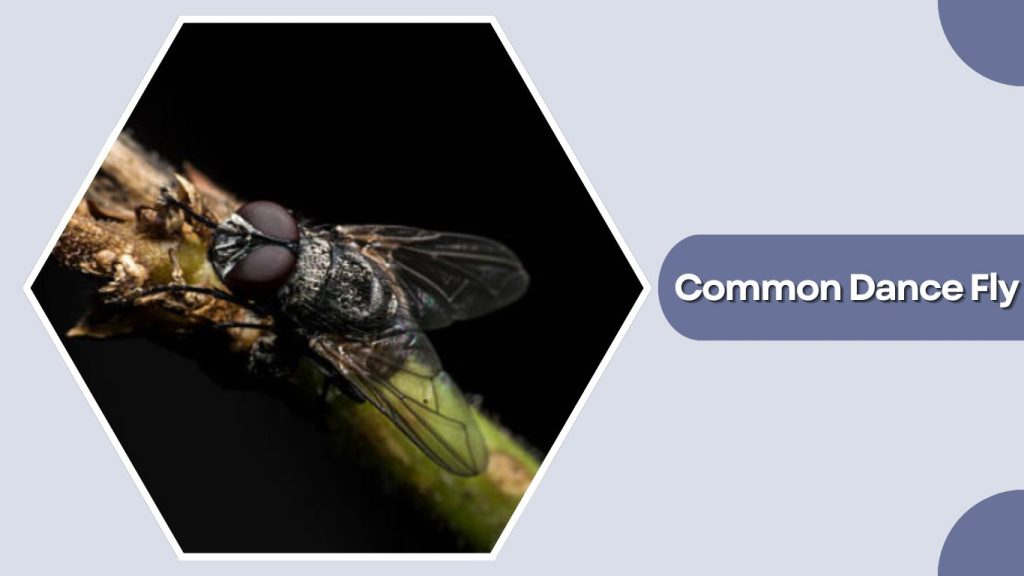
The common dance fly is a small predatory insect belonging to the family Empididae. It is best known for its unique mating behavior, where large groups of adults gather and perform aerial swarming displays that resemble dancing. These flies are commonly found near woodlands, meadows, wetlands, and gardens. Despite their delicate appearance, common dance flies are skilled hunters that help control populations of smaller insects in natural ecosystems.
Identification
- Small slender body
- Gray to dark brown coloration
- Long legs and antennae
- Clear narrow wings
- Adults typically 4–10 mm long
- Large compound eyes
- Fast, agile flight pattern
Habitat
Common dance flies inhabit a variety of environments, including grasslands, woodland edges, wetlands, gardens, and areas near streams. They are especially abundant in locations where flying insects are plentiful. Moist habitats often provide ideal conditions for breeding and feeding activities.
Diet
Adult common dance flies are active predators that feed on small flying insects such as gnats, midges, mosquitoes, and other tiny arthropods. They capture prey while in flight using their strong legs and specialized mouthparts. This predatory behavior makes them beneficial insects in many ecosystems.
Life Cycle
Female common dance flies lay eggs in suitable moist environments where developing larvae can find food. The larvae are also predatory and feed on small invertebrates living in soil or decaying organic matter. After completing several growth stages, they pupate and eventually emerge as winged adults. Their life cycle is closely linked to seasonal temperatures and prey availability.
2. Balloon Dance Fly
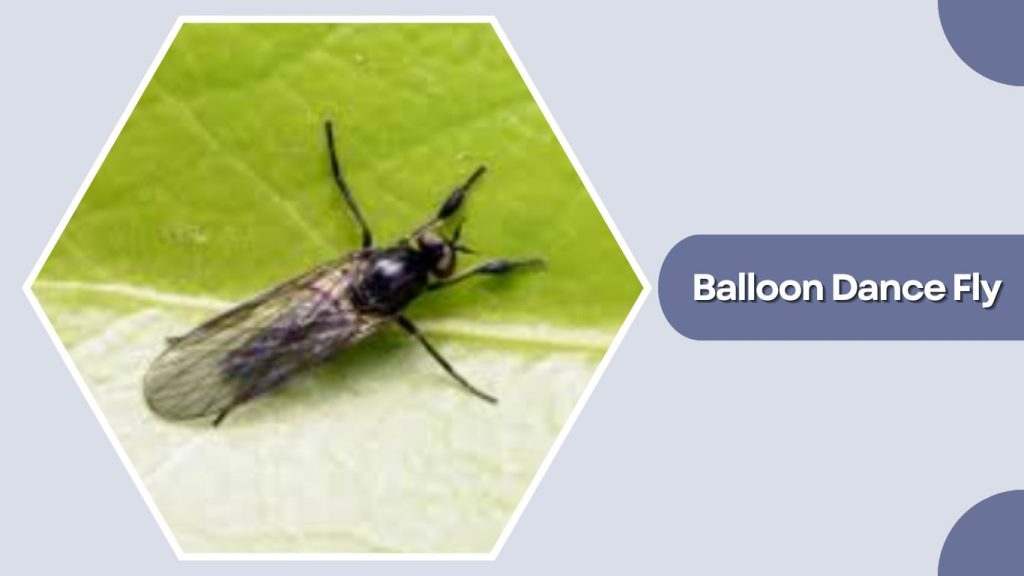
The balloon dance fly is a fascinating member of the dance fly family known for its unique courtship behavior. Males often present prey items wrapped in silk-like secretions to females during mating displays. These flies are commonly found in meadows, woodland clearings, wetlands, and other habitats rich in insect prey. Their aerial swarms and elaborate mating rituals make them one of the most interesting groups within the family Empididae.
Identification
- Small slender body
- Gray, black, or brown coloration
- Long legs and antennae
- Clear wings
- Adults typically 5–12 mm long
- Large prominent eyes
- Often observed in mating swarms
Habitat
Balloon dance flies inhabit grasslands, forest edges, marshes, gardens, and areas near streams or ponds. They prefer environments that support abundant insect populations, providing suitable prey for both feeding and courtship activities. Moist habitats are especially favorable during the breeding season.
Diet
Adult balloon dance flies are active predators that capture small insects in flight. They feed on gnats, midges, mosquitoes, and other soft-bodied insects. Males may also use captured prey as nuptial gifts during courtship, offering them to females before mating.
Life Cycle
Female balloon dance flies lay eggs in moist soil, leaf litter, or other protected environments. After hatching, the larvae develop as predators, feeding on small invertebrates and organic material. Following several growth stages, they pupate and eventually emerge as adults. Their development is strongly influenced by temperature, moisture, and food availability.
3. Stilt-Legged Dance Fly
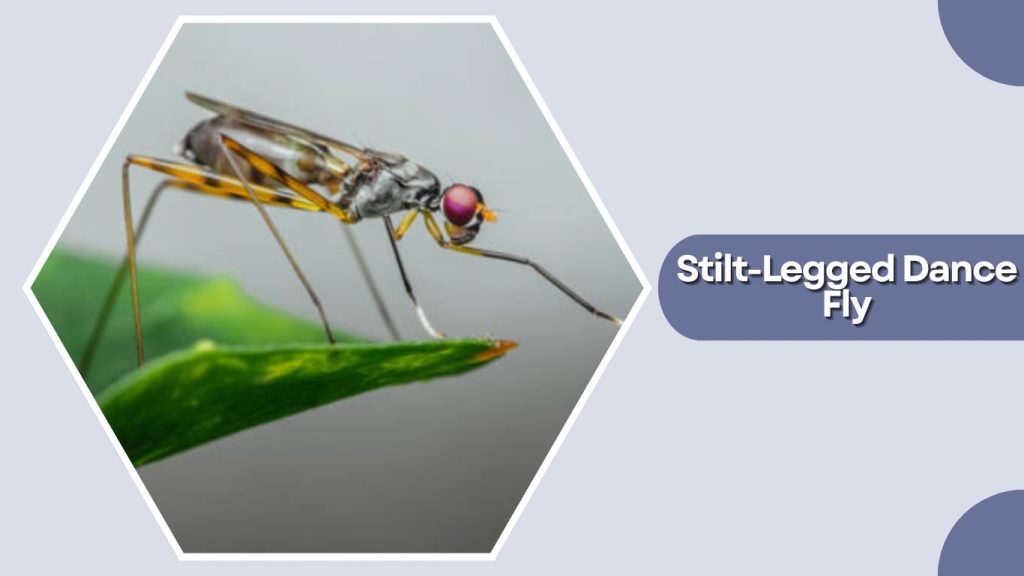
The stilt-legged dance fly is a distinctive species of dance fly recognized for its exceptionally long, slender legs. These agile predators are commonly found in meadows, wetlands, woodland edges, and areas with abundant insect activity. Their elongated legs help them capture prey and navigate vegetation with ease. Like other dance flies, they are known for their aerial swarming behavior during mating periods and play an important role in controlling populations of small flying insects.
Identification
- Extremely long, thin legs
- Slender gray to dark brown body
- Long antennae
- Clear narrow wings
- Adults typically 5–12 mm long
- Large compound eyes
- Characteristic stilt-like appearance
Habitat
Stilt-legged dance flies are commonly found in grasslands, marshes, woodland clearings, stream banks, and damp meadows. They prefer habitats where vegetation provides suitable perching sites and where flying insects are abundant. Moist environments often support the highest populations.
Diet
Adult stilt-legged dance flies are predatory insects that feed on gnats, mosquitoes, midges, and other small arthropods. They actively hunt while flying or from vegetation. Their long legs help them grasp and subdue prey before feeding.
Life Cycle
Female stilt-legged dance flies lay eggs in moist soil, leaf litter, or other protected environments. The larvae develop as predators, feeding on small invertebrates found within the soil. After completing several developmental stages, they pupate and eventually emerge as winged adults. Their life cycle is influenced by seasonal weather conditions and prey availability.
4. Woodland Dance Fly
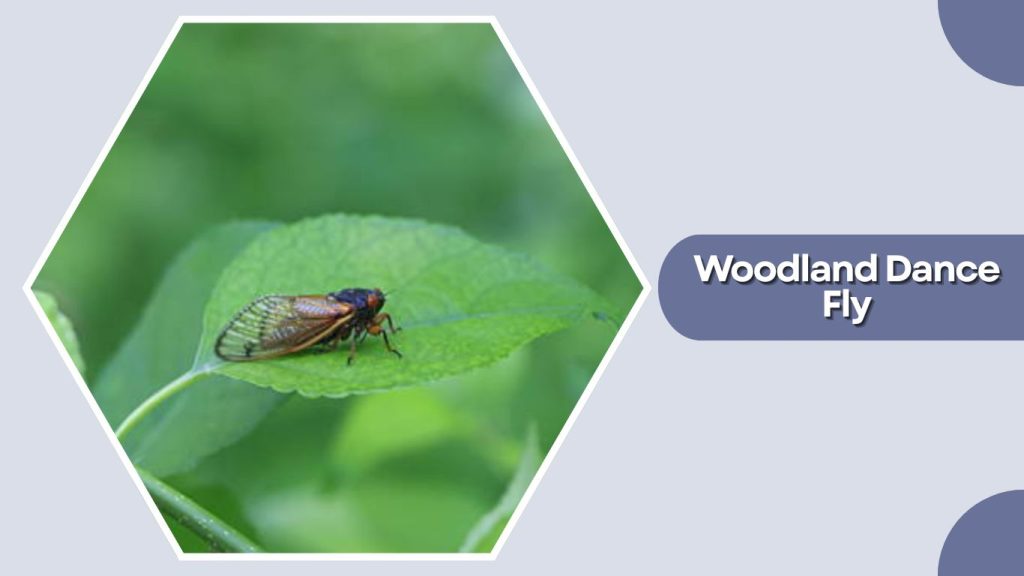
The woodland dance fly is a common predatory insect found in forests, wooded areas, and shaded habitats. These flies are especially active during warmer months when insect populations are abundant. Known for their agile flight and aerial mating swarms, woodland dance flies help regulate populations of smaller insects. Their preference for shaded environments and forest edges makes them an important component of woodland ecosystems.
Identification
- Slender gray to dark brown body
- Long legs and antennae
- Clear wings with fine veins
- Adults typically 4–10 mm long
- Large compound eyes
- Fast and agile flight
- Frequently observed in shaded woodland areas
Habitat
Woodland dance flies thrive in forests, woodland clearings, shaded trails, and areas near streams or ponds. They prefer habitats with dense vegetation and abundant insect prey. Moist forest environments provide suitable conditions for both adult activity and larval development.
Diet
Adult woodland dance flies are active predators that feed on small flying insects such as gnats, mosquitoes, midges, and other soft-bodied arthropods. They capture prey while flying and use specialized mouthparts to consume their food. This predatory behavior contributes to natural insect population control within forest ecosystems.
Life Cycle
Female woodland dance flies lay eggs in moist soil, leaf litter, or decaying organic matter found on the forest floor. After hatching, larvae develop as predators, feeding on small invertebrates within the soil environment. They eventually pupate and emerge as adults, continuing a life cycle that is closely tied to seasonal conditions and prey availability.
5. Marsh Dance Fly
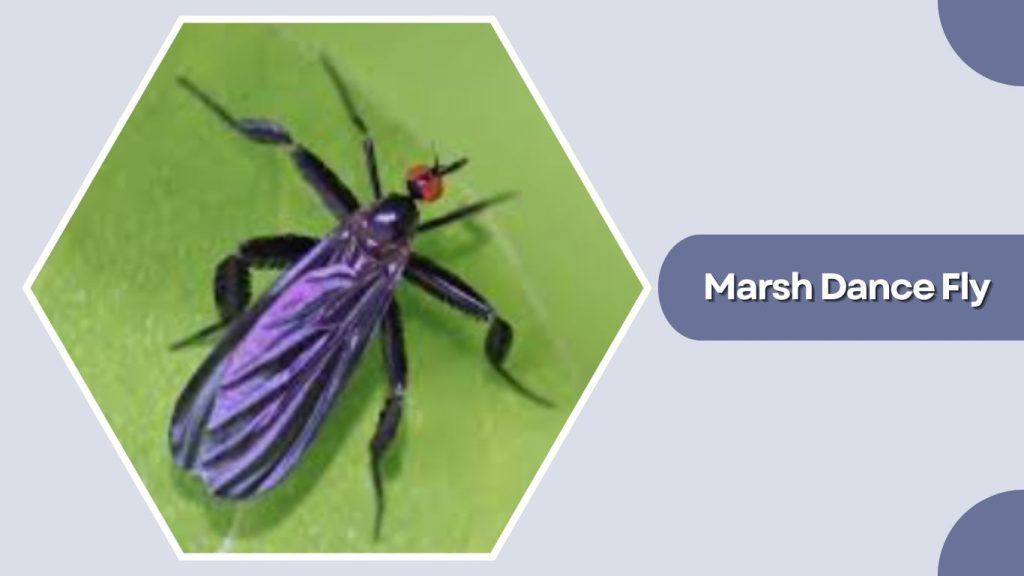
The marsh dance fly is a predatory insect commonly found in wetlands, marshes, swamps, and other moisture-rich habitats. These flies are often seen hovering above vegetation or participating in aerial mating swarms during the breeding season. Because wetlands support large populations of mosquitoes, midges, and other small insects, marsh dance flies play an important role in maintaining ecological balance through predation.
Identification
- Slender gray, brown, or black body
- Long legs and antennae
- Clear narrow wings
- Adults typically 5–11 mm long
- Large compound eyes
- Agile flight behavior
- Frequently observed near wetland vegetation
Habitat
Marsh dance flies thrive in wetlands, marshes, bogs, swamps, and areas surrounding ponds, lakes, and slow-moving streams. These habitats provide abundant insect prey and suitable conditions for reproduction. Dense vegetation and high moisture levels support healthy populations throughout the warmer months.
Diet
Adult marsh dance flies are active predators that feed on mosquitoes, gnats, midges, and other small flying insects. They capture prey while in flight and consume it using specialized piercing mouthparts. Their hunting behavior helps reduce populations of nuisance insects in wetland environments.
Life Cycle
Female marsh dance flies lay eggs in moist soil, decaying vegetation, or other protected wetland habitats. The larvae develop as predators, feeding on small invertebrates within the soil and organic debris. After completing their growth stages, they pupate and emerge as adults. Their life cycle is closely linked to moisture availability and seasonal environmental conditions.
6. Black Dance Fly
The black dance fly is a common predatory species known for its dark coloration and agile flight. These insects are frequently found in meadows, forest edges, wetlands, and gardens where flying prey is abundant. Like other members of the dance fly family, they participate in aerial mating swarms that resemble dancing movements in the air. Their predatory habits make them beneficial insects that help regulate populations of smaller flies and other arthropods.
Identification
- Dark black to charcoal-gray body
- Slender, elongated shape
- Long legs and antennae
- Clear wings
- Adults typically 4–10 mm long
- Large compound eyes
- Fast, agile flight behavior
Habitat
Black dance flies inhabit a wide range of environments, including grasslands, woodland edges, wetlands, gardens, and areas near water sources. They prefer locations where insect prey is plentiful and where vegetation provides suitable resting and hunting sites. Moist habitats often support the highest populations.
Diet
Adult black dance flies are active predators that feed on gnats, mosquitoes, midges, aphids, and other small insects. They capture prey while flying and use specialized mouthparts to consume their victims. Their hunting activities contribute to natural pest control in many ecosystems.
Life Cycle
Female black dance flies lay eggs in moist soil, leaf litter, or organic debris. The larvae develop as predators, feeding on small invertebrates within the soil environment. After passing through several growth stages, they pupate and eventually emerge as winged adults. Their life cycle is strongly influenced by seasonal temperatures and prey availability.
7. Bee-Like Dance Fly
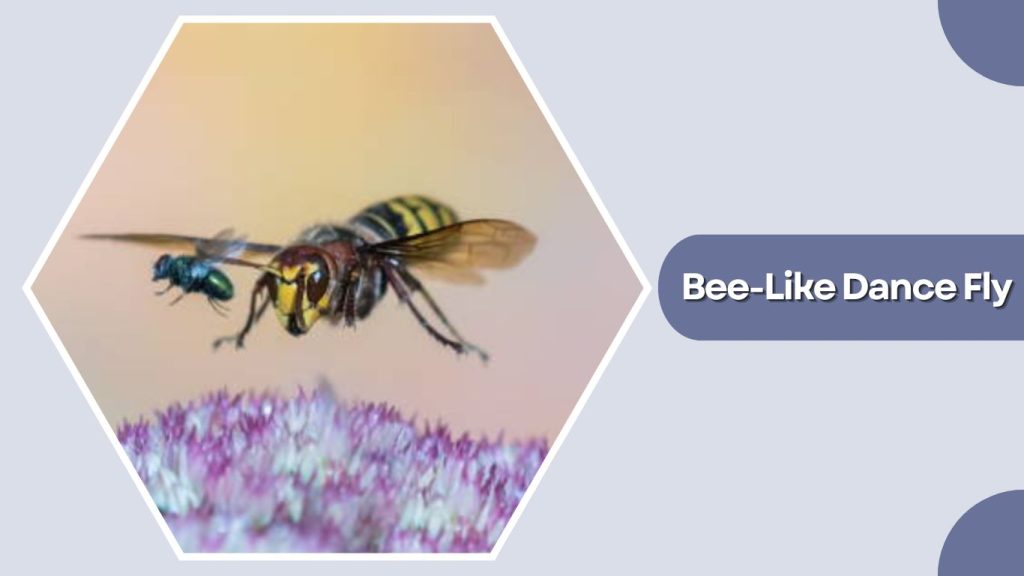
The bee-like dance fly is a fascinating member of the dance fly family that resembles small bees in appearance and behavior. This resemblance may help protect the fly from predators that avoid stinging insects. Bee-like dance flies are commonly found in meadows, gardens, woodland edges, and flower-rich habitats where they hunt small insects and participate in aerial mating swarms. Their combination of mimicry and predatory behavior makes them an interesting component of many ecosystems.
Identification
- Bee-like body shape
- Black, brown, or yellow markings
- Slender but robust appearance
- Long legs and antennae
- Clear wings
- Adults typically 5–12 mm long
- Often mistaken for small bees
Habitat
Bee-like dance flies inhabit grasslands, gardens, woodland clearings, meadows, and areas with abundant flowering plants. They are commonly found in environments that support large populations of flying insects. Warm, sunny locations often provide ideal conditions for hunting and mating activities.
Diet
Adult bee-like dance flies are active predators that feed on gnats, mosquitoes, midges, aphids, and other small insects. They capture prey in flight using their strong legs and specialized mouthparts. Their predatory behavior helps reduce populations of nuisance insects in natural and managed environments.
Life Cycle
Female bee-like dance flies lay eggs in moist soil, leaf litter, or protected organic debris. After hatching, the larvae develop as predators, feeding on small invertebrates found in the soil. Following several growth stages, they pupate and emerge as adults. Their development depends on environmental conditions such as temperature, moisture, and prey availability.
8. Long-Nosed Dance Fly
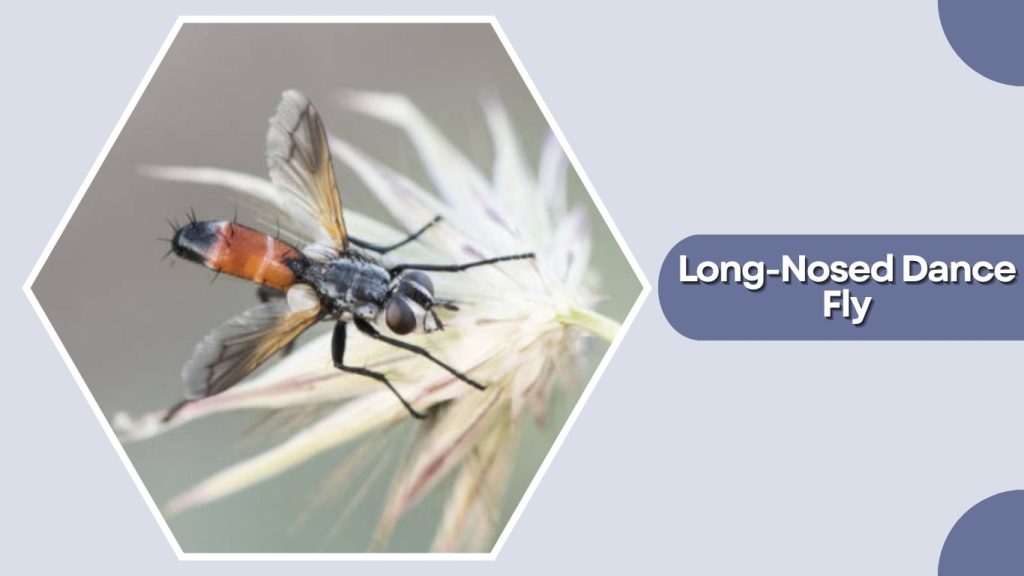
The long-nosed dance fly is a distinctive predatory insect recognized for its elongated mouthparts and slender appearance. These flies are commonly found in meadows, woodland edges, wetlands, and gardens where small flying insects are abundant. Like other dance flies, they are known for their aerial courtship displays and swarming behavior. Their specialized mouthparts help them capture and consume prey, making them effective natural predators within many ecosystems.
Identification
- Elongated, beak-like mouthparts
- Slender gray to dark brown body
- Long legs and antennae
- Clear narrow wings
- Adults typically 5–12 mm long
- Large compound eyes
- Agile and fast-moving flight
Habitat
Long-nosed dance flies inhabit grasslands, marshes, woodland clearings, gardens, and areas near streams or ponds. They prefer environments that support large populations of small insects. Moist habitats with diverse vegetation provide ideal conditions for hunting, mating, and reproduction.
Diet
Adult long-nosed dance flies are active predators that feed on gnats, mosquitoes, midges, aphids, and other small insects. They use their elongated mouthparts to pierce and consume prey after capture. Their predatory behavior contributes to natural pest control and helps maintain ecological balance.
Life Cycle
Female long-nosed dance flies lay eggs in moist soil, leaf litter, or organic debris. The larvae develop as predators, feeding on small invertebrates living within the soil environment. After completing several developmental stages, they pupate and emerge as winged adults. Their life cycle is closely influenced by seasonal temperatures, moisture levels, and prey availability.
9. River Dance Fly
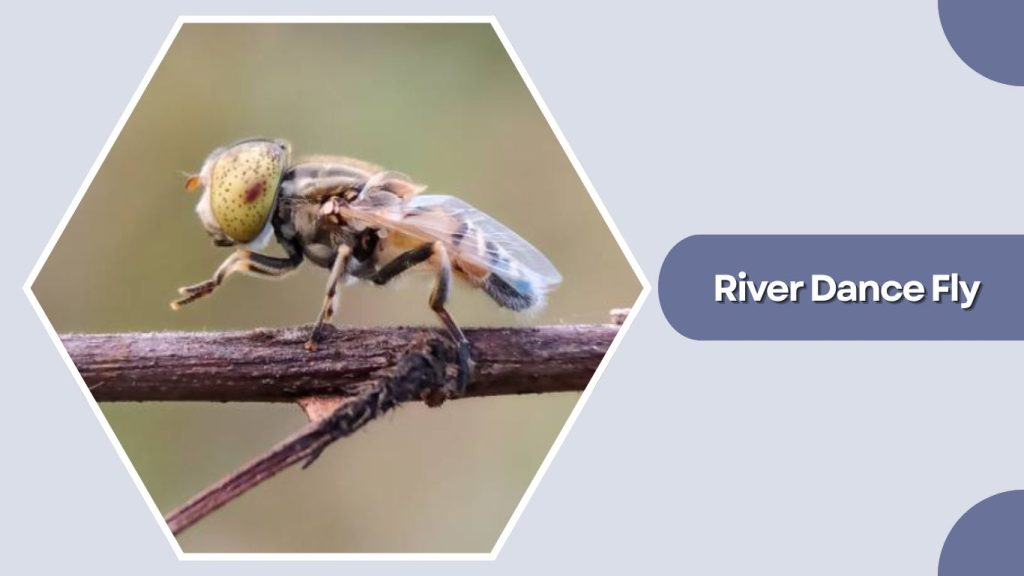
The river dance fly is a predatory insect commonly found near rivers, streams, and other freshwater habitats. These flies are often observed hovering above water or gathering in mating swarms along riverbanks. Their close association with aquatic environments provides access to abundant insect prey, making them important predators within riparian ecosystems. River dance flies help regulate populations of mosquitoes, midges, and other small insects that emerge near water.
Identification
- Slender gray to dark brown body
- Long legs and antennae
- Clear narrow wings
- Adults typically 5–11 mm long
- Large compound eyes
- Fast, agile flight behavior
- Frequently seen near rivers and streams
Habitat
River dance flies inhabit stream banks, river corridors, wetlands, ponds, and other freshwater environments. They are particularly common in areas with dense vegetation and abundant aquatic insect populations. Moist conditions and access to prey make river habitats ideal for their survival and reproduction.
Diet
Adult river dance flies are active predators that feed on mosquitoes, gnats, midges, mayflies, and other small flying insects. They capture prey while flying and consume it using specialized mouthparts. Their feeding activities contribute to natural insect control around freshwater ecosystems.
Life Cycle
Female river dance flies lay eggs in moist soil, vegetation, or organic debris near water sources. After hatching, larvae develop in damp environments where they feed on small invertebrates. Following several growth stages, they pupate and emerge as adults. Their life cycle is closely connected to freshwater habitats and seasonal insect activity.
10. Predatory Dance Fly
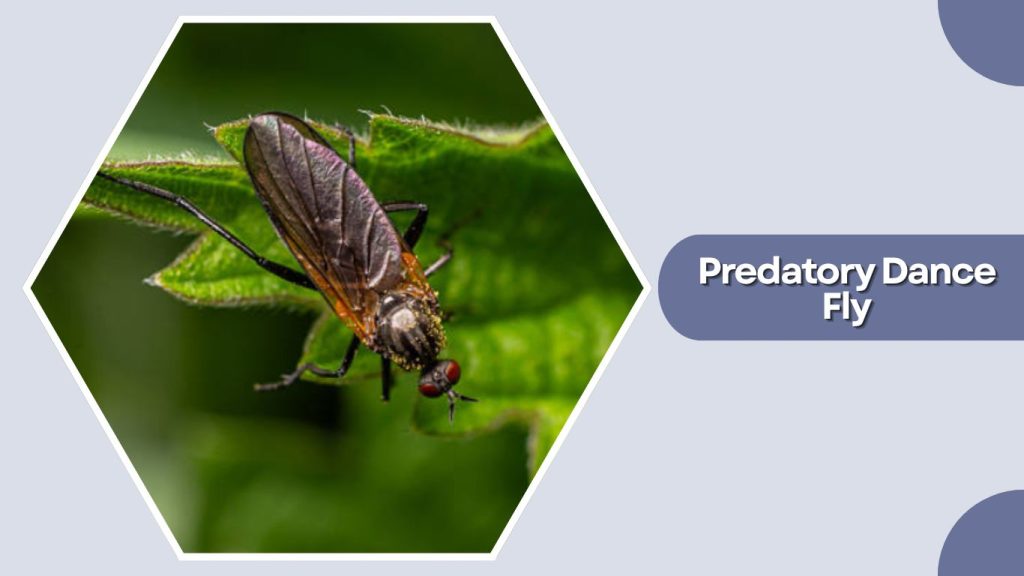
The predatory dance fly is a highly active hunter that plays an important role in controlling populations of small insects. Like other members of the dance fly family, it is known for its swift flight, aerial courtship displays, and excellent hunting abilities. These flies are found in a variety of habitats, including grasslands, forests, wetlands, and gardens. Their predatory nature makes them valuable beneficial insects that help maintain ecological balance by reducing populations of pest insects.
Identification
- Slender gray, brown, or black body
- Long legs and antennae
- Clear narrow wings
- Adults typically 5–12 mm long
- Large compound eyes
- Fast and agile flight
- Often observed capturing prey in midair
Habitat
Predatory dance flies inhabit meadows, woodland edges, marshes, gardens, and areas near water sources. They prefer environments where flying insects are abundant and where vegetation provides suitable perching and hunting locations. Their adaptability allows them to thrive in a wide range of natural habitats.
Diet
Adult predatory dance flies feed on a variety of small insects, including gnats, mosquitoes, aphids, midges, and other soft-bodied arthropods. They actively pursue prey during flight and use specialized mouthparts to consume captured insects. This behavior makes them important natural predators within many ecosystems.
Life Cycle
Female predatory dance flies lay eggs in moist soil, leaf litter, or organic debris. After hatching, the larvae develop as predators, feeding on small invertebrates found within the soil environment. Following several developmental stages, they pupate and eventually emerge as adults. Their life cycle is influenced by seasonal temperatures, moisture availability, and prey abundance.
FAQs
What Are Dance Flies?
Dance flies are predatory insects belonging to the family Empididae. They are known for their aerial mating swarms that resemble dancing movements in the air. These flies are commonly found in grasslands, forests, wetlands, gardens, and areas near water.
Do Dance Flies Bite Humans?
Most dance flies do not bite humans and are generally harmless. Their mouthparts are adapted for capturing and feeding on small insects rather than attacking people. They prefer hunting flying prey and usually avoid human contact.
What Do Dance Flies Eat?
Adult dance flies primarily feed on small insects such as mosquitoes, gnats, midges, aphids, and other soft-bodied arthropods. Many species are active predators that capture prey while flying, making them beneficial natural pest controllers.
Where Are Dance Flies Commonly Found?
Dance flies are found in a wide variety of habitats, including meadows, forests, wetlands, marshes, riverbanks, gardens, and woodland edges. They are especially abundant in areas where insect prey is plentiful and environmental conditions support breeding.
Are Dance Flies Beneficial Insects?
Yes. Dance flies help control populations of mosquitoes, gnats, midges, and other small insects through predation. Their hunting behavior contributes to ecological balance and can reduce the number of nuisance insects in natural and managed environments.