
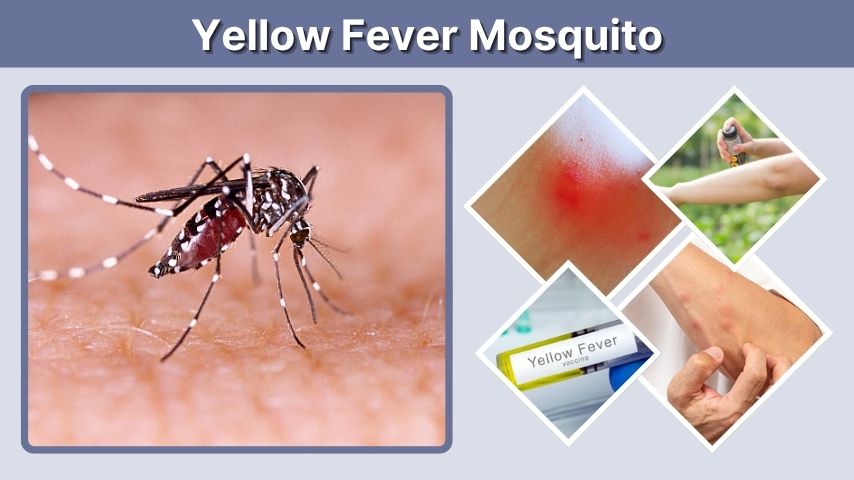
The yellow fever mosquito (Aedes aegypti) is one of the most medically important insects in the world. Known for transmitting diseases such as yellow fever, dengue, Zika, and chikungunya, this mosquito has had a major impact on global public health. It thrives in warm climates and often lives close to humans, making disease transmission more likely. Understanding how to identify the yellow fever mosquito, where it lives, and how it spreads disease can help individuals better protect themselves and their communities.
What Is the Yellow Fever Mosquito?
The yellow fever mosquito is a small mosquito species that belongs to the Aedes genus. It is best known for its ability to transmit several serious viral diseases. Unlike many mosquito species that prefer natural habitats, Aedes aegypti thrives in urban and suburban environments where it can easily find breeding sites and human hosts.
Yellow Fever Mosquito Scientific Name
The scientific name of the yellow fever mosquito is Aedes aegypti. It is widely distributed throughout tropical and subtropical regions and has become one of the most studied mosquito species because of its role in disease transmission.
Why Is It Called the Yellow Fever Mosquito?
The mosquito earned its common name because it serves as the primary carrier of the yellow fever virus. Historically, outbreaks of yellow fever caused widespread illness and death in many parts of the world before scientists discovered the mosquito’s role in transmission.
Physical Characteristics
Several features help identify the yellow fever mosquito:
- Dark body coloration
- White markings on the legs
- Distinctive lyre-shaped pattern on the thorax
- Small body size
- Fast, agile flight behavior
These characteristics help distinguish it from many other mosquito species.
Where Do Yellow Fever Mosquitoes Live?
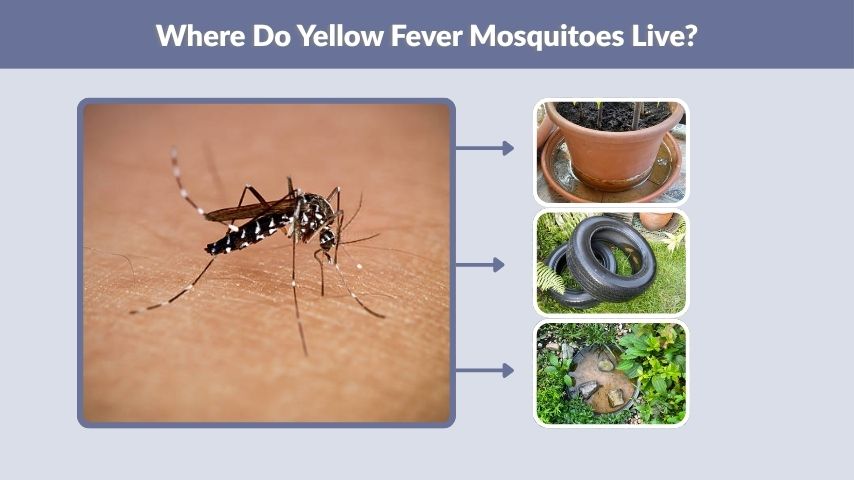
The yellow fever mosquito prefers warm climates with abundant access to water and human populations. Unlike some mosquito species that thrive in wetlands or forests, Aedes aegypti is highly adapted to urban environments. Its close association with human habitation contributes significantly to its effectiveness as a disease vector.
Natural Habitat
Yellow fever mosquitoes are commonly found in tropical and subtropical regions where temperatures remain warm throughout much of the year. They often inhabit areas with dense human populations because people serve as their preferred blood source.
Countries and Regions Where They Are Found
This mosquito species occurs in many regions worldwide, including:
- South America
- Central America
- Africa
- Southeast Asia
- Parts of the southern United States
Its distribution continues to expand in some areas due to climate and environmental changes.
Preferred Breeding Sites
Female yellow fever mosquitoes lay their eggs in small collections of standing water. Common breeding locations include flower pots, buckets, discarded tires, birdbaths, and rain-filled containers. Even small amounts of water can support mosquito development.
Yellow Fever Mosquito Life Cycle
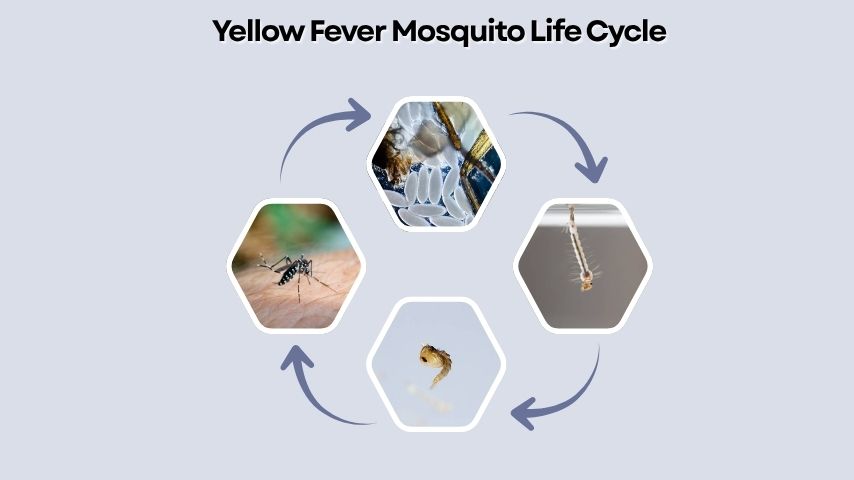
Like all mosquitoes, Aedes aegypti undergoes a complete life cycle consisting of four stages. Understanding these stages is important because mosquito control efforts often target immature stages before adults emerge and begin spreading disease.
Egg Stage
Female mosquitoes deposit eggs near water sources. The eggs are highly resilient and can survive dry conditions for extended periods. Once water becomes available, the eggs hatch into larvae.
Larval Stage
Mosquito larvae live entirely in water and feed on microorganisms and organic material. During this stage, they undergo several molts while growing rapidly. Larvae are commonly called “wigglers” because of their characteristic swimming movements.
Pupal Stage
After completing larval development, mosquitoes enter the pupal stage. Pupae do not feed but continue developing internally. This stage serves as a transition between the aquatic larva and the flying adult mosquito.
Adult Mosquito Stage
Adult mosquitoes emerge from the pupal case and rest briefly while their bodies harden. Male mosquitoes primarily feed on plant nectar, while females require blood meals to produce eggs.
How Do Yellow Fever Mosquitoes Spread Disease?
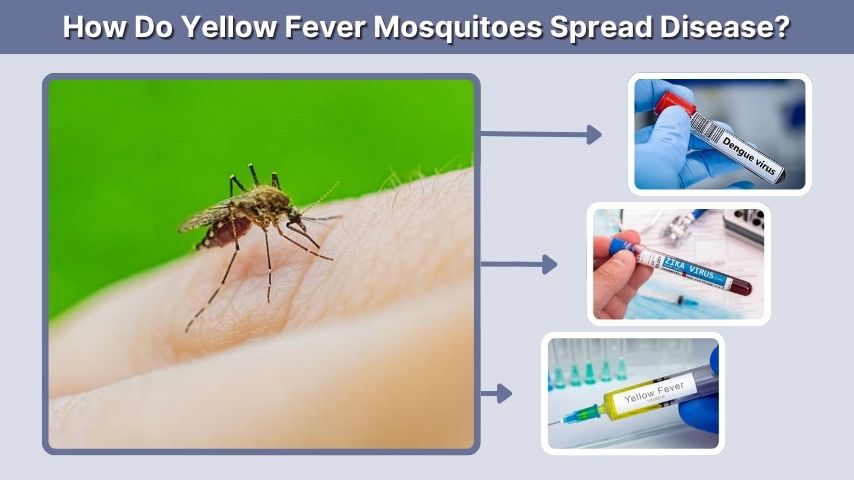
The yellow fever mosquito is particularly dangerous because of its ability to transmit multiple viruses. Disease transmission occurs through a biological process involving infected humans, mosquitoes, and new hosts. Understanding this cycle helps explain why mosquito control remains a critical public health strategy.
How Mosquitoes Get Yellow Fever
A mosquito becomes infected when it bites a person carrying the yellow fever virus. The virus then multiplies inside the mosquito’s body before reaching its salivary glands. Once this process is complete, the mosquito can transmit the virus to other individuals.
How Mosquitoes Transmit Yellow Fever
Transmission occurs when an infected mosquito bites another person. During feeding, the mosquito injects saliva that may contain viral particles. If infection occurs, the virus begins replicating inside the new host.
Diseases Spread by Yellow Fever Mosquitoes
In addition to yellow fever, Aedes aegypti can spread several important diseases:
- Dengue fever
- Zika virus
- Chikungunya
- Yellow fever
- Other mosquito-borne viral infections
This ability to transmit multiple diseases makes the yellow fever mosquito one of the most significant insect vectors worldwide.
Yellow Fever Mosquito Bite
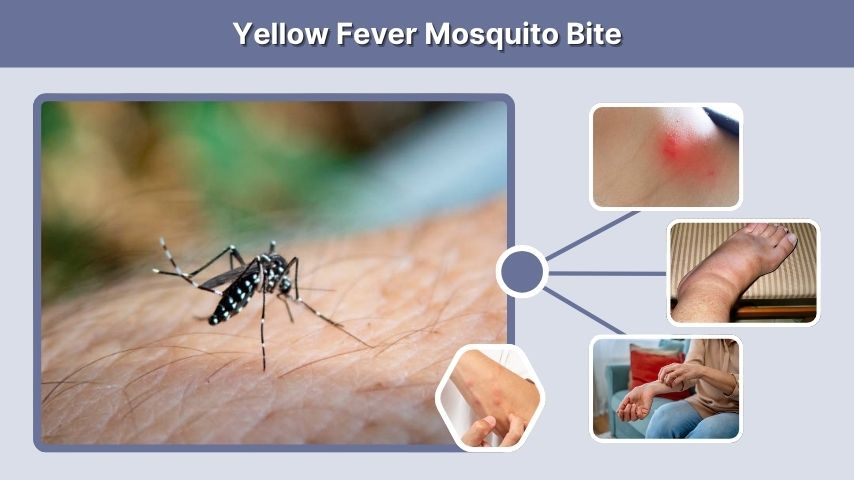
Although many mosquito bites cause only mild irritation, bites from the yellow fever mosquito can be more concerning because of the diseases this species may carry. Most bites themselves are harmless, but the possibility of disease transmission makes prevention especially important in areas where mosquito-borne illnesses are common.
What Happens When a Yellow Fever Mosquito Bites?
Female yellow fever mosquitoes use specialized mouthparts to pierce the skin and feed on blood. During feeding, they inject saliva that helps prevent blood clotting. This saliva often causes the itching and irritation commonly associated with mosquito bites.
What Does a Yellow Fever Mosquito Bite Look Like?
A typical bite resembles bites from other mosquito species. Common signs include:
- Small raised bump
- Redness around the bite
- Mild swelling
- Itching
- Temporary skin irritation
Most symptoms disappear within a few days.
When Should You Seek Medical Attention?
Medical attention may be necessary if unusual symptoms develop after a mosquito bite. Fever, severe headaches, muscle pain, rash, or persistent illness may indicate a mosquito-borne infection and should be evaluated by a healthcare professional.
Yellow Fever and Mosquito Transmission
Yellow fever remains one of the most important diseases associated with Aedes aegypti. While vaccination has reduced the impact of the disease in many regions, outbreaks still occur in certain parts of Africa and South America.
Is Yellow Fever Caused by Mosquitoes?
Yellow fever is caused by a virus, not by the mosquito itself. However, mosquitoes serve as the primary transmission vector. Without infected mosquitoes, the virus cannot easily spread between people.
Which Mosquito Transmits Yellow Fever?
The yellow fever mosquito, Aedes aegypti, is the principal vector responsible for transmitting yellow fever to humans. Other mosquito species may occasionally contribute to transmission, but Aedes aegypti remains the most important carrier.
Can Every Yellow Fever Mosquito Carry the Virus?
No. A mosquito must first bite an infected host before it can transmit the virus. Not every yellow fever mosquito is infected, but populations living in outbreak areas pose a greater risk.
Diseases Associated With the Yellow Fever Mosquito
The yellow fever mosquito is responsible for spreading several serious viral diseases worldwide. Its preference for feeding on humans makes it particularly effective at transmitting infections within communities.
Yellow Fever
Yellow fever is a viral disease that can range from mild illness to severe liver damage and bleeding complications. Vaccination remains one of the most effective prevention methods.
Dengue Fever
Dengue affects millions of people each year and is one of the fastest-growing mosquito-borne diseases globally. Symptoms often include fever, headaches, muscle pain, and fatigue.
Zika Virus
Zika virus gained international attention because of its association with birth defects when infection occurs during pregnancy. Most infections are mild, but public health concerns remain significant.
Chikungunya
Chikungunya causes fever and severe joint pain that may persist for weeks or months. Outbreaks frequently occur in tropical and subtropical regions where Aedes aegypti populations thrive.
How to Prevent Yellow Fever Mosquito Bites
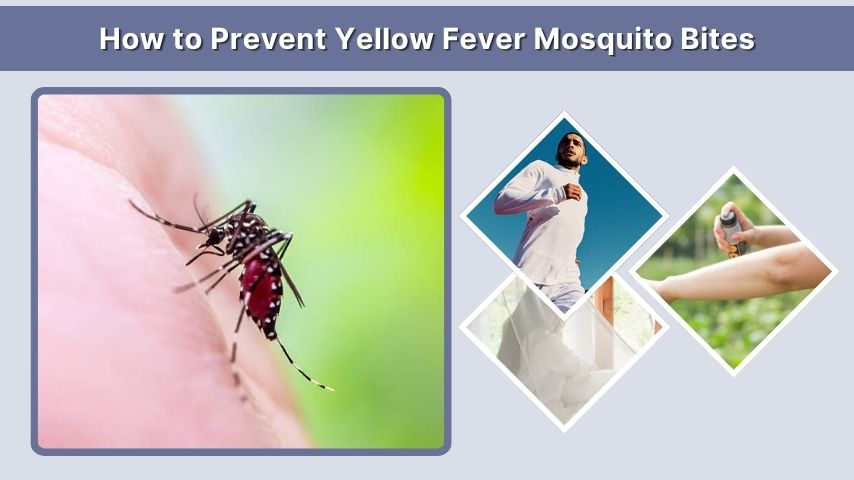
Preventing mosquito bites is one of the most effective ways to reduce the risk of mosquito-borne diseases. A combination of personal protection and environmental management provides the best defense against yellow fever mosquitoes.
Personal Protection Measures
Individuals can lower their risk by following these practices:
- Wear long-sleeved clothing
- Use EPA-approved insect repellents
- Sleep under mosquito nets when necessary
- Install window and door screens
- Avoid peak mosquito activity periods
Consistent protection is especially important in areas with active disease transmission.
Yellow Fever Vaccination
Vaccination provides strong protection against yellow fever and is recommended for travelers visiting high-risk regions. Many countries require proof of vaccination before allowing entry.
Travel Safety Tips
Travelers should research destination-specific disease risks and follow local health recommendations. Combining vaccination with mosquito bite prevention offers the highest level of protection.
How to Control Yellow Fever Mosquitoes
Community-wide mosquito control efforts play a major role in reducing disease transmission. Eliminating breeding sites and reducing mosquito populations can significantly lower public health risks.
Eliminate Standing Water
The most effective control method is removing locations where mosquitoes reproduce. Common sources include flower pots, gutters, buckets, tires, and other containers that collect water.
Mosquito-Proof Your Yard
Homeowners can reduce mosquito activity by maintaining clean outdoor spaces and regularly inspecting areas where water may accumulate.
Community Control Programs
Many cities and public health agencies conduct mosquito monitoring and control programs to reduce disease risks. These efforts often include education, surveillance, and targeted mosquito management strategies.
FAQs
What mosquito causes yellow fever?
The primary mosquito responsible for transmitting yellow fever is Aedes aegypti, commonly known as the yellow fever mosquito.
Where do yellow fever mosquitoes live?
Yellow fever mosquitoes are commonly found in tropical and subtropical regions, particularly in urban and suburban environments with access to standing water.
How do yellow fever mosquitoes spread disease?
They become infected after feeding on an infected host and can later transmit viruses to other people through subsequent bites.
Can yellow fever mosquitoes survive indoors?
Yes. Aedes aegypti often lives indoors and around homes, making it especially effective at transmitting diseases to humans.
What is the best way to prevent yellow fever mosquito bites?
Using insect repellent, wearing protective clothing, eliminating standing water, and receiving the yellow fever vaccine when recommended are among the most effective prevention methods.