
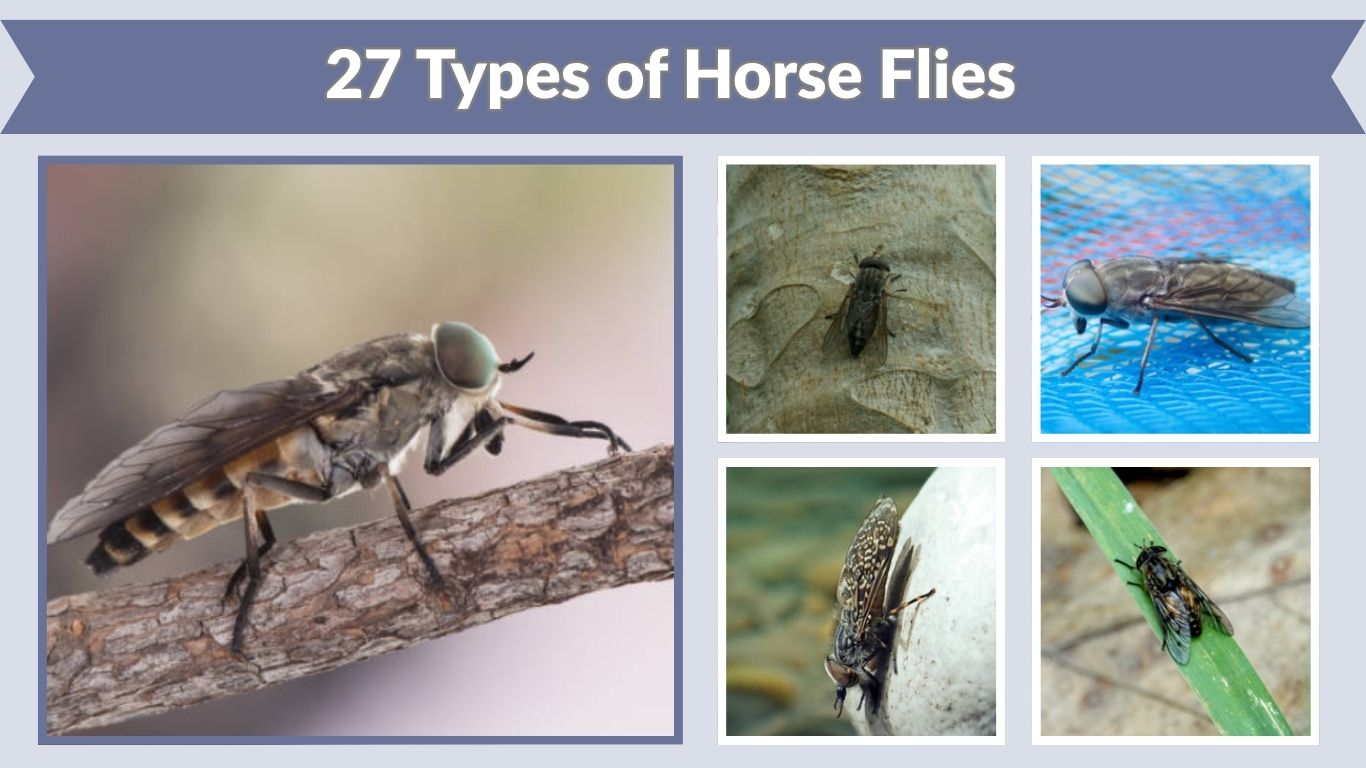
Horse flies are large, fast-flying insects known for their painful bites and persistent nature. Found across wetlands, forests, grasslands, and coastal regions, these flies play a role in ecosystems but can be a nuisance to humans and livestock. Female horse flies feed on blood for reproduction, while males survive on nectar and plant juices. With diverse species displaying unique colors, patterns, and sizes, understanding their identification, habitat, behavior, and life cycle is essential for managing encounters and protecting both people and animals from bites.
1. Black Horse Fly
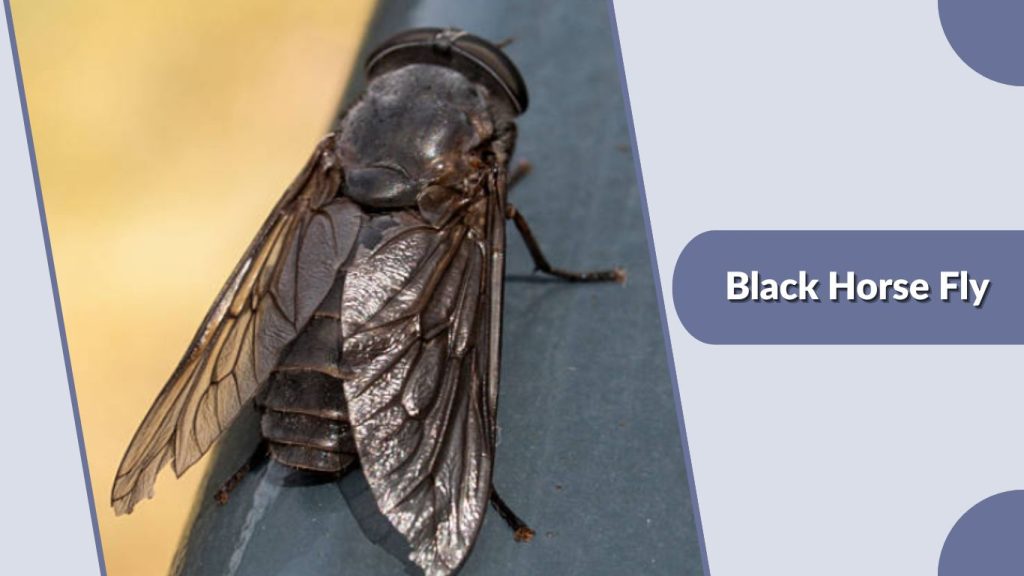
The Black Horse Fly is a large biting fly commonly found near wetlands, forests, and rural fields. It is known for its dark body color and painful bite, especially during warm summer months. Female flies feed on blood from mammals, while males usually feed on nectar and plant juices.
Identification
- Large dark black or deep brown body
- Strong, fast-flying insect
- Clear or smoky wings
- Large compound eyes
- Short antennae with stout appearance
- Length usually around 20–25 mm
Habitat and Distribution
Black Horse Flies are widely distributed across North America and parts of Europe. They prefer moist habitats such as marshes, ponds, woodland edges, and grazing fields where livestock and wildlife are abundant. Larvae develop in wet soil or muddy areas rich in organic material.
Behavior and Diet
Female Black Horse Flies are aggressive biters and feed on the blood of horses, cattle, deer, and humans. Their bites can be painful because they cut the skin rather than pierce it. Males are harmless and mainly consume nectar and pollen from flowering plants.
Lifespan
The life cycle of the Black Horse Fly includes egg, larva, pupa, and adult stages. Larvae may live for several months in damp environments before pupating. Adult flies usually survive for a few weeks during the warmer part of the year.
2. Greenhead Horse Fly
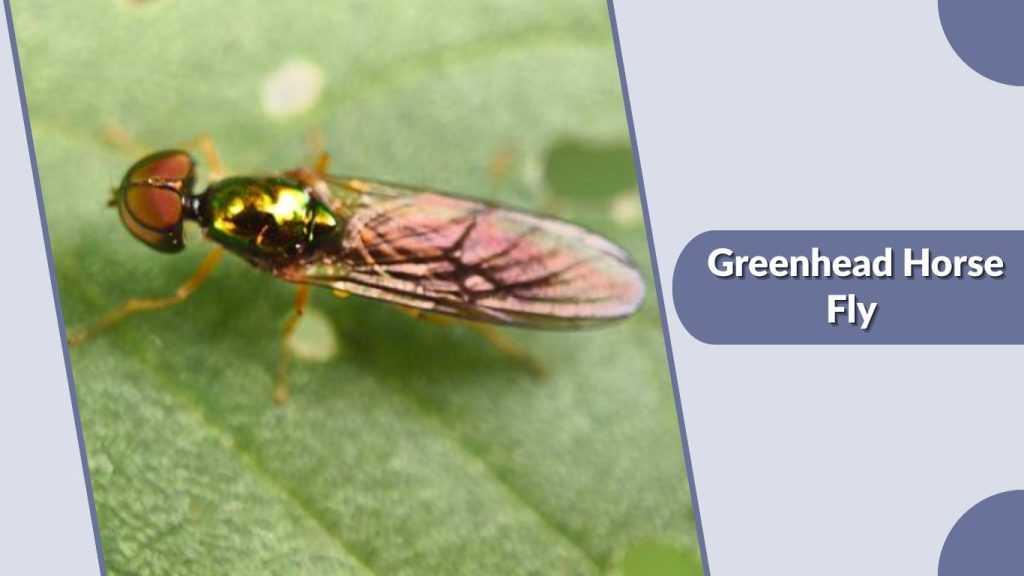
The Greenhead Horse Fly is a well-known coastal biting fly recognized for its bright green eyes and painful bite. It is especially active in salt marshes and humid coastal regions during summer. These flies are fast, persistent, and commonly bother both humans and livestock near beaches and wetlands.
Identification
- Bright metallic green eyes
- Brown to gray body coloration
- Transparent wings with dark veins
- Medium to large body size
- Females have sharp mouthparts for biting
- Length usually around 10–15 mm
Habitat and Distribution
Greenhead Horse Flies are commonly found along coastal marshes, wetlands, and tidal areas. They are especially abundant in eastern North America near saltwater environments. Larvae develop in muddy marsh soils where moisture remains high throughout the year.
Behavior and Diet
Female Greenhead Horse Flies feed on the blood of mammals and birds. They actively attack humans, horses, and cattle during hot sunny days. Males do not bite and instead feed on nectar and plant sugars from flowers and vegetation.
Lifespan
The species undergoes complete metamorphosis with egg, larval, pupal, and adult stages. Larvae spend most of their life in wet marsh soil feeding on small organisms. Adults typically emerge during summer and live for several weeks.
3. Striped Horse Fly
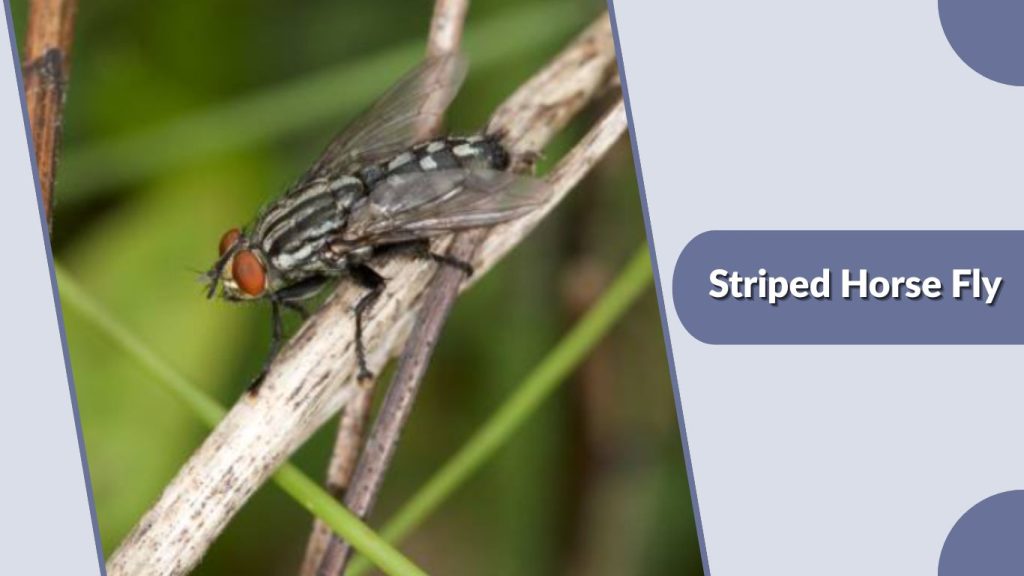
The Striped Horse Fly is a distinctive species recognized for the visible striped patterns on its body and abdomen. It is commonly seen around farms, woodlands, and grassy fields during warm weather. Like many horse flies, females are blood feeders and can become a nuisance to livestock and humans.
Identification
- Dark body with pale striped markings
- Large rounded eyes
- Transparent wings with slight smoky tint
- Thick and robust body shape
- Strong flying ability
- Length usually between 15–22 mm
Habitat and Distribution
Striped Horse Flies are found in open grasslands, forests, rural farms, and wet meadows. They occur across many temperate regions where large mammals are present. Larvae usually develop in damp soil, muddy stream banks, or marshy habitats.
Behavior and Diet
Females feed on blood from horses, cattle, deer, and occasionally humans. Their bites are painful and may cause irritation. Males are non-biting and survive on nectar and plant juices. Adults are most active during sunny daytime hours.
Lifespan
The Striped Horse Fly passes through four life stages: egg, larva, pupa, and adult. Larvae can survive for months in moist environments while feeding on organic matter and small insects. Adult flies generally live for several weeks during summer.
4. Western Horse Fly
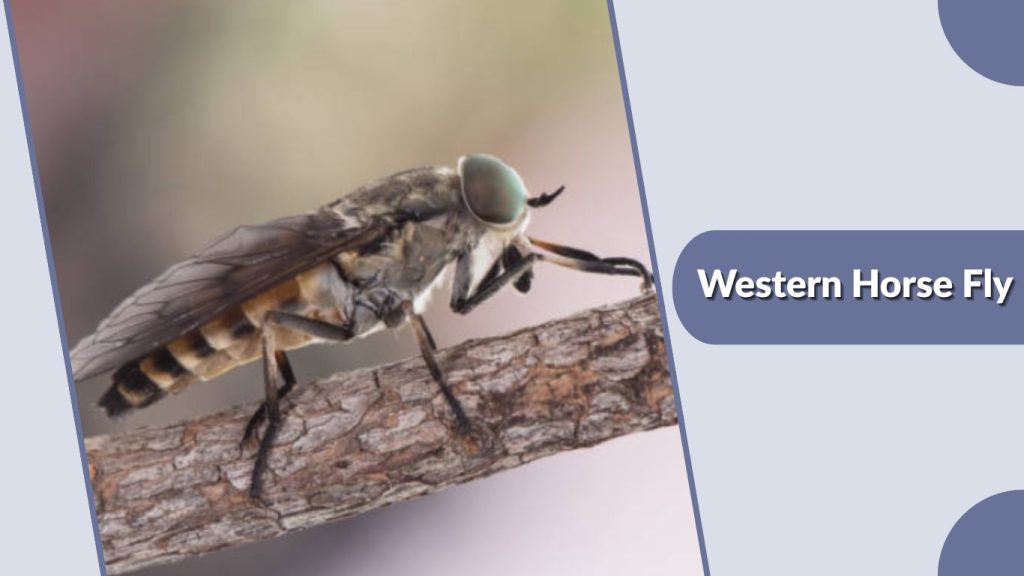
The Western Horse Fly is a large and powerful fly commonly found in western regions of North America. It is active during warm months and is often seen near livestock, rivers, and wooded areas. Females are known for their painful bites, which they use to obtain blood meals from animals and humans.
Identification
- Large gray or brown body
- Broad clear wings
- Prominent compound eyes
- Stout thorax with light markings
- Strong and noisy flight
- Length usually around 18–25 mm
Habitat and Distribution
Western Horse Flies inhabit grasslands, forests, ranches, and wetland edges. They are widespread across western North America, especially in areas with abundant wildlife or grazing animals. Larvae develop in moist soil, muddy ponds, and streamside habitats.
Behavior and Diet
Females feed on the blood of mammals such as horses, cattle, deer, and humans. They are aggressive during hot sunny weather and often chase moving hosts. Males do not bite and instead feed on flower nectar and plant liquids.
Lifespan
The Western Horse Fly develops through egg, larval, pupal, and adult stages. Larvae remain in damp environments for several months before transforming into pupae. Adults emerge in late spring or summer and generally live for a few weeks.
5. Yellow Horse Fly
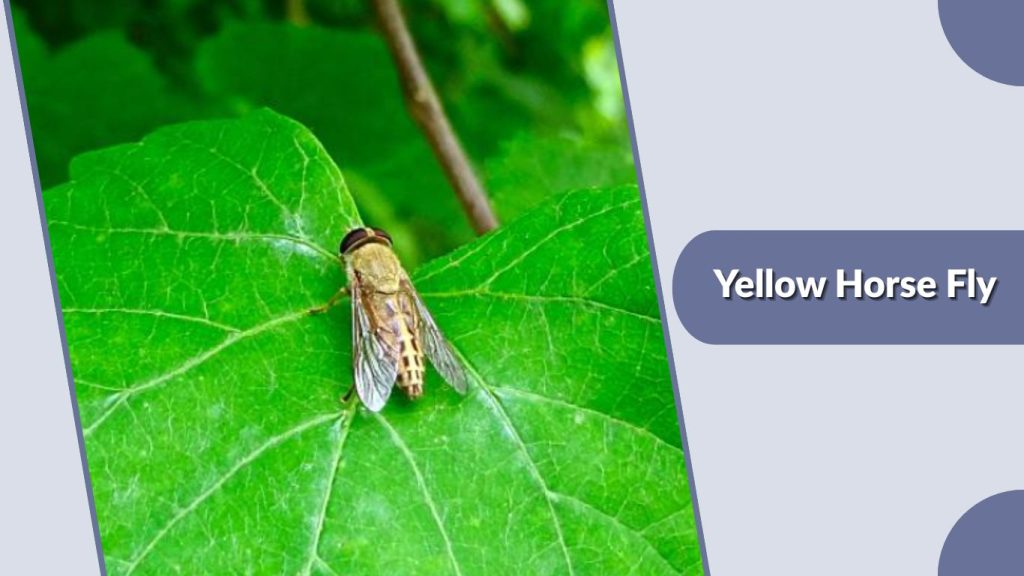
The Yellow Horse Fly is a brightly colored species commonly found in sunny grasslands, marshes, and woodland edges. Its yellowish body makes it easier to identify compared to darker horse fly species. Females are biting insects that feed on blood, while males mainly visit flowers for nectar.
Identification
- Yellow or golden-brown body coloration
- Large iridescent eyes
- Transparent wings
- Slender but sturdy body shape
- Dark bands sometimes visible on abdomen
- Length usually between 12–20 mm
Habitat and Distribution
Yellow Horse Flies are distributed across meadows, wetlands, forests, and rural farmland. They are especially common in warm temperate regions with nearby water sources. Larvae grow in wet soil, marsh mud, and moist decaying vegetation.
Behavior and Diet
Female Yellow Horse Flies feed on the blood of livestock, deer, and humans. They are active during warm daylight hours and are attracted to movement and dark colors. Males are harmless and survive on nectar and sugary plant fluids.
Lifespan
This species experiences complete metamorphosis with egg, larva, pupa, and adult stages. Larvae spend much of their life hidden in damp environments feeding on small organisms. Adult flies usually live for several weeks during the summer season.
6. Giant Horse Fly
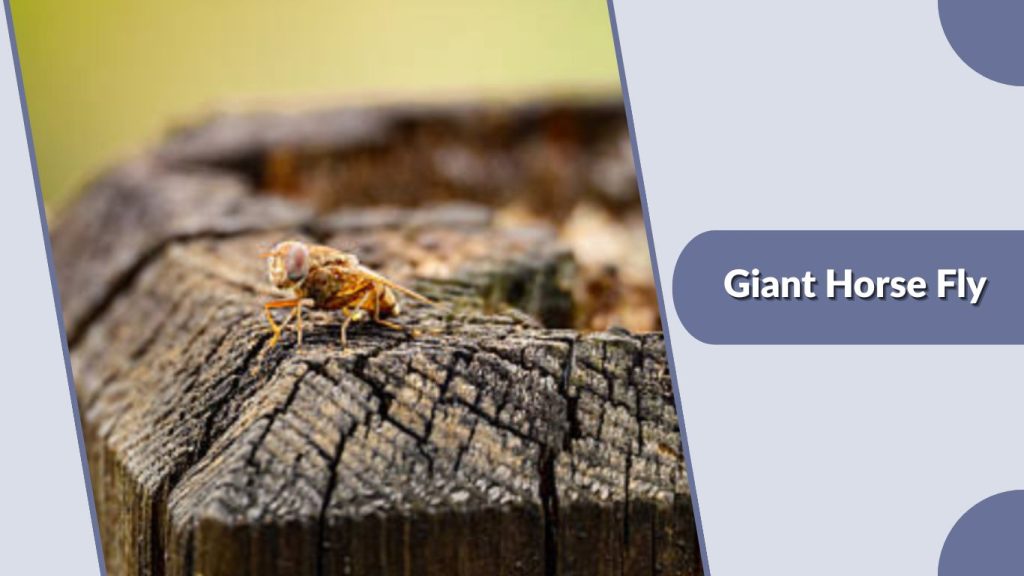
The Giant Horse Fly is one of the largest horse fly species and is known for its loud flight and painful bite. It is commonly seen near forests, swamps, and grazing areas where large mammals are present. Its impressive size makes it easy to notice during the warmer months.
Identification
- Very large and heavy-bodied fly
- Dark brown or black coloration
- Huge compound eyes
- Broad transparent wings
- Thick abdomen with faint markings
- Length usually around 25–35 mm
Habitat and Distribution
Giant Horse Flies inhabit woodlands, marshes, grasslands, and rural pastures. They are found in many temperate and subtropical regions where moisture and animal hosts are abundant. Larvae develop in wet soil, muddy ponds, and swampy environments.
Behavior and Diet
Female Giant Horse Flies feed on blood from horses, cattle, deer, and sometimes humans. Their bites are extremely painful because they slice the skin with sharp mouthparts. Males do not bite and mainly consume nectar from flowers and plant juices.
Lifespan
The Giant Horse Fly goes through egg, larval, pupal, and adult stages. Larvae may live for many months in damp habitats while feeding on organic material and small invertebrates. Adults are active mainly during summer and usually survive for several weeks.
7. Deer Fly
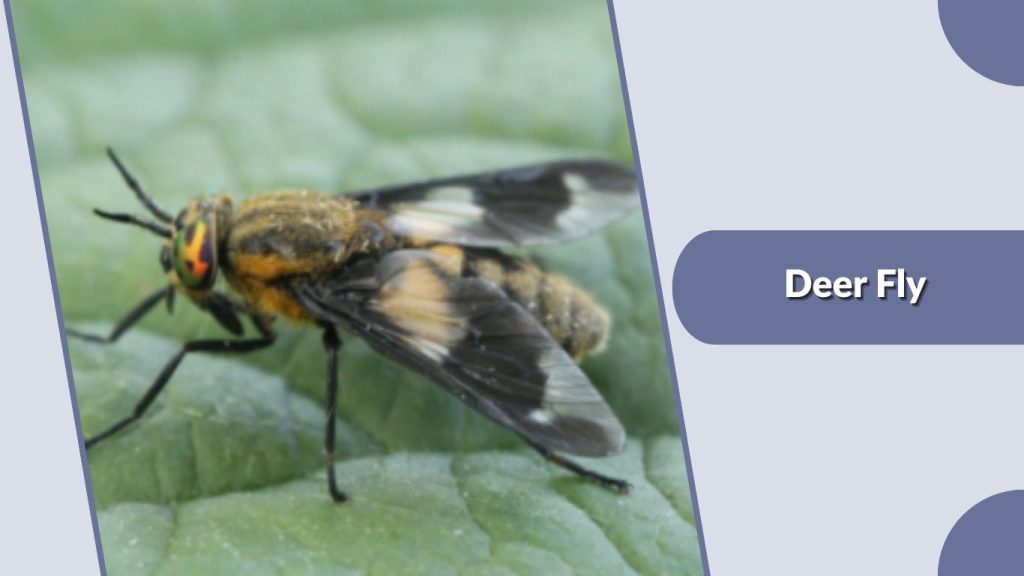
The Deer Fly is a smaller relative of the horse fly and is well known for its painful bite and active daytime behavior. It commonly attacks humans and animals in wooded and wet environments. This species is especially noticeable because of its patterned wings and fast flight.
Identification
- Smaller body compared to most horse flies
- Yellow, black, or brown body coloration
- Distinct dark patterns on wings
- Large colorful compound eyes
- Rounded head with short antennae
- Length usually between 6–12 mm
Habitat and Distribution
Deer Flies are commonly found near lakes, swamps, forests, and marshy fields. They are widespread across North America and other temperate regions. Larvae develop in wet soil, mud, and damp vegetation close to water sources.
Behavior and Diet
Female Deer Flies feed on the blood of mammals, including deer, livestock, and humans. They are persistent biters and often circle around their hosts before landing. Males do not bite and instead feed on nectar and plant sugars.
Lifespan
The Deer Fly undergoes complete metamorphosis with egg, larval, pupal, and adult stages. Larvae live in moist habitats for several months before pupating. Adults emerge in warm weather and generally survive for a few weeks.
8. Cleg Fly
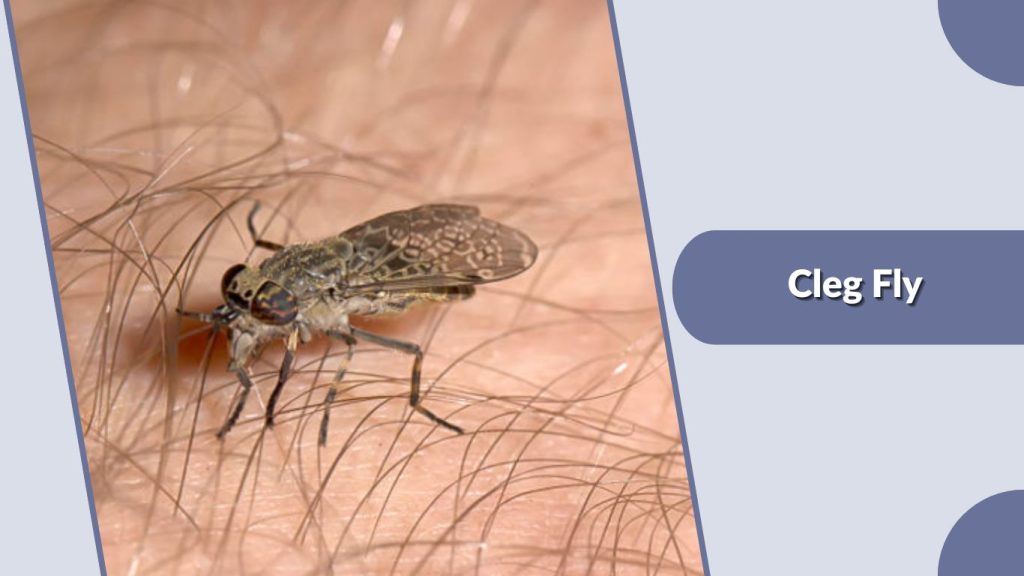
The Cleg Fly is a common biting fly found mainly in Europe and parts of Asia. It is especially active during summer and often bothers hikers, livestock, and horses near wetlands and forests. Female Cleg Flies are known for their sharp bites and persistent behavior.
Identification
- Medium-sized dark brown body
- Large shiny eyes
- Clear wings with brown veins
- Compact and sturdy appearance
- Fast and silent flight
- Length usually around 10–15 mm
Habitat and Distribution
Cleg Flies are commonly found in marshes, woodland paths, heathlands, and damp grasslands. They are widely distributed throughout Europe and thrive in humid areas with standing water. Larvae develop in wet mud and decaying organic material.
Behavior and Diet
Female Cleg Flies feed on blood from mammals such as cattle, horses, deer, and humans. Their bites can be painful and irritating. Males do not bite and instead feed on flower nectar and sugary plant substances.
Lifespan
The species develops through egg, larval, pupal, and adult stages. Larvae spend several months in damp soil feeding on small organisms and organic matter. Adult Cleg Flies are most active in summer and usually live for a few weeks.
9. Mangrove Horse Fly
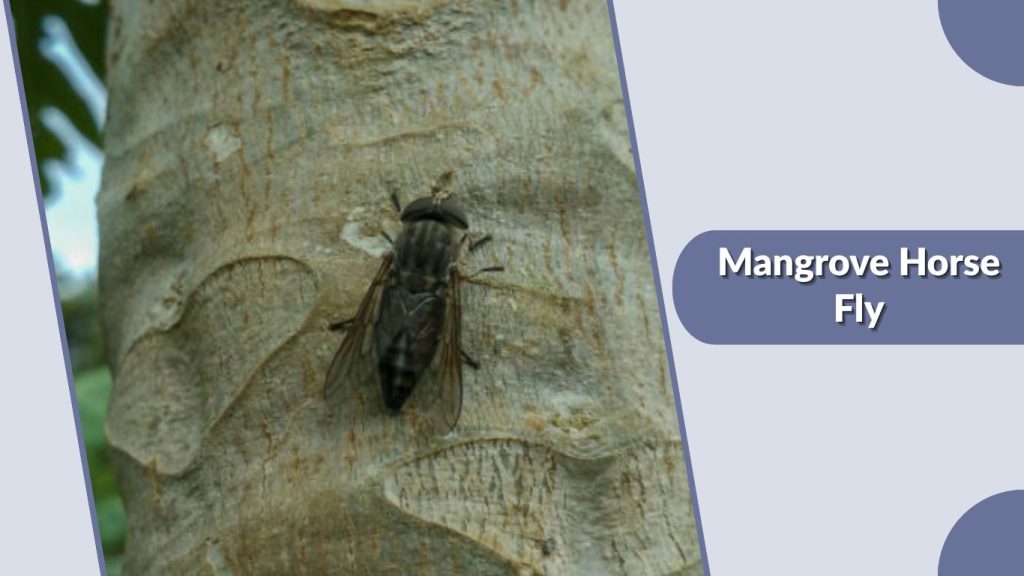
The Mangrove Horse Fly is a coastal species commonly associated with mangrove forests, tidal wetlands, and tropical shorelines. It thrives in humid environments where large animals and standing water are abundant. Females are blood-feeding insects that can become aggressive during hot weather.
Identification
- Dark brown or gray body
- Large reflective compound eyes
- Clear wings with slight smoky tint
- Strong and compact body structure
- Long sturdy legs
- Length usually between 15–22 mm
Habitat and Distribution
Mangrove Horse Flies are mainly found in tropical and subtropical coastal regions. They inhabit mangrove swamps, estuaries, marshes, and muddy shoreline habitats. Larvae develop in wet coastal soil rich in decaying organic matter.
Behavior and Diet
Females feed on the blood of mammals, birds, and occasionally humans living or traveling near coastal wetlands. They are active during warm daylight hours and are attracted to movement. Males survive on nectar, pollen, and plant juices.
Lifespan
The Mangrove Horse Fly undergoes complete metamorphosis with egg, larva, pupa, and adult stages. Larvae spend much of their life hidden in muddy coastal habitats before pupating. Adult flies generally live for several weeks during the warm season.
10. Marsh Horse Fly
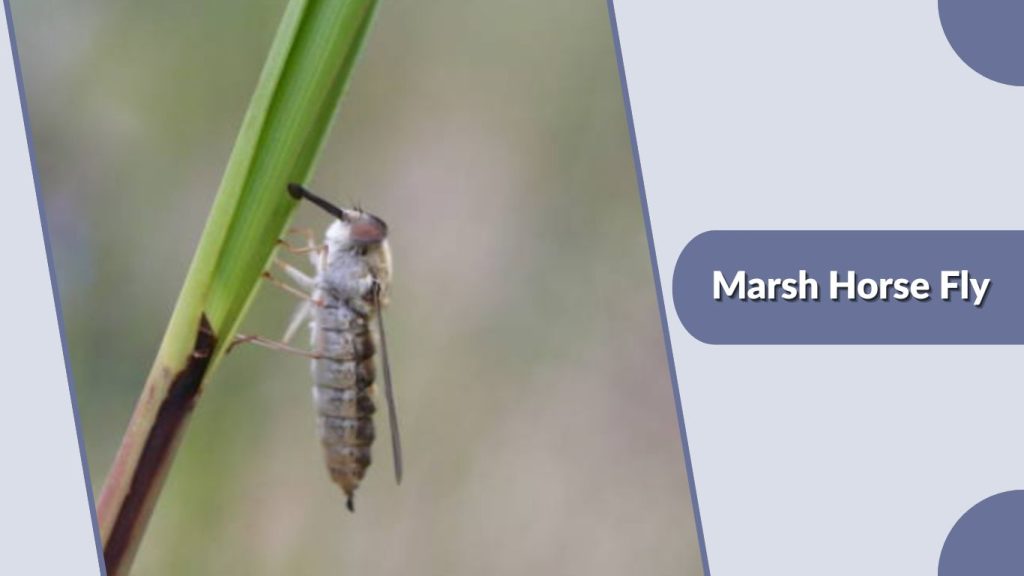
The Marsh Horse Fly is a moisture-loving species commonly found around swamps, marshes, ponds, and wet meadows. It is active during warm months and is known for its painful bite. This fly plays a role in wetland ecosystems but can become a nuisance to humans and livestock.
Identification
- Grayish-brown or dark olive body
- Large colorful compound eyes
- Transparent wings
- Thick abdomen with faint banding
- Strong flying ability
- Length usually around 14–22 mm
Habitat and Distribution
Marsh Horse Flies are widespread in wetlands, floodplains, and grassy areas near standing water. They occur across many temperate and subtropical regions. Larvae grow in muddy soil, shallow marsh water, and damp organic material.
Behavior and Diet
Female Marsh Horse Flies feed on the blood of mammals such as horses, cattle, deer, and humans. They are most active during sunny humid days. Males do not bite and instead feed on nectar and other plant-based liquids.
Lifespan
This species passes through egg, larval, pupal, and adult stages. Larvae may spend several months developing in wet habitats before becoming adults. Adult Marsh Horse Flies usually survive for a few weeks during summer.
11. Brown Horse Fly
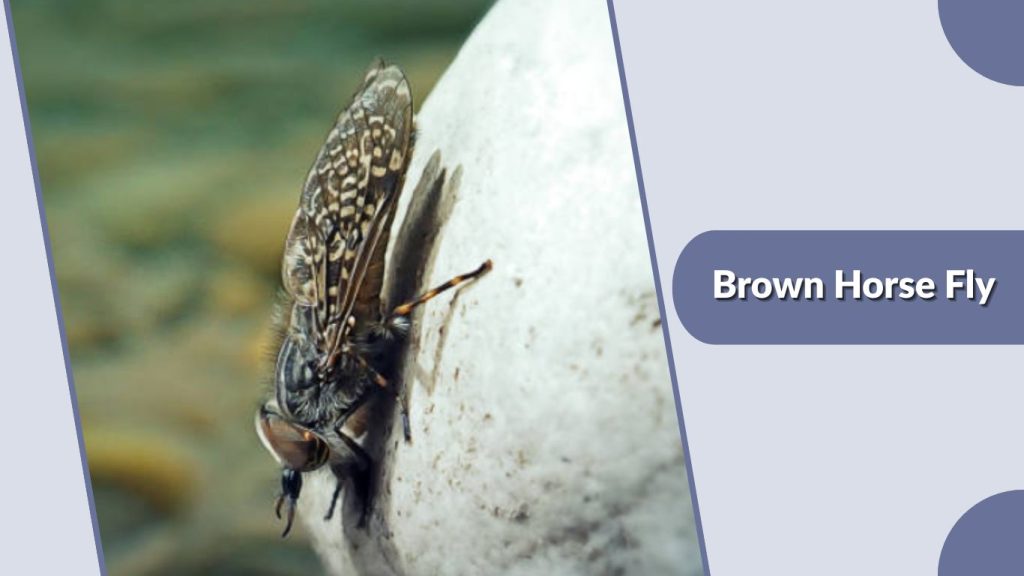
The Brown Horse Fly is a common species recognized for its brown body coloration and strong flying ability. It is often seen around farms, forests, and grassy fields during warm weather. Females are biting flies that rely on blood meals, while males mainly feed on plant nectar.
Identification
- Brown or reddish-brown body
- Large dark compound eyes
- Transparent wings with visible veins
- Thick thorax and abdomen
- Short antennae
- Length usually between 15–23 mm
Habitat and Distribution
Brown Horse Flies inhabit woodlands, meadows, wetlands, and rural grazing areas. They are found in many temperate regions where livestock and wildlife are present. Larvae develop in moist mud, marshy soil, and damp vegetation near water.
Behavior and Diet
Female Brown Horse Flies feed on blood from horses, cattle, deer, and humans. Their bites can be painful and may cause skin irritation. Males do not bite and instead consume nectar, pollen, and sugary plant fluids.
Lifespan
The Brown Horse Fly undergoes complete metamorphosis through egg, larval, pupal, and adult stages. Larvae spend months developing in wet environments before pupating. Adults emerge during late spring and summer and generally live for several weeks.
12. Gray Horse Fly
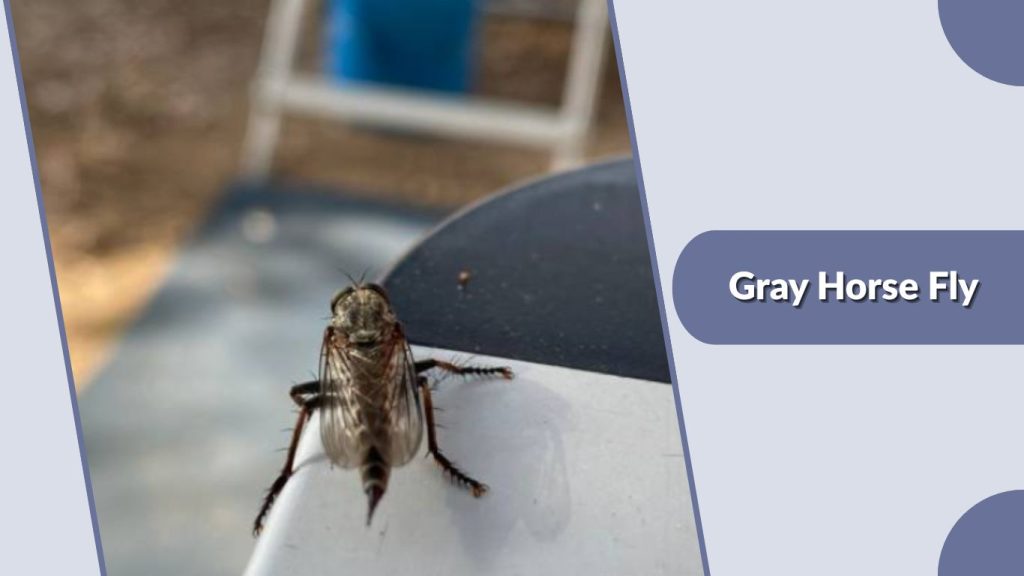
The Gray Horse Fly is a large biting fly commonly found in open countryside, wetlands, and forest edges. Its gray-colored body helps it blend into natural surroundings. Like other horse flies, females feed on blood and can be troublesome for livestock and humans during summer.
Identification
- Gray or ash-colored body
- Large iridescent compound eyes
- Broad transparent wings
- Thick and sturdy abdomen
- Dark stripes sometimes visible on thorax
- Length usually around 15–25 mm
Habitat and Distribution
Gray Horse Flies are distributed across temperate grasslands, marshes, farms, and woodland habitats. They are commonly found in areas with abundant mammals and nearby water sources. Larvae develop in moist mud, swampy ground, and wet organic material.
Behavior and Diet
Females feed on the blood of cattle, horses, deer, and humans. They are active during sunny daytime hours and use sharp mouthparts to cut the skin. Males do not bite and mainly feed on flower nectar and plant sugars.
Lifespan
The Gray Horse Fly passes through egg, larva, pupa, and adult stages. Larvae spend much of their development in damp habitats where they feed on small organisms. Adults usually emerge in warm weather and survive for several weeks.
13. Twin-Lined Horse Fly
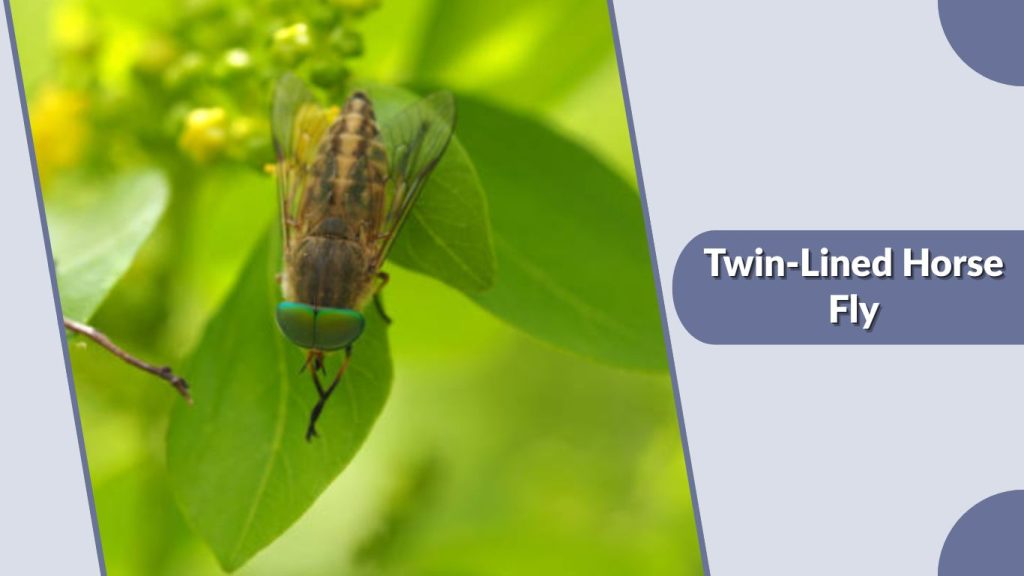
The Twin-Lined Horse Fly is a striking species named for the pair of visible lines running along its body. It is commonly found in rural and wetland habitats where large mammals are present. Females are persistent blood feeders and are especially active during hot summer days.
Identification
- Dark brown or black body
- Two pale longitudinal lines on thorax
- Large colorful compound eyes
- Clear wings with dark veins
- Strong and compact body structure
- Length usually between 16–24 mm
Habitat and Distribution
Twin-Lined Horse Flies inhabit marshes, grasslands, forest edges, and farmland. They are found in many temperate regions with warm climates and nearby water sources. Larvae develop in damp soil, muddy ponds, and wet vegetation.
Behavior and Diet
Females feed on the blood of livestock, deer, and humans. Their bites are painful and can irritate animals for long periods. Males do not bite and instead feed on nectar and sugary plant liquids found in flowering vegetation.
Lifespan
This species undergoes complete metamorphosis through egg, larval, pupal, and adult stages. Larvae may remain in moist habitats for several months before pupating. Adult Twin-Lined Horse Flies generally live for a few weeks during summer.
14. Pale Horse Fly
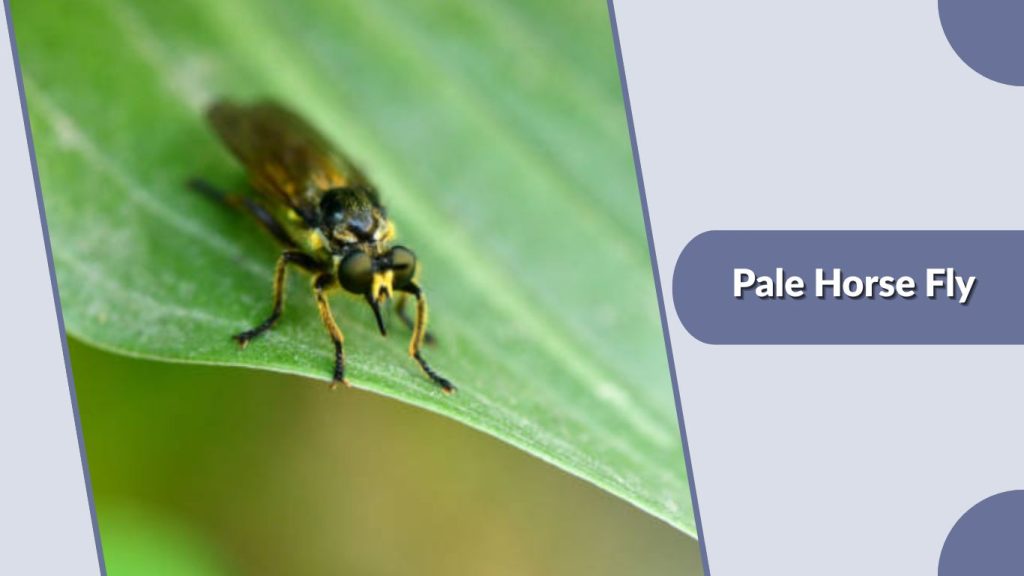
The Pale Horse Fly is a lighter-colored species commonly found in grasslands, wetlands, and rural countryside. Its pale body coloration helps distinguish it from darker horse fly species. Females are blood-feeding insects that can become a nuisance to both humans and livestock during warm weather.
Identification
- Pale yellow, tan, or light gray body
- Large reflective compound eyes
- Transparent wings with fine veins
- Slender but sturdy appearance
- Light-colored abdomen with faint markings
- Length usually around 12–20 mm
Habitat and Distribution
Pale Horse Flies inhabit open meadows, marshes, woodland edges, and grazing areas. They are distributed across many temperate and subtropical regions where moisture and animal hosts are available. Larvae grow in wet soil and muddy habitats near water.
Behavior and Diet
Female Pale Horse Flies feed on the blood of mammals such as cattle, horses, deer, and humans. They are active during sunny daytime hours and often target moving animals. Males do not bite and instead consume nectar and plant-based sugars.
Lifespan
The Pale Horse Fly develops through egg, larval, pupal, and adult stages. Larvae spend several months living in moist environments before transforming into pupae. Adult flies usually emerge during summer and survive for a few weeks.
15. Coastal Horse Fly
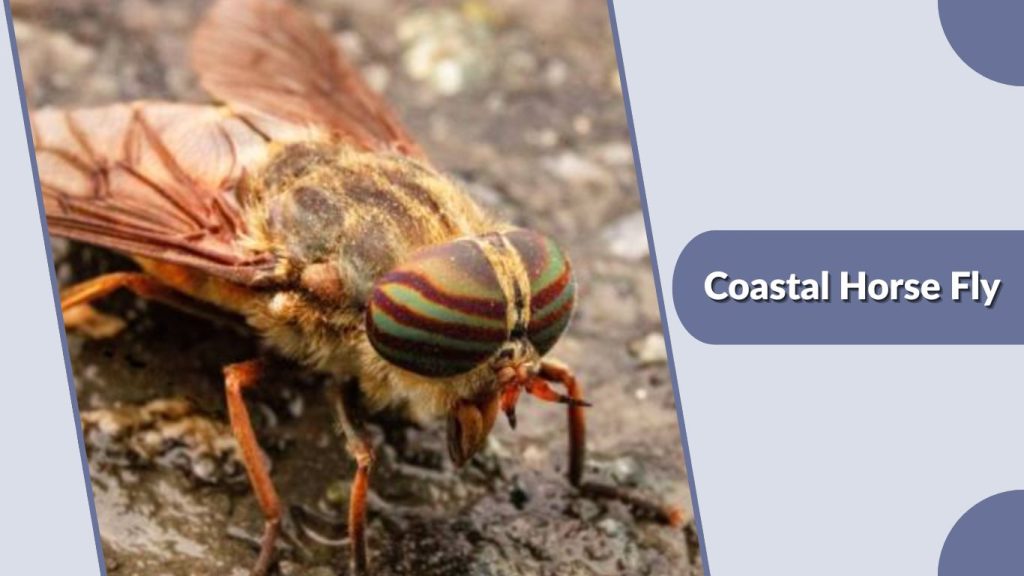
The Coastal Horse Fly is a species adapted to life near beaches, tidal marshes, and coastal wetlands. It is commonly active in warm, humid weather and can become troublesome for people and animals near shorelines. Females are blood feeders, while males mainly visit flowers for nectar.
Identification
- Grayish-brown or sandy-colored body
- Large metallic compound eyes
- Clear wings with light smoky shading
- Strong thorax and broad abdomen
- Long sturdy legs
- Length usually between 14–22 mm
Habitat and Distribution
Coastal Horse Flies are commonly found along ocean shorelines, salt marshes, mangrove areas, and coastal grasslands. They occur in tropical and temperate coastal regions where moisture and animal hosts are abundant. Larvae develop in wet sand, mud, and marsh soil.
Behavior and Diet
Female Coastal Horse Flies feed on the blood of mammals and occasionally birds. They often attack humans, horses, and livestock near beaches or marshlands. Males do not bite and instead feed on nectar and plant juices from coastal vegetation.
Lifespan
The species undergoes complete metamorphosis with egg, larva, pupa, and adult stages. Larvae spend much of their development hidden in damp coastal habitats. Adults emerge during warmer months and usually live for several weeks.
16. Red-Eyed Horse Fly
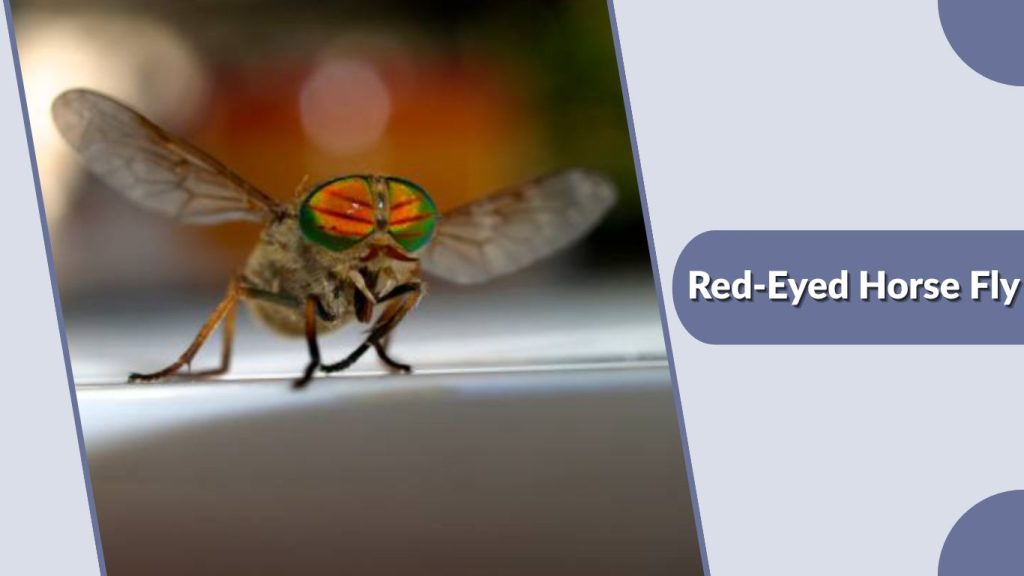
The Red-Eyed Horse Fly is a noticeable species recognized for its bright reddish eyes and strong flying ability. It is commonly found near forests, wetlands, and grazing lands during summer. Females are blood-feeding insects that can deliver painful bites to animals and humans.
Identification
- Bright red or reddish-purple compound eyes
- Dark brown or black body
- Transparent wings with visible veins
- Thick and muscular body shape
- Short antennae
- Length usually around 15–24 mm
Habitat and Distribution
Red-Eyed Horse Flies inhabit marshes, woodland edges, farms, and moist grasslands. They are distributed across many temperate and subtropical regions where mammals are abundant. Larvae grow in wet mud, swampy soil, and damp organic matter.
Behavior and Diet
Females feed on the blood of horses, cattle, deer, and humans. They are aggressive during hot daylight hours and are attracted to movement and body heat. Males do not bite and instead consume nectar and sugary plant fluids.
Lifespan
The Red-Eyed Horse Fly develops through egg, larval, pupal, and adult stages. Larvae may live for several months in moist habitats before pupating. Adults usually appear during late spring and summer and survive for a few weeks.
17. Dark Giant Horse Fly
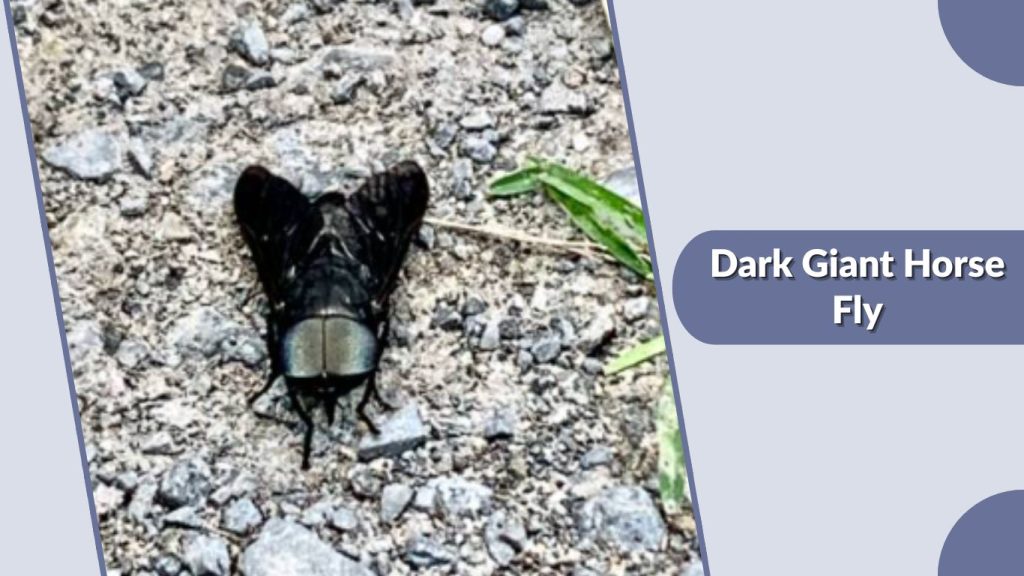
The Dark Giant Horse Fly is a large and powerful species known for its dark coloration and painful bite. It is commonly seen near forests, wetlands, and grazing fields where large mammals are present. Its loud buzzing flight and impressive size make it easy to recognize during summer.
Identification
- Very large dark brown or black body
- Massive compound eyes
- Broad transparent wings
- Thick abdomen with subtle markings
- Strong legs and heavy build
- Length usually between 25–35 mm
Habitat and Distribution
Dark Giant Horse Flies inhabit marshes, woodland areas, riverbanks, and rural pastures. They are found in many temperate regions with moist environments and abundant animal hosts. Larvae develop in muddy soil, swamps, and wet organic matter.
Behavior and Diet
Females feed on the blood of horses, cattle, deer, and humans. Their bites are painful because they cut the skin with blade-like mouthparts. Males are harmless and mainly feed on nectar and plant juices from flowering vegetation.
Lifespan
This species undergoes complete metamorphosis through egg, larval, pupal, and adult stages. Larvae spend months developing in damp habitats before pupating. Adult Dark Giant Horse Flies usually live for several weeks during the warm season.
18. Prairie Horse Fly
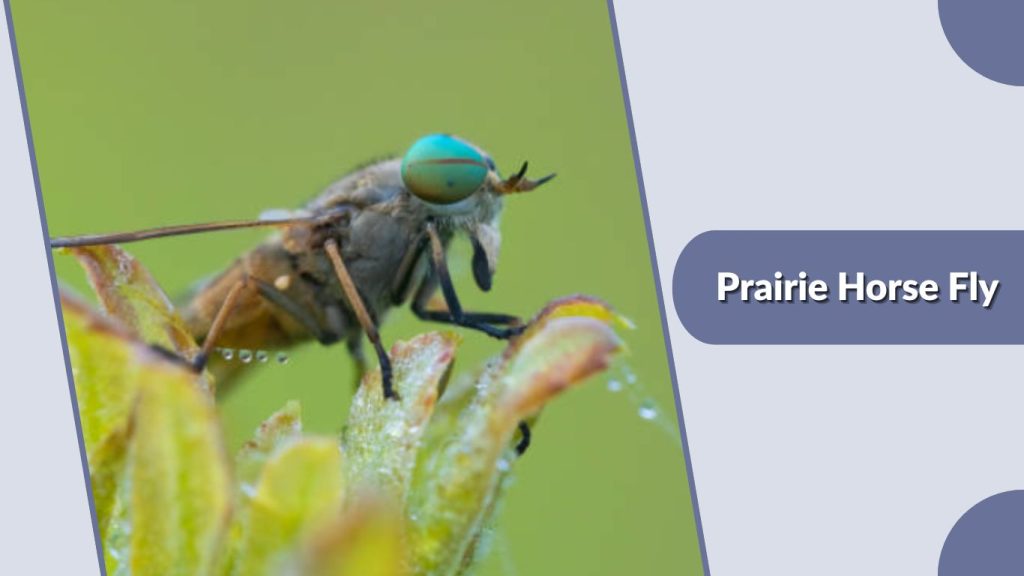
The Prairie Horse Fly is a grassland species commonly found in open prairies, meadows, and rural farmland. It is active during warm sunny days and is known for bothering livestock and wildlife. Females feed on blood, while males mainly survive on nectar and plant sugars.
Identification
- Brown or grayish body coloration
- Large colorful compound eyes
- Clear wings with dark veins
- Long sturdy legs
- Slight striping on abdomen
- Length usually around 14–22 mm
Habitat and Distribution
Prairie Horse Flies inhabit grasslands, open plains, wet meadows, and agricultural regions. They are widespread in temperate areas where grazing animals are common. Larvae develop in moist soil, muddy depressions, and damp vegetation near water sources.
Behavior and Diet
Female Prairie Horse Flies feed on the blood of cattle, horses, deer, and humans. They are fast fliers and often attack moving hosts during hot weather. Males do not bite and instead consume nectar and sugary fluids from flowers.
Lifespan
The Prairie Horse Fly develops through egg, larval, pupal, and adult stages. Larvae remain in wet habitats for several months while feeding on small organisms and organic material. Adults usually emerge in late spring and survive for a few weeks.
19. Banded Horse Fly
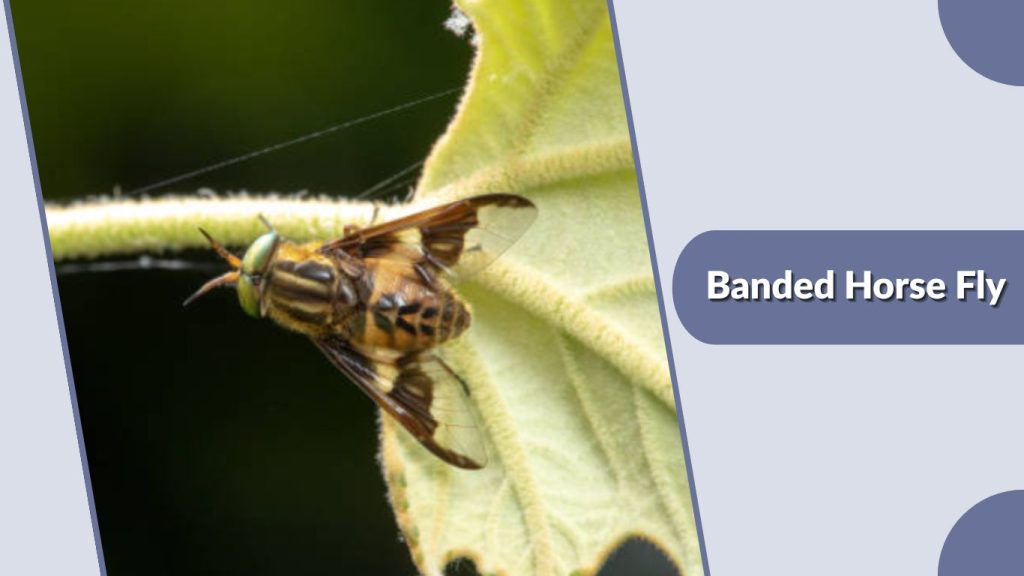
The Banded Horse Fly is a distinctive species recognized for the visible bands or markings across its abdomen and wings. It is commonly found in wetlands, grasslands, and wooded countryside during warm months. Females are biting insects that rely on blood meals for reproduction.
Identification
- Brown or black body with pale bands
- Large iridescent compound eyes
- Clear or lightly patterned wings
- Thick and muscular body shape
- Strong fast-flying behavior
- Length usually between 15–23 mm
Habitat and Distribution
Banded Horse Flies inhabit marshes, forest edges, riversides, and rural pastures. They are distributed across many temperate and subtropical regions with moist habitats and abundant wildlife. Larvae develop in muddy soil, swampy ground, and wet organic material.
Behavior and Diet
Females feed on the blood of mammals such as horses, cattle, deer, and humans. Their bites can be painful and irritating. Males are harmless and feed mainly on nectar, pollen, and sugary plant liquids from flowers.
Lifespan
The Banded Horse Fly passes through egg, larval, pupal, and adult stages. Larvae may spend several months hidden in damp habitats before pupating. Adult flies usually appear during summer and survive for a few weeks.
20. Southern Horse Fly
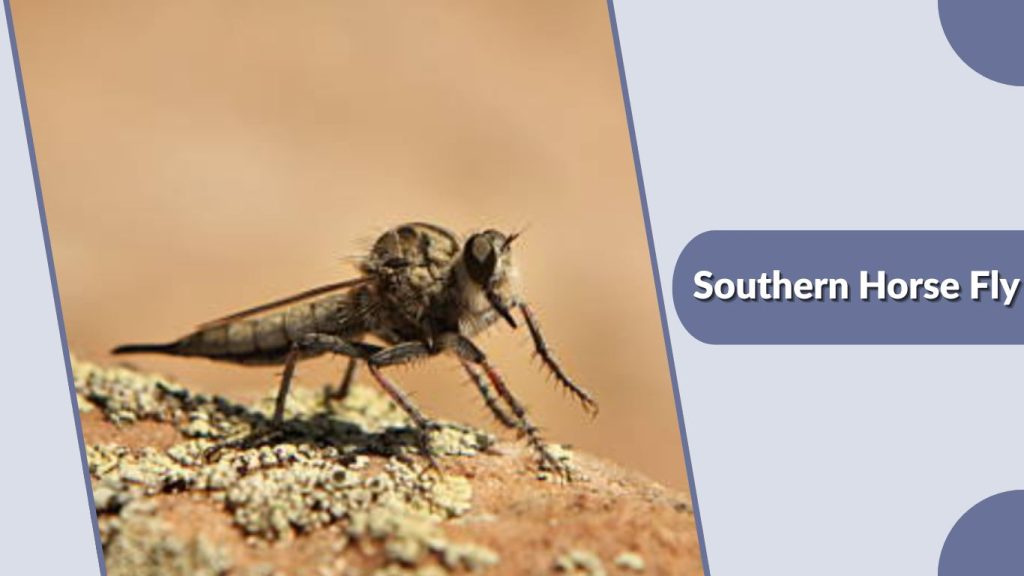
The Southern Horse Fly is a warm-climate species commonly found in humid forests, wetlands, and rural farmland. It is especially active during hot summer months and is known for its persistent biting behavior. Females feed on blood from large animals and occasionally humans.
Identification
- Dark brown or reddish-brown body
- Large colorful compound eyes
- Broad transparent wings
- Thick abdomen with faint markings
- Strong and noisy flight
- Length usually around 16–25 mm
Habitat and Distribution
Southern Horse Flies are common in subtropical and southern temperate regions. They inhabit swamps, marshes, woodlands, and grazing pastures where moisture and animal hosts are abundant. Larvae develop in muddy soil, wet vegetation, and shallow marsh water.
Behavior and Diet
Females feed on the blood of horses, cattle, deer, and humans. They are aggressive during sunny humid weather and often target moving animals. Males do not bite and instead survive on nectar and sugary plant juices.
Lifespan
The Southern Horse Fly undergoes complete metamorphosis with egg, larval, pupal, and adult stages. Larvae spend months developing in moist environments before transforming into adults. Adult flies generally live for several weeks during the warmer season.
21. Northern Horse Fly
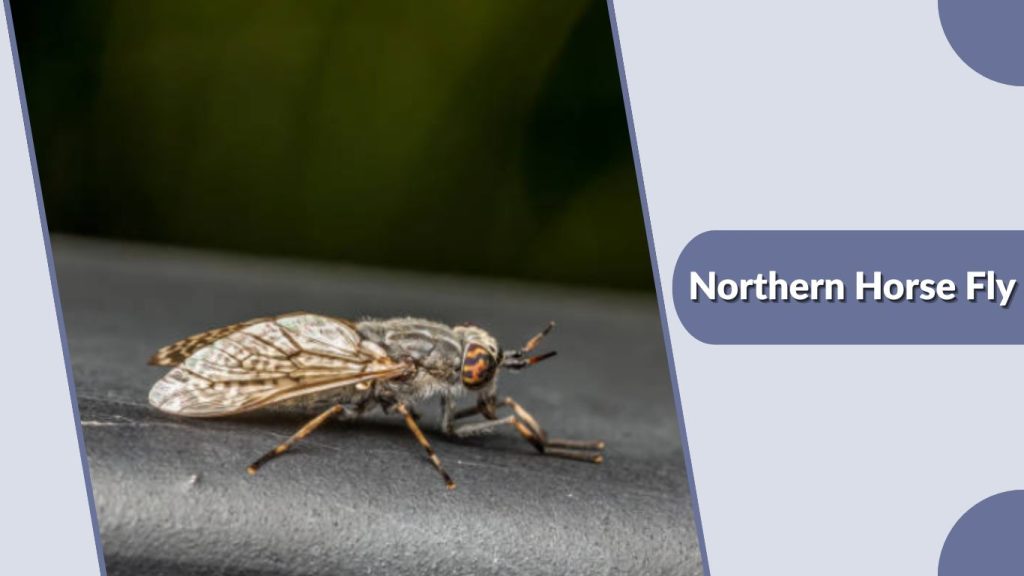
The Northern Horse Fly is a hardy species commonly found in cooler temperate regions, especially near forests, lakes, and marshlands. It is active during late spring and summer and is known for its painful bite. Females depend on blood meals, while males feed mainly on nectar.
Identification
- Grayish-black or dark brown body
- Large reflective compound eyes
- Clear wings with visible veins
- Thick thorax and broad abdomen
- Strong fast-flying behavior
- Length usually between 15–24 mm
Habitat and Distribution
Northern Horse Flies inhabit woodlands, wetlands, grassy meadows, and lakeside environments. They are widely distributed across northern temperate regions where moisture and wildlife are abundant. Larvae develop in wet soil, muddy shorelines, and marsh vegetation.
Behavior and Diet
Females feed on the blood of mammals such as deer, horses, cattle, and humans. They are most active during warm daylight hours and often attack moving hosts. Males do not bite and instead consume nectar and sugary plant fluids.
Lifespan
The Northern Horse Fly develops through egg, larval, pupal, and adult stages. Larvae remain in moist habitats for several months before pupating. Adults emerge during warmer seasons and generally survive for a few weeks.
22. Spotted Horse Fly
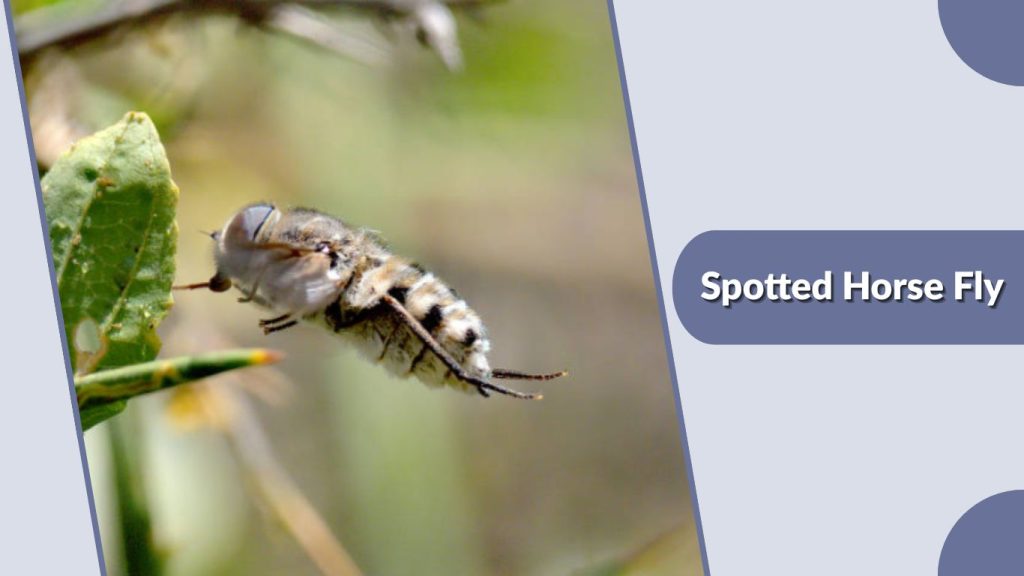
The Spotted Horse Fly is a visually striking species recognized for its patterned wings and spotted abdomen. It is commonly found in wetlands, forests, and open fields during summer months. Females are blood-feeding insects, while males primarily feed on nectar and plant juices.
Identification
- Dark body with light spots on abdomen
- Large iridescent compound eyes
- Transparent wings with dark or pale spots
- Stout thorax and abdomen
- Strong flying capability
- Length usually around 14–22 mm
Habitat and Distribution
Spotted Horse Flies inhabit marshes, riversides, grasslands, and rural pastures. They are found in many temperate and subtropical regions where moisture and animal hosts are abundant. Larvae develop in wet soil, mud, and decaying vegetation near water sources.
Behavior and Diet
Females feed on the blood of horses, cattle, deer, and occasionally humans. Their bites are painful and persistent. Males are harmless and survive on nectar and sugary plant fluids from flowers and vegetation.
Lifespan
The Spotted Horse Fly undergoes complete metamorphosis with egg, larval, pupal, and adult stages. Larvae spend several months in damp habitats before pupating. Adult flies generally emerge during summer and survive for a few weeks.
23. Long-Antenna Horse Fly
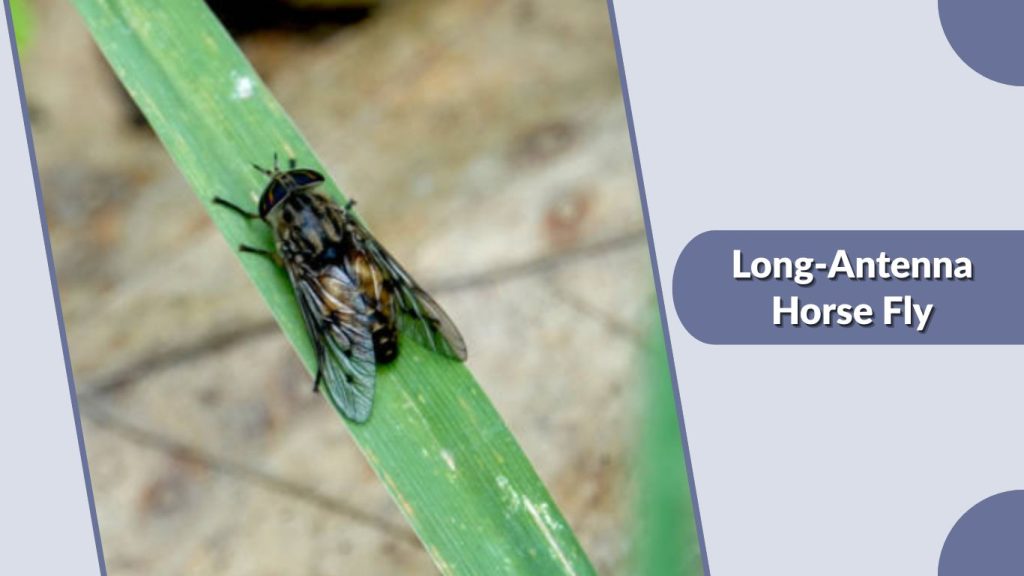
The Long-Antenna Horse Fly is a distinctive species noted for its unusually long antennae compared to other horse flies. It is commonly found in wetlands, meadows, and forest edges. Females feed on blood, while males are nectar feeders and do not bite.
Identification
- Dark brown or gray body
- Long segmented antennae
- Large compound eyes
- Transparent wings with subtle veins
- Stout and muscular body
- Length usually around 15–23 mm
Habitat and Distribution
Long-Antenna Horse Flies inhabit marshes, grasslands, riversides, and woodlands. They are found in temperate and subtropical regions where large mammals are present. Larvae develop in moist soil, muddy banks, and wet decaying vegetation.
Behavior and Diet
Females feed on the blood of horses, cattle, deer, and humans. They are active during sunny daylight hours and often follow moving hosts. Males do not bite and survive on nectar and sugary plant juices.
Lifespan
This species undergoes egg, larval, pupal, and adult stages. Larvae spend months developing in wet habitats before pupation. Adult Long-Antenna Horse Flies usually emerge in summer and live for several weeks.
24. Blue Marsh Horse Fly
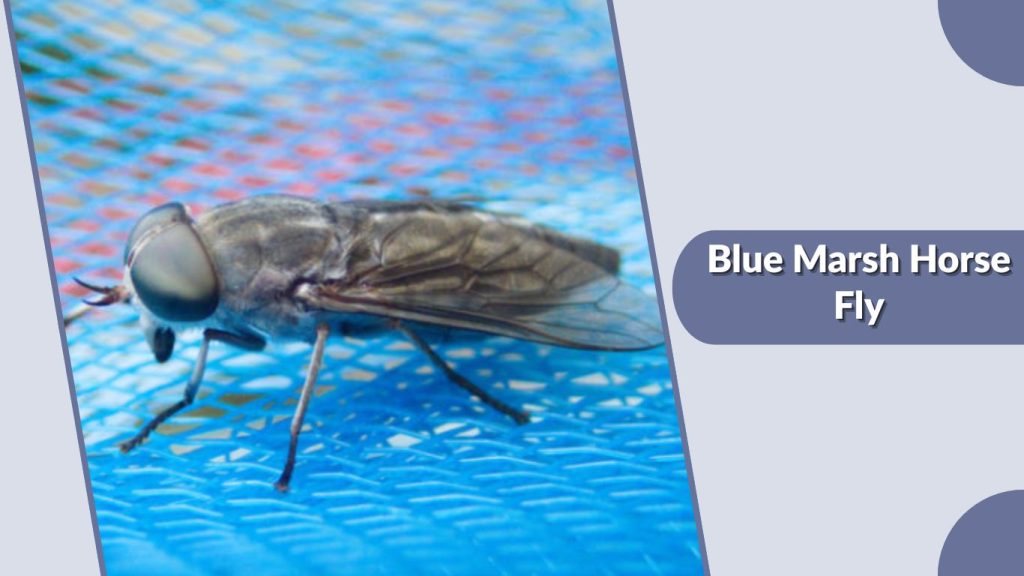
The Blue Marsh Horse Fly is a medium-sized species recognized for its bluish or metallic sheen on the body. It is commonly found in marshes, wetlands, and damp grasslands. Female flies are blood feeders, while males feed on nectar and plant juices.
Identification
- Bluish or metallic-colored body
- Large reflective compound eyes
- Transparent wings with slight smoky tint
- Sturdy thorax and abdomen
- Fast and agile flight
- Length usually between 12–20 mm
Habitat and Distribution
Blue Marsh Horse Flies inhabit marshes, swamps, riversides, and wet meadows. They are widely distributed in temperate and subtropical regions with abundant water and mammalian hosts. Larvae develop in wet soil, mud, and decaying plant matter.
Behavior and Diet
Females feed on the blood of horses, cattle, deer, and humans. They are aggressive and persistent during warm sunny days. Males are harmless and feed on nectar and plant-based sugary fluids.
Lifespan
The Blue Marsh Horse Fly develops through egg, larval, pupal, and adult stages. Larvae remain in damp environments for several months before pupating. Adults generally emerge in summer and survive for a few weeks.
25. Orange-Bellied Horse Fly
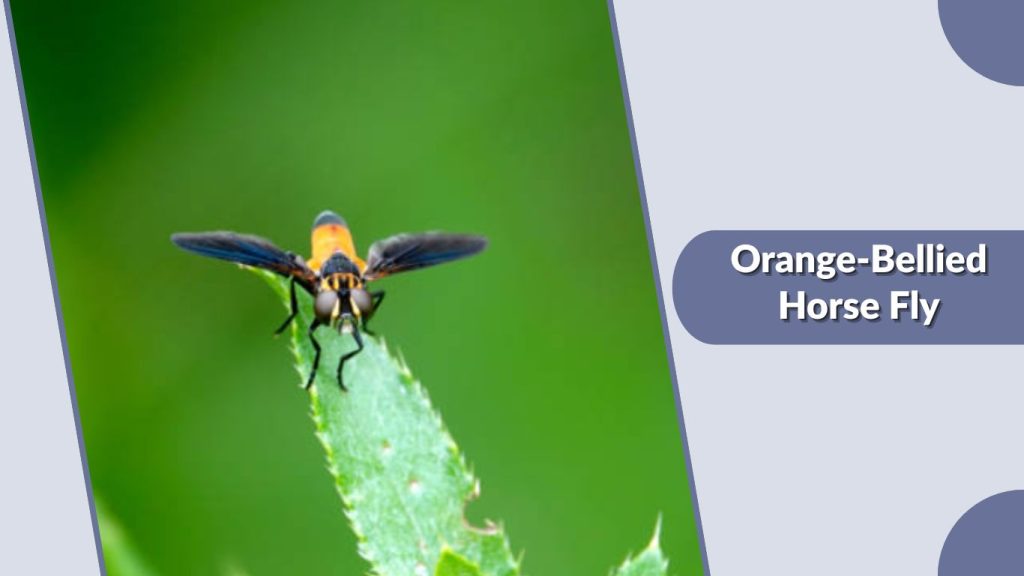
The Orange-Bellied Horse Fly is a striking species known for its bright orange-colored abdomen. It is commonly found in grasslands, wetlands, and forest edges, especially where livestock are present. Females feed on blood, while males feed on nectar and plant juices.
Identification
- Dark brown or black body with bright orange abdomen
- Large compound eyes
- Transparent wings
- Stout and robust body
- Strong flying capability
- Length usually around 15–22 mm
Habitat and Distribution
Orange-Bellied Horse Flies inhabit meadows, wetlands, marshes, and grazing areas. They are distributed across temperate and subtropical regions where animals and moisture are abundant. Larvae develop in muddy soil, swampy areas, and decaying organic matter.
Behavior and Diet
Females feed on the blood of horses, cattle, deer, and occasionally humans. Their bites are painful and persistent. Males are harmless and survive on nectar and sugary plant fluids.
Lifespan
This species passes through egg, larval, pupal, and adult stages. Larvae spend several months developing in moist environments before pupating. Adults generally emerge during summer and live for a few weeks.
26. Swamp Horse Fly
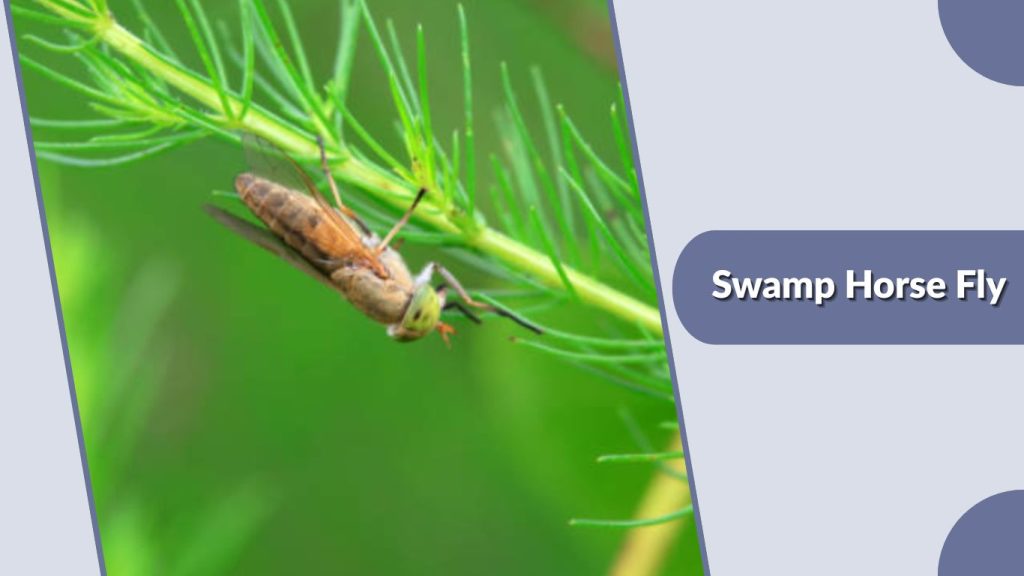
The Swamp Horse Fly is a moisture-loving species commonly found in swamps, marshes, and wetlands. It is active during warm sunny days and is known for its persistent biting behavior. Females feed on blood, while males primarily feed on nectar and plant juices.
Identification
- Dark brown or olive body
- Large colorful compound eyes
- Transparent wings
- Stout thorax and abdomen
- Strong flying ability
- Length usually between 14–22 mm
Habitat and Distribution
Swamp Horse Flies inhabit marshes, wet meadows, riversides, and forested wetlands. They are widely distributed in temperate and subtropical regions where moisture and large mammals are present. Larvae develop in muddy soil, wet organic matter, and shallow water.
Behavior and Diet
Female Swamp Horse Flies feed on the blood of horses, cattle, deer, and humans. They are aggressive during sunny days and often follow moving hosts. Males do not bite and survive on nectar and sugary plant fluids.
Lifespan
The Swamp Horse Fly undergoes complete metamorphosis with egg, larval, pupal, and adult stages. Larvae spend several months developing in damp habitats before pupation. Adults emerge during warm months and live for a few weeks.
27. Speckled Horse Fly
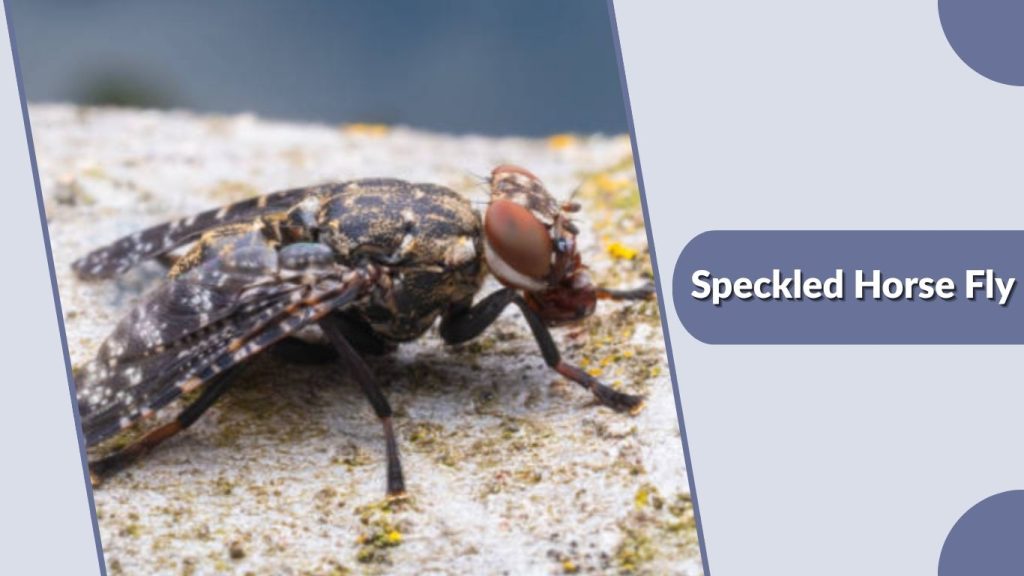
The Speckled Horse Fly is a visually distinctive species recognized for the small speckles or spots across its body and wings. It is commonly found in wetlands, meadows, and forest edges. Females feed on blood, while males feed on nectar and plant fluids.
Identification
- Dark body with pale speckles or spots
- Large reflective compound eyes
- Transparent wings with light speckling
- Stout and muscular body
- Strong flying ability
- Length usually between 14–22 mm
Habitat and Distribution
Speckled Horse Flies inhabit marshes, swamps, riversides, grasslands, and woodland edges. They are widely distributed across temperate and subtropical regions where moisture and animal hosts are abundant. Larvae develop in muddy soil, damp vegetation, and wet organic matter.
Behavior and Diet
Females feed on the blood of horses, cattle, deer, and occasionally humans. Their bites are painful and persistent. Males are harmless and feed on nectar and sugary plant juices from flowers.
Lifespan
This species develops through egg, larval, pupal, and adult stages. Larvae spend several months in moist habitats before pupating. Adult Speckled Horse Flies emerge in summer and generally live for a few weeks.
FAQs
Do all horse flies bite humans?
Not all horse flies bite humans. Only females require blood meals for reproduction, so males are harmless and feed on nectar and plant juices. Female bites can be painful and may cause minor skin irritation or swelling.
How can I identify a horse fly bite?
A horse fly bite usually appears as a red, raised bump on the skin, often with a small puncture wound at the center. It may itch, sting, or bleed slightly. Bites are often more painful than typical mosquito bites because the fly cuts the skin to feed.
Where are horse flies most commonly found?
Horse flies are commonly found near wetlands, marshes, rivers, forests, grasslands, and farmland. They are especially active in warm, sunny weather and are attracted to areas where mammals or livestock are present.
How long do horse flies live?
Horse flies go through egg, larval, pupal, and adult stages. Larvae may live for several months in moist environments, while adults usually survive for a few weeks during the warm summer months.
How can I prevent horse fly bites?
To prevent bites, wear long sleeves and pants, use insect repellents containing DEET or picaridin, and avoid areas with high horse fly activity during peak daytime hours. Protective netting for livestock can also help reduce attacks.