
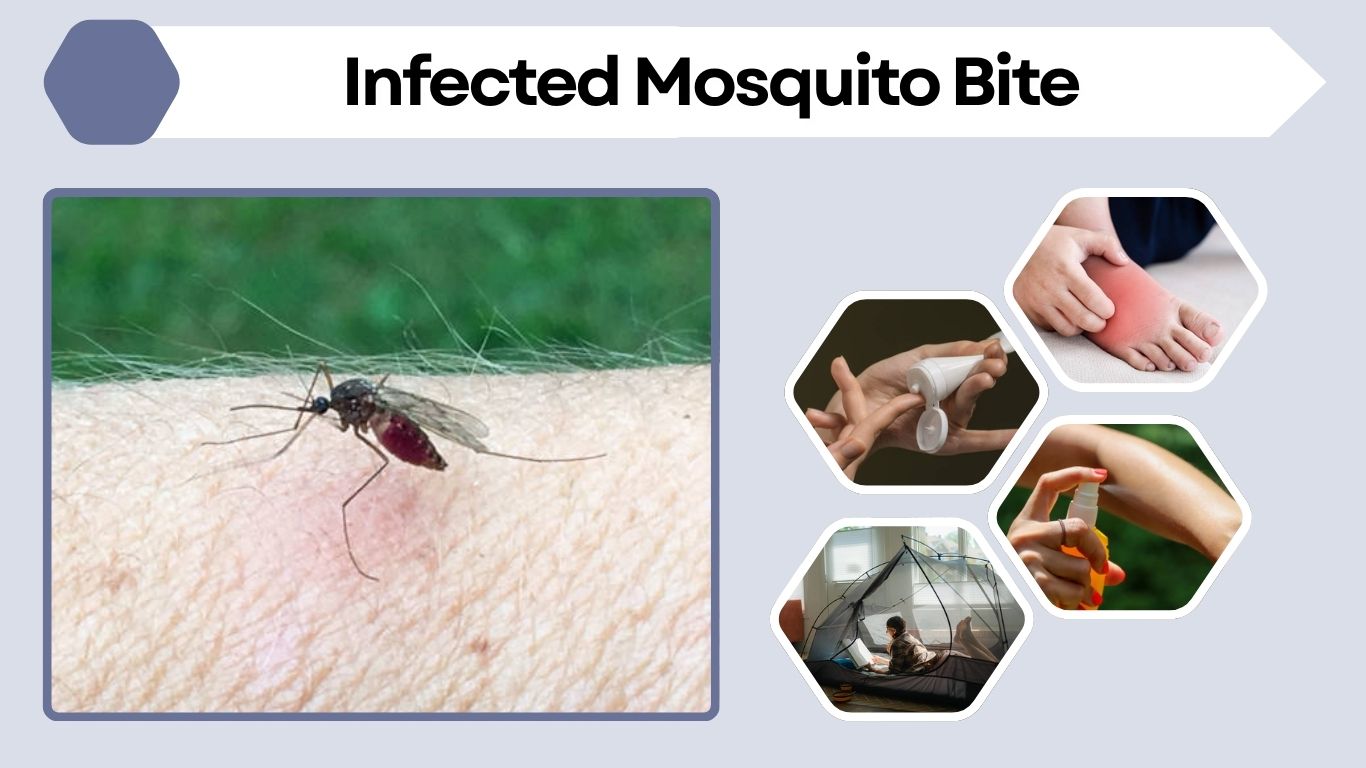
Mosquito bites are extremely common and usually harmless. Most bites cause mild itching, redness, and swelling that disappear within a few days. However, some mosquito bites can become infected, especially when excessive scratching damages the skin and allows bacteria to enter the area.
An infected mosquito bite may become painful, swollen, warm, or filled with pus. In more serious cases, the infection can spread into deeper skin tissue and cause cellulitis or other bacterial skin infections. Understanding the warning signs early can help prevent complications and speed up recovery.
Can Mosquito Bites Get Infected?
Yes, mosquito bites can become infected. The mosquito itself usually does not directly cause a bacterial skin infection, but scratching the itchy bite can break the skin and introduce bacteria into the wound.
Once bacteria enter the skin, inflammation and infection may develop.
Why Mosquito Bites Become Infected
Several factors increase the risk of infection after a mosquito bite.
Common causes include:
- Excessive scratching
- Broken skin
- Dirty fingernails
- Poor wound hygiene
- Weak immune system
Children are especially prone to infected mosquito bites because they often scratch bites aggressively.
Can a Mosquito Bite Cause a Skin Infection?
A mosquito bite can lead to secondary skin infections when bacteria such as Staphylococcus or Streptococcus enter damaged skin.
Possible infections include:
- Cellulitis
- Staph infection
- Skin abscesses
- Local bacterial infection
Most infections start as mild irritation but may worsen if untreated.
What Does an Infected Mosquito Bite Look Like?
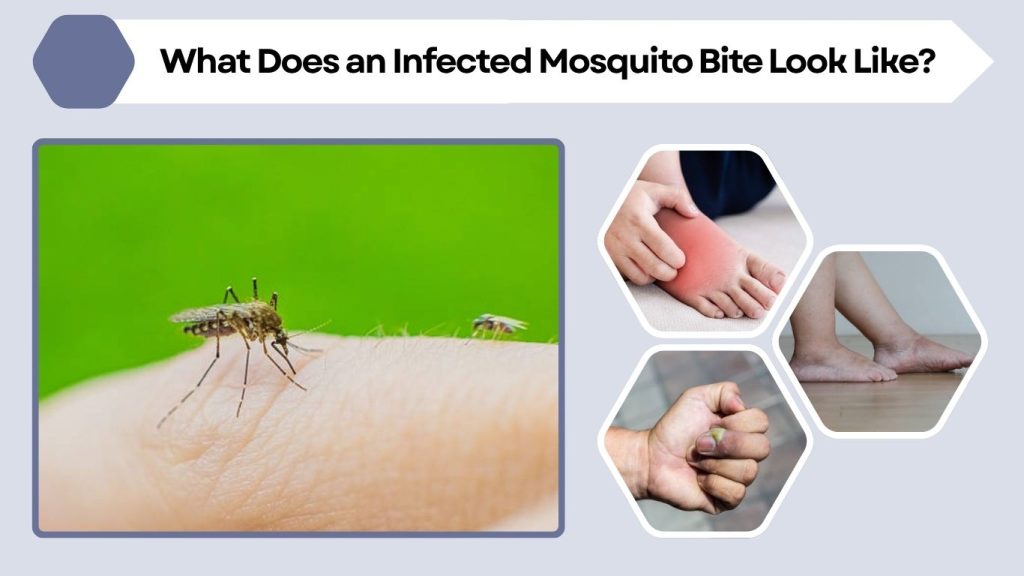
An infected mosquito bite often looks different from a normal bite. While ordinary bites usually remain small and itchy, infected bites tend to become more swollen, painful, and inflamed over time.
Recognizing the visual signs early is important for proper treatment.
Normal Mosquito Bite vs Infected Bite
| Feature | Normal Bite | Infected Bite |
| Redness | Mild | Spreading redness |
| Swelling | Small bump | Large swollen area |
| Pain | Mild itching | Painful or tender |
| Warmth | Usually none | Warm to touch |
| Pus | None | Possible pus or drainage |
A bite that continues worsening after several days may indicate infection.
Common Appearance of Infected Mosquito Bites
Infected bites often develop noticeable skin changes.
Common signs include:
- Increasing redness
- Swelling
- Warm skin
- Pus-filled center
- Blister formation
Some infected mosquito bites may also feel hard or unusually tender when touched.
Pictures and Images of Infected Mosquito Bites
The appearance of infected mosquito bites can vary depending on the severity of the infection and the individual’s immune response.
Some bites may appear:
- Bright red
- Swollen with fluid
- Crusted or blistered
- Surrounded by inflamed skin
Severe infections may spread beyond the original bite area.
Signs and Symptoms of an Infected Mosquito Bite
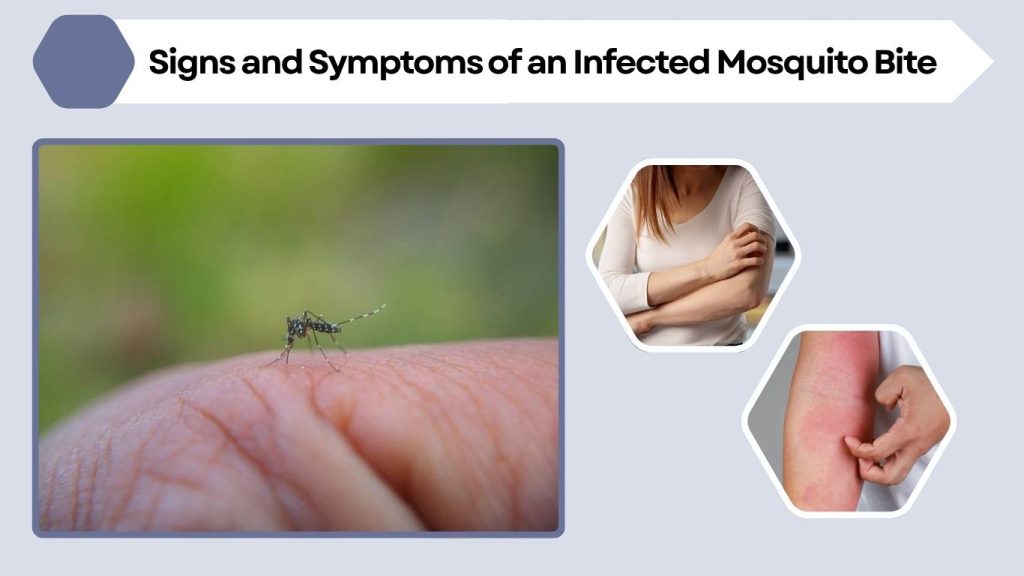
The symptoms of infection may begin gradually or worsen quickly over several days. Early identification helps reduce the risk of more serious complications.
Early Infection Symptoms
Mild infection symptoms often include:
- Persistent itching
- Increased redness
- Mild tenderness
- Swelling
- Skin irritation
These symptoms may initially resemble a normal mosquito bite but continue getting worse instead of improving.
Advanced Infection Symptoms
More serious infections can cause stronger symptoms.
Warning signs include:
- Fever
- Pus drainage
- Severe swelling
- Red streaks on the skin
- Enlarged lymph nodes
These symptoms may suggest a spreading bacterial infection requiring medical attention.
Symptoms of Mosquito Bite Cellulitis
Cellulitis is a deeper bacterial skin infection that sometimes develops from infected mosquito bites.
| Symptom | Possible Meaning |
| Red spreading skin | Cellulitis |
| Warm painful skin | Bacterial infection |
| Fever | Serious infection |
| Swollen tissue | Inflammation |
Cellulitis can spread rapidly if left untreated.
Infected Mosquito Bite Cellulitis
Cellulitis is one of the more serious complications of an infected mosquito bite. It occurs when bacteria spread into deeper layers of the skin and surrounding tissue.
This condition usually requires medical treatment.
What Is Cellulitis?
Cellulitis is a bacterial skin infection that causes inflammation, redness, warmth, and swelling.
Important cellulitis facts include:
- Can spread quickly
- Often caused by scratching
- Requires medical evaluation
- May worsen without antibiotics
The affected skin may appear shiny, swollen, and tender.
Signs of Cellulitis From Mosquito Bites
Cellulitis symptoms often become more noticeable over time.
Common signs include:
- Rapidly spreading redness
- Painful swelling
- Fever and chills
- Skin warmth
- Tenderness
Some people may also feel tired or generally unwell during infection.
Is Cellulitis Dangerous?
Cellulitis can become dangerous if the infection spreads untreated.
Possible complications include:
- Severe skin infection
- Abscess formation
- Bloodstream infection
- Hospitalization in severe cases
Early treatment greatly reduces the risk of complications.
Staph Infection From Mosquito Bites
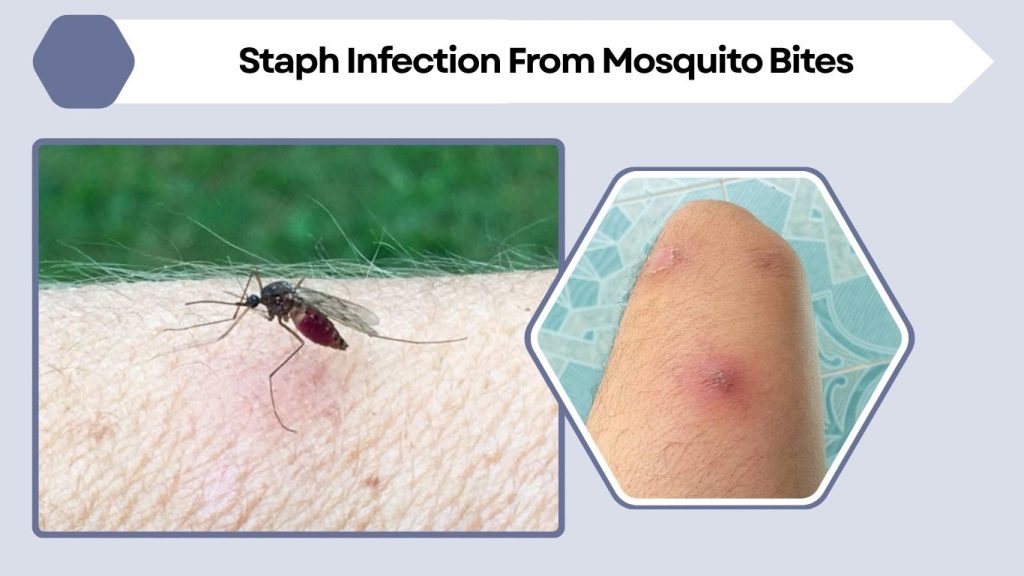
Mosquito bites may sometimes become infected with staph bacteria, especially when the skin is repeatedly scratched or damaged.
What Is a Staph Infection?
A staph infection is caused by Staphylococcus bacteria that commonly live on human skin.
These bacteria may enter the body through:
- Scratched mosquito bites
- Open wounds
- Broken skin
- Skin irritation
Staph infections range from mild skin irritation to more serious infections.
Symptoms of a Staph-Infected Mosquito Bite
Common symptoms include:
- Painful swelling
- Pus-filled bump
- Warm skin
- Red inflamed area
- Tenderness
Some staph infections may form boils or abscesses that require medical treatment.
How to Treat an Infected Mosquito Bite
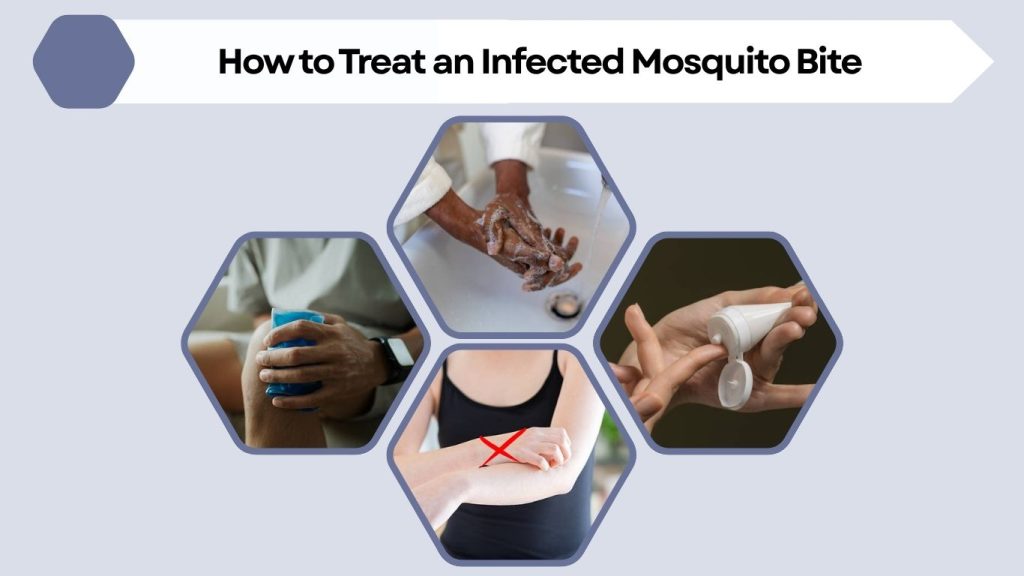
Treatment for an infected mosquito bite depends on the severity of the infection. Mild infections may improve with proper home care, while more serious infections may require medical treatment and antibiotics.
Keeping the area clean and avoiding further irritation is extremely important.
Home Treatment for Mild Infection
Many mild mosquito bite infections can be treated at home.
Helpful home care steps include:
- Wash the area with soap and water
- Apply antiseptic cream
- Avoid scratching
- Use cold compresses
- Keep the skin clean and dry
Reducing scratching helps prevent the infection from worsening.
Infected Mosquito Bite Remedies
Several over-the-counter products may help reduce discomfort and inflammation.
Common remedies include:
- Hydrocortisone cream
- Antibiotic ointment
- Anti-itch creams
- Warm compresses
- Oral antihistamines
Warm compresses may help improve circulation and reduce swelling.
How to Heal Infected Mosquito Bites Faster
Proper skin care helps the body recover more quickly.
Helpful recovery tips include:
- Avoid touching the bite frequently
- Keep fingernails clean
- Stay hydrated
- Monitor symptoms carefully
- Rest if fever develops
If symptoms continue worsening after several days, medical care may be necessary.
Antibiotics for Infected Mosquito Bites
Doctors sometimes prescribe antibiotics when mosquito bite infections become severe or begin spreading into surrounding tissue.
Not every infected bite requires antibiotics, but bacterial infections such as cellulitis often do.
When Doctors Prescribe Antibiotics
Antibiotics may be necessary when symptoms include:
- Fever
- Spreading redness
- Severe swelling
- Pus formation
- Increasing pain
Doctors evaluate the severity of infection before choosing treatment.
Common Antibiotic Treatments
| Treatment Type | Purpose |
| Topical antibiotics | Mild skin infection |
| Oral antibiotics | Moderate/severe infection |
| Prescription creams | Reduce bacteria |
Treatment duration depends on the type and severity of infection.
Why Self-Treating Severe Infections Can Be Risky
Serious skin infections should not be ignored.
Potential risks include:
- Delayed treatment
- Worsening infection
- Antibiotic resistance
- Incorrect diagnosis
Medical evaluation is especially important if symptoms spread rapidly.
Infected Mosquito Bite in Children and Toddlers
Children often scratch mosquito bites more aggressively than adults, increasing the chance of skin infection.
Parents should monitor bites closely for signs of worsening symptoms.
Signs Parents Should Watch For
Warning signs in children include:
- Fever
- Large swelling
- Excessive scratching
- Pus or blister formation
- Increased irritability
Young children may also complain of pain instead of itching.
When to Call a Doctor
Parents should seek medical care if a child develops:
- Difficulty breathing
- Rapid swelling
- Spreading redness
- Severe pain
- High fever
Prompt treatment helps prevent more serious complications.
How to Prevent Mosquito Bite Infections
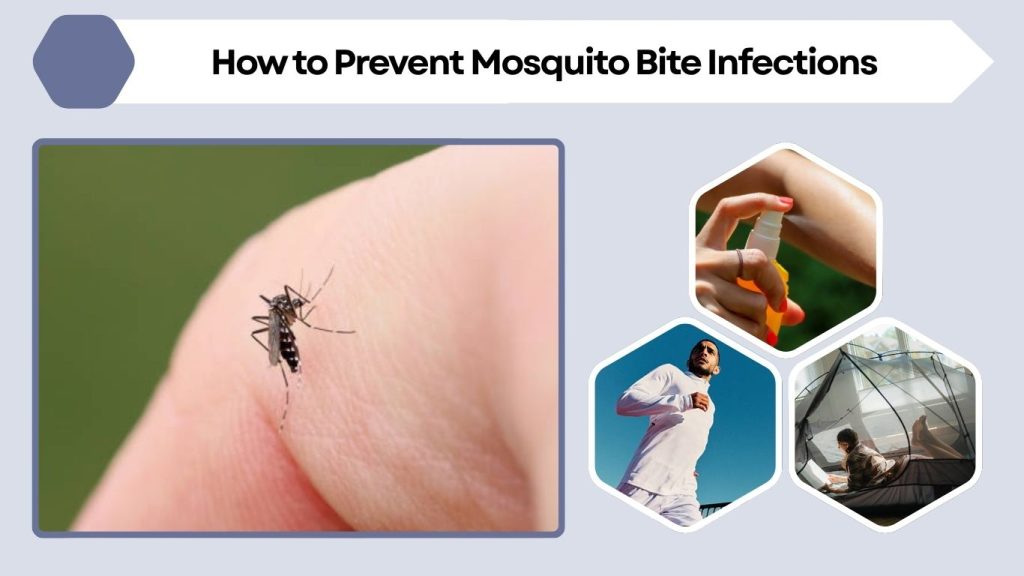
Preventing mosquito bites and reducing scratching are the best ways to avoid infections.
Simple prevention strategies can greatly lower the risk.
Ways to Prevent Mosquito Bites
Helpful prevention methods include:
- Use insect repellent
- Wear long sleeves
- Remove standing water
- Sleep under mosquito nets
- Stay indoors during peak mosquito activity
Reducing mosquito exposure decreases both irritation and infection risk.
How to Prevent Infection After a Bite
Proper skin care after a bite is important.
Helpful prevention tips include:
- Avoid scratching
- Wash bites gently
- Keep fingernails trimmed
- Apply anti-itch cream
- Keep skin clean
Controlling itching is one of the most effective ways to prevent infection.
Common Myths About Infected Mosquito Bites
Many people misunderstand how mosquito bite infections develop.
Common Myths
Common misconceptions include:
- All swollen bites are infected
- Every infected bite needs antibiotics
- Mosquitoes directly inject bacteria
- Scratching is harmless
In reality, many infections occur because scratching damages the skin barrier.
Interesting Facts About Mosquito Bite Infections
Mosquito bite infections are more common than many people realize, especially in warm climates and among children.
Amazing Facts
- Scratching greatly increases infection risk
- Most mosquito bites heal naturally
- Cellulitis can develop from tiny skin breaks
- Children scratch bites more frequently
- Warm humid weather increases mosquito exposure
Proper bite care can prevent most infections from becoming serious.
FAQs
How do you know if a mosquito bite is infected?
An infected mosquito bite usually becomes more swollen, painful, warm, and red over time. Signs such as pus, spreading redness, fever, or increasing tenderness may indicate a bacterial infection rather than a normal healing mosquito bite.
What does an infected mosquito bite look like?
An infected mosquito bite may appear swollen, bright red, warm, blistered, or filled with pus. The redness often spreads beyond the original bite area, and the skin may feel painful or tender instead of simply itchy.
Can mosquito bites become infected?
Yes, mosquito bites can become infected when scratching breaks the skin and allows bacteria to enter the wound. Poor hygiene, excessive scratching, and weakened immunity can increase the risk of infection and skin complications.
How do you treat an infected mosquito bite?
Mild infected mosquito bites can often be treated by cleaning the area, applying antiseptic or antibiotic ointment, avoiding scratching, and using cold compresses. More serious infections may require prescription antibiotics and medical care.
When should you see a doctor for an infected mosquito bite?
You should see a doctor if the bite develops severe swelling, spreading redness, pus, fever, red streaks, or worsening pain. These symptoms may indicate cellulitis or another serious bacterial skin infection requiring medical treatment.