
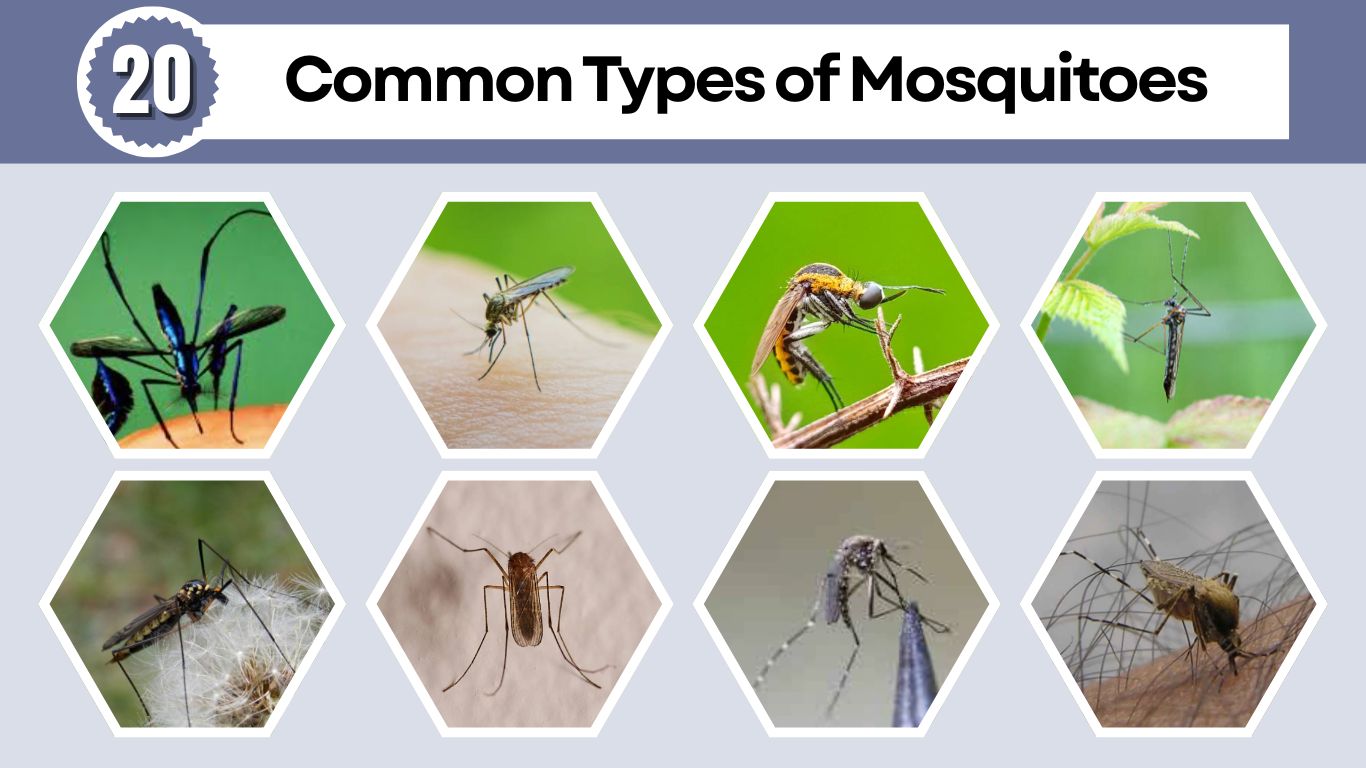
Mosquitoes are among the most widespread insects on Earth and are found in almost every region except extremely cold areas. While many species are harmless, others can spread dangerous diseases such as malaria, dengue fever, yellow fever, and Zika virus. Different mosquito species vary in appearance, habitat, behavior, and medical importance. Some thrive in urban environments, while others prefer forests, wetlands, or coastal marshes. Understanding common mosquito types can help people identify harmful species, reduce breeding areas, and protect themselves from mosquito-borne illnesses through proper prevention and control methods.
1. Aedes aegypti
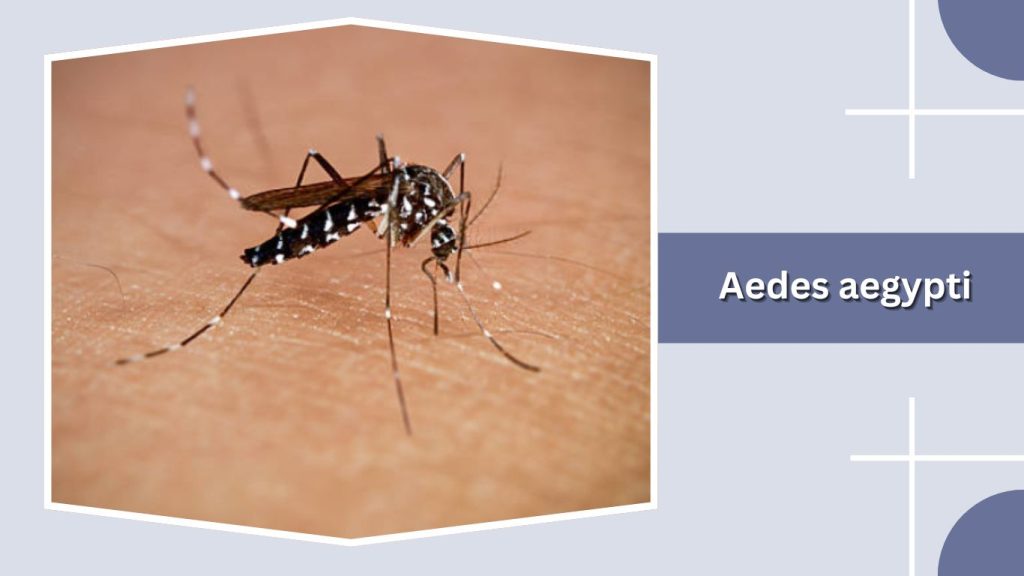
Aedes aegypti is a highly dangerous mosquito species commonly found in tropical and subtropical regions worldwide. It is best known for spreading serious diseases such as dengue fever, Zika virus, chikungunya, and yellow fever. This mosquito usually lives near human habitats and breeds in clean standing water. Its aggressive daytime biting behavior makes it one of the most medically important mosquitoes globally.
Identification
- Small black or dark brown body
- White bands on the legs
- White lyre-shaped marking on the thorax
- Active mostly during daytime
- Female mosquitoes bite humans for blood
Habitat
Aedes aegypti thrives in warm and humid climates. It commonly breeds in artificial containers that hold clean water, including buckets, flower pots, water tanks, and discarded tires. This mosquito is strongly associated with urban and residential environments where human activity is high.
Behavior
This mosquito is highly active during the early morning and late afternoon. It prefers feeding on human blood and often bites multiple people in a short period. Aedes aegypti usually rests indoors in dark and shaded locations, making homes a common sheltering place.
Diseases Transmitted
Aedes aegypti is responsible for transmitting several dangerous viral diseases. These include dengue fever, Zika virus, yellow fever, and chikungunya. Due to its close association with humans, it plays a major role in outbreaks across tropical and subtropical countries worldwide.
Prevention
Preventing Aedes aegypti breeding requires eliminating standing water around homes and buildings. Regular cleaning of water containers, proper waste disposal, and covering stored water can reduce mosquito populations. Using mosquito repellents, window screens, and protective clothing also helps minimize mosquito bites.
2. Aedes albopictus
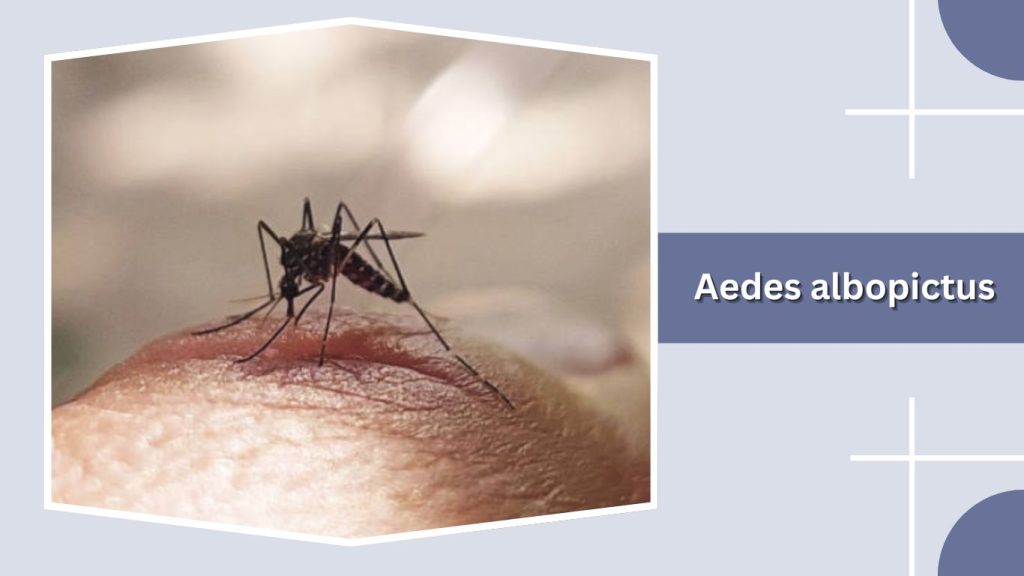
Aedes albopictus, commonly known as the Asian tiger mosquito, is a widespread mosquito species recognized for its black body and striking white stripes. Originally native to Asia, it has spread to many parts of the world through international trade and travel. This mosquito can transmit diseases such as dengue, chikungunya, and Zika virus. Its adaptability allows it to survive in both urban and rural environments.
Identification
- Black body with bright white stripes
- Single white stripe running down the thorax
- White-banded legs
- Medium-sized mosquito
- Active mainly during daytime
Habitat
Aedes albopictus thrives in tropical, subtropical, and temperate regions. It breeds in small collections of standing water such as flower pots, tree holes, tires, buckets, and rain-filled containers. This mosquito is highly adaptable and can survive in forests, gardens, parks, and residential areas.
Behavior
This species is aggressive and bites humans during the daytime, especially in the early morning and late afternoon. It feeds on both humans and animals, making it capable of spreading diseases between species. Aedes albopictus is known for its strong flying ability and outdoor activity.
Diseases Transmitted
Aedes albopictus can transmit several viral diseases, including dengue fever, chikungunya, and Zika virus. Although it is generally considered less dangerous than Aedes aegypti, it still contributes significantly to disease outbreaks in many regions worldwide.
Prevention
Reducing standing water is the most effective way to control Aedes albopictus populations. Emptying outdoor containers, cleaning gutters, and properly storing water can limit breeding sites. Using insect repellents, mosquito screens, and wearing long-sleeved clothing also helps prevent mosquito bites.
3. Anopheles gambiae
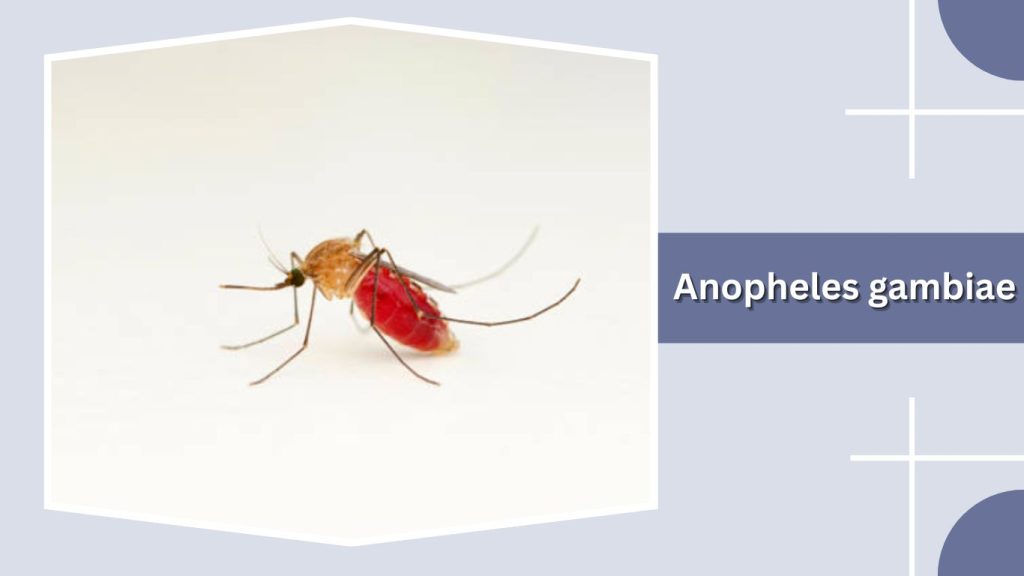
Anopheles gambiae is one of the most dangerous mosquito species in the world because it is a major carrier of malaria. It is mainly found in sub-Saharan Africa and thrives in warm climates with access to freshwater breeding sites. This mosquito has a strong preference for feeding on humans, which makes it highly effective at spreading malaria parasites and contributing to millions of infections every year.
Identification
- Slim dark-colored body
- Long legs and narrow wings
- Palps nearly equal in length to the proboscis
- Rests with body angled upward
- Females are active blood feeders
Habitat
Anopheles gambiae commonly breeds in shallow freshwater sources such as puddles, rice fields, marshes, and rain pools. It prefers warm tropical environments and is especially abundant during rainy seasons when breeding sites increase rapidly in number.
Behavior
This mosquito is mainly active during nighttime and feeds on humans while they sleep. It often enters homes searching for blood meals and rests indoors after feeding. Anopheles gambiae is highly attracted to human scent and carbon dioxide, making humans its preferred target.
Diseases Transmitted
Anopheles gambiae is the primary vector of malaria in many African countries. It spreads Plasmodium parasites that cause severe illness and death if untreated. Due to its efficiency in transmitting malaria, it is considered one of the deadliest mosquito species worldwide.
Prevention
Preventing bites from Anopheles gambiae involves using insecticide-treated bed nets, indoor spraying, and eliminating standing water near homes. Wearing protective clothing at night and improving sanitation can also reduce mosquito populations and lower the risk of malaria transmission.
4. Anopheles stephensi
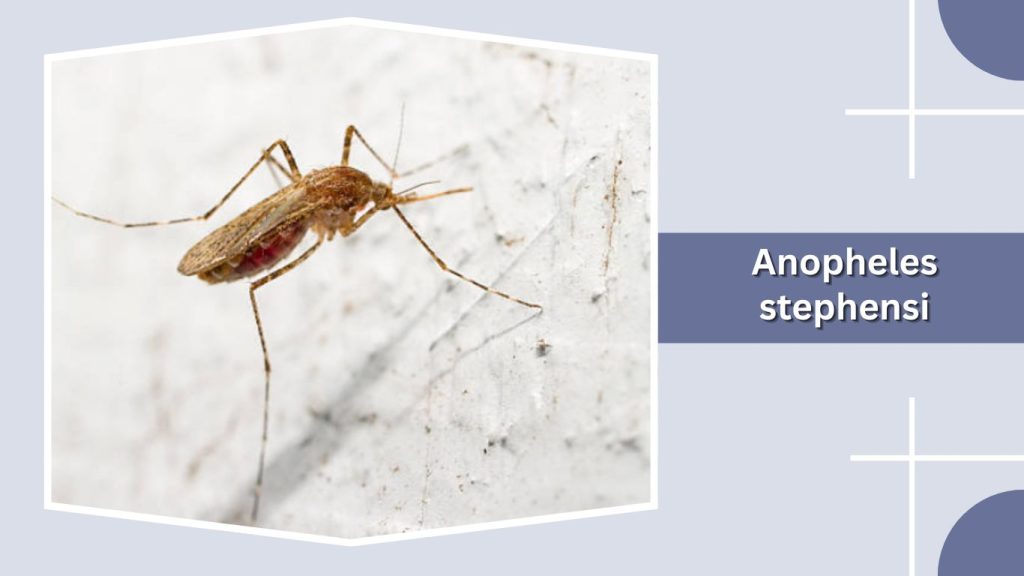
Anopheles stephensi is a major malaria-carrying mosquito species commonly found in South Asia and parts of the Middle East. In recent years, it has expanded into urban regions of Africa, raising global health concerns. Unlike many malaria mosquitoes that prefer rural areas, this species adapts well to cities and breeds in water storage containers, making malaria control more challenging in densely populated environments.
Identification
- Brownish mosquito with spotted wings
- Long legs and slender body
- Palps similar in length to the proboscis
- Rests at an angled position
- Females feed on human blood at night
Habitat
Anopheles stephensi thrives in urban and semi-urban environments. It breeds in clean water containers such as tanks, barrels, wells, rooftop storage systems, and construction sites. Warm climates with regular access to standing water provide ideal breeding conditions for this mosquito species.
Behavior
This mosquito is mainly active during nighttime hours and prefers feeding on humans indoors. It often enters houses to seek blood meals and rests in cool, shaded places afterward. Anopheles stephensi is highly adaptable and survives well in crowded urban settings.
Diseases Transmitted
Anopheles stephensi is an important vector of malaria. It spreads Plasmodium parasites that infect humans and cause symptoms such as fever, chills, fatigue, and severe illness. Its increasing spread into cities has made it a growing concern for public health authorities.
Prevention
Controlling Anopheles stephensi requires proper water management and mosquito prevention methods. Covering water storage containers, removing stagnant water, and improving sanitation can reduce breeding sites. Sleeping under mosquito nets, using repellents, and applying indoor insecticide sprays also help prevent mosquito bites and malaria transmission.
5. Anopheles quadrimaculatus
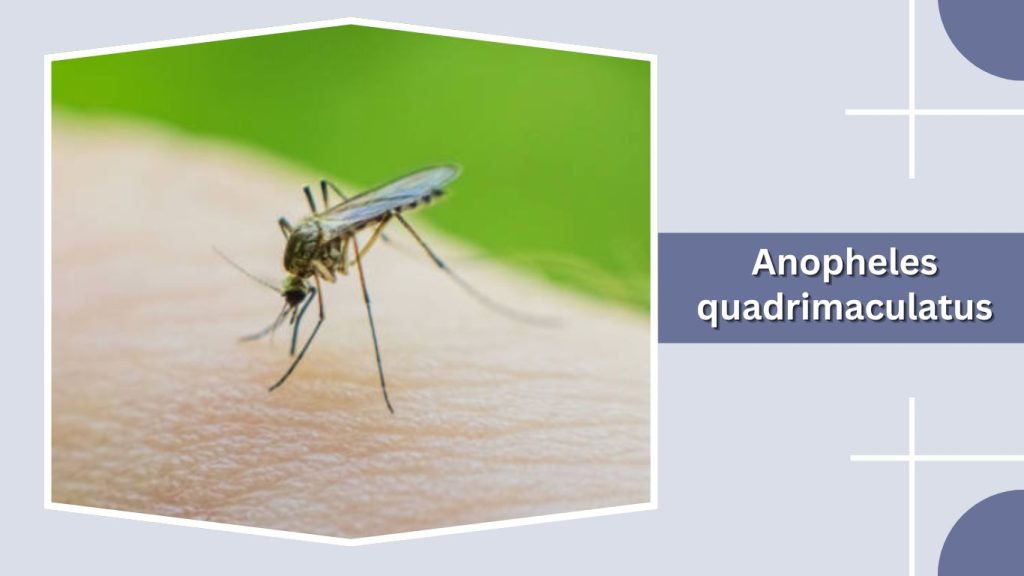
Anopheles quadrimaculatus is a common mosquito species found mainly in North America. It is an important malaria vector and has historically played a major role in spreading malaria in the United States. This mosquito prefers freshwater habitats and is most active during warm seasons. Although malaria cases are now rare in many areas, this species remains medically important because of its ability to carry disease-causing parasites.
Identification
- Brownish mosquito with four dark wing spots
- Slender body and long legs
- Wings contain noticeable dark markings
- Rests with abdomen raised upward
- Females bite humans and animals for blood
Habitat
Anopheles quadrimaculatus breeds in freshwater environments such as ponds, swamps, lakes, slow-moving streams, and marshes. It prefers areas with vegetation and clean standing water. Rural and wooded regions provide favorable breeding and resting conditions for this mosquito species.
Behavior
This mosquito is mostly active during nighttime and feeds after sunset. It enters homes and animal shelters in search of blood meals. Anopheles quadrimaculatus usually rests in cool and shaded areas during the daytime and becomes more active in warm, humid weather.
Diseases Transmitted
Anopheles quadrimaculatus is known for transmitting malaria parasites. Historically, it contributed to malaria outbreaks in North America before modern mosquito control programs reduced the disease. It can also carry other pathogens, although malaria remains its most significant health concern.
Prevention
Preventing Anopheles quadrimaculatus infestations involves reducing standing freshwater around homes and communities. Proper drainage, mosquito control programs, and regular water management help limit breeding sites. Using bed nets, insect repellents, and screened windows also reduces the risk of mosquito bites.
6. Culex pipiens
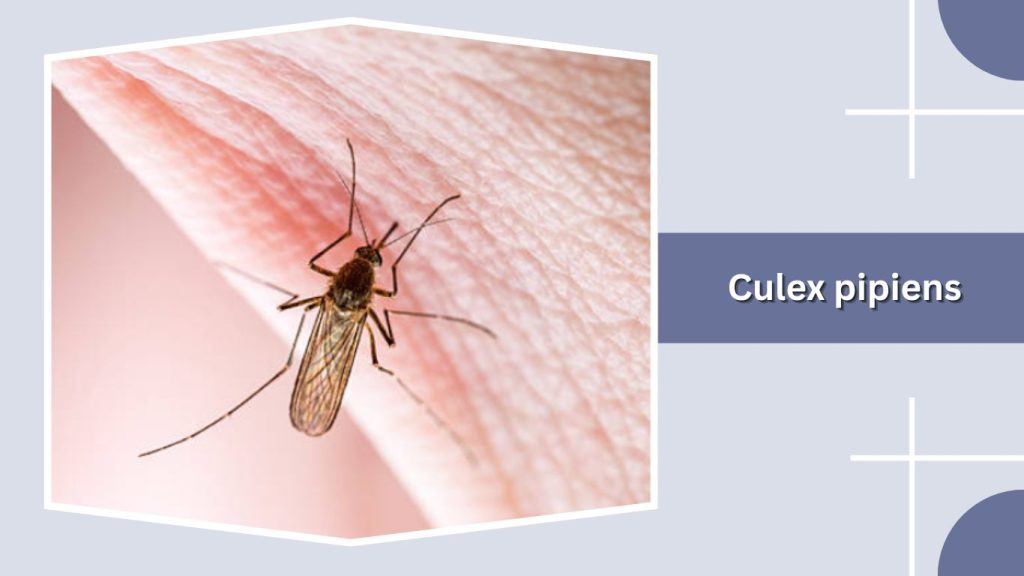
Culex pipiens, commonly called the northern house mosquito, is a widespread mosquito species found in temperate regions around the world. It is well known for transmitting diseases such as West Nile virus and encephalitis. This mosquito often lives near human settlements and breeds in stagnant water. Its nighttime biting habits and ability to thrive in urban environments make it an important public health concern.
Identification
- Light brown to dark brown body
- Rounded abdomen with narrow wings
- Legs without strong white markings
- Medium-sized mosquito
- Active mainly during nighttime
Habitat
Culex pipiens commonly breeds in polluted or stagnant water sources such as drains, ditches, ponds, septic tanks, and containers. It is highly adaptable and frequently found in urban, suburban, and rural areas where standing water is available.
Behavior
This mosquito is most active during the evening and nighttime hours. Female mosquitoes feed on both birds and humans, which allows them to spread viruses between species. Culex pipiens often rests in dark indoor locations and sheltered outdoor areas during the daytime.
Diseases Transmitted
Culex pipiens is an important vector of West Nile virus, St. Louis encephalitis, and other viral infections. It mainly spreads diseases through bites after feeding on infected birds. In some regions, it may also contribute to the transmission of parasitic infections.
Prevention
Reducing stagnant water around homes is essential for controlling Culex pipiens populations. Cleaning gutters, maintaining drains, and covering water containers help eliminate breeding sites. Using mosquito repellents, window screens, and outdoor insect control methods can also reduce mosquito exposure.
7. Culex quinquefasciatus
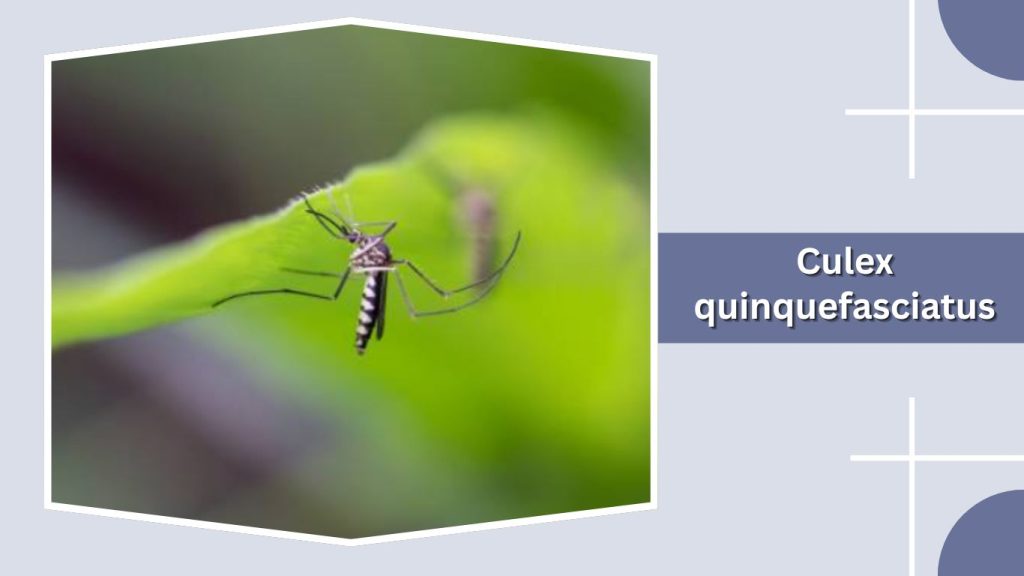
Culex quinquefasciatus, also known as the southern house mosquito, is a common mosquito species found in tropical and subtropical regions worldwide. It is closely associated with urban environments and breeds in polluted standing water. This mosquito is an important carrier of diseases such as West Nile virus, lymphatic filariasis, and encephalitis. Its strong adaptability and nighttime biting habits make it a significant public health concern.
Identification
- Brown-colored body with pale markings
- Medium-sized mosquito
- Narrow wings and long legs
- Abdomen has pale bands
- Mostly active during nighttime
Habitat
Culex quinquefasciatus commonly breeds in dirty or stagnant water sources such as drains, sewage systems, septic tanks, ditches, and polluted ponds. It thrives in warm urban and suburban environments where water contamination and poor sanitation are present.
Behavior
This mosquito is mainly active after sunset and prefers feeding during nighttime hours. Females feed on humans, birds, and animals, helping spread diseases between hosts. Culex quinquefasciatus often rests indoors and in shaded outdoor areas during the daytime.
Diseases Transmitted
Culex quinquefasciatus is known for transmitting West Nile virus, lymphatic filariasis, and several forms of encephalitis. In tropical regions, it plays a major role in spreading parasitic worms that affect the human lymphatic system and cause severe swelling disorders.
Prevention
Controlling Culex quinquefasciatus involves improving sanitation and eliminating stagnant polluted water. Cleaning drains, covering sewage systems, and maintaining proper waste disposal reduce breeding opportunities. Using mosquito repellents, bed nets, and window screens also helps protect against mosquito bites and disease transmission.
8. Culex tarsalis
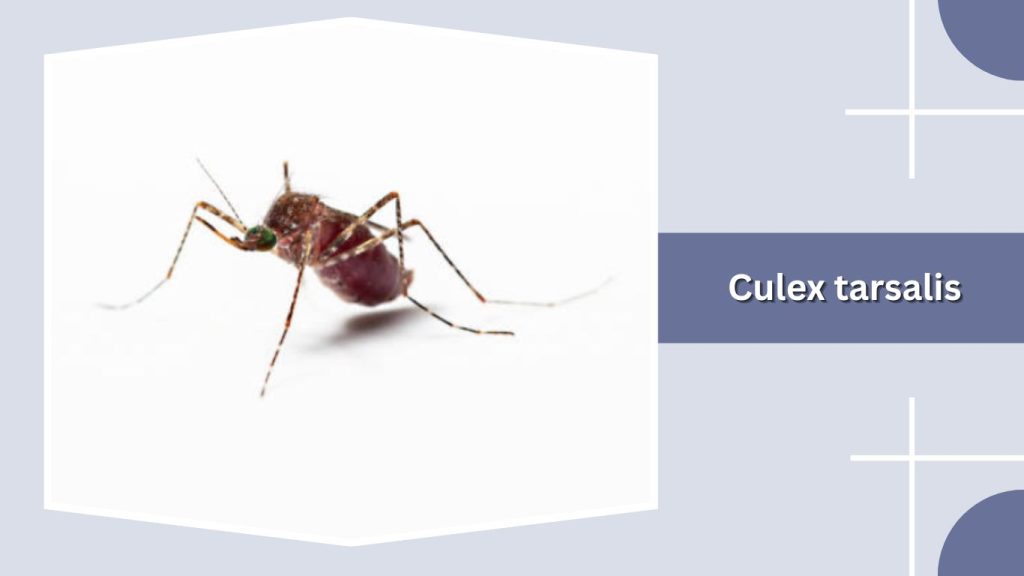
Culex tarsalis is a mosquito species commonly found in western parts of North America. It is an important vector of several viral diseases, especially West Nile virus and Western equine encephalitis. This mosquito thrives in agricultural and rural environments where standing water is available. Its ability to feed on both birds and humans makes it highly effective in spreading viruses between animals and people.
Identification
- Brown body with white banding on legs
- Distinct pale markings on the proboscis
- Medium-sized mosquito
- Narrow wings and long legs
- Active mainly during evening and nighttime
Habitat
Culex tarsalis commonly breeds in freshwater habitats such as irrigation ditches, ponds, marshes, rice fields, and slow-moving streams. It is especially common in agricultural regions where water sources are abundant during warm seasons.
Behavior
This mosquito is most active from dusk until dawn. Female mosquitoes feed on birds, humans, and livestock, increasing the spread of viral diseases. Culex tarsalis often rests in grassy vegetation, shaded outdoor locations, and sheltered areas during the daytime.
Diseases Transmitted
Culex tarsalis is a major carrier of West Nile virus, Western equine encephalitis, and St. Louis encephalitis. It spreads these diseases by biting infected birds and later feeding on humans or animals, allowing viruses to move between species.
Prevention
Preventing Culex tarsalis infestations involves reducing standing water in agricultural and residential areas. Proper irrigation management, draining stagnant water, and maintaining clean water systems help limit breeding sites. Using insect repellents, protective clothing, and mosquito control programs also reduces mosquito exposure.
9. Culex nigripalpus
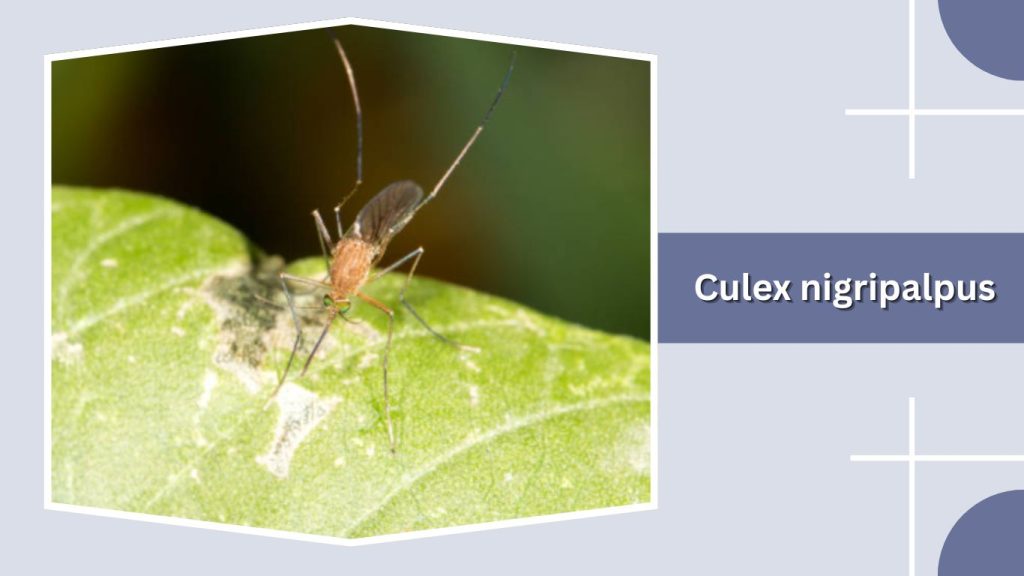
Culex nigripalpus is a mosquito species commonly found in the southeastern United States, Central America, and parts of the Caribbean. It is an important vector of several viral diseases, especially encephalitis viruses. This mosquito thrives in warm and humid climates and becomes highly active after heavy rainfall. Its ability to feed on both birds and humans increases the risk of disease transmission in affected regions.
Identification
- Dark brown mosquito with slender body
- Long legs and narrow wings
- Subtle pale bands on the legs
- Medium-sized appearance
- Mostly active during nighttime hours
Habitat
Culex nigripalpus breeds in a variety of freshwater habitats including ponds, ditches, marshes, flooded fields, and containers with stagnant water. It is especially common in humid environments with dense vegetation and seasonal rainfall.
Behavior
This mosquito is mainly active during the evening and nighttime. Female mosquitoes feed on birds, humans, and other animals, which helps spread viruses across species. Culex nigripalpus often rests in shaded vegetation and cool sheltered areas during the daytime.
Diseases Transmitted
Culex nigripalpus is known for transmitting St. Louis encephalitis, West Nile virus, and Eastern equine encephalitis. These diseases can affect both humans and animals, sometimes causing severe neurological complications and serious health risks.
Prevention
Preventing Culex nigripalpus breeding involves removing stagnant water and maintaining proper drainage systems. Regular cleaning of outdoor containers, ponds, and gutters can reduce mosquito populations. Using insect repellents, mosquito screens, and outdoor spraying programs also helps lower the risk of mosquito bites and disease spread.
10. Mansonia uniformis
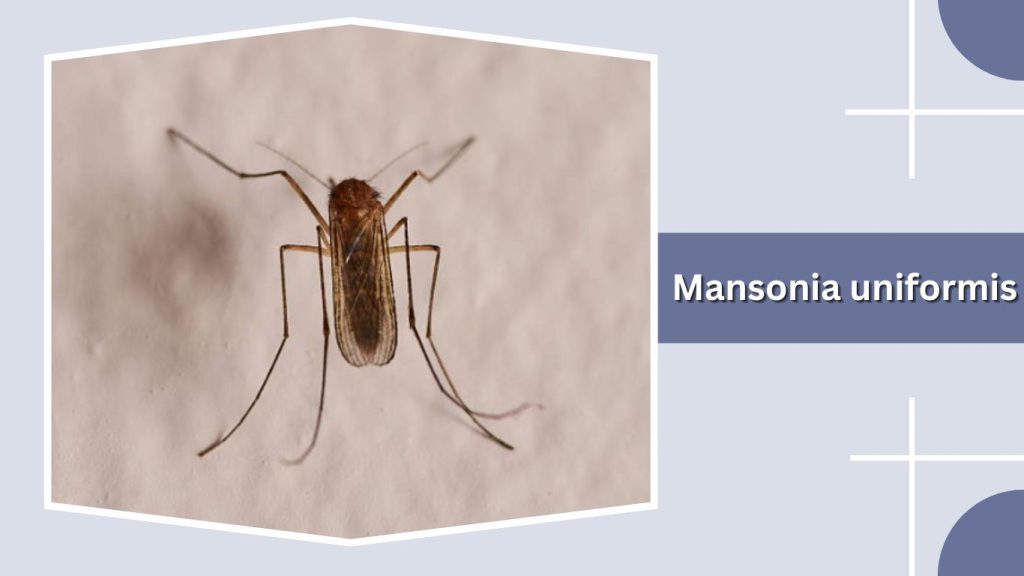
Mansonia uniformis is a mosquito species commonly found in Africa, Asia, and parts of Oceania. It is known for its association with aquatic plants and its ability to transmit certain parasitic diseases. Unlike many mosquitoes, its larvae attach to underwater plants to obtain oxygen. This mosquito is most active at night and often causes nuisance biting in rural and wetland areas with dense vegetation.
Identification
- Dark brown mosquito with sturdy body
- Broad wings covered with scales
- Legs appear speckled or banded
- Medium to large mosquito species
- Active mainly during nighttime
Habitat
Mansonia uniformis prefers wetlands, swamps, ponds, lakes, and marshy regions with abundant aquatic vegetation. Its larvae attach to the roots and stems of water plants, making plant-filled water bodies ideal breeding environments for this species.
Behavior
This mosquito is primarily nocturnal and feeds during the evening and nighttime hours. Females commonly bite humans and animals near wetlands and rural communities. Mansonia uniformis often rest among dense vegetation and shaded outdoor locations during daylight hours.
Diseases Transmitted
Mansonia uniformis is known for transmitting certain filarial parasites that can affect humans and animals. In some tropical regions, it contributes to the spread of lymphatic filariasis and other mosquito-borne infections associated with wetland environments.
Prevention
Controlling Mansonia uniformis requires managing aquatic vegetation and reducing stagnant water habitats. Removing excessive water plants, improving drainage, and maintaining clean water systems can help limit breeding sites. Using mosquito nets, repellents, and protective clothing also reduces mosquito bites and disease risks.
11. Mansonia titillans
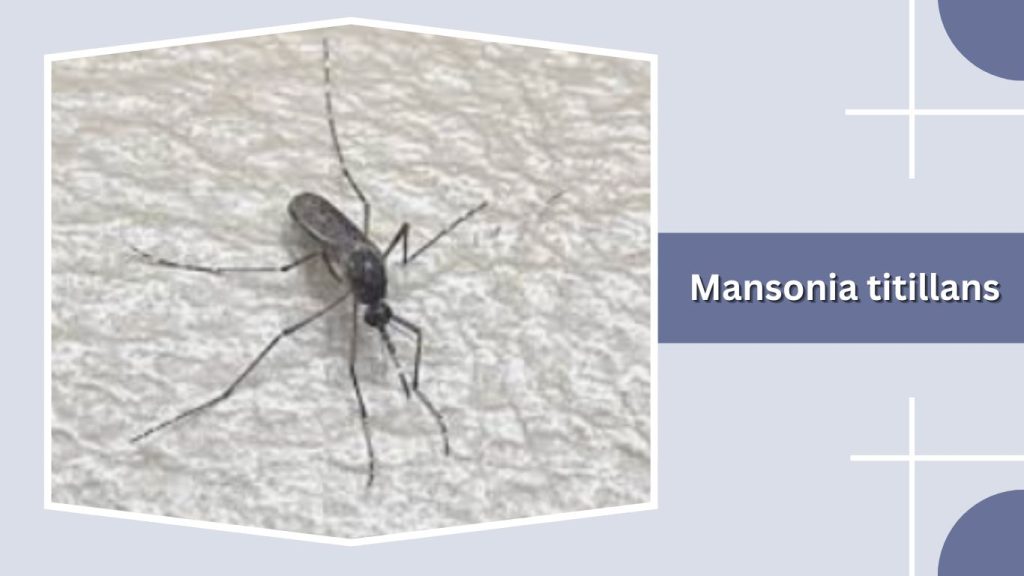
Mansonia titillans is a large mosquito species commonly found in North, Central, and South America. It is strongly associated with wetlands and areas containing dense aquatic vegetation. This mosquito is known for its painful bites and nighttime feeding behavior. Although it is mainly considered a nuisance species, it can also transmit certain viruses and parasites that affect both humans and animals in tropical and subtropical regions.
Identification
- Large dark-colored mosquito
- Broad wings with dense scales
- Speckled legs and body markings
- Strong and heavy-bodied appearance
- Active mainly during nighttime
Habitat
Mansonia titillans thrive in swamps, marshes, ponds, lakes, and other wetland environments with abundant aquatic plants. Its larvae attach to underwater vegetation to obtain oxygen, making plant-rich water bodies ideal breeding locations.
Behavior
This mosquito is most active during the evening and nighttime hours. Females aggressively bite humans, birds, and mammals for blood meals. Mansonia titillans commonly rests in dense vegetation and shaded outdoor areas during the daytime.
Diseases Transmitted
Mansonia titillans can transmit certain arboviruses and parasitic infections in some regions. It has been linked to the spread of Venezuelan equine encephalitis and other mosquito-borne pathogens that affect animals and occasionally humans.
Prevention
Reducing aquatic vegetation and stagnant water is important for controlling Mansonia titillans populations. Wetland management, proper drainage, and vegetation removal can help reduce breeding habitats. Using insect repellents, mosquito nets, and protective clothing also lowers the risk of mosquito bites.
12. Ochlerotatus sollicitans
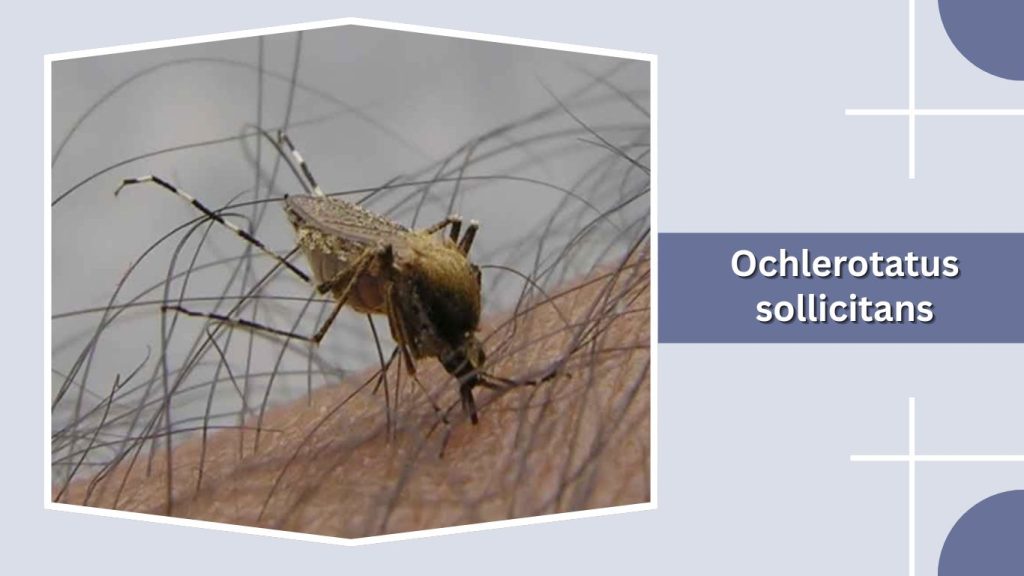
Ochlerotatus sollicitans, commonly known as the eastern saltmarsh mosquito, is a coastal mosquito species found mainly in North America. It is well known for its aggressive biting behavior and ability to travel long distances from breeding sites. This mosquito thrives in salt marsh environments and becomes highly active after flooding or heavy rainfall. It is also capable of transmitting several viral diseases affecting humans and animals.
Identification
- Dark brown mosquito with pale bands
- White markings on the legs
- Medium-sized slender body
- Narrow wings with scaled appearance
- Females are aggressive daytime and nighttime biters
Habitat
Ochlerotatus sollicitans breed primarily in coastal salt marshes, tidal pools, and flooded grassy wetlands. Eggs are laid in moist soil and hatch when high tides or rainfall flood the area. Coastal regions provide ideal conditions for rapid population growth.
Behavior
This mosquito is highly aggressive and bites both during the day and night. Females feed on humans, birds, and animals and can fly many miles from breeding sites in search of blood meals. Large swarms often appear after coastal flooding events.
Diseases Transmitted
Ochlerotatus sollicitans is capable of transmitting diseases such as Eastern equine encephalitis and dog heartworm. Although it is mainly considered a nuisance mosquito, its disease-carrying ability makes it medically important in some coastal regions.
Prevention
Preventing Ochlerotatus sollicitans infestations involves proper salt marsh management and water control. Draining flooded areas, monitoring coastal wetlands, and applying mosquito control treatments help reduce breeding populations. Using repellents, protective clothing, and screened living spaces also minimizes mosquito bites.
13. Ochlerotatus taeniorhynchus
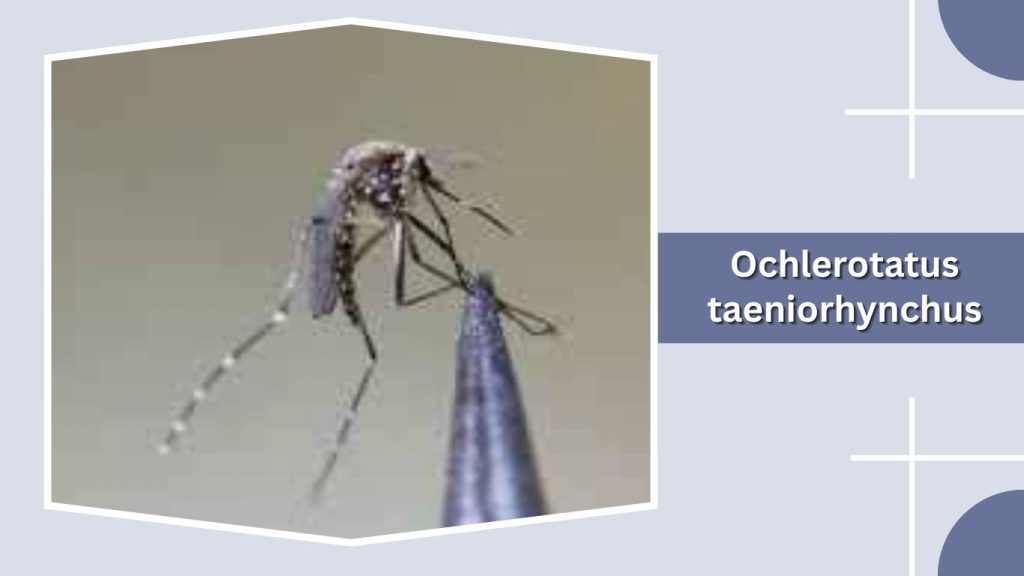
Ochlerotatus taeniorhynchus, commonly called the black salt marsh mosquito, is a coastal mosquito species widely found in the Americas. It is known for its aggressive biting behavior and strong flying ability. This mosquito thrives in salt marsh habitats and often appears in massive numbers after flooding or high tides. It can travel long distances inland and is considered both a nuisance and a potential disease vector.
Identification
- Dark black or dark brown body
- White bands on the legs
- Slender body with narrow wings
- Medium-sized mosquito species
- Strong and aggressive biter
Habitat
Ochlerotatus taeniorhynchus mainly breeds in coastal salt marshes, mangroves, tidal pools, and flooded grassy wetlands. Eggs are deposited on moist soil and hatch when flooded by rainwater or tidal activity. Warm coastal climates support rapid population growth.
Behavior
This mosquito is active during both daytime and nighttime hours. Females aggressively feed on humans, birds, livestock, and wild animals. Ochlerotatus taeniorhynchus is capable of flying many miles from coastal breeding sites, causing widespread mosquito problems inland.
Diseases Transmitted
Ochlerotatus taeniorhynchus can transmit diseases such as Venezuelan equine encephalitis and dog heartworm. While it is mainly recognized as a nuisance species, its ability to spread pathogens makes it important in public health and veterinary concerns.
Prevention
Controlling Ochlerotatus taeniorhynchus involves managing coastal wetlands and reducing standing saltwater habitats. Drainage improvement, mosquito monitoring, and insecticide applications help limit populations. Using insect repellents, protective clothing, and screened housing also reduces mosquito bites and exposure.
14. Psorophora ciliata
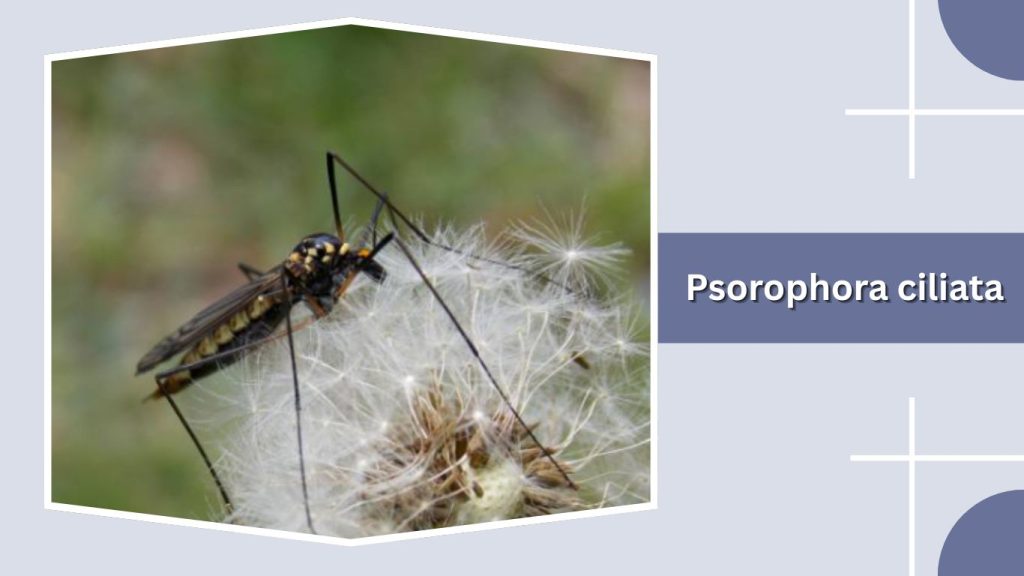
Psorophora ciliata, commonly known as the gallinipper mosquito, is one of the largest mosquito species in North America. It is famous for its extremely painful bite and aggressive behavior. This mosquito is usually found in flood-prone areas and appears in large numbers after heavy rainfall. Despite its intimidating size, it is less important in disease transmission compared to many other mosquito species.
Identification
- Very large mosquito species
- Dark body with golden or pale scales
- Long legs with hairy appearance
- Strong and heavy-bodied structure
- Females have painful bites
Habitat
Psorophora ciliata breeds in temporary floodwaters such as rain-filled fields, woodland pools, ditches, and grassy depressions. Eggs remain dormant in dry soil and hatch rapidly after flooding caused by heavy rains or storms.
Behavior
This mosquito is highly aggressive and actively feeds on humans, livestock, birds, and wild animals. It is mostly active during evening and nighttime hours but may also bite during the day. Psorophora ciliata is a strong flyer and can travel considerable distances.
Diseases Transmitted
Psorophora ciliata is not considered a major disease vector, but it may occasionally carry certain arboviruses. Its primary impact comes from its painful bites and the nuisance caused by large population outbreaks after flooding events.
Prevention
Preventing Psorophora ciliata outbreaks involves controlling temporary floodwater habitats and improving drainage systems. Removing standing water after storms can reduce breeding opportunities. Using insect repellents, long clothing, and mosquito control treatments also helps minimize bites and mosquito activity.
15. Psorophora ferox
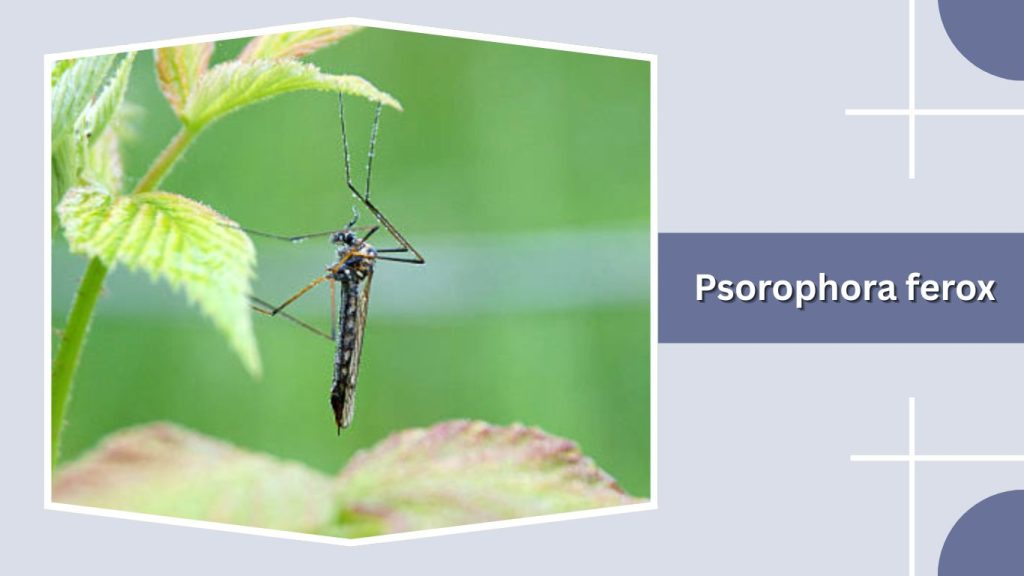
Psorophora ferox, commonly known as the white-footed woods mosquito, is a large and aggressive mosquito species found in North, Central, and South America. It is commonly associated with forests, swamps, and floodwater habitats. This mosquito is known for its painful bites and strong flying ability. Although mainly considered a nuisance species, it can also carry certain viruses that affect humans and animals.
Identification
- Large dark-colored mosquito
- White markings on the legs
- Hairy body and legs
- Strong and sturdy appearance
- Females deliver painful bites
Habitat
Psorophora ferox breeds in temporary floodwaters found in forests, woodland pools, swamps, marshes, and rain-filled depressions. Eggs are laid on moist soil and hatch after flooding caused by rainfall or rising water levels.
Behavior
This mosquito is highly aggressive and feeds on humans, birds, livestock, and wildlife. It is most active during evening and nighttime hours but may also bite during the daytime in shaded areas. Psorophora ferox is a strong flyer and can travel far from breeding sites.
Diseases Transmitted
Psorophora ferox can carry several arboviruses, including certain encephalitis viruses. While it is not considered one of the most dangerous mosquito species, its ability to spread pathogens and its painful bites make it medically important in some regions.
Prevention
Preventing Psorophora ferox infestations involves reducing floodwater breeding habitats and improving drainage systems. Removing standing water, managing woodland pools, and applying mosquito control treatments can help lower mosquito populations. Using repellents, protective clothing, and mosquito screens also reduces exposure to bites.
16. Toxorhynchites rutilus
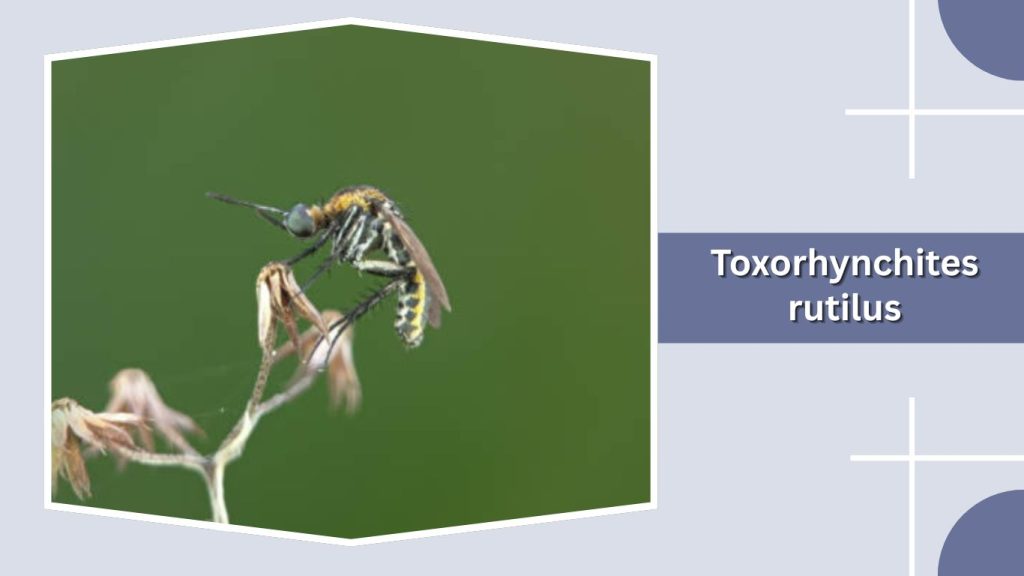
Toxorhynchites rutilus, commonly known as the elephant mosquito, is one of the largest mosquito species found in North America. Unlike most mosquitoes, adult females do not feed on blood and are harmless to humans. This species is actually beneficial because its larvae prey on the larvae of other mosquitoes. Its colorful appearance and ecological role make it unique among mosquito species worldwide.
Identification
- Very large mosquito species
- Metallic blue, purple, or green body coloration
- Long curved proboscis
- Slender legs with shiny scales
- Adults do not bite humans or animals
Habitat
Toxorhynchites rutilus commonly breed in tree holes, water-filled containers, tires, and natural cavities containing stagnant water. It is usually found in warm wooded environments and suburban areas where other mosquito larvae are abundant.
Behavior
Adult mosquitoes feed mainly on nectar and plant juices rather than blood. The larvae are predatory and consume the larvae of other mosquito species, helping naturally reduce mosquito populations. Toxorhynchites rutilus is active during daytime hours and is generally non-aggressive toward humans.
Diseases Transmitted
Toxorhynchites rutilus is not known to transmit diseases to humans or animals because adult females do not require blood meals. Instead, this species is considered beneficial due to its role in controlling harmful mosquito populations naturally.
Prevention
Since Toxorhynchites rutilus is harmless and beneficial, control measures are usually unnecessary. Encouraging natural habitats for this species may help reduce populations of disease-carrying mosquitoes. General mosquito prevention practices, such as removing standing water, still remain useful for overall mosquito management.
17. Coquillettidia perturbans
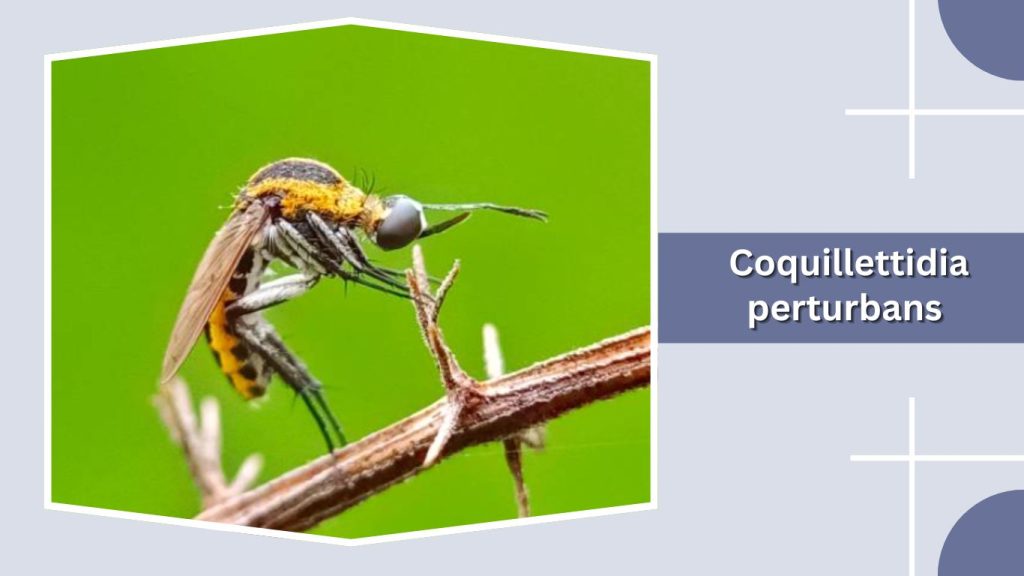
Coquillettidia perturbans, commonly known as the cattail mosquito, is a mosquito species widely distributed across North America. It is strongly associated with wetlands containing dense aquatic vegetation such as cattails and reeds. This mosquito is known for its painful bites and nighttime activity. It can also transmit certain viruses that affect humans and animals, making it medically important in wetland regions.
Identification
- Medium-sized brown mosquito
- Legs marked with pale bands
- Wings covered with dark scales
- Stout body with pointed abdomen
- Active mainly during evening and nighttime
Habitat
Coquillettidia perturbans breed in marshes, swamps, ponds, and wetlands with abundant aquatic plants. Its larvae attach to underwater plant roots to obtain oxygen, allowing them to survive beneath the water surface for long periods.
Behavior
This mosquito is primarily active during dusk and nighttime hours. Females aggressively feed on humans, birds, and mammals for blood meals. Coquillettidia perturbans usually rests among dense vegetation and shaded wetland areas during the daytime.
Diseases Transmitted
Coquillettidia perturbans can transmit diseases such as Eastern equine encephalitis and West Nile virus. These viral infections may affect both humans and animals, occasionally causing severe neurological complications in infected individuals.
Prevention
Controlling Coquillettidia perturbans involves reducing wetland breeding habitats and managing dense aquatic vegetation. Proper drainage, vegetation control, and mosquito treatment programs help reduce mosquito populations. Using insect repellents, mosquito nets, and protective clothing also helps prevent bites and disease exposure.
18. Haemagogus janthinomys
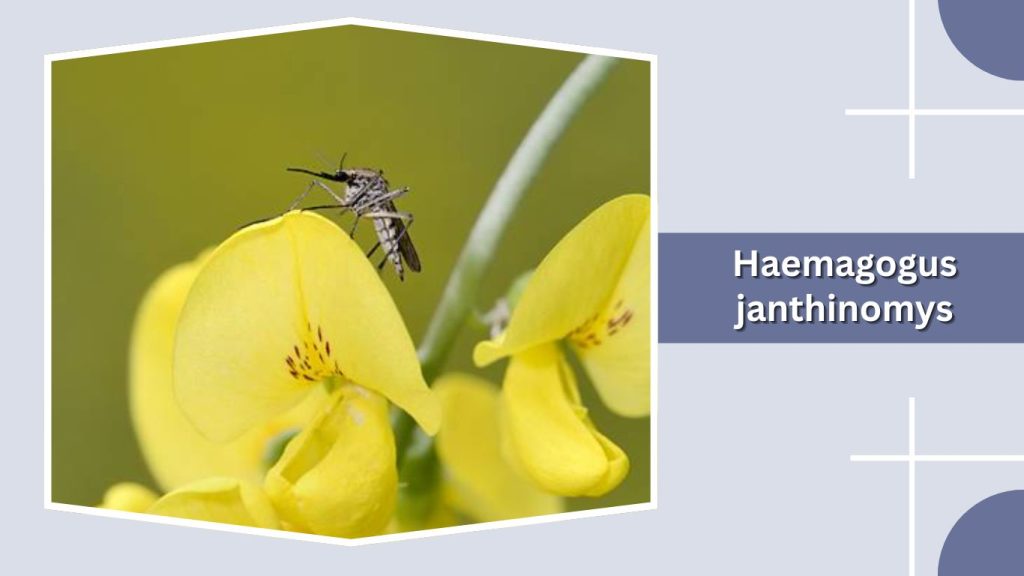
Haemagogus janthinomys is a tropical mosquito species mainly found in Central and South America. It is best known for transmitting yellow fever virus in forested environments. This mosquito primarily lives in jungle canopies and feeds on both humans and monkeys, helping spread disease between wildlife and people. Its role in maintaining yellow fever transmission cycles makes it an important mosquito species in tropical regions.
Identification
- Dark mosquito with metallic blue or silver scales
- Long legs and slender body
- Shiny appearance under sunlight
- Medium-sized mosquito species
- Active mainly during daytime
Habitat
Haemagogus janthinomys commonly inhabits tropical rainforests and wooded regions. It breeds in tree holes, bamboo stumps, and natural water-filled cavities. Dense forest environments with warm temperatures and high humidity provide ideal breeding and resting conditions.
Behavior
This mosquito is active during daytime hours and often bites humans working or traveling in forested areas. Females feed on both monkeys and humans, which allows diseases to spread between wild animals and people. Haemagogus janthinomys is known for strong flying ability within forest habitats.
Diseases Transmitted
Haemagogus janthinomys is a major vector of yellow fever virus in jungle regions. It helps maintain the sylvatic yellow fever cycle by transmitting the virus between monkeys and humans. Infected individuals may develop severe fever, bleeding, and liver complications.
Prevention
Preventing bites from Haemagogus janthinomys involves using insect repellents, wearing protective clothing, and avoiding mosquito exposure in forested areas. Yellow fever vaccination is highly important for people traveling to affected tropical regions. Removing standing water and monitoring forest mosquito populations also support mosquito control efforts.
19. Sabethes cyaneus
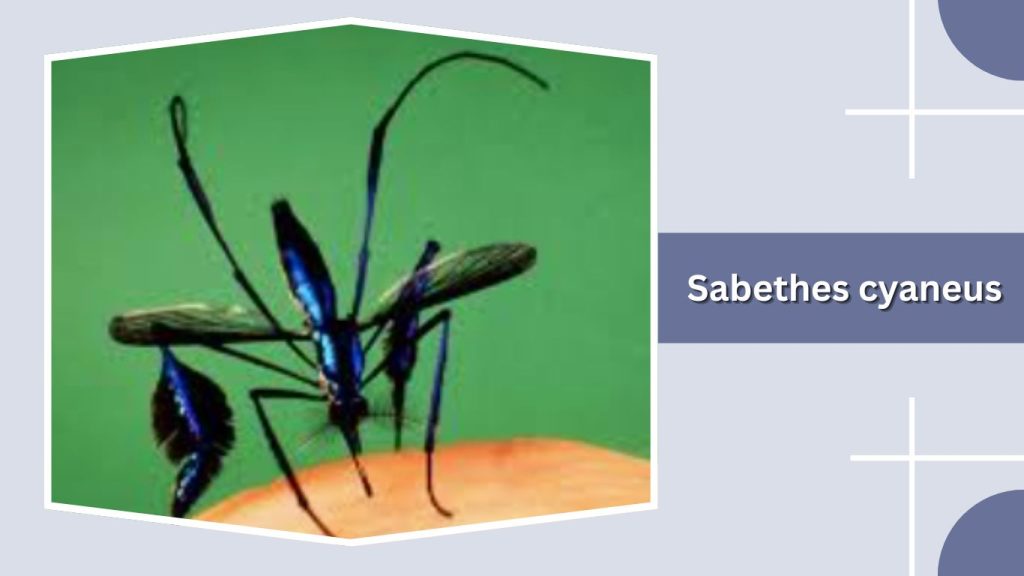
Sabethes cyaneus is a colorful tropical mosquito species found mainly in Central and South American forests. It is recognized for its striking metallic appearance and unusual leg structures. This mosquito is medically important because it can transmit yellow fever virus in jungle environments. Unlike many common mosquitoes, it is mostly active during daytime hours and is commonly associated with dense tropical vegetation and tree-filled habitats.
Identification
- Metallic blue or green body coloration
- Long legs with paddle-like scales
- Slender and elegant appearance
- Medium-sized mosquito species
- Active mainly during daytime
Habitat
Sabethes cyaneus thrives in tropical rainforests and wooded environments with high humidity. It commonly breeds in tree holes, bamboo cavities, and natural water-filled containers found high in forest canopies. Dense vegetation provides ideal shelter and breeding conditions.
Behavior
This mosquito is mainly active during daylight hours and often feeds on humans and animals in forested areas. Females prefer shaded jungle habitats and may bite people entering or working in tropical forests. Sabethes cyaneus is known for graceful flight movements and arboreal behavior.
Diseases Transmitted
Sabethes cyaneus is capable of transmitting yellow fever virus in tropical forest regions. It contributes to the jungle transmission cycle by spreading the virus between monkeys and humans. Although less common than some other mosquito vectors, it remains medically significant.
Prevention
Preventing bites from Sabethes cyaneus involves using insect repellents, protective clothing, and mosquito nets in forested regions. Yellow fever vaccination is strongly recommended for travelers visiting affected tropical areas. Reducing exposure to mosquito habitats and eliminating standing water also supports mosquito control efforts.
20. Armigeres subalbatus
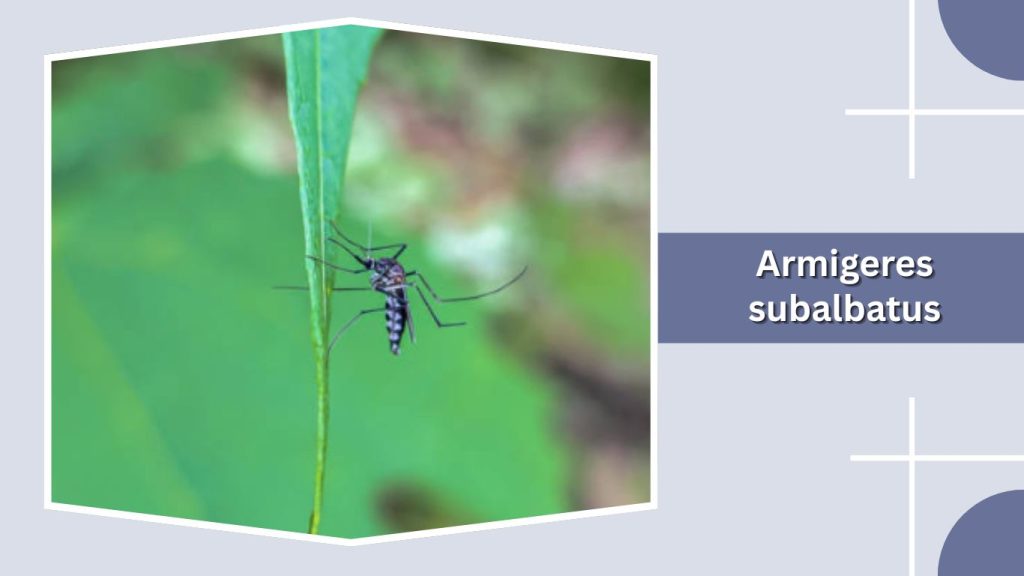
Armigeres subalbatus is a mosquito species commonly found in South and Southeast Asia. It is known for its strong biting behavior and ability to breed in polluted water sources. This mosquito often lives near human settlements and is active during evening and nighttime hours. Although mainly considered a nuisance species, it can also play a role in transmitting certain parasitic diseases in tropical regions.
Identification
- Dark brown or black mosquito body
- White or pale bands on the legs
- Medium to large-sized mosquito
- Strong and sturdy appearance
- Females have painful bites
Habitat
Armigeres subalbatus commonly breeds in polluted water, septic tanks, drains, containers, and stagnant pools near residential areas. It adapts well to tropical urban and rural environments where organic waste and standing water are present.
Behavior
This mosquito is most active during evening and nighttime hours. Females aggressively bite humans and animals for blood meals. Armigeres subalbatus often rests in dark, humid places such as vegetation, animal shelters, and shaded outdoor locations during the daytime.
Diseases Transmitted
Armigeres subalbatus can contribute to the transmission of certain filarial parasites and other mosquito-borne pathogens in tropical regions. While it is less dangerous than major disease vectors, its biting behavior and disease potential still make it medically important.
Prevention
Preventing Armigeres subalbatus infestations involves improving sanitation and removing stagnant polluted water sources. Cleaning drains, properly disposing of waste, and covering water containers can reduce breeding habitats. Using mosquito repellents, bed nets, and protective clothing also helps prevent mosquito bites.
FAQs
What do mosquitoes eat?
Male mosquitoes mainly feed on plant nectar and fruit juices. Female mosquitoes also consume nectar, but many species require blood meals to develop their eggs. They usually bite humans, birds, or animals depending on the mosquito species and habitat.
Why do mosquitoes bite humans?
Female mosquitoes bite humans to obtain protein and nutrients from blood, which are necessary for egg production. They are attracted to body heat, carbon dioxide, sweat, and certain body odors that help them locate potential hosts.
Which mosquito is the most dangerous?
Aedes aegypti and Anopheles gambiae are considered among the most dangerous mosquito species. They spread serious diseases such as dengue fever, malaria, Zika virus, chikungunya, and yellow fever, causing millions of infections worldwide every year.
Where do mosquitoes usually breed?
Mosquitoes commonly breed in standing water. Typical breeding places include ponds, drains, buckets, flower pots, marshes, discarded tires, water tanks, and flooded areas. Even small amounts of stagnant water can support mosquito larvae development.
How can mosquitoes be prevented?
Mosquito prevention involves removing standing water, using insect repellents, installing window screens, and wearing protective clothing. Sleeping under mosquito nets and maintaining proper sanitation also help reduce mosquito populations and prevent mosquito-borne diseases.