
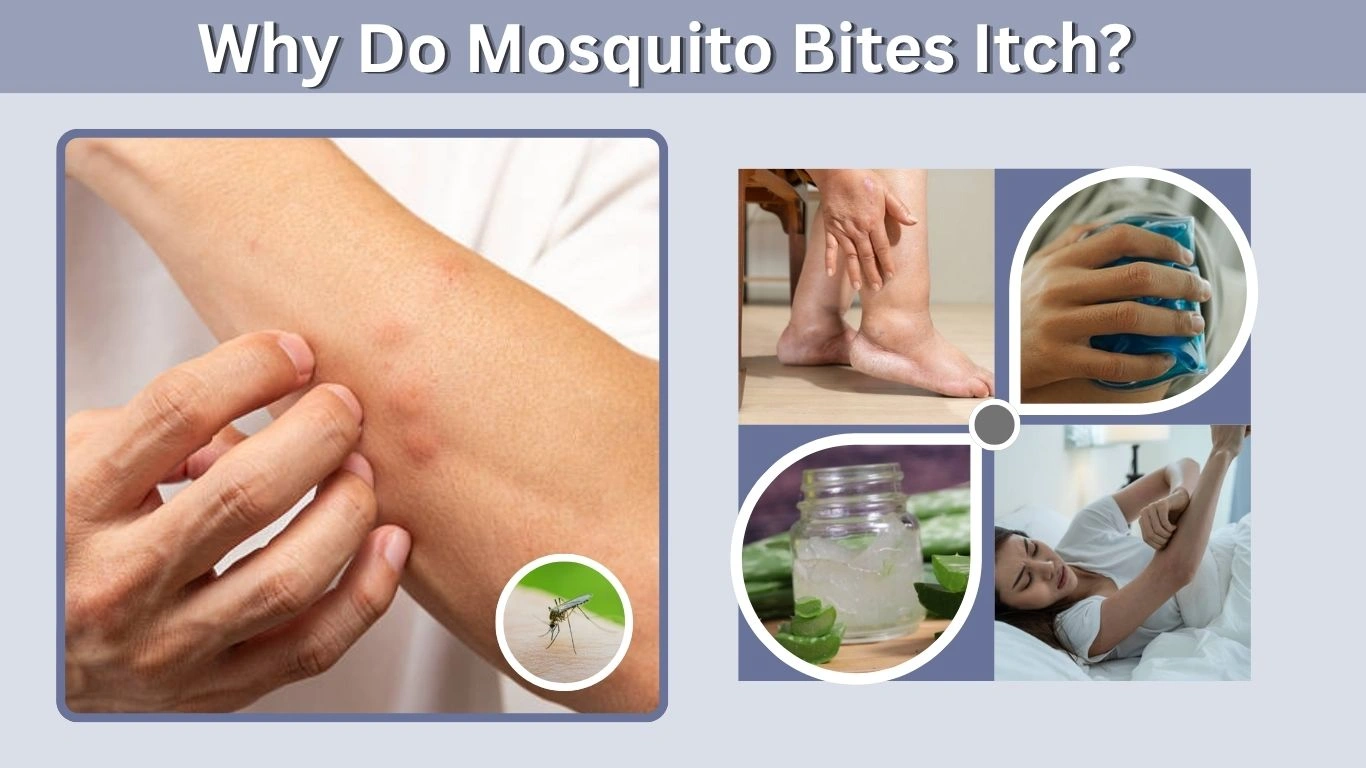
Mosquito bites are one of the most common skin irritations people experience, especially during warm weather. While the bite itself happens quickly, the itching that follows can last for hours or even days. Some mosquito bites become mildly annoying, while others swell, itch intensely, and seem impossible to ignore. Many people also notice that bites feel itchier at night or worsen after scratching.
The itching happens because the body reacts to proteins found in mosquito saliva. When a mosquito bites, it injects saliva into the skin to help prevent blood clotting while feeding. The immune system recognizes these foreign proteins and releases chemicals that trigger inflammation and itching. Understanding why mosquito bites itch can help explain why some bites feel worse than others and how to relieve the irritation more effectively.
Why Do Mosquito Bites Itch?
Mosquito bites itch because the body reacts to the saliva left behind during feeding. The immune system sees the saliva as a foreign substance and responds by releasing inflammatory chemicals.
How Mosquitoes Bite
Only female mosquitoes bite humans because they need blood to produce eggs. When a mosquito lands on the skin, it uses a specialized mouthpart to pierce tiny blood vessels beneath the surface.
During feeding, the mosquito injects saliva into the skin. This saliva contains proteins that help stop blood from clotting too quickly, allowing the mosquito to feed more efficiently.
Although the bite itself may barely be noticeable at first, the saliva triggers an immune response that later causes itching, swelling, and redness.
Why the Immune System Reacts
The body’s immune system treats mosquito saliva as a harmful foreign substance. In response, immune cells release histamine and other inflammatory chemicals into the affected area.
Histamine causes several common mosquito bite symptoms:
- Itching
- Swelling
- Redness
- Skin irritation
The itching occurs because histamine stimulates nerve endings beneath the skin. Increased blood flow and fluid buildup around the bite also contribute to swelling and inflammation.
This immune response is the main reason mosquito bites become itchy instead of remaining painless.
Why Do Mosquito Bites Itch So Much?
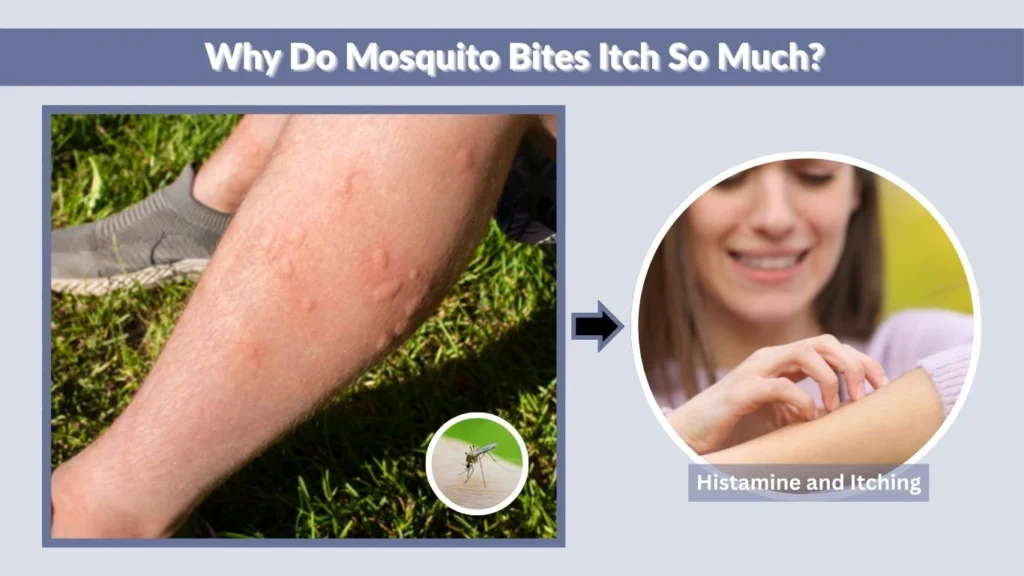
Some mosquito bites itch far more than others because immune reactions vary between individuals. Certain people are naturally more sensitive to mosquito saliva proteins and develop stronger inflammatory responses.
Histamine and Itching
Histamine plays the biggest role in mosquito bite itching. Once released, histamine increases blood flow to the area and irritates nearby nerves, creating the urge to scratch.
The more histamine released, the more intense the itching may feel. This is why some bites become extremely irritating while others remain mild.
The body’s reaction may also increase if:
- Multiple bites occur close together
- The skin is repeatedly scratched
- The immune system is highly sensitive
Inflammation can continue for several days, especially if the bite area remains irritated.
Why Some People React More Strongly
Not everyone reacts to mosquito bites the same way. Some people barely notice bites, while others develop large swollen welts with severe itching.
Several factors influence bite severity, including:
- Immune system sensitivity
- Allergies
- Previous mosquito exposure
- Skin sensitivity
- Genetics
Children often react more strongly because their immune systems have had less exposure to mosquito saliva over time.
People who are frequently bitten may eventually develop partial tolerance, causing future bites to itch less severely.
Why Do Mosquito Bites Itch More at Night?
Many people notice mosquito bites become itchier during the evening or nighttime hours. This effect is partly physical and partly psychological.
Increased Awareness at Night
During the day, distractions such as work, movement, and activity make itching less noticeable. At night, the body becomes still and attention naturally shifts toward physical sensations.
Without distractions, even mild irritation may suddenly feel much stronger.
Nighttime itching may seem worse because:
- The body is resting
- There are fewer distractions
- Skin sensations become more noticeable
- Quiet environments increase awareness
This is one reason bites that seemed manageable during the day may become frustrating at bedtime.
Natural Body Changes During Night
The body also undergoes natural changes at night that may increase itching intensity.
These changes include:
- Increased skin temperature
- Changes in blood circulation
- Natural inflammatory cycles
- Increased fluid movement near skin surface
Warm blankets, sweating, and skin friction from bedding may further irritate mosquito bites and make itching worse.
Some studies also suggest that inflammatory responses can feel stronger during nighttime due to circadian rhythm changes in immune activity.
Why Do Mosquito Bites Itch More When You Scratch Them?
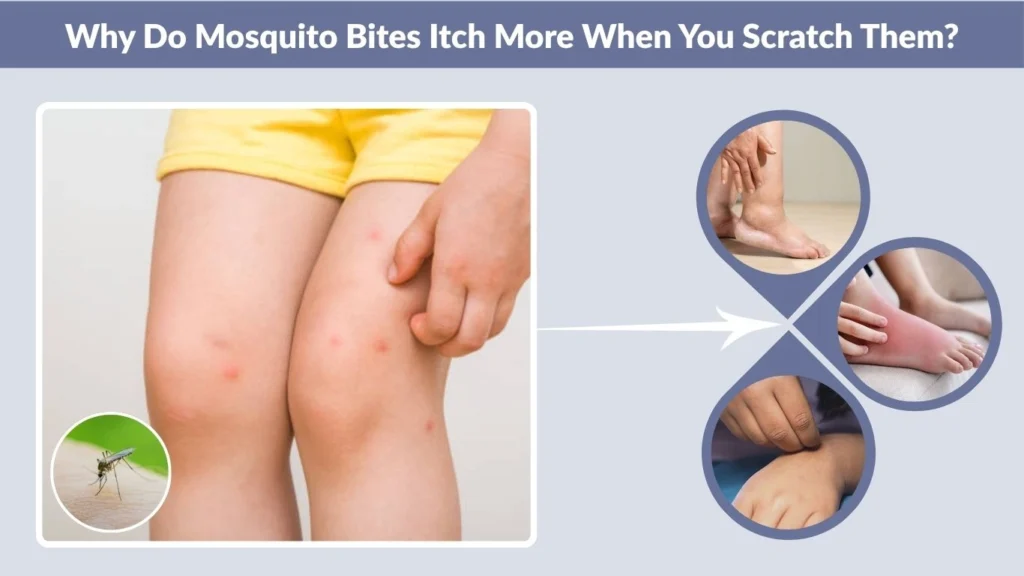
Scratching a mosquito bite may provide temporary relief, but it usually makes the itching worse afterward. This creates a frustrating itch-scratch cycle that can prolong irritation.
What Happens When You Scratch
Scratching stimulates nerves in the skin, temporarily distracting the brain from the itch sensation. However, scratching also damages the skin surface and increases inflammation around the bite.
As a result, the immune system responds by releasing even more inflammatory chemicals.
This can lead to:
- Increased swelling
- More redness
- Stronger itching
- Skin irritation
Repeated scratching may even break the skin and increase the risk of infection.
Why Scratching Can Make Bites Bigger
When the bite area becomes irritated repeatedly, fluid and inflammation increase beneath the skin. This can make the bump appear larger and more swollen.
Scratching may also spread irritation into nearby tissue, causing the surrounding skin to become redder and more inflamed.
The more the skin is disturbed, the longer healing may take. This is why avoiding excessive scratching is important even though the itch can feel intense.
Why Do Mosquito Bites Swell and Itch?
Swelling and itching are both caused by the body’s inflammatory response to mosquito saliva proteins.
- Histamine release
- Increased blood flow
- Fluid buildup under the skin
- Immune system activation
- Irritated nerve endings
The small raised bump forms because fluid collects around the bite site as the immune system reacts. In some people, swelling remains mild, while others develop large itchy welts.
The size and severity of swelling often depend on individual sensitivity and how aggressively the body reacts to the saliva proteins.
Why Do Some Mosquito Bites Itch More Than Others?
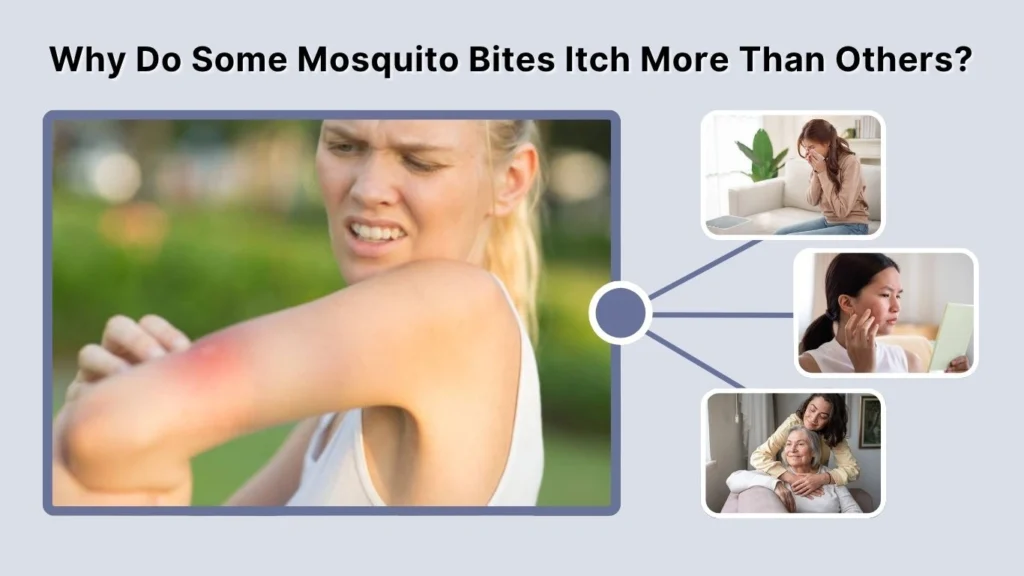
Not all mosquito bites produce the same reaction. Some itch intensely for days, while others barely cause discomfort.
Bite Location
Certain areas of the body are more sensitive than others. Bites on the feet, ankles, wrists, and thin skin areas often feel itchier because these regions contain many nerve endings.
Friction from shoes, socks, or clothing may also worsen irritation.
Individual Immune Response
Immune reactions vary significantly between people. Some individuals naturally release more histamine after mosquito bites, leading to stronger itching and swelling.
Factors affecting bite reactions include:
- Allergies
- Skin sensitivity
- Age
- Immune system activity
- Previous exposure to mosquitoes
This variation explains why two people bitten by the same mosquito may experience completely different symptoms.
Why Do Mosquito Bites Itch for Days?
Some mosquito bites continue itching for several days because the immune response does not stop immediately after the bite occurs. Inflammation may remain active beneath the skin long after the mosquito is gone.
Ongoing Histamine Response
The body can continue releasing histamine while it works to remove mosquito saliva proteins from the skin. As long as inflammation remains active, itching may continue.
Several factors can prolong itching:
- Strong immune reactions
- Large mosquito bites
- Sensitive skin
- Multiple bites in the same area
Some bites may also become more noticeable after exercise, heat exposure, or sweating because increased blood flow can temporarily intensify inflammation.
Skin Irritation From Scratching
Repeated scratching damages the outer layer of skin and slows healing. This irritation keeps inflammation active and may restart itching repeatedly.
Broken skin also increases the risk of bacterial infection, especially if the bite is scratched aggressively. Mosquito bites usually heal faster when the skin is left undisturbed and protected from further irritation.
Why Do Mosquito Bites Start Itching Again?
Mosquito bites sometimes stop itching temporarily and then suddenly become itchy again hours or days later. This can happen for several reasons related to skin healing and inflammation.
- Delayed immune response
- Heat and sweating
- Friction from clothing
- Scratching the bite again
- Sensitive healing skin
As the skin heals, nerve endings may remain sensitive beneath the surface. Even small triggers such as warm temperatures or rubbing against fabric can reactivate irritation temporarily.
Inflammation beneath the skin may also fluctuate throughout the healing process, causing itching to come and go.
Why Do Mosquito Bites Itch More on Feet and Ankles?
Mosquito bites on the feet and ankles are often especially itchy because mosquitoes frequently target these lower body areas.
Why Mosquitoes Target Feet
Mosquitoes are attracted to body heat, sweat, and odors produced by bacteria on the skin. Feet and ankles produce strong scent signals that mosquitoes can detect easily.
Mosquitoes may also fly closer to ground level where feet and ankles are easier to reach.
Common attractants include:
- Sweat
- Warm skin
- Body odor
- Carbon dioxide
This explains why many people notice clusters of mosquito bites around their lower legs and feet.
Why These Areas Feel Worse
The skin around the feet and ankles is often irritated by socks, shoes, and walking friction. This repeated movement can worsen inflammation and increase itching intensity.
These areas also contain many sensitive nerve endings, making itching feel stronger and more persistent.
Why Do Some Mosquito Bites Not Itch?
Not every mosquito bite produces noticeable itching. Some people experience only small bumps with little irritation because their immune systems react differently to mosquito saliva.
Mild Immune Reactions
People with weaker histamine responses may experience minimal itching or swelling. The immune system still reacts, but the inflammation remains much less noticeable.
In these cases, bites may appear as tiny bumps that disappear quickly without causing discomfort.
Desensitization Over Time
Frequent exposure to mosquito bites can sometimes reduce sensitivity over time. The immune system gradually becomes more familiar with mosquito saliva proteins and reacts less aggressively.
This process may explain why adults sometimes react less severely than children who have had fewer mosquito exposures.
However, not everyone develops tolerance, and some individuals remain highly sensitive throughout life.
Mosquito Bite Itching vs Other Insect Bites
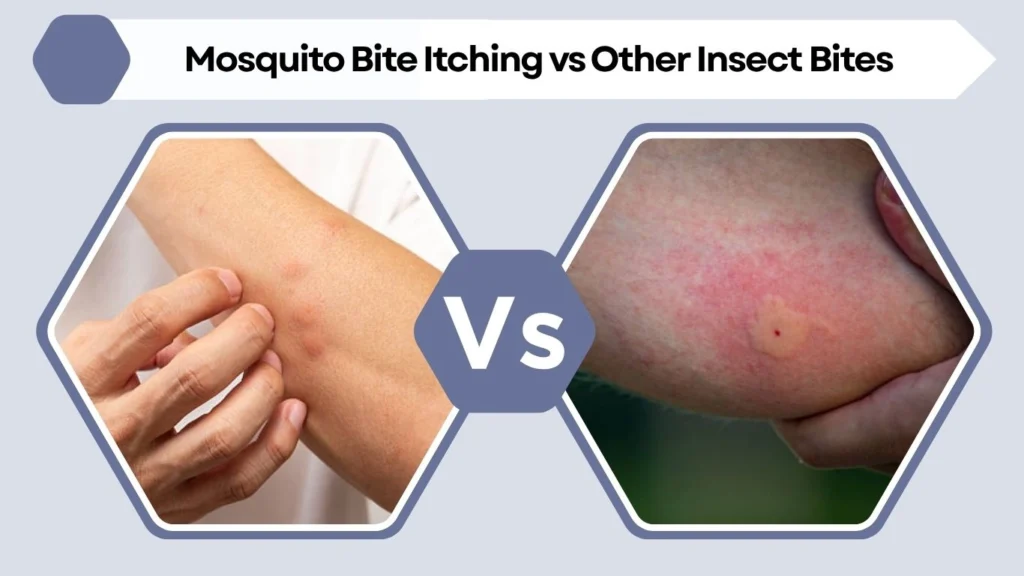
Mosquito bites can resemble other insect bites, but the type of itching and swelling often differs depending on the insect involved.
| Bite Type | Itching Level | Swelling | Duration |
| Mosquito Bite | Moderate to severe | Mild to moderate | Days |
| Flea Bite | Intense itching | Small bumps | Several days |
| Bed Bug Bite | Persistent itching | Clustered bumps | Days to weeks |
| Ant Bite | Burning and pain | Possible blister | Variable |
Mosquito bites are usually isolated raised bumps, while bed bug bites often appear in clusters or lines.
Flea bites commonly affect the ankles and may produce extremely itchy small bumps. Ant bites often cause burning sensations rather than classic itching. Understanding these differences can help identify the source of unexplained skin irritation.
How to Stop Mosquito Bites From Itching
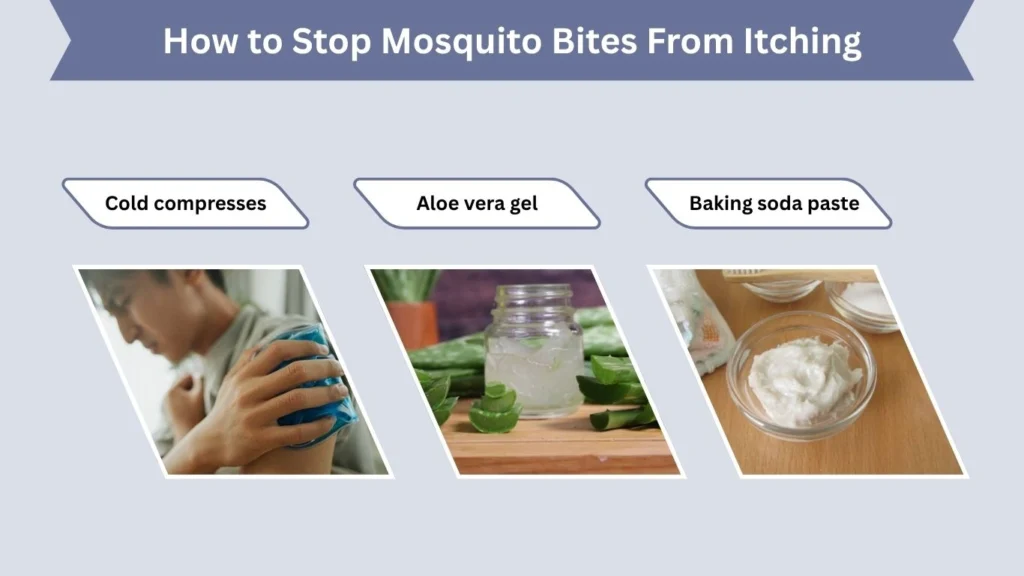
Several simple treatments can reduce mosquito bite itching and swelling effectively. The goal is to calm inflammation and prevent further skin irritation.
Home Remedies
Many home remedies help soothe irritated skin naturally.
Common options include:
- Cold compresses
- Aloe vera gel
- Oatmeal treatments
- Baking soda paste
- Ice wrapped in cloth
Cold temperatures reduce blood flow and numb irritated nerve endings temporarily, making itching feel less intense.
Aloe vera may also help cool and moisturize inflamed skin.
Over-the-Counter Treatments
Pharmacy treatments are often effective for stronger itching reactions.
Popular anti-itch treatments include:
- Hydrocortisone cream
- Calamine lotion
- Oral antihistamines
- Anti-itch gels
Antihistamines are especially helpful because they reduce the histamine response responsible for itching and swelling.
When to Worry About Mosquito Bites
Most mosquito bites are harmless and improve within several days. However, some reactions may require medical attention.
Signs of Infection
Excessive scratching can damage the skin and allow bacteria to enter the bite area.
Possible signs of infection include:
- Increasing redness
- Warm skin
- Pus or drainage
- Severe swelling
- Worsening pain
Infected bites may require medical treatment, especially if redness spreads outward.
Allergic Reactions
Some individuals experience unusually strong allergic reactions to mosquito bites.
Severe symptoms may include:
- Trouble breathing
- Widespread swelling
- Hives
- Facial swelling
- Dizziness
These symptoms require immediate medical attention because they may indicate a serious allergic reaction.
How to Prevent Mosquito Bites
Preventing mosquito bites is the best way to avoid itching, swelling, and irritation.
- Use insect repellent outdoors
- Wear long sleeves and pants
- Remove standing water near homes
- Install window and door screens
- Avoid outdoor exposure during peak mosquito hours
Mosquitoes are especially active during dawn and dusk in many regions. Reducing standing water also helps because mosquitoes lay eggs in stagnant water sources.
Simple prevention measures can greatly reduce the number of bites during mosquito season.
Common Myths About Mosquito Bite Itching
Many myths exist about mosquito bites and why they itch.
- Scratching does not speed healing
- Mosquitoes do not bite everyone equally
- More itching does not always mean infection
- Bites may not appear immediately
- Heat can sometimes worsen inflammation
One common misconception is that scratching helps remove irritation. In reality, scratching usually prolongs inflammation and healing time.
Another myth is that mosquitoes choose victims randomly. Mosquitoes are actually attracted to specific body odors, heat, and carbon dioxide levels.
FAQs
Why do mosquito bites itch so much?
Mosquito bites itch because the immune system releases histamine in response to proteins found in mosquito saliva.
Why do mosquito bites itch more at night?
They may feel itchier at night because there are fewer distractions and natural nighttime body changes can increase skin sensitivity.
Why do mosquito bites keep itching for days?
Inflammation and histamine activity may continue for several days, especially if the bite is scratched repeatedly.
Why do mosquito bites get bigger when scratched?
Scratching increases irritation and inflammation, which can cause additional swelling and redness.
Why do some mosquito bites not itch?
Some people have weaker immune reactions to mosquito saliva, resulting in little or no itching after bites.