
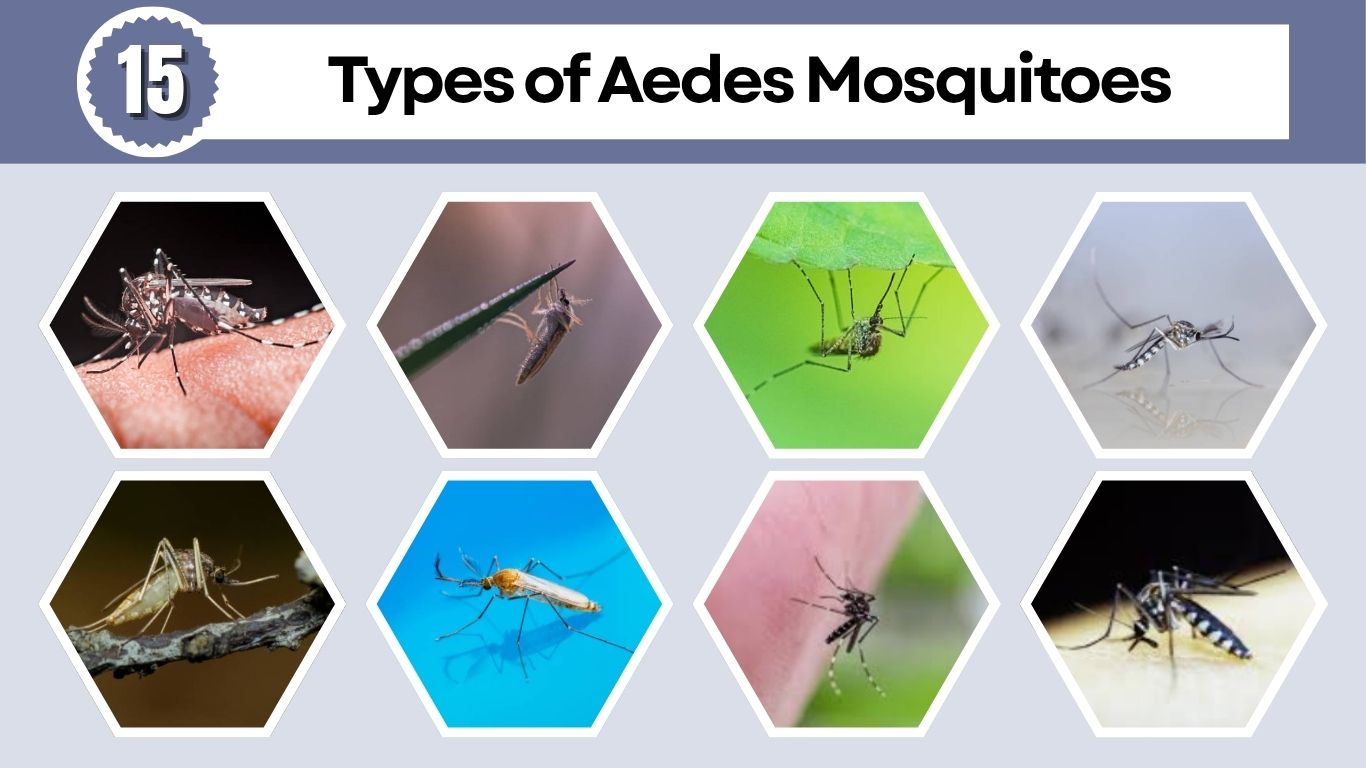
Aedes mosquitoes are among the most significant disease-carrying insects worldwide, known for their adaptability and close association with human environments. These mosquitoes are active during the day and breed in small collections of standing water, making them difficult to control. Different types of Aedes mosquitoes vary in habitat, behavior, and risk level, but many share the ability to transmit serious viral diseases. Understanding their types, identification features, and impact can help improve prevention and reduce the chances of mosquito-borne infections.
1. Yellow Fever Mosquito
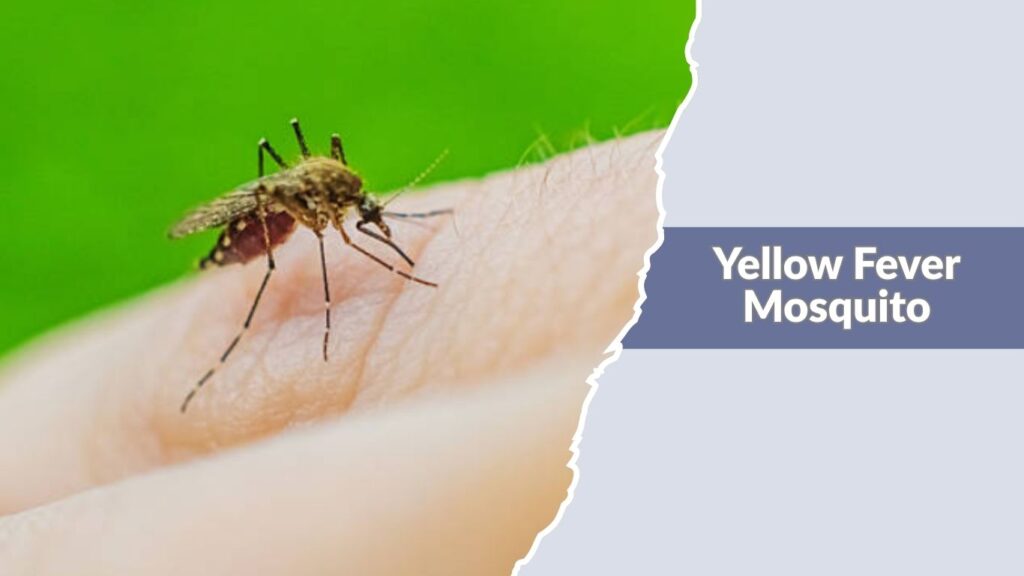
The yellow fever mosquito is one of the most dangerous and widely recognized Aedes species due to its ability to transmit multiple viral diseases. It is strongly adapted to human environments and is commonly found in tropical and subtropical regions. This mosquito breeds close to homes, making human contact frequent. Its preference for clean standing water and daytime biting behavior increases its impact on public health. Because of its close association with people, it plays a major role in the spread of outbreaks in densely populated areas.
Identification
- Small, dark mosquito with a slim body
- Distinctive white, lyre-shaped marking on the thorax
- Legs have clear white banding, giving a striped appearance
- Wings are narrow and transparent
- Adult size ranges between 4–7 mm
Habitat
The yellow fever mosquito thrives in urban and suburban environments where humans live. It prefers artificial containers such as buckets, flower pots, water tanks, and discarded tires. Clean, stagnant water is ideal for breeding. Unlike many other species, it rarely depends on natural water sources like ponds. Its close proximity to human dwellings increases the likelihood of frequent human contact and disease transmission.
Lifecycle
This mosquito undergoes four stages: egg, larva, pupa, and adult. Eggs are laid just above the water line in containers and can survive dry conditions for several months. When water levels rise, the eggs hatch into larvae. Under warm conditions, development from egg to adult can take about 7 to 10 days, allowing rapid population growth.
Risk and Treatment
The yellow fever mosquito is a major vector for diseases such as dengue, Zika, chikungunya, and yellow fever. These illnesses can range from mild to severe. Prevention includes eliminating standing water, using insect repellents, and installing protective barriers like nets. Treatment focuses on managing symptoms, as many mosquito-borne viral infections do not have specific cures.
2. Asian Tiger Mosquito
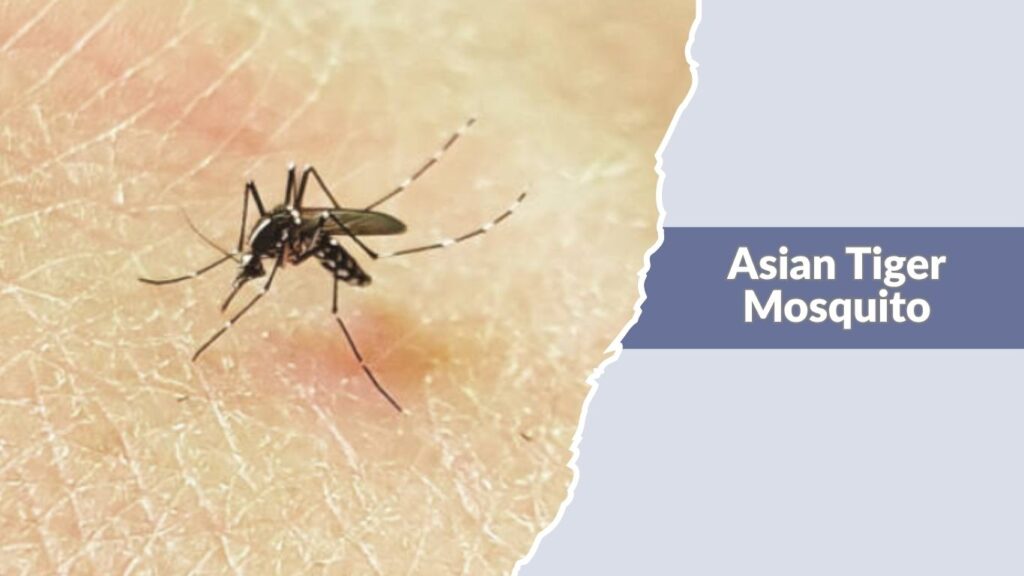
The Asian tiger mosquito is a highly invasive and aggressive Aedes species known for its striking appearance and daytime biting habits. Originally native to Asia, it has spread to many parts of the world due to global trade and travel. It adapts easily to both urban and rural environments and is capable of surviving in cooler climates compared to many other tropical mosquitoes. Its rapid expansion and ability to transmit diseases make it an important public health concern.
Identification
- Black body with a single bold white stripe running down the center of the thorax
- Legs are distinctly black with bright white bands, giving a striped look
- Smaller size, typically around 2–10 mm
- Slender body with narrow wings
- Highly active and noticeable during the day
Habitat
This mosquito is highly adaptable and can live in urban, suburban, and rural areas. It breeds in small collections of water such as containers, tree holes, plant trays, and even bottle caps. It does not require large water bodies and often lives close to vegetation and human habitation.
Lifecycle
The lifecycle includes egg, larva, pupa, and adult stages. Eggs are laid above water surfaces and can survive dry conditions for months. Once water is present, they hatch quickly. Development can take as little as a week in warm temperatures, allowing rapid population growth in favorable conditions.
Risk and Treatment
The Asian tiger mosquito can transmit diseases such as dengue, chikungunya, and Zika. Its aggressive daytime biting increases the risk of exposure. Prevention includes removing standing water, using repellents, and wearing protective clothing. Treatment focuses on managing symptoms of diseases, as there is no direct cure for most mosquito-borne viral infections.
3. Black Salt Marsh Mosquito
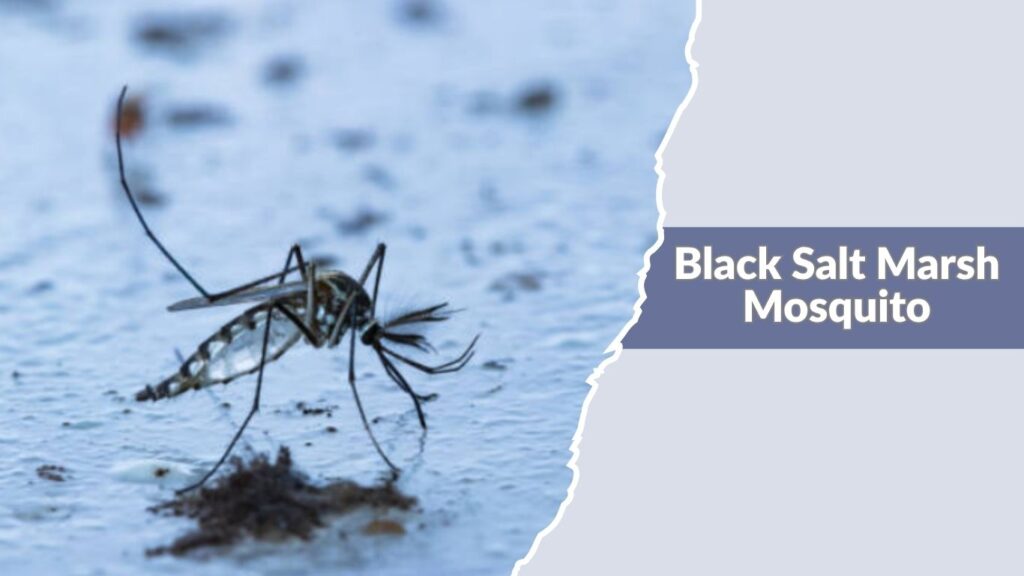
The black salt marsh mosquito is a coastal Aedes species known for its strong flying ability and large population outbreaks. It is commonly found in coastal regions and salt marsh areas, where it can travel long distances in search of blood meals. This mosquito is often associated with nuisance biting rather than disease transmission, but its sheer numbers can make it a significant problem for people living near coastal environments.
Identification
- Dark brown to black body with a sturdy build
- Covered with fine scales that may give a slightly glossy appearance
- Legs are dark without bold white striping
- Medium-sized mosquito, generally larger than container-breeding species
- Strong wings adapted for long-distance flight
Habitat
This mosquito primarily inhabits coastal salt marshes and brackish water environments. It breeds in areas that are periodically flooded by tides or rain. Eggs are laid on moist soil and hatch when the area is flooded, leading to sudden population surges after heavy rains or tidal changes.
Lifecycle
The lifecycle includes egg, larva, pupa, and adult stages. Eggs can remain dormant in dry soil until flooding occurs. Once submerged, they hatch into larvae and develop rapidly. Under warm conditions, the full lifecycle can be completed in about one to two weeks, especially after heavy flooding events.
Risk and Treatment
The black salt marsh mosquito is mostly known for aggressive biting rather than spreading major diseases. Large swarms can cause discomfort and irritation. Prevention includes avoiding peak activity times, using insect repellents, and reducing exposure in affected areas. Treatment for bites typically involves soothing creams and avoiding scratching to prevent infection.
4. Inland Floodwater Mosquito
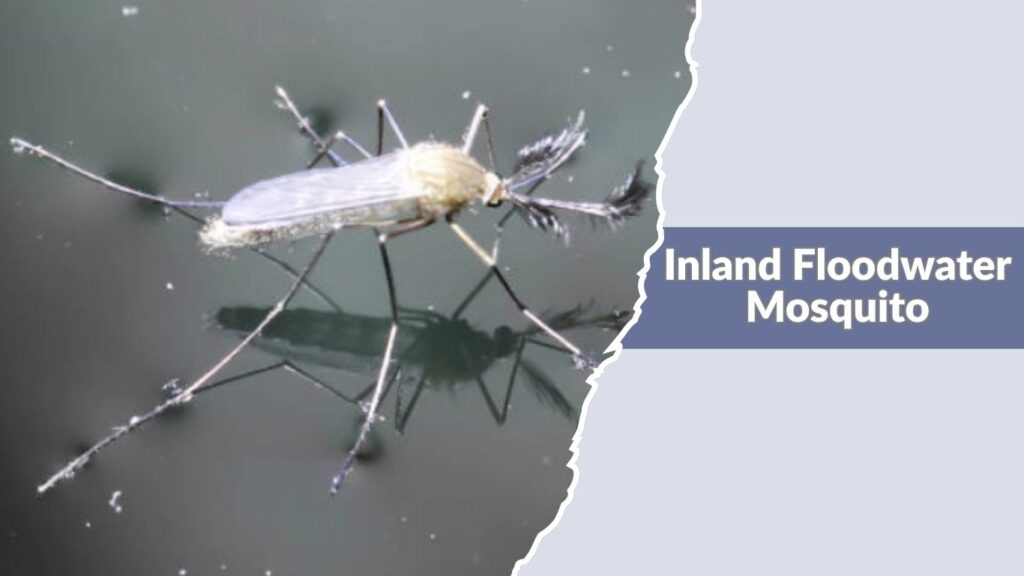
The inland floodwater mosquito is a common Aedes species found in temporary water-filled areas after heavy rainfall. It is known for sudden population explosions following flooding events, making it a seasonal nuisance in many inland regions. This mosquito is a strong flyer and can travel significant distances from its breeding sites in search of hosts.
Identification
- Medium-sized mosquito with a brownish body
- Subtle pale bands on the legs, less distinct than striped species
- Body covered with fine scales giving a slightly dull appearance
- Wings are clear and narrow
- Sturdy build compared to smaller container breeders
Habitat
This mosquito prefers temporary freshwater habitats such as flooded fields, ditches, and low-lying land. Eggs are laid on moist soil rather than directly in water. When rain or flooding occurs, these areas become ideal breeding grounds, leading to rapid increases in population.
Lifecycle
The lifecycle includes egg, larva, pupa, and adult stages. Eggs can survive dry conditions for long periods and hatch when flooded. Development is fast, often taking about 7–10 days in warm weather. This rapid cycle allows large numbers to emerge shortly after rainfall.
Risk and Treatment
The inland floodwater mosquito is mainly a nuisance biter but can occasionally carry certain diseases. Its aggressive biting can cause irritation and discomfort. Prevention includes avoiding flooded areas, using repellents, and wearing protective clothing. Treatment focuses on relieving itching and preventing secondary skin infections.
5. Woodland Pool Mosquito
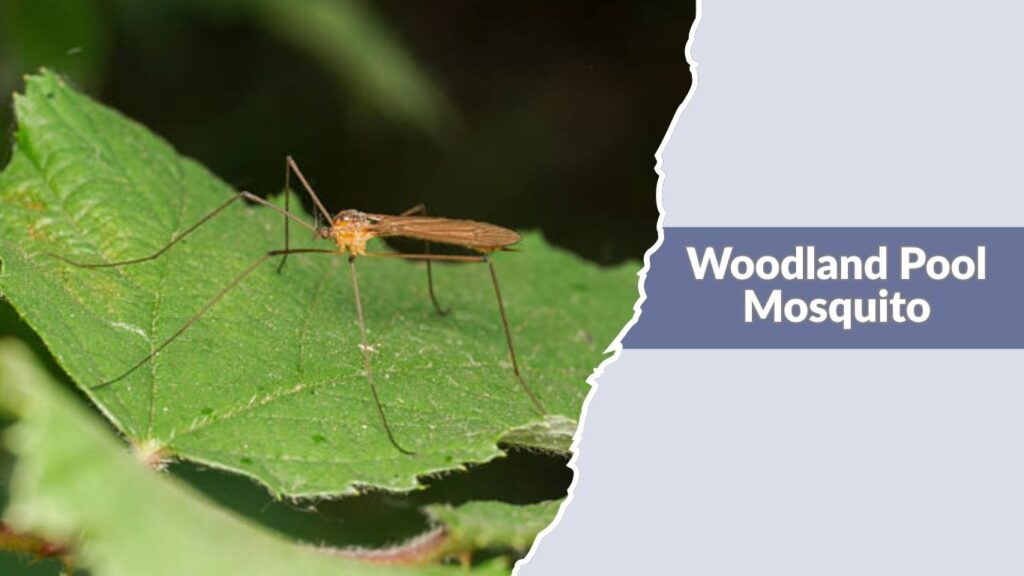
The woodland pool mosquito is a Aedes species commonly found in forested areas where temporary pools form after rainfall or snowmelt. It is especially active in shaded environments and is known for its seasonal appearance. This mosquito primarily feeds on animals but may also bite humans when available. Its presence is usually linked to natural habitats rather than urban settings.
Identification
- Medium-sized mosquito with a brown to dark-colored body
- Light scaling patterns that may appear slightly golden or pale
- Legs show faint banding but are not strongly striped
- Wings are clear with fine veins
- Body appears slightly robust compared to smaller species
Habitat
This mosquito prefers wooded and forested regions with temporary water pools. It breeds in rain-filled depressions, leaf-lined ground pools, and shaded puddles. These habitats are typically rich in organic matter, which supports larval development. It is rarely found in artificial containers or urban environments.
Lifecycle
The lifecycle includes egg, larva, pupa, and adult stages. Eggs are laid on damp soil in woodland areas and can remain dormant until water accumulates. Once flooded, larvae hatch and develop quickly. The full development cycle usually takes one to two weeks, depending on temperature and moisture levels.
Risk and Treatment
The woodland pool mosquito is mainly a nuisance biter with limited role in disease transmission. Its bites can cause itching and mild irritation. Prevention includes avoiding wooded areas during peak activity and using insect repellent. Treatment involves basic care such as anti-itch creams and keeping the bite area clean.
6. Tree Hole Mosquito
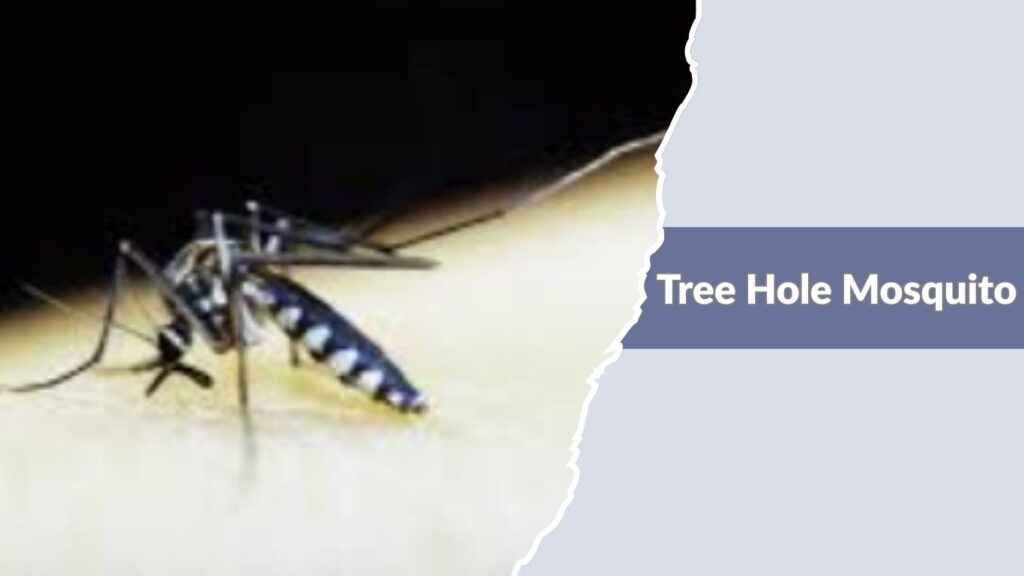
The tree hole mosquito is a Aedes species that commonly breeds in natural cavities filled with water, such as holes in trees. It is well adapted to forested environments but can also survive in urban areas using artificial containers. This mosquito often stays close to its breeding site and is known for biting during the daytime, especially in shaded locations.
Identification
- Small to medium-sized mosquito with a dark body
- Subtle pale or silvery markings on the thorax
- Legs may show light banding but are not strongly striped
- Wings are clear and narrow
- Compact body suited for confined breeding spaces
Habitat
This mosquito prefers natural containers such as tree holes, bamboo stumps, and leaf axils filled with rainwater. In urban areas, it can adapt to artificial containers like cans, buckets, and discarded items. It is commonly found in shaded, humid environments where water collects and remains undisturbed.
Lifecycle
The lifecycle includes egg, larva, pupa, and adult stages. Eggs are laid on the inner surfaces of water-filled cavities and can withstand dry conditions. When water levels rise, eggs hatch into larvae. Development is relatively fast, often completing within 7 to 10 days in warm, moist conditions.
Risk and Treatment
The tree hole mosquito can act as a vector for certain diseases, though it is more often a nuisance biter. Its bites may cause itching and irritation. Prevention includes removing standing water and using repellents. Treatment involves basic care such as cleaning the bite area and applying soothing creams.
7. Snow Pool Mosquito
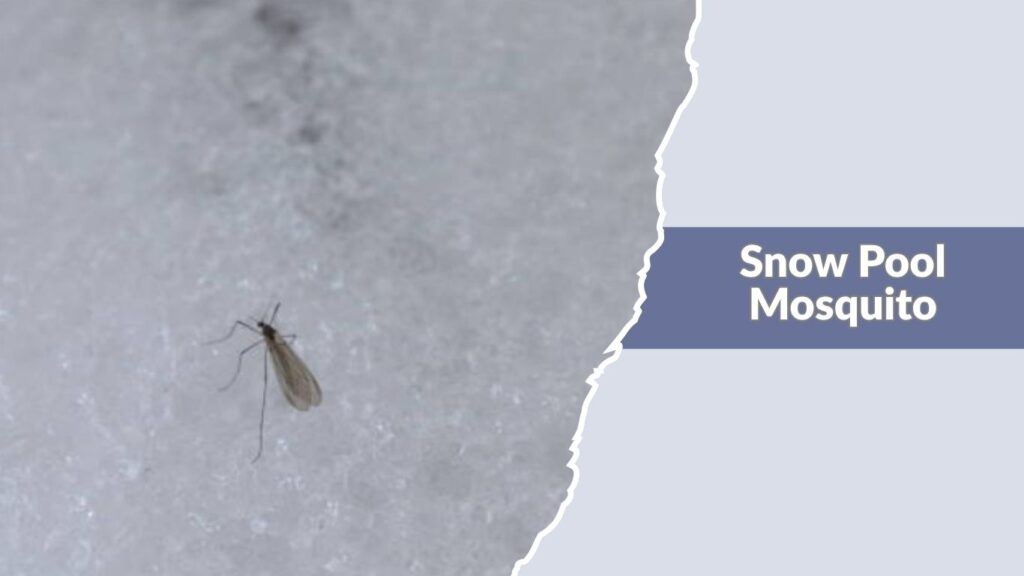
The snow pool mosquito is a cold-adapted Aedes species commonly found in regions with snowy winters. It emerges early in the season when snow begins to melt, making it one of the first mosquitoes to appear each year. Despite cold conditions, it can be very active and aggressive, especially in forested and mountainous areas.
Identification
- Medium-sized mosquito with a dark brown to black body
- Covered with fine scales that may appear slightly frosted or pale
- Legs are mostly dark with faint, subtle banding
- Wings are clear and narrow
- Body appears sturdy and adapted to cooler climates
Habitat
This mosquito prefers areas where snowmelt creates temporary pools, such as forests, wetlands, and mountain regions. It breeds in cold, clean water formed by melting snow. These habitats are often shaded and rich in organic material, supporting early seasonal development.
Lifecycle
The lifecycle includes egg, larva, pupa, and adult stages. Eggs are laid in soil that will later be flooded by snowmelt. They remain dormant through winter and hatch when temperatures rise and water becomes available. Development is slower than in warm climates but still completes within a few weeks.
Risk and Treatment
The snow pool mosquito is mainly a nuisance biter and is not a major disease carrier. However, its early seasonal activity and aggressive biting can cause discomfort. Prevention includes wearing protective clothing and using repellents. Treatment involves managing itching and avoiding scratching to prevent irritation.
8. Coastal Flood Mosquito
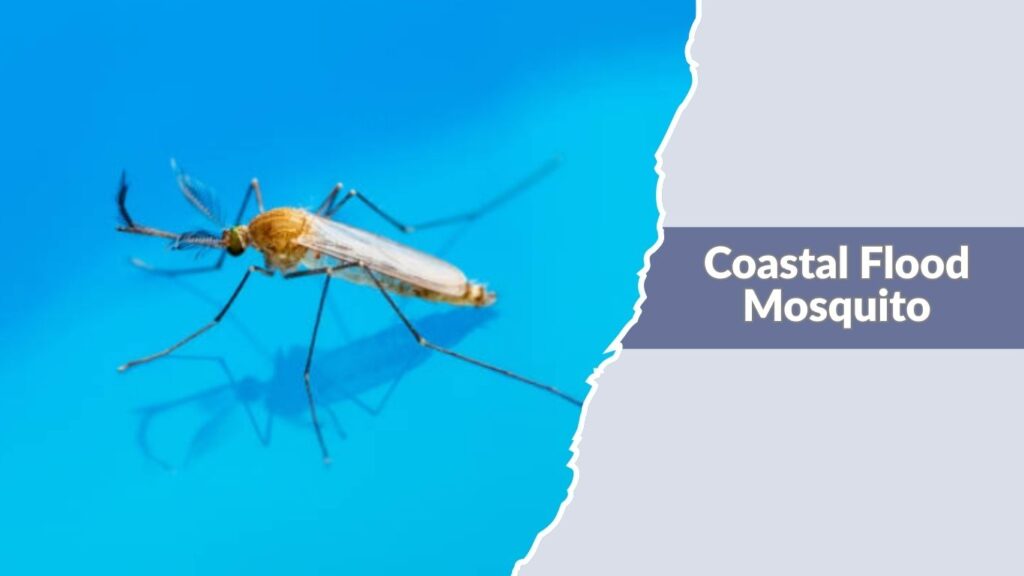
The coastal flood mosquito is a Aedes species commonly found in coastal regions where periodic flooding occurs. It is known for producing large populations after high tides or heavy rains. This mosquito is a strong flyer and can travel far from its breeding sites, often becoming a widespread nuisance in nearby communities.
Identification
- Medium to large mosquito with a dark brown body
- Subtle pale markings on the body, not strongly contrasted
- Legs are mostly dark with light banding
- Wings are clear and well-developed
- Robust body built for long-distance flight
Habitat
This mosquito thrives in coastal environments such as salt marshes, tidal flats, and low-lying areas. It breeds in soil that becomes flooded during high tides or rainfall. Eggs are laid on moist ground and hatch when water covers the area, leading to sudden increases in population.
Lifecycle
The lifecycle includes egg, larva, pupa, and adult stages. Eggs can remain dormant in dry soil for extended periods. Once flooding occurs, they hatch quickly into larvae. Development is rapid, often completing within 1 to 2 weeks under warm conditions, especially after tidal or rain events.
Risk and Treatment
The coastal flood mosquito is mainly known for aggressive biting rather than disease transmission. Large swarms can cause discomfort and disrupt outdoor activities. Prevention includes avoiding peak times, using repellents, and limiting exposure in affected areas. Treatment focuses on relieving itching and preventing skin irritation.
9. Prairie Floodwater Mosquito
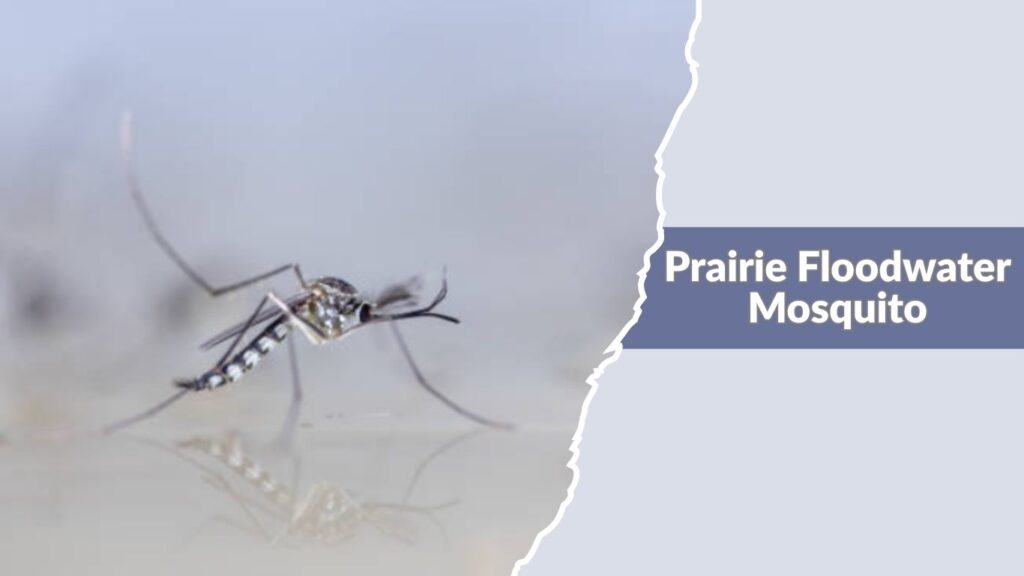
The prairie floodwater mosquito is a Aedes species commonly found in open grasslands and prairie regions. It is known for rapid population growth following heavy rainfall or flooding. This mosquito can travel long distances from its breeding sites and is often encountered in large numbers, making it a seasonal nuisance in rural and agricultural areas.
Identification
- Medium-sized mosquito with a brown to dark body
- Light bands on the legs, though not sharply defined
- Body covered with fine scales giving a slightly dusty appearance
- Wings are clear and narrow
- Strong, sturdy build suited for open environments
Habitat
This mosquito prefers prairie landscapes, fields, and low-lying grassy areas that collect rainwater. It breeds in temporary pools formed after storms or flooding. Eggs are laid on moist soil and remain there until water levels rise, creating ideal breeding conditions.
Lifecycle
The lifecycle includes egg, larva, pupa, and adult stages. Eggs can survive dry conditions for long periods. When flooded, they hatch into larvae and develop quickly. Under warm temperatures, the full cycle can be completed in about 7 to 10 days, leading to sudden population increases.
Risk and Treatment
The prairie floodwater mosquito is mainly a nuisance biter but can occasionally transmit certain diseases. Its aggressive biting behavior can cause discomfort. Prevention includes reducing exposure, using insect repellents, and wearing protective clothing. Treatment focuses on relieving itching and avoiding scratching to prevent infection.
10. Bush Mosquito
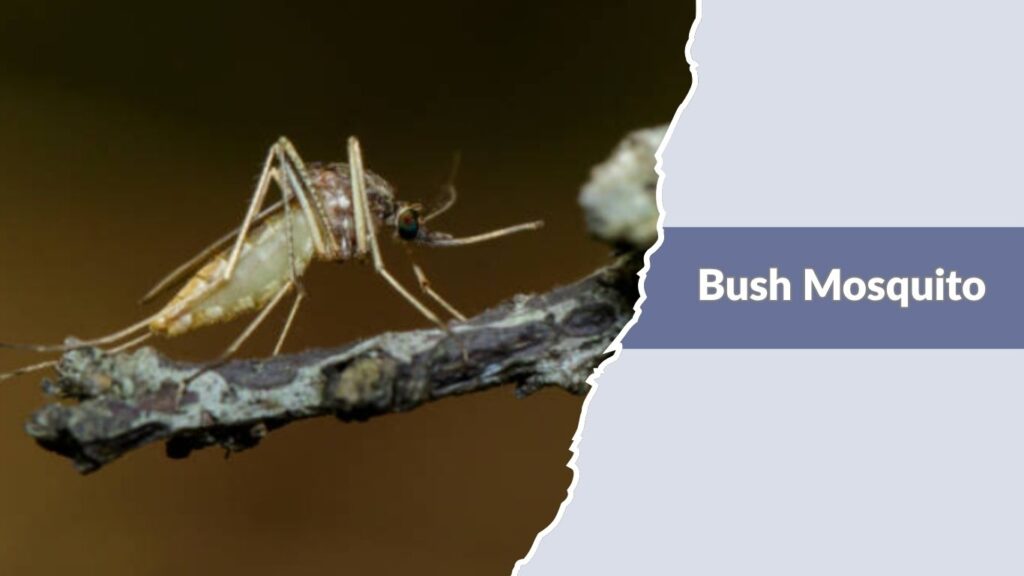
The bush mosquito is a Aedes species commonly found in dense vegetation and rural environments. It prefers natural surroundings such as forests, shrubs, and overgrown areas. This mosquito is active during the day and often remains close to its breeding sites. Although less associated with urban areas, it can still come into contact with humans living near vegetation-rich environments.
Identification
- Small to medium-sized mosquito with a dark body
- Light or pale markings on the thorax, not strongly patterned
- Legs may show faint banding
- Wings are clear and narrow
- Body appears compact and well-adapted to vegetation
Habitat
This mosquito thrives in bushy, forested, and rural areas with dense plant cover. It breeds in natural water collections such as leaf axils, tree holes, and small ground pools. These habitats are usually shaded and rich in organic matter, providing ideal conditions for development.
Lifecycle
The lifecycle includes egg, larva, pupa, and adult stages. Eggs are laid in moist environments and can withstand dry periods. When water becomes available, they hatch into larvae. Development is relatively quick, often completing within one to two weeks depending on environmental conditions.
Risk and Treatment
The bush mosquito is mostly a nuisance biter but can occasionally be involved in disease transmission. Its bites may cause itching and irritation. Prevention includes using insect repellents and avoiding dense vegetation during peak activity. Treatment involves basic care such as cleaning the bite area and applying anti-itch creams.
11. Forest Mosquito
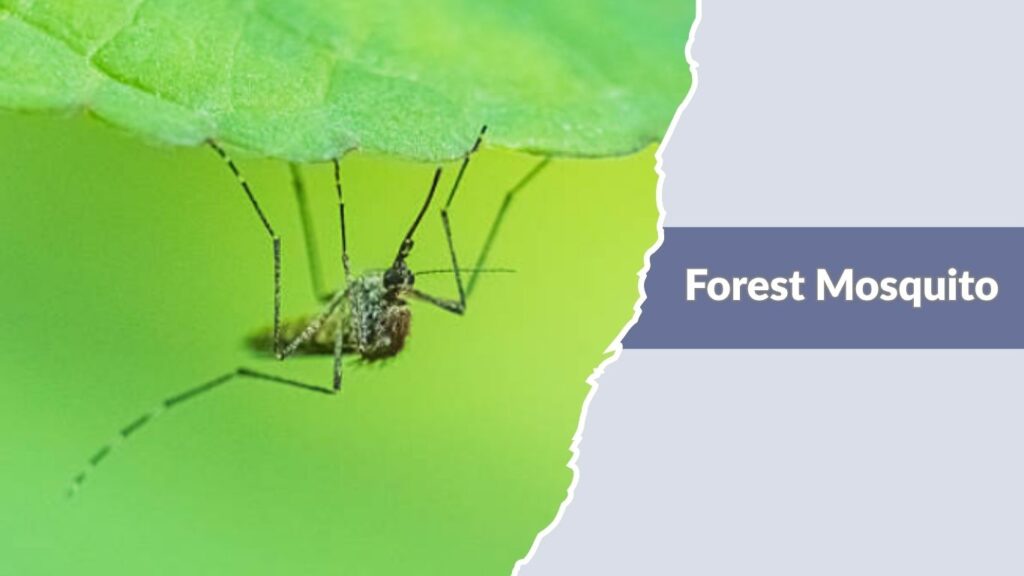
The forest mosquito is a Aedes species commonly found in wooded and natural environments. It is well adapted to life in dense forests where moisture and shade are abundant. This mosquito typically feeds on animals but may bite humans when they enter its habitat. It plays a role in maintaining natural disease cycles among wildlife.
Identification
- Medium-sized mosquito with a dark brown or black body
- Subtle pale or silvery markings on the thorax
- Legs may have faint banding but lack bold stripes
- Wings are clear and narrow
- Body appears slightly robust and adapted to shaded environments
Habitat
This mosquito prefers dense forests, woodland areas, and shaded environments. It breeds in natural water sources such as tree holes, leaf litter pools, and small ground depressions filled with rainwater. These habitats are rich in organic material, which supports larval growth.
Lifecycle
The lifecycle includes egg, larva, pupa, and adult stages. Eggs are laid on damp surfaces in forest environments and can remain dormant until water becomes available. Once flooded, larvae hatch and develop into adults within one to two weeks under suitable conditions.
Risk and Treatment
The forest mosquito is mainly involved in wildlife disease cycles but can bite humans occasionally. Its bites may cause mild irritation. Prevention includes using repellents and wearing protective clothing in forested areas. Treatment focuses on soothing itching and keeping the affected area clean.
12. Dusk-Biting Mosquito
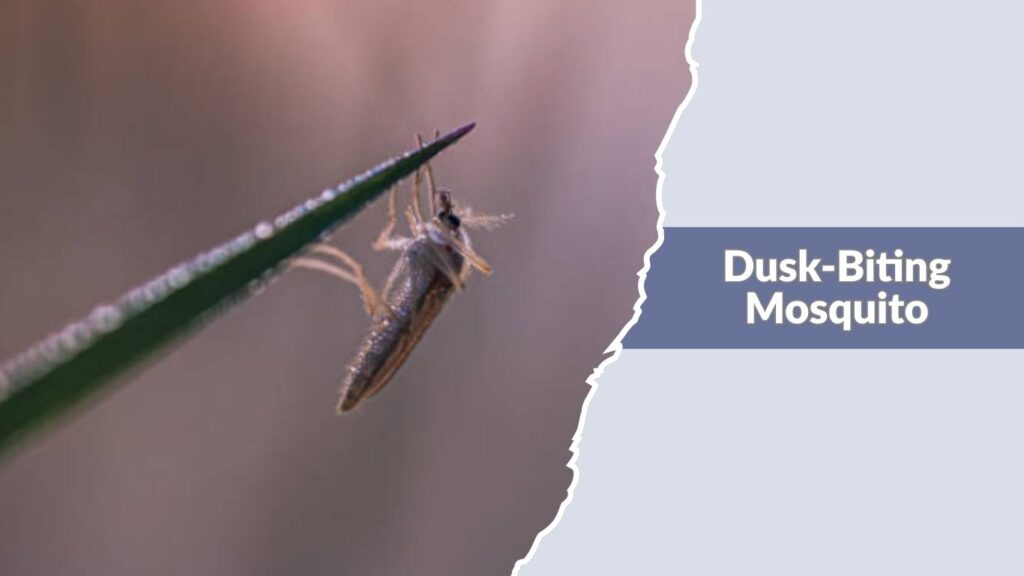
The dusk-biting mosquito is a Aedes species known for its peak activity during low-light periods, especially at dusk. It is commonly found in both rural and semi-urban environments where vegetation and moisture are present. This mosquito becomes most active as daylight fades, increasing the chances of human contact during evening outdoor activities.
Identification
- Medium-sized mosquito with a dark body
- Subtle pale markings on the thorax
- Legs may show light banding
- Wings are clear and narrow
- Active mainly during dusk hours
Habitat
This mosquito prefers areas with moderate vegetation, such as gardens, fields, and forest edges. It breeds in temporary water collections like puddles, small pools, and containers. These environments provide enough moisture and shelter for development.
Lifecycle
The lifecycle includes egg, larva, pupa, and adult stages. Eggs are laid on moist surfaces and can survive dry periods. When water becomes available, they hatch into larvae. Development is usually completed within one to two weeks under warm conditions.
Risk and Treatment
The dusk-biting mosquito is mainly a nuisance but may carry certain diseases depending on the region. Its evening activity increases human exposure. Prevention includes using repellents during dusk hours and wearing protective clothing. Treatment involves managing itching and preventing skin irritation.
13. Day-Biting Mosquito
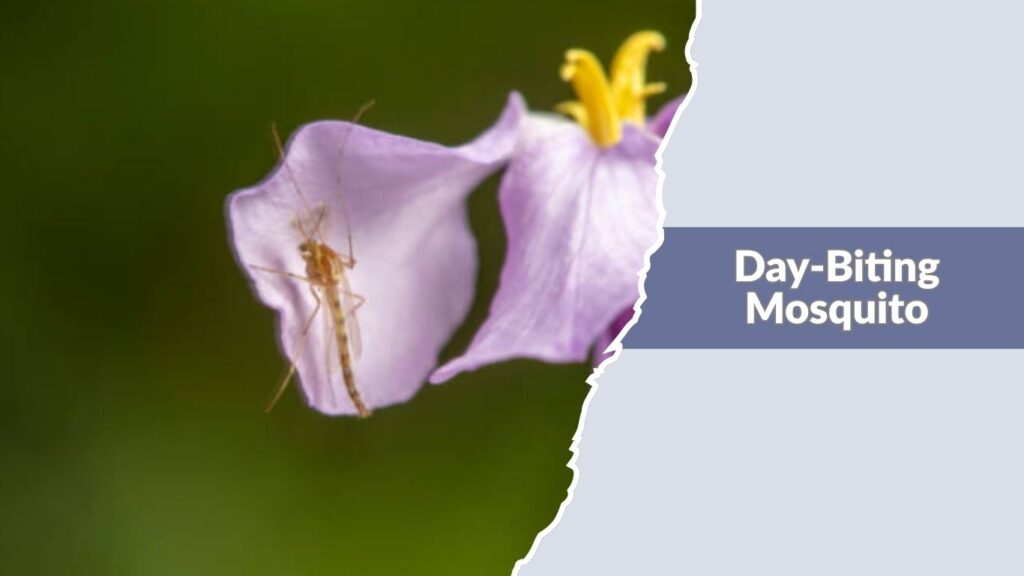
The day-biting mosquito is a Aedes species recognized for its activity during daylight hours, unlike many other mosquitoes that are active at night. It is commonly found in both urban and rural environments and often lives close to human populations. Its daytime feeding behavior increases the likelihood of human contact and makes it particularly noticeable.
Identification
- Small to medium-sized mosquito with a dark body
- May have light or pale markings on the thorax
- Legs can show faint banding
- Wings are clear and narrow
- Actively bites during the daytime
Habitat
This mosquito thrives in a wide range of environments, including urban, suburban, and rural areas. It breeds in small collections of standing water such as containers, puddles, and natural cavities. It is often found near human dwellings where water sources are easily available.
Lifecycle
The lifecycle includes egg, larva, pupa, and adult stages. Eggs are laid on damp surfaces near water and can survive dry conditions. Once water is present, they hatch into larvae. Development is rapid and usually completes within 7 to 10 days in warm environments.
Risk and Treatment
The day-biting mosquito can be a significant nuisance and may also transmit diseases depending on the species. Its daytime activity increases exposure risk. Prevention includes using repellents and eliminating standing water. Treatment focuses on relieving itching and preventing infection from bites.
14. Tropical Container Mosquito
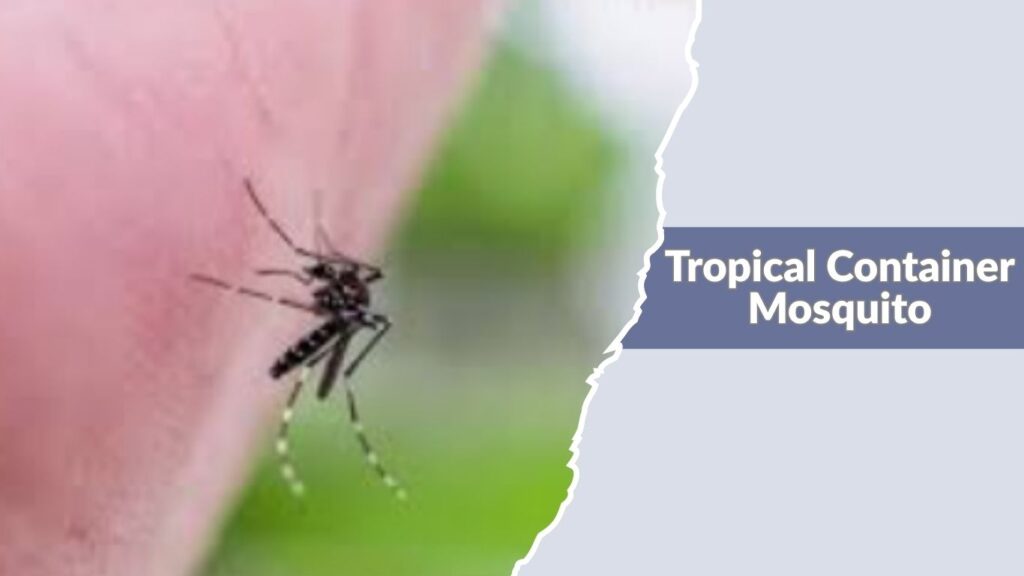
The tropical container mosquito is a Aedes species commonly found in warm, humid regions where it breeds in artificial containers. It is closely associated with human environments and thrives in areas with abundant standing water. This mosquito is active during the day and is known for its adaptability to urban living conditions.
Identification
- Small, dark mosquito with noticeable pale markings
- Thorax may have light patterns, though less distinct than striped species
- Legs often show light banding
- Wings are clear and narrow
- Compact body adapted to container breeding
Habitat
This mosquito prefers tropical and subtropical regions, especially urban and suburban settings. It breeds in artificial containers such as buckets, tires, water storage tanks, and discarded items. Clean, stagnant water provides ideal conditions for reproduction.
Lifecycle
The lifecycle includes egg, larva, pupa, and adult stages. Eggs are laid on container surfaces just above the water line and can survive dry conditions. When water levels rise, eggs hatch into larvae. Development is fast, typically taking about 7 to 10 days in warm climates.
Risk and Treatment
The tropical container mosquito can transmit diseases such as dengue and chikungunya. Its close association with humans increases the risk of outbreaks. Prevention includes removing standing water and using repellents. Treatment focuses on managing symptoms of mosquito-borne illnesses and reducing discomfort from bites.
15. Jungle Mosquito
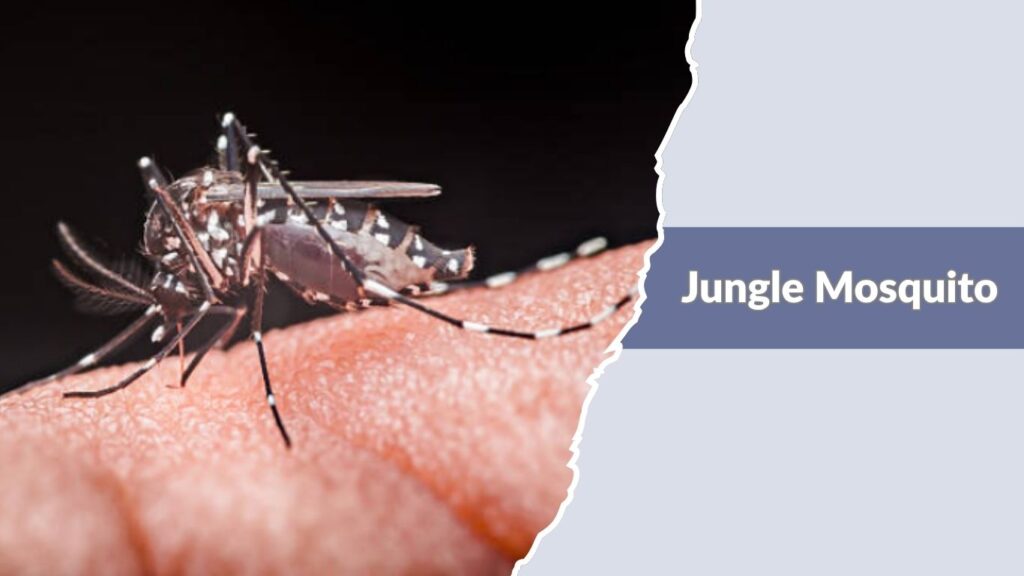
The jungle mosquito is a Aedes species typically found in dense tropical forests. It is well adapted to humid, shaded environments and primarily feeds on animals, though it may bite humans who enter its habitat. This mosquito plays a role in maintaining natural disease cycles in wildlife and is more common in remote areas than in cities.
Identification
- Medium-sized mosquito with a dark brown or black body
- Subtle pale or silvery markings on the thorax
- Legs may have light banding but lack bold stripes
- Wings are clear and narrow
- Body appears strong and adapted to forest conditions
Habitat
This mosquito thrives in dense jungle and forest environments with high humidity. It breeds in natural water sources such as tree holes, leaf axils, and ground pools formed by rain. These areas are rich in organic matter and remain shaded, providing ideal conditions for development.
Lifecycle
The lifecycle includes egg, larva, pupa, and adult stages. Eggs are laid in moist, natural containers and can survive dry periods. Once water is available, they hatch into larvae. Development typically takes one to two weeks depending on temperature and moisture.
Risk and Treatment
The jungle mosquito mainly affects wildlife but can bite humans in forested areas. It may carry certain diseases depending on the region. Prevention includes using repellents and wearing protective clothing in jungle areas. Treatment focuses on relieving itching and preventing infection from bites.
FAQs
What diseases are commonly spread by Aedes mosquitoes?
Aedes mosquitoes are known to spread several viral diseases, including dengue, Zika, chikungunya, and yellow fever. These diseases vary in severity but can cause symptoms like fever, joint pain, and fatigue. In some cases, complications can become serious, making prevention and mosquito control very important.
When are Aedes mosquitoes most active?
Most Aedes mosquitoes are active during the daytime, especially in the early morning and late afternoon. However, some species may also bite during dusk. Their daytime activity makes them different from many other mosquitoes, increasing the chances of human contact during normal daily routines.
Where do Aedes mosquitoes usually breed?
Aedes mosquitoes typically breed in clean, stagnant water found in both natural and artificial containers. Common breeding sites include buckets, tires, flower pots, tree holes, and puddles. Even small amounts of water can support their lifecycle, making control efforts more challenging.
How can I prevent Aedes mosquito bites?
Prevention includes removing standing water around your home, using insect repellents, and wearing protective clothing. Installing window screens and mosquito nets can also help reduce exposure. Regularly cleaning containers and keeping surroundings dry are key steps in limiting mosquito breeding.
What should I do if I get bitten by a mosquito?
If bitten, clean the area and avoid scratching to prevent infection. Applying anti-itch creams or cold compresses can help reduce irritation. If symptoms like fever, joint pain, or unusual fatigue develop after a bite, it is important to seek medical attention promptly.