
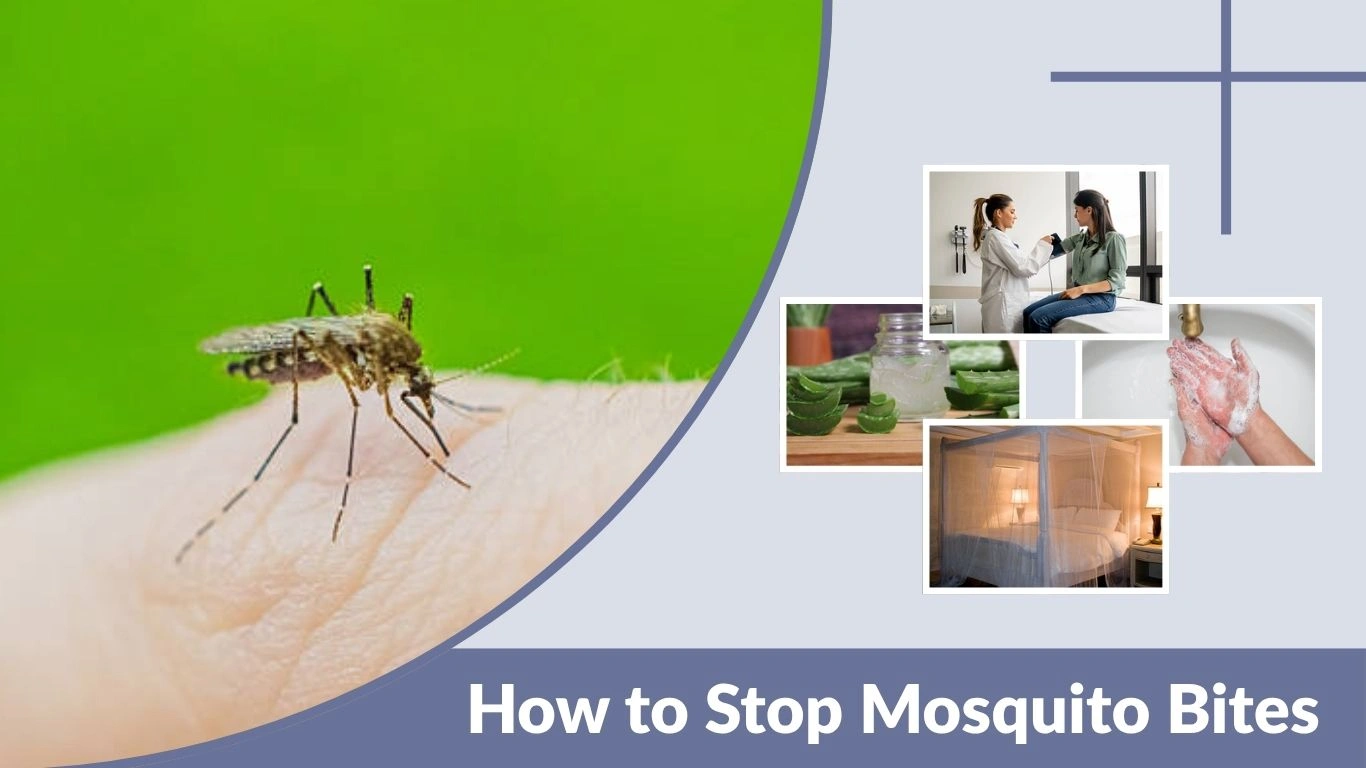
Mosquito bites are a common problem, especially during warm weather. While the bite itself is usually harmless, the itching that follows can be extremely irritating. Scratching often makes it worse and can even lead to infection. The good news is that there are simple and effective ways to reduce itching quickly. In this guide, you’ll learn why mosquito bites itch and how to stop the itching step by step using both home remedies and proven treatments.
Why Do Mosquito Bites Itch?
Mosquito bites itch because the body reacts to the mosquito’s saliva. When a mosquito bites, it injects saliva into the skin, triggering an immune response. This leads to the release of histamine, which causes itching, redness, and swelling.
What Happens When a Mosquito Bites
When a mosquito pierces the skin, it releases saliva that prevents blood from clotting. This allows the mosquito to feed more easily.
Your immune system recognizes this saliva as a foreign substance and reacts to it. As a result, histamine is released in the affected area, leading to swelling and the urge to scratch.
This reaction is completely normal and is the main reason why mosquito bites become itchy.
Why Some Bites Itch More Than Others
Not all mosquito bites feel the same. Some people experience mild irritation, while others may develop large, itchy bumps.
This difference is often due to skin sensitivity and immune response. People who are more sensitive to mosquito saliva may experience stronger itching and swelling.
Repeated exposure can also affect how your body reacts. In some cases, the reaction may become milder over time, while in others, it may remain intense.
Step-by-Step Guide to Stop Mosquito Bite Itching
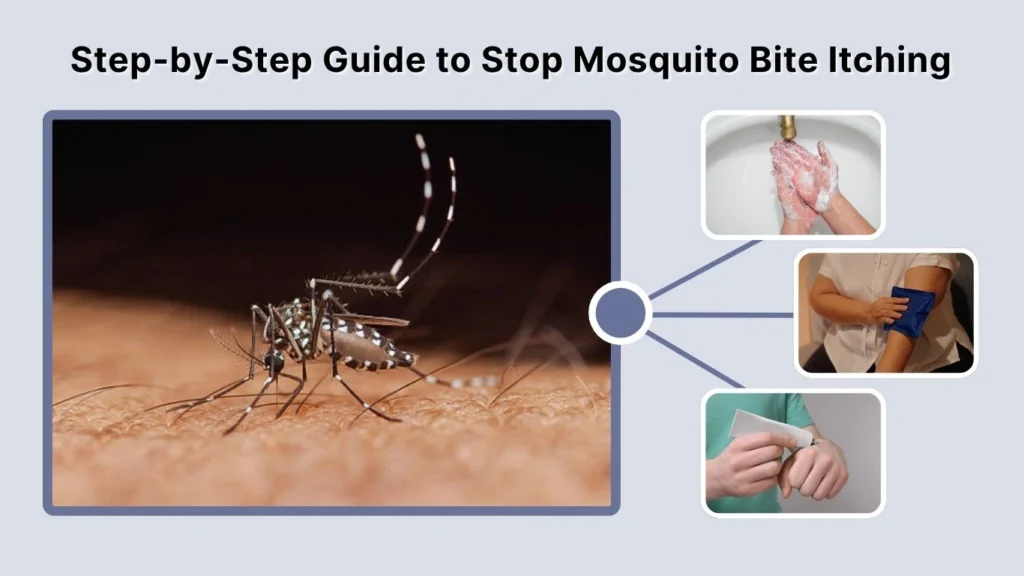
Treating mosquito bites early can significantly reduce itching and prevent further irritation. Following these steps can help calm the skin and speed up healing.
Step 1: Clean the Area
The first step is to wash the bite with soap and water. This removes any bacteria or irritants from the skin and reduces the risk of infection.
Cleaning the area also helps soothe the skin slightly and prepares it for further treatment. Gently pat the area dry after washing.
Step 2: Apply a Cold Compress
Applying a cold compress is one of the fastest ways to reduce itching. You can use an ice pack or a clean cloth soaked in cold water.
The cold temperature helps numb the area and reduces swelling. Apply it for 10–15 minutes at a time for the best results.
This step is especially helpful if the bite is swollen or inflamed.
Step 3: Use Anti-Itch Cream
Anti-itch creams are effective for reducing irritation. Products like hydrocortisone cream or calamine lotion can calm the skin and reduce redness.
Apply a small amount directly to the bite and follow the instructions on the product label. These treatments work by reducing inflammation and soothing the affected area.
Step 4: Take Antihistamines (if needed)
If the itching is severe, antihistamines can help reduce the body’s allergic reaction. These are available in tablet form and can provide relief from widespread itching.
They are particularly useful for people who react strongly to mosquito bites.
Step 5: Avoid Scratching
Although it may be tempting, scratching the bite can make it worse. It can damage the skin, increase irritation, and lead to infection.
Keeping the area clean and using treatments to reduce itching will help you avoid the urge to scratch.
Best Home Remedies for Mosquito Bites
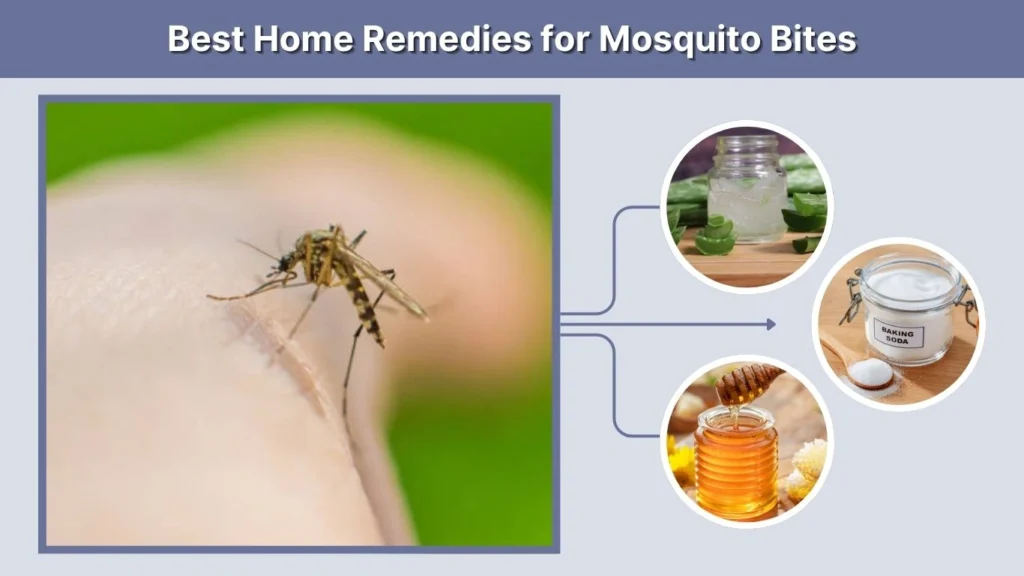
Home remedies can provide quick and natural relief from itching. Many everyday items have soothing properties that help calm irritated skin.
- Aloe vera gel helps cool and soothe the skin
- Baking soda paste reduces itching and inflammation
- Honey has natural antibacterial properties
- Oatmeal paste helps relieve irritation
- Diluted tea tree oil can reduce swelling
Aloe vera is one of the most popular remedies. Its cooling effect provides immediate relief and helps reduce redness.
Baking soda mixed with water creates a paste that can be applied directly to the bite. This helps neutralize irritation and reduce itching.
Oatmeal is another effective option, especially for sensitive skin. It can be applied as a paste or used in a bath to soothe multiple bites.
Over-the-Counter Treatments
If home remedies are not enough, over-the-counter treatments can provide stronger and faster relief. These products are widely available and easy to use.
- Hydrocortisone cream for inflammation
- Calamine lotion for soothing relief
- Antihistamine tablets for allergic reactions
- Anti-itch sprays for convenience
- Mild pain relief creams
Hydrocortisone cream is one of the most effective treatments. It reduces inflammation and helps control itching quickly.
Calamine lotion is another common option. It creates a cooling sensation on the skin and helps dry out the bite, reducing irritation.
For more severe cases, antihistamines can be taken to reduce the body’s reaction. These are especially useful if you have multiple bites or strong itching.
How Long Do Mosquito Bites Itch?
The duration of itching from mosquito bites can vary depending on your skin type, immune response, and how quickly you treat the bite. In most cases, the itching is temporary and manageable.
Typical Timeline
Mosquito bite itching usually starts within minutes after the bite occurs. It often becomes more noticeable within the first few hours.
The itching typically peaks within 24 to 48 hours. During this time, the bite may appear red, swollen, and slightly raised.
For most people, the irritation begins to fade after a couple of days. Complete healing usually occurs within 3 to 7 days, depending on how the bite is treated.
Factors That Affect Healing
Several factors can influence how long a mosquito bite lasts:
- Scratching the bite repeatedly can slow healing
- Sensitive skin may react more strongly
- Proper treatment can reduce duration
- Multiple bites can increase irritation
Avoiding irritation and applying treatment early can help speed up recovery and reduce discomfort.
When to See a Doctor
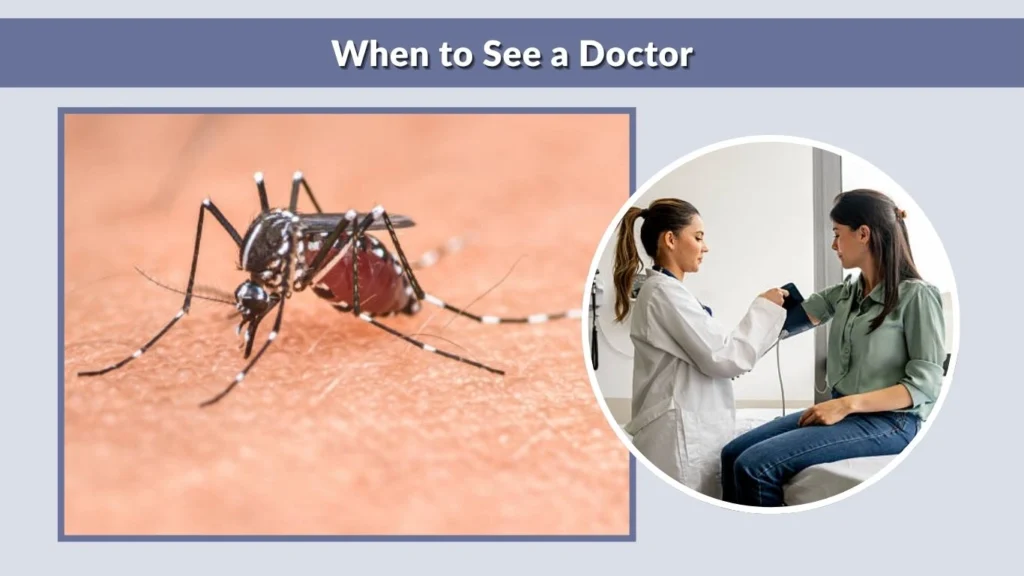
Most mosquito bites are harmless and do not require medical attention. However, in some cases, symptoms may indicate a more serious reaction.
Warning Signs
- Severe swelling beyond the bite area
- Signs of infection such as pus or increased redness
- Difficulty breathing or allergic reaction
- Fever or unusual symptoms after a bite
If you notice any of these symptoms, it is important to seek medical advice. While rare, some people may have strong allergic reactions to mosquito bites.
Children and individuals with sensitive skin may also experience stronger reactions, so monitoring symptoms is important.
How to Prevent Mosquito Bites
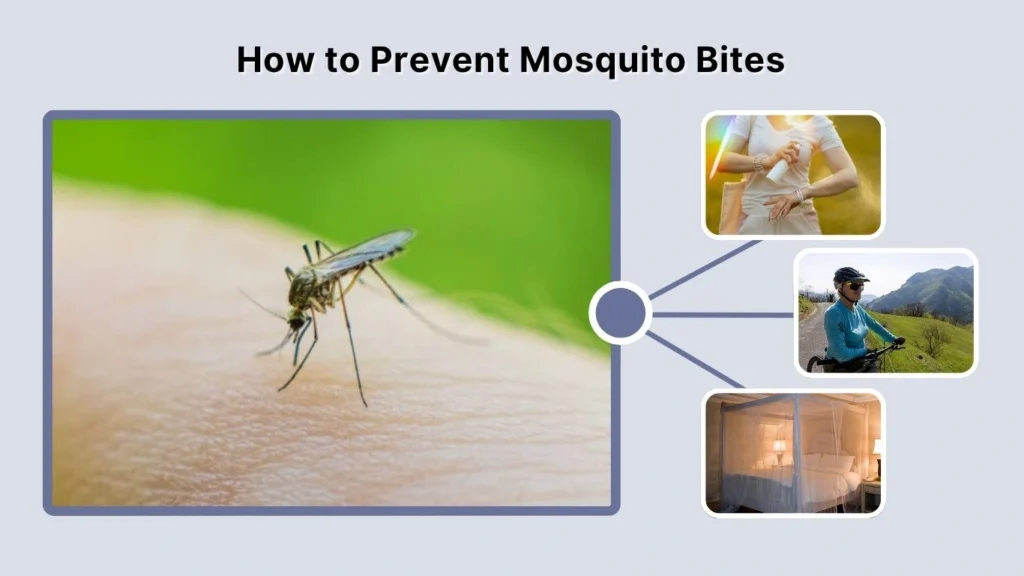
Preventing mosquito bites is the best way to avoid itching and discomfort. Taking simple precautions can significantly reduce your chances of getting bitten.
- Use insect repellent on exposed skin
- Wear long sleeves and protective clothing
- Avoid areas with standing water
- Use mosquito nets while sleeping
- Install window and door screens
Mosquitoes are most active during early morning and evening. Limiting outdoor exposure during these times can help reduce bites.
Keeping your surroundings clean and removing standing water prevents mosquitoes from breeding. This is one of the most effective long-term prevention strategies.
Using repellents with proven ingredients can also provide strong protection when you are outdoors.
Common Mistakes to Avoid
Certain habits can make mosquito bites worse or delay healing. Avoiding these mistakes can help you recover faster and reduce irritation.
- Scratching the bite aggressively
- Ignoring early treatment
- Applying harsh or irritating substances
- Not cleaning the bite area
- Using undiluted essential oils
Scratching is one of the biggest mistakes. While it may provide temporary relief, it can damage the skin and lead to infection.
Another common mistake is delaying treatment. Applying a cold compress or anti-itch cream early can prevent the itching from becoming more intense.
Using strong or undiluted products can irritate the skin further. Always use gentle, skin-safe treatments.
FAQs
How do you stop mosquito bites from itching fast?
Applying a cold compress and using anti-itch creams like hydrocortisone or calamine lotion can provide quick relief. These methods reduce inflammation and numb the itching sensation.
What is the best home remedy for mosquito bites?
Aloe vera and baking soda paste are among the most effective home remedies. They help soothe the skin and reduce itching naturally without harsh chemicals.
Why do mosquito bites itch more at night?
Mosquito bites may feel itchier at night due to increased blood flow and fewer distractions. This makes the sensation more noticeable when you are trying to rest.
Is it bad to scratch mosquito bites?
Yes, scratching can damage the skin, increase irritation, and lead to infection. It is best to treat the bite instead of scratching it.
How long does a mosquito bite last?
Most mosquito bites last between 3 to 7 days. Proper treatment can help reduce both the duration and severity of itching.