
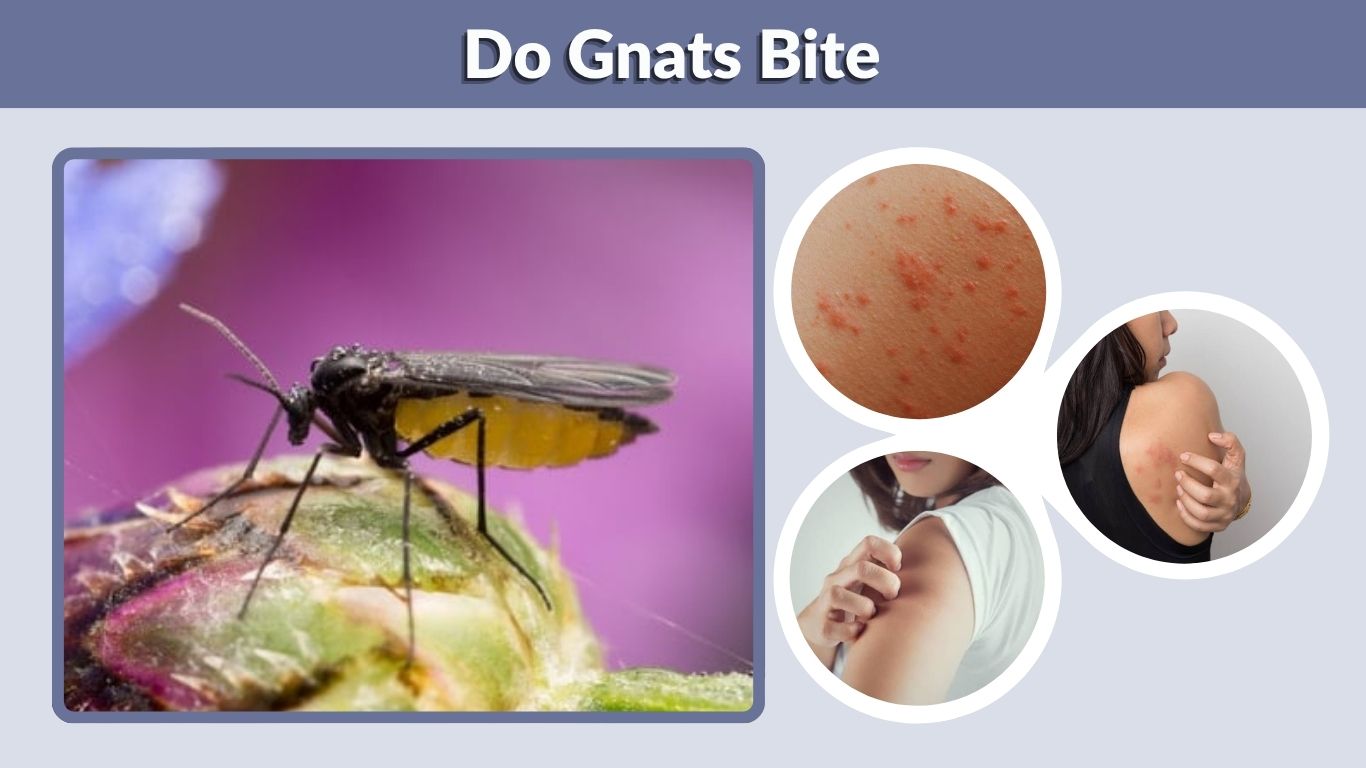
Some gnats bite, but many do not. Black flies—also called buffalo gnats—and biting midges or no-see-ums feed on blood and can leave painful, itchy bumps. Fungus gnats and fruit flies do not normally bite humans, while ordinary house flies lack biting mouthparts. Questions about gnat bites, black fly bites, fruit flies, and other tiny flying bugs commonly overlap because these insects can look similar at a glance.
Do Gnats Bite Humans?
The answer depends on which insect is being called a gnat. “Gnat” is commonly used for several types of tiny flies, including both biting and non-biting species.
Black flies and biting midges bite humans and animals to obtain blood. Fungus gnats found around damp houseplant soil do not bite people, and fruit flies attracted to fermenting produce are also not considered biting pests.
| Tiny fly | Does it bite? | Common location |
| Black fly or buffalo gnat | Yes | Near streams and rivers |
| Biting midge or no-see-um | Yes | Wetlands, beaches and damp areas |
| Fungus gnat | No | Damp houseplant soil |
| Fruit fly | No | Kitchens and fermenting food |
| House fly | No | Homes, farms and waste areas |
| Stable fly | Yes | Farms, kennels and outdoor areas |
Which Gnats Bite?
Two groups cause most bites blamed on gnats.
Black Flies and Buffalo Gnats
Black flies are small, dark, hump-backed flies associated with flowing water. Their larvae develop in streams and rivers, while adult females of biting species feed on blood.
Unlike mosquitoes, black flies do not simply pierce the skin with a needle-like mouthpart. They cut the skin and feed from the small pool of blood that forms. The bite may not be immediately noticeable but can later become painful, red, swollen and itchy.
Black flies commonly target exposed areas such as the head, hairline, neck, ears, arms and lower legs. They may swarm around a person even when relatively few are actually biting.
Biting Midges or No-See-Ums
Biting midges are extremely small flies, generally around 1–3 millimeters long. They are often called no-see-ums, punkies or biting gnats because they may be difficult to notice before the bite occurs.
Their bites can produce an immediate stinging or burning sensation followed by itching, redness and swelling. They are frequently active during warm weather, especially around dawn, dusk, wetlands and sheltered coastal areas.
What Do Gnat Bites Look Like?
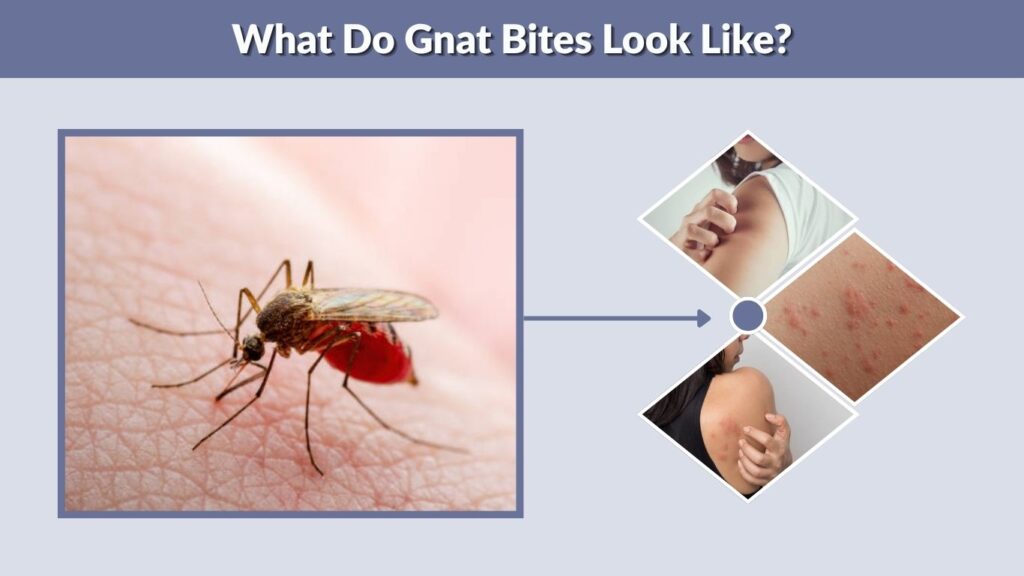
A gnat bite usually appears as a small, raised, itchy bump. The surrounding skin may become red, warm or swollen, although redness can be harder to notice on darker skin tones.
Possible signs include:
- Small raised bumps or welts
- Intense itching
- Local redness and warmth
- Burning or tenderness
- A tiny bleeding point or scab
- Several bites close together
- Swelling that increases over several hours
Black fly bites may show a small central wound because the fly cuts the skin. Biting-midge reactions are often small but intensely itchy. Appearance alone cannot always identify the insect because mosquitoes, fleas, bed bugs and mites may create similar marks.
How Long Do Gnat Bites Last?
Most mild insect-bite reactions improve within several days. Itching and swelling may last longer in people who develop a larger local reaction or who repeatedly scratch the skin.
Scratching can break the skin and introduce bacteria. Increasing pain, spreading warmth, pus, rapidly expanding swelling or fever may indicate an infection rather than a normal bite reaction.
How to Treat Gnat Bites
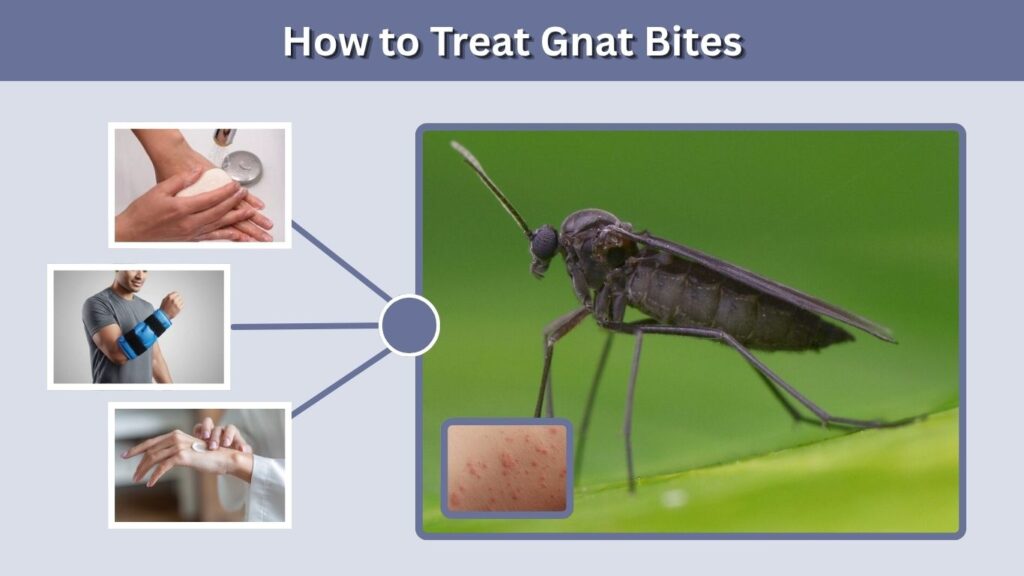
Most uncomplicated gnat and fly bites can be cared for at home.
Basic Treatment
Wash the bite gently with soap and water. Apply a cold pack wrapped in cloth for around 10–20 minutes to reduce itching and swelling. Avoid scratching, even when the bite is very itchy.
A pharmacist or healthcare professional may recommend an oral antihistamine or an appropriate anti-itch treatment when symptoms are troublesome. Check first when treating a young child, taking other medication, or managing an existing medical condition.
When to Seek Medical Care
Obtain medical advice when:
- Swelling or pain continues to worsen
- The bite becomes hot, increasingly red or drains pus
- A red streak spreads from the bite
- Symptoms do not begin improving
- The bite occurred near an eye, mouth or throat
- Numerous bites cause weakness or illness
Call local emergency services for difficulty breathing, throat tightness, fainting, widespread hives, or sudden swelling of the lips, tongue, face or throat. These may indicate a severe allergic reaction.
Do Fruit Flies Bite?
Fruit flies do not normally bite humans. They are attracted to fermenting fruits, vegetables, drinks, drains and food residue. Their mouthparts and feeding behavior are not adapted for taking blood from people.
When someone notices tiny flies in a kitchen and develops bites at the same time, another pest may be responsible. Possibilities include mosquitoes, fleas, biting midges, bed bugs or mites.
Do Fungus Gnats Bite?
Fungus gnats do not bite people. They are small, mosquito-like flies commonly seen hovering around houseplants, windows and damp potting soil.
Adults are mainly a nuisance. Their larvae develop in moist organic material and may occasionally affect plant roots when populations become large. Allowing the upper layer of potting soil to dry between waterings can help reduce their numbers.
Do House Flies Bite?
Ordinary house flies do not bite. They possess sponging mouthparts used to consume liquid or softened food.
Stable flies are often mistaken for house flies, but they have a projecting piercing mouthpart and can deliver painful bites. Both male and female stable flies feed on blood, commonly targeting the ankles and lower legs of people and the legs, belly or ears of animals.
Other Types of Flies That Bite
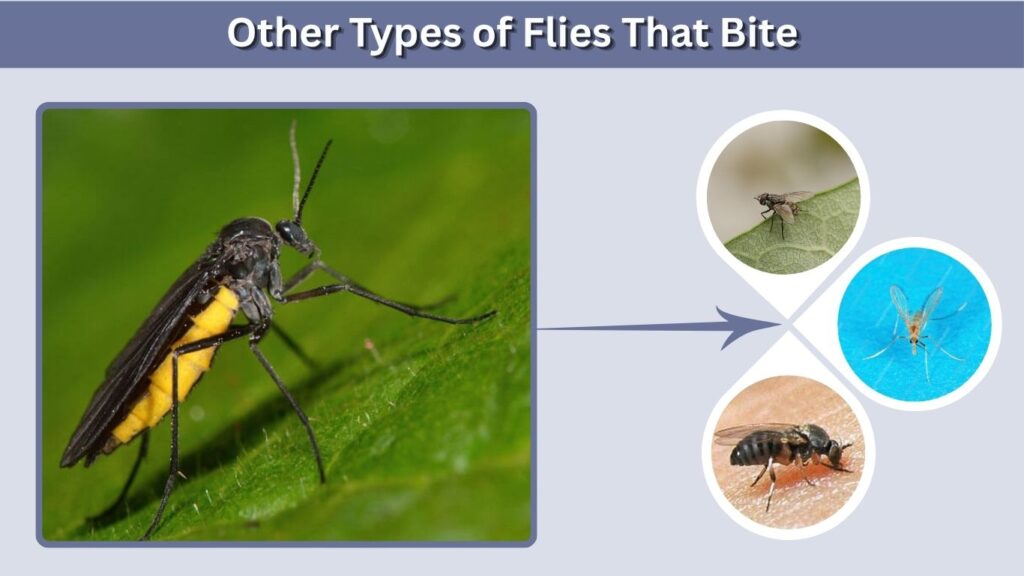
Several flies can bite humans even though common house flies and fruit flies cannot.
Horse Flies and Deer Flies
Female horse and deer flies cut the skin and feed on blood. Their bites are often immediately painful and may leave a relatively large swollen area.
Sand Flies
Sand flies are tiny blood-feeding insects found mainly in warm regions. Some species can transmit diseases, including forms of leishmaniasis.
Stable Flies
Stable flies resemble house flies but have a stiff forward-pointing mouthpart. Their bites are sharp and commonly occur around exposed lower legs.
Black Flies
Black flies and buffalo gnats may attack in groups near waterways. Bites can produce local pain, itching and swelling.
Can Gnat or Black Fly Bites Spread Disease?
Most gnat bites result only in temporary skin irritation. However, infected black flies transmit onchocerciasis in certain parts of Africa and limited areas elsewhere. Infection generally requires repeated bites from infectious black flies and is not a routine consequence of an isolated bite in most regions.
Disease risk depends strongly on the insect species and geographic location. Travelers who develop fever, unusual rashes, persistent swelling or other illness after extensive insect exposure should seek medical advice and mention where they traveled.
Black Fly Bites on Dogs
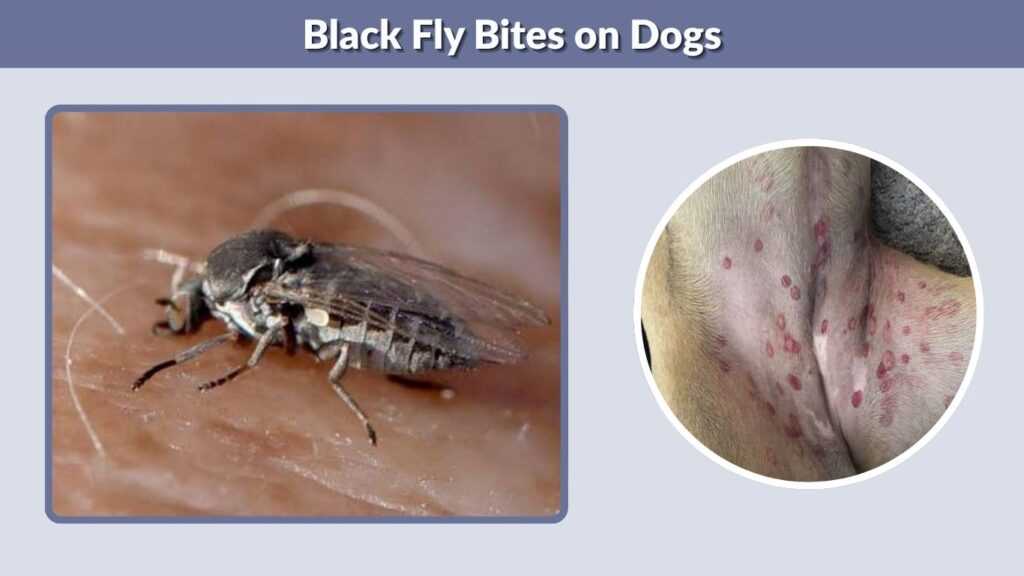
Black flies can bite dogs as well as humans. Their bites may cause redness, itching, bumps or swollen welts, especially on exposed areas with thinner hair.
Mild marks often resolve without complications, but a veterinarian should evaluate extensive bites, severe swelling, open wounds, eye involvement, weakness or breathing difficulty. Only use insect repellents specifically approved for dogs; human products may contain ingredients unsafe for pets.
How to Prevent Gnat and Biting Fly Bites
Wear long sleeves, long trousers, socks and closed shoes when biting flies are active. Use an insect repellent appropriate for your age and location, and follow the label exactly.
Screens, fine-mesh netting and fans can reduce exposure. Biting gnats and black flies are weak in strong airflow, so a fan may help around patios and animal areas. Avoid spending long periods beside streams, marshes or damp shaded areas when biting activity is intense.
FAQs
Do all gnats bite people?
No. Black flies and biting midges can bite, while fungus gnats and fruit flies do not normally bite humans. Identification depends on where the flies appear, their body shape and the conditions surrounding the bites.
Why do gnats bite?
Female blood-feeding gnats require nutrients from blood to produce eggs. Their male counterparts generally feed on plant sugars or nectar rather than biting humans or animals.
What does a black fly bite look like?
It may appear as a red, itchy and swollen bump with a small central bleeding point or scab. Several bites may occur around the hairline, ears, neck, arms or legs.
Can tiny black flying bugs bite?
Yes. Black flies, biting midges and some other tiny flies bite humans. However, fungus gnats and fruit flies are common tiny black flies that do not bite.
Are gnat bites dangerous?
Most are irritating rather than dangerous. Seek immediate help for breathing problems, facial or throat swelling, fainting or widespread hives. Spreading redness, pus, fever or worsening pain may indicate infection.