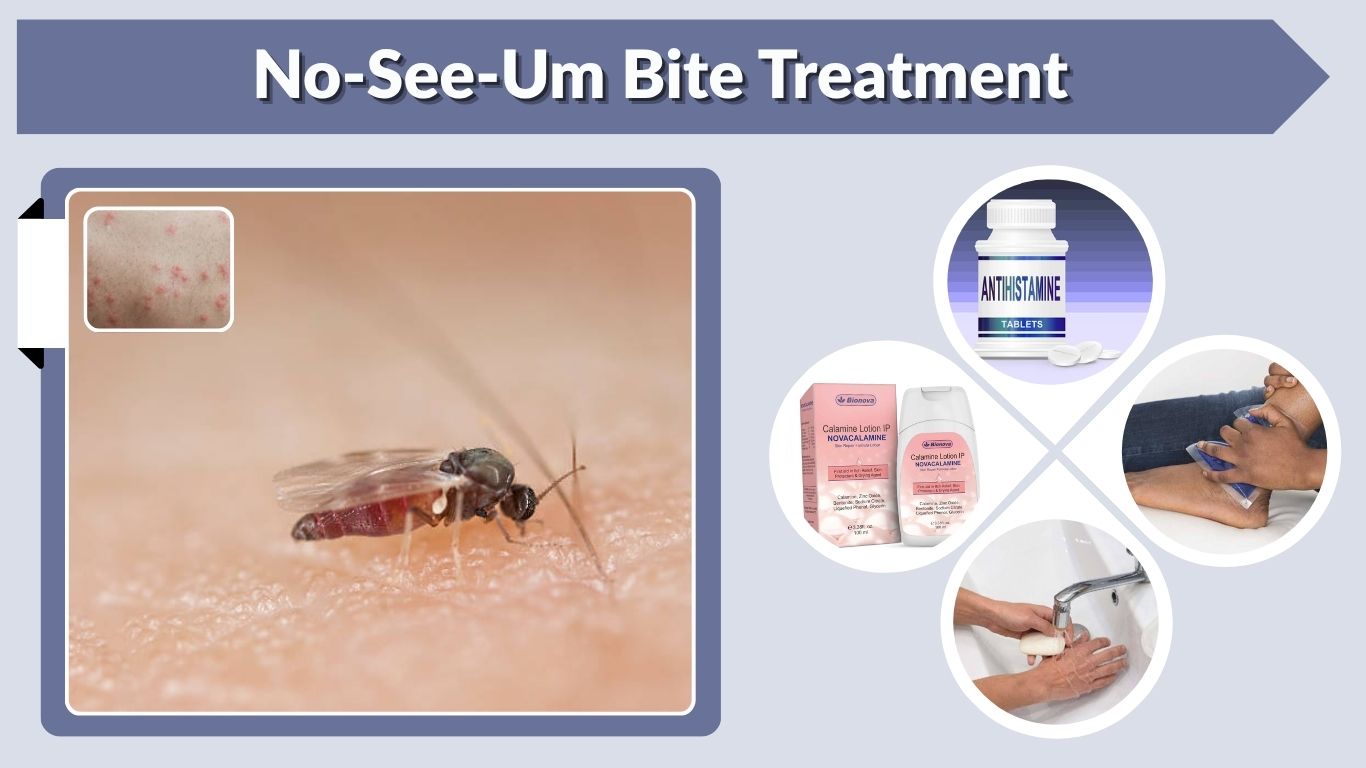
No-see-um bites can cause intense itching, burning, redness, and swelling despite coming from extremely small insects. Also called biting midges, no-see-ums may leave individual bumps or clusters of irritated spots on exposed skin. Most bites can be treated at home by washing the area, applying a cold compress, controlling the itching, and avoiding scratching. Medical attention may be necessary when swelling becomes severe, the skin appears infected, or symptoms of a serious allergic reaction develop.
No-See-Um Bite Treatment at a Glance
The fastest approach is to clean, cool, soothe, and protect the affected skin.
| Treatment step | What to do |
| Clean the bites | Wash gently with soap and water |
| Reduce swelling | Apply a wrapped cold pack for about 20 minutes |
| Relieve itching | Ask a pharmacist about hydrocortisone, calamine, or an antihistamine |
| Protect the skin | Avoid scratching and keep broken skin clean |
| Watch for complications | Check for infection or severe allergic symptoms |
| Prevent new bites | Use an appropriate repellent and protective clothing |
Most uncomplicated insect bites improve within several days. Treatment mainly controls symptoms while the skin reaction settles.
What Do No-See-Um Bites Look Like?
No-see-um bites usually appear as small, itchy, raised bumps. They may be red, pink, or darker than the surrounding skin. Some people develop noticeable swelling, while others experience burning or itching without a large visible mark.
Common symptoms include:
- Small bumps or welts
- Intense itching
- Burning or stinging
- Redness or skin discoloration
- Localized swelling
- Clusters of bites on exposed skin
- Occasional small blisters
The reaction results from the body responding to substances introduced into the skin while the insect feeds. Reactions vary greatly, so appearance alone cannot prove that no-see-ums caused the bites.
What Is the Fastest Way to Treat No-See-Um Bites?
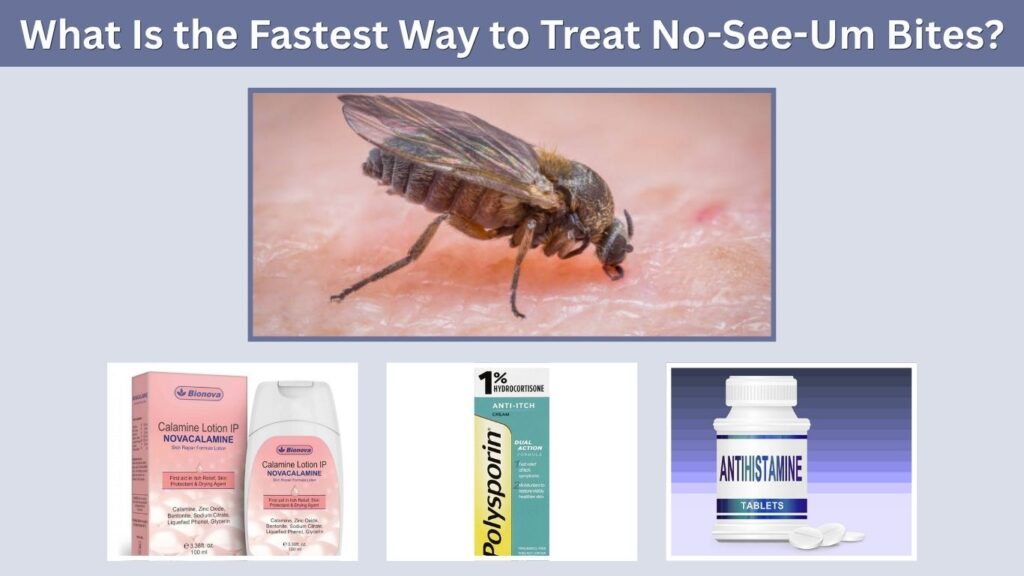
There is no instant cure, but prompt care can reduce discomfort and lower the risk of infection.
Wash the Skin
Gently wash the bitten areas with soap and water. Cleaning removes dirt, sweat, and contaminants that could enter skin damaged by scratching.
Pat the area dry rather than rubbing it. Avoid strongly scented products or harsh disinfectants that may increase irritation. Health guidance recommends washing insect bites as an initial step to reduce the chance of infection.
Apply a Cold Compress
Place an ice pack wrapped in a clean cloth over the swollen area for approximately 20 minutes. A clean cloth soaked in cold water can also be used.
Do not place ice directly on the skin. The compress may be reapplied when itching or swelling returns. Raising an affected arm or leg may also help control significant swelling.
Control the Itching
A pharmacist may recommend one of the following:
- Calamine lotion
- Mild hydrocortisone cream
- An oral antihistamine
- An appropriate pain reliever when bites are painful
Hydrocortisone reduces inflammation and swelling, while antihistamines may relieve allergy-related itching. Some antihistamines cause drowsiness, so check the label and avoid driving if affected. Ask a healthcare professional before treating young children, pregnancy, broken skin, or someone taking other medicines.
Avoid Scratching
Scratching may provide brief relief, but it damages the skin and allows bacteria to enter. Keep fingernails short and consider covering badly scratched areas with a clean, breathable dressing.
Seek professional advice before applying steroid cream to open, infected, or extensively damaged skin.
Best Treatment for Severe Itching
For strong itching without emergency symptoms, combine a cold compress with a pharmacist-recommended anti-itch treatment. An oral antihistamine may be more helpful when numerous bites or widespread itching are present, while hydrocortisone may help localized inflammation.
Do not combine several medicines without checking their active ingredients. Avoid applying excessive amounts or using hydrocortisone longer than the label permits.
Clear nail polish, bleach, concentrated alcohol, undiluted essential oils, and other harsh home treatments should not be applied to bites. They do not remove the insect’s saliva and may irritate or damage the skin. Standard health guidance recommends established symptom-control measures rather than unverified home remedies.
No-See-Um Bites Delayed Reaction Treatment
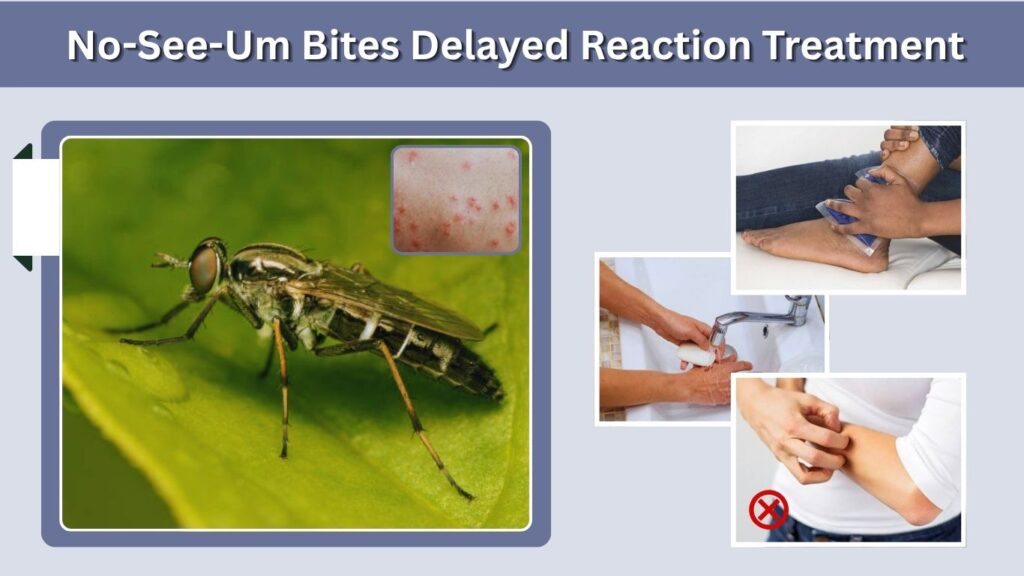
Some people notice the bite immediately, while others develop itching and swelling later. Delayed symptoms can make it seem as though the bites are appearing overnight or spreading.
Treatment is generally the same:
- Wash the skin gently.
- Apply a cold compress.
- Use an appropriate anti-itch treatment.
- Avoid scratching.
- Monitor the area for worsening symptoms.
Several bites may become visible at different times because the body’s response to each bite varies. However, rapidly expanding redness, increasing pain, fever, or pus may indicate infection rather than a normal delayed reaction.
How Long Do No-See-Um Bites Last?
Mild bites often begin improving within a few days. Itching or discoloration may remain longer in sensitive people, particularly after numerous bites.
Healing can take longer when:
- The bites have been scratched repeatedly
- A large local reaction develops
- The person has highly sensitive skin
- Bacteria enter broken skin
- Exposure continues and new bites occur
Consult a healthcare professional when symptoms keep worsening, do not begin improving, or return without any likely new exposure.
Can No-See-Um Bites Become Infected?
Yes. Scratching can create small openings through which bacteria enter. An infected bite may require medical treatment.
Warning signs include:
- Increasing pain or tenderness
- Skin that feels hot
- Expanding redness or discoloration
- Pus or cloudy fluid
- Red streaks moving away from the bite
- Fever or swollen glands
- Swelling that continues worsening
Redness can be harder to recognize on darker skin, so warmth, pain, swelling, and changes in texture are also important. A healthcare professional should assess suspected infection; antibiotics are not needed for an ordinary, uninfected bite.
Severe or Allergic Reaction Treatment
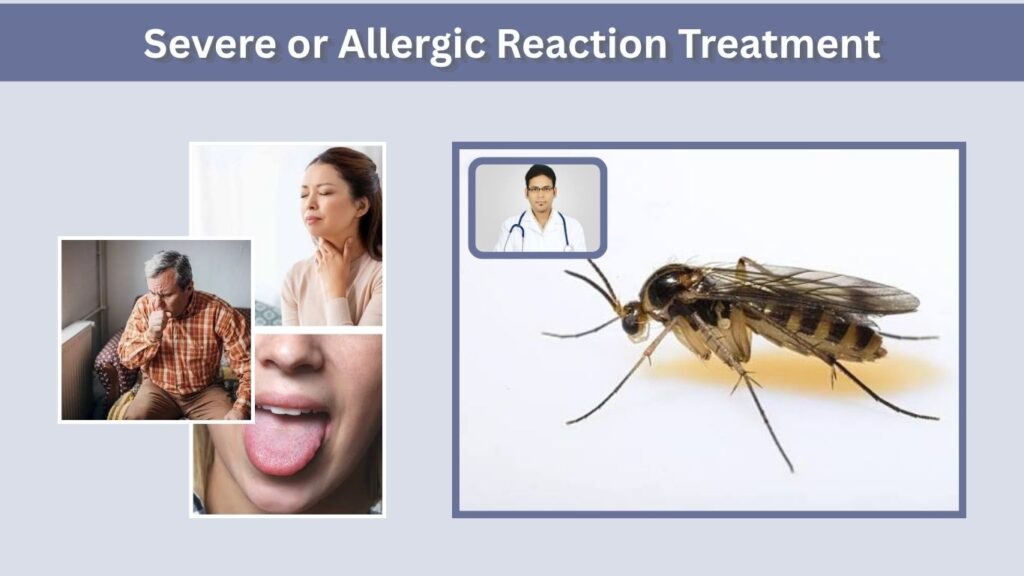
Most no-see-um bites remain localized, but serious allergic reactions can occur after insect bites.
Seek emergency help immediately for:
- Difficulty breathing or swallowing
- Wheezing or throat tightness
- Swelling of the tongue, lips, mouth, or face
- Severe dizziness or fainting
- Confusion or unusual weakness
- Widespread hives with other symptoms
- Vomiting accompanied by breathing or circulation problems
These may indicate anaphylaxis. Use prescribed emergency epinephrine immediately when available and contact the local emergency service.
When Illness Follows a No-See-Um Bite
In most places, no-see-ums primarily cause itchy skin reactions. However, infected biting midges can transmit Oropouche virus in parts of South America, Central America, and the Caribbean.
Anyone who develops fever, headache, joint pain, muscle aches, nausea, or unusual illness after recent travel to an affected region should tell a healthcare professional where they traveled and that biting-midge exposure was possible. There is currently no vaccine or specific medicine for Oropouche, making bite prevention particularly important.
How to Prevent More No-See-Um Bites
Treatment will provide only temporary relief when the insects continue biting.
Use a Suitable Repellent
Choose an EPA-registered product labeled for flies, biting flies, Culicoides, or no-see-ums. Depending on the product and location, active ingredients may include DEET, picaridin, IR3535, or oil of lemon eucalyptus/PMD.
Apply repellent exactly as the label directs. Do not use it over cuts, irritated skin, or underneath clothing unless instructed.
Cover Exposed Skin
Wear long sleeves, long trousers, socks, and closed shoes in areas where biting midges are active. Tightly woven clothing offers more protection than loose or open-weave fabric.
Protect the House
Biting midges are small enough to pass through many ordinary insect screens. CDC guidance recommends fine mesh measuring approximately 20 by 20 to reduce entry. Air conditioning and closed windows can also help keep them outside.
FAQs
Does calamine lotion help no-see-um bites?
Calamine lotion may reduce itching and soothe irritated skin. Apply it according to its directions, and avoid putting it into the eyes, mouth, or open wounds. A pharmacist can suggest another option when calamine does not provide enough relief.
Can hydrocortisone treat no-see-um bites?
Mild hydrocortisone cream can reduce inflammation, itching, and swelling caused by insect-bite reactions. Follow the package directions and seek professional advice before using it on children, the face, broken skin, or suspected infection.
Do no-see-um bites spread?
The bites are not contagious and cannot spread between people. Delayed reactions or continued insect exposure may make new bumps appear. Expanding warmth, pain, or redness can instead suggest infection and should be evaluated.
Should I use clear nail polish on no-see-um bites?
No. Clear nail polish is not a recommended bite treatment and may trap irritants or cause contact dermatitis. Use soap and water, a cold compress, and pharmacist-recommended anti-itch products instead.
When should I see a doctor?
Seek medical advice for worsening swelling, severe pain, pus, fever, spreading redness, symptoms near the eyes or mouth, or bites that do not improve. Breathing difficulty, facial swelling, throat tightness, or fainting requires emergency care.