
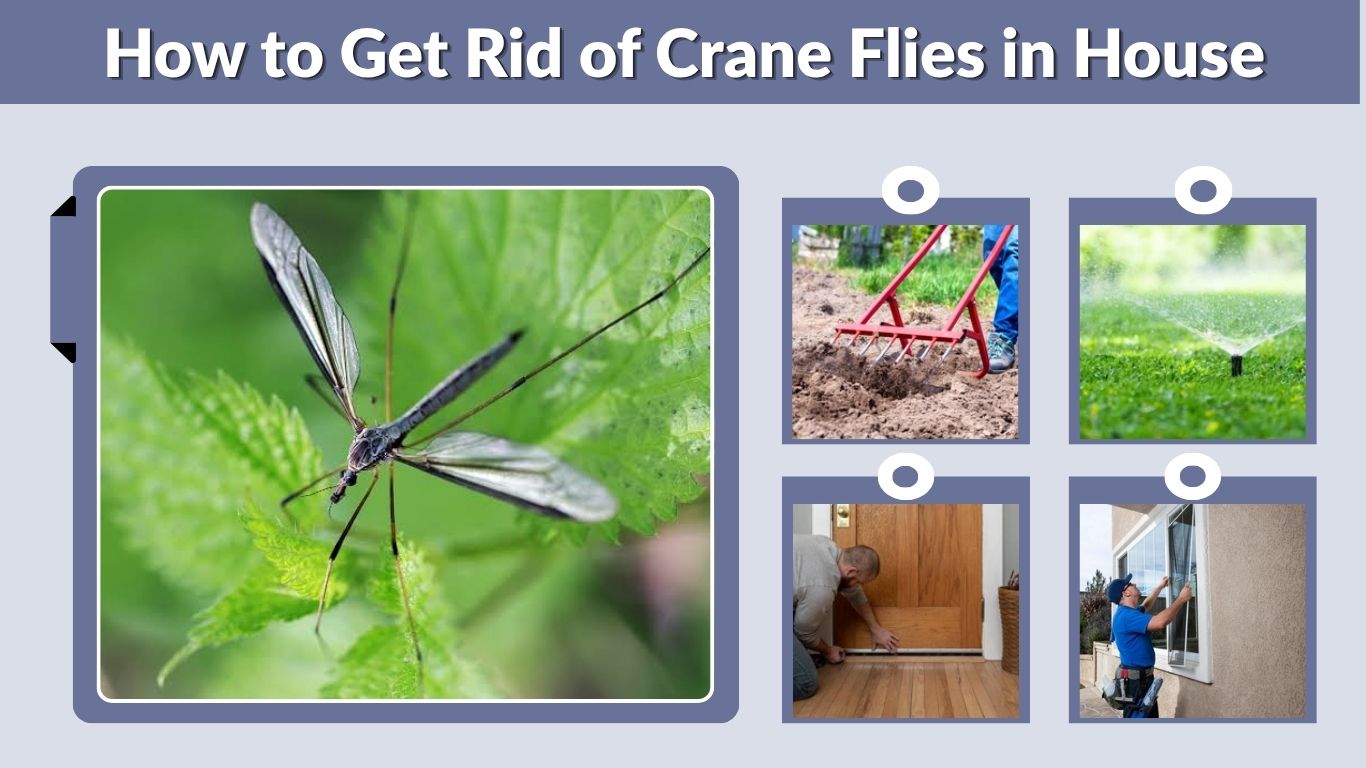
Crane flies look like giant mosquitoes, but they are mostly harmless as adults. The real problem is usually their larvae, called leatherjackets, which can damage lawns by feeding on grass roots and crowns. To get rid of crane flies, you need two different plans: remove adults from the house and control larvae in the lawn. This guide explains safe, natural, and practical ways to manage crane flies indoors and outdoors.
What Are Crane Flies?
Crane flies are long-legged flies often seen around lawns, porches, windows, bathrooms, and lights. They are sometimes called mosquito hawks or mosquito eaters, but they are not mosquitoes and do not bite people. Adult crane flies are attracted to lights at night, which is one reason they often enter homes by accident.
Adult Crane Flies vs Crane Fly Larvae
The adult crane fly is the flying insect you see indoors. It usually lives for a short time and is mostly a nuisance. The larvae, called leatherjackets, live in soil and can harm lawns when their numbers are high.
| Stage | Where Found | Main Problem | Best Control |
| Adult crane fly | House, porch, windows, lawn | Annoying but harmless | Exclusion, lights, removal |
| Crane fly larvae | Soil, lawn, grass roots | Lawn thinning and bare patches | Lawn care, drainage, scouting |
How to Get Rid of Crane Flies in the House
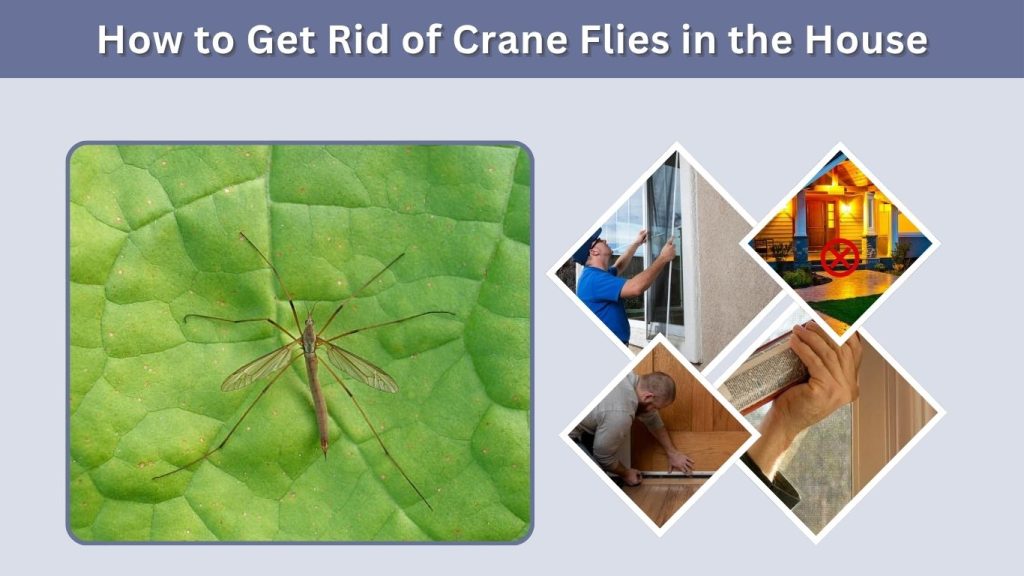
Indoor crane flies are usually accidental visitors. They are not breeding in your bedroom and are not trying to bite you.
Remove Them Quickly
The easiest way to remove a crane fly from a room is to catch it with a cup and paper, use a vacuum, or guide it toward an open door or window. They are weak fliers, so they are usually easy to trap.
You can also use a fly swatter, but a vacuum is cleaner if there are several around windows, ceilings, or lights.
Stop Crane Flies from Getting Inside
Crane flies often enter homes through open doors, torn screens, and gaps around windows. Texas A&M recommends keeping screens in good condition, closing doors, and sealing gaps around windows and doors to keep them out.
Use these simple steps:
- Repair damaged window and door screens.
- Add door sweeps under exterior doors.
- Seal cracks around windows.
- Keep doors closed at night.
- Turn off unnecessary porch lights.
- Use curtains or blinds when indoor lights are on.
Why Crane Flies Keep Coming Inside
If crane flies keep getting in your house, the main reason is usually light attraction. They may gather around porch lights, garage lights, or bright windows at night. The University of Maine notes that adult crane flies are attracted to lights and may become a nuisance indoors when they fly weakly and bump into things.
How to Get Rid of Crane Flies Outside
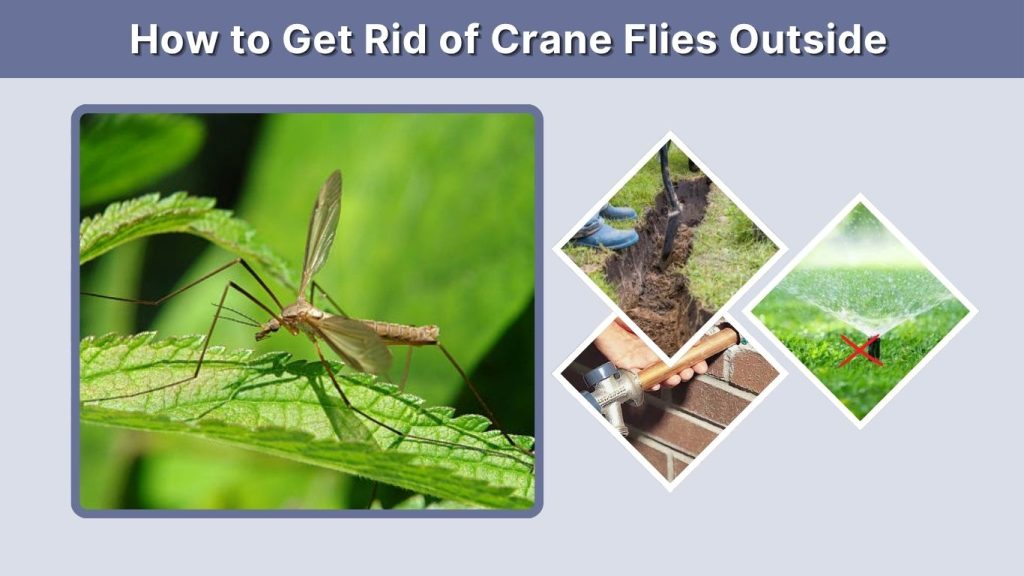
Outdoor crane flies are common around moist lawns, shaded grass, garden beds, and areas near water. You usually do not need to kill adult crane flies outside because they do not bite or sting.
Reduce Outdoor Lights
Since crane flies are attracted to light, reduce bright lighting near doors and windows. Turn off porch lights when not needed, move lights away from entry points, or use motion-sensor lighting.
Reduce Excess Moisture
Crane fly eggs and young larvae survive better in moist conditions. The Pacific Northwest Handbook notes that eggs and early larvae need very moist conditions, and populations are often higher near saturated soil.
To make your yard less attractive:
- Improve poor drainage.
- Avoid overwatering the lawn.
- Fix leaking outdoor faucets.
- Remove standing water where possible.
- Aerate compacted soil.
- Keep grass healthy and not overly wet.
How to Get Rid of Crane Flies in Lawn
If your lawn has brown patches, thinning grass, or birds pecking at the turf, the problem may be crane fly larvae. But do not treat before checking because lawn damage can also come from drought, fungus, grubs, pet urine, or poor soil.
Check for Crane Fly Larvae
Crane fly larvae are grayish-brown, legless, wormlike grubs with tough skin. They are commonly called leatherjackets. UC IPM says leatherjackets can feed on turfgrass roots and crowns, especially in cooler, wetter areas.
To inspect your lawn:
- Choose a damaged area near healthy grass.
- Cut and lift a small square of turf.
- Check the top few inches of soil.
- Look for gray-brown, legless larvae.
- Count how many larvae you find.
When Lawn Treatment Is Needed
Not every crane fly in the yard needs treatment. UC IPM notes that Washington treatment thresholds are often around 25 to 50 larvae per square foot, though local thresholds can vary.
If you only find a few larvae, focus on lawn health first. If you find many larvae and the grass is thinning badly, treatment may be needed.
Natural Ways to Get Rid of Crane Flies
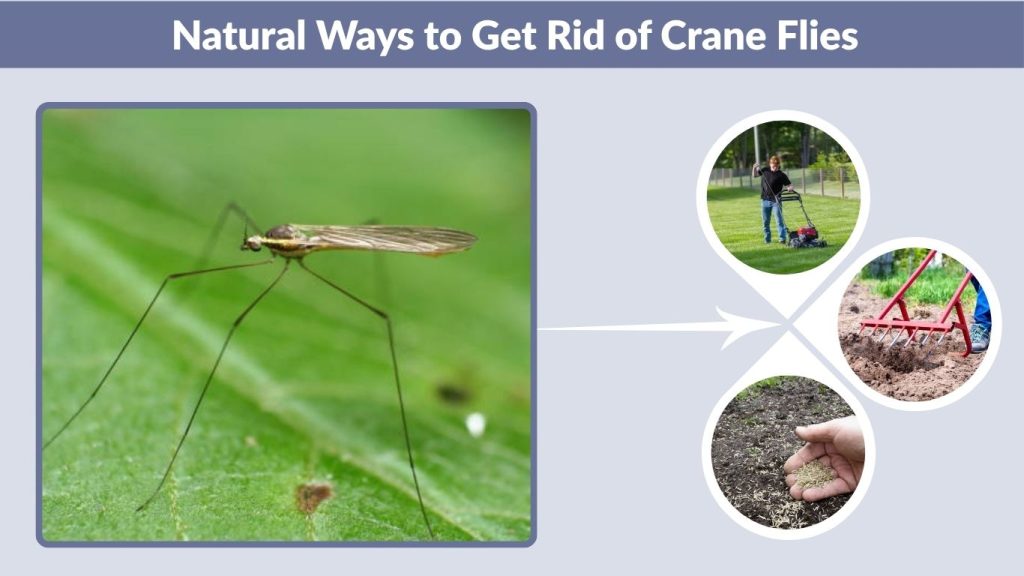
Natural crane fly control works best when you target the cause: moisture, weak turf, and open entry points.
Improve Lawn Health
Oregon State University Extension says the key to managing crane fly in lawns is maintaining healthy turfgrass, including proper mowing, watering, fertilizing, and drainage. Healthy turf is more resistant to crane fly damage.
Good lawn habits include:
- Mow at the right height.
- Avoid scalping the grass.
- Water deeply but not excessively.
- Improve drainage in soggy areas.
- Overseed thin patches.
- Aerate compacted soil.
- Remove excessive thatch if needed.
Use Beneficial Nematodes
Beneficial nematodes can be a natural option for crane fly larvae in lawns and garden beds. RHS says pathogenic nematodes such as Steinernema feltiae or S. carpocapsae can be watered into turf or soil, but they need moist, well-drained soil and suitable temperatures to work well.
For best results, follow the product label carefully and apply them at the correct season for your region.
Encourage Natural Predators
Birds such as crows, starlings, rooks, and magpies may search lawns for leatherjackets. However, birds pecking many small holes in turf can also be a sign that larvae are present.
Should You Use Insecticide for Crane Flies?
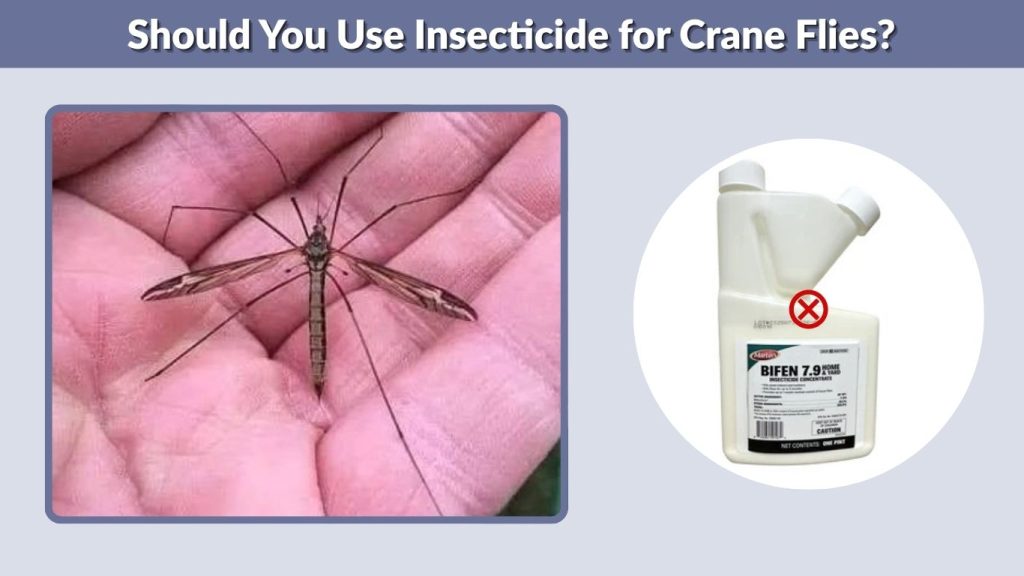
Insecticide is usually not needed for adult crane flies in the house. Adults are harmless and can be removed physically. For lawns, insecticide should only be considered after confirming a real leatherjacket problem.
Oregon State University recommends scouting first and basing insecticide use on scouting results, not just on seeing adult crane flies.
| Situation | Best Action |
| One crane fly in room | Catch, vacuum, or release outside |
| Many crane flies near door | Reduce lights and seal entry points |
| Crane flies in lawn | Check for larvae before treatment |
| Lawn thinning badly | Inspect soil and consider control |
| No larvae found | Do not treat for crane flies |
How to Prevent Crane Flies from Coming Back
Prevention is easier than treating a full lawn problem. Focus on the places where crane flies enter, lay eggs, or survive as larvae.
Indoor Prevention
Keep screens repaired, close doors at night, seal gaps, and reduce bright lights near entryways. These steps help stop adult crane flies from entering your house.
Lawn Prevention
Keep your lawn healthy, improve drainage, and avoid constantly wet soil. Since crane fly larvae often cause the most damage in spring after feeding through winter, inspect the lawn early if you had a problem the previous year.
FAQs
How do I get rid of crane flies in my house?
Catch them with a cup, use a vacuum, or guide them outside. Then repair screens, close doors at night, seal window gaps, and reduce bright lights near entrances. Indoor crane flies are usually accidental visitors and do not need pesticide.
How do I get rid of crane flies naturally?
Use natural prevention first. Reduce outdoor lights, seal entry points, improve lawn drainage, avoid overwatering, aerate compacted soil, and keep turf healthy. For larvae, beneficial nematodes may help when applied correctly in moist soil and suitable temperatures.
How do I get rid of crane flies in my lawn?
Check the soil for leatherjackets before treating. If you find many larvae and the lawn is thinning, improve turf health, fix drainage, and consider targeted control. Do not treat only because adult crane flies are flying over the grass.
What is the best way to get rid of crane fly larvae?
The best method is proper identification, lawn health improvement, moisture control, and targeted treatment if larval numbers are high. Beneficial nematodes can be a natural option, while chemical products should be used only according to local guidance and label directions.
Why are crane flies in my room or bathroom?
They usually enter through open doors, windows, screens, or gaps while following light. Bathrooms may attract them because lights are often on at night. They are not coming from your toilet or biting you; they are usually just trapped indoors.