
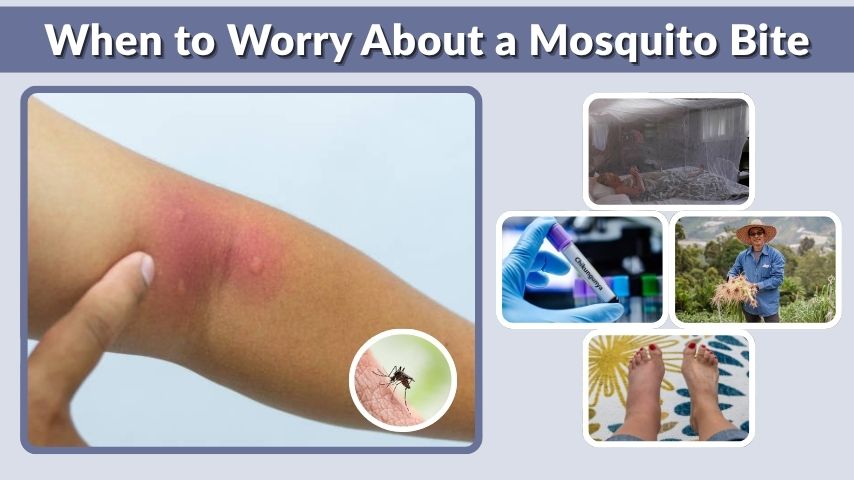
Mosquito bites are very common and usually harmless, causing only mild itching and small red bumps. Most bites heal within a few days without needing medical treatment. However, some mosquito bites can become swollen, infected, or linked to allergic reactions that require closer attention.
Children, babies, and people with sensitive immune systems may react more strongly to mosquito bites than others. Knowing the warning signs of severe swelling, infection, or mosquito-borne illness can help you decide when a mosquito bite needs medical care instead of simple home treatment.
What Happens After a Mosquito Bite?
A mosquito bite happens when a mosquito pierces the skin and injects saliva while feeding on blood. The body reacts to proteins in the saliva, causing itching, redness, and swelling. Most reactions remain mild and improve naturally over time, but scratching or allergies can sometimes make symptoms worse or increase irritation around the bite area.
Why Mosquito Bites Itch
Mosquito saliva triggers the body’s immune response. Histamine is released around the bite area, leading to itching, swelling, and redness. The stronger the immune reaction, the more noticeable the symptoms may become.
Normal Mosquito Bite Symptoms
Common Symptoms
- Small raised bump
- Mild redness
- Itching
- Slight swelling
- Warm skin near the bite
How Long Mosquito Bites Usually Last
Most mosquito bites improve within several days. Itching is usually strongest during the first day and slowly fades as the skin heals. Mild swelling often disappears without treatment after a short period.
When Should You Worry About a Mosquito Bite?
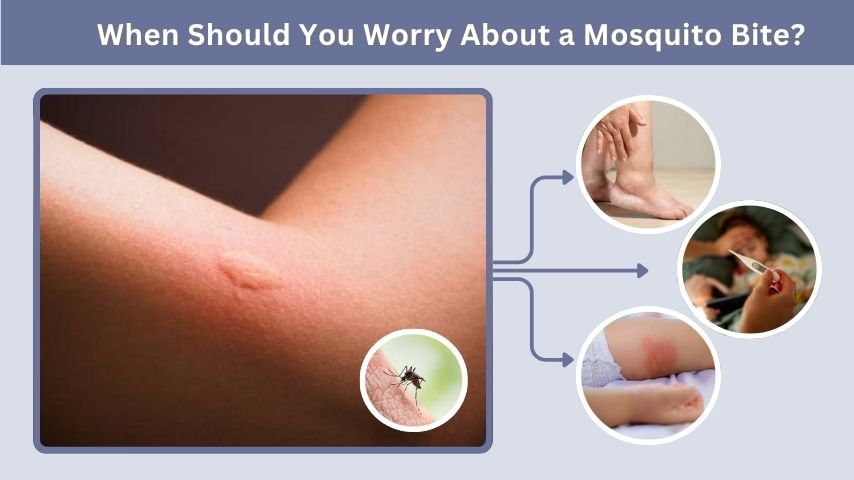
Although most mosquito bites are harmless, some symptoms may indicate infection, allergic reactions, or illness. Large swelling, fever, or worsening redness should not be ignored. Monitoring symptoms carefully helps people recognize when simple irritation becomes a more serious medical concern that may require professional treatment.
Signs a Bite Is Becoming Serious
Warning Signs
- Severe swelling
- Increasing redness
- Painful skin
- Fever
- Pus or drainage
- Red streaks
When Swelling Is Not Normal
A swollen mosquito bite becomes more concerning when swelling continues growing after several days or spreads far beyond the original bite area. Swelling near the eyes, throat, or face may require urgent medical attention.
Symptoms That Need Medical Attention
Trouble breathing, dizziness, severe swelling, or high fever after a mosquito bite should be treated as emergencies. These symptoms may signal a dangerous allergic reaction or mosquito-borne illness.
Skeeter Syndrome Explained
Some people experience unusually strong reactions to mosquito bites called Skeeter Syndrome. This condition causes large swollen areas, redness, warmth, and discomfort after being bitten. While it may look alarming, Skeeter Syndrome is caused by an allergic reaction to mosquito saliva rather than infection. Children are especially likely to experience stronger swelling because their immune systems are still developing.
What Is Skeeter Syndrome?
Skeeter Syndrome is a large local allergic reaction triggered by mosquito saliva. Instead of a small itchy bump, the bite may become swollen, painful, and warm for several days.
Common Symptoms of Skeeter Syndrome
Symptoms
- Large swollen area
- Redness
- Warm skin
- Painful itching
- Mild fever in some cases
Who Is Most at Risk?
Young children, babies, and people with sensitive immune systems are more likely to develop stronger swelling reactions. People who are frequently exposed to mosquitoes may also notice worsening symptoms over time.
Swollen Mosquito Bites: When to Be Concerned
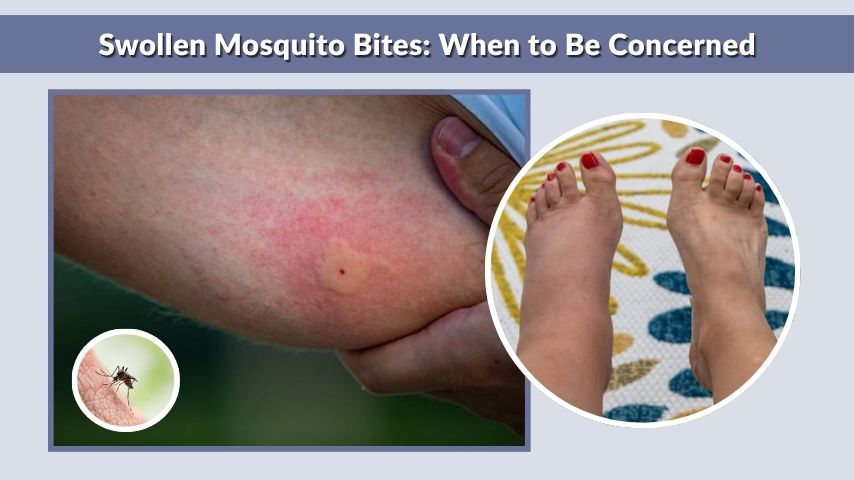
Swelling is a normal part of the body’s reaction to mosquito bites, but severe swelling can sometimes indicate allergies or infection. Understanding how swelling changes over time helps people decide whether symptoms are improving normally or becoming more serious. Scratching the bite repeatedly may also increase irritation and make swelling appear worse.
Why Mosquito Bites Swell
Swelling happens because the immune system sends extra blood flow and inflammatory chemicals to the bite area. Histamine release causes fluid buildup under the skin, leading to puffiness and redness.
When Swelling May Be Dangerous
Rapid swelling, especially near the face or throat, may signal a serious allergic reaction. Swelling that becomes increasingly painful or spreads widely across the body may also require medical evaluation.
How Long Swelling Should Last
Healing Timeline
- First 24 hours: swelling and itching increase
- Days 2 to 3: swelling begins improving
- After several days: symptoms should gradually fade
Mosquito Bites on Babies and Toddlers
Babies and toddlers often react more strongly to mosquito bites because their skin is sensitive and their immune systems are still developing. Even mild bites may appear larger or redder on young children. Parents should monitor bites carefully to watch for signs of infection, allergic reactions, or unusual symptoms that need medical care.
Why Babies React More Strongly
Young children have delicate skin and stronger visible inflammatory reactions. Their bites may look larger and remain swollen longer compared to adults.
When to Worry About a Bite on a Baby
Warning Signs in Babies
- Fever
- Trouble feeding
- Severe swelling
- Excessive crying
- Difficulty sleeping
When to Worry About a Bite on a Toddler
Swelling near the eyes, face, or mouth may require medical attention. Parents should also watch for breathing difficulties, spreading redness, or signs of infection after scratching.
Infected Mosquito Bites
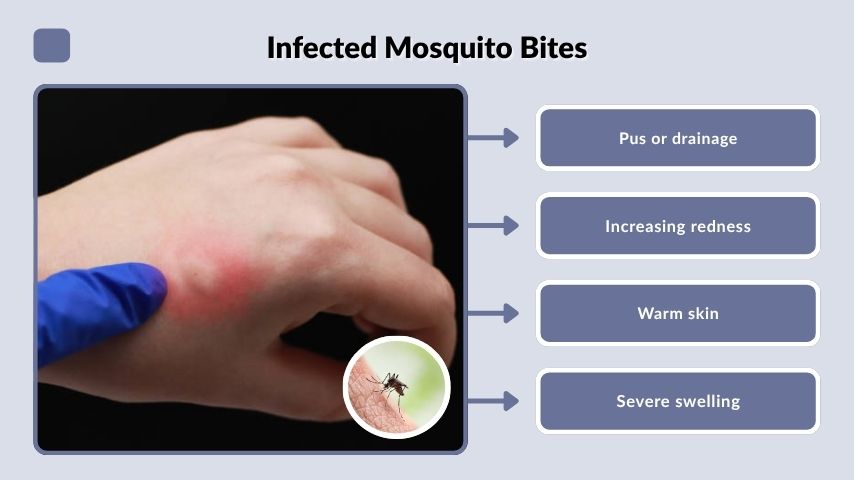
Most mosquito bites heal naturally without any problems, but scratching the skin too much can allow bacteria to enter the bite area. An infected mosquito bite often becomes more painful and swollen instead of slowly improving. Recognizing the signs of infection early can help prevent more serious skin problems and support faster healing with proper medical care.
Signs of Infection
Infection Symptoms
- Pus or drainage
- Increasing redness
- Warm skin
- Severe swelling
- Pain around the bite
- Fever
Why Mosquito Bites Get Infected
Mosquito bites often become infected when scratching breaks the skin and introduces bacteria from fingernails or dirty surfaces. Constant irritation may also delay healing and worsen inflammation around the bite.
When to See a Doctor
Medical attention may be needed if symptoms continue worsening after several days or if fever, spreading redness, or drainage appears. Severe infections may require antibiotics or professional treatment.
Mosquito Bite Allergic Reactions
Some people experience stronger allergic reactions to mosquito bites than others. While mild swelling and itching are common, severe allergic reactions are rare but possible. Allergic symptoms may appear quickly after the bite and sometimes affect areas far beyond the original bite location.
Mild Allergic Reactions
Mild reactions usually involve larger itchy bumps and increased swelling around the bite. The skin may remain irritated for several days before healing completely.
Severe Allergic Reactions
Emergency Symptoms
- Trouble breathing
- Hives
- Swollen throat
- Dizziness
- Rapid heartbeat
- Facial swelling
Emergency Treatment
Severe allergic reactions require immediate medical care. Doctors may use antihistamines, steroids, or emergency medications like epinephrine to reduce dangerous symptoms and stabilize breathing.
Diseases Spread by Mosquito Bites
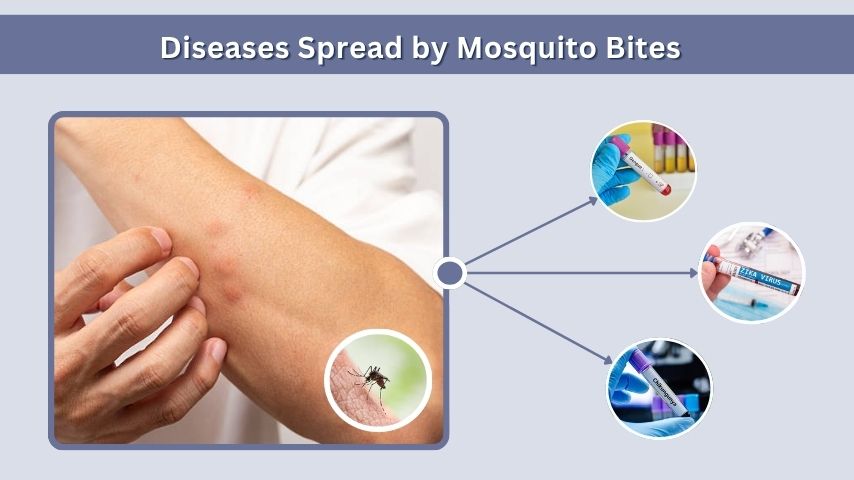
Mosquitoes can carry dangerous viruses and parasites in some parts of the world. While most mosquito bites do not spread disease, it is important to monitor symptoms after travel or exposure in high-risk areas. Fever, rash, and body aches appearing days after a bite may require medical evaluation and testing.
Common Mosquito-Borne Diseases
Diseases
- Dengue fever
- Malaria
- Zika virus
- West Nile virus
- Chikungunya
Symptoms That May Appear Later
Mosquito-borne illnesses often cause fever, fatigue, headaches, muscle pain, or rash several days after exposure. Symptoms can range from mild discomfort to serious illness depending on the disease.
When to Get Tested
Testing may be necessary if someone develops persistent fever, severe body pain, confusion, or illness after traveling to mosquito-prone areas. Early diagnosis can improve treatment and recovery.
How to Treat Mosquito Bites at Home
Most mosquito bites can be treated safely at home using simple remedies and over-the-counter products. The main goal is reducing itching, swelling, and irritation while preventing infection. Avoiding scratching is also important because broken skin heals more slowly and becomes easier for bacteria to infect.
Cold Compress and Ice Packs
Cold compresses help reduce swelling and numb itching. Applying a cool cloth or wrapped ice pack for short periods often provides quick relief after a bite.
Anti-Itch Creams and Medicines
Common Treatments
- Hydrocortisone cream
- Calamine lotion
- Oral antihistamines
- Cooling anti-itch gels
Home Remedies for Relief
Many people use aloe vera, oatmeal baths, or baking soda paste to soothe mosquito bites naturally. These remedies may calm irritated skin and reduce itching temporarily.
How to Prevent Mosquito Bites
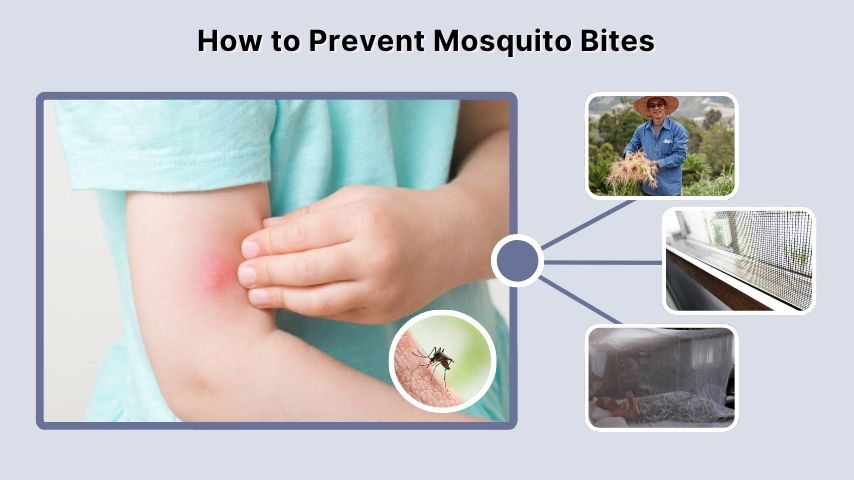
Preventing mosquito bites is the best way to avoid itching, allergic reactions, and mosquito-borne diseases. Mosquitoes are most active during warm evenings and around standing water. Simple prevention habits can greatly reduce exposure for both adults and children.
Using Mosquito Repellent
Mosquito repellents containing DEET or other approved ingredients help protect exposed skin from bites. Natural repellents may also provide temporary protection in some situations.
Protective Clothing Tips
Prevention Tips
- Wear long sleeves
- Use window screens
- Avoid standing water
- Sleep under mosquito nets
- Wear light-colored clothing
Protecting Babies and Toddlers
Babies and toddlers should be protected with mosquito nets, stroller covers, and safe child-friendly repellents when appropriate. Parents should avoid exposing young children to mosquito-heavy outdoor areas during peak activity times.
FAQs
How do I know if a mosquito bite is serious?
A mosquito bite may be serious if it causes severe swelling, fever, pus, spreading redness, or trouble breathing. Most bites stay small and itchy, but worsening symptoms or allergic reactions should be checked by a doctor, especially if symptoms continue for several days.
When should I worry about a swollen mosquito bite?
You should worry if swelling becomes very large, painful, or spreads far beyond the bite area. Swelling near the eyes, face, or throat may require urgent medical attention because it can sometimes signal a stronger allergic reaction.
What is Skeeter Syndrome?
Skeeter Syndrome is a strong allergic reaction to mosquito saliva that causes large swollen, red, and itchy areas after a bite. It is more common in children and people with sensitive immune systems. The swelling may last longer than a normal mosquito bite reaction.
Why do mosquito bites swell more on children?
Children often experience larger mosquito bite swelling because their immune systems are still developing and their skin is more sensitive. Their bodies may react more strongly to mosquito saliva, causing bigger red bumps and longer-lasting irritation.
When should I take my child to the doctor for a mosquito bite?
You should contact a doctor if your child develops fever, breathing trouble, severe swelling, spreading redness, pus, or unusual sleepiness after a mosquito bite. Medical care may also be needed if the bite becomes infected or symptoms keep worsening instead of improving.