
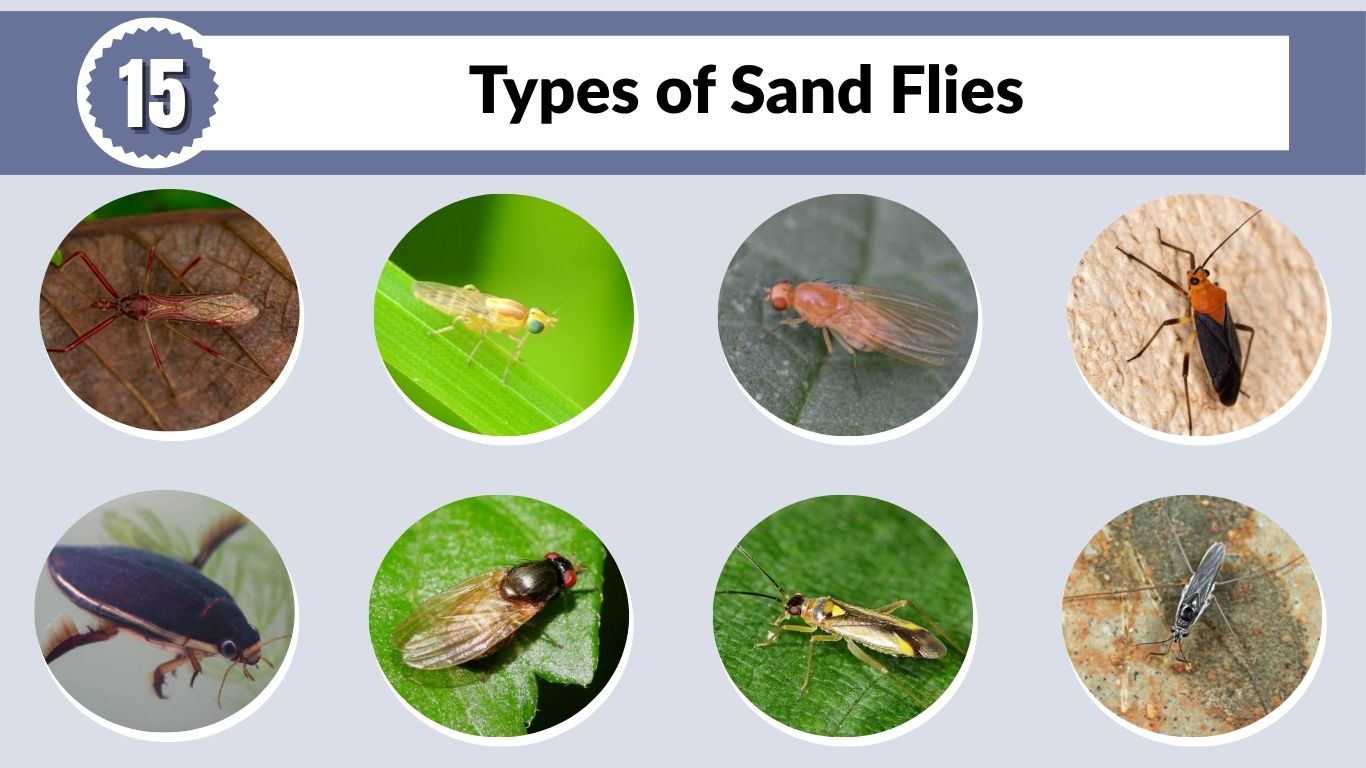
Sand flies are tiny, nocturnal insects often overlooked due to their small size, but they play a major role in transmitting diseases like leishmaniasis. Found across tropical, subtropical, and Mediterranean regions, these flies thrive in humid environments near human dwellings, animal shelters, and leaf litter. While adults feed on mammal blood, their larvae develop in moist, organic-rich soil, consuming decaying vegetation. This guide explores 15 important sand fly species, highlighting their identification, habitats, behaviors, diets, and lifecycles, providing a comprehensive overview for health and nature enthusiasts alike.
1. Phlebotomus papatasi
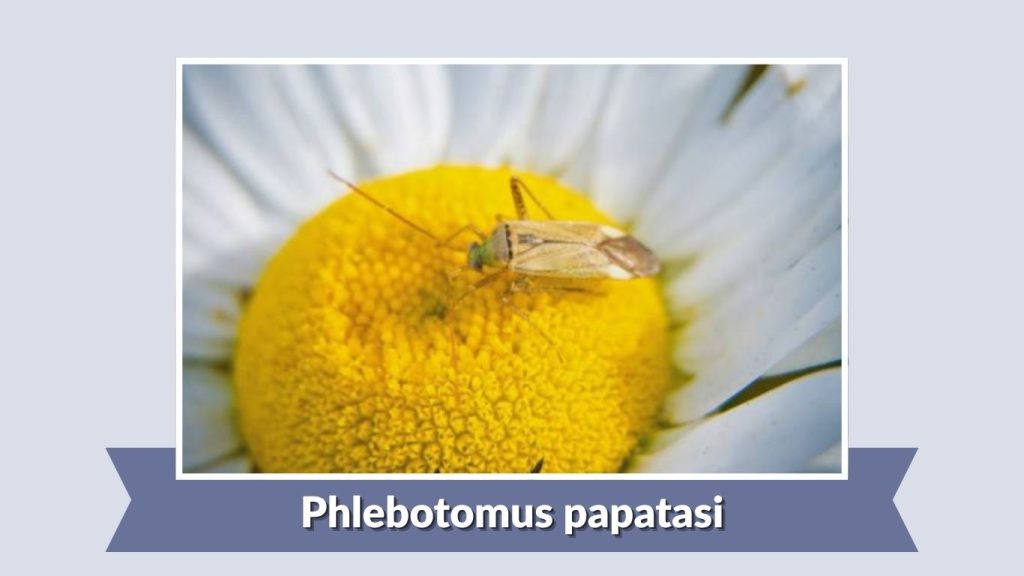
Phlebotomus papatasi is a widely distributed sand fly species known for its role as a vector of cutaneous leishmaniasis. Small and delicate, these flies are commonly found in arid and semi-arid regions. They are nocturnal and feed primarily on blood from mammals, which is necessary for egg development. Their larvae develop in moist soil rich in organic matter, contributing indirectly to nutrient cycling.
Identification
- Small, slender body, yellowish-brown in color
- Wings held upright at rest
- Long, hairy legs and antennae
- Body length 2–3 mm
- Short proboscis adapted for blood feeding
Habitat and Distribution
Phlebotomus papatasi is found across North Africa, the Middle East, and parts of southern Europe. They thrive in arid or semi-arid environments with organic-rich soil for larvae development. Adults are primarily nocturnal and rest in dark, humid shelters during the day.
Behavior and Diet
Adult Phlebotomus papatasi feed on mammal blood, while larvae consume decaying organic matter in soil. These sand flies are primarily active during the evening and night and play a significant role in transmitting pathogens like Leishmania parasites.
Lifecycle
Females lay eggs in moist soil enriched with organic material. Larvae go through four instars, pupate in soil, and adults emerge after a few weeks. The lifecycle is influenced by temperature and humidity, with adults living for several weeks under suitable conditions.
2. Phlebotomus argentipes
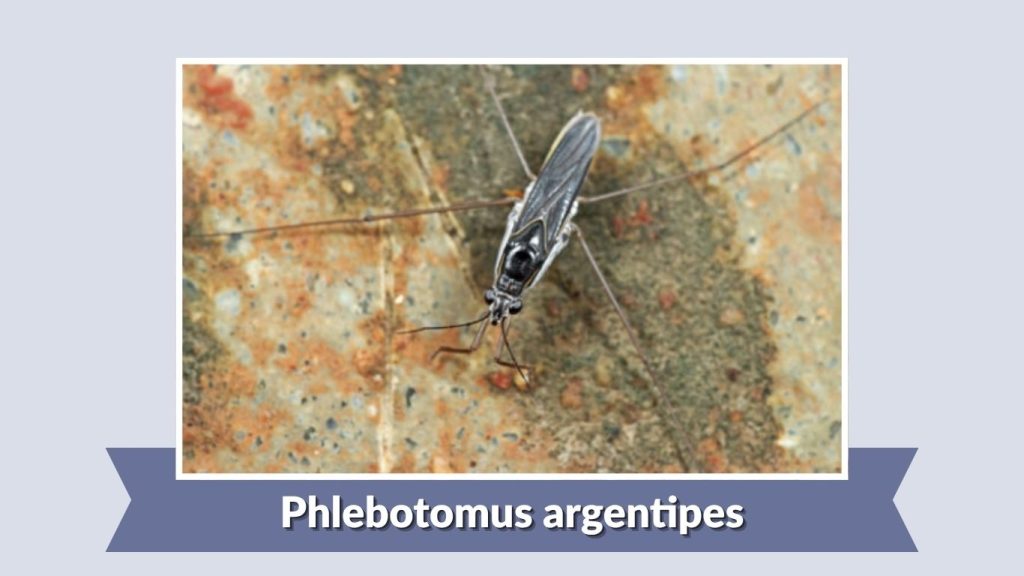
Phlebotomus argentipes is a sand fly species primarily found in South Asia and is a known vector of visceral leishmaniasis. These small, nocturnal insects prefer humid environments near human dwellings, livestock shelters, and leaf litter. Larvae develop in moist, organic-rich soil, playing a minor role in decomposition while adults seek blood meals to produce eggs.
Identification
- Small, slender body, yellowish-brown
- Upright, hairy wings at rest
- Long, segmented antennae and legs
- Body length 2–3 mm
- Short, piercing proboscis for blood feeding
Habitat and Distribution
Phlebotomus argentipes is widespread in India, Sri Lanka, Nepal, and Bangladesh. Adults rest in dark, humid areas such as cracks, crevices, and animal shelters. Larvae thrive in moist soil enriched with organic material like leaf litter or animal dung.
Behavior and Diet
Adults feed on the blood of humans and animals, mainly at night. Larvae feed on decomposing organic matter in soil. These sand flies are a major vector of visceral leishmaniasis and serve as prey for spiders, ants, and other small predators.
Lifecycle
Eggs are laid in moist, nutrient-rich soil. Larvae pass through four instars, pupate underground, and emerge as adults. Lifecycle duration varies with temperature and humidity, typically lasting 6–8 weeks from egg to adult.
3. Lutzomyia longipalpis
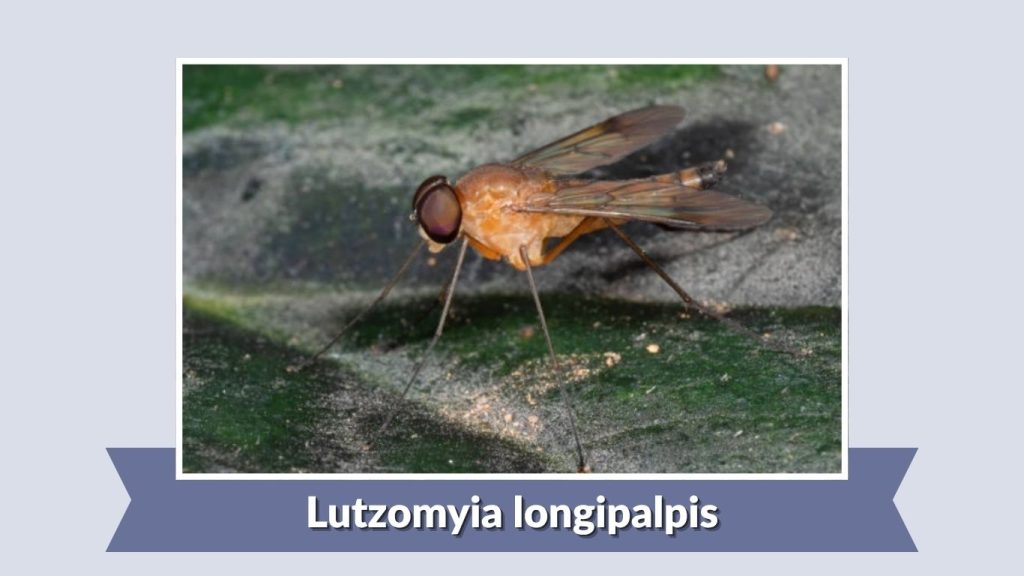
Lutzomyia longipalpis is a prominent sand fly species in the Americas, known as the primary vector of visceral leishmaniasis. These tiny, nocturnal insects prefer humid tropical and subtropical environments near human dwellings, animal shelters, and leaf litter. Larvae develop in moist, organic-rich soil, feeding on decomposing material while adults require blood meals for egg production.
Identification
- Small, slender body, yellowish to light brown
- Upright wings with fine hairs
- Long, segmented antennae and legs
- Body length 2–3 mm
- Short, piercing proboscis for blood feeding
Habitat and Distribution
Lutzomyia longipalpis is found throughout Central and South America, especially Brazil, Colombia, and Venezuela. Adults rest in shaded, humid areas during the day, while larvae thrive in moist soil with organic matter such as leaf litter, animal droppings, or decaying vegetation.
Behavior and Diet
Adults feed primarily on mammal blood at night, while larvae consume decaying organic matter in soil. This species plays a major role in transmitting Leishmania parasites, and adults are preyed upon by spiders, ants, and other small predators.
Lifecycle
Females lay eggs in moist, nutrient-rich soil. Larvae pass through four instars, pupate in soil, and adults emerge after several weeks. Environmental conditions like humidity and temperature affect the duration, typically 6–8 weeks.
4. Phlebotomus perniciosus
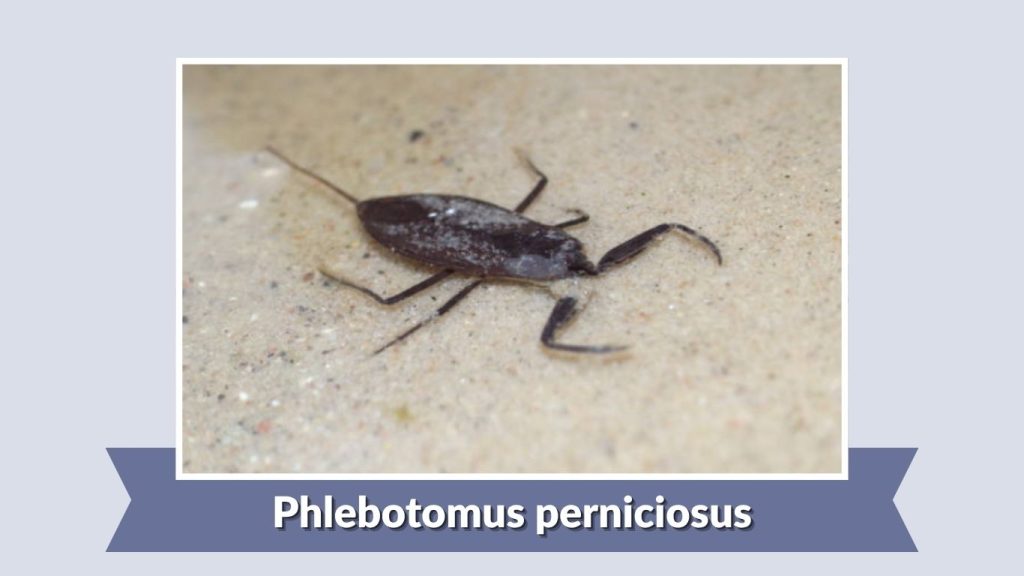
Phlebotomus perniciosus is a sand fly species widely recognized as a vector of both cutaneous and visceral leishmaniasis in the Mediterranean region. These small, nocturnal insects inhabit humid areas near animal shelters, human dwellings, and leaf litter. Larvae develop in moist, organic-rich soil, feeding on decaying plant material while adults rely on blood meals for reproduction.
Identification
- Small, slender body, light brown to yellowish
- Upright wings with fine hairs
- Long, segmented antennae and legs
- Body length 2–3 mm
- Short, piercing proboscis for blood feeding
Habitat and Distribution
Phlebotomus perniciosus is found in southern Europe, North Africa, and parts of the Middle East. Adults rest in dark, humid microhabitats during the day, while larvae thrive in moist soil enriched with leaf litter, animal droppings, or decomposing vegetation.
Behavior and Diet
Adult Phlebotomus perniciosus feed primarily on mammalian blood at night. Larvae consume decaying organic material in soil. Adults serve as important vectors of Leishmania parasites and are prey for spiders, ants, and other small predators.
Lifecycle
Females lay eggs in moist, nutrient-rich soil. Larvae pass through four instars, pupate in the soil, and adults emerge after several weeks. Lifecycle duration varies with environmental conditions, typically lasting 6–8 weeks.
5. Phlebotomus sergenti
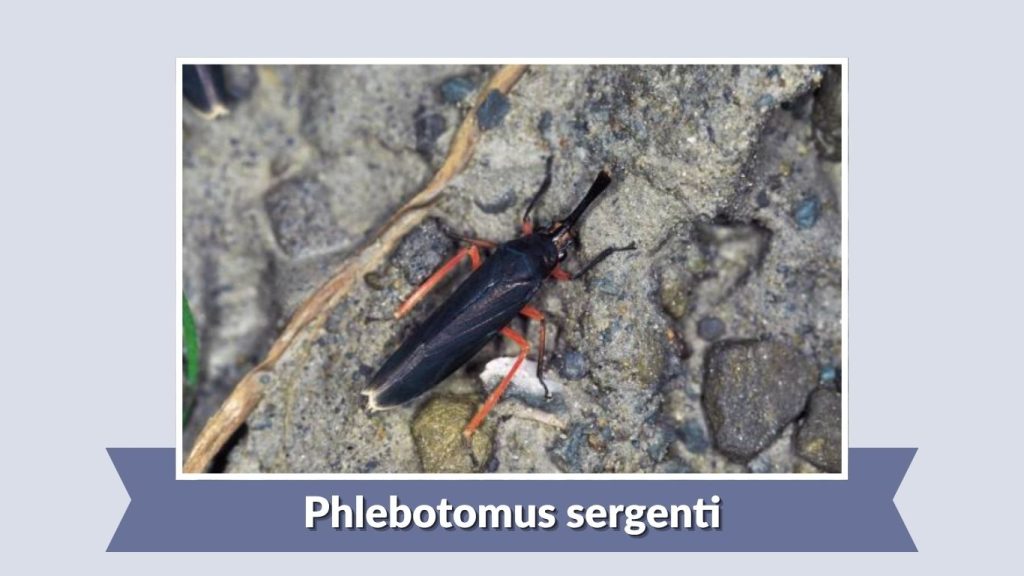
Phlebotomus sergenti is a sand fly species primarily known for transmitting cutaneous leishmaniasis in the Mediterranean, Middle East, and North Africa. These small, nocturnal insects prefer humid areas near human dwellings, rocky crevices, and animal shelters. Larvae develop in moist, organic-rich soil, feeding on decaying material, while adults require blood meals for egg production.
Identification
- Small, slender body, light brown to yellowish
- Upright, hairy wings
- Long, segmented antennae and legs
- Body length 2–3 mm
- Short, piercing proboscis for blood feeding
Habitat and Distribution
Phlebotomus sergenti is found across southern Europe, North Africa, and the Middle East. Adults rest in shaded, humid areas during the day, and larvae develop in moist soil enriched with organic matter such as leaf litter and animal dung.
Behavior and Diet
Adults feed on mammal blood at night. Larvae consume decaying organic matter in soil, contributing indirectly to nutrient cycling. Adults are vectors for Leishmania parasites and are preyed upon by spiders, ants, and other small predators.
Lifecycle
Females lay eggs in damp, nutrient-rich soil. Larvae pass through four instars, pupate in soil, and adults emerge after several weeks. Environmental factors like temperature and humidity influence the lifecycle, typically lasting 6–8 weeks.
6. Lutzomyia intermedia
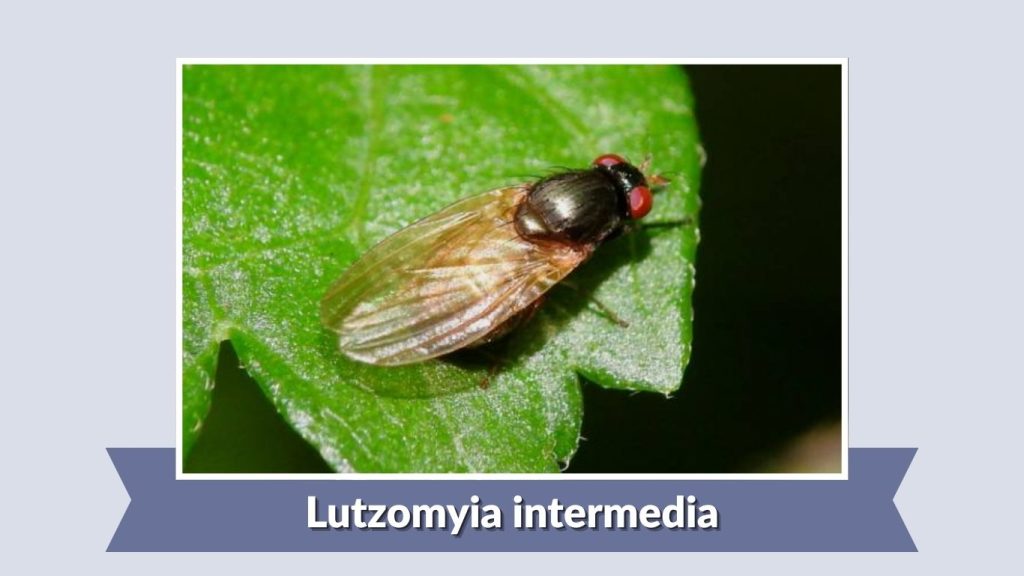
Lutzomyia intermedia is a sand fly species found in South America, mainly in Brazil and surrounding regions. It is a known vector of cutaneous leishmaniasis. These small, nocturnal insects inhabit humid areas near human dwellings, animal shelters, and leaf litter. Larvae develop in moist, organic-rich soil, feeding on decaying vegetation, while adults require blood meals for reproduction.
Identification
- Small, slender body, yellowish-brown
- Upright wings with fine hairs
- Long, segmented antennae and legs
- Body length 2–3 mm
- Short, piercing proboscis for blood feeding
Habitat and Distribution
Lutzomyia intermedia is found in tropical and subtropical regions of South America. Adults rest in shaded, humid areas during the day. Larvae develop in moist soil, leaf litter, and organic matter, thriving in areas rich in decaying vegetation.
Behavior and Diet
Adults feed primarily on mammal blood at night. Larvae consume decaying plant matter, aiding in nutrient cycling. Adults are important vectors of Leishmania parasites and serve as prey for spiders, ants, and other small predators.
Lifecycle
Females lay eggs in moist soil or leaf litter. Larvae pass through four instars, pupate in soil, and adults emerge after several weeks. Lifecycle duration is influenced by humidity and temperature, typically 6–8 weeks.
7. Phlebotomus orientalis
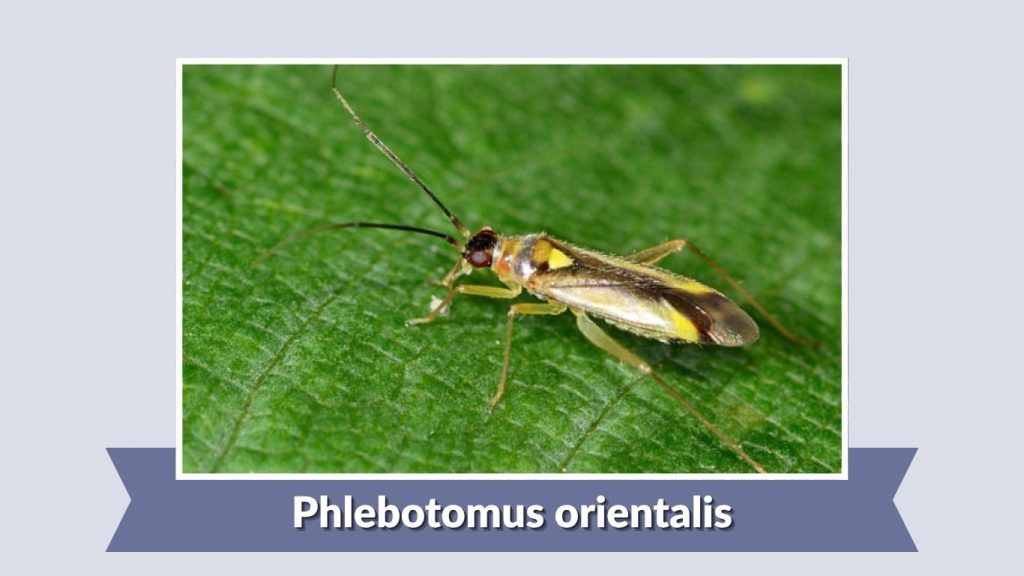
Phlebotomus orientalis is a sand fly species primarily found in East Africa and the Middle East. It is a major vector of visceral leishmaniasis. These small, nocturnal insects inhabit humid environments near termite mounds, animal shelters, and human dwellings. Larvae develop in moist, organic-rich soil, feeding on decaying material, while adults rely on blood meals for egg production.
Identification
- Small, slender body, yellowish-brown
- Upright, hairy wings
- Long, segmented antennae and legs
- Body length 2–3 mm
- Short, piercing proboscis for blood feeding
Habitat and Distribution
Phlebotomus orientalis is found in Sudan, Ethiopia, and parts of the Middle East. Adults rest in shaded, humid areas during the day, and larvae thrive in moist soil enriched with organic matter, often near termite mounds or leaf litter.
Behavior and Diet
Adults feed primarily on mammal blood at night. Larvae consume decaying plant material in soil, contributing to nutrient cycling. Adults are important vectors for Leishmania parasites and are prey for spiders, ants, and other small predators.
Lifecycle
Females lay eggs in damp, nutrient-rich soil. Larvae develop through four instars, pupate in soil, and adults emerge after several weeks. Lifecycle length depends on temperature and humidity, usually lasting 6–8 weeks.
8. Lutzomyia whitmani
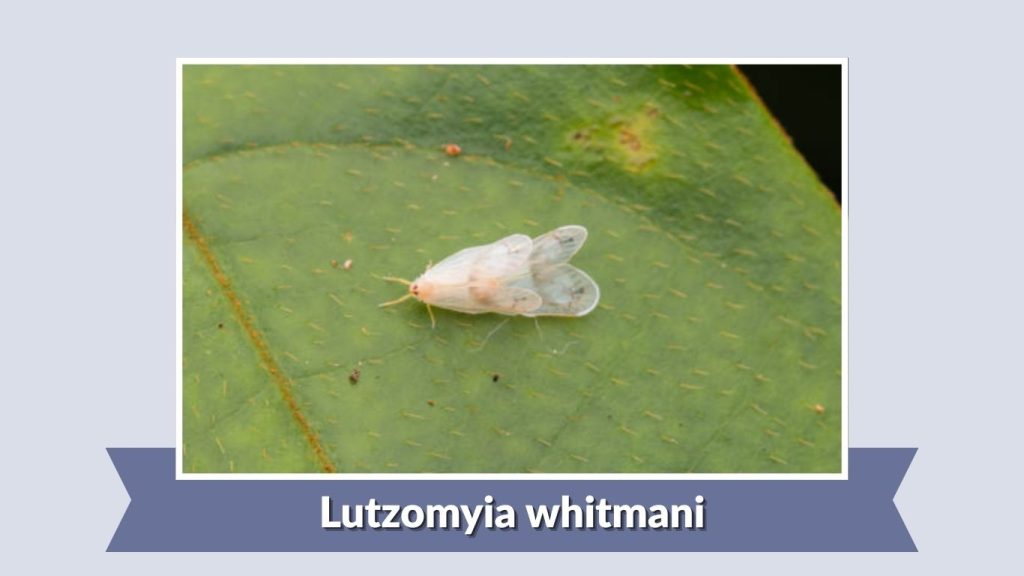
Lutzomyia whitmani is a sand fly species widely distributed in South America, particularly in Brazil and surrounding countries. It is a known vector of cutaneous leishmaniasis. These small, nocturnal insects inhabit humid environments near human dwellings, animal shelters, and leaf litter. Larvae develop in moist, organic-rich soil, feeding on decaying vegetation, while adults require blood meals for reproduction.
Identification
- Small, slender body, yellowish-brown
- Upright, hairy wings
- Long, segmented antennae and legs
- Body length 2–3 mm
- Short, piercing proboscis for blood feeding
Habitat and Distribution
Lutzomyia whitmani thrives in tropical and subtropical regions of South America. Adults rest in shaded, humid areas during the day, while larvae develop in moist soil and organic matter such as leaf litter or decomposing vegetation.
Behavior and Diet
Adults feed primarily on mammal blood at night, whereas larvae consume decaying plant material. Adults are important vectors of Leishmania parasites and serve as prey for spiders, ants, and other small predators.
Lifecycle
Females lay eggs in moist, nutrient-rich soil. Larvae pass through four instars, pupate in soil, and adults emerge after several weeks. Lifecycle duration is influenced by humidity and temperature, typically 6–8 weeks.
9. Phlebotomus alexandri
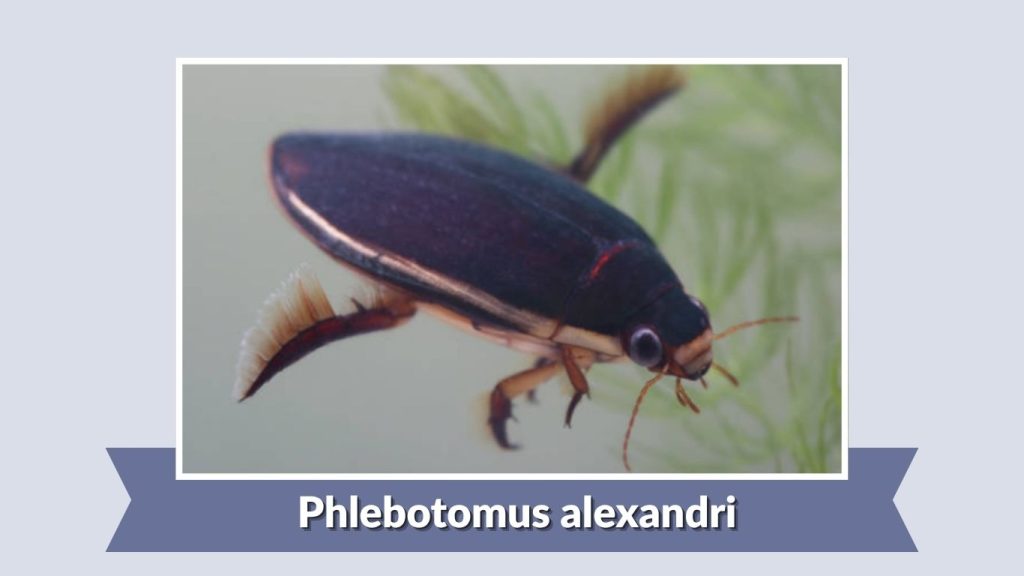
Phlebotomus alexandri is a sand fly species primarily found in the Middle East and parts of North Africa. It is a known vector of cutaneous and visceral leishmaniasis. These small, nocturnal insects inhabit humid environments near human dwellings, animal shelters, and leaf litter. Larvae develop in moist, organic-rich soil, feeding on decaying material, while adults require blood meals for reproduction.
Identification
- Small, slender body, light brown to yellowish
- Upright, hairy wings
- Long, segmented antennae and legs
- Body length 2–3 mm
- Short, piercing proboscis for blood feeding
Habitat and Distribution
Phlebotomus alexandri is found in Iraq, Iran, Egypt, and surrounding regions. Adults rest in shaded, humid areas during the day, and larvae thrive in moist soil enriched with organic matter such as leaf litter and animal dung.
Behavior and Diet
Adults feed on mammal blood, primarily at night. Larvae consume decaying plant matter in soil, aiding in nutrient recycling. Adults are vectors of Leishmania parasites and are prey for spiders, ants, and other small predators.
Lifecycle
Females lay eggs in damp, nutrient-rich soil. Larvae develop through four instars, pupate in soil, and adults emerge after several weeks. Environmental factors like humidity and temperature influence the lifecycle, typically lasting 6–8 weeks.
10. Lutzomyia olmeca
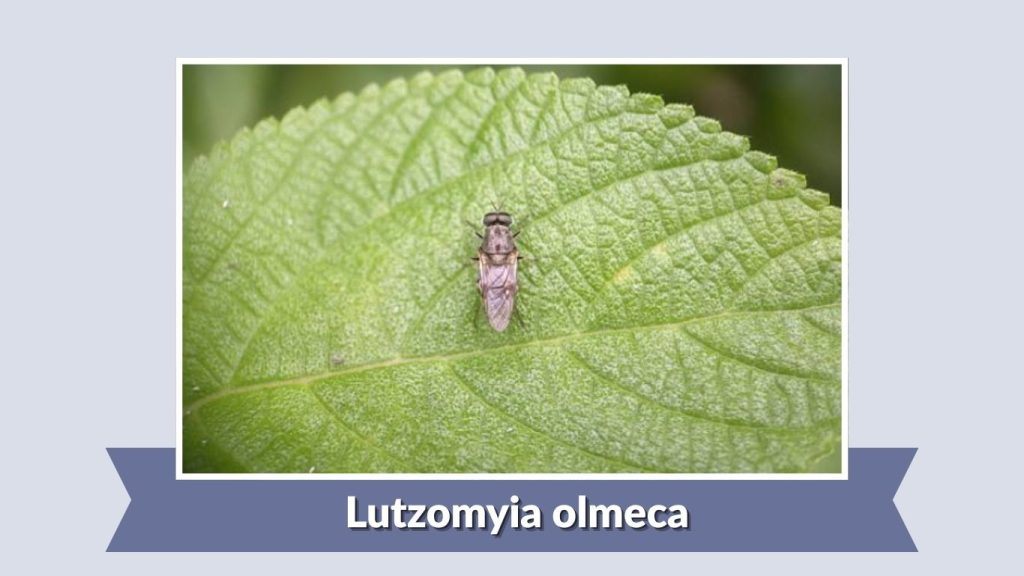
Lutzomyia olmeca is a sand fly species found in Central America, particularly in Mexico and neighboring countries. It is a vector of cutaneous leishmaniasis. These small, nocturnal insects inhabit humid environments near human dwellings, animal shelters, and leaf litter. Larvae develop in moist, organic-rich soil, feeding on decaying plant matter, while adults require blood meals for egg production.
Identification
- Small, slender body, yellowish-brown
- Upright, hairy wings
- Long, segmented antennae and legs
- Body length 2–3 mm
- Short, piercing proboscis for blood feeding
Habitat and Distribution
Lutzomyia olmeca is primarily found in tropical and subtropical forests of Central America. Adults rest in shaded, humid areas during the day, while larvae thrive in moist soil, leaf litter, and decomposing organic material.
Behavior and Diet
Adults feed on mammal blood at night, while larvae consume decaying plant matter in soil. Adults serve as important vectors of Leishmania parasites and are preyed upon by spiders, ants, and other small predators.
Lifecycle
Females lay eggs in moist, nutrient-rich soil. Larvae pass through four instars, pupate in soil, and adults emerge after several weeks. Lifecycle duration depends on humidity and temperature, typically lasting 6–8 weeks.
11. Phlebotomus halepensis
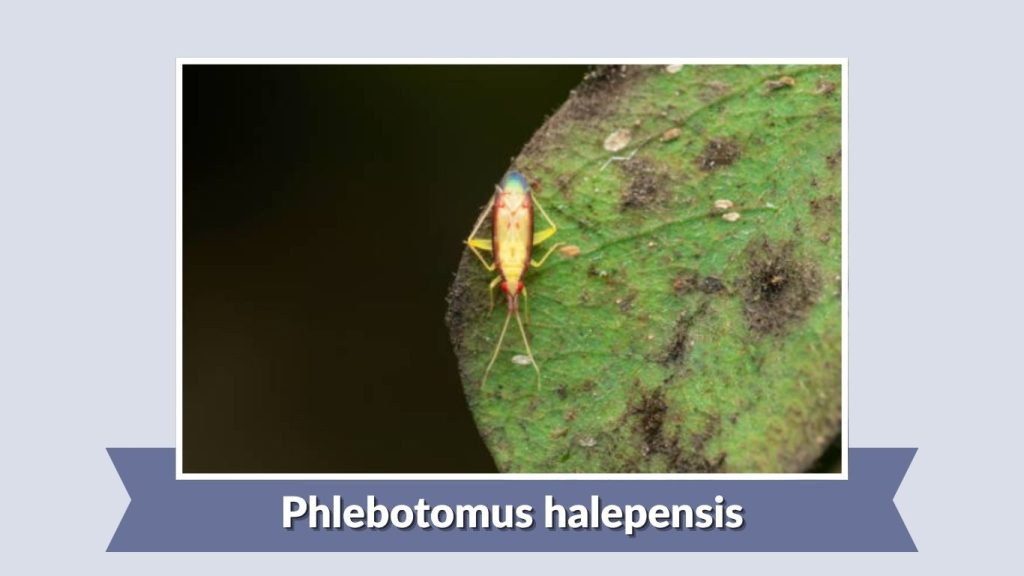
Phlebotomus halepensis is a sand fly species primarily found in the Mediterranean region. It is a known vector of cutaneous leishmaniasis. These small, nocturnal insects inhabit humid areas near human dwellings, animal shelters, and leaf litter. Larvae develop in moist, organic-rich soil, feeding on decaying vegetation, while adults require blood meals for egg production.
Identification
- Small, slender body, yellowish-brown
- Upright, hairy wings
- Long, segmented antennae and legs
- Body length 2–3 mm
- Short, piercing proboscis for blood feeding
Habitat and Distribution
Phlebotomus halepensis is found in countries surrounding the Mediterranean Sea. Adults rest in shaded, humid microhabitats during the day, while larvae thrive in moist soil enriched with organic matter such as leaf litter or decomposing vegetation.
Behavior and Diet
Adults feed primarily on mammalian blood at night. Larvae consume decaying plant material in soil, aiding in nutrient cycling. Adults are important vectors of Leishmania parasites and are prey for spiders, ants, and other small predators.
Lifecycle
Females lay eggs in damp, nutrient-rich soil. Larvae develop through four instars, pupate in soil, and adults emerge after several weeks. Lifecycle duration is influenced by temperature and humidity, typically lasting 6–8 weeks.
12. Lutzomyia evansi
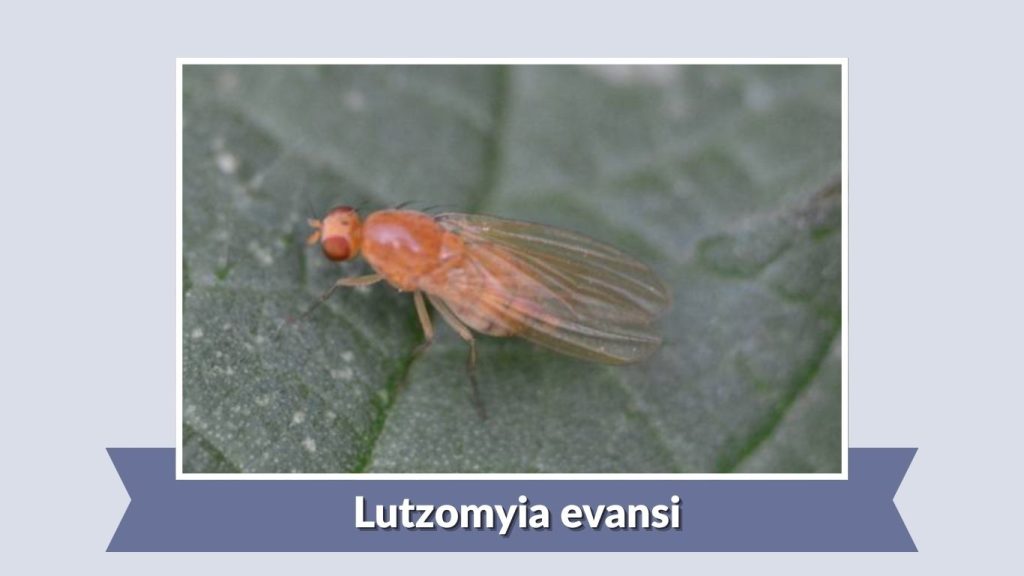
Lutzomyia evansi is a sand fly species found in parts of Central and South America, particularly Colombia and Venezuela. It is a known vector of cutaneous leishmaniasis. These small, nocturnal insects inhabit humid areas near human dwellings, animal shelters, and leaf litter. Larvae develop in moist, organic-rich soil, feeding on decaying vegetation, while adults require blood meals to produce eggs.
Identification
- Small, slender body, yellowish-brown
- Upright, hairy wings
- Long, segmented antennae and legs
- Body length 2–3 mm
- Short, piercing proboscis for blood feeding
Habitat and Distribution
Lutzomyia evansi thrives in tropical and subtropical regions. Adults rest in shaded, humid areas during the day, while larvae develop in moist soil and decomposing organic matter such as leaf litter or animal droppings.
Behavior and Diet
Adults feed primarily on mammal blood at night. Larvae consume decaying plant material, aiding in nutrient cycling. Adults are important vectors of Leishmania parasites and serve as prey for spiders, ants, and other small predators.
Lifecycle
Females lay eggs in moist, nutrient-rich soil. Larvae pass through four instars, pupate in soil, and adults emerge after several weeks. Lifecycle duration is influenced by humidity and temperature, typically 6–8 weeks.
13. Phlebotomus tobbi
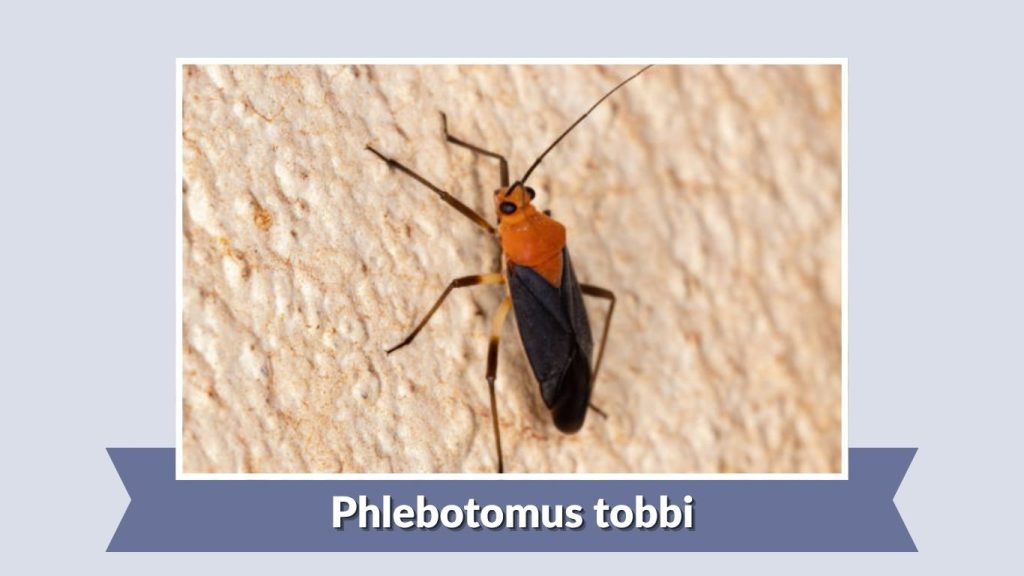
Phlebotomus tobbi is a sand fly species primarily found in the Mediterranean and Middle Eastern regions. It is a known vector of visceral and cutaneous leishmaniasis. These small, nocturnal insects inhabit humid areas near human dwellings, animal shelters, and leaf litter. Larvae develop in moist, organic-rich soil, feeding on decaying vegetation, while adults require blood meals for egg production.
Identification
- Small, slender body, light brown to yellowish
- Upright, hairy wings
- Long, segmented antennae and legs
- Body length 2–3 mm
- Short, piercing proboscis for blood feeding
Habitat and Distribution
Phlebotomus tobbi is distributed across southern Europe, North Africa, and the Middle East. Adults rest in shaded, humid microhabitats during the day. Larvae thrive in moist soil enriched with leaf litter, animal dung, and decomposing organic matter.
Behavior and Diet
Adults feed primarily on mammal blood at night. Larvae consume decaying plant material in soil, aiding in nutrient cycling. Adults are important vectors of Leishmania parasites and are preyed upon by spiders, ants, and other small predators.
Lifecycle
Females lay eggs in damp, nutrient-rich soil. Larvae develop through four instars, pupate in soil, and adults emerge after several weeks. Lifecycle duration varies with environmental conditions, typically lasting 6–8 weeks.
14. Lutzomyia shannoni
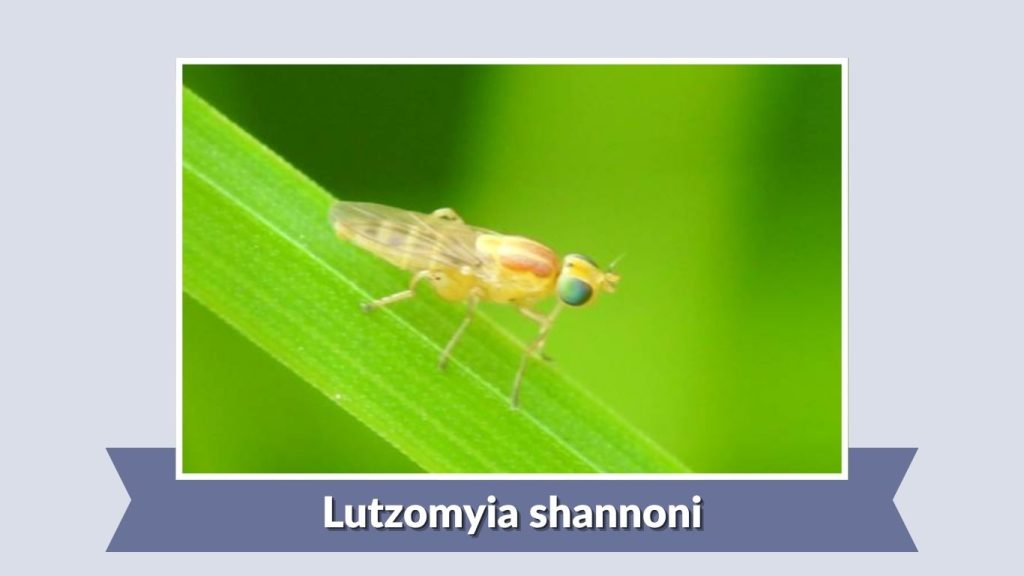
Lutzomyia shannoni is a sand fly species found in parts of Central and South America, including the United States, Mexico, and Brazil. It is a known vector of cutaneous leishmaniasis. These small, nocturnal insects inhabit humid environments near human dwellings, animal shelters, and leaf litter. Larvae develop in moist, organic-rich soil, feeding on decaying plant matter, while adults require blood meals for reproduction.
Identification
- Small, slender body, yellowish-brown
- Upright, hairy wings
- Long, segmented antennae and legs
- Body length 2–3 mm
- Short, piercing proboscis for blood feeding
Habitat and Distribution
Lutzomyia shannoni thrives in tropical and subtropical forests, shaded areas, and around human and animal shelters. Larvae develop in moist soil, leaf litter, and decomposing organic material, providing a rich microhabitat for growth.
Behavior and Diet
Adults feed primarily on mammal blood at night. Larvae consume decaying vegetation, contributing to soil nutrient cycling. Adults also serve as prey for spiders, ants, and other small predators.
Lifecycle
Females lay eggs in damp, nutrient-rich soil. Larvae pass through four instars, pupate in soil, and adults emerge after several weeks. Lifecycle duration depends on environmental humidity and temperature, typically 6–8 weeks.
15. Phlebotomus papuensis
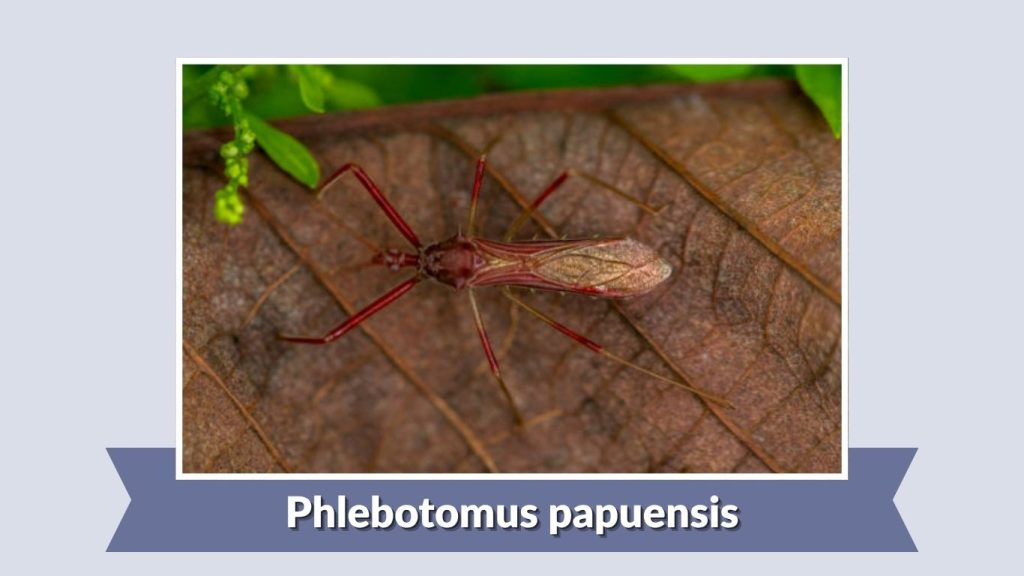
Phlebotomus papuensis is a sand fly species primarily found in Papua New Guinea and nearby regions. It is a known vector of cutaneous leishmaniasis. These small, nocturnal insects inhabit humid areas near human dwellings, animal shelters, and leaf litter. Larvae develop in moist, organic-rich soil, feeding on decaying vegetation, while adults require blood meals for reproduction.
Identification
- Small, slender body, yellowish-brown
- Upright, hairy wings
- Long, segmented antennae and legs
- Body length 2–3 mm
- Short, piercing proboscis for blood feeding
Habitat and Distribution
Phlebotomus papuensis is found in tropical and subtropical regions of Papua New Guinea. Adults rest in shaded, humid microhabitats during the day. Larvae thrive in moist soil enriched with leaf litter and decomposing organic material.
Behavior and Diet
Adults feed primarily on mammal blood at night. Larvae consume decaying plant matter in soil, aiding nutrient recycling. Adults are important vectors of Leishmania parasites and are preyed upon by spiders, ants, and other small predators.
Lifecycle
Females lay eggs in moist, nutrient-rich soil. Larvae pass through four instars, pupate in soil, and adults emerge after several weeks. Lifecycle duration is influenced by temperature and humidity, typically 6–8 weeks.
FAQs
Are sand flies dangerous to humans?
Yes, some species of sand flies, such as Phlebotomus and Lutzomyia, can transmit diseases like cutaneous or visceral leishmaniasis. They are tiny and bite at night, but only a few species act as disease vectors.
What do sand fly larvae eat?
Sand fly larvae feed on decaying organic matter in moist soil, leaf litter, and animal droppings. They play a role in nutrient recycling and soil health but do not bite or feed on blood.
Where are sand flies commonly found?
Sand flies are found in tropical, subtropical, and Mediterranean regions worldwide. They prefer humid, shaded areas near human dwellings, animal shelters, leaf litter, and moist soil for larval development.
How long do sand flies live?
Adults live for about 2–4 weeks, mainly to mate and lay eggs. Larvae develop over several weeks to months, depending on environmental conditions such as temperature and soil moisture.
Can sand flies bite pets or livestock?
Yes, sand flies can bite mammals, including pets and livestock, to obtain blood for egg development. While they do not usually harm animals directly, they can transmit Leishmania parasites, affecting animal health in some regions.