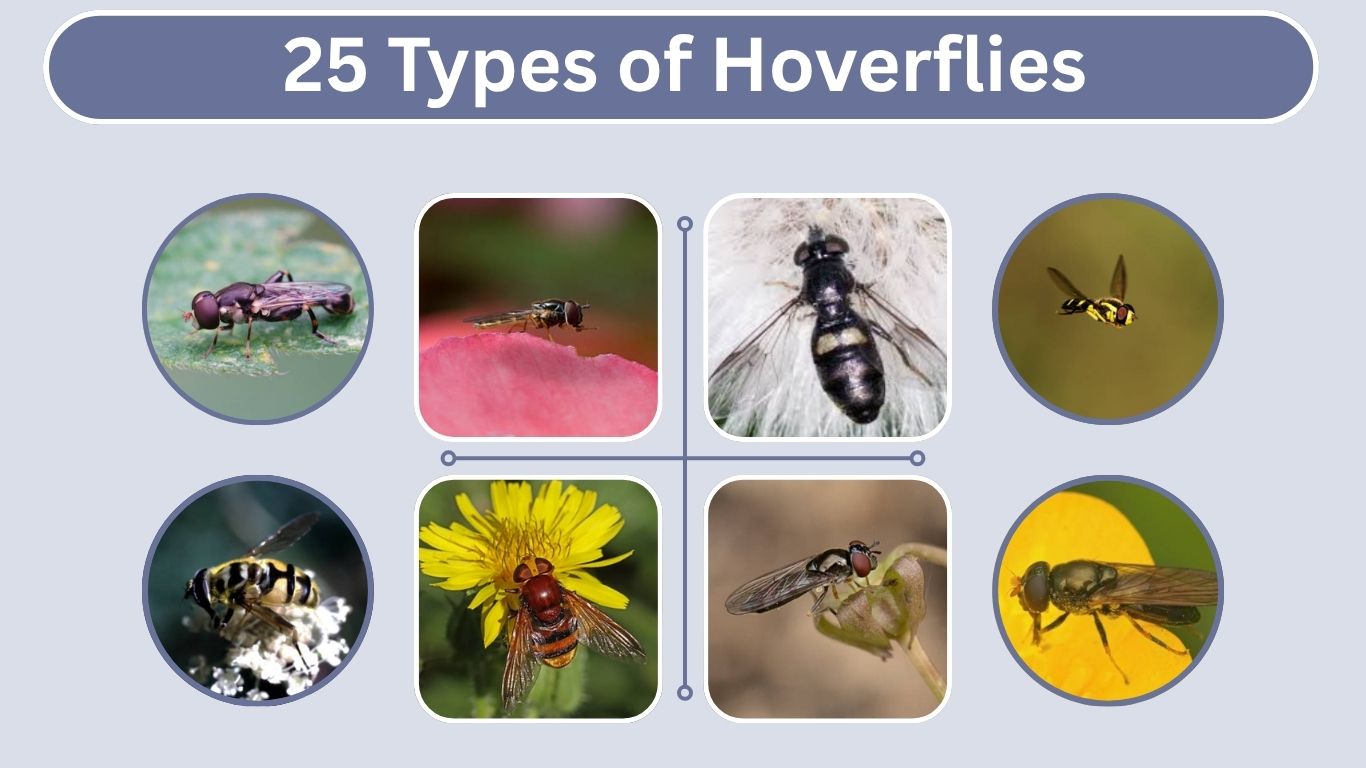
Hoverflies are fascinating insects admired for their bright colors, bee and wasp mimicry, and agile hovering flight. Found worldwide in gardens, meadows, wetlands, and farmlands, they play a crucial role in pollination and ecosystem balance. Many larvae are natural predators of aphids, while others feed on decaying organic matter, contributing to nutrient recycling. This article explores 25 common types of hoverflies, providing detailed information on their identification, habitat, behavior, diet, and lifecycle, offering enthusiasts, gardeners, and ecologists valuable insight into these remarkable insects.
1. Marmalade Hoverfly
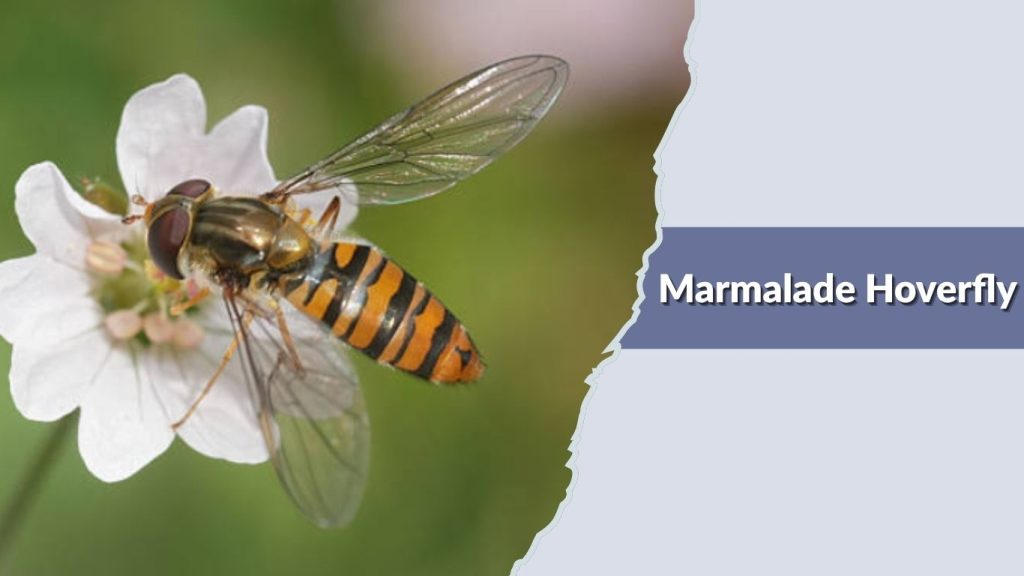
The Marmalade Hoverfly (Episyrphus balteatus) is a small, brightly colored fly recognized for its orange-brown thorax and distinctive black-striped abdomen. Widely distributed across Europe, North America, and parts of Asia, it is commonly seen in gardens, meadows, and agricultural fields. This hoverfly is an important pollinator and natural predator of aphids, making it valuable for maintaining ecosystem balance. Its agile hovering flight and frequent visits to flowers make it one of the most easily observed and studied hoverfly species.
Identification
- Small size, 8–12 mm in length
- Orange-brown thorax with a dark central stripe
- Black-striped abdomen
- Transparent wings with minimal venation
- Large, reddish-brown compound eyes
Habitat and Distribution
Marmalade Hoverflies inhabit gardens, meadows, parks, and agricultural fields across Europe, North America, and parts of Asia. They prefer areas with abundant flowering plants, which provide nectar for adults and attract aphid prey for larvae.
Behavior and Diet
Adults feed on nectar and pollen, frequently visiting flowers like daisies, clover, and dandelions. Larvae are predatory, primarily feeding on aphids, which helps control pest populations. Adults are non-aggressive and often hover near flowers.
Lifecycle
Eggs are laid near aphid colonies on plants. Larvae feed on aphids through multiple instars before pupating in soil or plant debris. Adults emerge after metamorphosis, completing one or more generations per year depending on climate and food availability.
2. Drone Fly
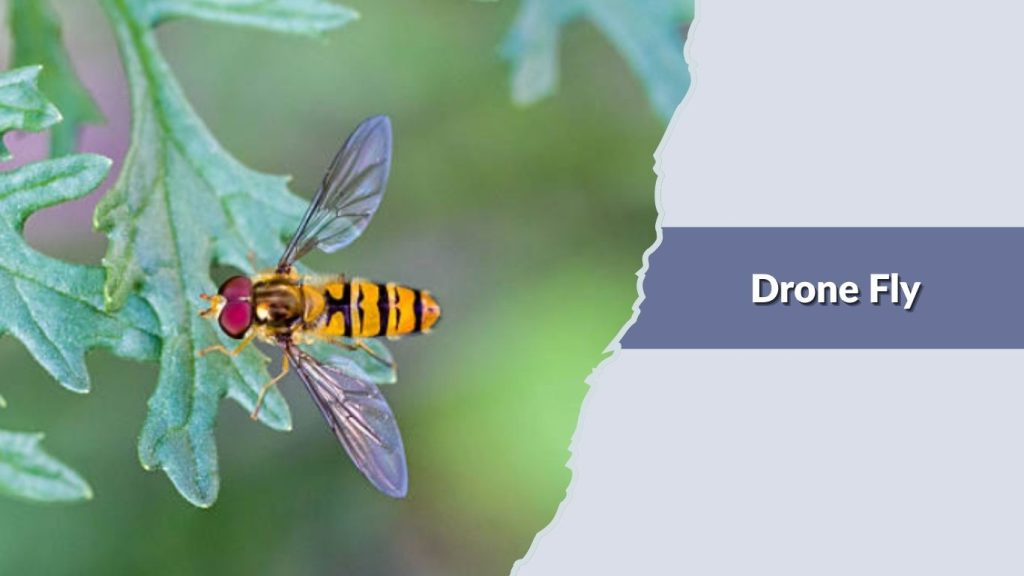
The Drone Fly (Eristalis tenax) is a common hoverfly known for its resemblance to honeybees, which provides it with protection from predators. Widely distributed worldwide, it inhabits gardens, meadows, wetlands, and agricultural areas. The species plays a key role in pollination, while its larvae, known as “rat-tailed maggots,” help decompose organic matter in wet environments. Adults are often seen hovering near flowers, making them easily recognizable and ecologically important for both natural and managed habitats.
Identification
- Medium-sized hoverfly, 12–15 mm in length
- Brownish body with dense, short hair resembling honeybees
- Black-striped abdomen
- Transparent wings with prominent venation
- Large, reddish-brown compound eyes
Habitat and Distribution
Drone Flies are found globally, including Europe, North America, and Asia. They inhabit gardens, fields, wetlands, and compost areas. Larvae develop in stagnant water rich in organic matter, while adults frequent flowering plants for nectar.
Behavior and Diet
Adults feed on nectar and pollen from a variety of flowers, including clover, daisies, and fruit blossoms. Larvae are saprophagous, feeding on decaying organic matter in wet or polluted environments. The adults are harmless and exhibit hovering flight near flowers.
Lifecycle
Females lay eggs near water or moist organic material. Larvae, called rat-tailed maggots, feed and grow through several instars. Pupation occurs in soil or nearby debris. Adults emerge to feed, mate, and continue the species’ life cycle, with several generations per year in favorable climates.
3. Helophilus Pendulus
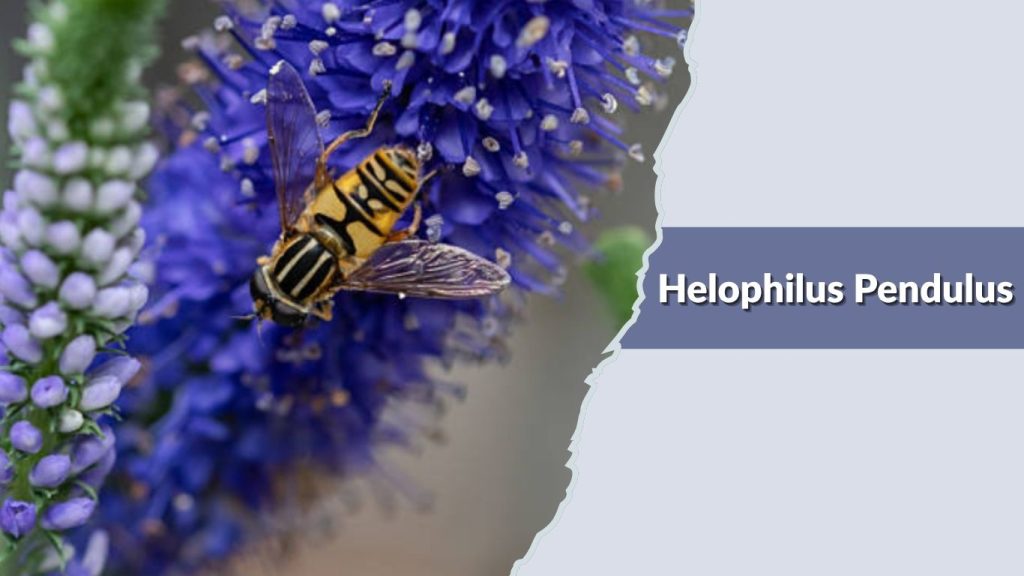
The Helophilus Pendulus, commonly known as the Footballer Hoverfly, is a medium-sized, visually striking hoverfly notable for its black and yellow striped thorax and patterned abdomen. It is widespread across Europe and parts of Asia, frequently seen in gardens, wetlands, ponds, and meadows. This species is an important pollinator, visiting a wide variety of flowers, and its larvae contribute to nutrient cycling by feeding on decaying organic matter in aquatic or semi-aquatic environments. Its hovering flight and distinctive coloration make it easily recognizable.
Identification
- Medium-sized hoverfly, 10–15 mm in length
- Black and yellow striped thorax
- Abdomen with alternating black and yellow patterns
- Transparent wings with clear venation
- Large, reddish-brown compound eyes
Habitat and Distribution
Helophilus Pendulus inhabits wetlands, ponds, marshes, meadows, and gardens throughout Europe and parts of Asia. Larvae develop in waterlogged, decaying vegetation, while adults are commonly seen feeding on nectar from a variety of flowering plants.
Behavior and Diet
Adults feed primarily on nectar and pollen from flowers such as daisies, clover, and buttercups. Larvae are saprophagous, consuming decaying plant matter in wet environments. The species exhibits hovering flight, often near water bodies or flowers, and poses no threat to humans.
Lifecycle
Females lay eggs in wet, decaying organic material. Larvae grow through several instars while feeding on decomposing matter, eventually pupating in nearby soil or plant debris. Adults emerge to feed and reproduce, with multiple generations possible per year depending on climate conditions.
4. Eristalis Tenax
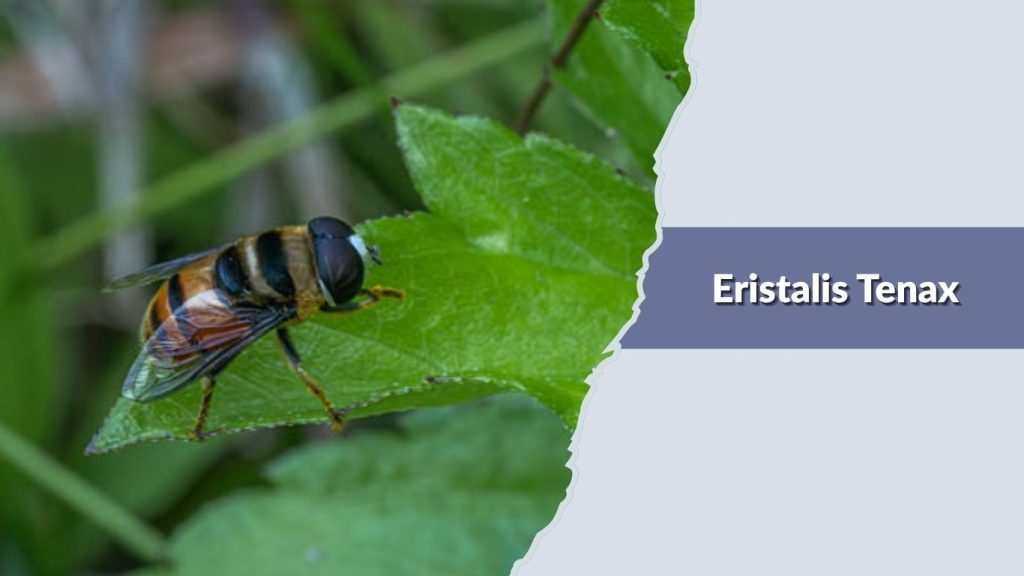
The Eristalis Tenax, commonly called the Common Drone Fly, is a widespread hoverfly resembling a honeybee in both coloration and size, which provides it with natural protection from predators. Found across Europe, North America, and parts of Asia, it inhabits gardens, fields, wetlands, and urban green spaces. Adults are important pollinators, visiting a wide variety of flowers, while larvae, known as “rat-tailed maggots,” contribute to nutrient cycling by feeding on decaying organic matter in waterlogged or polluted environments.
Identification
- Medium-sized hoverfly, 12–15 mm in length
- Honeybee-like appearance with brownish, hairy body
- Black-striped abdomen
- Transparent wings with distinct venation
- Large reddish-brown compound eyes
Habitat and Distribution
Eristalis Tenax is cosmopolitan, found in gardens, meadows, wetlands, and compost-rich areas. Larvae develop in stagnant water or organic sludge, while adults feed on nectar and pollen from flowers.
Behavior and Diet
Adults feed on nectar and pollen from flowers such as clover, daisies, and fruit blossoms. Larvae are saprophagous, consuming decaying organic material. Adults exhibit hovering flight near flowers and are harmless to humans.
Lifecycle
Eggs are laid near water or moist organic matter. Larvae, called rat-tailed maggots, feed and grow through multiple instars before pupating in soil or debris. Adults emerge to mate and feed, completing several generations per year in favorable climates.
5. Episyrphus Balteatus
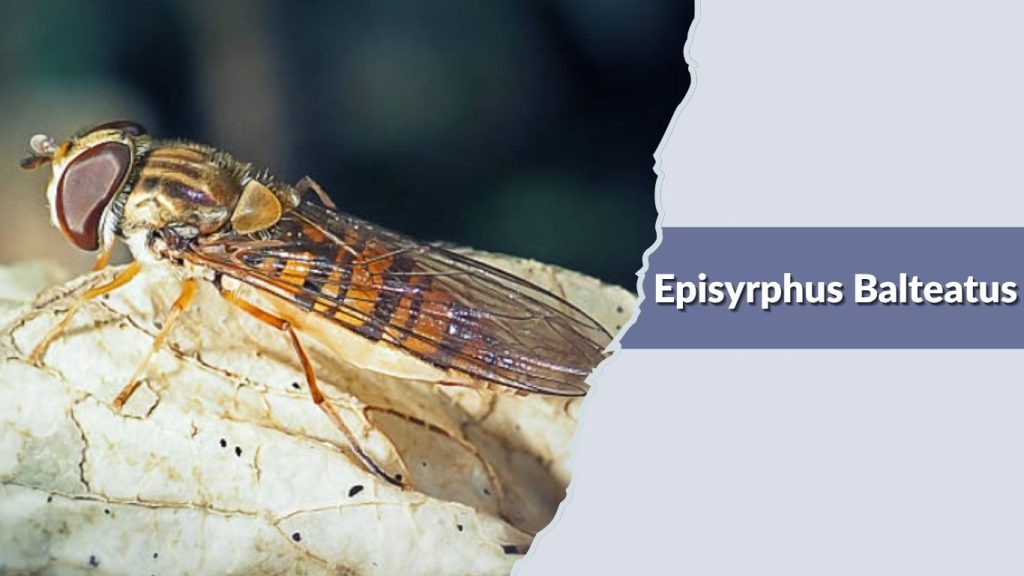
The Episyrphus Balteatus, commonly known as the Marmalade Hoverfly, is a small, brightly colored hoverfly notable for its orange-brown thorax and black-striped abdomen. Widely distributed across Europe, North America, and parts of Asia, it is commonly seen in gardens, meadows, and agricultural fields. This species is an important pollinator and a natural predator of aphids, making it valuable for ecological balance. Its agile hovering flight and frequent visits to flowers make it one of the most easily observed and studied hoverfly species.
Identification
- Small hoverfly, 8–12 mm in length
- Orange-brown thorax with a dark central stripe
- Black-striped abdomen
- Transparent wings with minimal venation
- Large reddish-brown compound eyes
Habitat and Distribution
Episyrphus Balteatus inhabits gardens, meadows, parks, and agricultural fields across Europe, North America, and parts of Asia. They prefer areas rich in flowering plants, which provide nectar for adults and attract aphid prey for larvae.
Behavior and Diet
Adults feed on nectar and pollen from flowers such as daisies, clover, and dandelions. Larvae are predatory, primarily feeding on aphids, helping to naturally control pest populations. Adults hover near flowers and are harmless to humans.
Lifecycle
Females lay eggs near aphid colonies on plants. Larvae feed on aphids through multiple instars before pupating in soil or plant debris. Adults emerge after metamorphosis, completing one or more generations per year depending on climate and food availability.
6. Volucella Zonaria
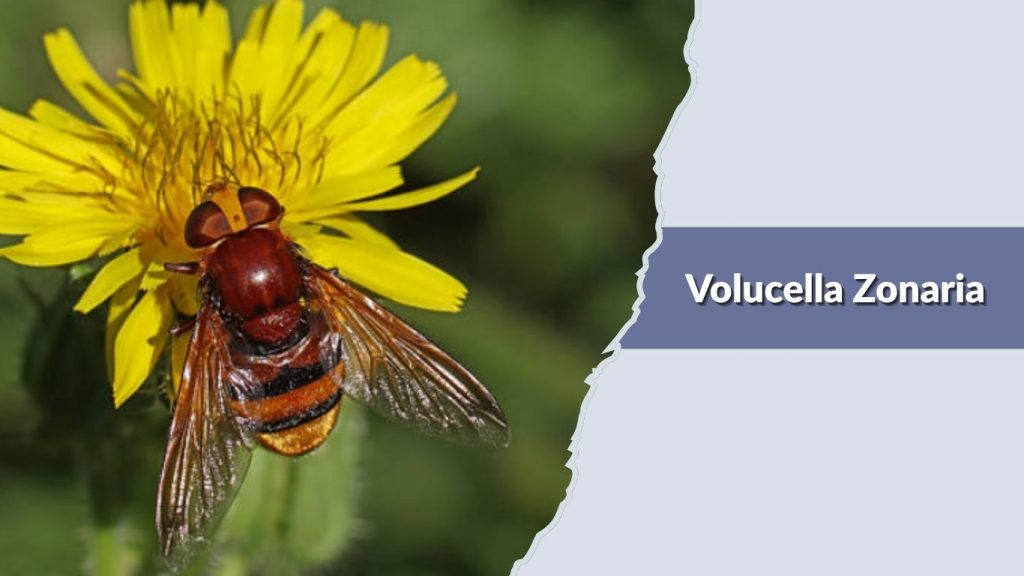
The Volucella Zonaria, commonly known as the Hornet Mimic Hoverfly, is a large, striking hoverfly that closely resembles a hornet in coloration and size, providing it with natural protection from predators. Native to Europe, it is typically found in gardens, woodlands, and areas with abundant flowering plants. This species is an effective pollinator, visiting a variety of flowers, while its larvae live as commensals in the nests of social wasps, feeding on debris and helping clean the nest environment. Its distinctive appearance and behavior make it easily recognizable.
Identification
- Large hoverfly, 15–20 mm in length
- Black and yellow striped thorax and abdomen
- Transparent wings with prominent venation
- Large, dark compound eyes
- Hornet-like body shape
Habitat and Distribution
Volucella Zonaria inhabits gardens, woodlands, and open meadows across Europe. Adults frequent nectar-rich flowers, while larvae develop in the nests of social wasps or hornets, feeding on detritus.
Behavior and Diet
Adults feed on nectar and pollen from flowers such as ivy, brambles, and garden blooms. Larvae live in wasp nests, consuming debris and leftover food, acting as natural cleaners. The species is non-aggressive and harmless to humans.
Lifecycle
Females lay eggs near or inside social wasp nests. Larvae develop within the nest, feeding on detritus. Pupation occurs inside or near the host nest. Adults emerge to feed, mate, and continue the cycle, producing one or more generations per year depending on environmental conditions.
7. Syrphus Ribesii
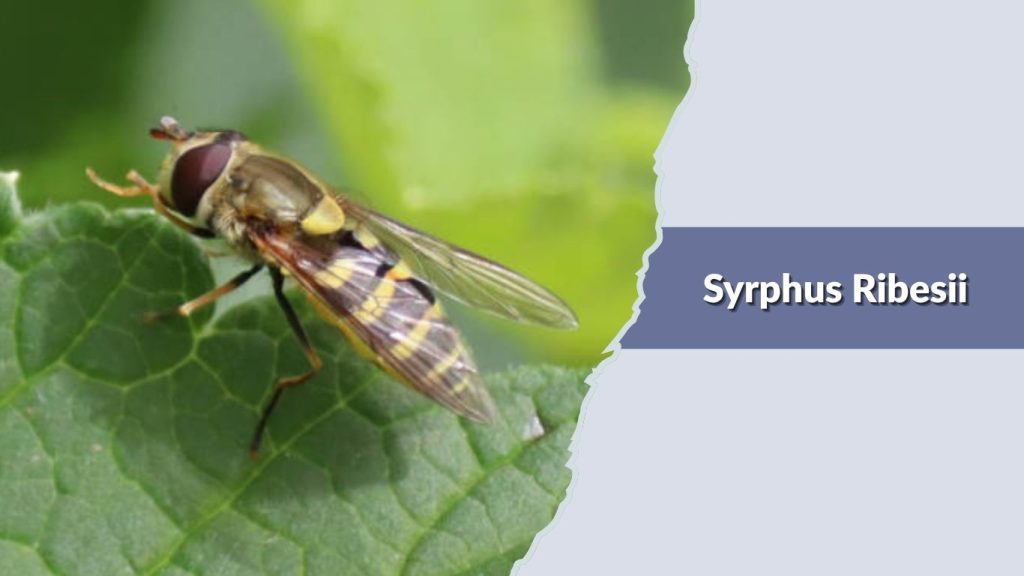
The Syrphus Ribesii, commonly known as the Garden Hoverfly, is a medium-sized, slender hoverfly recognized for its black and yellow striped abdomen and agile flight. It is widely distributed across Europe, North America, and parts of Asia. This species is an important pollinator, frequently visiting flowers in gardens, meadows, and agricultural areas. Its larvae are voracious predators of aphids, helping to naturally control pest populations. The Garden Hoverfly is easily observed due to its rapid, hovering flight and regular presence near flowering plants.
Identification
- Medium-sized hoverfly, 9–13 mm in length
- Black and yellow striped abdomen
- Transparent wings with clear venation
- Slender body with short, dark antennae
- Large, reddish-brown compound eyes
Habitat and Distribution
Syrphus Ribesii inhabits gardens, meadows, farmland, and parks across Europe, North America, and parts of Asia. It prefers areas rich in flowering plants for adult nectar feeding and places with abundant aphid populations for larval development.
Behavior and Diet
Adults feed on nectar and pollen from flowers such as clover, daisies, and buttercups. Larvae are predatory, feeding mainly on aphids, making them valuable for natural pest control. Adults hover near flowers and are non-aggressive to humans.
Lifecycle
Females lay eggs near aphid colonies on host plants. Larvae feed on aphids through several instars before pupating in soil or plant debris. Adults emerge after metamorphosis, completing one or more generations per year depending on climate and resource availability.
8. Rhingia Campestris
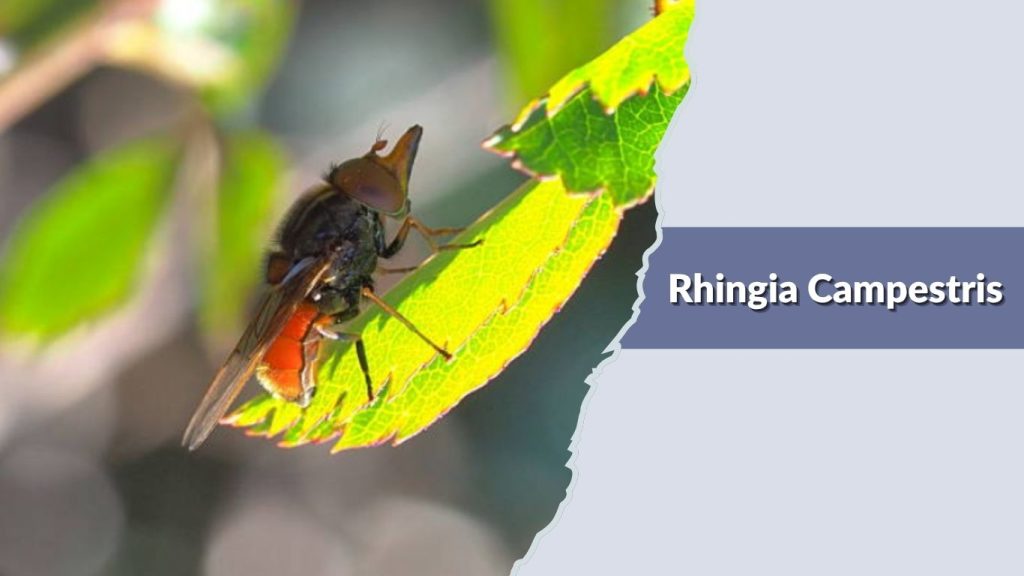
The Rhingia Campestris, commonly known as the Nose-Horned Hoverfly, is a medium-sized hoverfly recognized by its elongated, downward-pointing snout and black-and-orange patterned body. Native to Europe and parts of Asia, it is commonly found in meadows, gardens, wetlands, and areas with abundant flowering plants. Adults are important pollinators, feeding on nectar and pollen, while larvae develop in cow dung or decaying organic matter, helping with nutrient recycling. Its distinctive proboscis and hovering flight make it easy to identify.
Identification
- Medium-sized hoverfly, 8–14 mm in length
- Black thorax with orange or brown abdomen
- Long, forward-curving snout
- Transparent wings with clear venation
- Large reddish-brown compound eyes
Habitat and Distribution
Rhingia Campestris inhabits meadows, gardens, farmland, and wetlands in Europe and parts of Asia. Adults are frequently seen near flowering plants, while larvae develop in cow dung, compost, or decaying organic material.
Behavior and Diet
Adults feed on nectar and pollen from flowers such as clover, dandelion, and buttercups. Larvae are saprophagous, consuming decaying organic matter and helping recycle nutrients. The species exhibits hovering flight and is harmless to humans.
Lifecycle
Females lay eggs in dung, compost, or decaying vegetation. Larvae feed on organic matter and progress through several instars before pupating in nearby soil. Adults emerge to feed, mate, and continue the life cycle, producing multiple generations per year depending on environmental conditions.
9. Myathropa Florea
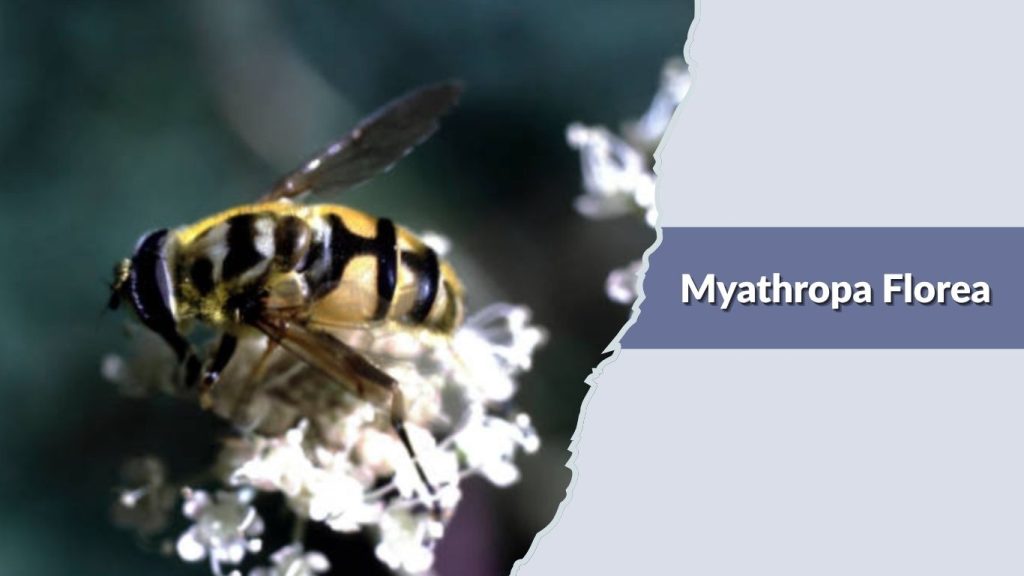
The Myathropa Florea, commonly known as the Batman Hoverfly, is a medium-sized hoverfly easily recognized by the distinctive dark “mask” pattern on its thorax that resembles the silhouette of a bat. Widely distributed across Europe and parts of Asia, it is commonly found in gardens, woodlands, parks, and meadows. Adults are important pollinators, visiting a wide range of flowers, while larvae develop in stagnant water rich in organic debris. Its unique thorax pattern and hovering behavior make it one of the most recognizable hoverfly species.
Identification
- Medium-sized hoverfly, 10–14 mm in length
- Thorax with dark bat-shaped markings
- Black and yellow patterned abdomen
- Transparent wings with clear venation
- Large reddish-brown compound eyes
Habitat and Distribution
Myathropa Florea inhabits gardens, woodlands, parks, and meadows throughout Europe and parts of Asia. Adults are frequently found on nectar-rich flowers, while larvae develop in waterlogged organic matter such as ponds, ditches, and tree holes.
Behavior and Diet
Adults feed on nectar and pollen from flowers such as clover, daisies, and buttercups. Larvae are saprophagous, feeding on decaying organic material in wet habitats. Adults hover near flowers and are harmless to humans.
Lifecycle
Females lay eggs on waterlogged organic matter. Larvae feed and grow through several instars before pupating in nearby soil or debris. Adults emerge after metamorphosis to feed, mate, and continue reproduction, producing one or more generations per year depending on environmental conditions.
10. Chrysotoxum Bicinctum
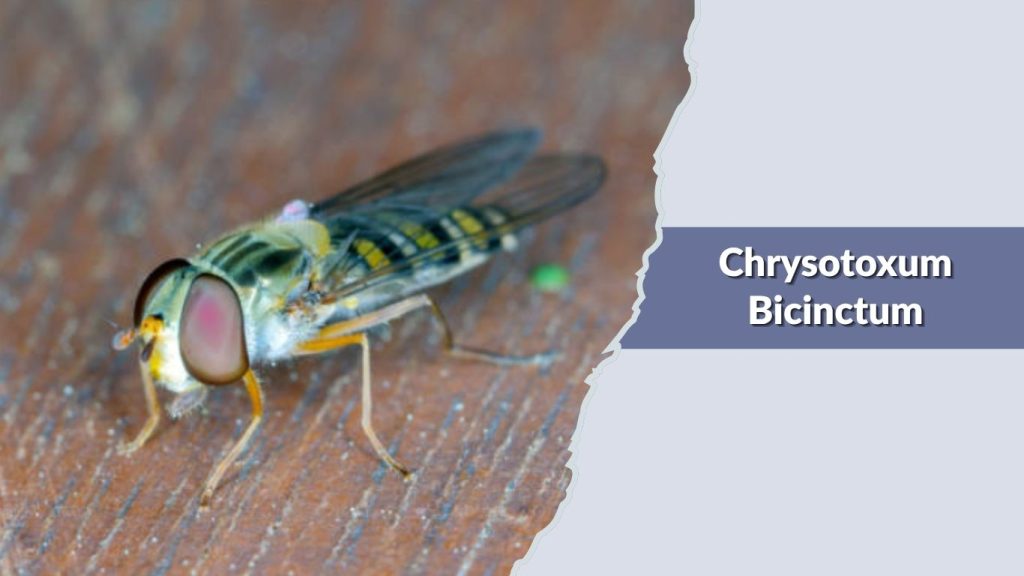
The Chrysotoxum Bicinctum, commonly known as the Wasp-Mimic Hoverfly, is a medium-sized hoverfly notable for its black and yellow banded abdomen, which closely resembles that of a wasp. Native to Europe and parts of Asia, it inhabits meadows, gardens, forest edges, and areas with abundant flowering plants. Adults are effective pollinators, visiting a wide variety of flowers, while larvae develop in soil or decaying organic matter, feeding on aphids or other small insects. Its striking mimicry helps deter predators, making it a fascinating species to observe.
Identification
- Medium-sized hoverfly, 10–15 mm in length
- Black thorax and black-and-yellow striped abdomen
- Transparent wings with clear venation
- Slender body with short antennae
- Large reddish-brown compound eyes
Habitat and Distribution
Chrysotoxum Bicinctum is found across Europe and parts of Asia, inhabiting meadows, gardens, forest edges, and areas rich in flowering plants. Larvae develop in soil, decaying vegetation, or aphid colonies, depending on local conditions.
Behavior and Diet
Adults feed on nectar and pollen from flowers such as clover, daisies, and goldenrod. Larvae are predatory or saprophagous, consuming aphids or decaying organic matter. The species exhibits hovering flight and is harmless to humans.
Lifecycle
Females lay eggs near aphid colonies or in decaying organic matter. Larvae feed and grow through several instars, then pupate in soil or plant debris. Adults emerge to feed, mate, and continue the life cycle, producing one or more generations per year depending on climate and habitat.
11. Scaeva Pyrastri
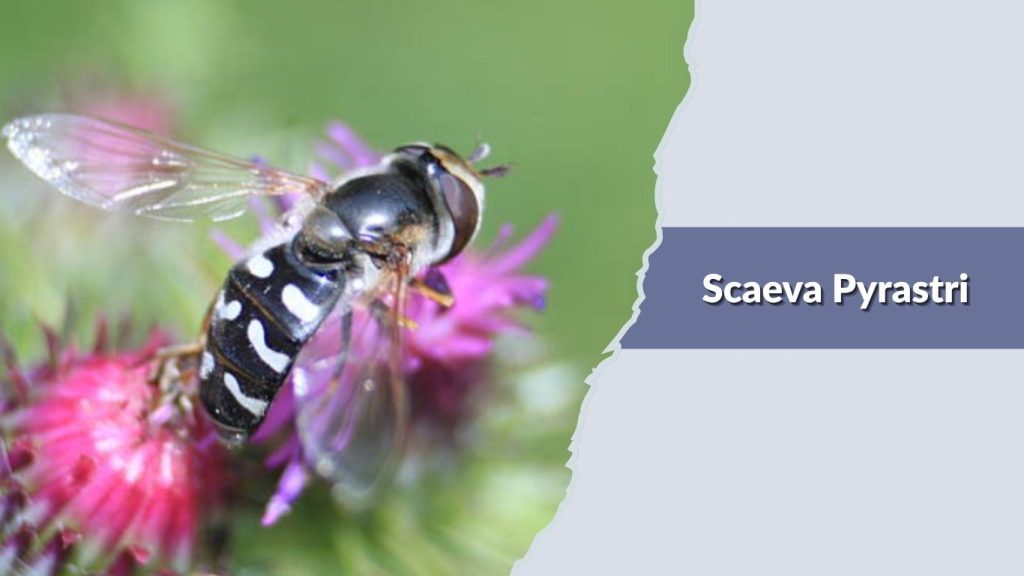
The Scaeva Pyrastri, commonly known as the Pied Hoverfly, is a medium to large hoverfly recognized for its black body with striking white comma-shaped markings on the abdomen. Native to Europe, it has also spread to North America and parts of Asia. It inhabits gardens, meadows, farmlands, and open woodland edges. This species is an important pollinator, and its larvae are voracious predators of aphids, making it valuable for natural pest control. Its distinctive markings and hovering flight make it easily identifiable in the field.
Identification
- Medium to large hoverfly, 10–15 mm in length
- Black body with white comma-shaped markings on the abdomen
- Transparent wings with clear venation
- Slender body with short antennae
- Large reddish-brown compound eyes
Habitat and Distribution
Scaeva Pyrastri inhabits gardens, meadows, agricultural fields, and woodland edges across Europe, North America, and parts of Asia. Adults are commonly seen on flowering plants, while larvae are found among aphid colonies feeding voraciously.
Behavior and Diet
Adults feed on nectar and pollen from flowers such as clover, daisies, and asters. Larvae are predatory, feeding primarily on aphids, which helps in natural pest management. Adults hover near flowers and are harmless to humans.
Lifecycle
Females lay eggs near aphid colonies on host plants. Larvae feed on aphids through several instars before pupating in nearby soil or debris. Adults emerge to feed, mate, and continue reproduction, with multiple generations possible per year depending on climate conditions.
12. Baccha Elongata
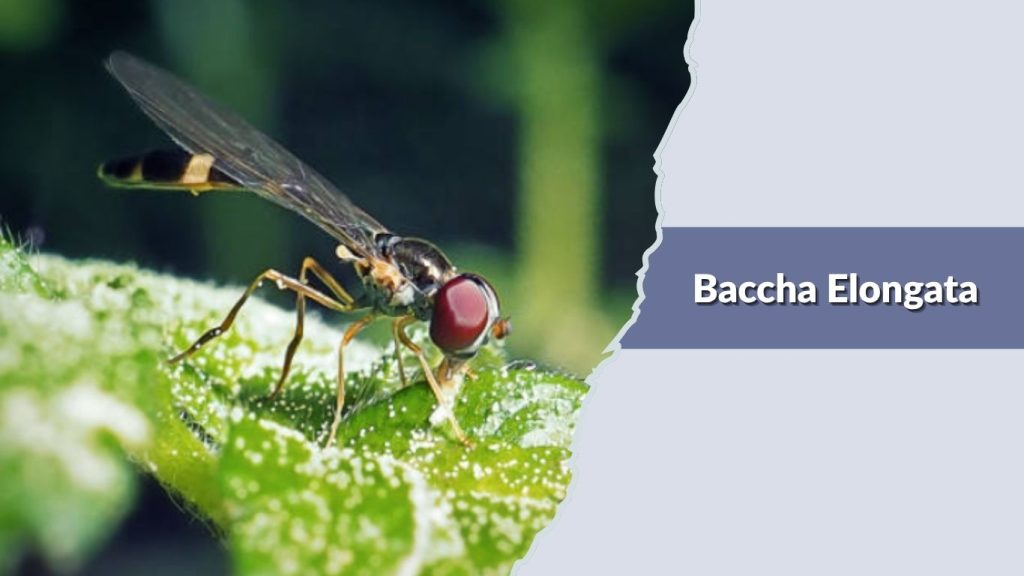
The Baccha Elongata, commonly known as the Slender Hoverfly, is a small, delicate hoverfly recognized for its elongated, thin body and black abdomen. Found across Europe and parts of Asia, it frequents gardens, meadows, hedgerows, and woodland edges. Adults are important pollinators, visiting a variety of flowers, while larvae are predators of aphids, helping naturally control pest populations. Its slender form and hovering behavior make it easily distinguishable from other hoverfly species.
Identification
- Small hoverfly, 6–10 mm in length
- Slender, elongated black abdomen
- Transparent wings with clear venation
- Small thorax, dark-colored
- Large reddish-brown compound eyes
Habitat and Distribution
Baccha Elongata inhabits gardens, meadows, hedgerows, and woodland edges across Europe and parts of Asia. Adults frequent flowering plants for nectar, while larvae feed on aphids on leaves and stems.
Behavior and Diet
Adults feed on nectar and pollen from flowers such as clover, daisies, and buttercups. Larvae are predatory, consuming aphids to aid in natural pest control. Adults hover near flowers and are harmless to humans.
Lifecycle
Eggs are laid near aphid colonies on host plants. Larvae feed on aphids, growing through multiple instars before pupating in nearby soil or plant debris. Adults emerge to feed, mate, and continue the life cycle, with multiple generations per year depending on climate conditions.
13. Xanthogramma Pedissequum
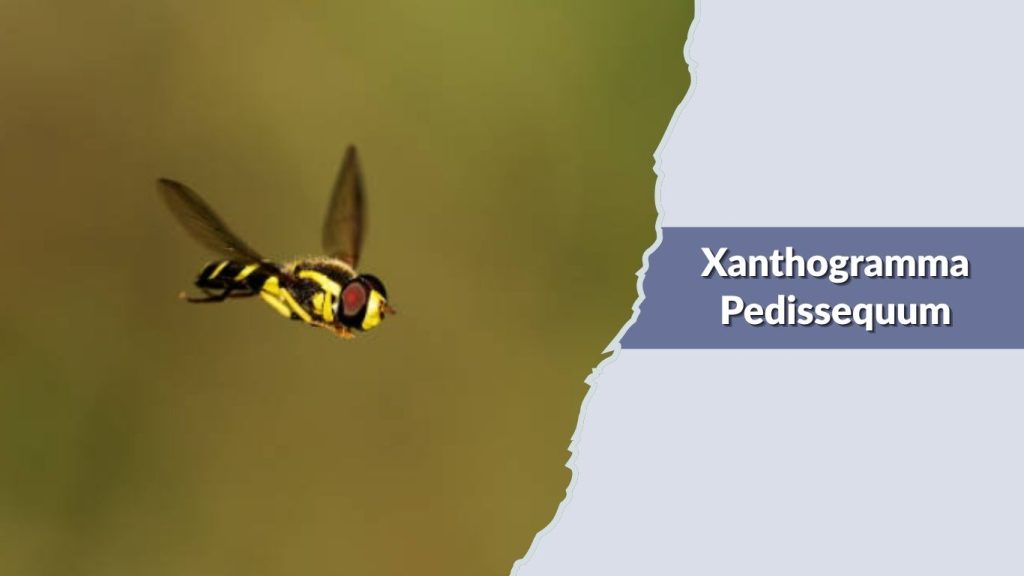
The Xanthogramma Pedissequum, commonly known as the Cucumber Hoverfly, is a medium-sized hoverfly notable for its black body with bright yellow markings and orange-tipped abdomen. Widely distributed across Europe, it is frequently found in gardens, meadows, and farmland. Adults are effective pollinators, visiting a variety of flowering plants, while larvae are aphid predators, contributing to natural pest control. Its bright coloration and agile hovering flight make it easily recognizable among other hoverflies.
Identification
- Medium-sized hoverfly, 9–13 mm in length
- Black body with bright yellow markings
- Orange-tipped abdomen
- Transparent wings with clear venation
- Large, reddish-brown compound eyes
Habitat and Distribution
Xanthogramma Pedissequum inhabits gardens, meadows, and agricultural fields across Europe. Adults are commonly seen on flowers, while larvae feed on aphids found on vegetable plants like cucumbers and related crops.
Behavior and Diet
Adults feed on nectar and pollen from flowers including clover, daisies, and garden blooms. Larvae are predatory, consuming aphids on host plants, making them beneficial for gardeners. Adults hover near flowers and are harmless to humans.
Lifecycle
Eggs are laid near aphid colonies on host plants. Larvae feed on aphids through several instars before pupating in soil or plant debris. Adults emerge to feed, mate, and reproduce, completing one or more generations per year depending on climate and food availability.
14. Sphaerophoria Scripta
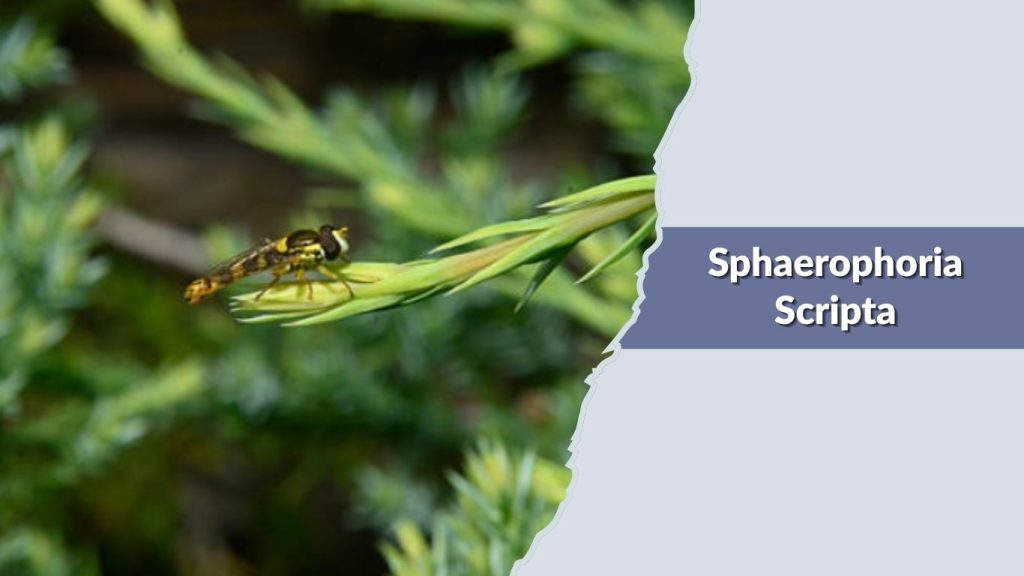
The Sphaerophoria Scripta, commonly known as the Long Hoverfly, is a slender, medium-sized hoverfly recognized for its elongated abdomen with alternating black and yellow bands. Found across Europe and parts of Asia, it inhabits gardens, meadows, farmland, and woodland edges. Adults are important pollinators, frequently visiting flowers, while larvae are voracious predators of aphids, helping maintain natural pest control. Its thin, elongated body and hovering flight make it easily distinguishable from other hoverfly species.
Identification
- Medium-sized hoverfly, 8–12 mm in length
- Slender, elongated abdomen with black and yellow bands
- Transparent wings with clear venation
- Black thorax with subtle markings
- Large reddish-brown compound eyes
Habitat and Distribution
Sphaerophoria Scripta inhabits gardens, meadows, farmland, and woodland edges across Europe and parts of Asia. Adults are commonly seen on flowers, while larvae develop near aphid colonies feeding voraciously on them.
Behavior and Diet
Adults feed on nectar and pollen from flowers such as clover, daisies, and buttercups. Larvae are predatory, primarily feeding on aphids and helping control pest populations naturally. Adults hover near flowers and are harmless to humans.
Lifecycle
Eggs are laid near aphid colonies on host plants. Larvae feed on aphids through several instars before pupating in soil or plant debris. Adults emerge to feed, mate, and continue reproduction, producing multiple generations per year depending on climate and resources.
15. Pipiza Fenestrata
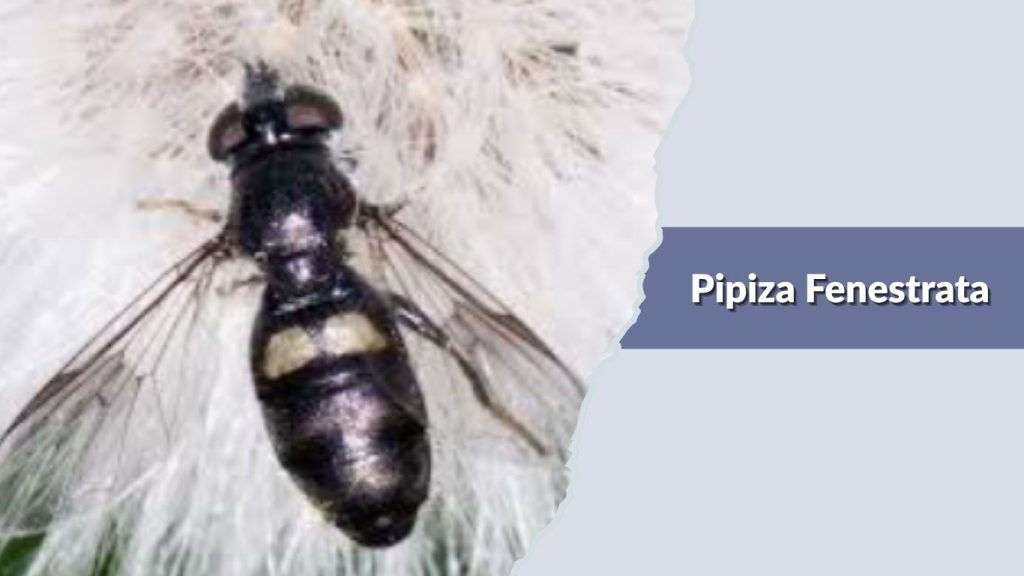
The Pipiza Fenestrata, commonly known as the Windowed Hoverfly, is a small, robust hoverfly distinguished by its dark, compact body and subtle wing markings. Native to Europe, it is commonly found in gardens, meadows, and woodland edges. Adults are important pollinators, visiting a variety of flowers, while larvae feed on aphids and other soft-bodied insects, aiding in natural pest control. Its relatively compact form, hovering behavior, and preference for shaded areas make it a recognizable species among hoverflies.
Identification
- Small hoverfly, 6–10 mm in length
- Dark, compact body
- Subtle transparent wing markings
- Short antennae and large reddish-brown eyes
- Slightly rounded thorax
Habitat and Distribution
Pipiza Fenestrata inhabits gardens, meadows, and woodland edges across Europe. Adults frequent flowering plants for nectar, while larvae develop near aphid colonies on leaves and stems.
Behavior and Diet
Adults feed on nectar and pollen from flowers such as daisies, clover, and buttercups. Larvae are predatory, consuming aphids and helping naturally regulate pest populations. Adults hover near flowers and are harmless to humans.
Lifecycle
Eggs are laid near aphid colonies on host plants. Larvae feed on aphids through multiple instars before pupating in nearby soil or plant debris. Adults emerge to feed, mate, and reproduce, producing one or more generations per year depending on environmental conditions.
16. Cheilosia Variabilis
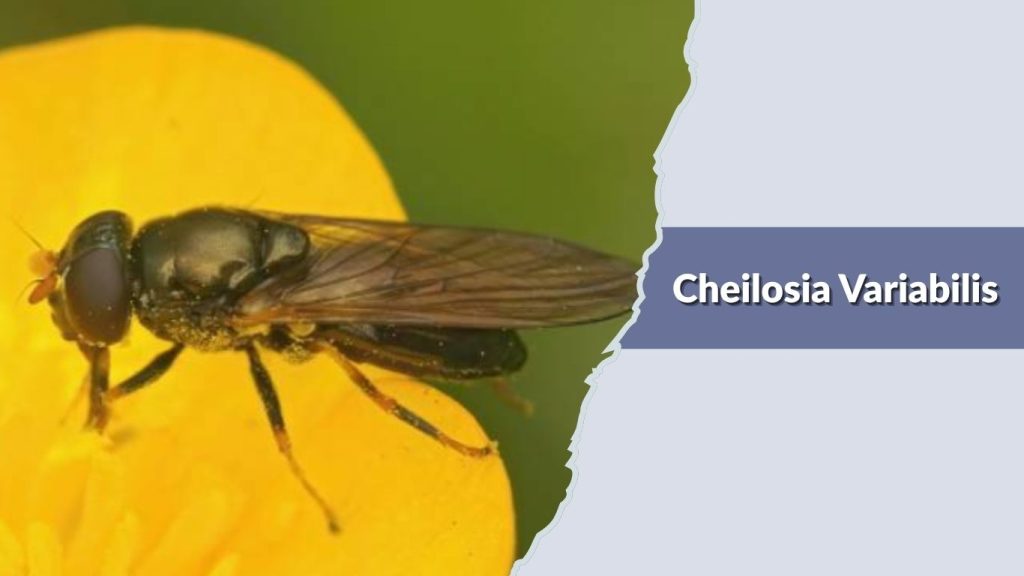
The Cheilosia Variabilis, commonly known as the Figwort Hoverfly, is a medium-sized, dark-colored hoverfly recognized for its mostly black body with subtle metallic reflections. It is widespread across Europe and parts of Asia, frequently found in gardens, meadows, woodlands, and along riverbanks. Adults are important pollinators, visiting flowers for nectar and pollen, while larvae typically feed on the tissues of plants such as figwort, helping regulate plant growth and contributing to ecological balance. Its dark coloration and hovering behavior make it easily identifiable.
Identification
- Medium-sized hoverfly, 8–12 mm in length
- Mostly black body with subtle metallic sheen
- Transparent wings with clear venation
- Slender body with short antennae
- Large reddish-brown compound eyes
Habitat and Distribution
Cheilosia Variabilis inhabits gardens, meadows, woodlands, and riverbanks across Europe and parts of Asia. Adults are frequently seen on flowers, while larvae feed on plant tissues, especially figwort species.
Behavior and Diet
Adults feed on nectar and pollen from flowers such as daisies, clover, and buttercups. Larvae feed internally on plant tissues, helping control host plant growth. Adults hover near flowers and are harmless to humans.
Lifecycle
Females lay eggs on or near host plants. Larvae feed on plant tissues through several instars before pupating in soil or plant debris. Adults emerge to feed, mate, and continue the life cycle, producing one or more generations per year depending on environmental conditions.
17. Platycheirus Albimanus
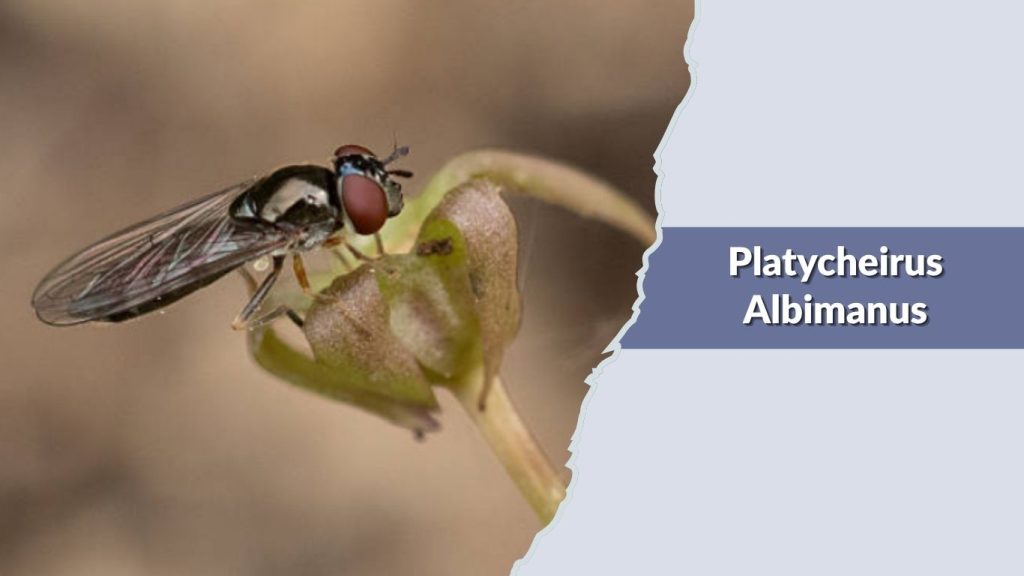
The Platycheirus Albimanus, commonly known as the Orange-Legged Hoverfly, is a medium-sized hoverfly recognized by its slender body, black thorax, and distinctive orange-colored legs. Widely distributed across Europe, it inhabits meadows, gardens, wetlands, and grassy fields. Adults are important pollinators, visiting a variety of flowers, while larvae feed on aphids and other small soft-bodied insects, contributing to natural pest control. Its hovering flight, combined with the striking orange legs, makes it easily recognizable among other hoverfly species.
Identification
- Medium-sized hoverfly, 8–12 mm in length
- Slender black body with orange legs
- Transparent wings with clear venation
- Slender thorax and abdomen
- Large reddish-brown compound eyes
Habitat and Distribution
Platycheirus Albimanus inhabits meadows, gardens, wetlands, and grassy fields across Europe. Adults frequent flowering plants for nectar, while larvae develop near aphid colonies on leaves and stems.
Behavior and Diet
Adults feed on nectar and pollen from flowers such as clover, daisies, and buttercups. Larvae are predatory, feeding on aphids and small insects, aiding natural pest control. Adults hover near flowers and are harmless to humans.
Lifecycle
Eggs are laid near aphid colonies or on host plants. Larvae feed on aphids through multiple instars before pupating in nearby soil or plant debris. Adults emerge to feed, mate, and reproduce, producing one or more generations per year depending on climate and habitat conditions.
18. Melanostoma Scalare
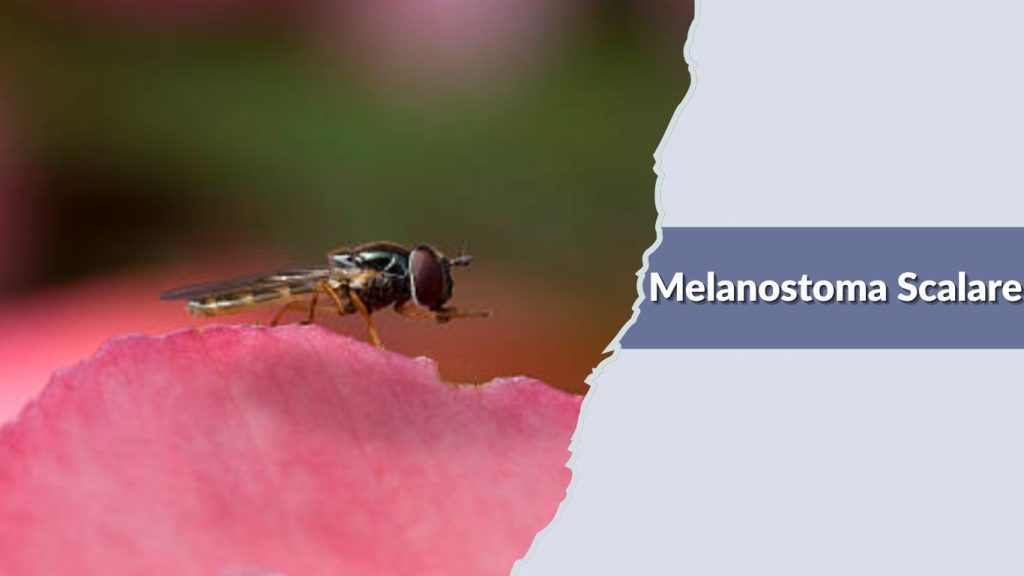
The Melanostoma Scalare, commonly known as the Wavy-Banded Hoverfly, is a small, slender hoverfly recognized for its black body with pale, wavy transverse bands across the abdomen. Widely distributed across Europe and parts of Asia, it is commonly found in gardens, meadows, and grasslands. Adults are important pollinators, frequently visiting flowers, while larvae feed on aphids and other soft-bodied insects, contributing to natural pest control. Its distinctive banding and hovering flight make it easily identifiable among other hoverfly species.
Identification
- Small hoverfly, 6–10 mm in length
- Black body with pale wavy bands on the abdomen
- Transparent wings with clear venation
- Slender thorax and abdomen
- Large reddish-brown compound eyes
Habitat and Distribution
Melanostoma Scalare inhabits gardens, meadows, and grasslands across Europe and parts of Asia. Adults are frequently observed on flowers for nectar, while larvae are predatory on aphids and other small insects.
Behavior and Diet
Adults feed on nectar and pollen from flowers such as clover, daisies, and buttercups. Larvae are predatory, consuming aphids to help naturally regulate pest populations. Adults hover near flowers and are harmless to humans.
Lifecycle
Females lay eggs near aphid colonies or on host plants. Larvae feed on aphids through several instars before pupating in nearby soil or plant debris. Adults emerge to feed, mate, and reproduce, producing one or more generations per year depending on environmental conditions.
19. Baccha Longa
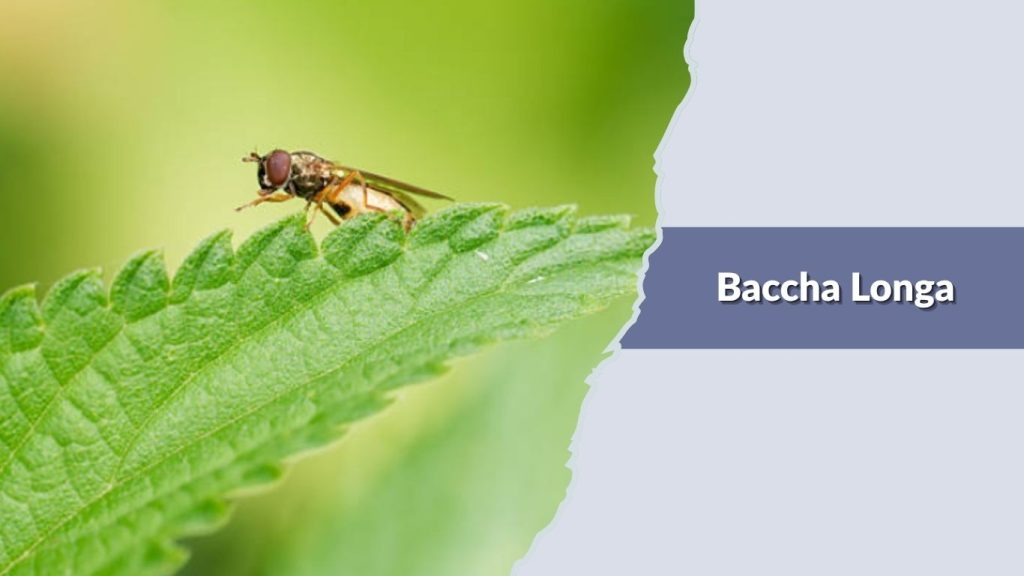
The Baccha Longa, commonly known as the Slender Spindle Hoverfly, is a small, delicate hoverfly recognized for its long, narrow body and dark-colored abdomen. Found across Europe and parts of Asia, it frequents gardens, meadows, hedgerows, and woodland edges. Adults are important pollinators, visiting a variety of flowers, while larvae feed on aphids and other small soft-bodied insects, contributing to natural pest control. Its elongated body and hovering flight make it easily distinguishable among other hoverfly species.
Identification
- Small hoverfly, 6–10 mm in length
- Long, slender, dark-colored abdomen
- Transparent wings with clear venation
- Slender thorax and small head
- Large reddish-brown compound eyes
Habitat and Distribution
Baccha Longa inhabits gardens, meadows, hedgerows, and woodland edges across Europe and parts of Asia. Adults are commonly seen on flowering plants, while larvae develop near aphid colonies feeding predaciously.
Behavior and Diet
Adults feed on nectar and pollen from flowers such as clover, daisies, and buttercups. Larvae are predatory, consuming aphids and helping naturally control pest populations. Adults hover near flowers and are harmless to humans.
Lifecycle
Females lay eggs near aphid colonies on host plants. Larvae feed on aphids through multiple instars before pupating in nearby soil or plant debris. Adults emerge to feed, mate, and reproduce, producing one or more generations per year depending on climate and food availability.
20. Epistrophe Elegans
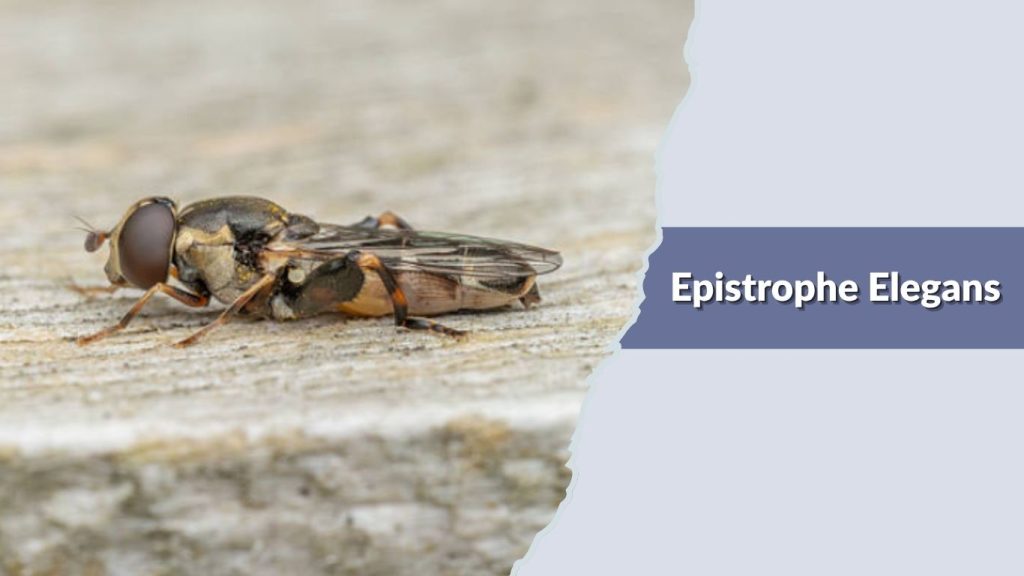
The Epistrophe Elegans, commonly known as the Elegant Hoverfly, is a medium-sized, visually striking hoverfly characterized by its black body with yellow bands on the abdomen and a glossy thorax. Native to Europe and parts of Asia, it inhabits gardens, meadows, woodlands, and hedgerows. Adults are important pollinators, frequently visiting a wide variety of flowers, while larvae are predatory on aphids, contributing to natural pest control. Its distinctive coloration and agile hovering flight make it easily recognizable among other hoverfly species.
Identification
- Medium-sized hoverfly, 9–13 mm in length
- Black body with yellow abdominal bands
- Transparent wings with clear venation
- Slender thorax and abdomen
- Large reddish-brown compound eyes
Habitat and Distribution
Epistrophe Elegans inhabits gardens, meadows, woodlands, and hedgerows across Europe and parts of Asia. Adults feed on nectar, while larvae develop near aphid colonies on host plants.
Behavior and Diet
Adults feed on nectar and pollen from flowers such as clover, daisies, and buttercups. Larvae are predatory, consuming aphids and helping regulate pest populations naturally. Adults hover near flowers and are harmless to humans.
Lifecycle
Females lay eggs near aphid colonies or on host plants. Larvae feed on aphids through several instars before pupating in nearby soil or plant debris. Adults emerge to feed, mate, and continue reproduction, producing one or more generations per year depending on environmental conditions.
21. Syritta Pipiens
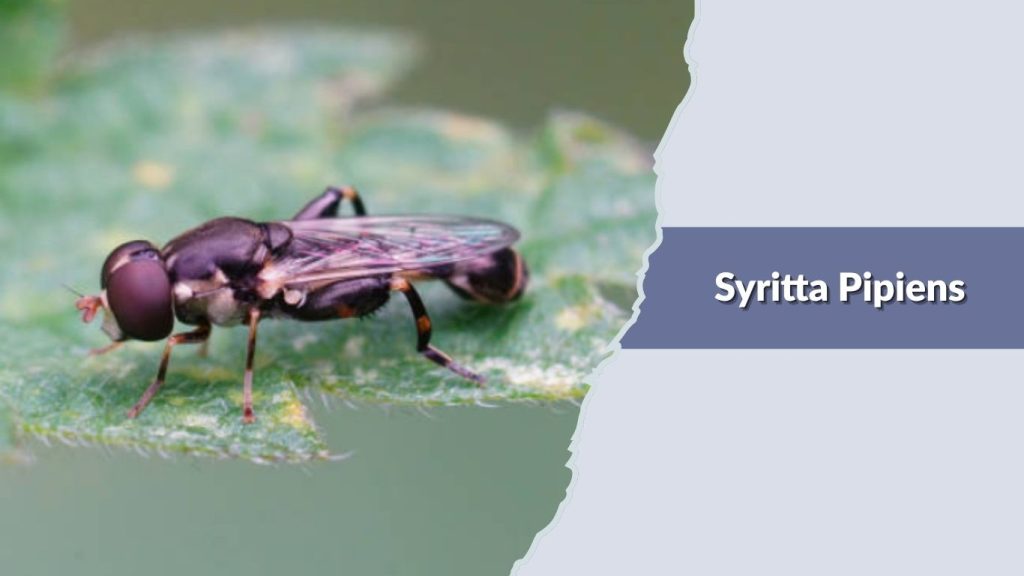
The Syritta Pipiens, commonly known as the Thick-Legged Hoverfly, is a small to medium-sized hoverfly notable for its dark body and characteristic swollen hind femora. Widely distributed across Europe, North America, and parts of Asia, it inhabits gardens, meadows, farmland, and urban green spaces. Adults are important pollinators, visiting a variety of flowers, while larvae feed on decaying organic matter, contributing to nutrient recycling and ecological balance. Its distinctive thickened hind legs and hovering flight make it easy to identify.
Identification
- Small to medium hoverfly, 7–12 mm in length
- Dark body with thickened hind femora
- Transparent wings with clear venation
- Slender thorax and small head
- Large reddish-brown compound eyes
Habitat and Distribution
Syritta Pipiens inhabits gardens, meadows, farmland, and urban areas across Europe, North America, and parts of Asia. Adults are commonly observed feeding on nectar from flowering plants, while larvae develop in decaying organic matter or compost.
Behavior and Diet
Adults feed on nectar and pollen from flowers such as clover, daisies, and buttercups. Larvae are saprophagous, consuming decaying organic matter. Adults hover near flowers and are harmless to humans.
Lifecycle
Females lay eggs in decaying organic material or compost. Larvae feed and grow through several instars before pupating in nearby soil or plant debris. Adults emerge to feed, mate, and reproduce, completing one or more generations per year depending on environmental conditions.
22. Helophilus Hybridus
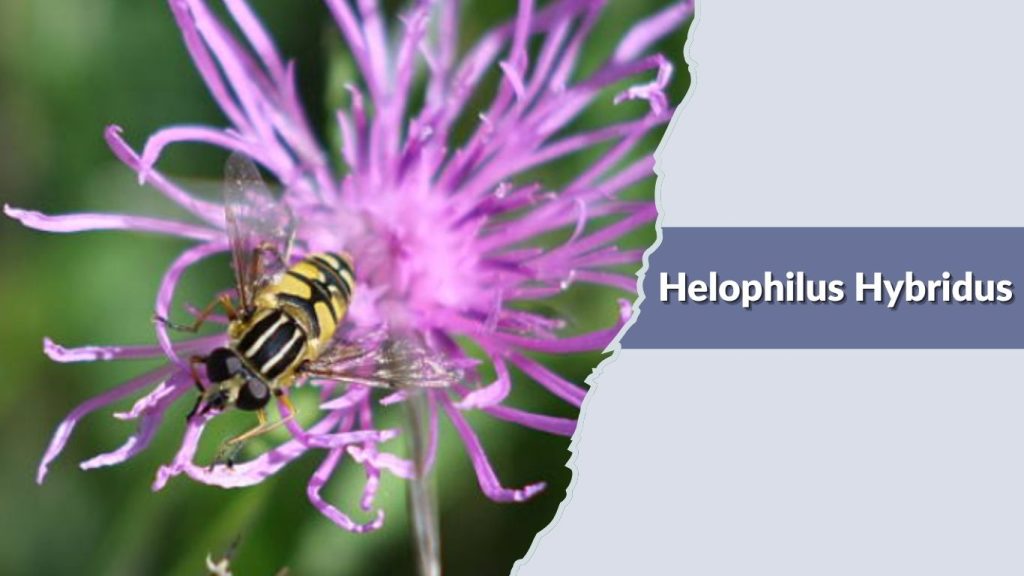
The Helophilus Hybridus, commonly known as the Large Marsh Hoverfly, is a medium-sized hoverfly recognized for its black and yellow striped thorax and patterned abdomen. Native to Europe and parts of Asia, it inhabits wetlands, marshes, ponds, meadows, and gardens. Adults are important pollinators, frequently visiting a variety of flowers, while larvae develop in wet, decaying organic matter, aiding in nutrient recycling. Its distinctive striping and hovering behavior make it easily identifiable and ecologically significant in wetland habitats.
Identification
- Medium-sized hoverfly, 10–15 mm in length
- Black and yellow striped thorax
- Abdomen with yellow and black patterns
- Transparent wings with prominent venation
- Large reddish-brown compound eyes
Habitat and Distribution
Helophilus Hybridus inhabits wetlands, marshes, ponds, meadows, and gardens across Europe and parts of Asia. Adults frequent flowers for nectar, while larvae develop in wet, decaying organic material or shallow water.
Behavior and Diet
Adults feed on nectar and pollen from flowers such as clover, daisies, and buttercups. Larvae are saprophagous, feeding on decaying plant matter in wet habitats. Adults hover near flowers and are harmless to humans.
Lifecycle
Females lay eggs in wet, decaying organic matter. Larvae feed and grow through several instars before pupating in nearby soil or debris. Adults emerge to feed, mate, and reproduce, producing one or more generations per year depending on environmental conditions.
23. Eumerus Strigatus
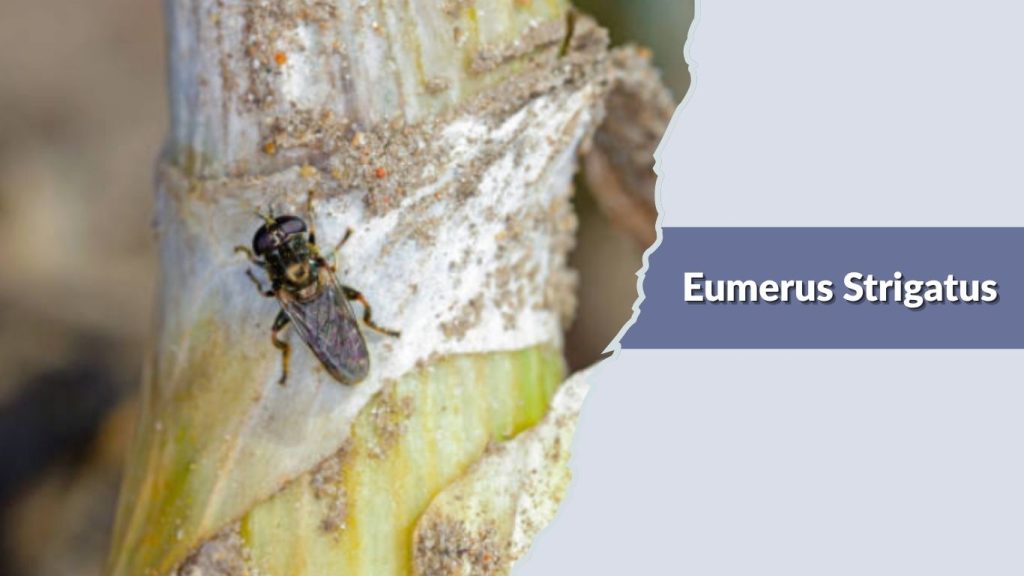
The Eumerus Strigatus, commonly known as the Onion Bulb Hoverfly, is a small to medium-sized hoverfly recognized for its dark body and metallic sheen, often associated with bulbous plants. Native to Europe and parts of Asia, it inhabits gardens, meadows, farmland, and urban green spaces. Adults are pollinators, visiting a variety of flowers, while larvae feed on bulbs and underground plant parts, sometimes affecting cultivated plants. Its small size, metallic coloration, and hovering behavior make it easily recognizable among hoverfly species.
Identification
- Small to medium hoverfly, 6–12 mm in length
- Dark, metallic-colored body
- Transparent wings with clear venation
- Slender thorax and abdomen
- Large reddish-brown compound eyes
Habitat and Distribution
Eumerus Strigatus inhabits gardens, meadows, farmland, and urban green areas across Europe and parts of Asia. Adults feed on nectar from flowers, while larvae develop inside bulbs or underground plant tissues.
Behavior and Diet
Adults feed on nectar and pollen from flowers such as clover, daisies, and buttercups. Larvae are phytophagous, feeding on bulbs and underground plant parts. Adults hover near flowers and are harmless to humans.
Lifecycle
Females lay eggs near or inside bulbs or plant tissues. Larvae feed through several instars before pupating in soil or plant debris. Adults emerge to feed, mate, and reproduce, completing one or more generations per year depending on climate and food availability.
24. Sericomyia Silentis
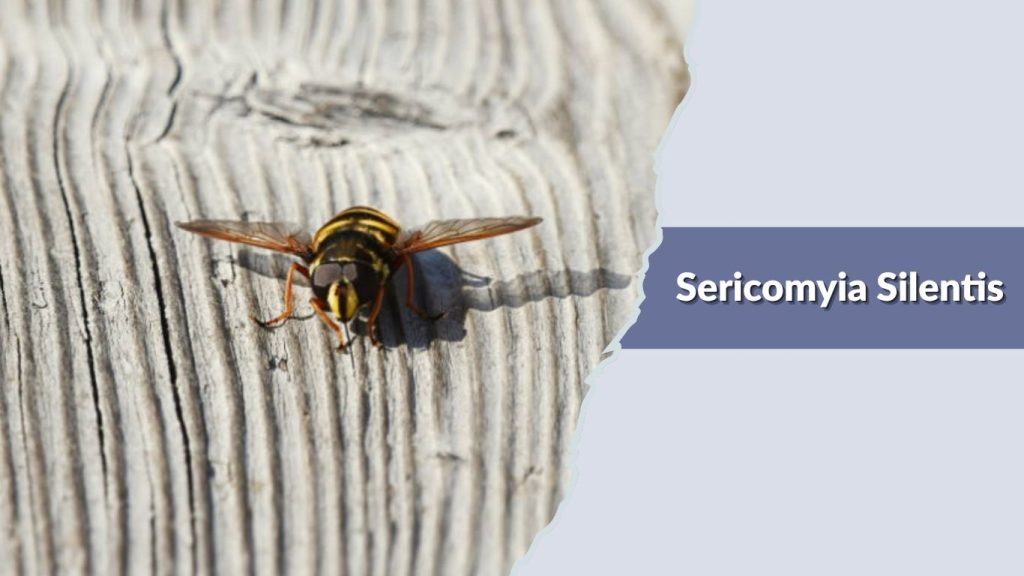
The Sericomyia Silentis, commonly known as the Ghost Hoverfly, is a large, striking hoverfly characterized by its black body with pale yellow markings and a slightly hairy thorax. Found across Europe and parts of Asia, it inhabits wetlands, marshes, ponds, meadows, and garden areas. Adults are important pollinators, frequently visiting flowers for nectar, while larvae develop in wet, decaying organic matter, contributing to nutrient recycling. Its distinctive coloration and hovering flight make it easily recognizable in its natural habitats.
Identification
- Large hoverfly, 12–18 mm in length
- Black body with pale yellow markings
- Slightly hairy thorax
- Transparent wings with prominent venation
- Large reddish-brown compound eyes
Habitat and Distribution
Sericomyia Silentis inhabits wetlands, marshes, ponds, meadows, and gardens across Europe and parts of Asia. Adults are commonly seen on nectar-rich flowers, while larvae develop in wet, decaying organic material.
Behavior and Diet
Adults feed on nectar and pollen from flowers such as clover, daisies, and buttercups. Larvae are saprophagous, consuming decaying plant matter in wet habitats. Adults hover near flowers and are harmless to humans.
Lifecycle
Females lay eggs in wet, decaying organic matter. Larvae feed and grow through several instars before pupating in nearby soil or plant debris. Adults emerge to feed, mate, and reproduce, completing one or more generations per year depending on environmental conditions.
25. Leucozona Lucorum
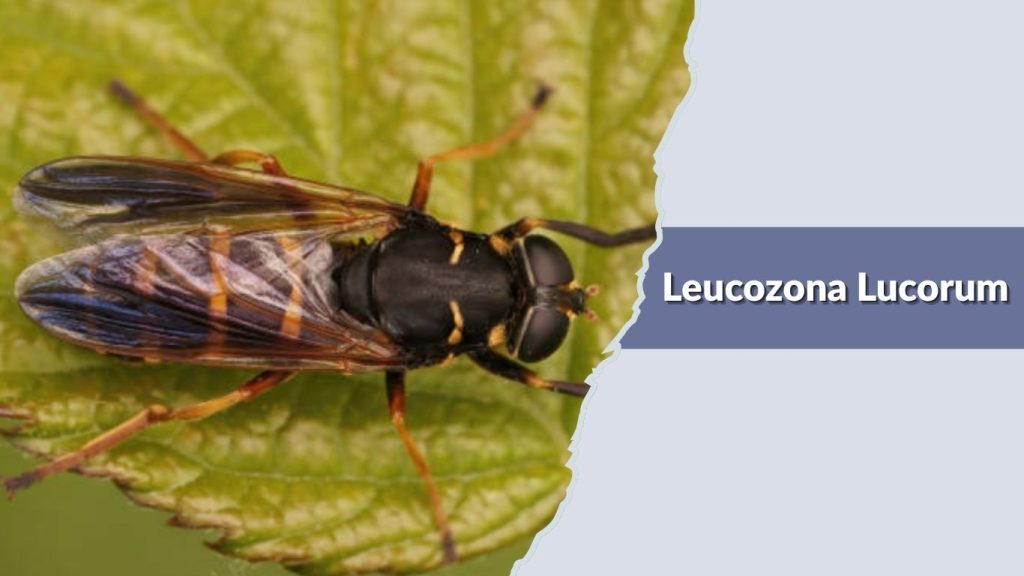
The Leucozona Lucorum, commonly known as the Four-Spotted Hoverfly, is a medium-sized hoverfly recognized for its black body with distinctive white or pale markings on the thorax and four prominent spots on the abdomen. Native to Europe and parts of Asia, it inhabits gardens, meadows, woodland edges, and wetlands. Adults are important pollinators, visiting a variety of flowering plants, while larvae are predators of aphids, contributing to natural pest control. Its distinctive markings and hovering flight make it easily identifiable among other hoverfly species.
Identification
- Medium-sized hoverfly, 9–13 mm in length
- Black body with white or pale thoracic markings
- Four prominent pale spots on the abdomen
- Transparent wings with clear venation
- Slender body with large reddish-brown compound eyes
Habitat and Distribution
Leucozona Lucorum inhabits gardens, meadows, woodland edges, and wetlands across Europe and parts of Asia. Adults feed on nectar and pollen, while larvae are commonly found near aphid colonies on plants.
Behavior and Diet
Adults feed on nectar and pollen from flowers such as clover, daisies, and buttercups. Larvae are predatory, feeding on aphids and helping naturally regulate pest populations. Adults hover near flowers and are harmless to humans.
Lifecycle
Females lay eggs near aphid colonies on host plants. Larvae feed on aphids through several instars before pupating in nearby soil or plant debris. Adults emerge to feed, mate, and reproduce, producing one or more generations per year depending on climate and habitat conditions.
FAQs
What do Hoverflies feed on?
Adult hoverflies primarily feed on nectar and pollen from a wide variety of flowers, including clover, daisies, buttercups, and garden blooms. Larvae of many species are predatory, feeding on aphids, while some are saprophagous, consuming decaying organic matter.
Are Hoverflies dangerous to humans?
No, hoverflies are completely harmless to humans. They do not sting or bite, and their bee or wasp mimicry is purely for protection from predators.
Where can Hoverflies be found?
Hoverflies are found worldwide, inhabiting gardens, meadows, wetlands, farmlands, and woodland edges. Their distribution depends on availability of flowering plants for adults and prey or decaying material for larvae.
How do Hoverflies contribute to the ecosystem?
Hoverflies are important pollinators, helping plants reproduce. Larvae of predatory species control pest populations, such as aphids, while saprophagous larvae contribute to nutrient recycling. Their presence indicates a healthy ecosystem.
What is the lifecycle of a Hoverfly?
Hoverflies undergo complete metamorphosis with four stages: egg, larva, pupa, and adult. Eggs are laid near aphids or in decaying matter. Larvae feed through several instars, pupate in soil or debris, and adults emerge to feed, mate, and reproduce, producing one or more generations per year depending on the species and climate.