
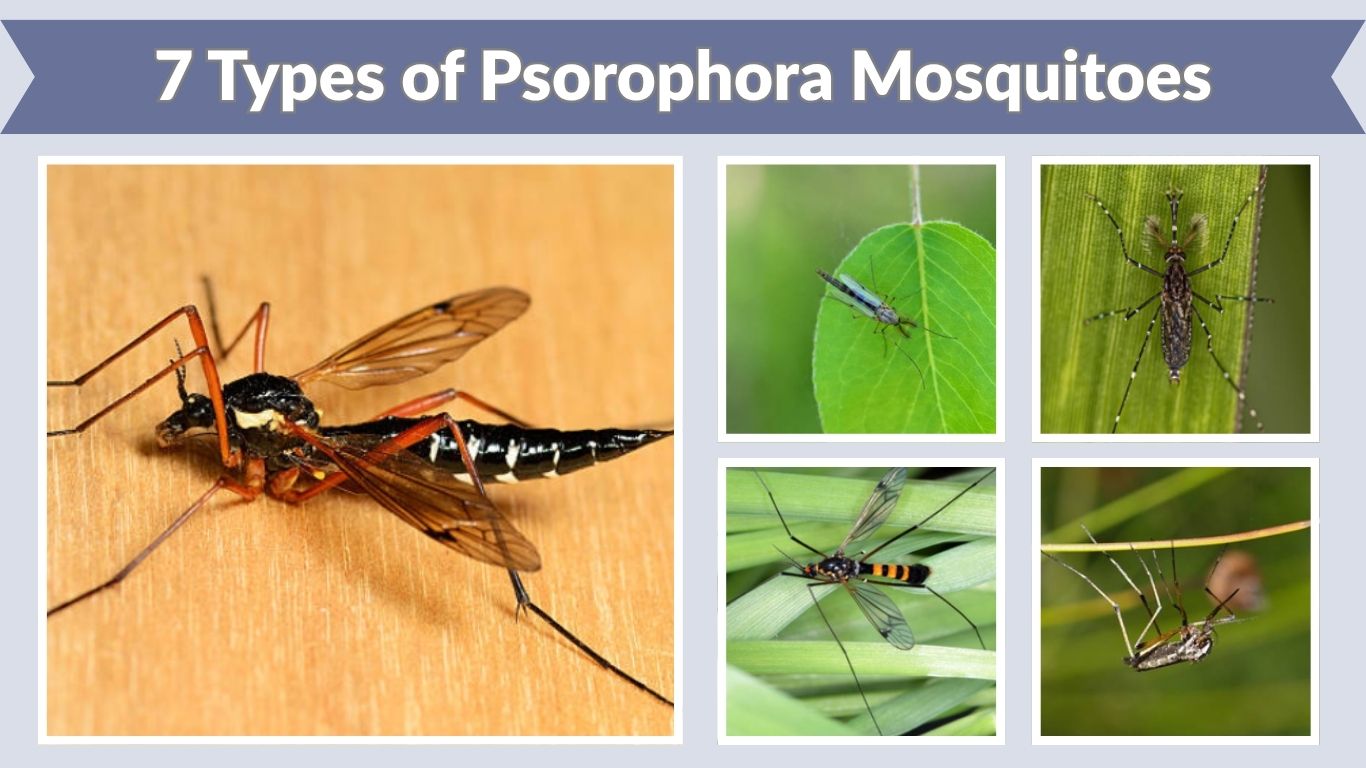
Psorophora mosquitoes are large and aggressive floodwater mosquitoes commonly found in warm and humid environments. These mosquitoes are known for their painful bites, strong flying ability, and rapid population growth after heavy rainfall or flooding. Most species develop in temporary standing water such as marshes, wetlands, grassy pools, and floodplains. Psorophora mosquitoes are widely distributed across tropical and subtropical regions, especially in the Americas. Their unique appearance, habitat preferences, and active feeding behavior make them an important group of mosquitoes studied by entomologists and public health researchers worldwide.
1. Psorophora ciliata
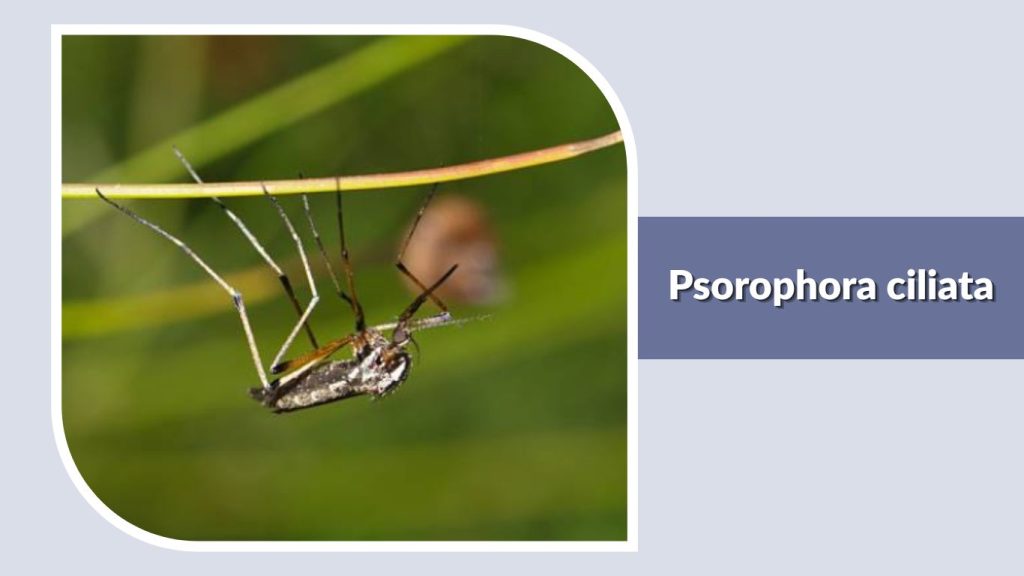
Psorophora ciliata, commonly known as the Gallinipper mosquito, is one of the largest mosquito species in North America. This aggressive mosquito is recognized for its large size, hairy legs, and painful bite. It is commonly found in warm wet habitats such as floodplains, marshes, and temporary pools where larvae develop rapidly after heavy rainfall and flooding events.
Identification
- Very large mosquito compared to common species
- Dark brown body with pale markings
- Hairy legs with banded appearance
- Long proboscis used for biting
- Wings covered with dark scales
Habitat and Distribution
Psorophora ciliata is commonly found throughout the eastern and southern United States, especially in flood-prone regions. It inhabits marshes, swamps, temporary rain pools, wetlands, grassy fields, and wooded floodplains. The species becomes especially abundant after heavy rainfall because larvae develop quickly in temporary standing water habitats.
Behavior and Diet
This mosquito species is highly aggressive and actively bites humans, livestock, birds, and wild mammals. Adult females feed on blood to support egg production, while males consume plant nectar and sugary liquids. Psorophora ciliata is most active during evening hours but may also bite during the daytime in shaded environments.
Life Cycle
Psorophora ciliata passes through four stages including egg, larva, pupa, and adult mosquito. Females lay eggs in moist soil near temporary water sources. After flooding occurs, eggs hatch rapidly, and larvae develop in standing water before transforming into adult mosquitoes capable of strong and active flight.
2. Psorophora columbiae
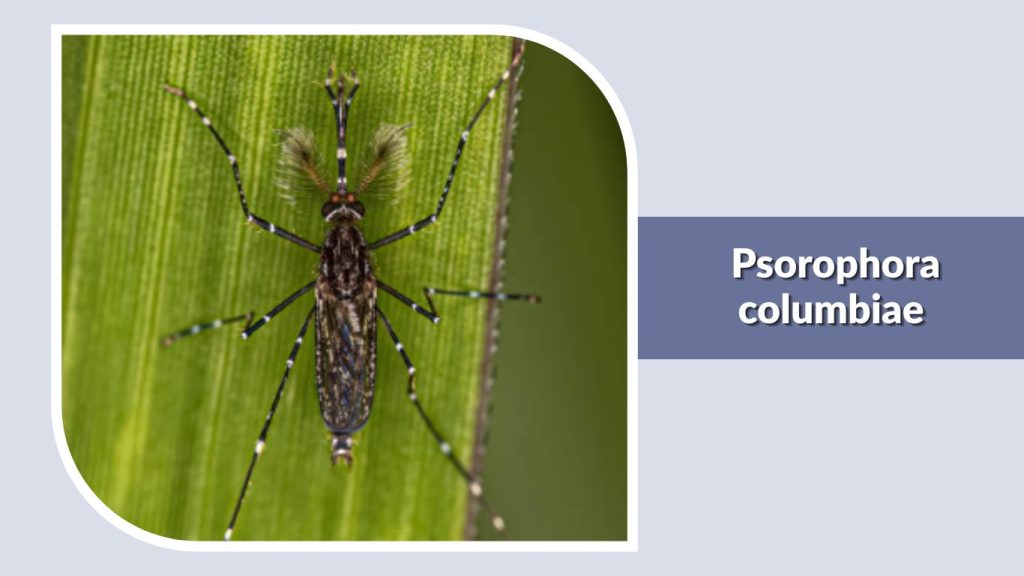
Psorophora columbiae, often called the Dark Rice Field mosquito, is a medium-sized mosquito species commonly found in agricultural and flood-prone regions. This mosquito is known for its aggressive biting behavior and ability to appear in large numbers after heavy rainfall. It is frequently associated with rice fields, wetlands, grassy pools, and temporary standing water habitats across warm climates.
Identification
- Dark brown to black body coloration
- Slender body with long legs
- Narrow wings covered with dark scales
- Long pointed proboscis
- Medium-sized mosquito with shiny appearance
Habitat and Distribution
Psorophora columbiae is widely distributed across the southern United States, Mexico, Central America, and tropical regions. It commonly inhabits rice fields, marshes, wetlands, floodplains, grassy pools, and temporary rain-filled habitats. Populations increase rapidly after flooding or heavy rainfall creates suitable breeding conditions for developing larvae.
Behavior and Diet
This mosquito species is highly aggressive and feeds on humans, livestock, birds, and other mammals. Adult females require blood meals for egg development, while males feed mainly on nectar and plant sugars. Psorophora columbiae is most active during evening and nighttime hours but may also bite during cloudy daytime conditions.
Life Cycle
Psorophora columbiae develops through four stages including egg, larva, pupa, and adult mosquito. Females lay eggs on moist soil near temporary water habitats. When flooding occurs, eggs hatch quickly, and larvae grow rapidly in standing water before emerging as active flying adults within a short period.
3. Psorophora ferox
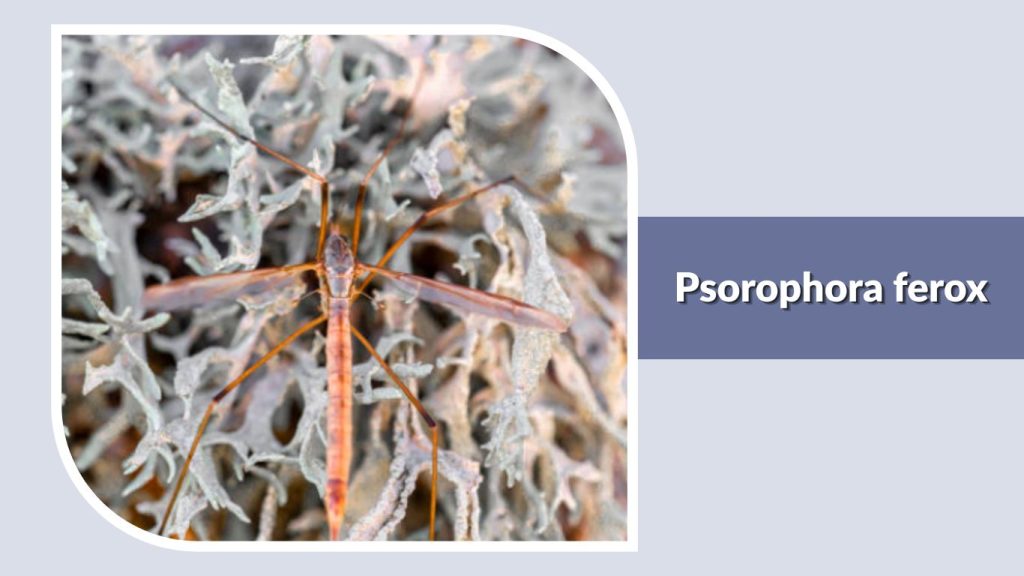
Psorophora ferox, commonly known as the White-footed Woods mosquito, is a large aggressive mosquito species found in forests, wetlands, and flood-prone habitats. It is recognized for its dark body and pale markings on the legs. This mosquito is known for painful bites and strong flying ability, especially in humid environments after periods of heavy rainfall.
Identification
- Dark brown or black body
- Pale bands on the legs
- Long slender proboscis
- Wings covered with dark scales
- Medium to large mosquito size
Habitat and Distribution
Psorophora ferox is widely distributed throughout the eastern United States, Central America, South America, and tropical regions. It commonly inhabits forests, swamps, marshes, floodplains, temporary woodland pools, and wet grassy habitats. The species becomes especially abundant after heavy rain creates standing water suitable for larval development.
Behavior and Diet
This mosquito species is highly aggressive and feeds on humans, birds, livestock, and wild mammals. Adult females require blood meals for egg production, while males feed mainly on nectar and plant sugars. Psorophora ferox is most active during evening and nighttime hours but may also bite during humid daytime conditions.
Life Cycle
Psorophora ferox develops through four stages including egg, larva, pupa, and adult mosquito. Females lay eggs on moist ground near temporary water habitats. After flooding or rainfall, eggs hatch rapidly, and larvae develop in standing water before transforming into active adult mosquitoes capable of strong flight and dispersal.
4. Psorophora horrida
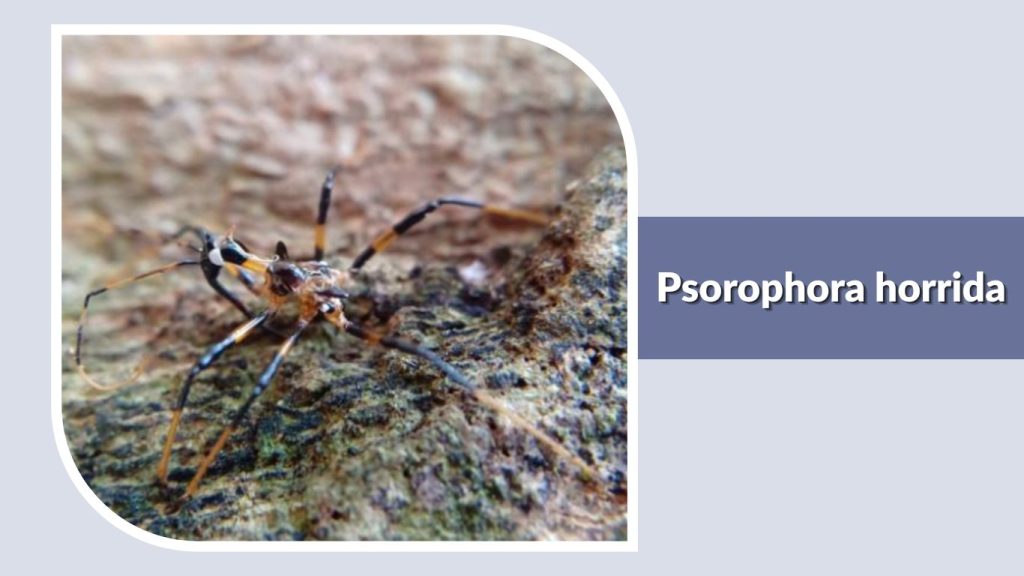
Psorophora horrida is a large woodland mosquito species known for its rough appearance and aggressive biting behavior. This mosquito is commonly found in forested wetlands and temporary rain pools where larvae develop after flooding. It is recognized for its dark-scaled body, strong flight ability, and painful bites, especially during warm and humid weather conditions in wooded habitats.
Identification
- Dark brown or black body coloration
- Rough-scaled appearance on body and wings
- Long legs with pale markings
- Prominent elongated proboscis
- Medium to large mosquito size
Habitat and Distribution
Psorophora horrida is commonly distributed across the southeastern United States and nearby tropical regions. It inhabits wooded wetlands, swamps, marshes, floodplains, and temporary woodland pools formed after rainfall. The species prefers humid environments with dense vegetation and standing water suitable for rapid larval development during warm seasons.
Behavior and Diet
This mosquito species is highly aggressive and actively feeds on humans, mammals, birds, and other animals. Adult females require blood meals for egg production, while males feed primarily on nectar and plant juices. Psorophora horrida is most active during evening and nighttime hours but may also bite during shaded daytime conditions.
Life Cycle
Psorophora horrida develops through four stages including egg, larva, pupa, and adult mosquito. Females lay eggs on moist soil near temporary water habitats. Following heavy rain or flooding, eggs hatch quickly, and larvae mature in standing water before emerging as active adult mosquitoes with strong flying abilities.
5. Psorophora howardii
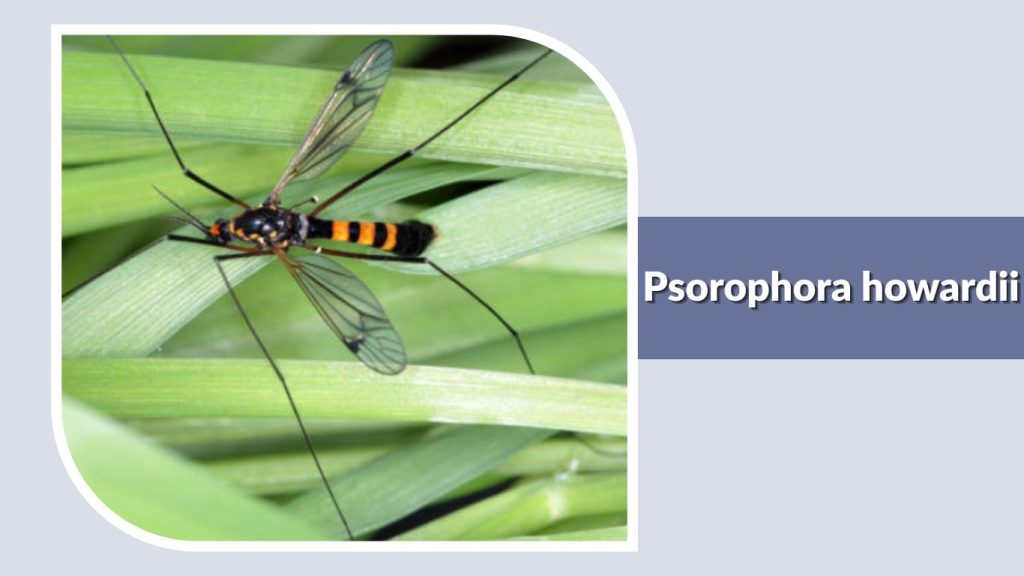
Psorophora howardii is a large floodwater mosquito species commonly found in warm coastal and wetland habitats. This mosquito is known for its aggressive biting behavior and rapid population growth after heavy rainfall. It is frequently observed in marshes, swamps, grassy pools, and temporary standing water areas where larvae develop quickly during humid weather conditions.
Identification
- Dark brown body with pale markings
- Long slender legs
- Narrow wings covered with dark scales
- Prominent elongated proboscis
- Medium to large mosquito size
Habitat and Distribution
Psorophora howardii is commonly distributed across the southeastern United States, the Caribbean, Central America, and tropical coastal regions. It inhabits marshes, wetlands, swamps, floodplains, grassy pools, and temporary rain-filled habitats. The species thrives in humid environments where flooding creates suitable breeding conditions for larvae.
Behavior and Diet
This mosquito species is highly aggressive and feeds on humans, birds, livestock, and wild mammals. Adult females require blood meals for egg development, while males feed mainly on nectar and plant sugars. Psorophora howardii is most active during evening and nighttime hours but may also bite during humid daytime conditions.
Life Cycle
Psorophora howardii develops through four stages including egg, larva, pupa, and adult mosquito. Females lay eggs on moist ground near temporary water habitats. After rainfall or flooding, eggs hatch rapidly, and larvae mature in standing water before transforming into strong-flying adult mosquitoes capable of dispersing widely.
6. Psorophora signipennis
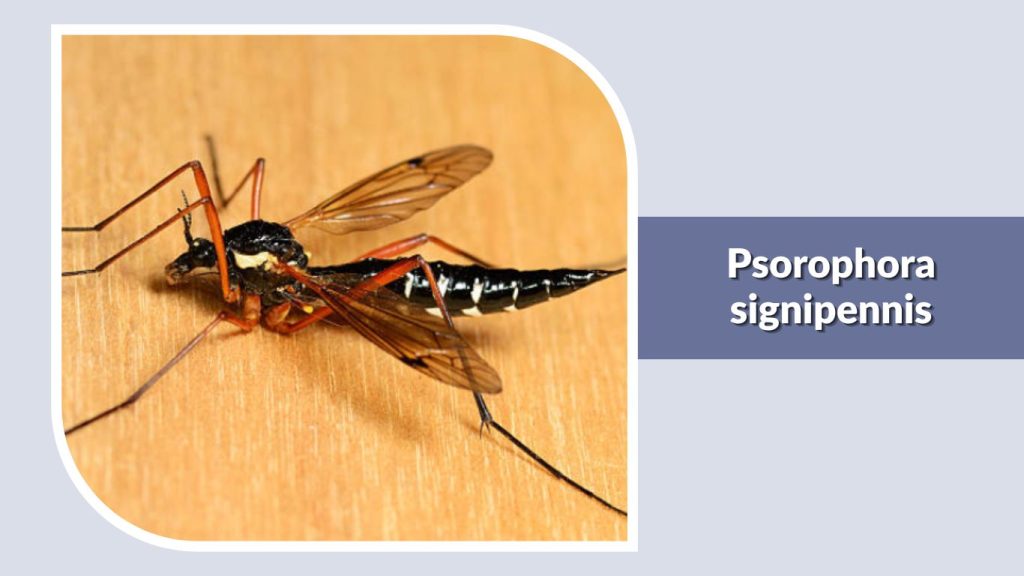
Psorophora signipennis is a tropical mosquito species known for its dark-scaled body and aggressive feeding behavior. This mosquito is commonly found in wetlands, marshes, and flood-prone habitats where temporary standing water supports larval growth. It becomes especially abundant during rainy seasons and is recognized for its strong flight ability and persistent biting activity in humid environments.
Identification
- Dark brown or black body coloration
- Wings covered with dark scales
- Long slender legs
- Elongated sharp proboscis
- Medium-sized mosquito with shiny appearance
Habitat and Distribution
Psorophora signipennis is commonly distributed across Central America, South America, and tropical wetland regions. It inhabits marshes, swamps, floodplains, grassy pools, and temporary rain-filled habitats. The species thrives in warm humid environments where heavy rainfall regularly creates standing water suitable for mosquito breeding and larval development.
Behavior and Diet
This mosquito species is aggressive and frequently feeds on humans, livestock, birds, and wild mammals. Adult females require blood meals to produce eggs, while males feed mainly on nectar and plant sugars. Psorophora signipennis is most active during evening and nighttime hours but may also bite during humid daytime conditions.
Life Cycle
Psorophora signipennis develops through four stages including egg, larva, pupa, and adult mosquito. Females lay eggs on moist soil near temporary water habitats. After flooding or heavy rainfall, eggs hatch rapidly, and larvae grow in standing water before emerging as active adult mosquitoes capable of strong dispersal flight.
7. Psorophora cyanescens
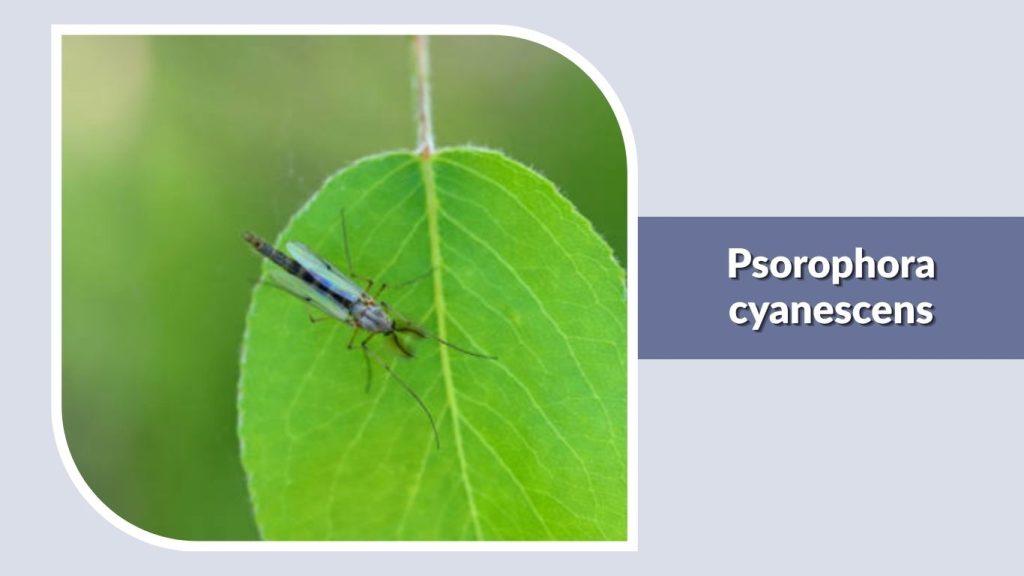
Psorophora cyanescens is a tropical floodwater mosquito species recognized for its dark bluish body coloration and aggressive biting behavior. This mosquito is commonly found in wetlands, marshes, and temporary rain pools formed after heavy rainfall. It is known for strong flying ability, rapid population increases during wet seasons, and active feeding on both humans and animals.
Identification
- Dark bluish-black body coloration
- Long slender legs
- Narrow wings with dark scales
- Sharp elongated proboscis
- Medium-sized mosquito with shiny appearance
Habitat and Distribution
Psorophora cyanescens is commonly distributed across tropical and subtropical regions of Central America, South America, and parts of the southern United States. It inhabits wetlands, swamps, marshes, floodplains, grassy pools, and temporary rain-filled habitats where standing water supports rapid larval development after flooding or heavy rainfall.
Behavior and Diet
This mosquito species is highly aggressive and feeds on humans, livestock, birds, and wild mammals. Adult females require blood meals for egg production, while males feed mainly on nectar and plant sugars. Psorophora cyanescens is most active during evening and nighttime hours but may also bite during humid daytime conditions.
Life Cycle
Psorophora cyanescens develops through four stages including egg, larva, pupa, and adult mosquito. Females lay eggs on moist ground near temporary water habitats. After rainfall or flooding, eggs hatch quickly, and larvae develop in standing water before emerging as strong-flying adult mosquitoes capable of wide dispersal.
FAQs
What are Psorophora mosquitoes?
Psorophora mosquitoes are a group of large floodwater mosquitoes commonly found in warm and humid regions. Many species are known for their aggressive biting behavior and rapid population growth after heavy rainfall. They usually breed in temporary standing water such as marshes, floodplains, grassy pools, and wetlands.
Why are Psorophora mosquitoes called floodwater mosquitoes?
These mosquitoes are called floodwater mosquitoes because their eggs hatch after flooding or heavy rainfall creates temporary pools of standing water. The larvae develop quickly in these short-lived habitats, allowing large mosquito populations to appear rapidly after storms or seasonal flooding events.
Do Psorophora mosquitoes bite humans?
Yes, female Psorophora mosquitoes actively bite humans and other animals to obtain blood needed for egg production. Many species are known for painful and persistent bites. Males do not bite and instead feed mainly on nectar and sugary plant liquids found in natural habitats.
Where are Psorophora mosquitoes commonly found?
Psorophora mosquitoes are commonly found in wetlands, marshes, swamps, floodplains, forests, grassy pools, and temporary rain-filled habitats. They are widely distributed across tropical and subtropical regions, especially in the southern United States, Central America, South America, and other humid environments.
How can you reduce Psorophora mosquito populations?
Reducing standing water is one of the best ways to limit Psorophora mosquito breeding. Draining temporary pools, cleaning containers, improving water drainage, and using mosquito repellents can help reduce mosquito activity. Maintaining screens and avoiding outdoor exposure during peak activity hours also helps prevent bites.