
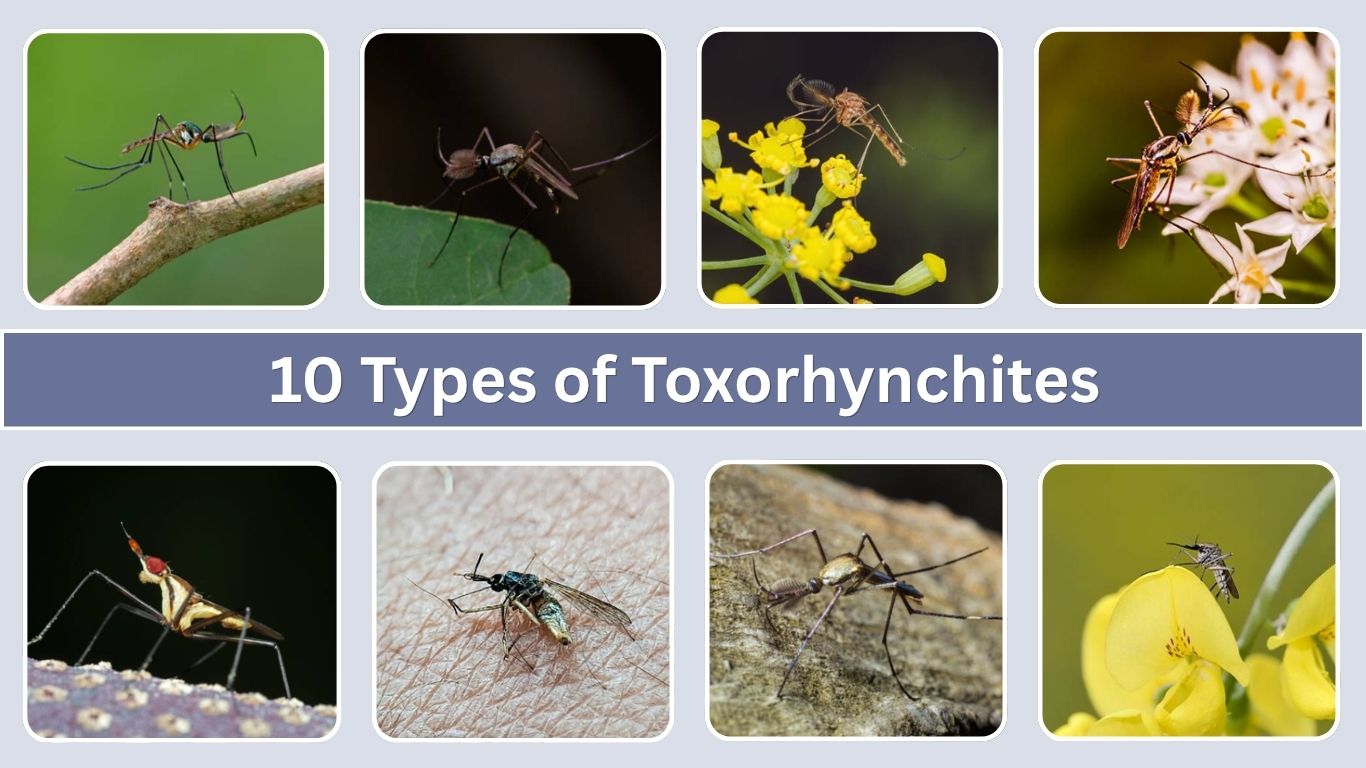
Toxorhynchites, commonly known as elephant mosquitoes, are among the largest and most unusual mosquitoes in the world. Unlike common mosquitoes, these insects do not bite humans or animals because adults feed only on nectar and sugary plant fluids. They are especially valuable in nature because their larvae prey on other mosquito larvae, helping control harmful mosquito populations. Elephant mosquitoes are mainly found in tropical and subtropical regions, where they inhabit forests, gardens, and water-filled tree holes. From the colorful Toxorhynchites splendens to the striking Toxorhynchites violaceus, these fascinating insects are both beneficial and visually impressive.
1. Toxorhynchites rutilus
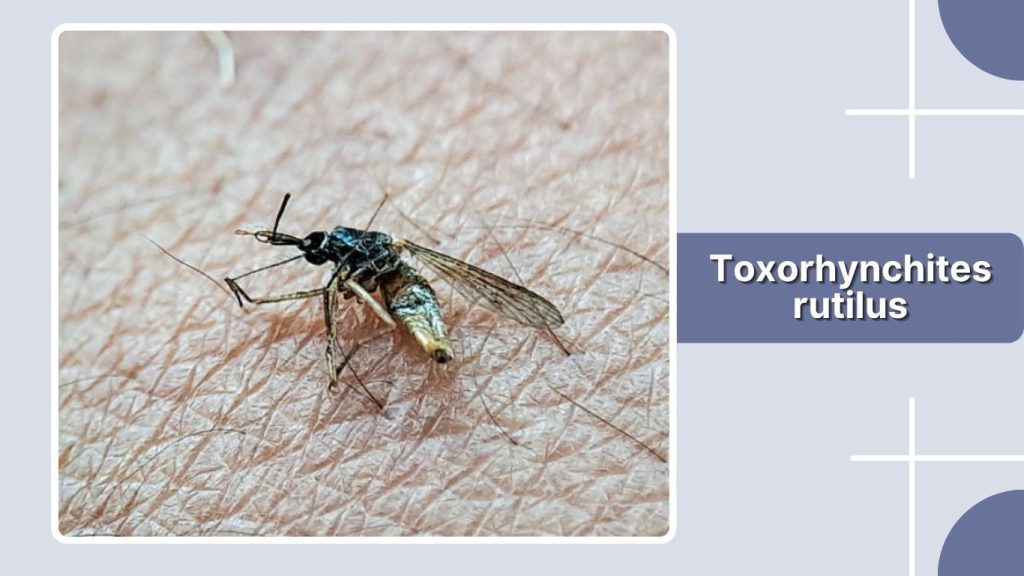
Toxorhynchites rutilus, commonly known as the elephant mosquito, is one of the largest mosquito species in North America. Unlike most mosquitoes, adults do not bite humans or animals. These colorful mosquitoes are important natural predators because their larvae feed on other mosquito larvae, helping control pest populations.
Identification
- Large mosquito species with a body length of about 0.3 to 0.5 inches
- Metallic blue, green, and purple body coloration
- Long curved proboscis adapted for feeding on nectar
- White bands on the legs
- Slender body with iridescent scales
- Transparent wings with dark veins
- Larvae are larger than typical mosquito larvae and highly predatory
Habitat and Distribution
Toxorhynchites rutilus is commonly found in the southeastern United States and other warm regions of North America. It inhabits forests, gardens, swamps, wooded areas, and suburban environments with standing water.
The larvae develop in water-filled tree holes, containers, tires, buckets, and other natural or artificial water sources. Adults prefer shaded habitats with abundant vegetation and flowering plants.
Behavior and Diet
Adult Toxorhynchites rutilus mosquitoes feed only on nectar, fruit juices, and sugary plant fluids. They do not consume blood and are harmless to humans and animals.
The larvae are aggressive predators that feed on the larvae of other mosquitoes and small aquatic organisms. Because of this behavior, they are considered beneficial insects and are sometimes used in biological mosquito control programs.
Life Cycle
The life cycle of Toxorhynchites rutilus includes egg, larva, pupa, and adult stages. Females lay eggs near water sources where larvae hatch and begin hunting other mosquito larvae.
The larval stage is highly active and predatory. After several growth stages, the larva transforms into a pupa before emerging as an adult mosquito. Adults spend their time feeding on nectar and reproducing in warm habitats.
2. Toxorhynchites splendens
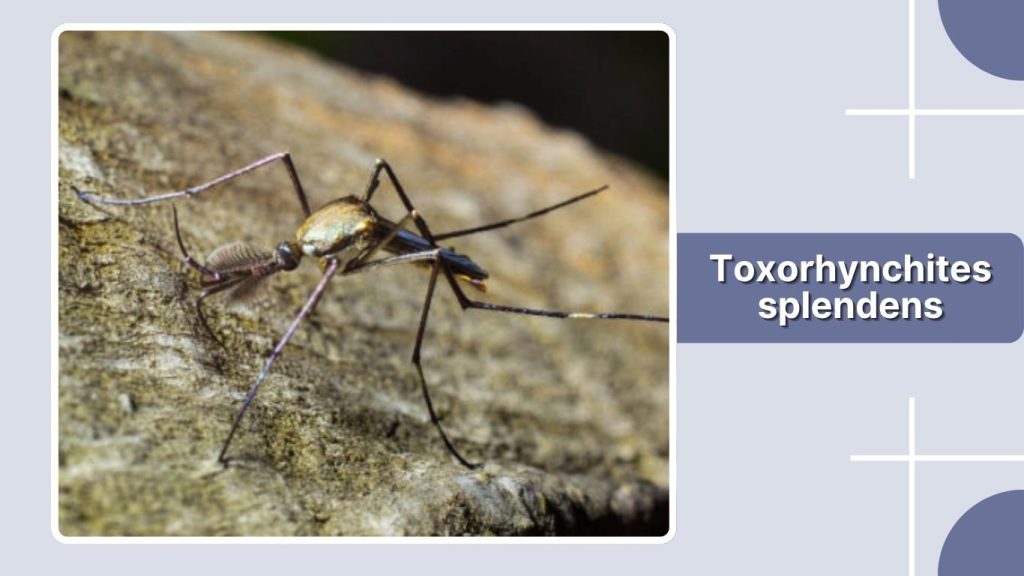
Toxorhynchites splendens is a large and brightly colored elephant mosquito commonly found in tropical and subtropical regions. This species is well known for its metallic appearance and beneficial role in controlling harmful mosquito populations. Unlike biting mosquitoes, adults feed only on plant nectar.
Identification
- Large mosquito with a body length of about 0.3 to 0.6 inches
- Metallic blue, green, and purple body coloration
- Long curved proboscis designed for nectar feeding
- White bands on the legs
- Slender body covered with iridescent scales
- Transparent wings with dark veins
- Larvae are large, active, and predatory
Habitat and Distribution
Toxorhynchites splendens is widely distributed across South Asia, Southeast Asia, the Pacific Islands, and tropical regions worldwide. It commonly inhabits forests, gardens, plantations, and urban areas with standing water.
Larvae develop in tree holes, bamboo stumps, containers, discarded tires, and other water-filled habitats. Adults prefer warm humid environments with dense vegetation and flowering plants.
Behavior and Diet
Adult Toxorhynchites splendens mosquitoes feed exclusively on nectar, flower juices, and sugary plant fluids. They do not bite humans or animals and are completely harmless.
The larvae are aggressive predators that consume the larvae of other mosquito species, including disease-carrying mosquitoes such as Aedes and Culex. Because of their predatory nature, they are considered useful in biological mosquito control programs.
Life Cycle
The life cycle of Toxorhynchites splendens includes four stages: egg, larva, pupa, and adult. Females lay eggs near small water-filled habitats where larvae hatch and begin feeding on aquatic prey.
The larval stage is highly predatory and lasts through several growth phases before transforming into a pupa. Inside the pupal stage, development into an adult mosquito occurs. Once emerged, adults feed on nectar and continue the reproductive cycle.
3. Toxorhynchites brevipalpis
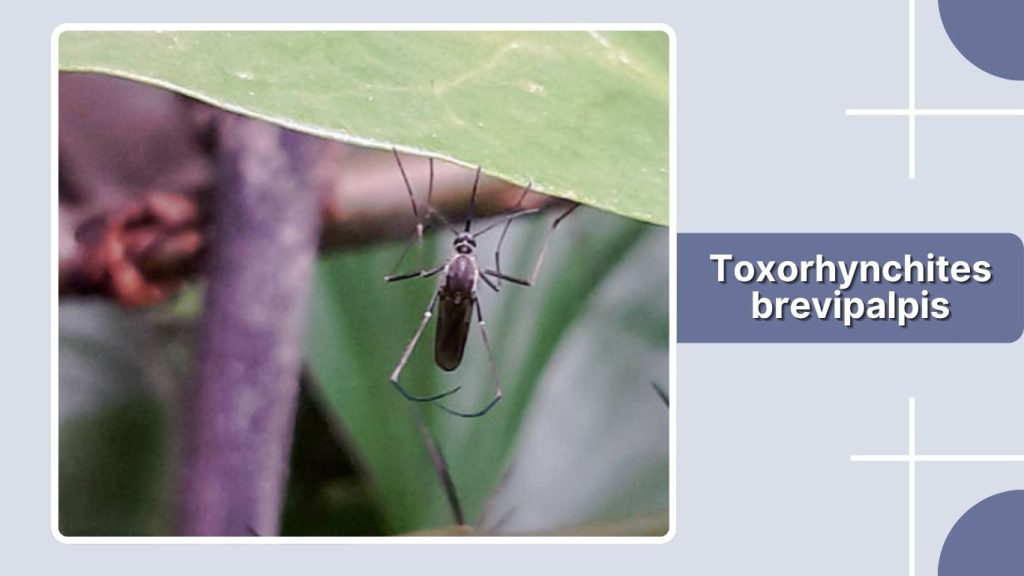
Toxorhynchites brevipalpis is a large African elephant mosquito known for its colorful metallic body and non-biting behavior. This species is considered beneficial because its larvae prey on other mosquito larvae, including species that spread diseases. It is commonly found in tropical forests and shaded habitats.
Identification
- Large mosquito with a metallic blue, green, and purple body
- Long curved proboscis adapted for nectar feeding
- White or pale bands on the legs
- Slender body covered with shiny iridescent scales
- Transparent wings with dark veins
- Body length usually ranges from 0.3 to 0.6 inches
- Larvae are large, active predators in water habitats
Habitat and Distribution
Toxorhynchites brevipalpis is mainly distributed across tropical regions of Africa. It inhabits forests, gardens, plantations, and humid woodland areas with standing water.
The larvae commonly develop in tree holes, bamboo stumps, containers, and water-filled natural cavities. Adults prefer shaded environments with dense vegetation and abundant flowers.
Behavior and Diet
Adult Toxorhynchites brevipalpis mosquitoes feed only on nectar, fruit juices, and sugary plant fluids. They do not bite humans or animals and are considered harmless.
The larvae are aggressive predators that feed on the larvae of other mosquitoes and small aquatic organisms. This predatory behavior makes the species useful for reducing populations of pest mosquitoes in certain environments.
Life Cycle
The life cycle of Toxorhynchites brevipalpis includes egg, larva, pupa, and adult stages. Females lay eggs near water-filled habitats where larvae hatch and begin hunting prey.
The larval stage is highly active and predatory, passing through several growth stages before changing into a pupa. After pupation, the adult mosquito emerges and begins feeding on nectar while continuing the breeding cycle.
4. Toxorhynchites amboinensis
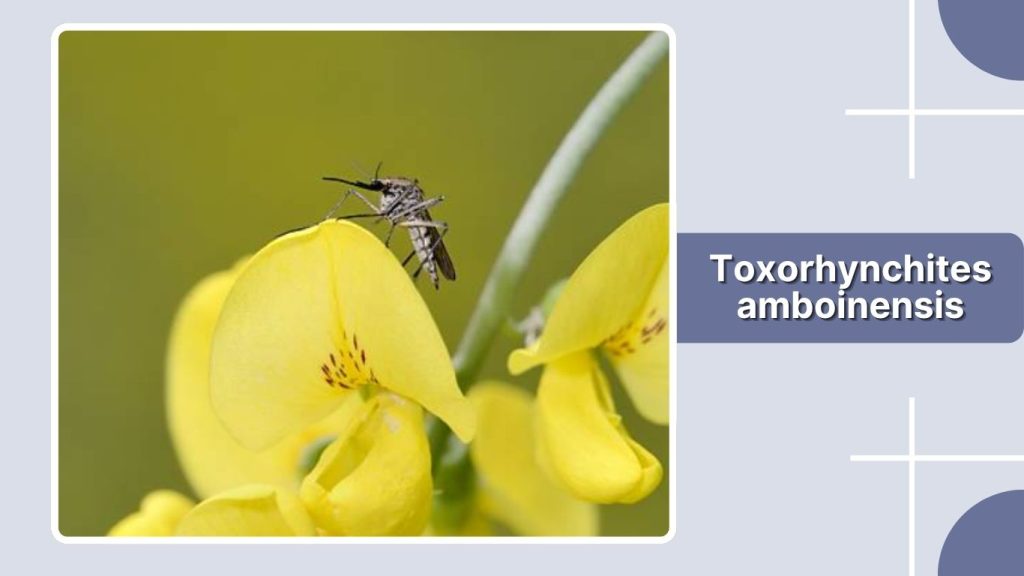
Toxorhynchites amboinensis is a colorful elephant mosquito species found mainly in tropical Asian regions. This large mosquito is admired for its metallic body colors and unique non-biting lifestyle. Like other elephant mosquitoes, its larvae are important predators of harmful mosquito larvae in water habitats.
Identification
- Large mosquito with metallic blue, green, and purple coloration
- Long downward-curved proboscis for nectar feeding
- White markings or bands on the legs
- Slender body covered with iridescent scales
- Transparent wings with dark veins
- Body length usually ranges from 0.3 to 0.5 inches
- Larvae are large, aggressive aquatic predators
Habitat and Distribution
Toxorhynchites amboinensis is commonly found in Southeast Asia and nearby tropical islands. It inhabits forests, gardens, plantations, and humid environments with shaded vegetation.
The larvae develop in tree holes, bamboo stumps, water-filled containers, and other small freshwater habitats. Adults prefer warm areas rich in flowers and plant cover.
Behavior and Diet
Adult Toxorhynchites amboinensis mosquitoes feed entirely on nectar, fruit juices, and sugary plant fluids. They do not bite humans or animals and are harmless.
The larvae are active predators that feed on the larvae of other mosquito species and small aquatic organisms. Because they naturally reduce mosquito populations, they are considered beneficial insects in many ecosystems.
Life Cycle
The life cycle of Toxorhynchites amboinensis includes egg, larva, pupa, and adult stages. Females lay eggs near water-filled habitats suitable for larval development.
After hatching, the larvae hunt and consume other mosquito larvae while growing through several stages. The larva then transforms into a pupa before emerging as an adult mosquito. Adults continue feeding on nectar and reproducing in tropical habitats.
5. Toxorhynchites speciosus
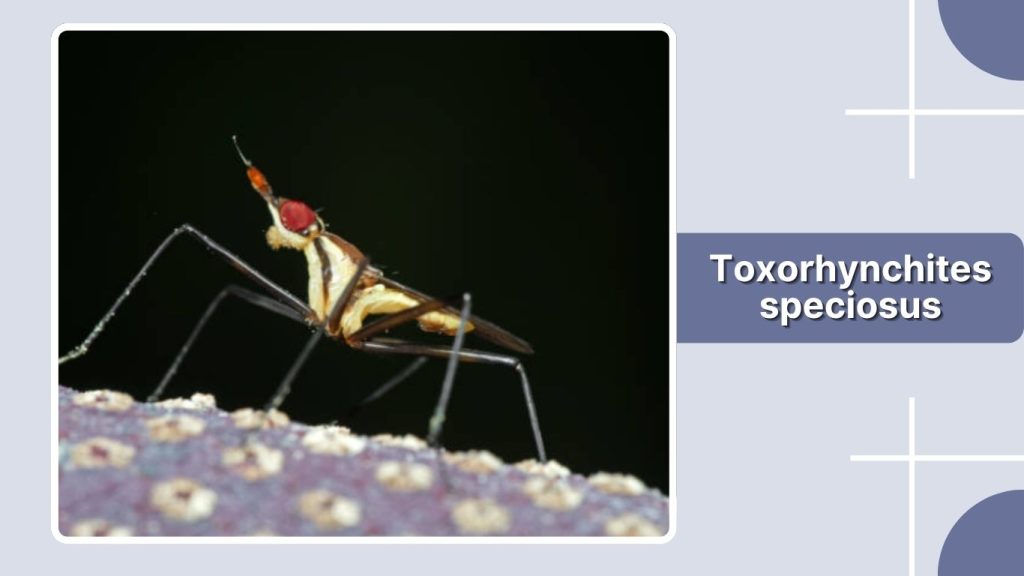
Toxorhynchites speciosus is a striking elephant mosquito species known for its shimmering metallic colors and large body size. This non-biting mosquito is beneficial to the environment because its larvae prey on other mosquito larvae, helping reduce pest mosquito populations naturally.
Identification
- Large mosquito with metallic blue, green, and purple coloration
- Long curved proboscis adapted for nectar feeding
- White or silver bands on the legs
- Slender body covered with iridescent scales
- Transparent wings with dark veins
- Body length usually ranges from 0.3 to 0.6 inches
- Larvae are large aquatic predators with strong mouthparts
Habitat and Distribution
Toxorhynchites speciosus is found mainly in tropical and subtropical regions of Asia and nearby islands. It commonly inhabits forests, gardens, plantations, and shaded woodland environments.
The larvae develop in tree holes, bamboo stumps, containers, and other water-filled natural cavities. Adults prefer humid habitats with dense vegetation and abundant flowering plants.
Behavior and Diet
Adult Toxorhynchites speciosus mosquitoes feed entirely on nectar, flower juices, and sugary plant fluids. They do not feed on blood and are harmless to humans and animals.
The larvae are aggressive predators that hunt the larvae of other mosquito species and small aquatic organisms. Their predatory behavior makes them useful in biological mosquito control efforts.
Life Cycle
The life cycle of Toxorhynchites speciosus includes egg, larva, pupa, and adult stages. Females lay eggs near small freshwater habitats where larvae hatch and begin hunting prey.
The larval stage is highly active and passes through several growth stages before transforming into a pupa. After pupation, the adult mosquito emerges and begins feeding on nectar while continuing the breeding cycle.
6. Toxorhynchites moctezuma
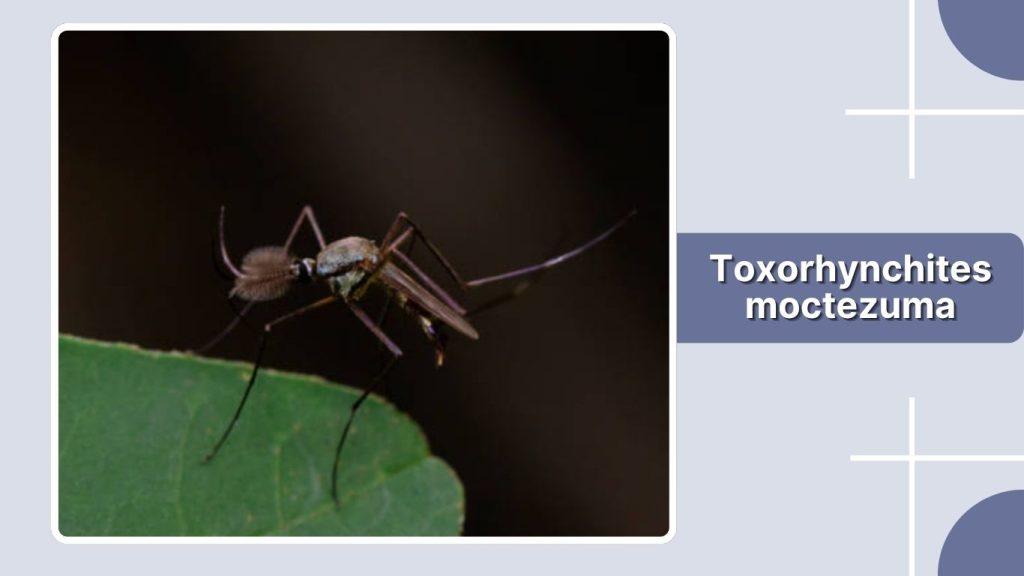
Toxorhynchites moctezuma is a large and colorful elephant mosquito native to parts of Central and North America. This species is recognized for its metallic body colors and beneficial ecological role. Unlike common mosquitoes, adults do not bite and instead feed on nectar and plant fluids.
Identification
- Large mosquito with metallic blue, green, and purple body coloration
- Long curved proboscis used for nectar feeding
- White bands or pale markings on the legs
- Slender body covered with shiny iridescent scales
- Transparent wings with dark veins
- Body length usually ranges from 0.3 to 0.5 inches
- Larvae are large predatory aquatic hunters
Habitat and Distribution
Toxorhynchites moctezuma is mainly found in Mexico, Central America, and parts of the southern United States. It inhabits forests, tropical woodlands, gardens, and humid environments with standing water.
Larvae develop in tree holes, bamboo cavities, water-filled containers, and other small freshwater habitats. Adults prefer shaded areas with dense vegetation and flowering plants.
Behavior and Diet
Adult Toxorhynchites moctezuma mosquitoes feed entirely on nectar, flower juices, and sugary plant fluids. They are harmless to humans and animals because they do not consume blood.
The larvae are aggressive predators that feed on the larvae of other mosquito species and small aquatic organisms. This behavior helps naturally reduce populations of pest mosquitoes in tropical habitats.
Life Cycle
The life cycle of Toxorhynchites moctezuma includes egg, larva, pupa, and adult stages. Females lay eggs near water-filled habitats where larvae hatch and begin feeding on prey.
The larval stage is highly active and predatory, lasting through several growth stages before pupation. After transforming into adults, the mosquitoes emerge and continue feeding on nectar while reproducing in warm habitats.
7. Toxorhynchites minimus
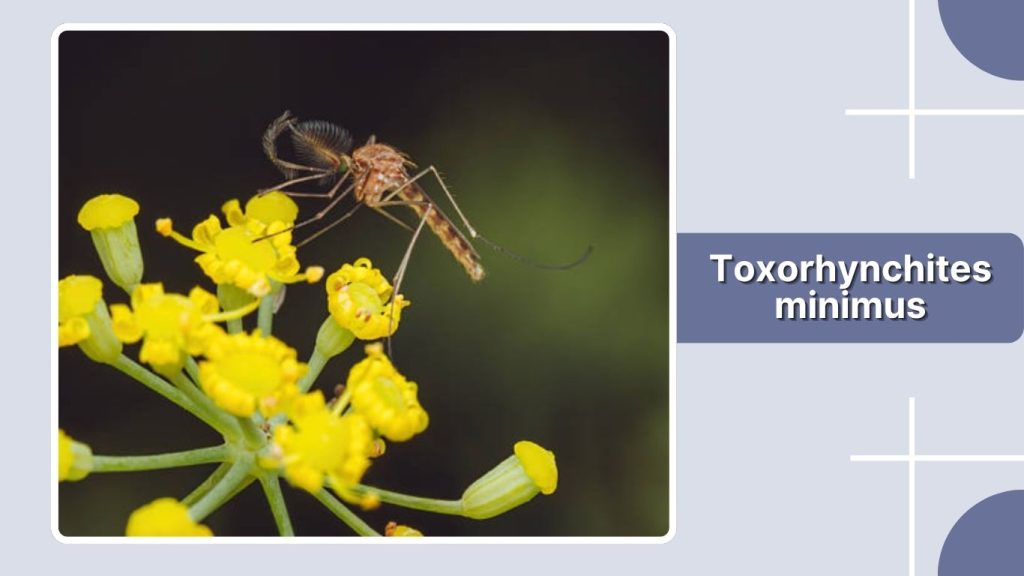
Toxorhynchites minimus is a tropical elephant mosquito species known for its colorful metallic body and non-biting behavior. This species is beneficial because its larvae prey on other mosquito larvae, helping reduce populations of harmful mosquitoes in natural and urban environments.
Identification
- Large mosquito with metallic blue, green, and purple coloration
- Long curved proboscis designed for nectar feeding
- White or pale bands on the legs
- Slender body covered with iridescent scales
- Transparent wings with dark veins
- Body length usually ranges from 0.3 to 0.5 inches
- Larvae are active aquatic predators
Habitat and Distribution
Toxorhynchites minimus is commonly found in tropical and subtropical regions of Asia. It inhabits forests, gardens, plantations, bamboo groves, and humid woodland habitats.
The larvae develop in tree holes, bamboo stumps, containers, and other small water-filled habitats. Adults prefer shaded environments with dense vegetation and flowering plants.
Behavior and Diet
Adult Toxorhynchites minimus mosquitoes feed entirely on nectar, fruit juices, and sugary plant fluids. They do not bite humans or animals and are completely harmless.
The larvae are aggressive predators that feed on the larvae of other mosquito species and small aquatic organisms. Because of this behavior, they are considered useful natural controllers of mosquito populations.
Life Cycle
The life cycle of Toxorhynchites minimus includes egg, larva, pupa, and adult stages. Females lay eggs near standing water where larvae hatch and begin hunting prey.
The larvae pass through several active growth stages before transforming into pupae. After pupation, adult mosquitoes emerge and begin feeding on nectar while continuing the reproductive cycle in tropical habitats.
8. Toxorhynchites christophi
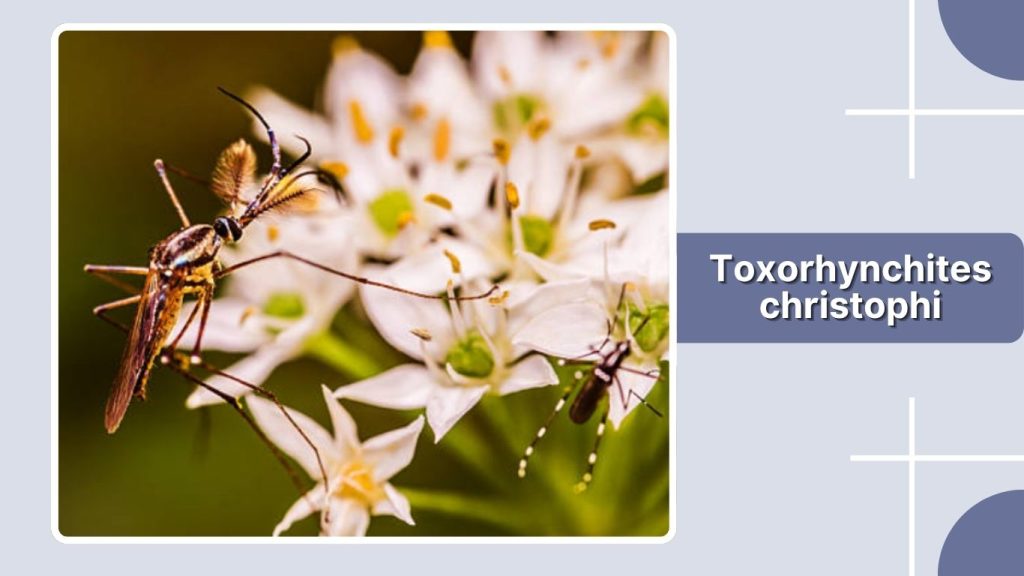
Toxorhynchites christophi is a large elephant mosquito species recognized for its metallic coloration and predatory larvae. Like other members of the Toxorhynchites genus, adults do not bite humans or animals. This species is considered beneficial because its larvae help control populations of pest mosquitoes.
Identification
- Large mosquito with metallic blue, green, and purple body colors
- Long curved proboscis adapted for nectar feeding
- White or pale bands on the legs
- Slender body covered with shiny iridescent scales
- Transparent wings with dark veins
- Body length usually ranges from 0.3 to 0.5 inches
- Larvae are large aquatic predators with strong mouthparts
Habitat and Distribution
Toxorhynchites christophi is commonly found in tropical and subtropical regions of Asia. It inhabits forests, gardens, plantations, and humid woodland habitats with standing water.
The larvae develop in tree holes, bamboo stumps, water-filled containers, and natural cavities. Adults prefer shaded habitats rich in vegetation and flowering plants.
Behavior and Diet
Adult Toxorhynchites christophi mosquitoes feed entirely on nectar, flower juices, and sugary plant fluids. They do not consume blood and are harmless to people and animals.
The larvae are aggressive predators that hunt other mosquito larvae and small aquatic organisms. Their predatory behavior makes them valuable natural controllers of mosquito populations in tropical ecosystems.
Life Cycle
The life cycle of Toxorhynchites christophi includes egg, larva, pupa, and adult stages. Females lay eggs near water-filled habitats where larvae hatch and begin feeding on prey.
The larval stage is highly active and passes through several growth phases before transforming into a pupa. After pupation, the adult mosquito emerges and begins feeding on nectar while continuing the reproductive cycle.
9. Toxorhynchites theobaldi
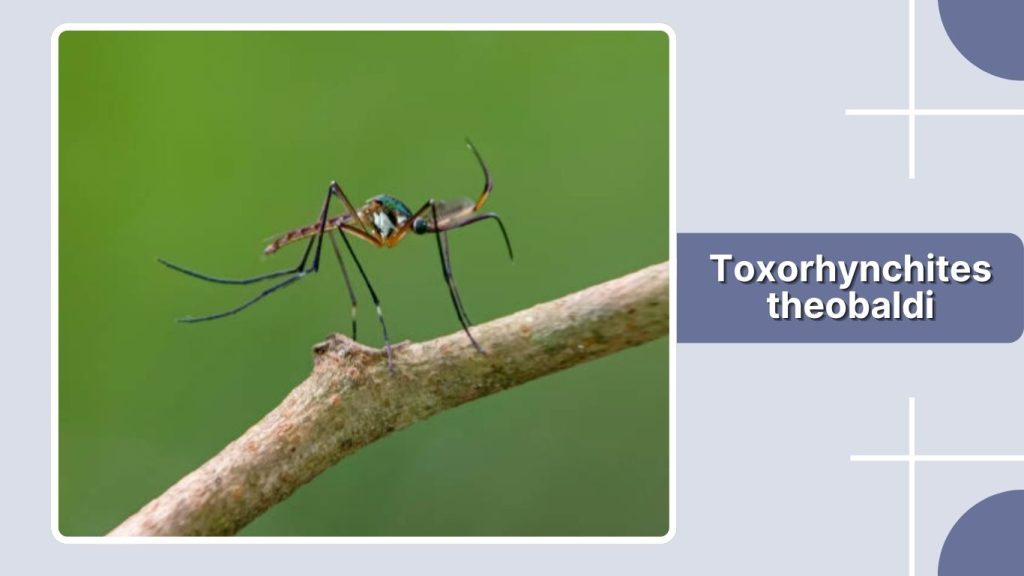
Toxorhynchites theobaldi is a colorful elephant mosquito species known for its metallic appearance and beneficial ecological role. This large mosquito does not bite humans or animals. Its larvae are natural predators of other mosquito larvae, making the species useful in reducing pest mosquito populations.
Identification
- Large mosquito with metallic blue, green, and purple coloration
- Long curved proboscis designed for nectar feeding
- White or silver bands on the legs
- Slender body covered with iridescent scales
- Transparent wings with dark veins
- Body length usually ranges from 0.3 to 0.6 inches
- Larvae are large aquatic predators with powerful mouthparts
Habitat and Distribution
Toxorhynchites theobaldi is commonly found in tropical and subtropical regions of Asia. It inhabits forests, gardens, plantations, and humid woodland environments with shaded vegetation.
The larvae develop in tree holes, bamboo stumps, water-filled containers, and other small freshwater habitats. Adults prefer warm habitats with abundant flowering plants and moisture.
Behavior and Diet
Adult Toxorhynchites theobaldi mosquitoes feed entirely on nectar, flower juices, and sugary plant fluids. They are harmless to humans and animals because they do not feed on blood.
The larvae are aggressive predators that consume the larvae of other mosquito species and small aquatic organisms. Their feeding behavior helps naturally control mosquito populations in tropical ecosystems.
Life Cycle
The life cycle of Toxorhynchites theobaldi includes egg, larva, pupa, and adult stages. Females lay eggs near standing water where larvae hatch and begin hunting prey.
The larvae pass through several active growth stages before transforming into pupae. After pupation, the adult mosquito emerges and begins feeding on nectar while continuing the breeding cycle in warm habitats.
10. Toxorhynchites violaceus
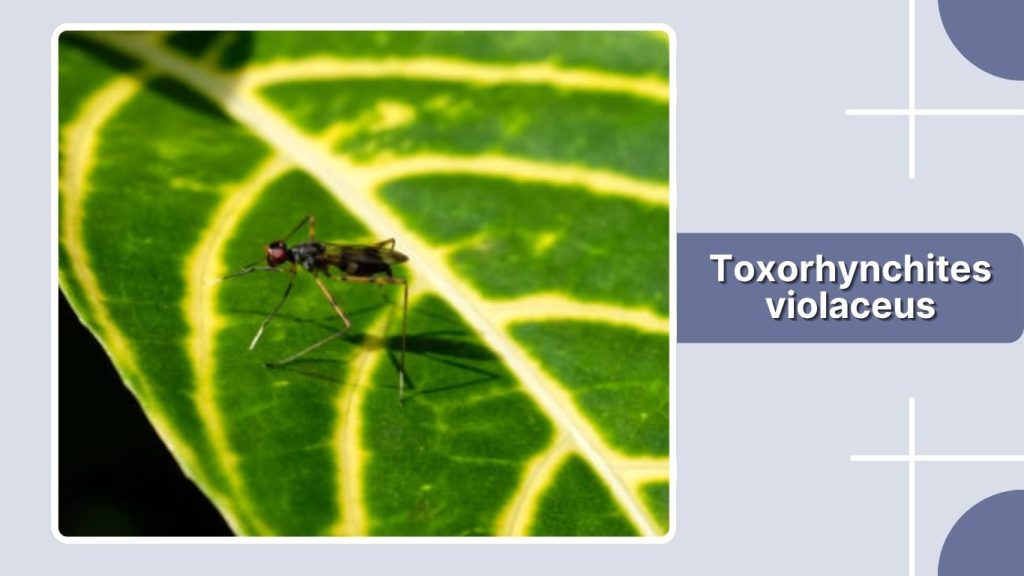
Toxorhynchites violaceus is a striking elephant mosquito species admired for its metallic violet and blue coloration. Like other elephant mosquitoes, this species is harmless to humans because adults do not bite. Its predatory larvae play an important role in controlling populations of other mosquitoes in tropical ecosystems.
Identification
- Large mosquito with metallic violet, blue, and green body colors
- Long curved proboscis adapted for nectar feeding
- White or pale bands on the legs
- Slender body covered with iridescent scales
- Transparent wings with dark veins
- Body length usually ranges from 0.3 to 0.6 inches
- Larvae are large aquatic predators with strong jaws
Habitat and Distribution
Toxorhynchites violaceus is commonly found in tropical and subtropical regions of Asia and nearby islands. It inhabits forests, gardens, plantations, and humid woodland environments.
The larvae develop in tree holes, bamboo stumps, water-filled containers, and natural freshwater cavities. Adults prefer shaded habitats with dense vegetation and flowering plants.
Behavior and Diet
Adult Toxorhynchites violaceus mosquitoes feed entirely on nectar, flower juices, and sugary plant fluids. They do not consume blood and are completely harmless to people and animals.
The larvae are aggressive predators that feed on the larvae of other mosquitoes and small aquatic organisms. This feeding behavior helps naturally reduce mosquito populations in many tropical habitats.
Life Cycle
The life cycle of Toxorhynchites violaceus includes egg, larva, pupa, and adult stages. Females lay eggs near water-filled habitats where larvae hatch and begin hunting prey.
The larvae grow through several active stages before transforming into pupae. After pupation, the adult mosquito emerges and begins feeding on nectar while continuing the reproductive cycle in warm tropical environments.
FAQs
What are elephant mosquitoes?
Elephant mosquitoes are large mosquitoes belonging to the genus Toxorhynchites. Unlike common mosquitoes, adult elephant mosquitoes do not bite humans or animals and feed only on nectar and plant fluids.
Do elephant mosquitoes spread diseases?
No, elephant mosquitoes do not spread diseases because they do not consume blood. Since adults feed only on nectar, they are considered harmless to humans and animals.
Why are elephant mosquitoes considered beneficial?
Elephant mosquito larvae are natural predators that feed on the larvae of other mosquito species, including disease-carrying mosquitoes. This helps reduce pest mosquito populations naturally.
Where do elephant mosquitoes live?
Elephant mosquitoes are commonly found in tropical and subtropical regions. They inhabit forests, gardens, plantations, and humid areas with standing water such as tree holes, bamboo stumps, and containers.
What do adult elephant mosquitoes eat?
Adult elephant mosquitoes feed mainly on nectar, flower juices, and sugary plant fluids. They use their long curved proboscis to drink from flowers and other plant sources.