
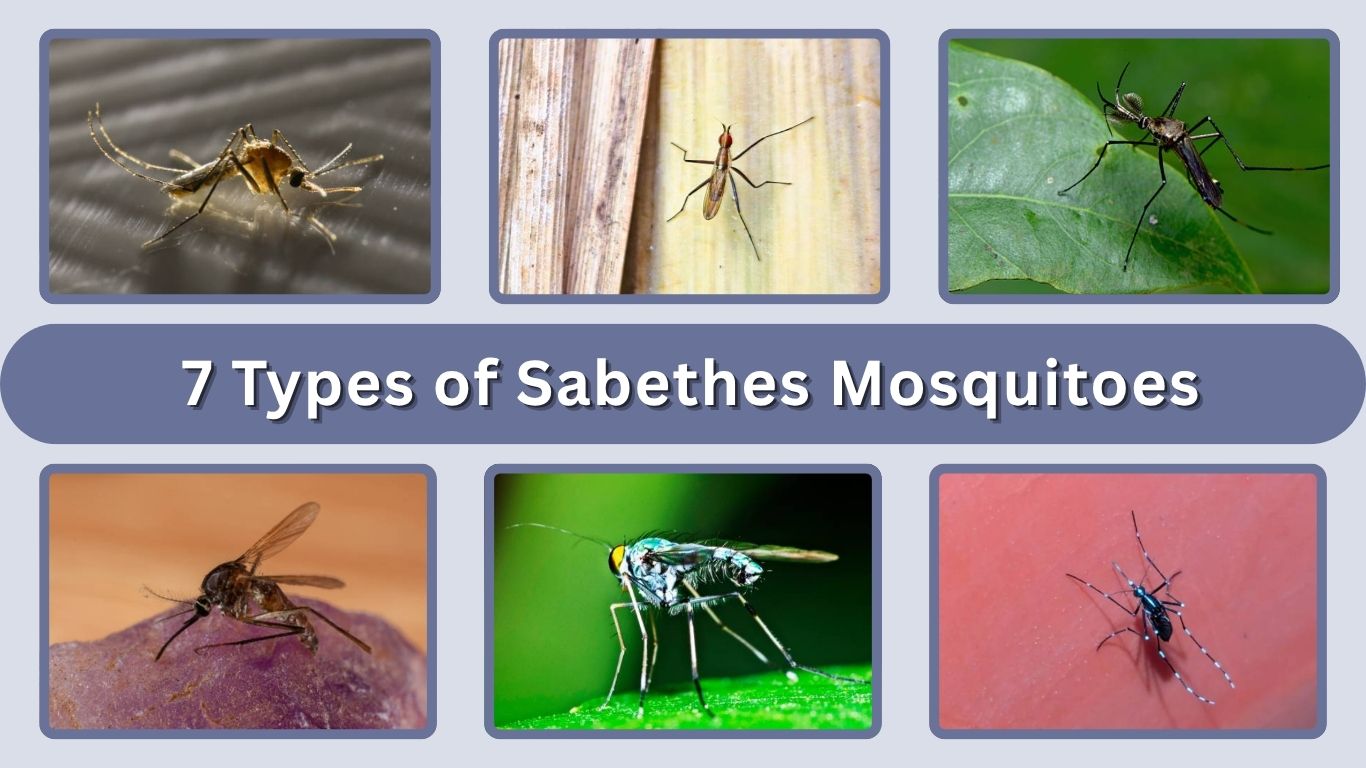
Sabethes mosquitoes are among the most colorful and unusual mosquitoes found in tropical forests. These forest-dwelling insects are mainly native to Central and South America and are known for their metallic body colors, long legs, and decorative paddle-like scales. Unlike many common mosquitoes, most Sabethes species are active during the daytime and prefer humid rainforest habitats high in the forest canopy. Some species are also medically important because they can help spread yellow fever virus in jungle environments. Understanding the different types of Sabethes mosquitoes helps researchers study tropical ecosystems, insect behavior, and disease transmission patterns.
1. Canopy Mosquito
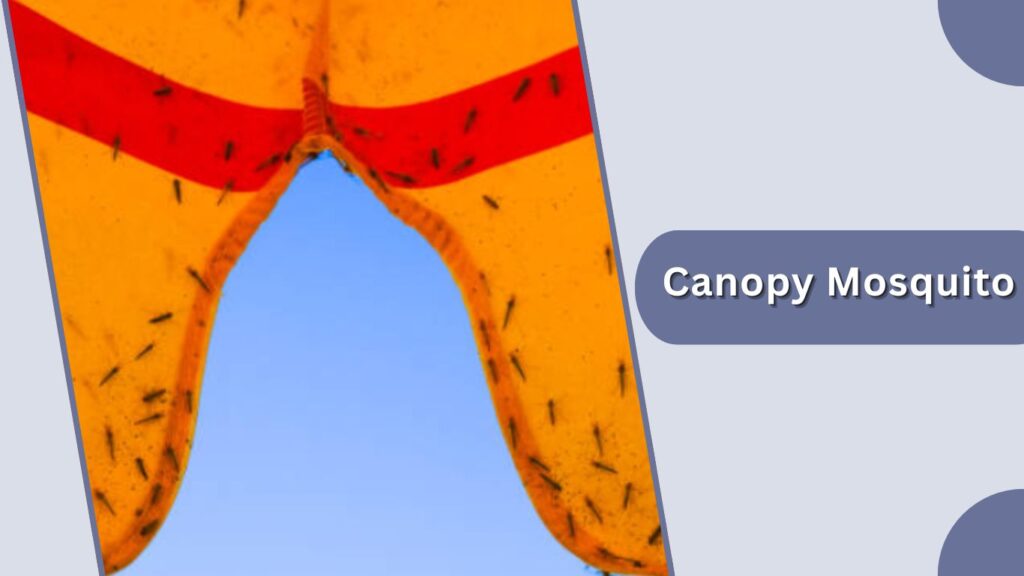
Canopy mosquitoes are colorful forest mosquitoes belonging to the Sabethes genus. They are mostly found in tropical and subtropical forests across Central and South America. These mosquitoes are widely recognized for their metallic body colors and elegant appearance, making them some of the most visually distinctive mosquitoes in the world. Unlike many mosquito species that remain close to the ground, canopy mosquitoes prefer elevated forest environments and are commonly seen in the upper layers of rainforest vegetation. Their unique physical traits and unusual flight behavior make them highly noticeable to entomologists and researchers studying tropical insects.
Identification
- Metallic blue, green, purple, or silver body coloration
- Long, slender legs with paddle-shaped scales
- Delicate and elegant body structure
- Shiny thorax and abdomen with reflective markings
- Feather-like paddles on the middle legs
- Medium-sized mosquito with narrow wings
- Distinctive daytime flying behavior
Habitat
Canopy mosquitoes mainly inhabit tropical rainforests, humid woodlands, and dense jungle regions. They are strongly associated with forest canopies, where moisture and shade provide suitable breeding and resting conditions. Females usually lay eggs in water-filled tree holes, bamboo stumps, and natural plant cavities. Because these mosquitoes prefer undisturbed forest ecosystems, they are less commonly found in urban environments. Their habitat selection helps them survive in warm, humid climates where standing water is available throughout the year.
Behavior
These mosquitoes are primarily active during daylight hours, especially in shaded forest areas. They are agile fliers and can move quickly between branches and vegetation in the forest canopy. Female mosquitoes feed on blood to support egg development, while males feed mainly on plant nectar. Their egg-laying behavior is unusual because females often throw eggs individually into small water-filled cavities while flying. This specialized reproductive behavior is one of the defining characteristics of the Sabethes genus.
Medical Importance
Some canopy mosquito species are considered important disease vectors in tropical forest ecosystems. Certain members of the Sabethes genus are capable of transmitting yellow fever virus among wild primates and occasionally humans entering forested areas. Although they are not major urban mosquito pests, their role in maintaining jungle transmission cycles makes them medically significant. Public health researchers monitor these mosquitoes in regions where yellow fever outbreaks may occur, especially in tropical parts of South America.
2. Blue Sabethes Mosquito
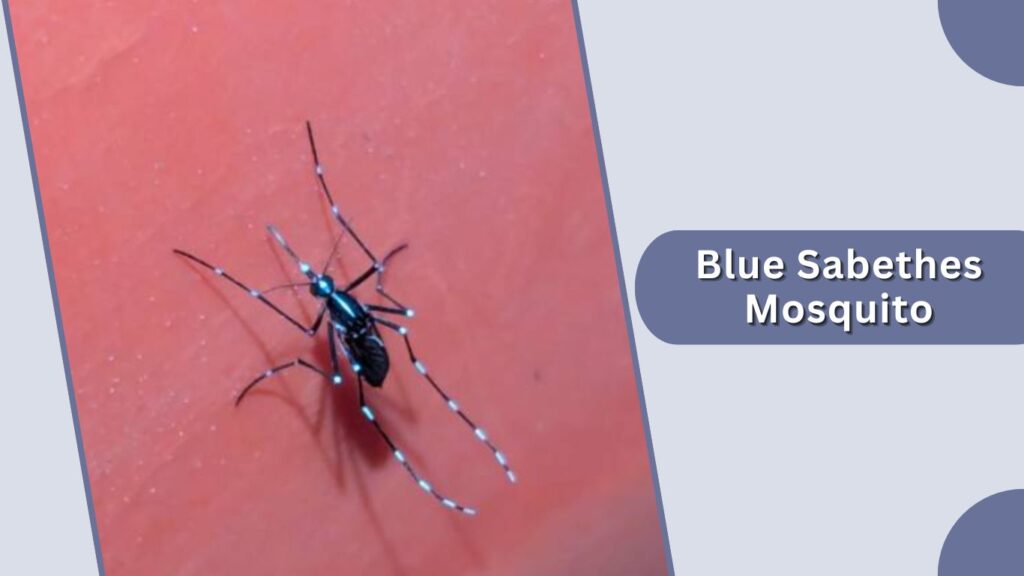
The Blue Sabethes mosquito is a brightly colored mosquito from the Sabethes genus, known for its striking metallic blue appearance. It is native to tropical forests in Central and South America and is often found in shaded rainforest habitats. This mosquito is admired for its unusual beauty, especially by insect researchers and wildlife photographers. Like other Sabethes mosquitoes, it spends much of its time in forest canopies and breeds in natural water-filled cavities. Its graceful flight patterns and reflective body coloration make it one of the most visually remarkable mosquito species in tropical ecosystems.
Identification
- Bright metallic blue body coloration
- Long black legs with paddle-like scales
- Slender and delicate body structure
- Reflective thorax with shiny blue markings
- Narrow transparent wings
- Feather-like paddles on the middle legs
- Medium-sized mosquito with elegant appearance
Habitat
Blue Sabethes mosquitoes mainly inhabit humid tropical rainforests where dense vegetation and standing water are available. They are commonly associated with forest canopies and shaded woodland environments. Their breeding sites include water-filled tree holes, bamboo cavities, and small natural containers that collect rainwater. These mosquitoes prefer warm, moist climates and are rarely found in dry or heavily urbanized regions. Because they rely on forest ecosystems, they are most abundant in untouched jungle habitats.
Behavior
These mosquitoes are active during the daytime and are especially common in shaded forest areas. Females require blood meals for egg production, while males feed primarily on nectar and plant juices. Blue Sabethes mosquitoes are agile fliers and can move rapidly through dense vegetation. Females display a unique egg-laying method by flicking eggs into small water-filled openings while in flight. Their behavior is highly specialized and adapted to life in rainforest environments.
Medical Importance
Some Blue Sabethes mosquitoes may contribute to the transmission of yellow fever virus in jungle environments. Although they are not major urban disease vectors, they can help maintain virus circulation among wildlife populations, especially monkeys living in tropical forests. Human infections may occur when people enter forested regions where infected mosquitoes are present. Their medical importance makes them a subject of study in tropical disease monitoring and mosquito ecology research.
3. Green Canopy Mosquito
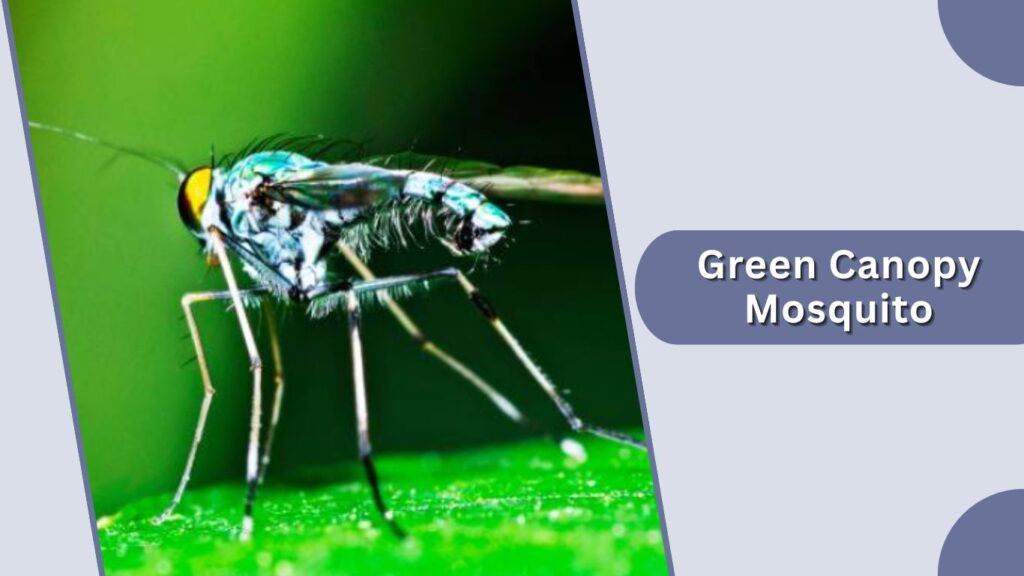
The Green Canopy mosquito is a tropical forest mosquito belonging to the Sabethes genus. It is recognized for its metallic green coloration and elegant body shape. This mosquito is commonly found in rainforest regions of Central and South America, where it spends much of its life in the upper forest canopy. Its colorful appearance and unusual leg structures make it one of the most visually distinctive mosquitoes in tropical ecosystems. Researchers often study this mosquito because of its role in forest biodiversity and its potential connection to mosquito-borne diseases in jungle habitats.
Identification
- Metallic green or green-blue body coloration
- Long slender legs with paddle-like scales
- Reflective thorax with shiny markings
- Medium-sized body with narrow wings
- Delicate feather-like paddles on middle legs
- Elegant and lightweight appearance
- Active daytime flying behavior
Habitat
Green Canopy mosquitoes thrive in humid tropical rainforests with dense vegetation and consistent rainfall. They are strongly associated with elevated forest canopy environments where shade and moisture are abundant. Breeding usually occurs in water-filled tree holes, bamboo cavities, and natural plant containers. These mosquitoes depend on forest ecosystems for survival and are rarely seen in open urban areas. Their preference for untouched rainforest habitats makes them common in regions with rich tropical biodiversity.
Behavior
These mosquitoes are primarily active during the daytime, especially in shaded woodland areas. Females feed on blood to support egg development, while males mainly consume nectar from plants and flowers. Green Canopy mosquitoes are fast and agile fliers capable of moving easily through dense vegetation. Females use a unique egg-laying technique by throwing eggs into small water-filled openings while hovering in flight. This specialized behavior helps protect eggs in hidden breeding sites.
Medical Importance
Some Green Canopy mosquito species may participate in the natural transmission cycle of yellow fever virus in tropical forests. They are considered secondary vectors compared to urban mosquitoes, but they still contribute to disease circulation among wild animals. Human infections may occur when people travel into forested areas where infected mosquitoes are present. Their ecological and medical importance makes them valuable subjects in tropical disease and mosquito research studies.
4. Purple Sabethes Mosquito
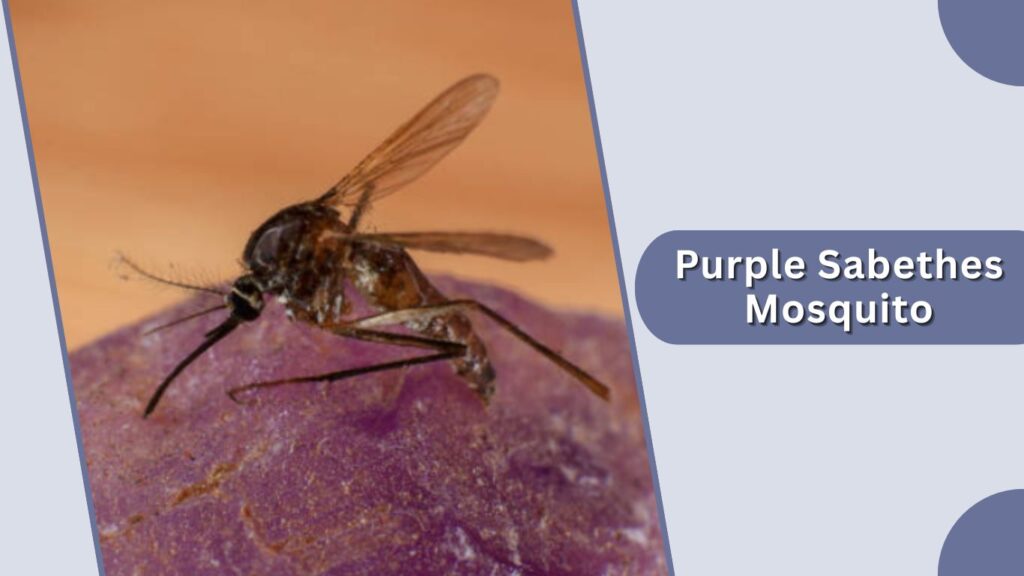
The Purple Sabethes mosquito is a striking tropical mosquito species known for its metallic purple coloration and graceful appearance. It belongs to the Sabethes genus and is commonly found in rainforest regions of Central and South America. This mosquito is especially recognized for its decorative leg paddles and reflective body scales, which give it an almost jewel-like appearance in sunlight. Like other canopy-dwelling mosquitoes, it spends much of its time in elevated forest environments. Its unusual beauty and specialized behavior have made it an important subject in entomology and tropical ecology research.
Identification
- Metallic purple or violet body coloration
- Long thin legs with paddle-shaped scales
- Reflective thorax and abdomen
- Narrow transparent wings
- Feather-like paddles on middle legs
- Slender and elegant body shape
- Medium-sized mosquito with shiny markings
Habitat
Purple Sabethes mosquitoes inhabit humid tropical rainforests where dense vegetation and frequent rainfall create ideal living conditions. They are commonly associated with forest canopy regions and shaded woodland habitats. Their breeding sites usually include tree holes, bamboo stumps, and other natural cavities filled with rainwater. Because these mosquitoes rely on stable forest ecosystems, they are rarely found in cities or dry open landscapes. Tropical forests provide the moisture, shade, and breeding conditions necessary for their survival.
Behavior
These mosquitoes are mainly active during the daytime and are often seen flying through shaded forest areas. Females require blood meals to produce eggs, while males feed mostly on nectar and plant fluids. Purple Sabethes mosquitoes are skilled fliers and can move rapidly between branches and vegetation. Females use a specialized egg-laying method by flicking eggs into small water-filled cavities while hovering in the air. This behavior allows them to place eggs in protected breeding environments.
Medical Importance
Some Purple Sabethes mosquitoes may play a role in maintaining the jungle transmission cycle of yellow fever virus. Although they are not considered major urban disease vectors, they can contribute to virus circulation among wildlife in tropical forests. Human infections may occur when individuals enter forested areas where infected mosquitoes are active. Their potential involvement in tropical disease ecology makes them important for scientific monitoring and research programs.
5. Amazonian Sabethes Mosquito
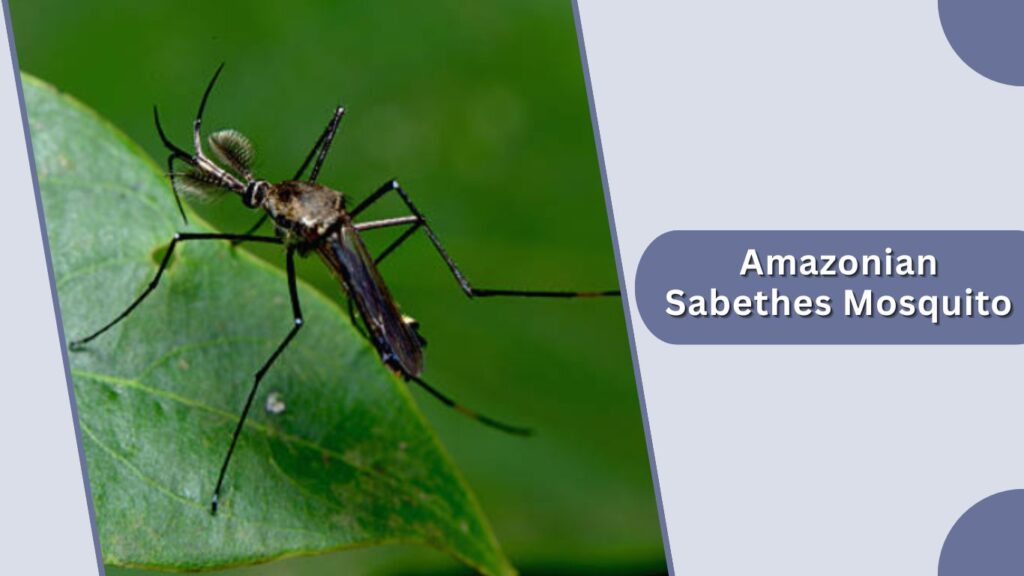
The Amazonian Sabethes mosquito is a tropical forest mosquito found mainly in the Amazon rainforest region of South America. It belongs to the Sabethes genus and is known for its bright metallic coloration, delicate body structure, and unusual leg paddles. This mosquito thrives in dense jungle ecosystems where humidity and rainfall remain high throughout the year. Because of its association with rainforest habitats, it is considered an important species in tropical ecology studies. Researchers often observe this mosquito in remote forest regions where biodiversity is extremely rich and environmental conditions remain largely undisturbed.
Identification
- Metallic blue, green, or purple body coloration
- Long legs with paddle-shaped scales
- Slender and lightweight body structure
- Reflective thorax with shiny markings
- Narrow transparent wings
- Feather-like paddles on middle legs
- Medium-sized mosquito with elegant appearance
Habitat
Amazonian Sabethes mosquitoes live in humid rainforest environments with dense vegetation and abundant rainfall. They are commonly found in the upper forest canopy, where shade and moisture create favorable living conditions. Breeding usually occurs in natural water-filled containers such as tree holes, bamboo cavities, and plant openings that collect rainwater. These mosquitoes depend heavily on healthy forest ecosystems and are rarely seen outside tropical jungle environments. The Amazon rainforest provides ideal conditions for their survival and reproduction.
Behavior
These mosquitoes are active mainly during daylight hours and are skilled fliers within dense forest vegetation. Females feed on blood to support egg development, while males consume nectar and plant fluids. Amazonian Sabethes mosquitoes are known for their unique egg-laying behavior, in which females throw eggs into narrow water-filled cavities while hovering in flight. This specialized reproductive strategy helps protect eggs from predators and environmental changes in rainforest habitats.
Medical Importance
Some Amazonian Sabethes mosquito species are capable of transmitting yellow fever virus within tropical forest ecosystems. They contribute to the jungle transmission cycle by spreading viruses among wild primates and other animals. Human infections can occur when people travel or work in rainforest regions where infected mosquitoes are present. Due to their potential role in disease transmission, these mosquitoes are important subjects in tropical medicine and public health research.
6. Bamboo Sabethes Mosquito
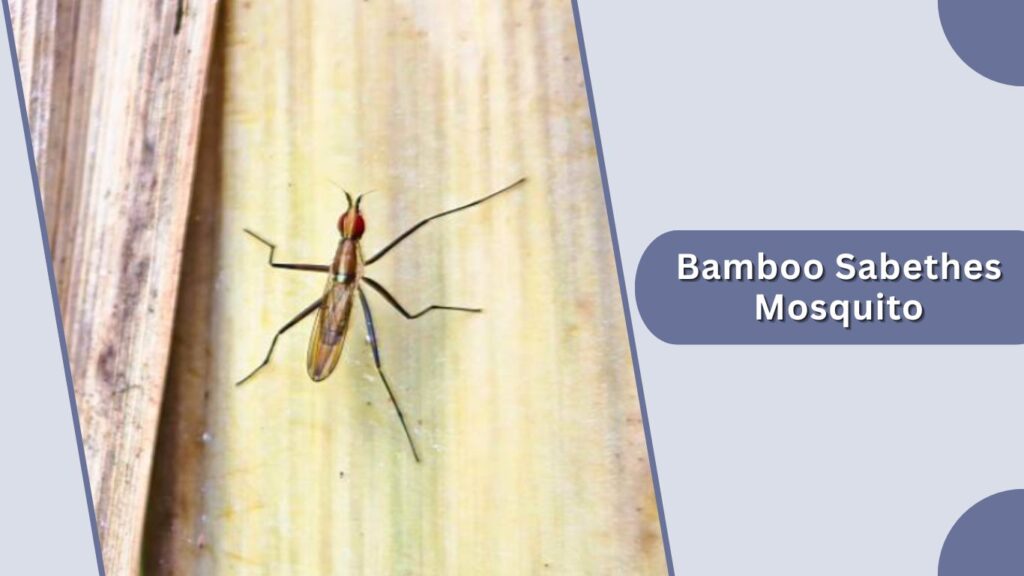
The Bamboo Sabethes mosquito is a tropical mosquito species associated with bamboo-rich forest environments in Central and South America. It belongs to the Sabethes genus and is recognized for its colorful metallic body and distinctive paddle-like leg scales. This mosquito is especially adapted to breeding in bamboo cavities that collect rainwater, which is how it received its common name. Like many forest mosquitoes, it prefers humid jungle ecosystems with dense vegetation and stable moisture levels. Its unusual appearance and specialized breeding habits make it an important species for tropical insect research.
Identification
- Metallic blue, green, or purple body coloration
- Long slender legs with paddle-shaped scales
- Reflective thorax and abdomen
- Narrow transparent wings
- Medium-sized mosquito with elegant appearance
- Feather-like paddles on middle legs
- Delicate and lightweight body structure
Habitat
Bamboo Sabethes mosquitoes mainly inhabit tropical forests where bamboo plants are abundant. They are commonly found in humid rainforest regions with dense vegetation and regular rainfall. Their breeding sites usually include water-filled bamboo stumps, broken bamboo sections, and natural plant cavities that trap rainwater. These mosquitoes thrive in shaded forest habitats and are rarely found in urban or dry environments. The constant humidity of bamboo forests provides ideal conditions for their development and survival.
Behavior
These mosquitoes are active during the daytime and are often seen flying through shaded vegetation in forested areas. Females feed on blood for egg production, while males consume nectar and plant juices. Bamboo Sabethes mosquitoes are agile fliers capable of moving quickly between bamboo clusters and tree branches. Females use a specialized egg-laying technique by flicking eggs into narrow water-filled cavities while hovering in flight. This behavior helps place eggs safely inside protected breeding sites.
Medical Importance
Some Bamboo Sabethes mosquitoes may participate in the jungle transmission cycle of yellow fever virus and other tropical pathogens. Although they are not major urban disease vectors, they can spread viruses among wildlife populations living in forest ecosystems. Human infections may occur when people enter forested regions where infected mosquitoes are active. Their role in tropical disease ecology makes them important for scientific monitoring and public health research in rainforest environments.
7. Yellow Fever Forest Mosquito
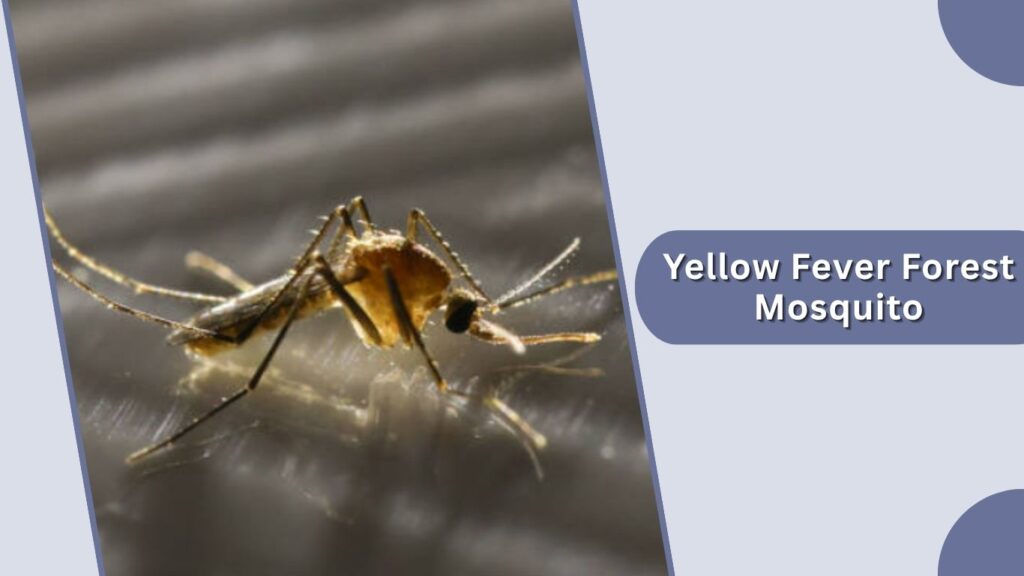
The Yellow Fever Forest mosquito is a tropical mosquito from the Sabethes genus that is associated with jungle transmission of yellow fever virus. It is commonly found in forested regions of Central and South America, especially in humid tropical rainforests. This mosquito is known for its colorful metallic body, long legs, and distinctive paddle-shaped scales. Unlike urban mosquitoes that live near human settlements, Yellow Fever Forest mosquitoes mainly inhabit remote forest ecosystems. Their connection to wildlife disease cycles makes them important in tropical medicine and rainforest ecology studies.
Identification
- Metallic blue, green, or purple body coloration
- Long slender legs with paddle-like scales
- Reflective body with shiny markings
- Narrow transparent wings
- Feather-like paddles on middle legs
- Medium-sized mosquito with elegant structure
- Active daytime flying behavior
Habitat
Yellow Fever Forest mosquitoes thrive in tropical rainforests with dense vegetation, high humidity, and frequent rainfall. They are commonly found in forest canopy environments where shade and moisture remain consistent throughout the year. Their breeding sites include tree holes, bamboo cavities, and natural plant containers filled with rainwater. Because these mosquitoes depend on stable forest ecosystems, they are rarely present in urban areas. Tropical forests provide ideal conditions for their feeding, breeding, and survival.
Behavior
These mosquitoes are primarily active during daylight hours and are often observed flying through shaded forest vegetation. Females feed on blood to support egg production, while males feed mainly on nectar and plant juices. Yellow Fever Forest mosquitoes are agile fliers and can move efficiently through dense jungle habitats. Females lay eggs by flicking them into narrow water-filled cavities while hovering in the air. This specialized reproductive behavior is common among Sabethes mosquitoes.
Medical Importance
Yellow Fever Forest mosquitoes are medically important because some species can transmit yellow fever virus in jungle environments. They help maintain the natural transmission cycle between mosquitoes and wild primates living in tropical forests. Human infections may occur when people enter infected forest regions for travel, research, or work. Although they are not major urban vectors, their role in jungle disease transmission makes them significant in tropical public health monitoring and mosquito research programs.
FAQs
What makes Sabethes mosquitoes different from other mosquitoes?
Sabethes mosquitoes are known for their bright metallic colors and paddle-shaped scales on their legs. Unlike many common mosquitoes, they are active during the daytime and usually live in tropical forest canopies. Their elegant appearance and unique egg-laying behavior make them highly distinctive among mosquito species.
Where are Sabethes mosquitoes commonly found?
These mosquitoes are mainly found in tropical regions of Central and South America. They thrive in humid rainforests with dense vegetation and abundant rainfall. Most species prefer forest canopies and breed in natural water-filled cavities such as tree holes and bamboo stumps.
Are Sabethes mosquitoes dangerous to humans?
Some Sabethes mosquito species can transmit yellow fever virus in jungle environments. Although they are not major urban disease vectors, they can still spread diseases among wildlife and occasionally infect humans who enter tropical forest regions.
Why do Sabethes mosquitoes have paddle-like legs?
The paddle-shaped scales on their legs are one of their most recognizable features. Scientists believe these structures may help with mating displays, balance during flight, or species recognition, although their exact function is still being studied.
Do Sabethes mosquitoes bite during the day or night?
Sabethes mosquitoes are mainly daytime biters. They are most active in shaded forest environments during daylight hours, unlike many common mosquito species that are more active at night.